Journey Start
PuneStart
Email Anytime
contact@triptoyatra.in
Call Anytime
Email Anytime
Call Anytime
46 packages available
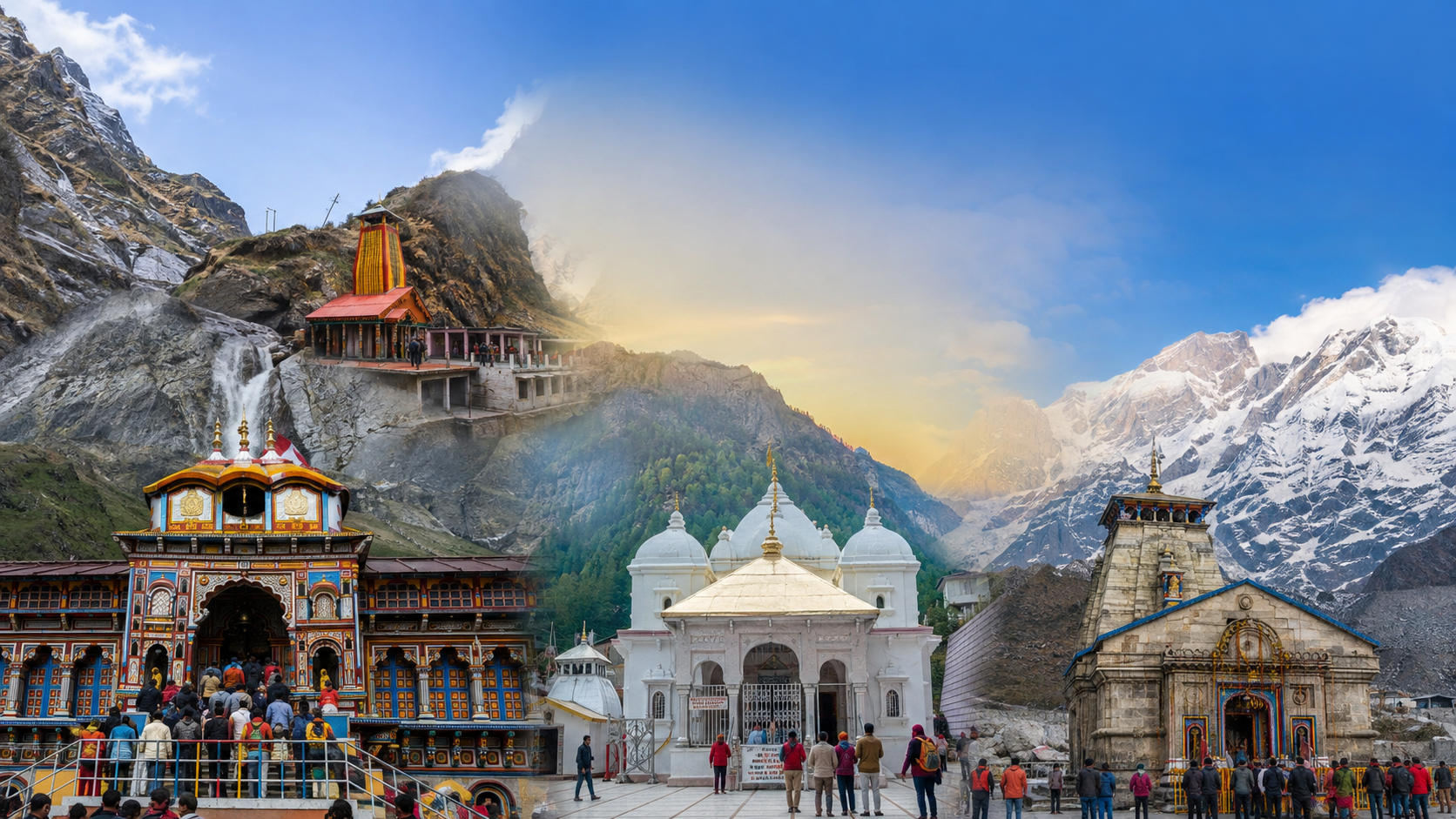
Plan a meaningful pilgrimage to Uttarakhand’s four sacred Himalayan shrines with this 12 Days / 11 Nights Chardham Yatra package from Delhi. The Delhi-to-Delhi journey brings together Yamunotri, Gangotri, Kedarnath and Badrinath, with time in important gateway destinations such as Haridwar and Rishikesh. Designed for travellers who want a structured Char Dham pilgrimage without having to coordinate every travel detail themselves, the package combines spiritual visits with the distinctive mountain landscapes of Uttarakhand. As the shrines are seasonal and high-altitude destinations, travel dates, registration requirements and access conditions should be checked before booking. Enquire with Tr
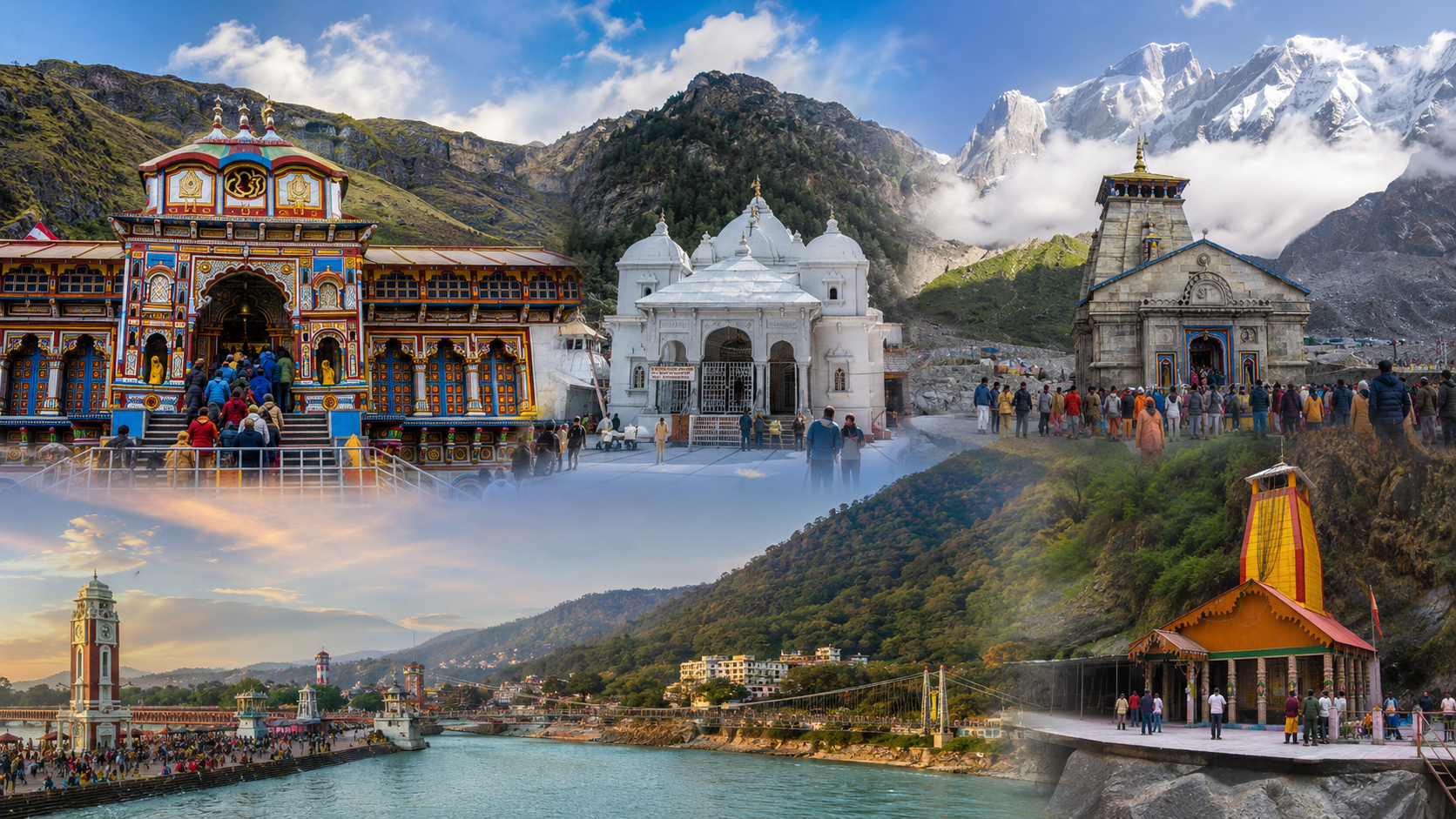
Plan your sacred Himalayan journey with our Chardham Yatra package from Haridwar, designed for travellers wishing to visit Yamunotri, Gangotri, Kedarnath and Badrinath in one organised pilgrimage. This 10 Days / 9 Nights journey starts and concludes in Haridwar and follows the traditional Char Dham sequence through Uttarakhand. Along with the four principal shrines, the journey brings you through the spiritual landscape of the Garhwal Himalayas, with Rishikesh associated with the overall travel region. As mountain conditions, temple opening dates, registrations and access arrangements can change, final 2027 operational details should be verified before departure.
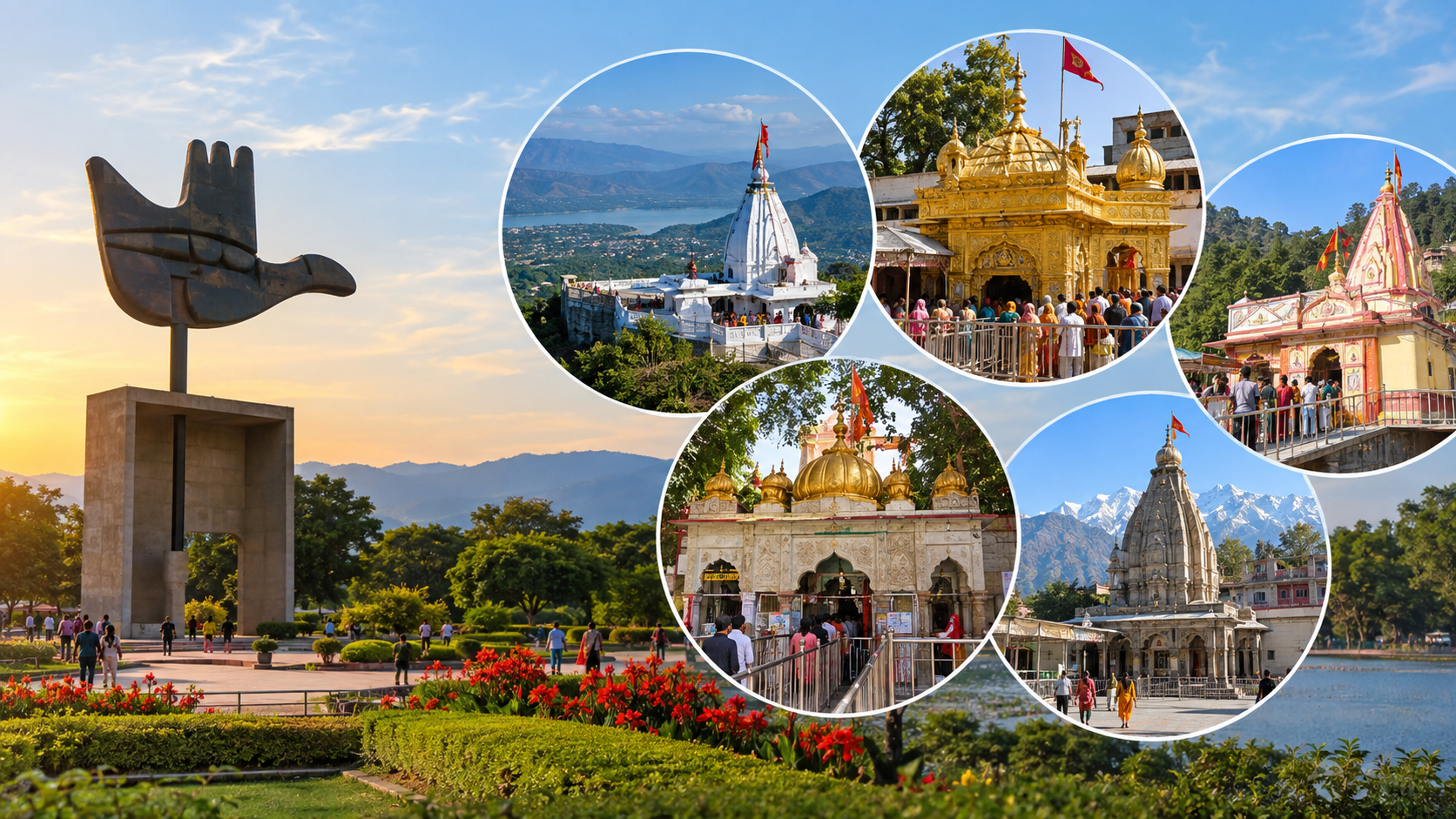
Himachal 5 Devi Darshan from Chandigarh. Package details, itinerary and pricing can be completed in the CRM.
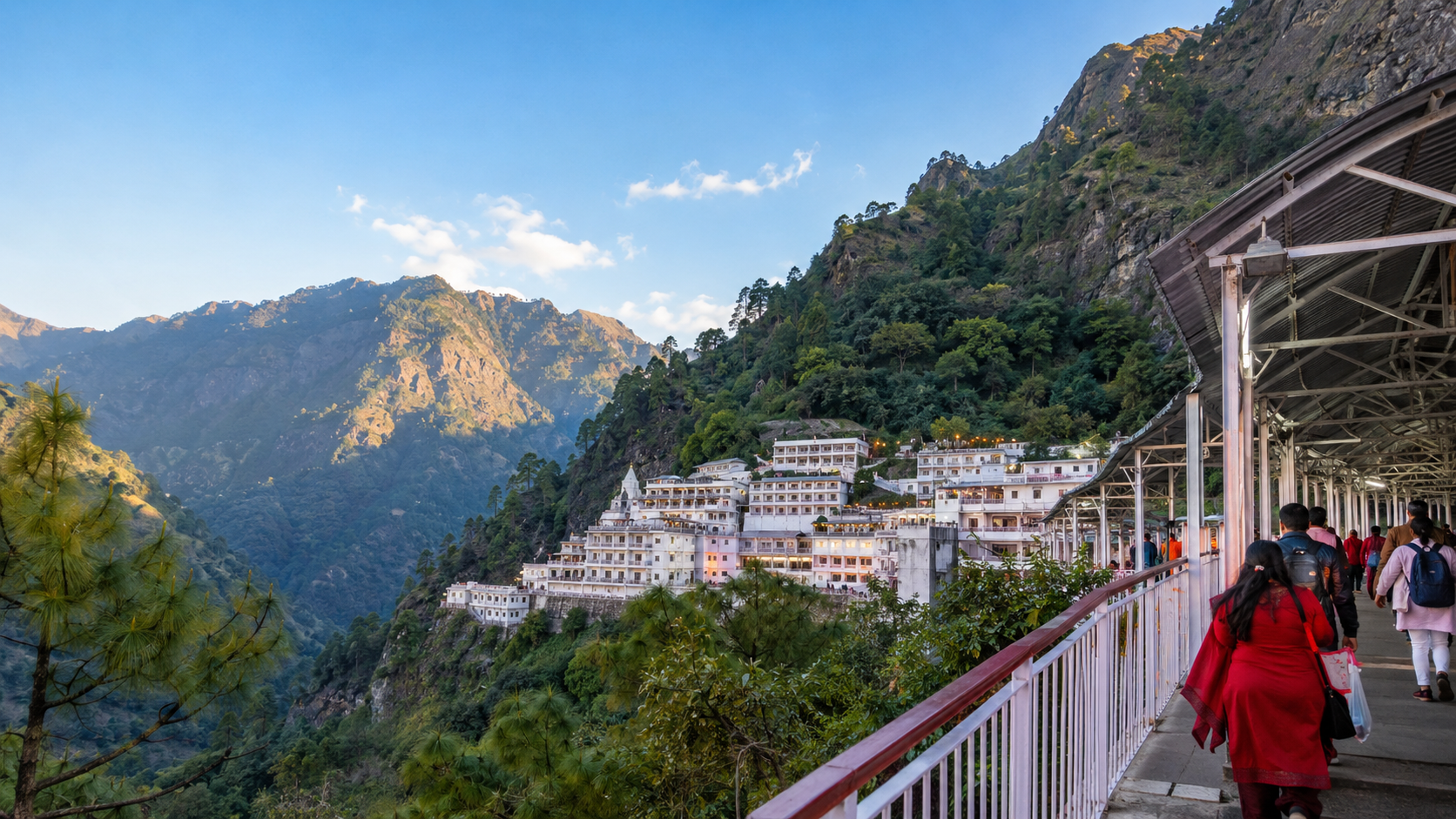
Vaishno Devi Yatra from Katra. Package details, itinerary and pricing can be completed in the CRM.
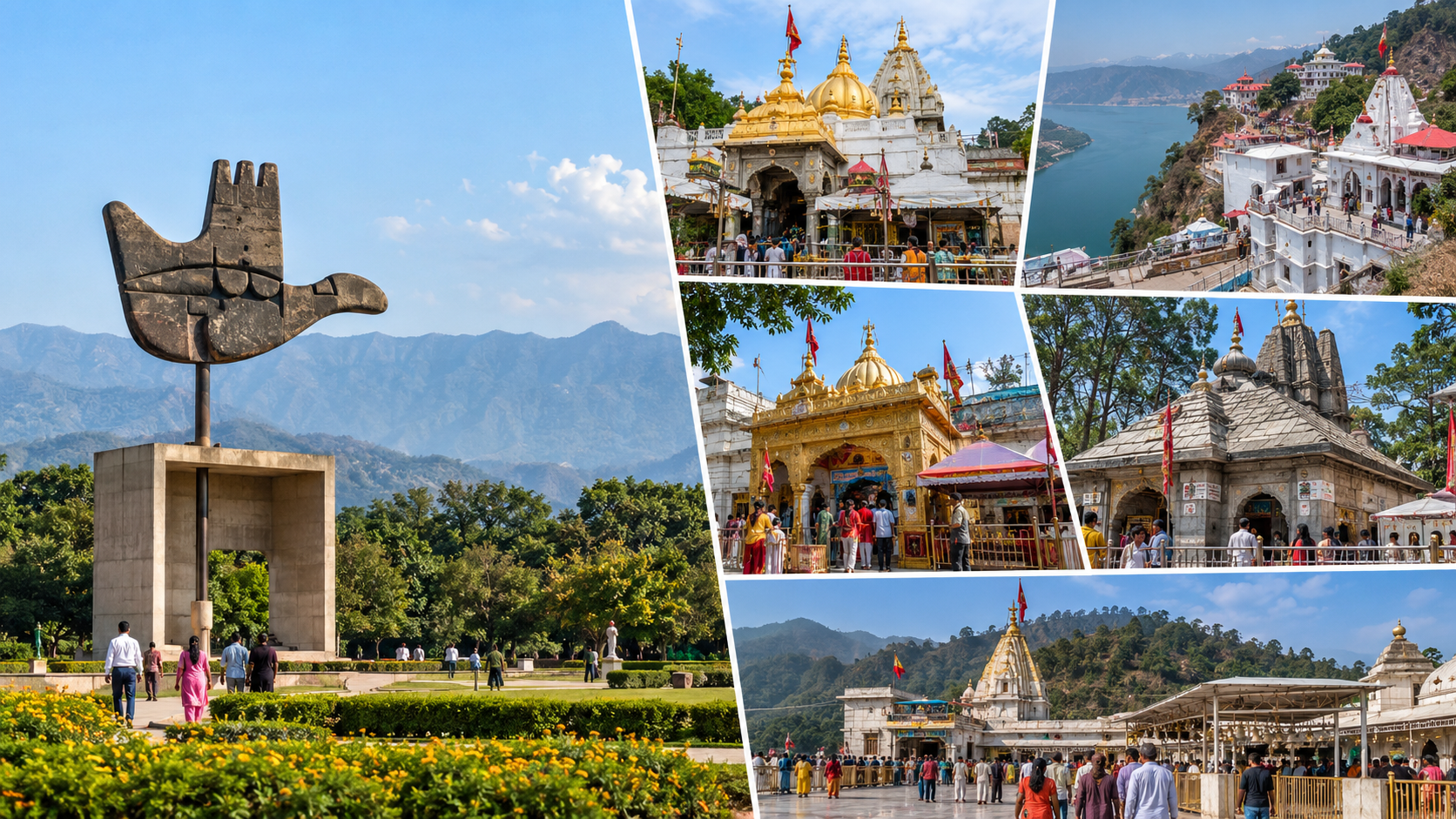
9 Devi Yatra from Chandigarh. Package details, itinerary and pricing can be completed in the CRM.
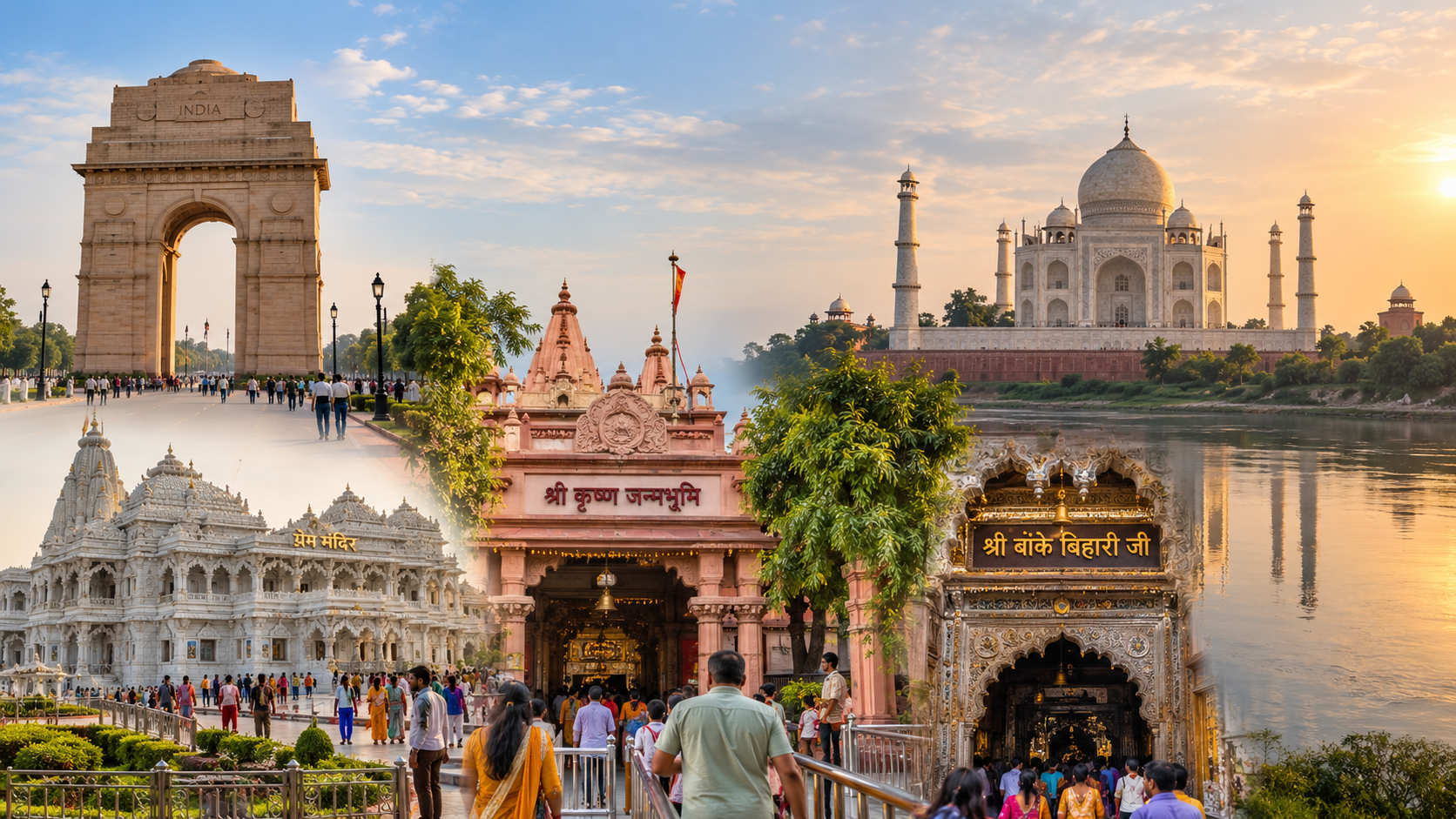
Agra Mathura Vrindavan Tour from Delhi. Package details, itinerary and pricing can be completed in the CRM.
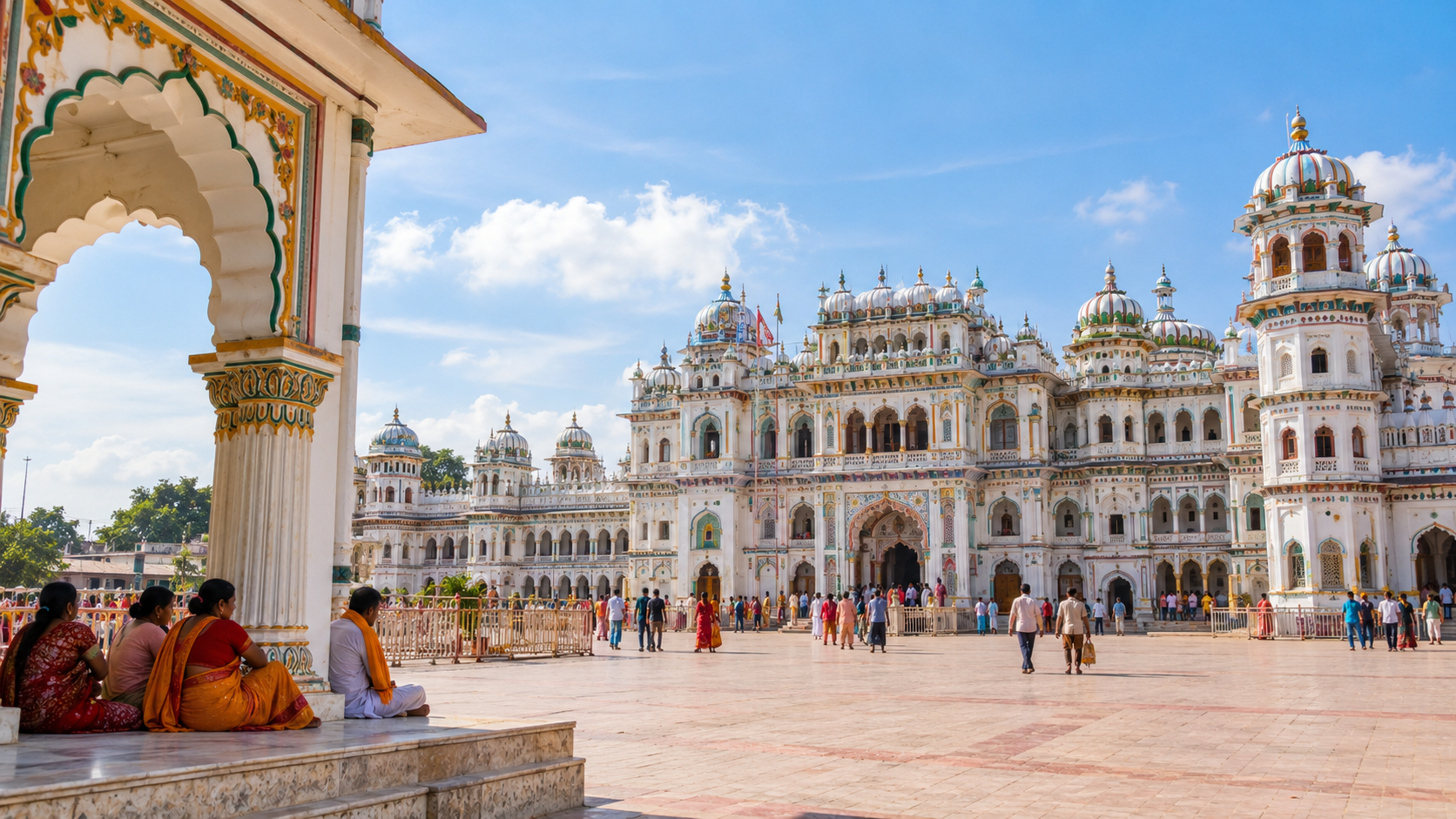
Sitamarhi Janakpur Tour from Darbhanga. Package details, itinerary and pricing can be completed in the CRM.
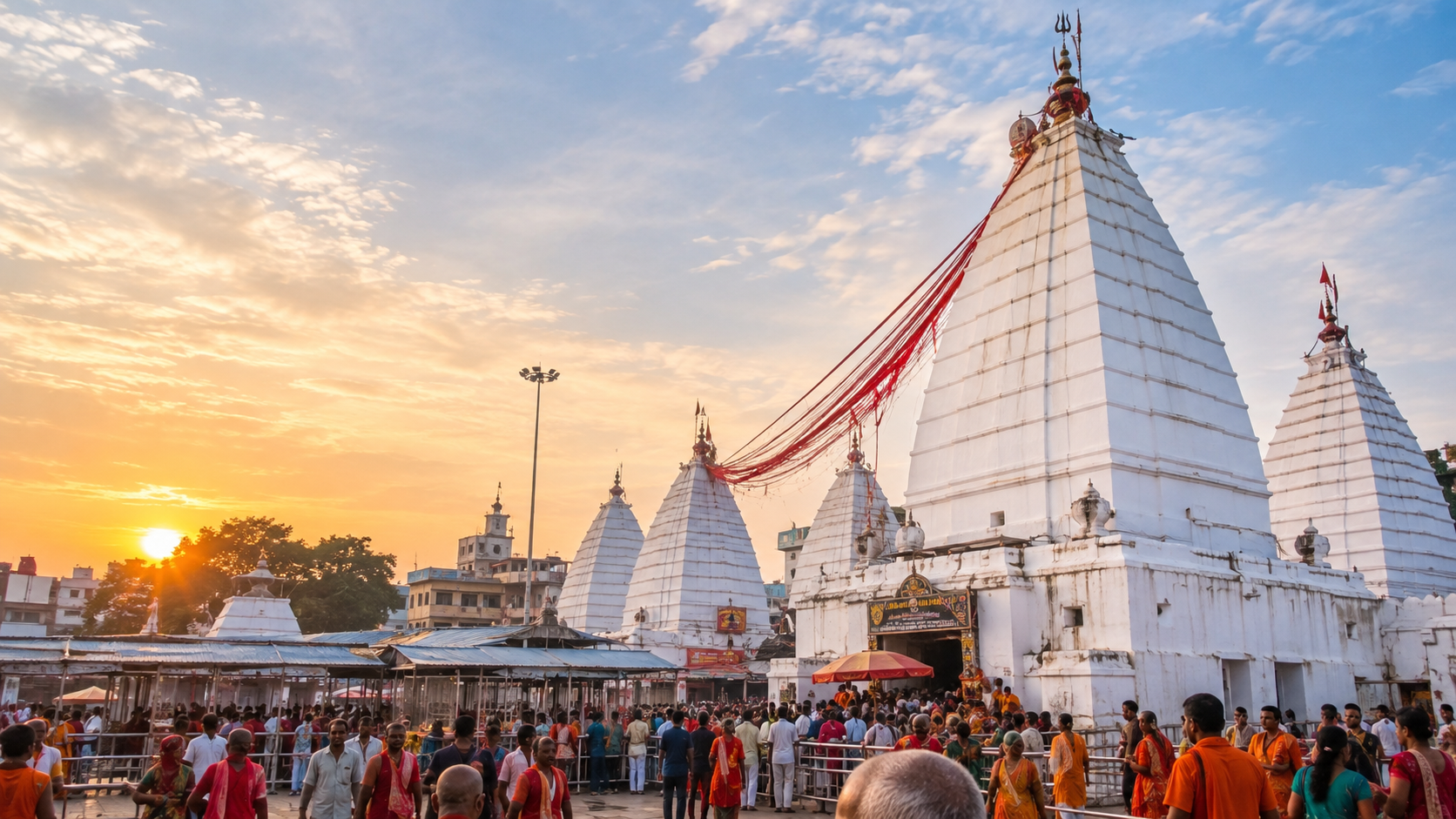
Deoghar Basukinath Tour from Deoghar. Package details, itinerary and pricing can be completed in the CRM.
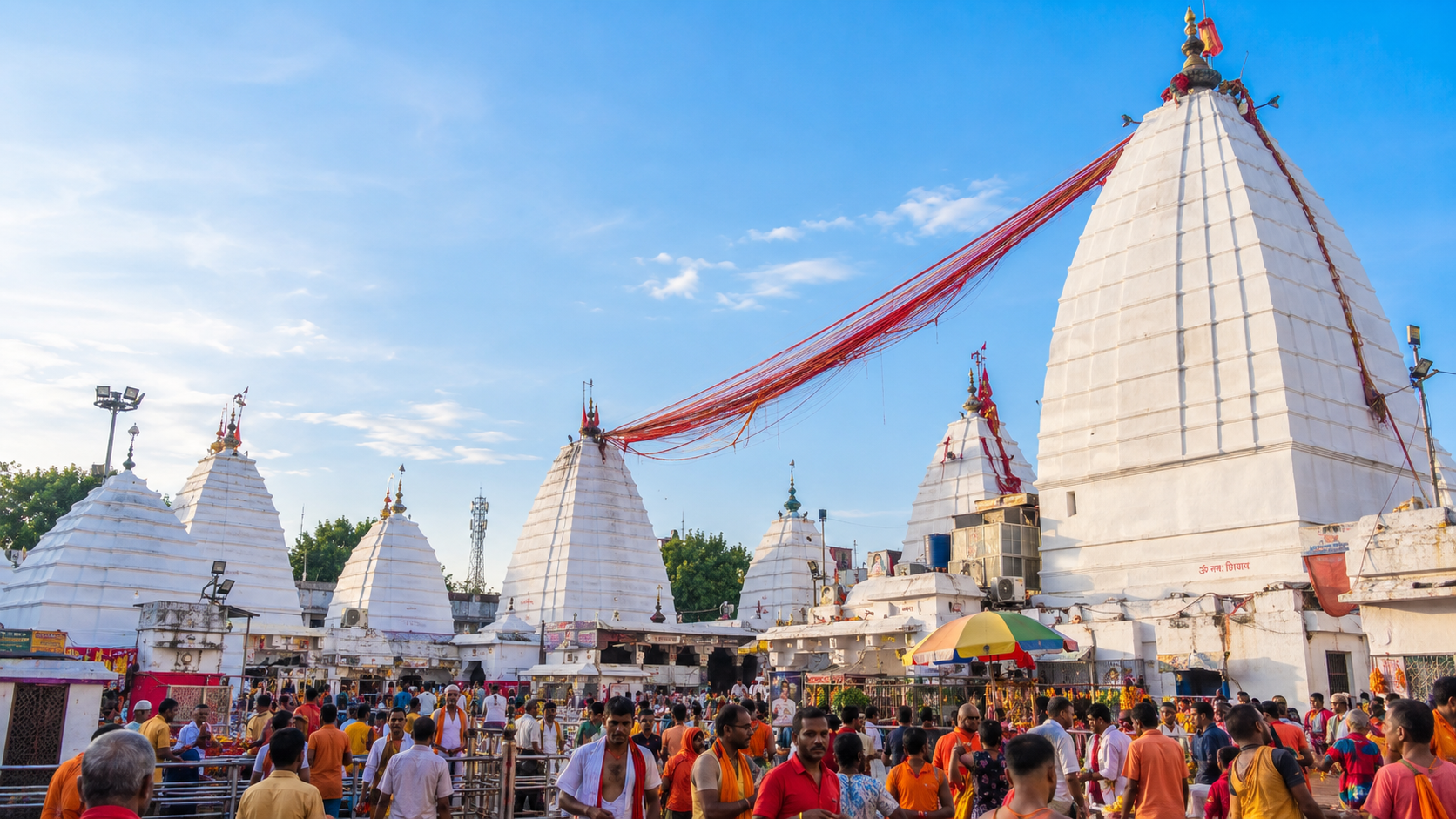
Deoghar Baba Dham Tour from Deoghar. Package details, itinerary and pricing can be completed in the CRM.
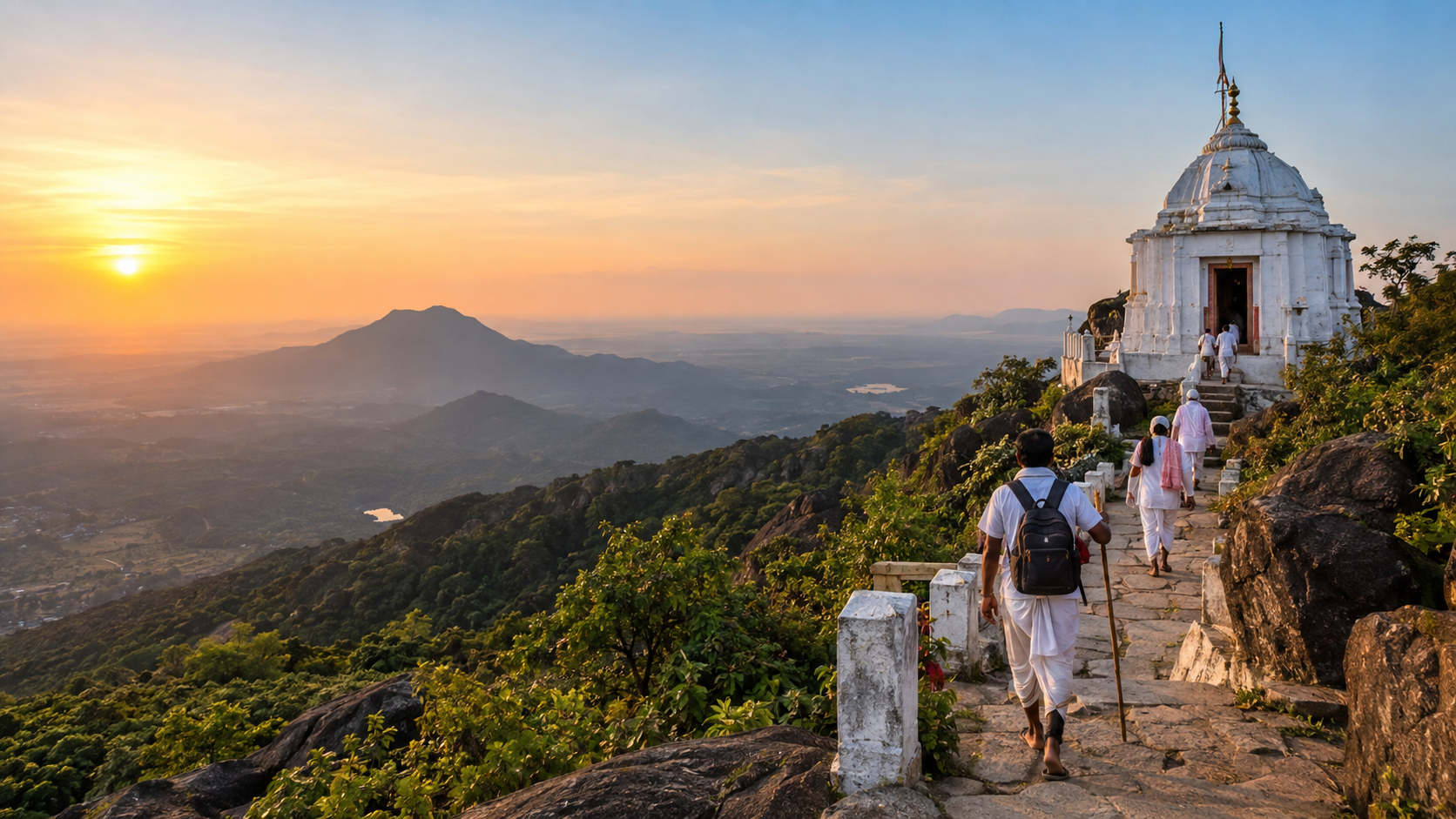
Shikharji Tour from Ranchi. Package details, itinerary and pricing can be completed in the CRM.
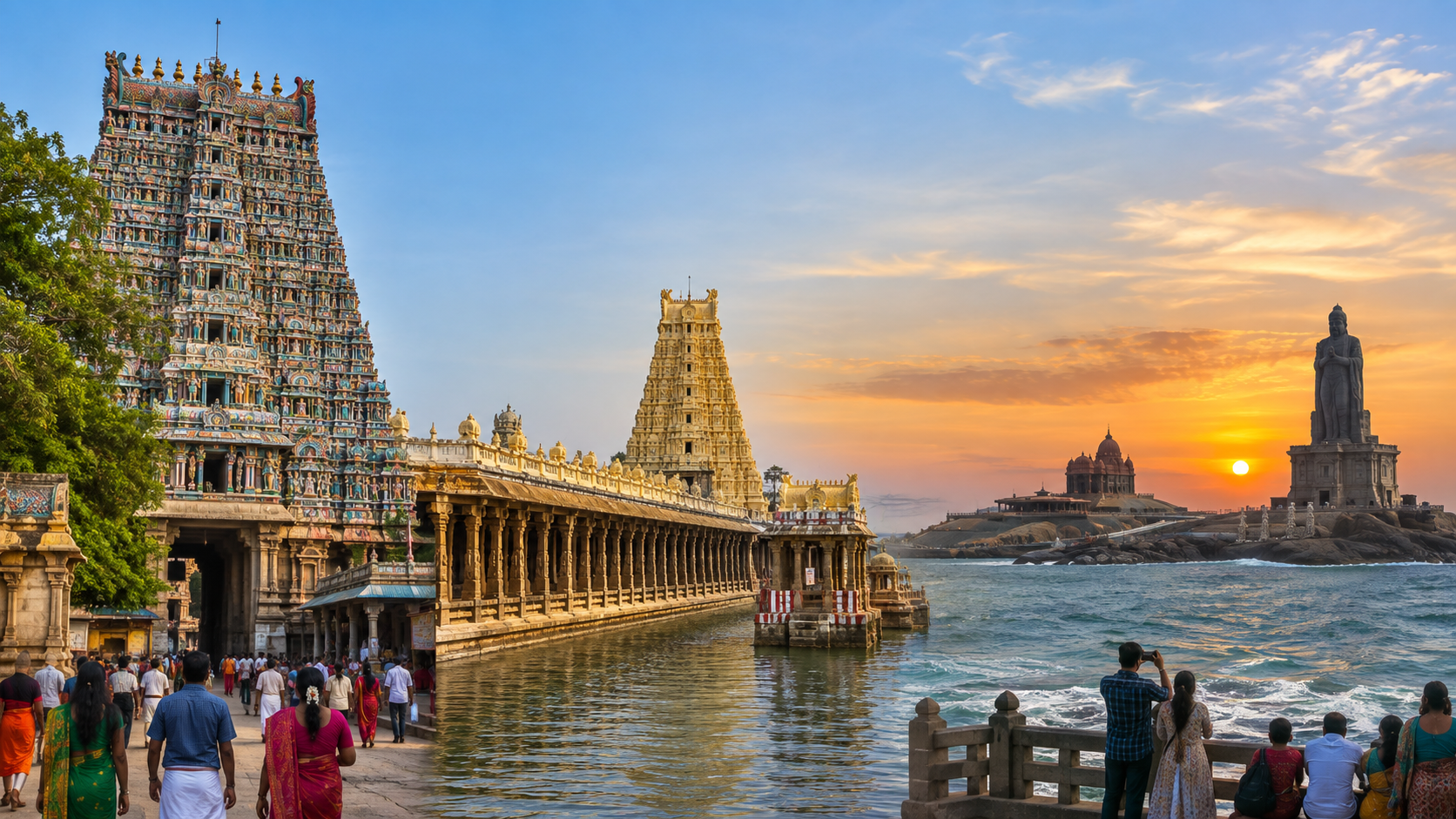
Madurai Rameswaram Kanyakumari Tour from Madurai. Package details, itinerary and pricing can be completed in the CRM.
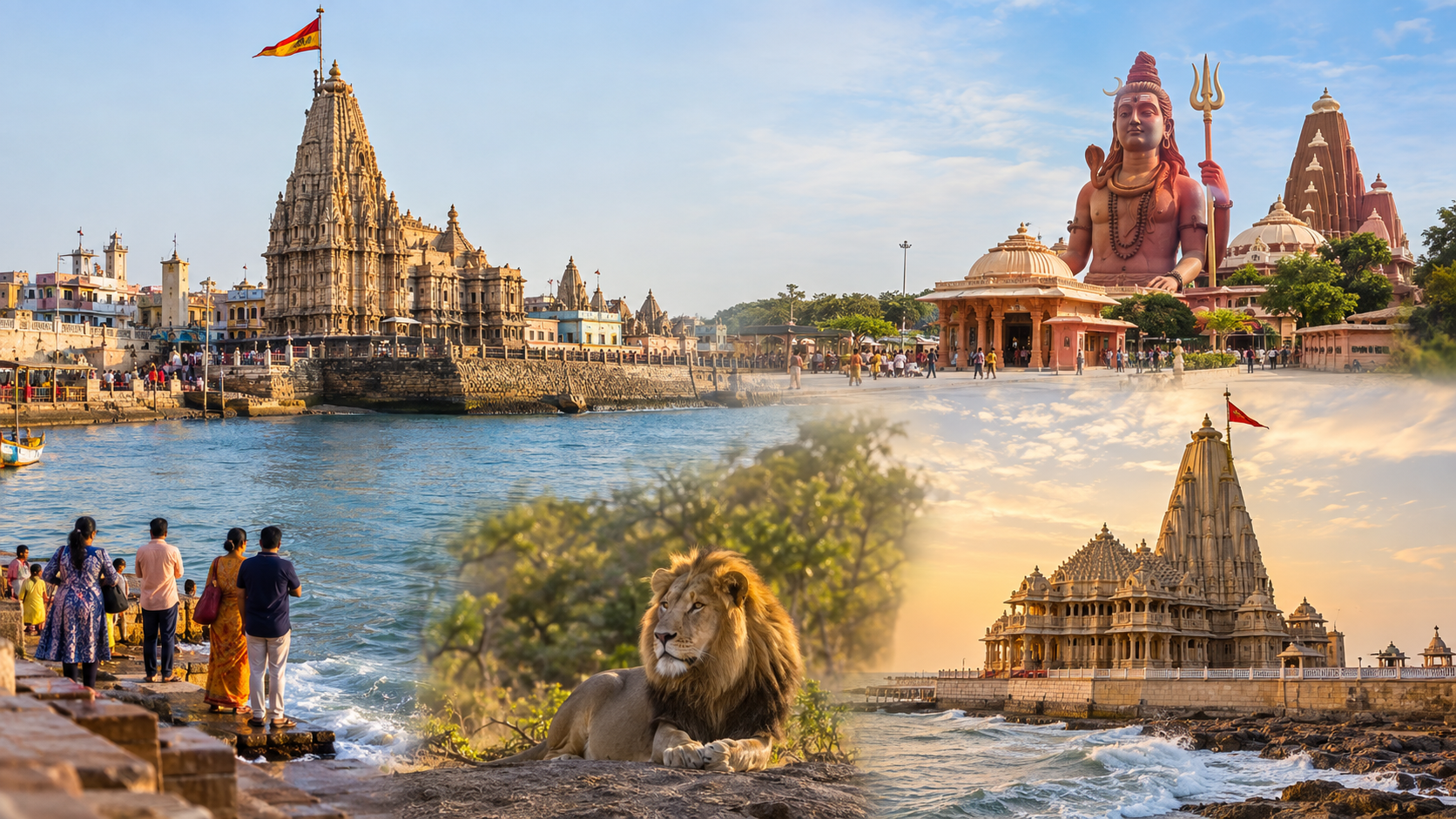
Dwarka Somnath Nageshwar Gir Tour from Rajkot. Package details, itinerary and pricing can be completed in the CRM.
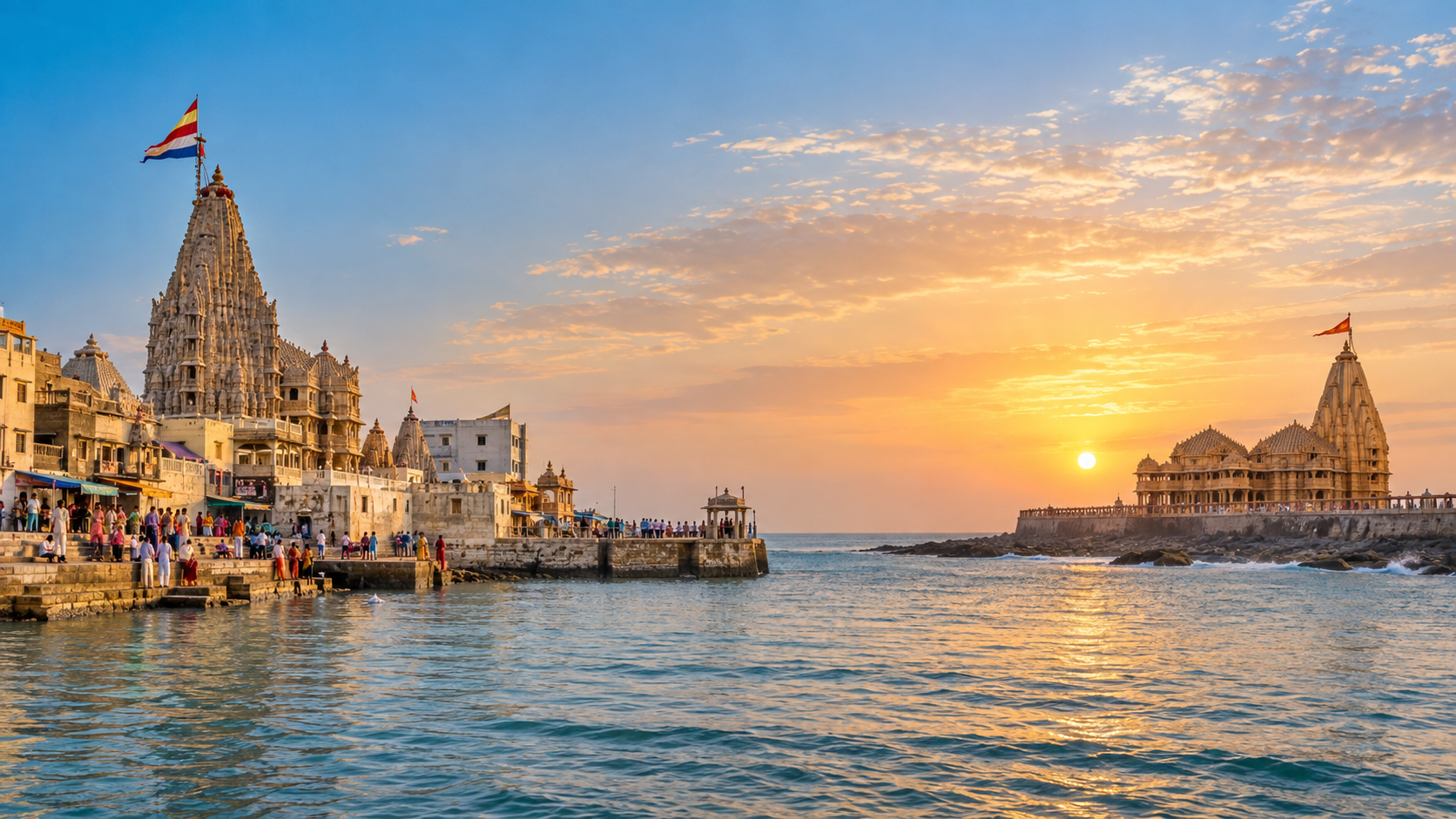
Dwarka Somnath Tour from Rajkot. Package details, itinerary and pricing can be completed in the CRM.
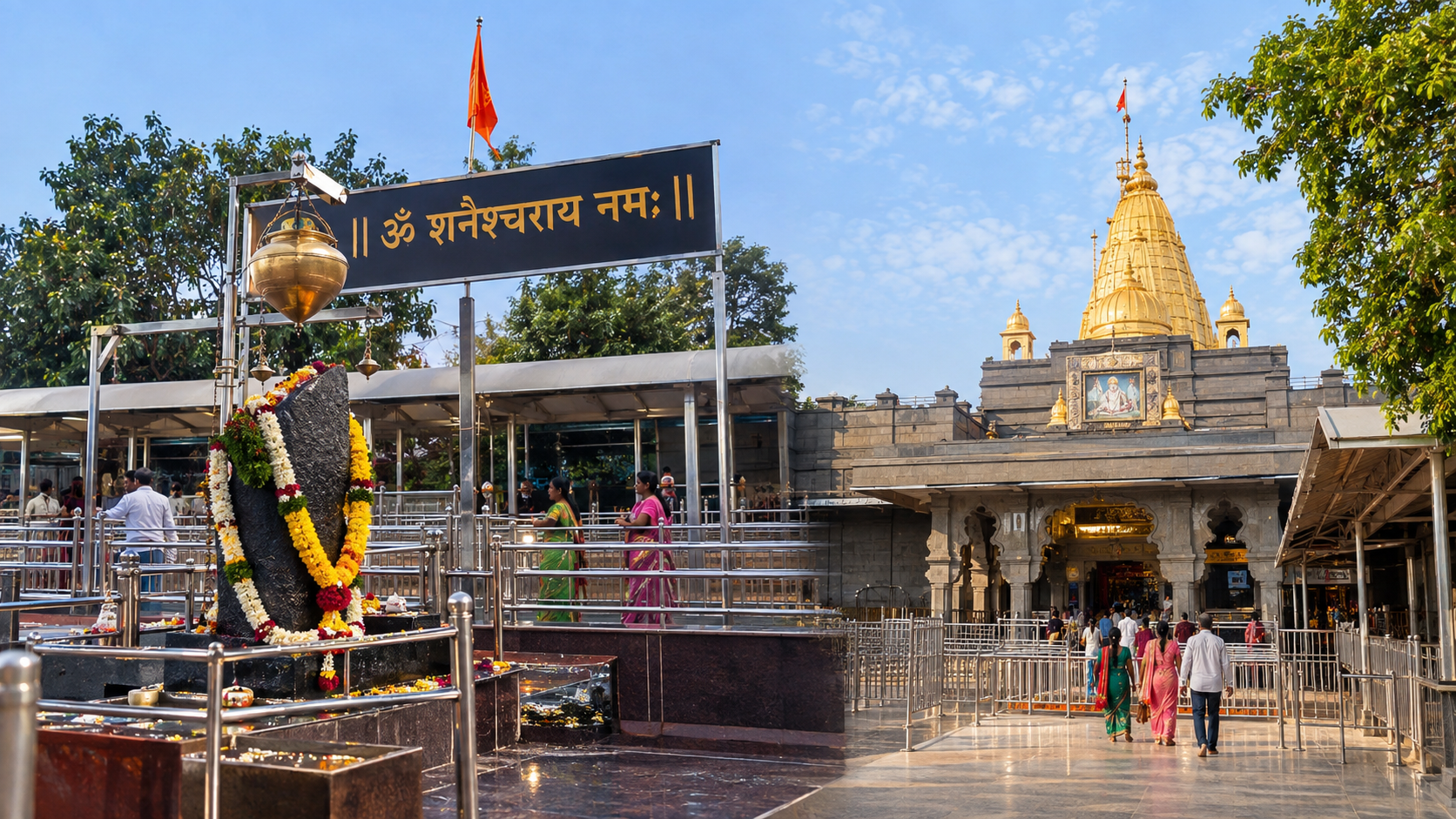
Shirdi Shani Shingnapur Tour from Shirdi. Package details, itinerary and pricing can be completed in the CRM.
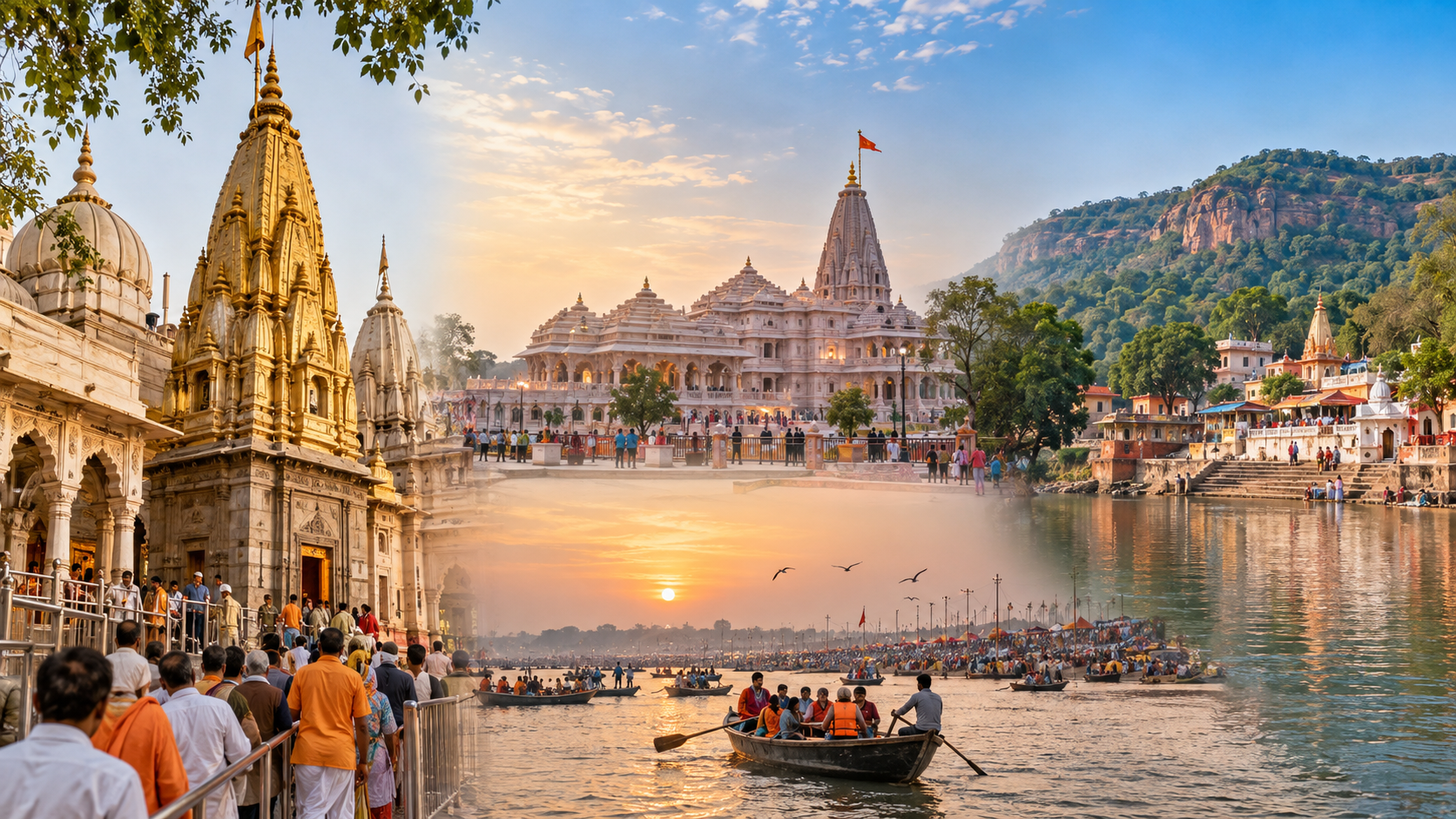
Varanasi Ayodhya Prayagraj Chitrakoot Tour from Varanasi. Package details, itinerary and pricing can be completed in the CRM.
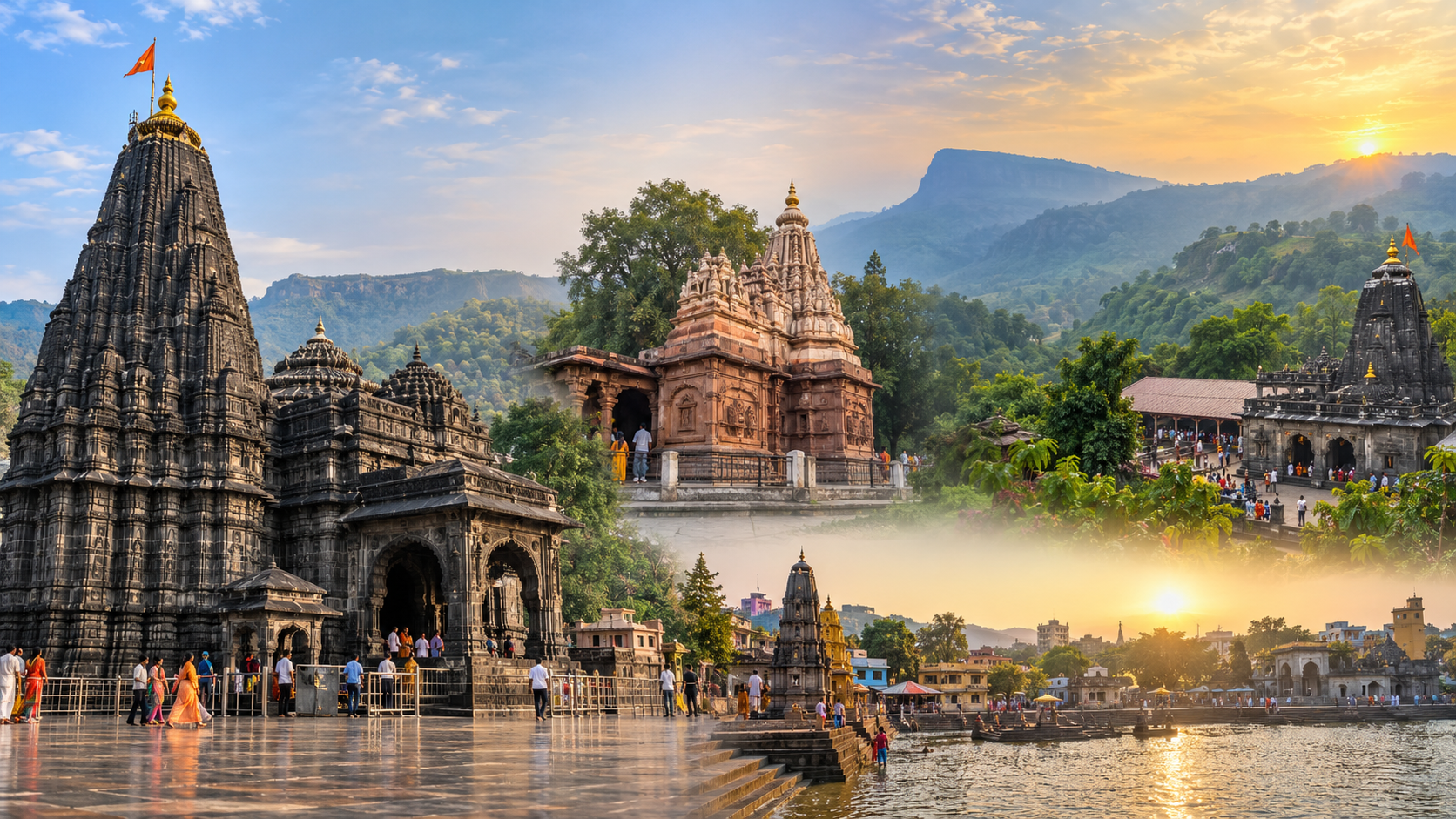
Maharashtra Jyotirlinga Tour from Nashik. Package details, itinerary and pricing can be completed in the CRM.
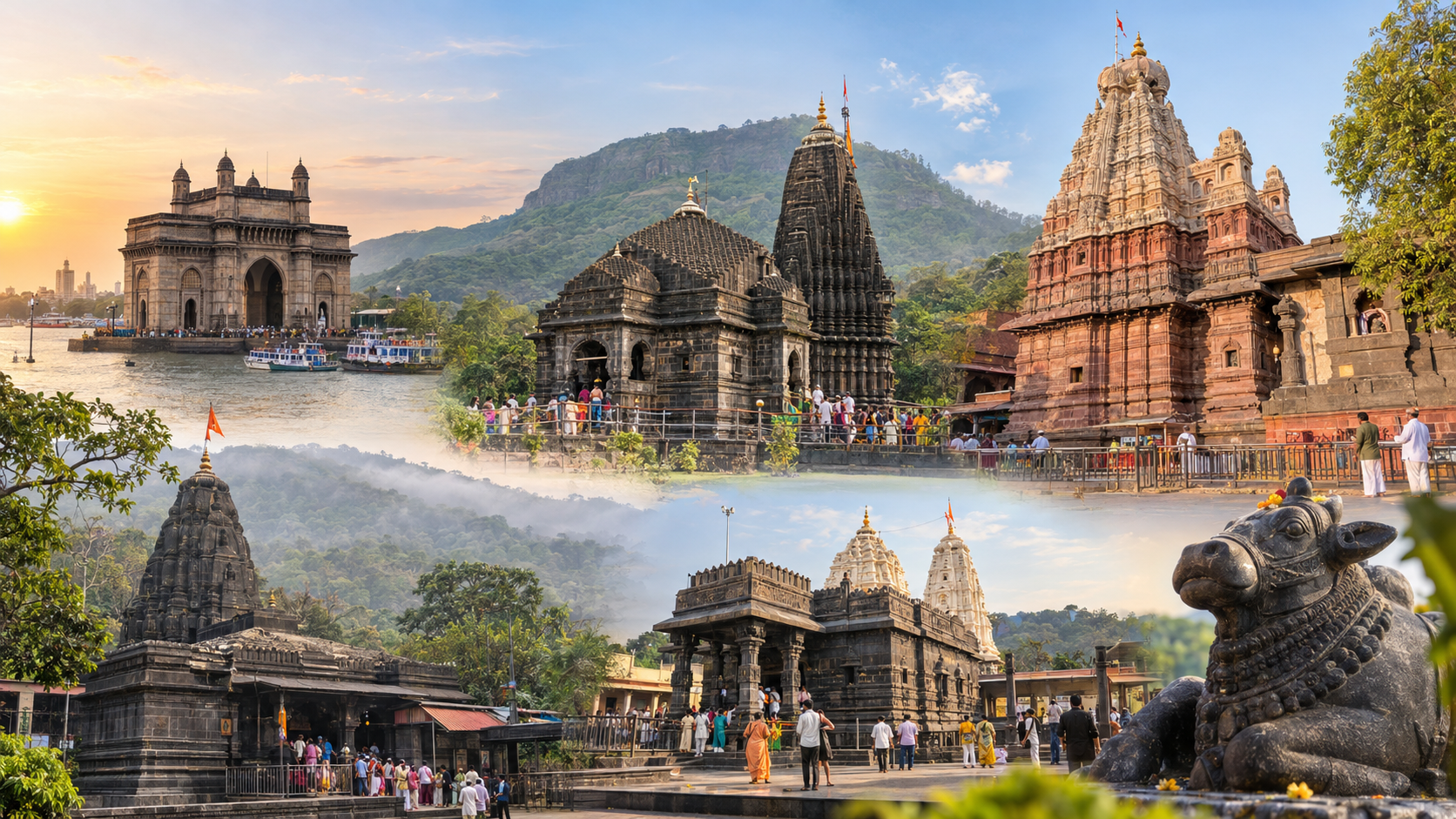
Maharashtra Jyotirlinga Tour from Mumbai. Package details, itinerary and pricing can be completed in the CRM.
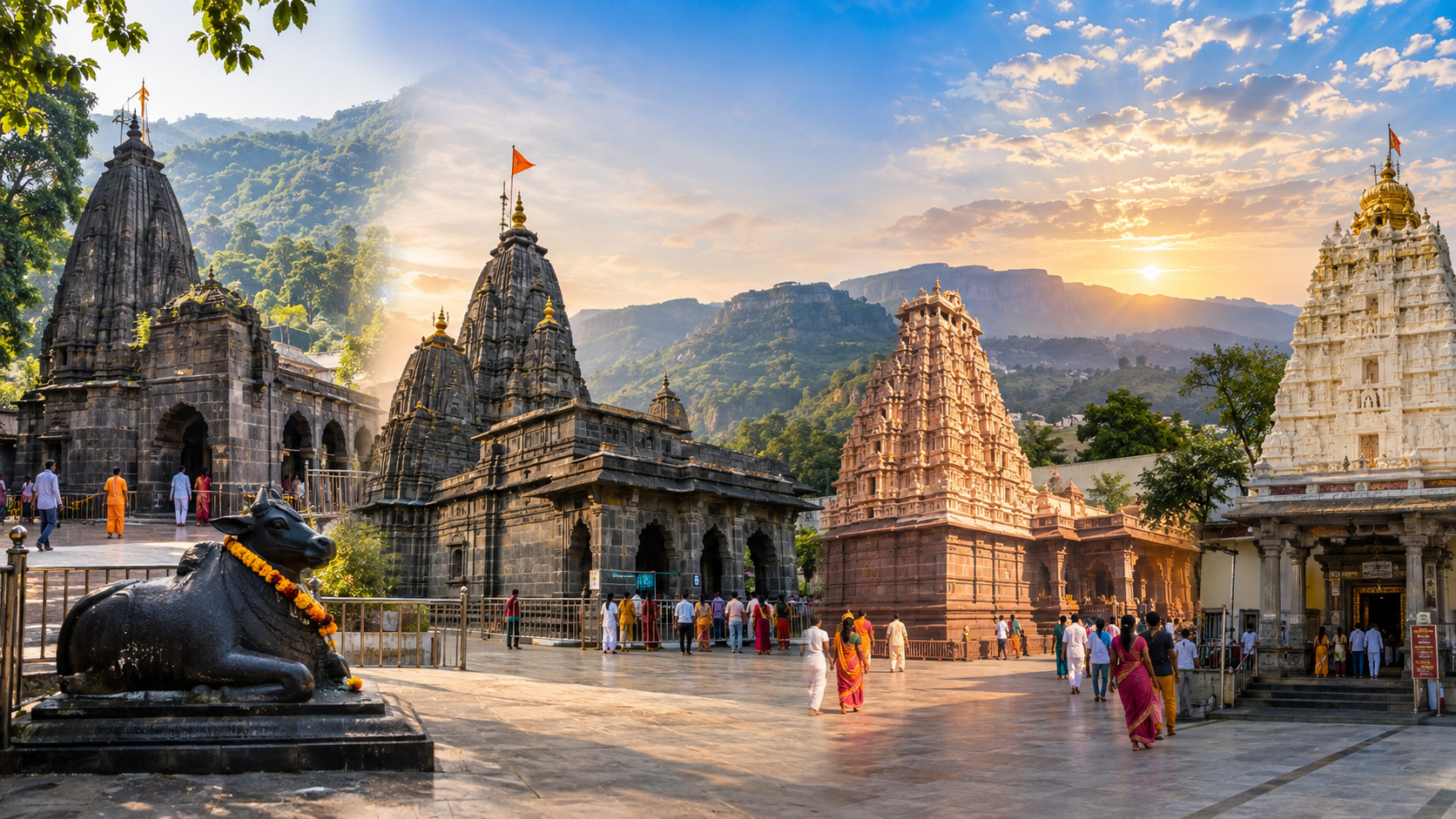
Maharashtra Jyotirlinga Tour from Pune. Package details, itinerary and pricing can be completed in the CRM.
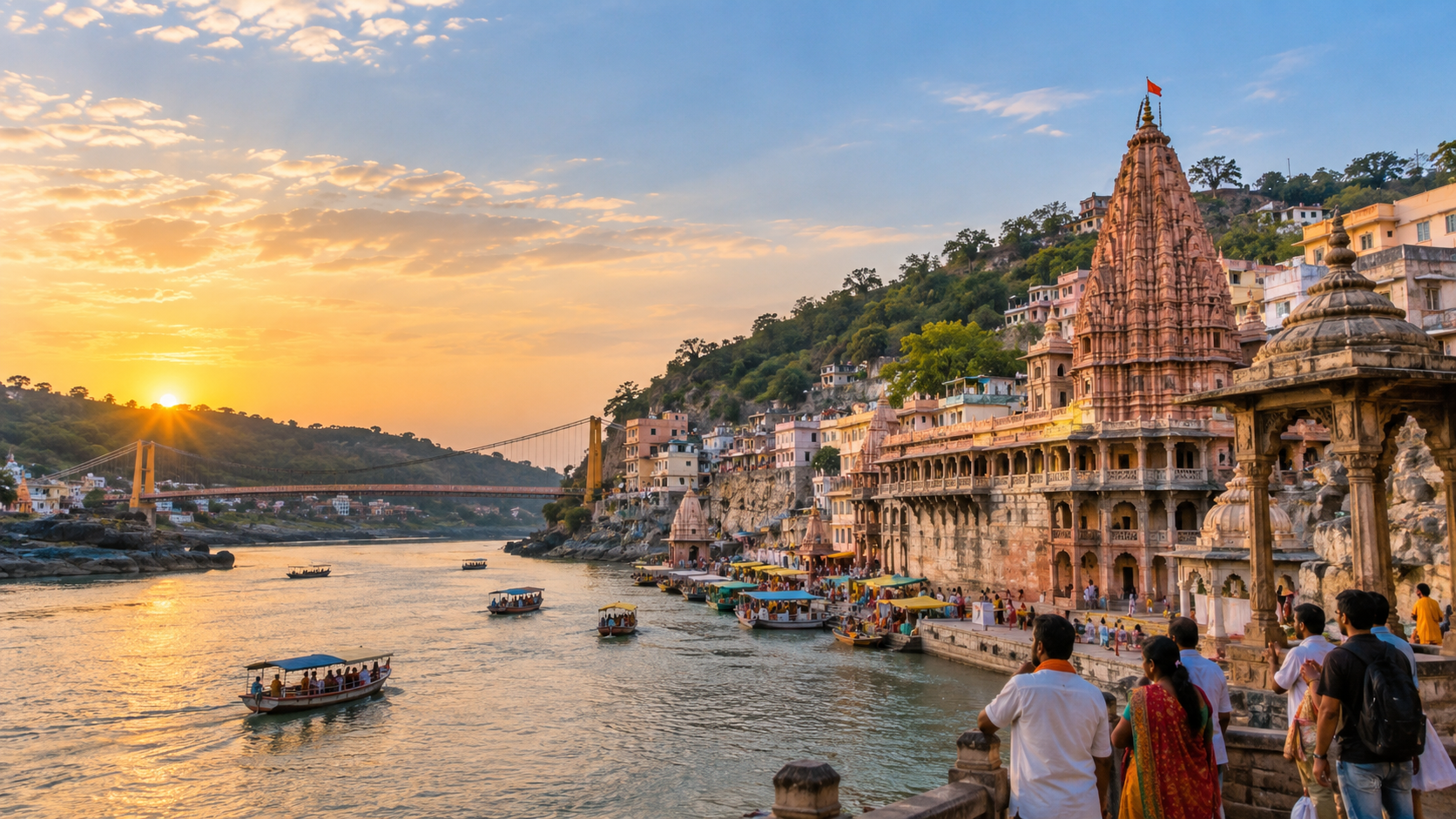
Ujjain Mahakal Omkareshwar Tour from Ujjain. Package details, itinerary and pricing can be completed in the CRM.
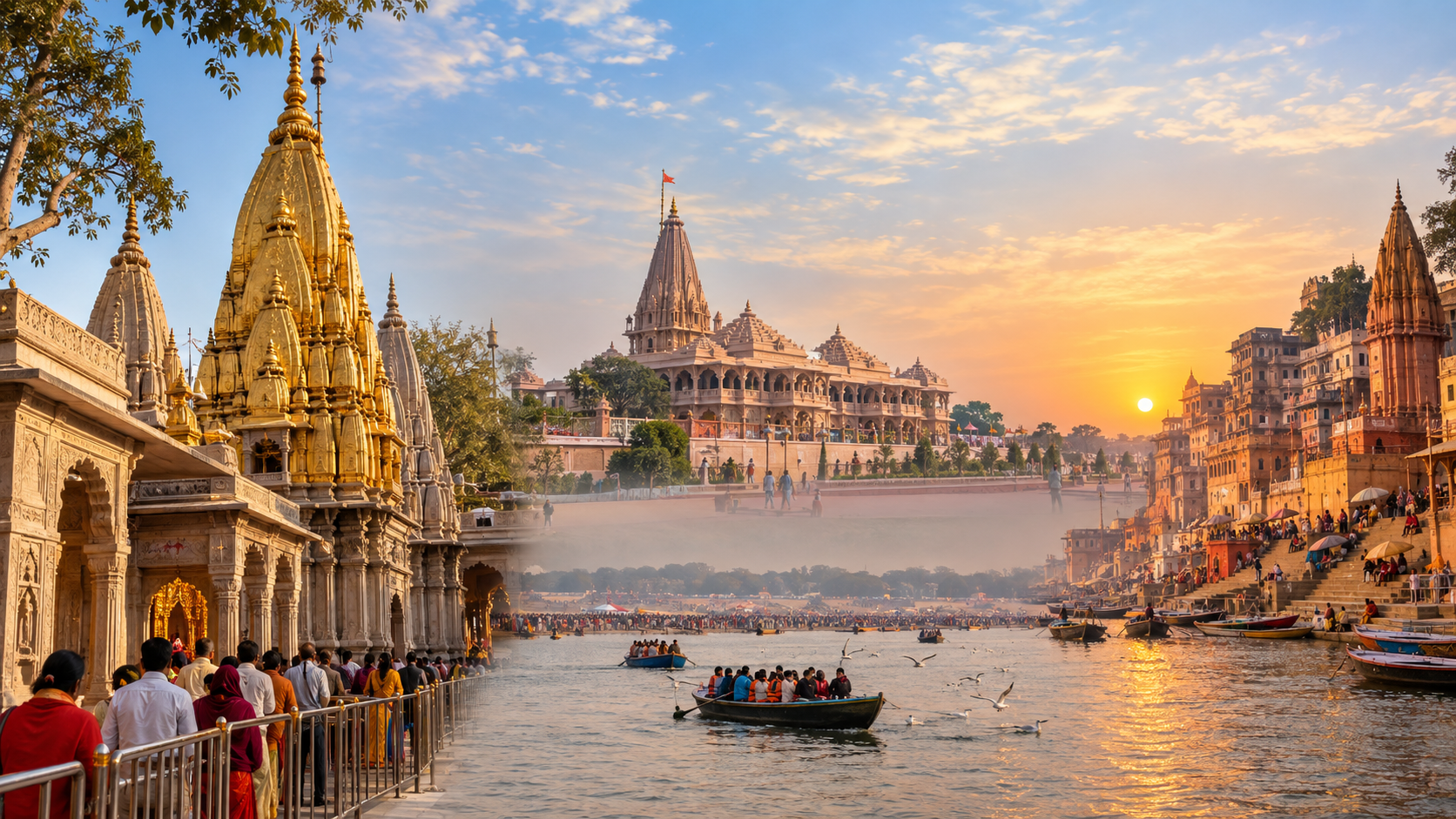
Varanasi Ayodhya Prayagraj Tour from Varanasi. Package details, itinerary and pricing can be completed in the CRM.
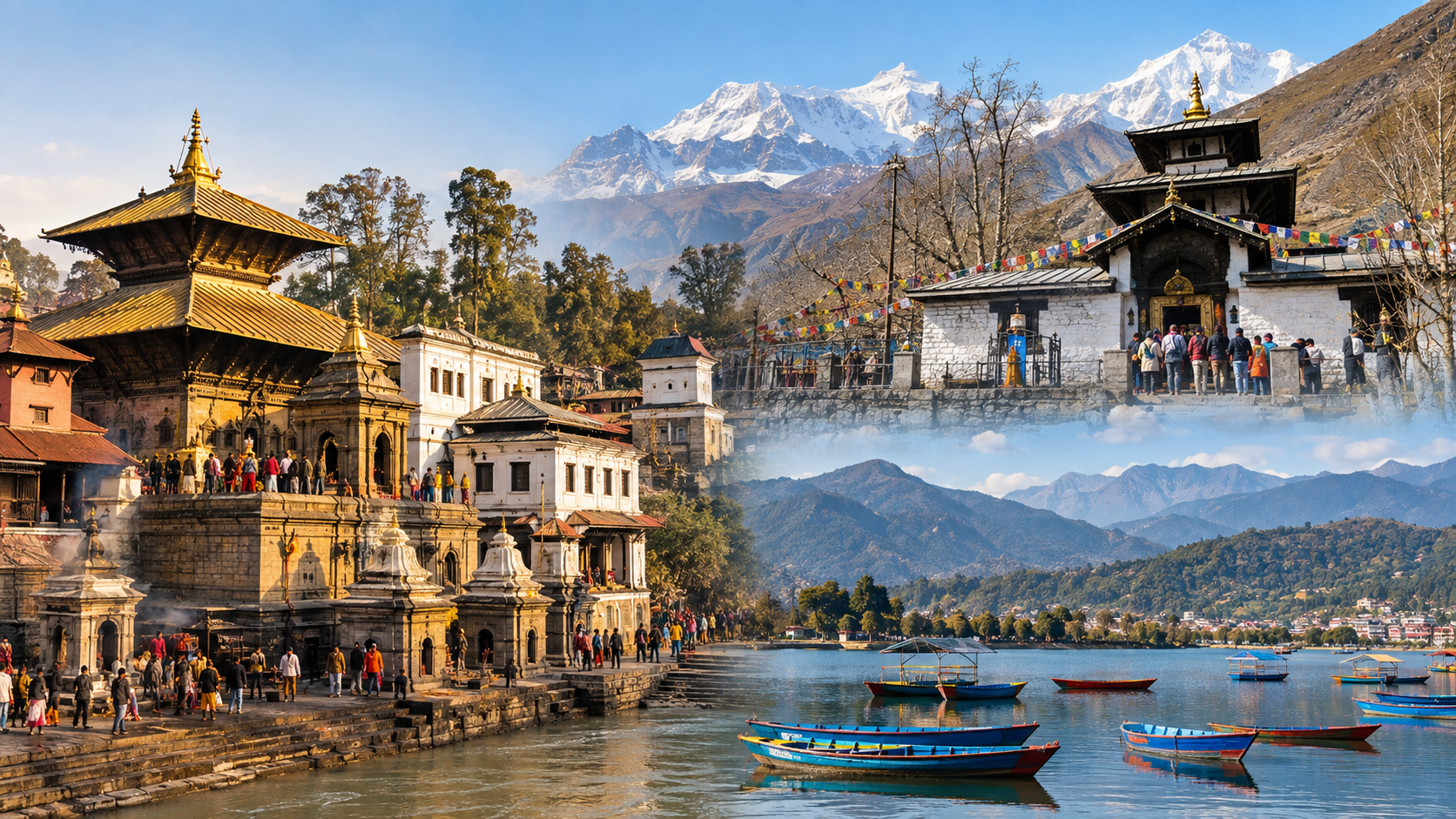
Kathmandu Pashupatinath Muktinath Pokhara Tour from Kathmandu. Package details, itinerary and pricing can be completed in the CRM.
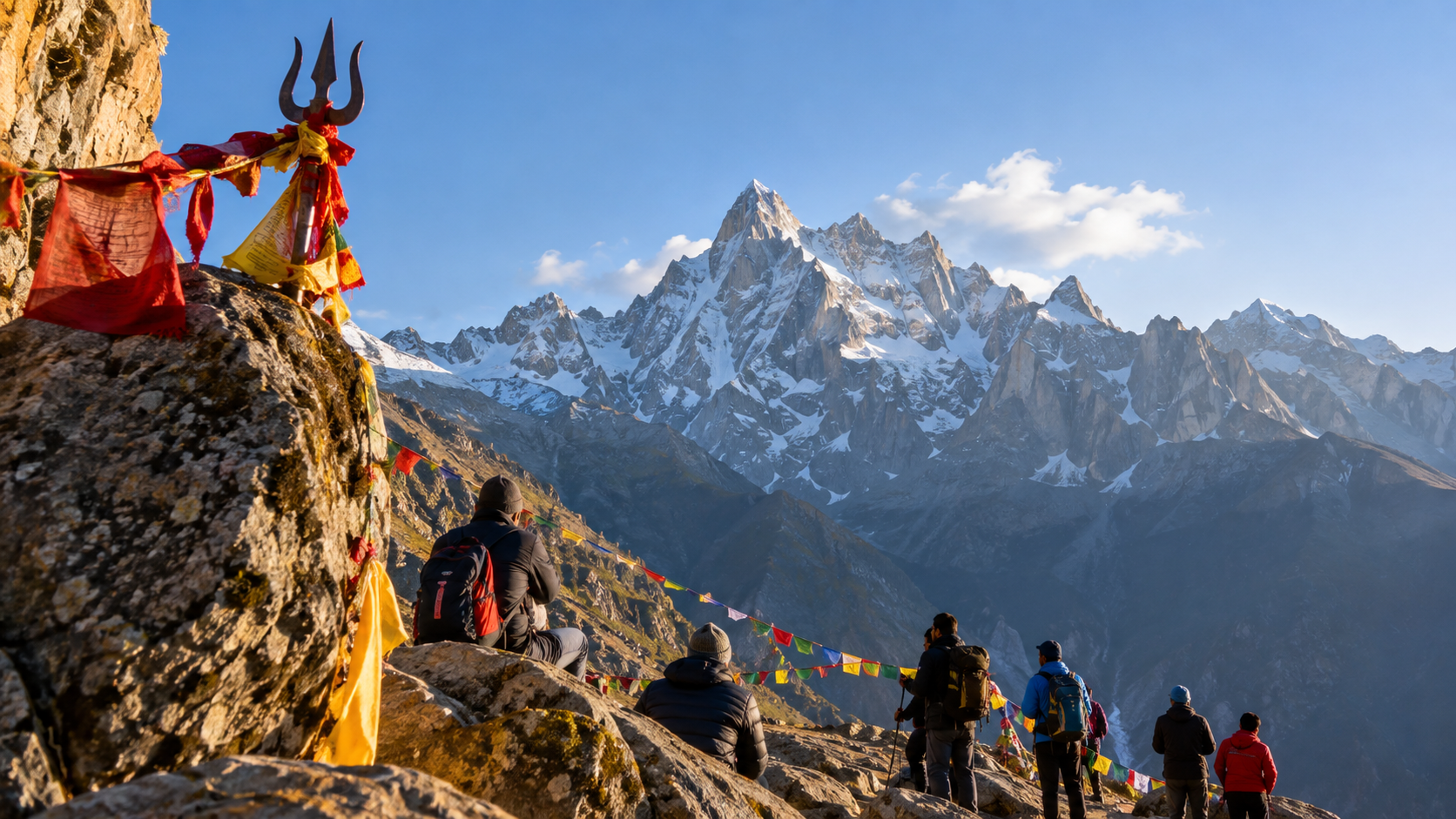
Kinner Kailash Yatra from Chandigarh. Package details, itinerary and pricing can be completed in the CRM.
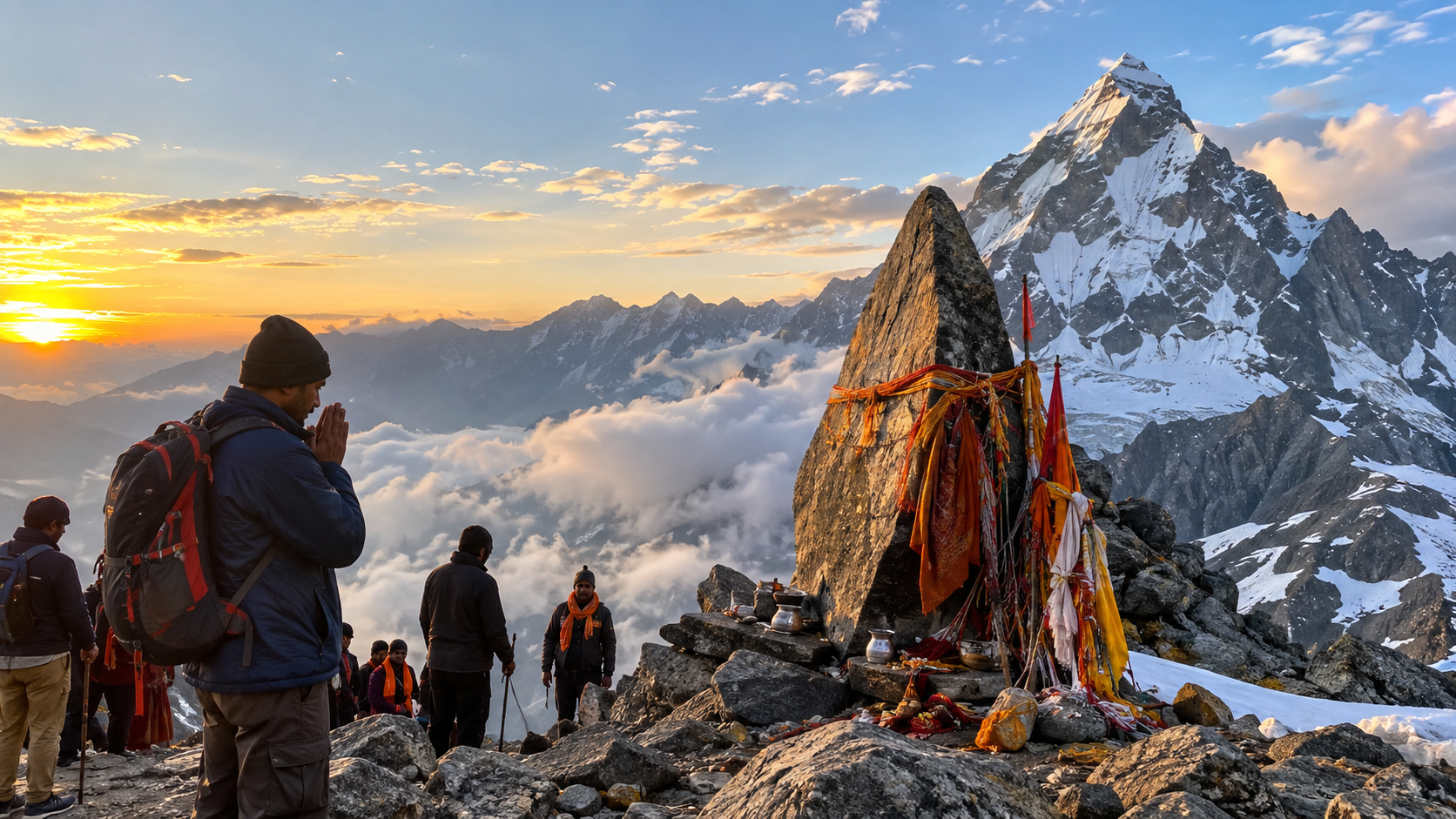
Shrikhand Mahadev Yatra from Chandigarh. Package details, itinerary and pricing can be completed in the CRM.
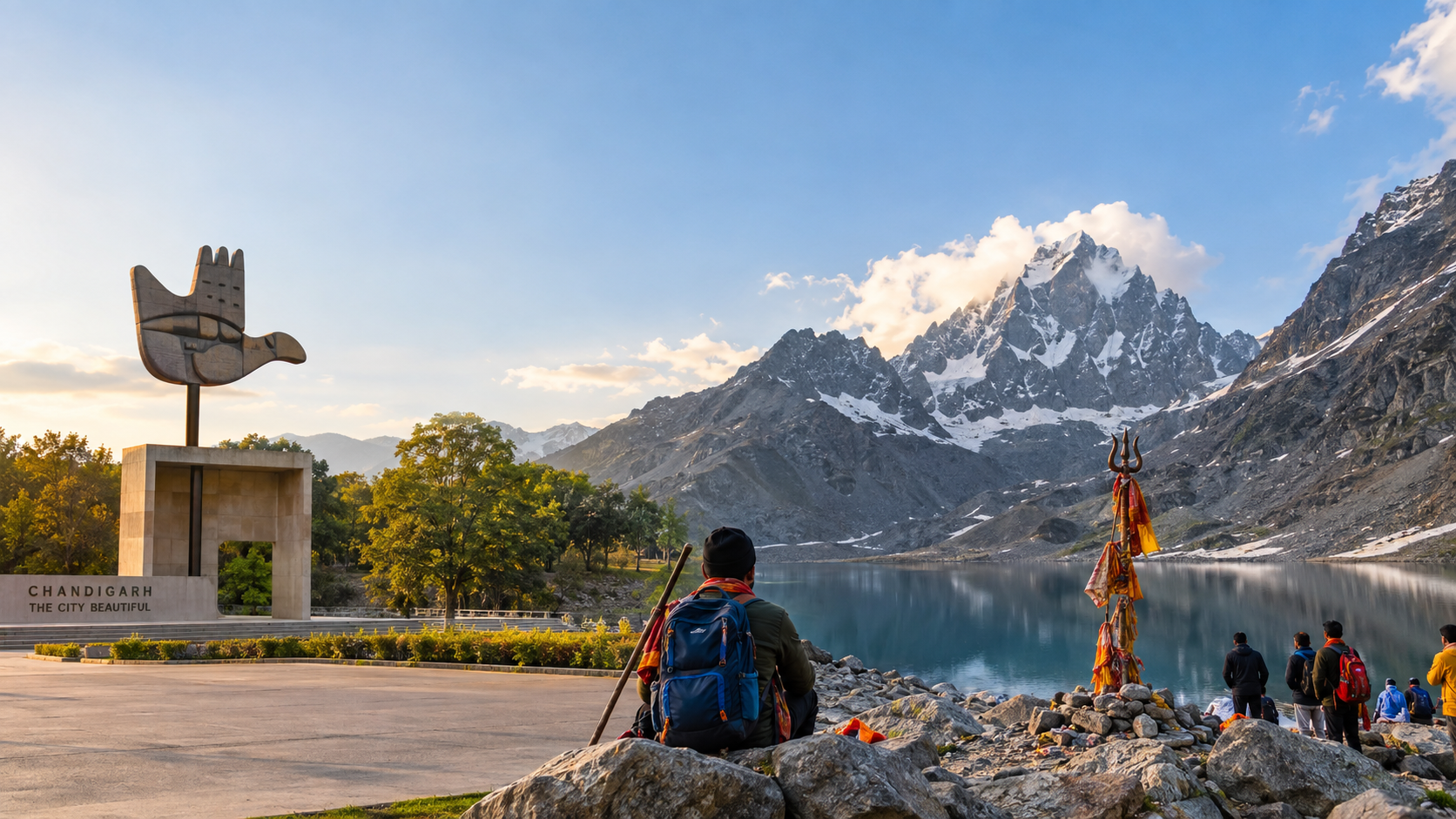
Manimahesh Yatra from Chandigarh. Package details, itinerary and pricing can be completed in the CRM.
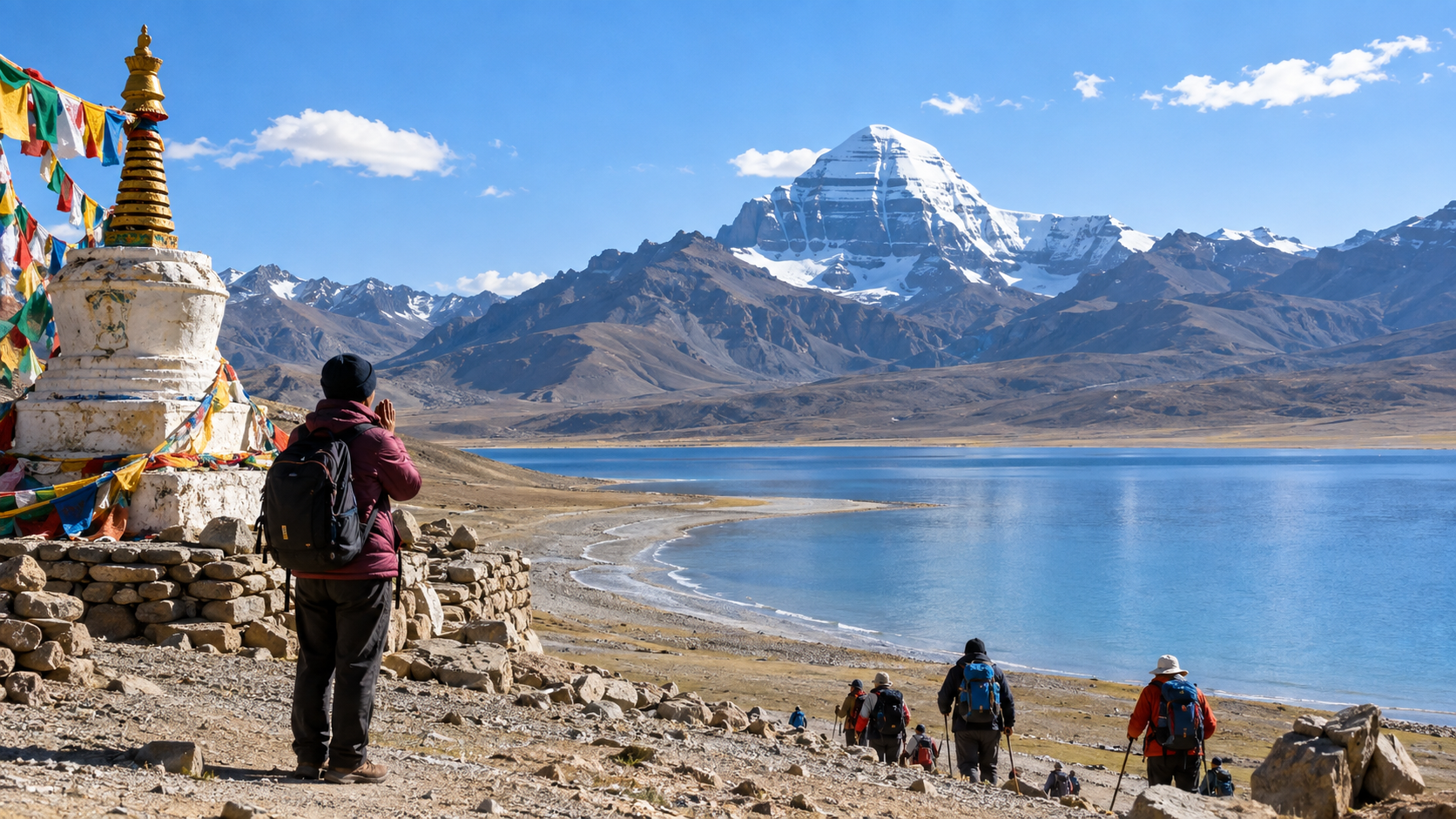
Kailash Mansarovar Yatra by Road from Kathmandu. Package details, itinerary and pricing can be completed in the CRM.
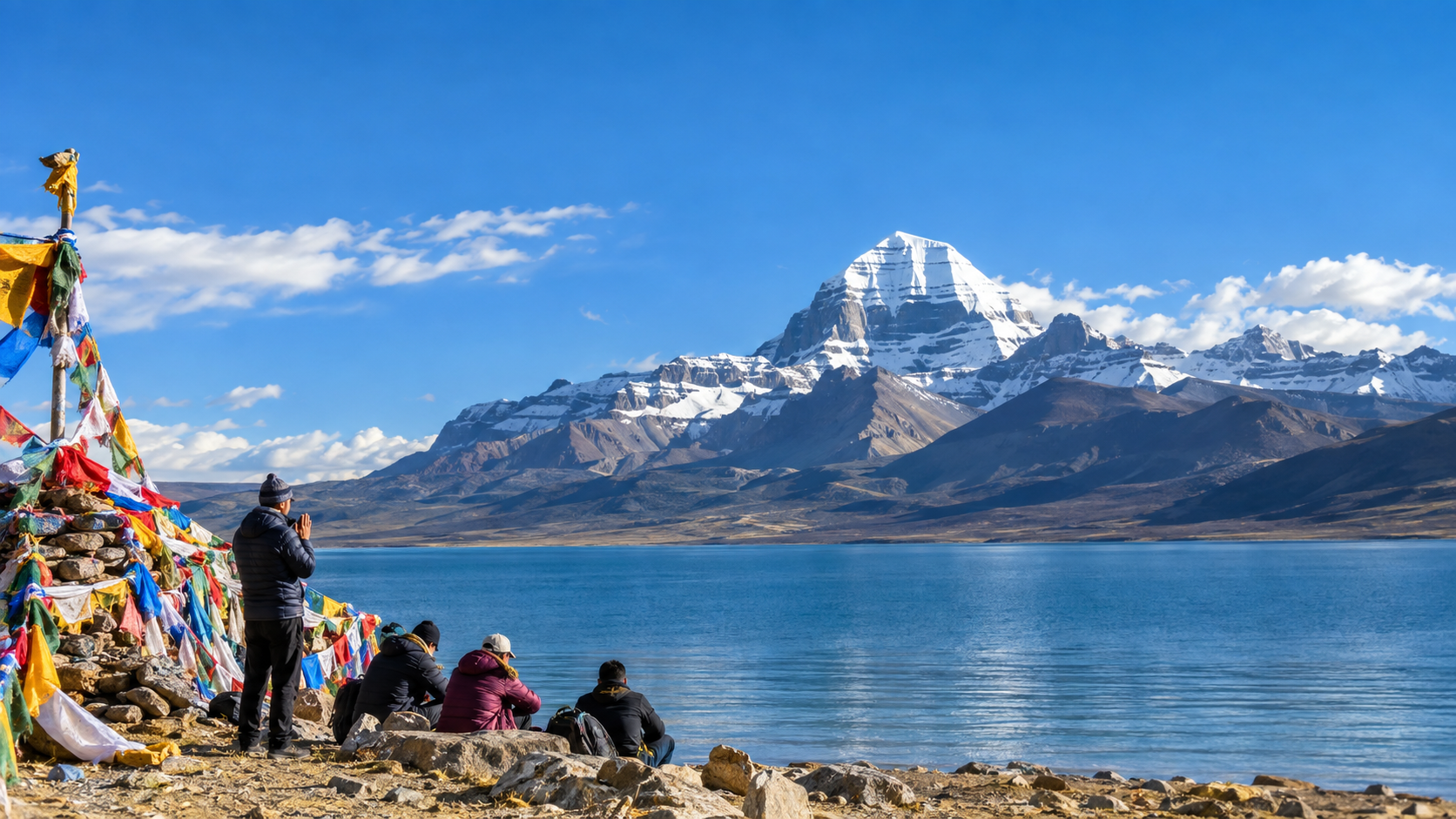
Kailash Mansarovar Yatra by Helicopter from Kathmandu. Package details, itinerary and pricing can be completed in the CRM.
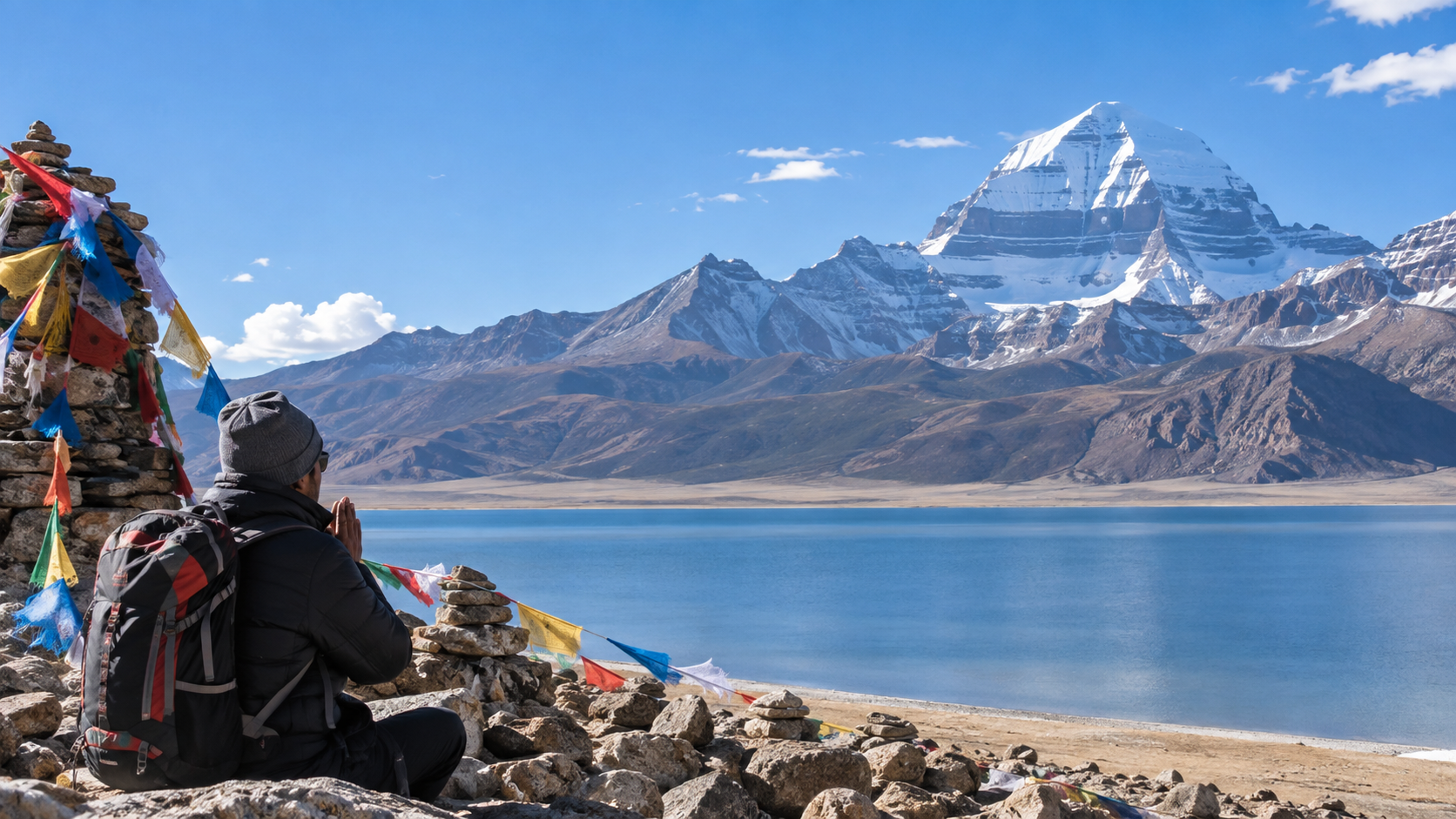
Kailash Mansarovar Yatra by Helicopter from Lucknow. Package details, itinerary and pricing can be completed in the CRM.
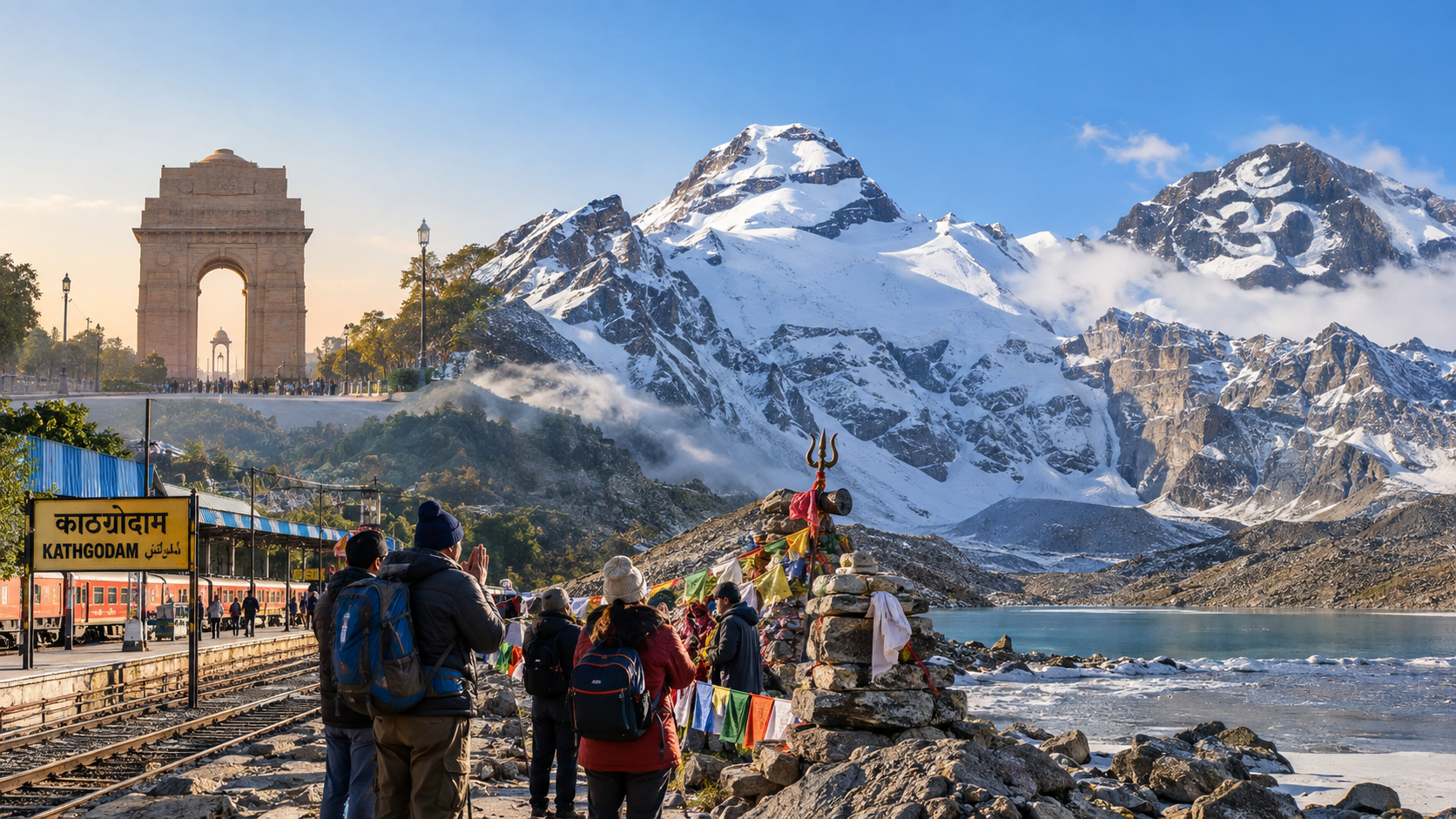
Adi Kailash Om Parvat Yatra from Delhi. Package details, itinerary and pricing can be completed in the CRM.
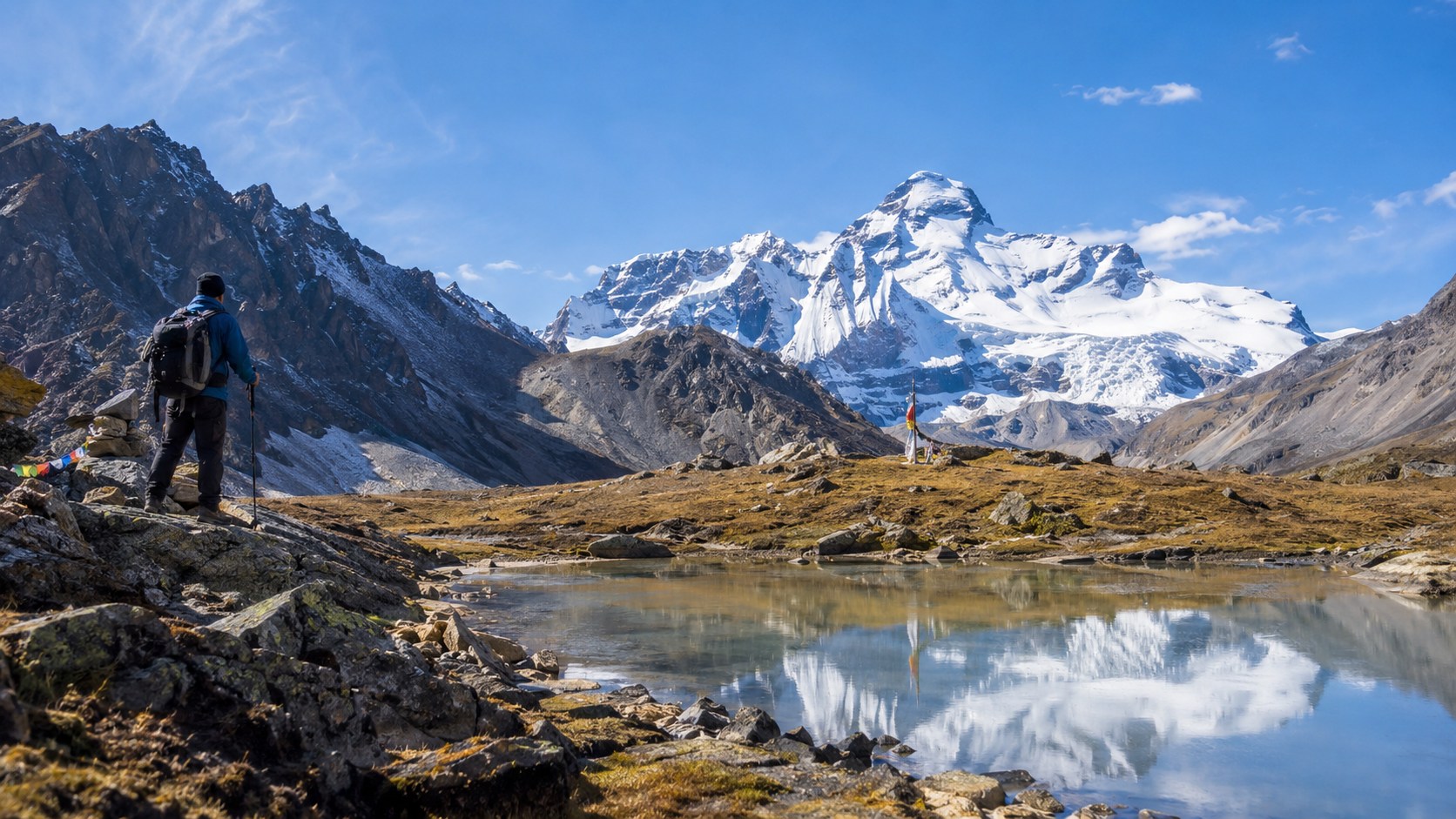
Adi Kailash Om Parvat Yatra from Kathgodam. Package details, itinerary and pricing can be completed in the CRM.
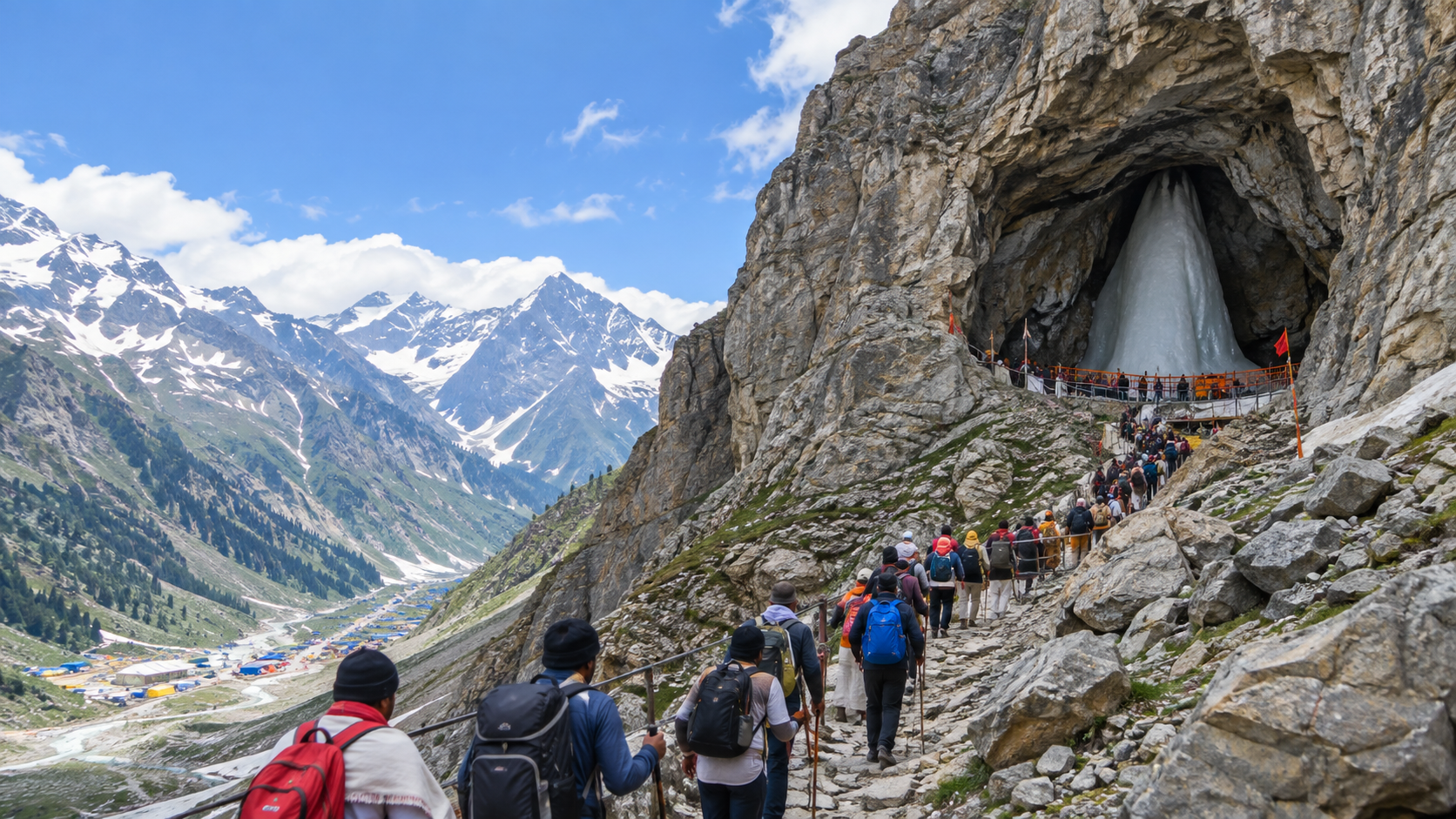
Amarnath Yatra from Srinagar. Package details, itinerary and pricing can be completed in the CRM.
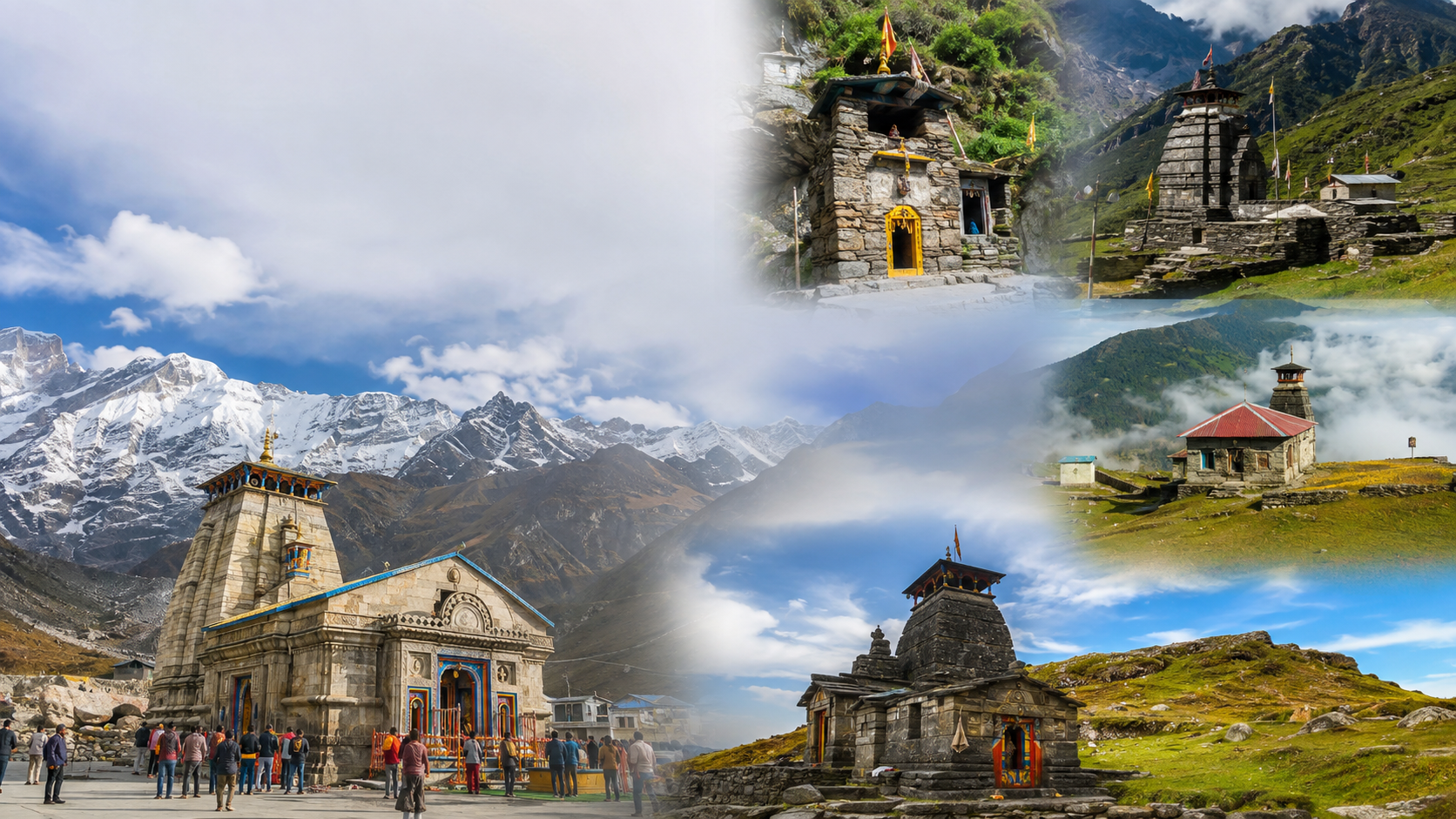
Panch Kedar Yatra from Delhi is a demanding and deeply rewarding pilgrimage through five revered Shiva temples in the Garhwal Himalayas: Kedarnath, Tungnath, Rudranath, Madhyamaheshwar and Kalpeshwar. This 12 Days / 11 Nights pilgrimage is designed for devotees who want to experience the complete Panch Kedar circuit rather than visit only one or two shrines. The journey combines mountain roads, high-altitude walking and time for darshan at some of Uttarakhand’s most significant Shiva temples. Because several shrines involve substantial trekking and seasonal access, careful planning is essential. Trip to Yatra helps travellers plan the pilgrimage around the temple season, travel conditions an
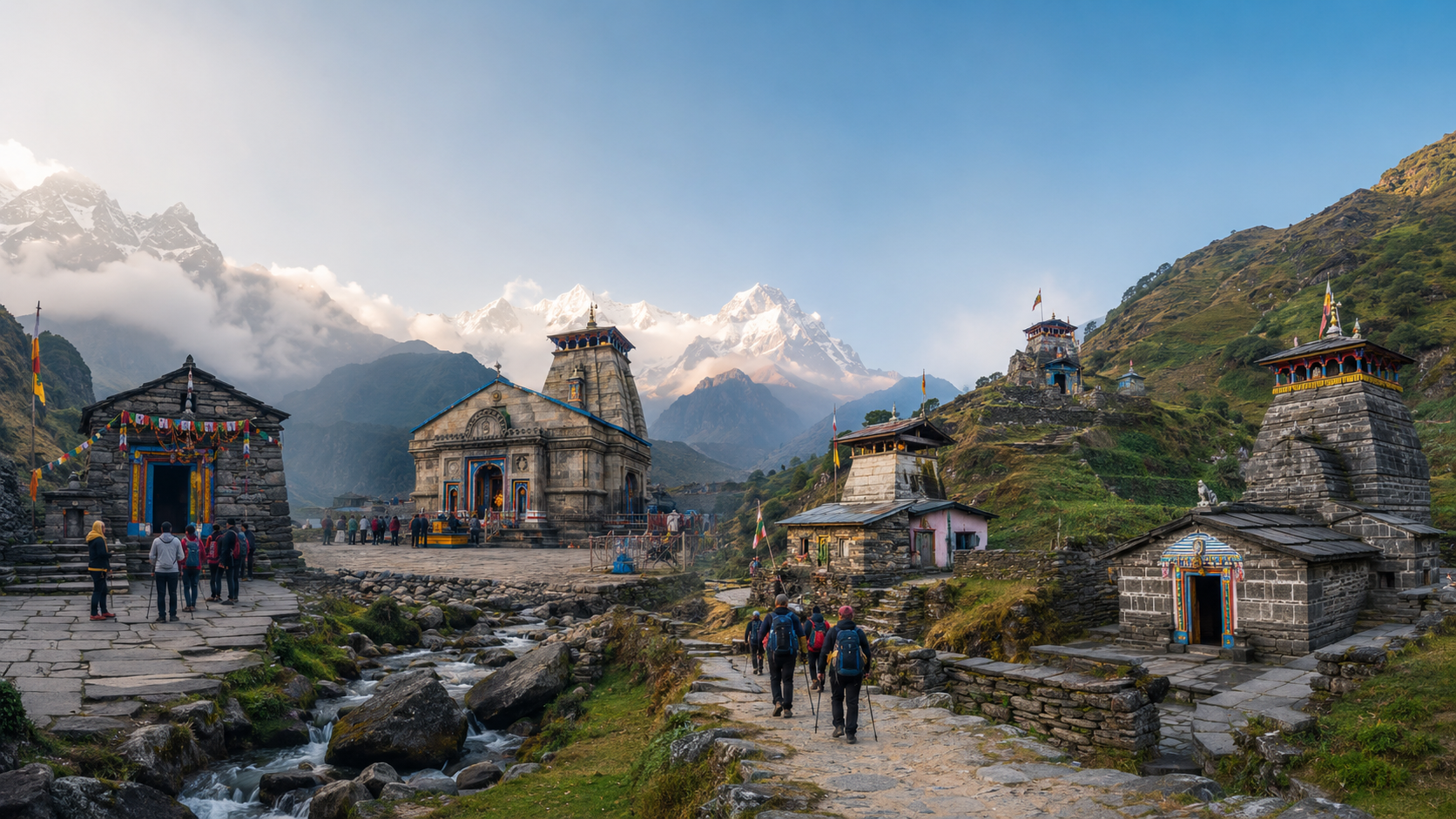
Panch Kedar Yatra from Dehradun is an immersive Shiva pilgrimage covering all five revered Panch Kedar shrines of Uttarakhand: Kedarnath, Tungnath, Rudranath, Madhyamaheshwar and Kalpeshwar. Designed as an 11 Days / 10 Nights pilgrimage experience, the journey combines temple visits with demanding Himalayan treks, mountain landscapes and quiet village settings. Unlike a conventional temple tour, Panch Kedar requires preparation for high-altitude walking, changing weather and seasonal temple access. Trip to Yatra helps travellers plan the pilgrimage around practical travel requirements, accommodation preferences and the operating season, with a focus on a comfortable and well-organised journe
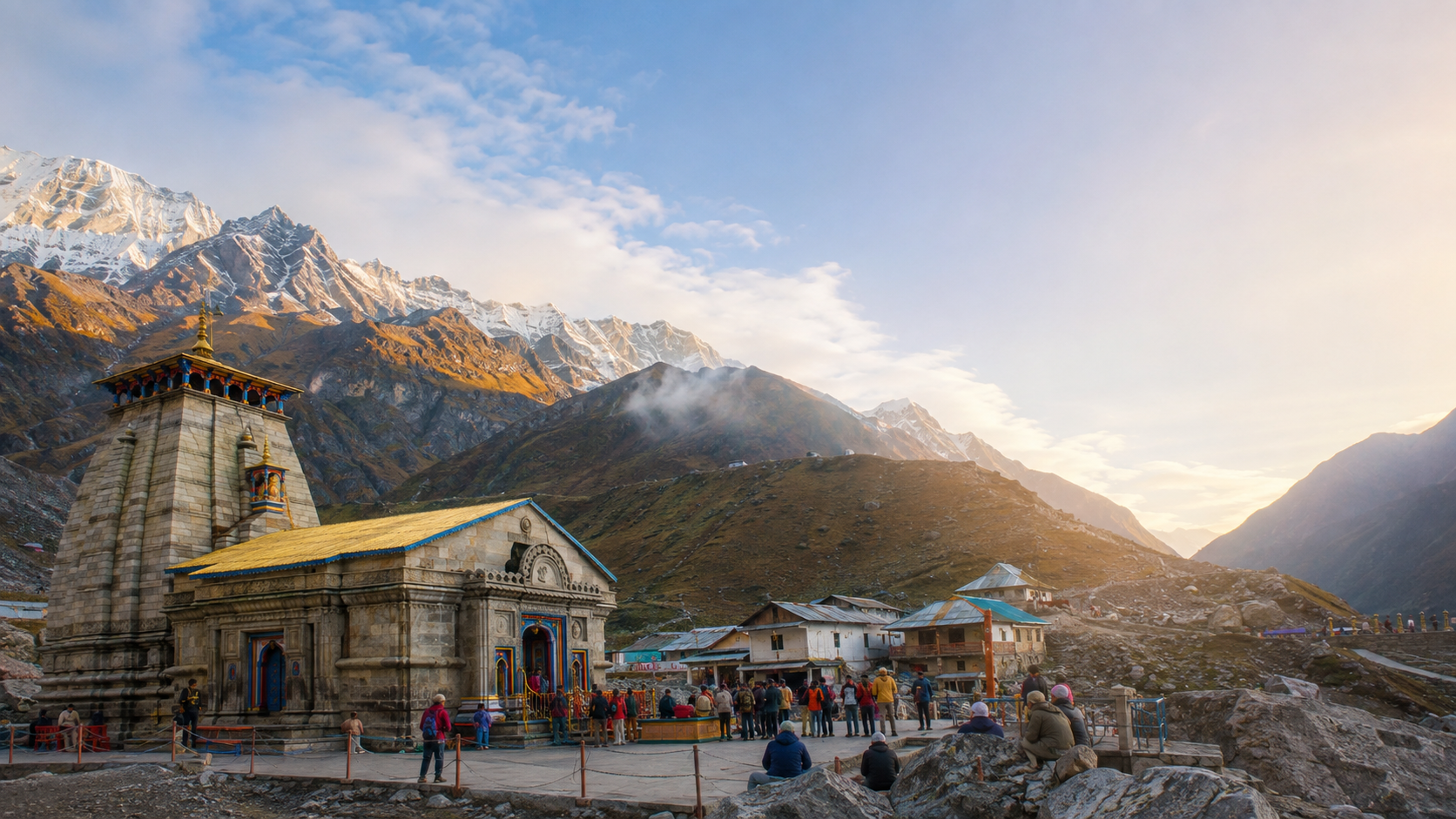
The Kedarnath Tungnath Package from Delhi is a 7-day / 6-night pilgrimage journey covering two of Uttarakhand’s most revered Shiva temples. Starting and ending in Delhi, the tour combines the spiritual significance of Kedarnath with the high-altitude mountain setting of Tungnath near Chopta. Kedarnath Temple is one of the prominent Panch Kedar shrines, while Tungnath is recognised by Uttarakhand Tourism as one of the highest Shiva temples in the world. The journey involves mountain travel and trekking, so it is best suited to travellers who are comfortable with an active Himalayan pilgrimage. Enquire with Trip to Yatra for current travel planning and availability.
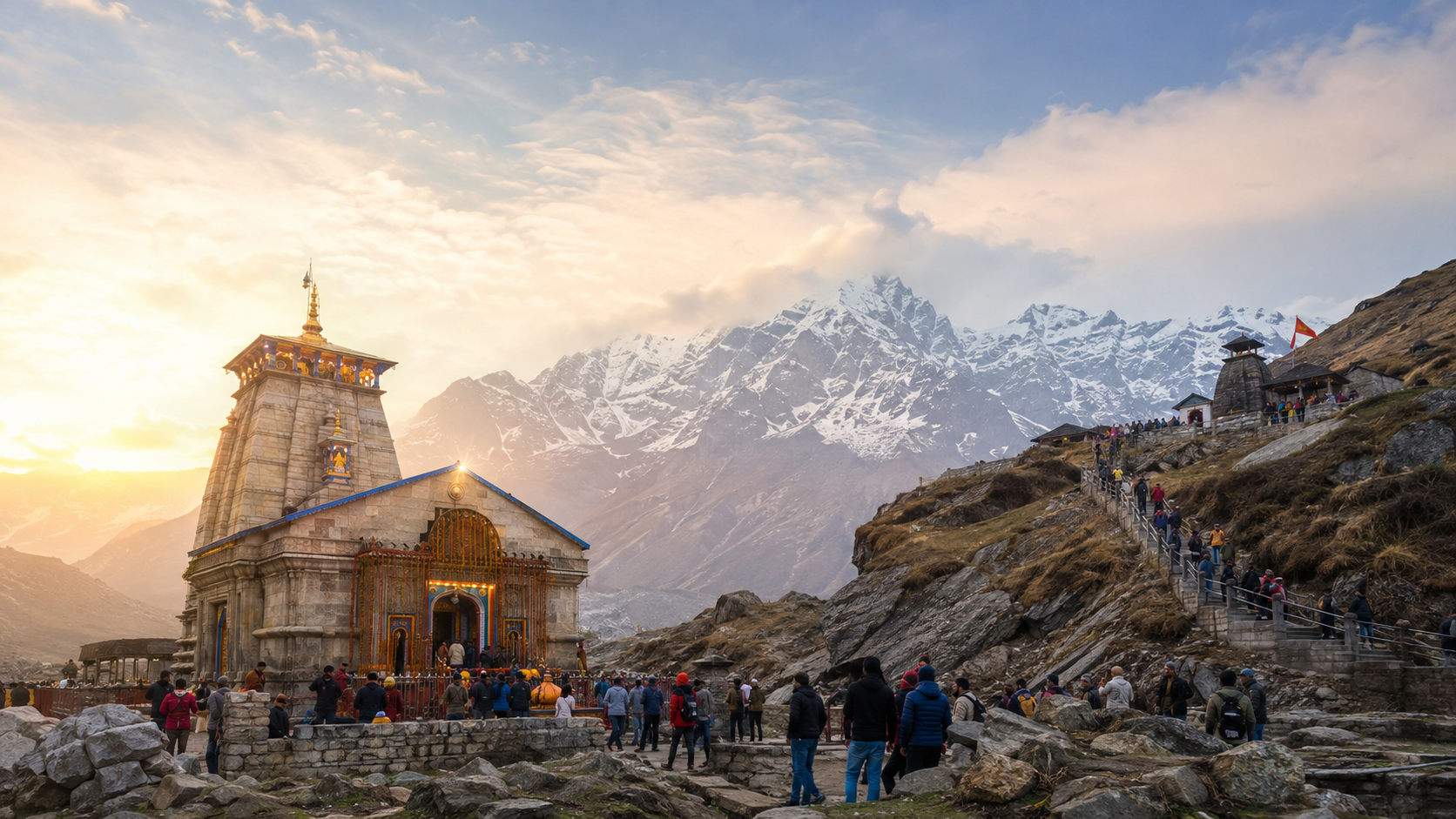
Plan a focused Himalayan pilgrimage with the Kedarnath Tungnath package from Haridwar, combining two revered Shiva temples in Uttarakhand. This 5-day / 4-night journey is designed for travellers who want to visit Kedarnath Temple and Tungnath Temple without committing to a longer Char Dham circuit. Kedarnath, one of the most important Shiva pilgrimage sites in India, lies high in the Garhwal Himalayas and requires a trek from Gaurikund. Tungnath, one of the Panch Kedar shrines, is reached by trekking from Chopta. With Haridwar as both the starting and ending point, the package offers a practical pilgrimage-focused travel plan with time for mountain travel, temple visits and rest.
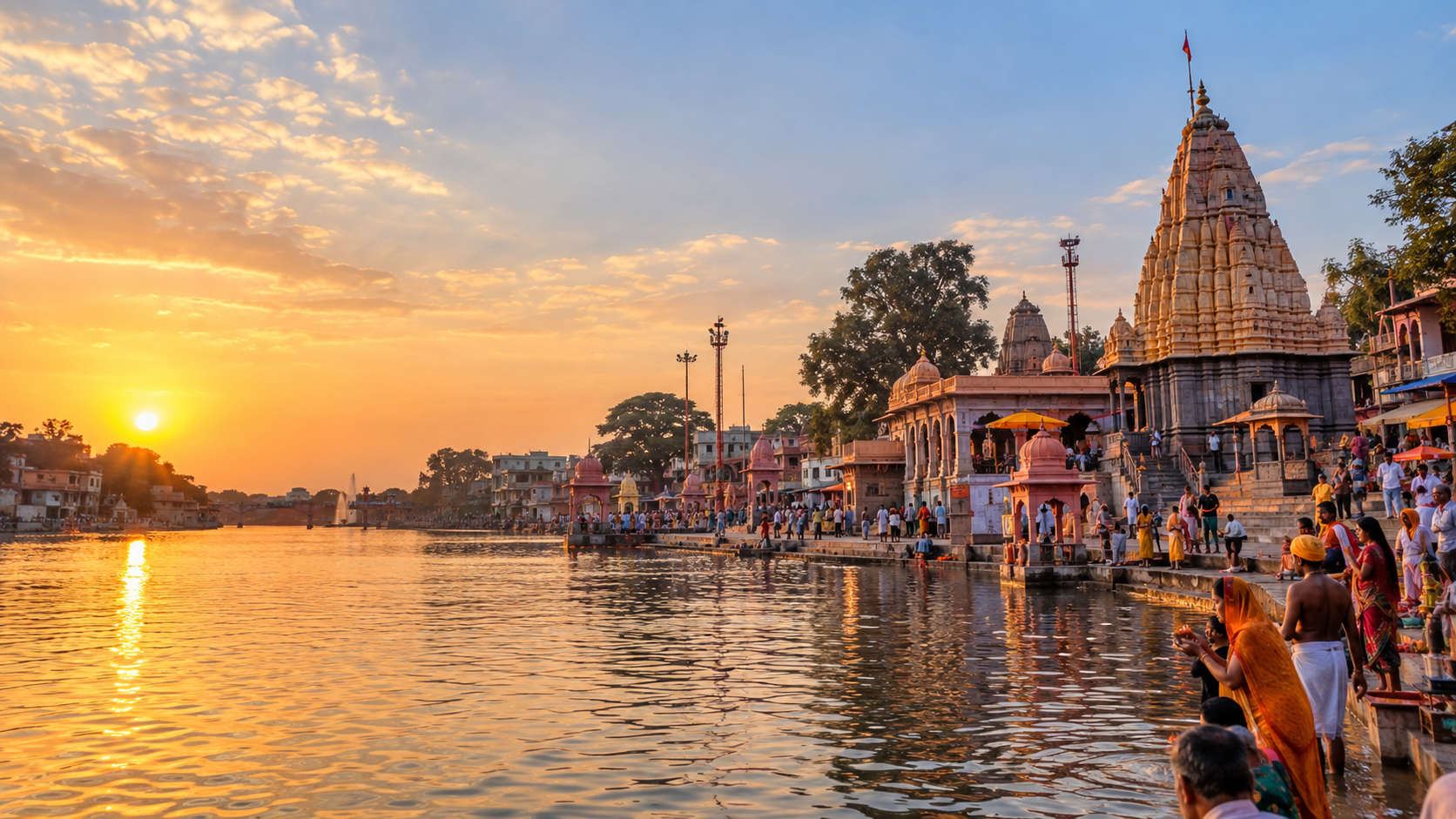
Ujjain Kumbh Mela from Ujjain. Package details, itinerary and pricing can be completed in the CRM.
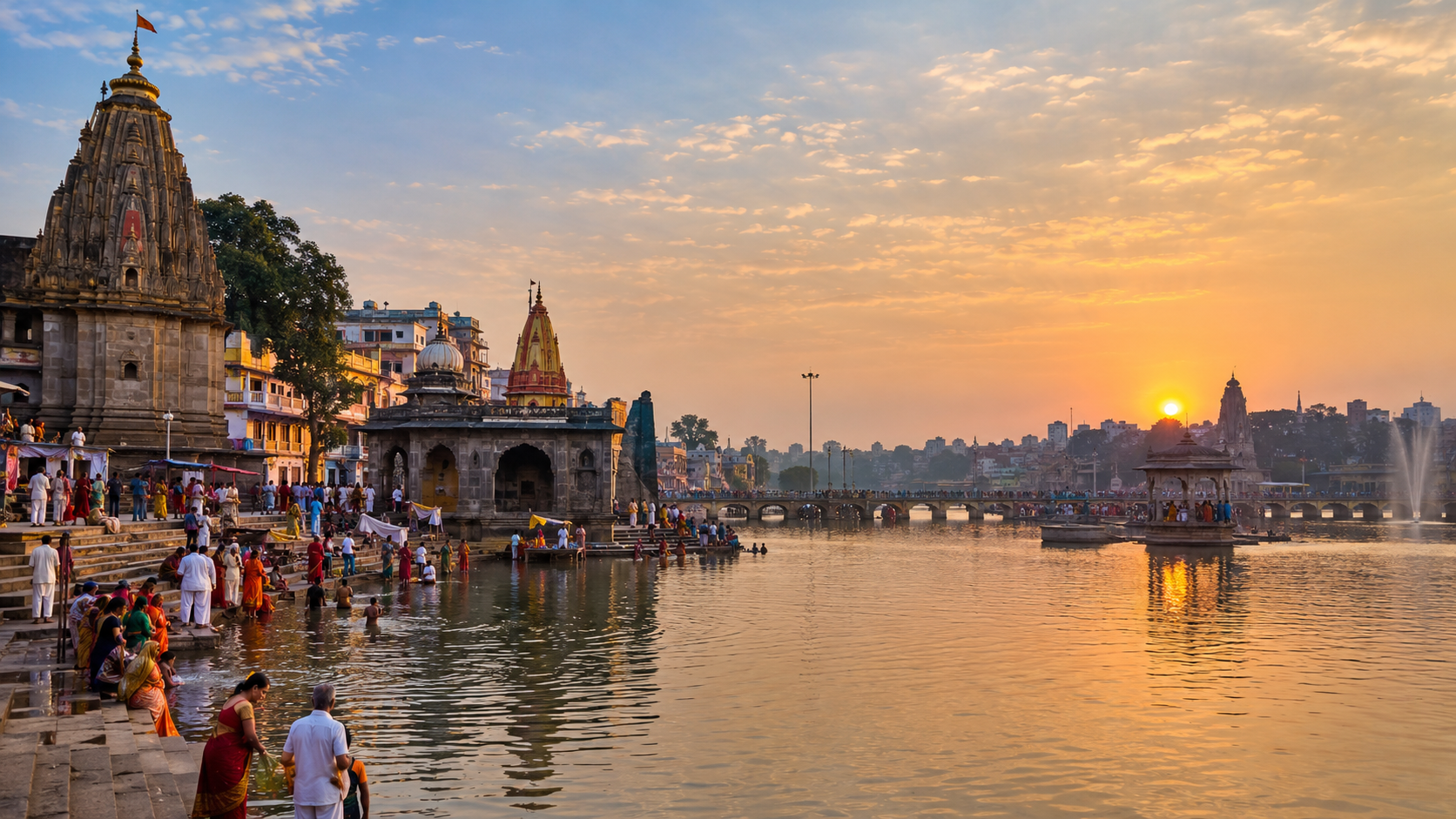
Nashik Kumbh Mela from Nashik. Package details, itinerary and pricing can be completed in the CRM.
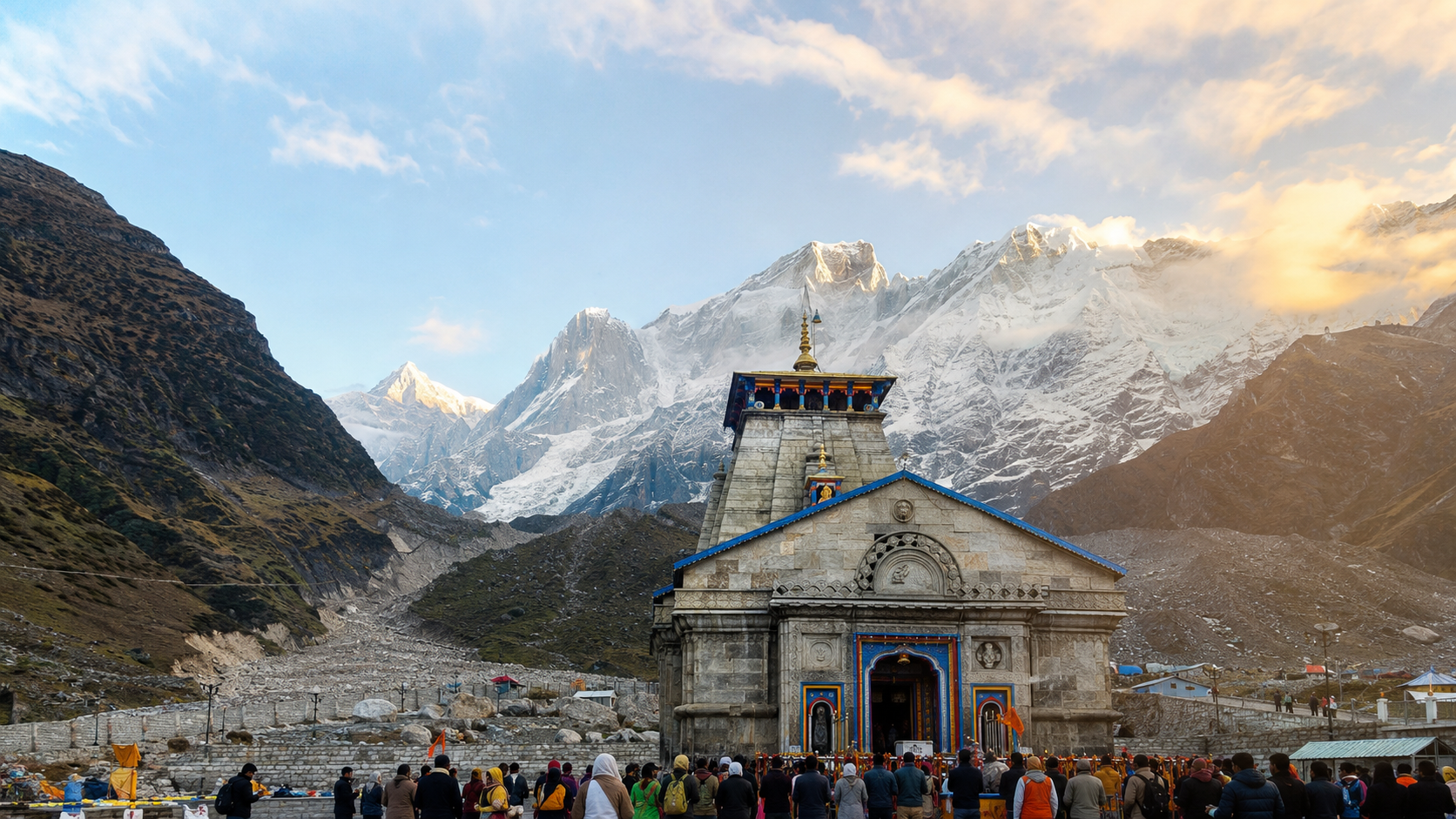
Plan a spiritually meaningful journey to Kedarnath with a 6 Days / 5 Nights Kedarnath Yatra package from Delhi by Trip to Yatra. This pilgrimage package is designed around the Delhi–Haridwar–Kedarnath travel corridor, with Kedarnath Temple as the principal spiritual destination. The journey combines Himalayan travel with time for darshan and a more organised pilgrimage experience. Since Kedarnath is a high-altitude destination with seasonal access and mandatory Yatra formalities, planning matters. Trip to Yatra can help you understand the practical arrangements, registration requirements and travel considerations before you set out. Enquire with our team to plan your 2027 Kedarnath Yatra fro
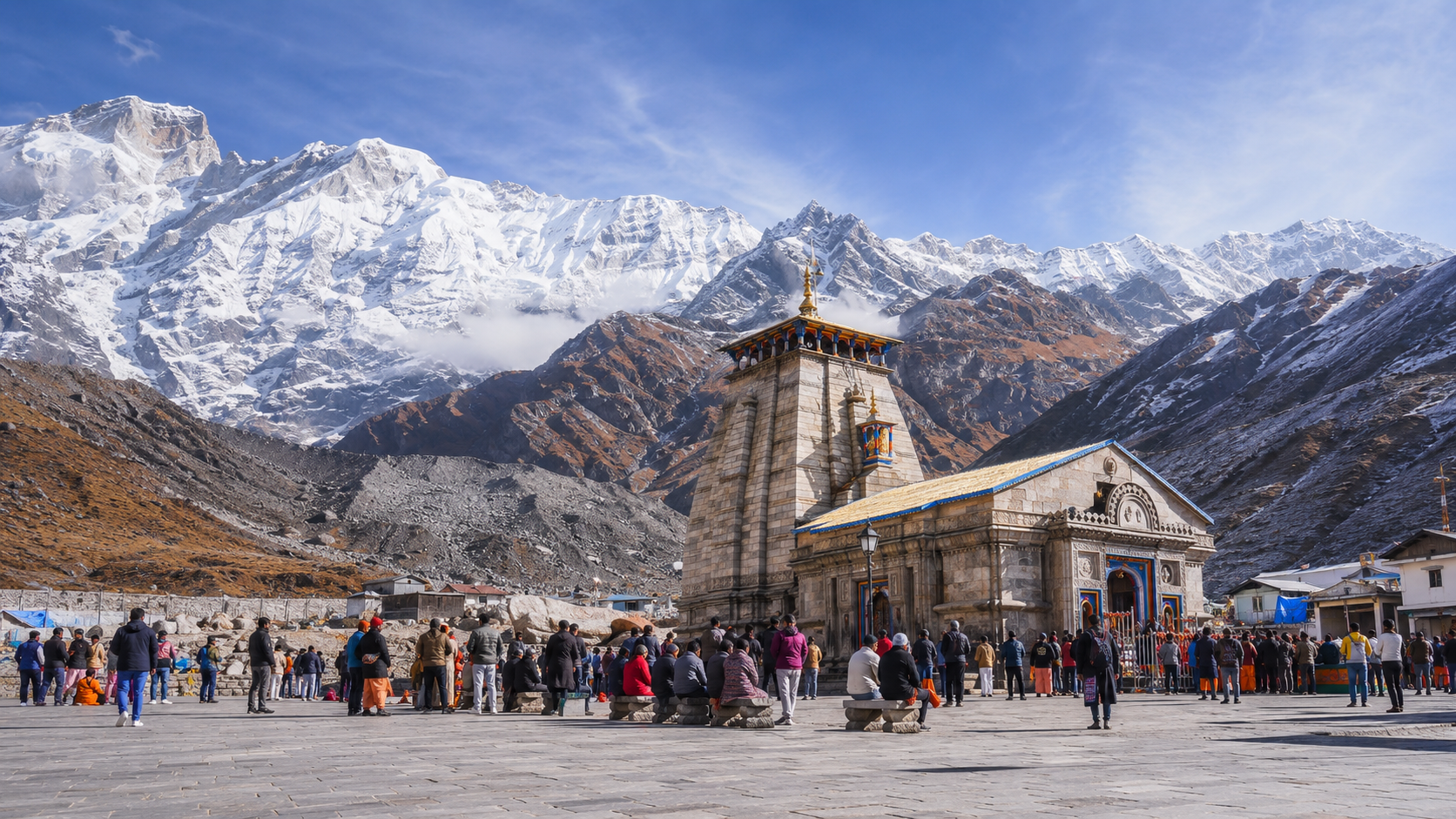
A thoughtfully planned Kedarnath Yatra package from Haridwar for pilgrims looking to visit the sacred Kedarnath Temple in Uttarakhand. This 4 Days / 3 Nights pilgrimage connects Haridwar with one of Lord Shiva’s most revered Himalayan shrines, with arrangements planned around the practical requirements of a high-altitude yatra. Kedarnath is situated in the Garhwal Himalayas at around 3,580 metres, so preparation, suitable clothing and sensible travel planning are important.
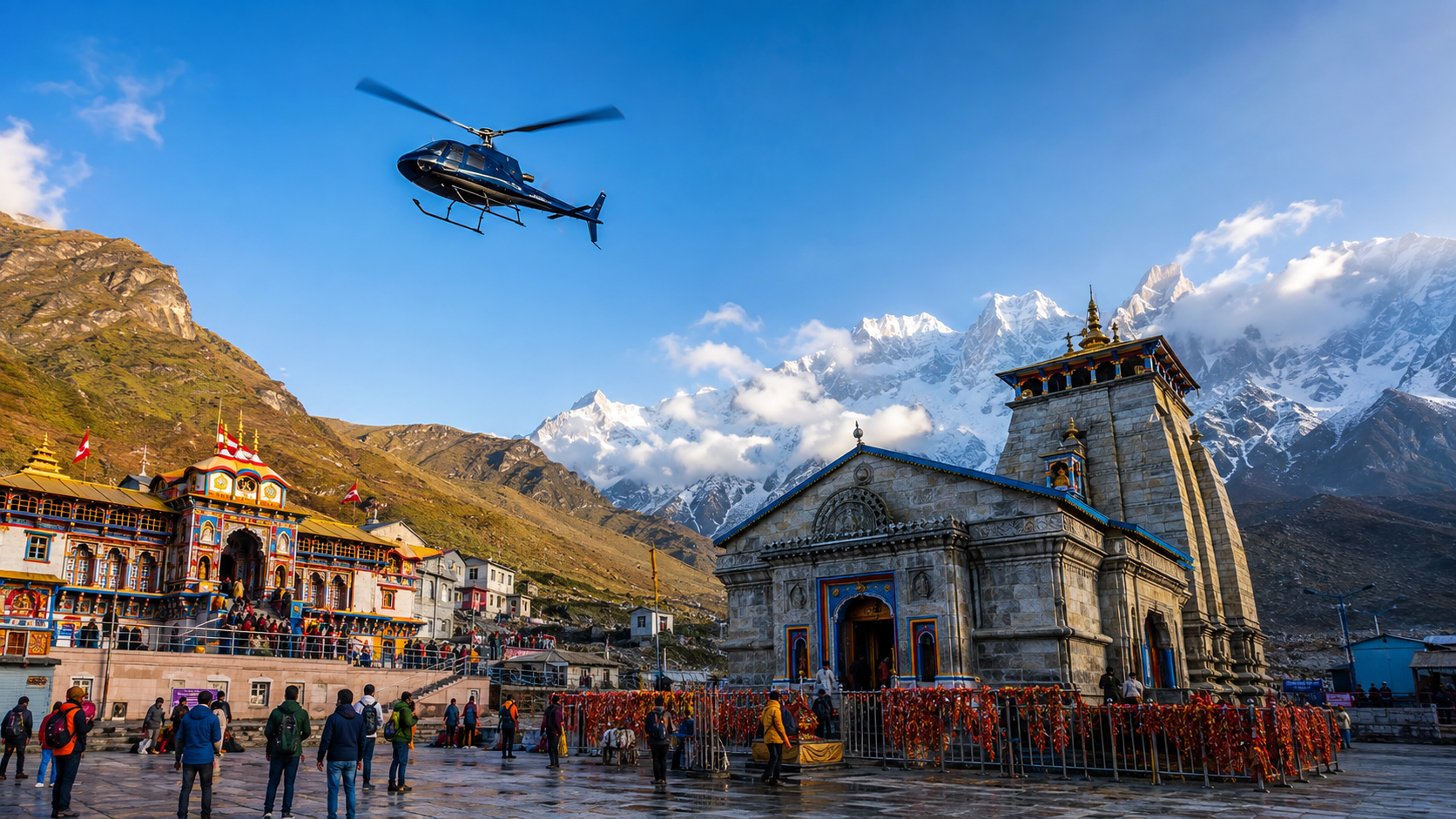
Experience the sacred Do Dham Yatra by helicopter from Dehradun, covering the revered Kedarnath Temple and Badrinath Temple in a compact 3-day, 2-night pilgrimage. This Dehradun-to-Dehradun package is designed for devotees who want to visit both Himalayan shrines while reducing the long road travel involved in a conventional yatra. Kedarnath, dedicated to Lord Shiva, stands high in the Garhwal Himalayas, while Badrinath is one of the four Char Dham pilgrimage sites and is dedicated to Lord Vishnu. With helicopter travel, the journey can be more convenient, subject to weather, operational conditions and applicable pilgrimage regulations.
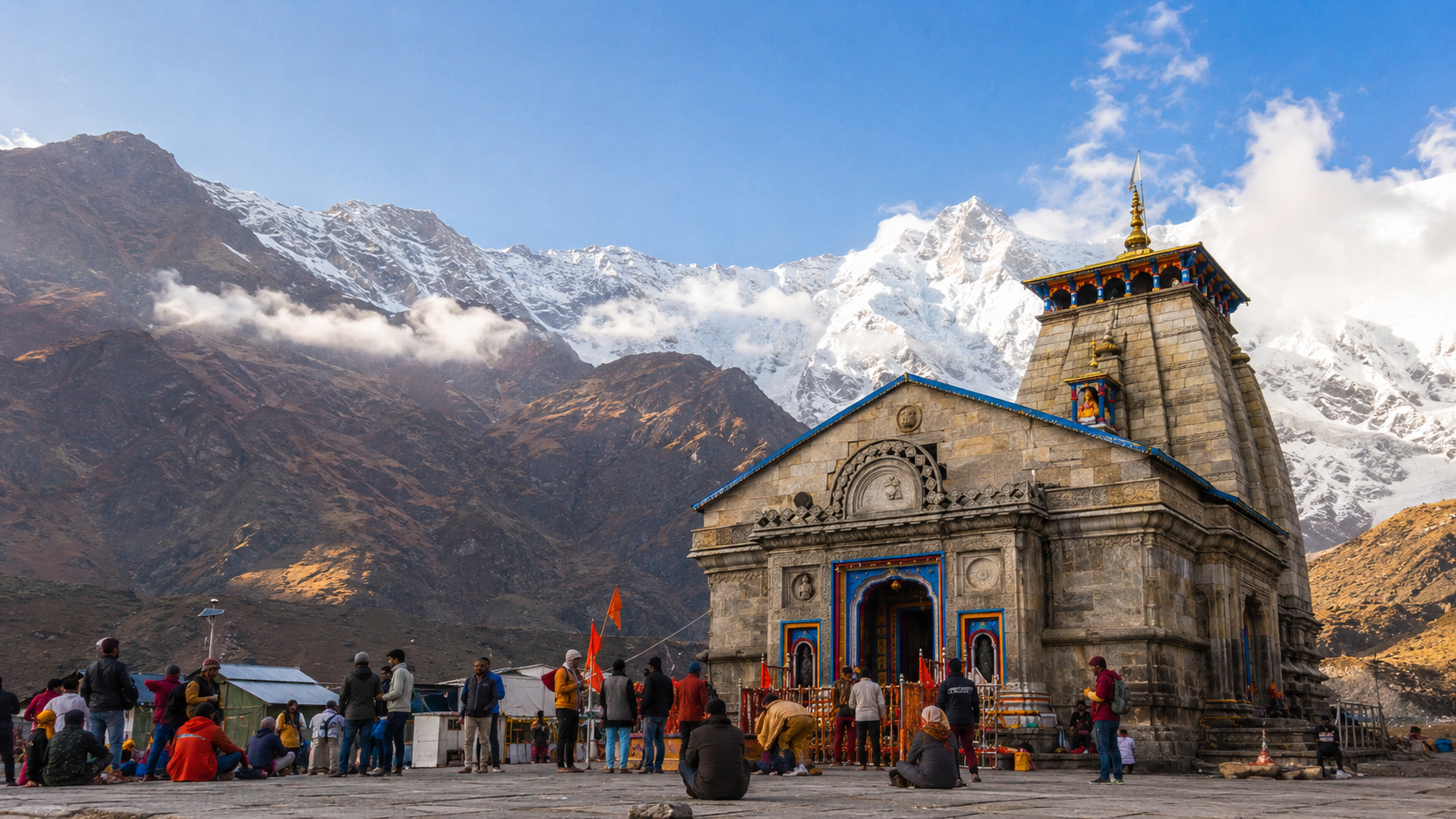
The Do Dham Yatra from Delhi is an 8-day pilgrimage covering the two revered Himalayan shrines of Kedarnath and Badrinath. Starting and ending in Delhi, this thoughtfully planned journey brings together the spiritual atmosphere of Kedarnath, dedicated to Lord Shiva, and Badrinath, dedicated to Lord Vishnu, along with time around Haridwar and Rishikesh. The route combines road travel through Uttarakhand with the required approach to Kedarnath on foot from the roadhead. With high-altitude travel, changing mountain weather and seasonal temple access to consider, Trip to Yatra helps pilgrims plan the journey around practical travel requirements rather than rushing through the experience.
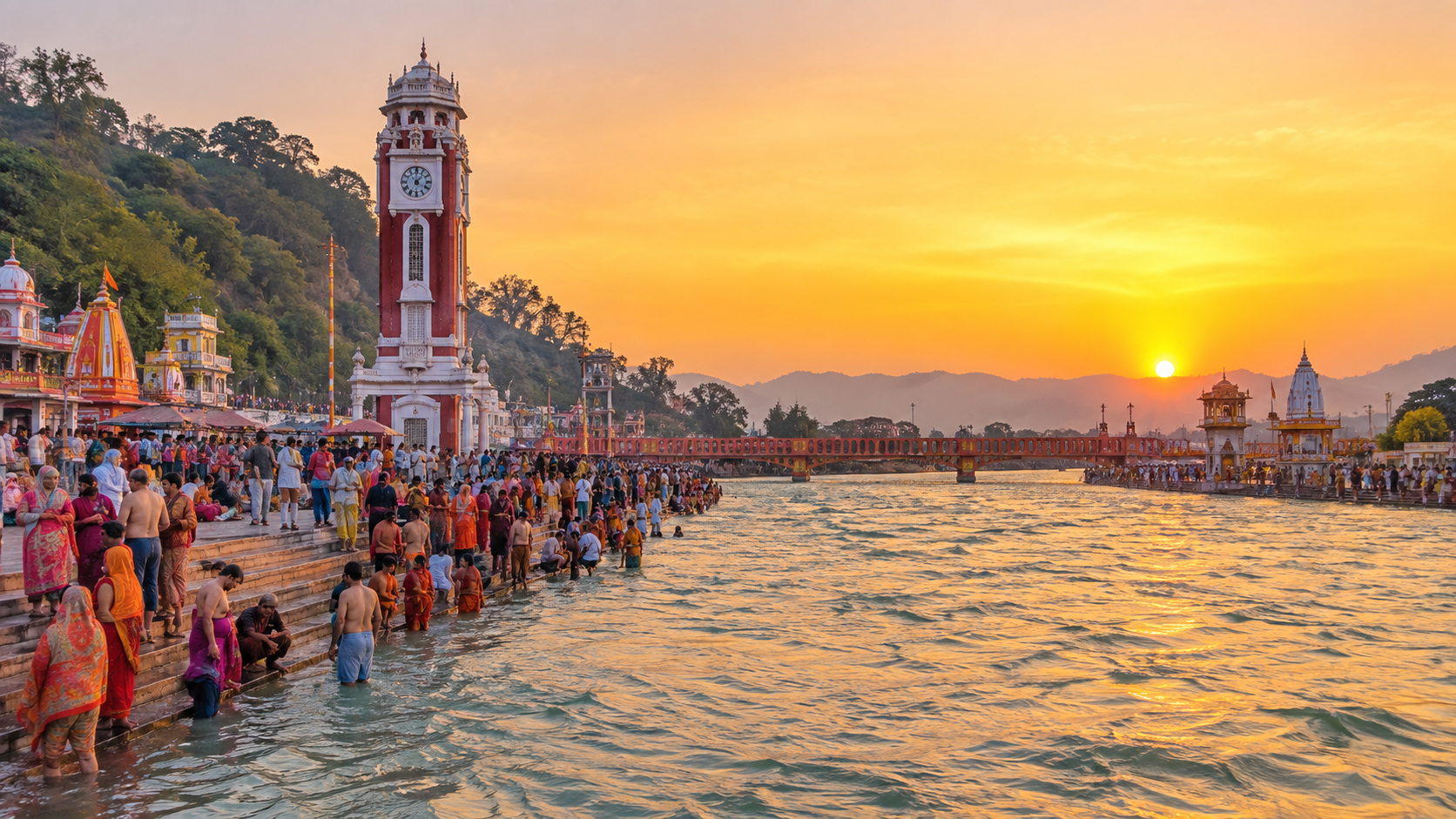
Haridwar Kumbh Mela from Haridwar. Package details, itinerary and pricing can be completed in the CRM.
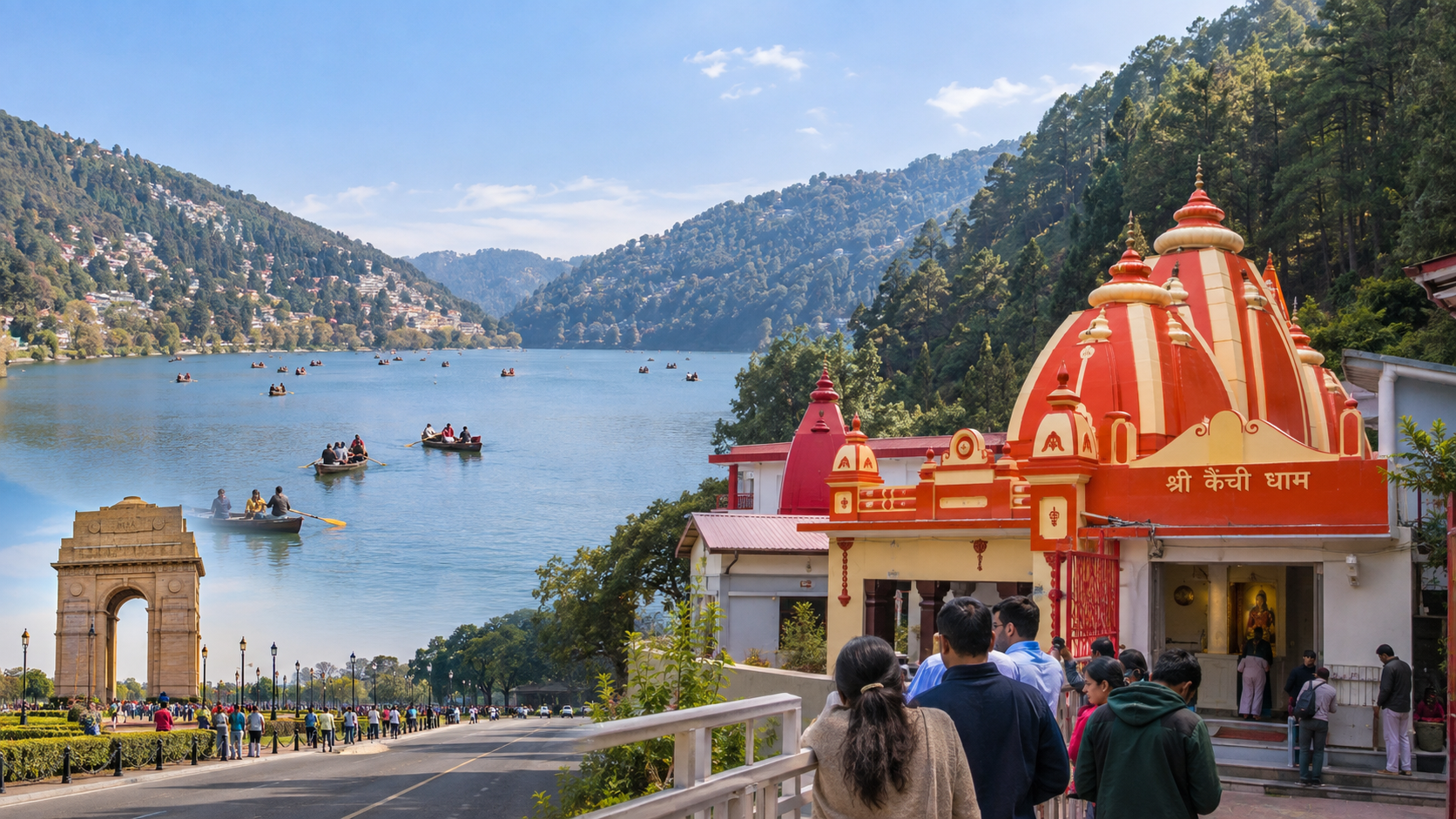
Nainital Kainchi Dham Tour from Delhi. Package details, itinerary and pricing can be completed in the CRM.
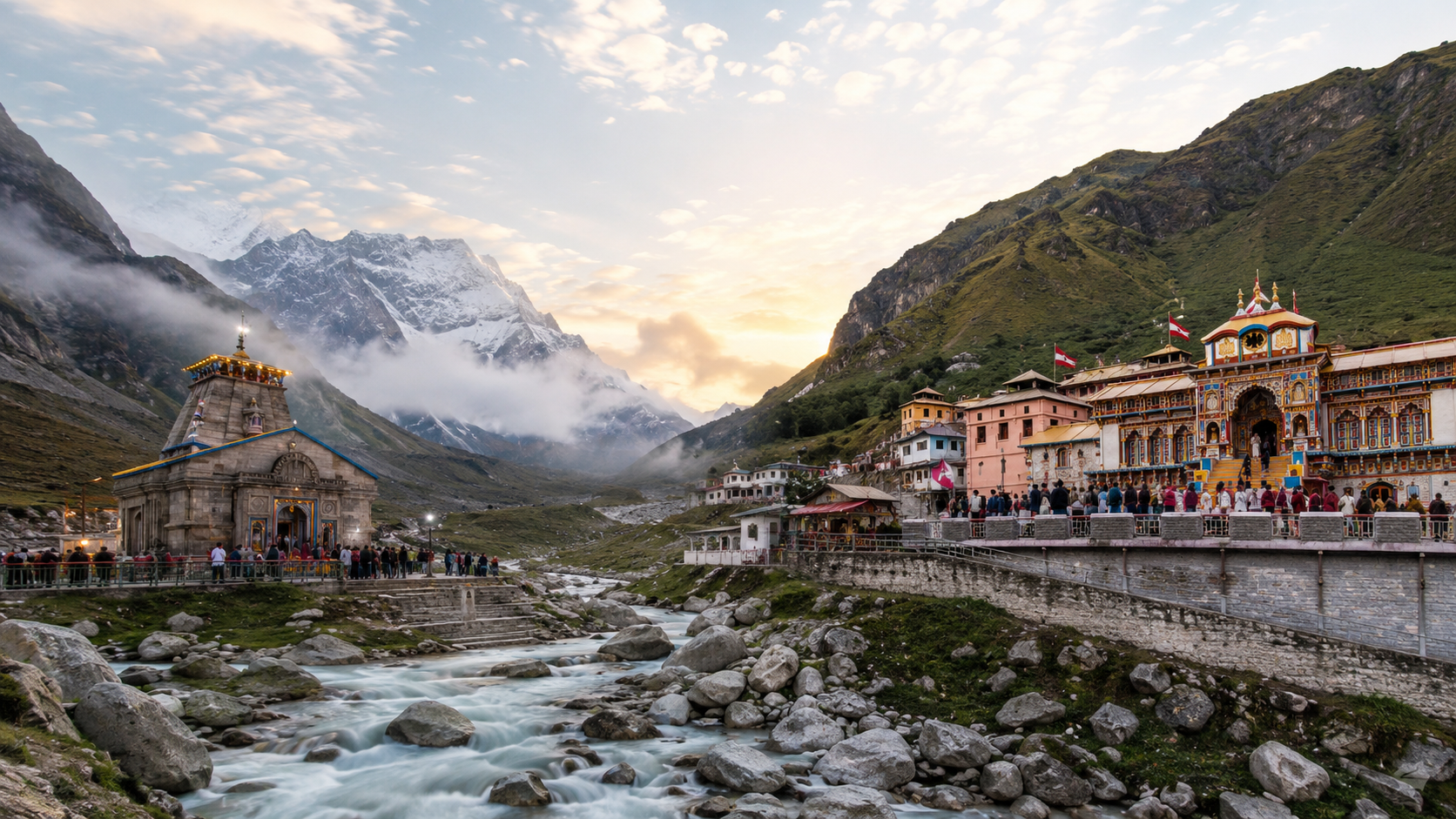
The 6 Days / 5 Nights Do Dham Yatra from Haridwar is designed for pilgrims who wish to visit the sacred Kedarnath Temple and Badrinath Temple in one focused Uttarakhand pilgrimage. Starting and ending in Haridwar, the journey combines the spiritual atmosphere of the Himalayan temples with the changing landscapes of Garhwal. Kedarnath, one of Lord Shiva’s most revered pilgrimage sites and a Jyotirlinga, requires a mountain approach and a trek from Gaurikund. Badrinath, dedicated to Lord Vishnu, is one of Uttarakhand’s four Char Dham temples. Trip to Yatra helps travellers plan this pilgrimage with practical guidance and clear enquiry support.
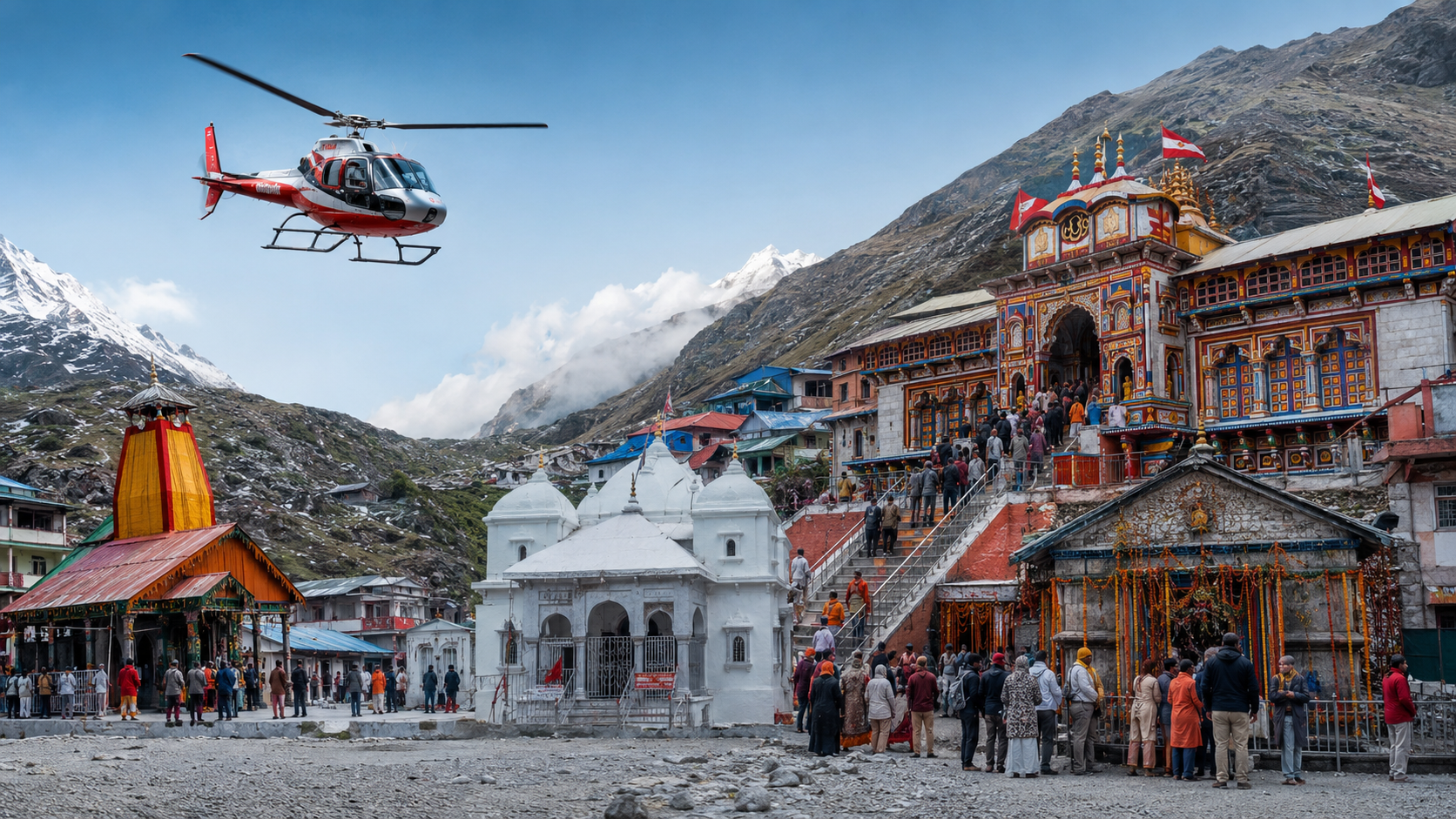
Chardham Yatra by Helicopter from Dehradun offers a more time-efficient way to undertake the sacred Uttarakhand Char Dham pilgrimage, covering Yamunotri, Gangotri, Kedarnath and Badrinath in a 5-day / 4-night package. Starting and ending in Dehradun, the journey combines helicopter travel with the necessary ground and temple-access arrangements at the Dhams. The helicopter element can significantly reduce long road journeys, but it does not mean every temple is reached directly by helicopter; Yamunotri and Kedarnath involve access arrangements beyond the helipad. Char Dham operates seasonally, and 2027 opening dates, operating conditions and applicable requirements should be confirmed before
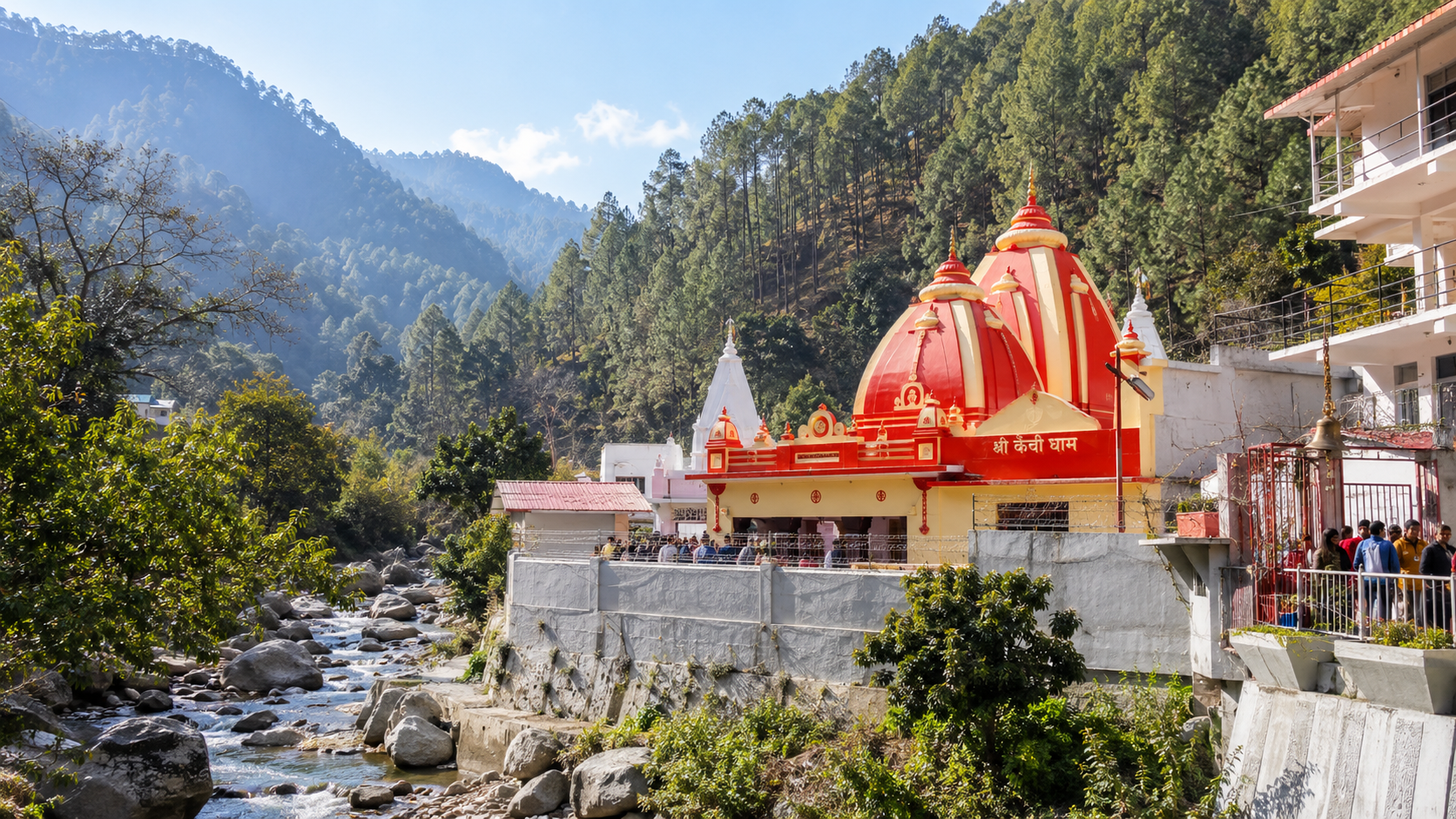
Kainchi Dham Tour from Delhi. Package details, itinerary and pricing can be completed in the CRM.
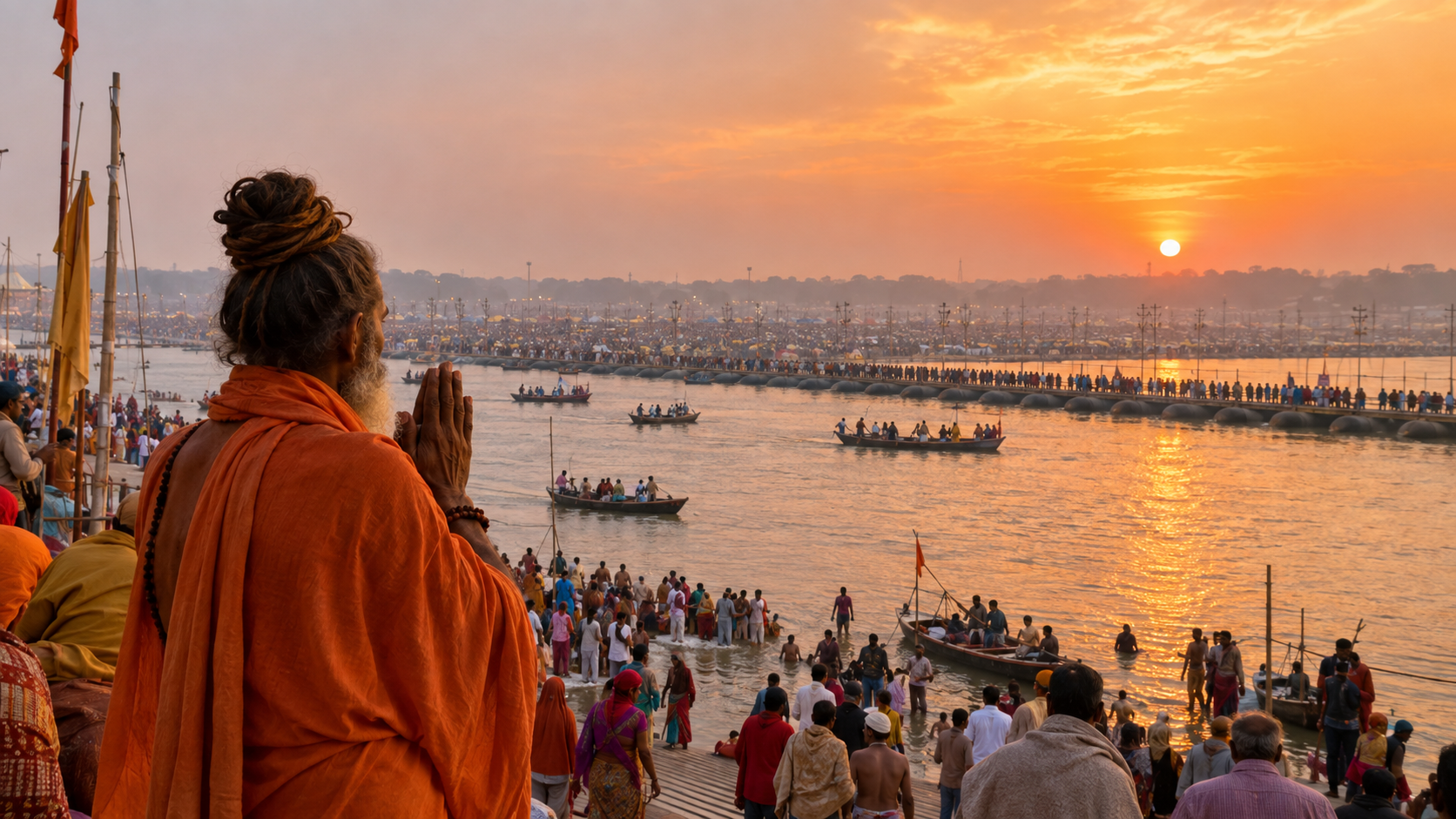
Prayagraj Kumbh Mela from Prayagraj. Package details, itinerary and pricing can be completed in the CRM.
Book a 7-day Maharashtra Jyotirlinga tour from Pune covering Bhimashankar, Trimbakeshwar, Grishneshwar, Aundha Nagnath and Parli Vaijnath.
Share your details and get a suitable package from our travel expert.
Maharashtra Jyotirlinga Tour from Pune. Package details, itinerary and pricing can be completed in the CRM.
The Maharashtra Jyotirlinga tour from Pune is a carefully planned 7-day pilgrimage for devotees who wish to visit the major Jyotirlinga shrines located across Maharashtra while travelling in a logical Pune-to-Pune road circuit. The journey brings together five important Shiva pilgrimage centres recognised by Maharashtra's official tourism and district-administration sources: Bhimashankar in Pune district, Trimbakeshwar near Nashik, Grishneshwar at Verul near Chhatrapati Sambhajinagar, Aundha Nagnath in Hingoli district and Parli Vaijnath in Beed district.
Starting from Pune makes the circuit particularly convenient because Bhimashankar, one of Maharashtra's best-known Jyotirlinga destinations, lies within Pune district. From the Sahyadri surroundings of Bhimashankar, the journey progresses towards Nashik and Trimbak, continues eastwards to the historic Verul and Chhatrapati Sambhajinagar region, then moves deeper into Marathwada for Aundha Nagnath and Parli Vaijnath before returning to Pune. The itinerary has deliberately been spread across seven days rather than compressing all temples into a rushed schedule. This provides more practical time for road travel, temple queues, meals, rest and normal variations in pilgrimage traffic.
Bhimashankar Jyotirlinga is situated amid the Sahyadri landscape in Pune district. Maharashtra Tourism identifies Bhimashankar as one of the twelve revered Jyotirlingas and also highlights the natural setting surrounding the temple. The pilgrimage begins here because of its practical position relative to Pune. Visitors should be prepared for walking, steps and seasonal changes in surface conditions, especially during the monsoon. Comfortable footwear is useful for the approach, although footwear must be removed wherever required by temple practice.
Trimbakeshwar Jyotirlinga is located at Trimbak near Nashik and is associated with the Brahmagiri hills and the sacred Godavari tradition. Maharashtra Tourism places Trimbakeshwar roughly 28 kilometres from Nashik. The temple town attracts substantial numbers of pilgrims, especially during Shravan, Mahashivratri and other major religious occasions. The Shri Trimbakeshwar Devasthan Trust publishes operational notices for devotees, and such notices can change according to festivals, crowd-management arrangements or administrative requirements. Travellers should therefore verify current darshan and special-service information shortly before travelling rather than relying on old schedules.
Grishneshwar Jyotirlinga is at Verul, close to the Ellora Caves area in Chhatrapati Sambhajinagar district. Maharashtra Tourism describes Grishneshwar as a revered Jyotirlinga shrine and confirms its close association with Verul and Ellora. Its location allows the pilgrimage to continue naturally from Nashik towards Marathwada. The temple is the principal religious objective on this part of the route; visits to nearby monuments or attractions should be treated separately and depend on available time, opening arrangements and the interests of the travelling group.
Aundha Nagnath lies in Hingoli district. The Hingoli district administration describes Aundha Nagnath as one of the five Jyotirlinga pilgrimage centres located in Maharashtra and highlights the temple's religious and architectural importance. Maharashtra Tourism also identifies it as an important Shiva pilgrimage destination. Aundha is located away from the major western Maharashtra cities, so including an overnight halt in or around the Hingoli-Aundha region makes the tour more comfortable than attempting to combine excessive driving and multiple major temple visits on the same day.
Parli Vaijnath in Beed district forms the final Jyotirlinga visit of this Pune round-trip circuit. The Beed district administration maintains an official page for Shri Vaidyanath Mandir at Parli, while Maharashtra Tourism also presents Parli Vaijnath as a major Shiva pilgrimage centre. Parli has road and rail connectivity and is an established pilgrimage town. After darshan and an overnight stay, the tour returns to Pune on the seventh day.
The route is organised as Pune – Bhimashankar – Nashik – Trimbakeshwar – Nashik – Verul/Grishneshwar – Chhatrapati Sambhajinagar – Aundha Nagnath – Parli Vaijnath – Pune. This sequence avoids unnecessary repeated travel between western and central Maharashtra and gives each major pilgrimage zone an appropriate place in the itinerary. Road conditions, diversions and journey duration can vary, so the package does not promise fixed driving times. Drivers and tour coordinators should use the prevailing road situation on the actual travel date.
Day one is devoted to travelling from Pune to Bhimashankar and completing darshan, followed by rest near the pilgrimage area. Keeping the first night at Bhimashankar avoids beginning the journey with a long onward drive immediately after temple queues and allows travellers to adjust comfortably to the tour.
On day two, the group proceeds from Bhimashankar towards Nashik. This is primarily a transfer day, with sufficient flexibility for meal and comfort stops. Nashik serves as the base for the Trimbakeshwar visit because of its accommodation choices and its convenient position for the next stage of the journey.
Day three is centred on Trimbakeshwar darshan. Travellers proceed from Nashik to Trimbak, visit the temple according to the prevailing queue and entry arrangements, and return to Nashik for the night. No guaranteed darshan duration is stated because waiting periods can increase significantly on Mondays, weekends, Shravan dates, Mahashivratri and other important occasions.
Day four takes the pilgrimage from Nashik towards Verul for Grishneshwar Jyotirlinga. After darshan, the journey continues to Chhatrapati Sambhajinagar for the night. Grishneshwar's proximity to the Ellora region makes this geographically convenient, but this package does not automatically promise Ellora sightseeing because monument entry and available sightseeing time should be checked separately.
Day five continues from Chhatrapati Sambhajinagar to Aundha Nagnath. After reaching the temple area, pilgrims can join the normal darshan process and spend the night in the Aundha or Hingoli region. This arrangement keeps the next day's journey towards Parli manageable.
On day six, the pilgrimage proceeds from Aundha Nagnath to Parli Vaijnath. Maharashtra Tourism notes the relationship between these two important pilgrimage centres, while official district sources confirm their respective locations in Hingoli and Beed districts. After Parli Vaijnath darshan, the group stays at Parli.
Day seven is the return journey from Parli Vaijnath to Pune. Appropriate meal and comfort breaks can be taken en route. Arrival time in Pune depends on departure time, road traffic, weather, stops and prevailing highway conditions; therefore, passengers should avoid arranging tightly connected trains, flights or other commitments immediately after the expected return.
Temple operating procedures are not permanently fixed. Festival arrangements, security controls, queue systems, special puja procedures, clothing requirements, access to particular areas and paid or donation-based facilities can change. This is especially relevant during Shravan, Mahashivratri, Mondays and other high-footfall occasions. For example, the official Trimbakeshwar Devasthan Trust publishes date-specific notices affecting certain darshan facilities. Such information should always be checked close to the journey date.
The package therefore includes temple visits as pilgrimage stops but does not guarantee priority entry, a particular queue length, personal access to a Jyotirlinga, performance of a specific puja or completion of darshan within a fixed number of minutes. Any special puja that a traveller wishes to perform should be confirmed directly through the concerned temple's authorised system wherever applicable.
Visitors should dress respectfully and follow instructions issued by temple staff, police and local administration. Photography may be restricted inside sensitive temple areas. Mobile phones, bags, leather articles, footwear or other belongings may also be subject to local deposit or entry rules. These procedures should be followed at the destination rather than assumed in advance.
This Maharashtra Jyotirlinga package from Pune is suitable for families, senior citizens who are comfortable with road travel, small devotional groups and travellers wishing to undertake a structured Shiva pilgrimage without repeatedly arranging separate transport between distant temple towns. Because the circuit contains several long road sectors, passengers with limited mobility should evaluate their comfort with vehicle travel, temple approaches, steps and queues before booking.
The cooler part of the year is generally more comfortable for a road pilgrimage, while the monsoon creates green Sahyadri scenery around Bhimashankar but can also bring heavy rain and slippery walking surfaces. Shravan and Mahashivratri offer a highly devotional atmosphere but normally attract larger crowds. The choice between quieter travel and festival-period pilgrimage should therefore be based on the traveller's priorities.
The itinerary identifies overnight towns rather than promising named hotels. Actual accommodation should be selected and confirmed according to the package category, group size and availability for the travel dates. A hotel name should never be treated as confirmed until it appears on the traveller's final booking documents.
Road transport should similarly be assigned according to the final number of passengers and the booked vehicle category. The itinerary is a routing framework and not a promise that every journey will use one particular highway or exact road. Local diversions, traffic restrictions, weather, construction and administrative controls may require drivers to adjust the route.
Carry a valid government-issued photo identity document, prescribed medicines, comfortable modest clothing, a light shawl or extra layer when seasonally appropriate, drinking water for road travel and footwear suitable for walking. During monsoon journeys, a compact raincoat or umbrella and a waterproof cover for valuables are useful. Senior citizens should keep medicines and essential health information readily accessible rather than packed inside large luggage.
Travellers should keep realistic expectations about pilgrimage travel. Darshan queues can be unpredictable and road journeys across Maharashtra can be affected by traffic or weather. The itinerary is designed to create a sensible flow rather than promise exact temple-entry or arrival times. Cooperation with the driver, tour coordinator and local temple authorities helps the group maintain the journey smoothly.
With five significant Shiva pilgrimage centres, landscapes ranging from the Sahyadris to the Marathwada region and a route beginning and ending in Pune, this 7-day circuit offers a comprehensive way to undertake a Maharashtra Jyotirlinga tour from Pune. The emphasis remains on darshan, practical travel pacing and verified pilgrimage destinations, while keeping flexible those operational details that can legitimately change before the 2027 travel season.
A quick overview of the experiences, important stops and thoughtful planning included in this yatra.
7-day Pune-to-Pune Maharashtra Jyotirlinga road pilgrimage.
Darshan at Bhimashankar Jyotirlinga in Pune district.
Visit to Trimbakeshwar Jyotirlinga near Nashik and Brahmagiri.
Darshan at Grishneshwar Jyotirlinga at Verul near the Ellora region.
Visit to Aundha Nagnath in Hingoli district.
Darshan at Parli Vaijnath in Beed district.
Route planned with overnight halts to avoid unnecessarily combining every temple with long-distance driving.
Suitable for families and devotional groups seeking a structured Maharashtra Shiva pilgrimage.
Follow the journey step by step through the important halts, stays and darshan points.
Begin the pilgrimage from Pune and travel by road to Bhimashankar in Pune district. On arrival, proceed for Bhimashankar Jyotirlinga darshan according to the temple's prevailing queue and entry arrangements. The shrine is situated in the Sahyadri region, so travellers should be prepared for walking and seasonal weather conditions. After darshan, check in and rest at Bhimashankar.
After breakfast and check-out, depart from Bhimashankar for Nashik. This day is planned mainly as an intercity road transfer so the group can travel without combining another major Jyotirlinga queue with a long journey. Take suitable meal and comfort stops en route. Arrive in Nashik and check in for an overnight stay.
Travel from Nashik to Trimbak for darshan at Shri Trimbakeshwar Jyotirlinga, situated near the Brahmagiri hills. Join the applicable temple queue and follow the current instructions issued by the Devasthan Trust and local authorities. Darshan arrangements can change during Shravan, Mondays, festivals and high-footfall dates. After the temple visit, return to Nashik for the night.
Depart Nashik and travel towards Verul for Grishneshwar Jyotirlinga darshan. The temple is located near the Ellora Caves area and is an important Shiva pilgrimage centre recognised by Maharashtra Tourism. Complete darshan according to the prevailing temple arrangements. Afterwards continue to Chhatrapati Sambhajinagar and check in for the overnight stay.
Leave Chhatrapati Sambhajinagar and continue by road towards Aundha Nagnath in Hingoli district. On arrival, visit the Aundha Nagnath temple and complete darshan through the prevailing temple queue system. The Hingoli district administration identifies Aundha Nagnath as one of Maharashtra's important Jyotirlinga pilgrimage centres. After darshan, proceed to the confirmed accommodation in the Aundha Nagnath or Hingoli area.
After check-out, depart for Parli Vaijnath in Beed district. On reaching Parli, proceed for darshan at Shri Vaidyanath Mandir according to the temple's current entry and queue arrangements. The shrine is documented by both Maharashtra Tourism and the Beed district administration as a major Shiva pilgrimage destination. After darshan, check in at the confirmed accommodation in Parli and rest.
Check out from Parli and begin the return road journey to Pune. Suitable meal and comfort stops can be taken en route. Arrival time depends on the actual departure time, road traffic, weather, diversions and stops on the travel date. The Maharashtra Jyotirlinga pilgrimage concludes on arrival in Pune.
Review what is included in your plan and the important information required before confirming your journey.
Important answers to help you prepare for this journey.
The 7-day itinerary covers five major Maharashtra Jyotirlinga pilgrimage centres: Bhimashankar, Trimbakeshwar, Grishneshwar, Aundha Nagnath and Parli Vaijnath.
The planned route is Pune – Bhimashankar – Nashik – Trimbakeshwar – Nashik – Grishneshwar/Verul – Chhatrapati Sambhajinagar – Aundha Nagnath – Parli Vaijnath – Pune.
Seven days provides a practical road-based framework for these five pilgrimage centres with six overnight stays. Actual darshan and road time can still vary because of traffic, weather, temple queues and festival crowds.
No priority, VIP, donation or special darshan is automatically included. Any authorised special facility must be checked directly against the concerned temple's current arrangements and included separately if available and booked.
No. Temple schedules and queue arrangements can change for festivals, Shravan, Mondays, security requirements and administrative reasons. Travellers should verify current information shortly before their journey.
No general pilgrimage permit has been included as a requirement for this itinerary based on the official sources reviewed. However, travellers must follow any new temple-specific or government requirement that may be introduced before the 2027 journey.
Trimbakeshwar is located at Trimbak near Nashik. Maharashtra Tourism places the temple approximately 28 kilometres from Nashik and identifies it as a major Jyotirlinga shrine.
Yes. Maharashtra Tourism identifies Grishneshwar Temple at Verul as being close to the Ellora Caves area. Ellora sightseeing is not automatically included unless it is specifically added to the confirmed itinerary.
Senior citizens who are comfortable with several days of road travel may undertake the tour, but temple queues, walking, steps and seasonal conditions should be considered. Travellers with medical or mobility concerns should seek appropriate professional advice before travel.
Shravan, Mondays, Mahashivratri and other major religious occasions can attract significantly larger numbers of devotees. Waiting times and local traffic may therefore increase during these periods.
No named hotel should be considered confirmed until it appears in the final booking confirmation. Accommodation depends on the selected package category, travel dates, group size and availability.
Travellers should carry a valid government-issued photo identity document along with their final booking and accommodation details. Any additional requirement announced by a temple or authority should also be followed.