Journey Start
MaduraiStart
Email Anytime
contact@triptoyatra.in
Call Anytime
Email Anytime
Call Anytime
46 packages available
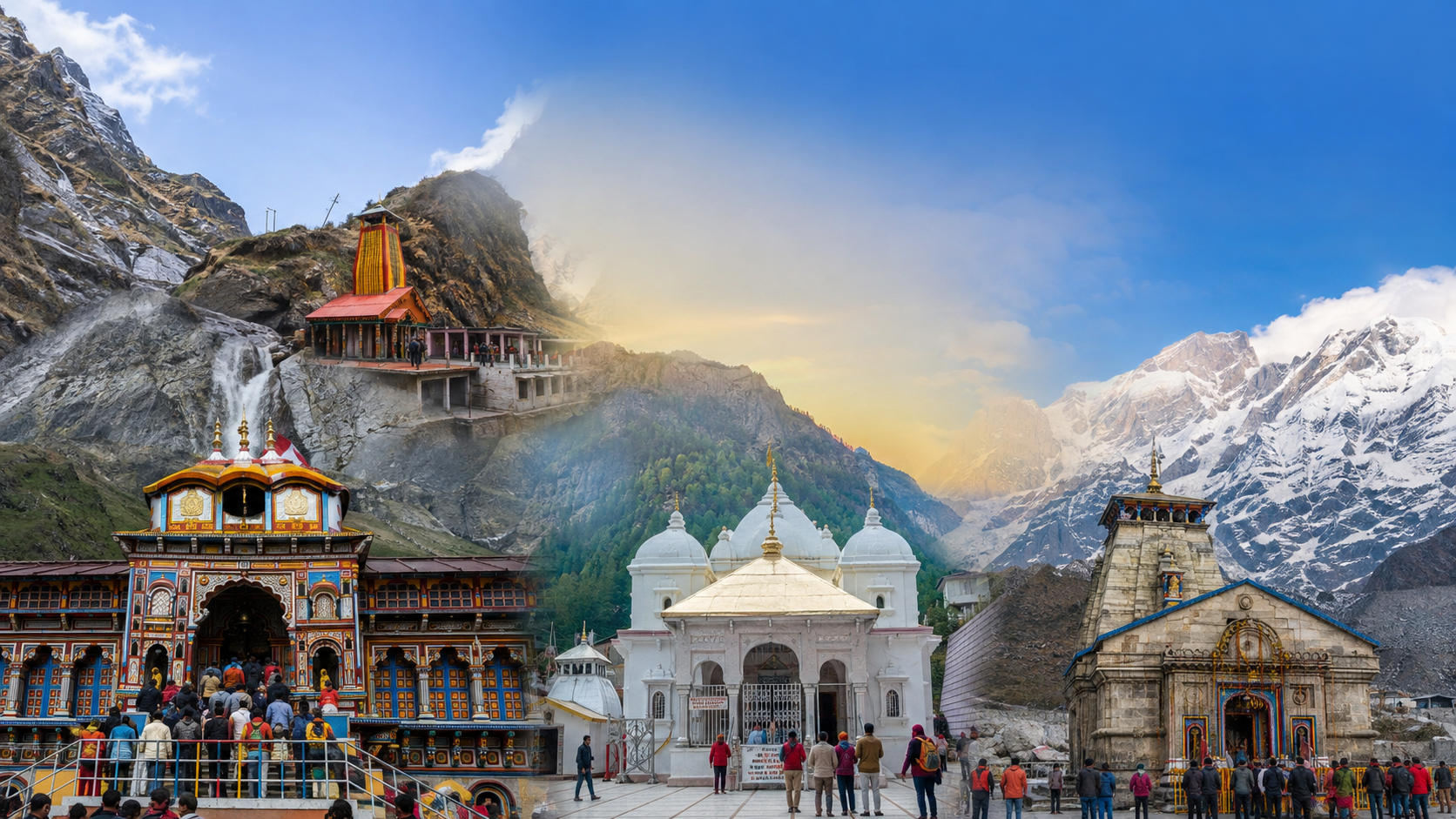
Plan a meaningful pilgrimage to Uttarakhand’s four sacred Himalayan shrines with this 12 Days / 11 Nights Chardham Yatra package from Delhi. The Delhi-to-Delhi journey brings together Yamunotri, Gangotri, Kedarnath and Badrinath, with time in important gateway destinations such as Haridwar and Rishikesh. Designed for travellers who want a structured Char Dham pilgrimage without having to coordinate every travel detail themselves, the package combines spiritual visits with the distinctive mountain landscapes of Uttarakhand. As the shrines are seasonal and high-altitude destinations, travel dates, registration requirements and access conditions should be checked before booking. Enquire with Tr
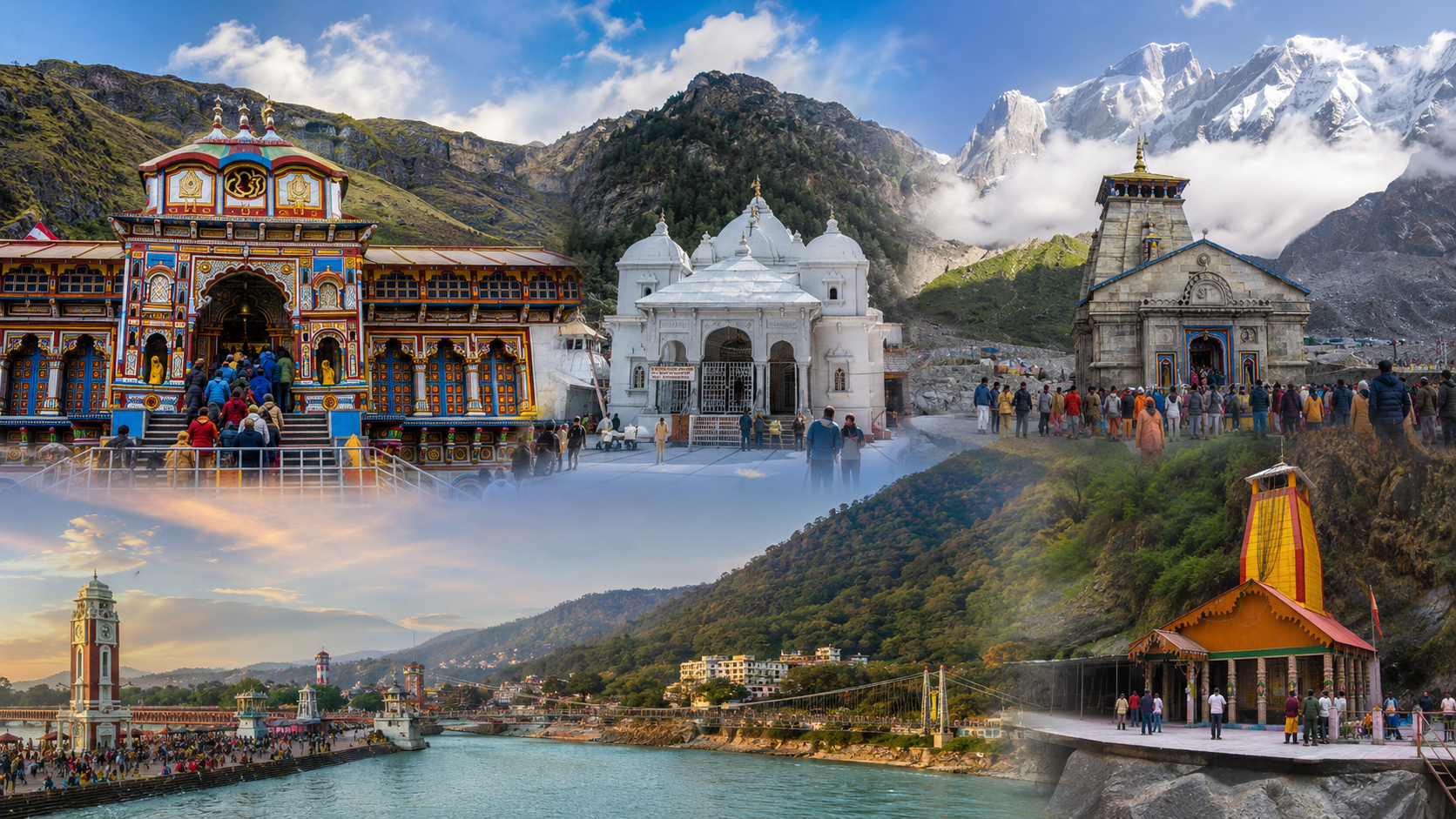
Plan your sacred Himalayan journey with our Chardham Yatra package from Haridwar, designed for travellers wishing to visit Yamunotri, Gangotri, Kedarnath and Badrinath in one organised pilgrimage. This 10 Days / 9 Nights journey starts and concludes in Haridwar and follows the traditional Char Dham sequence through Uttarakhand. Along with the four principal shrines, the journey brings you through the spiritual landscape of the Garhwal Himalayas, with Rishikesh associated with the overall travel region. As mountain conditions, temple opening dates, registrations and access arrangements can change, final 2027 operational details should be verified before departure.
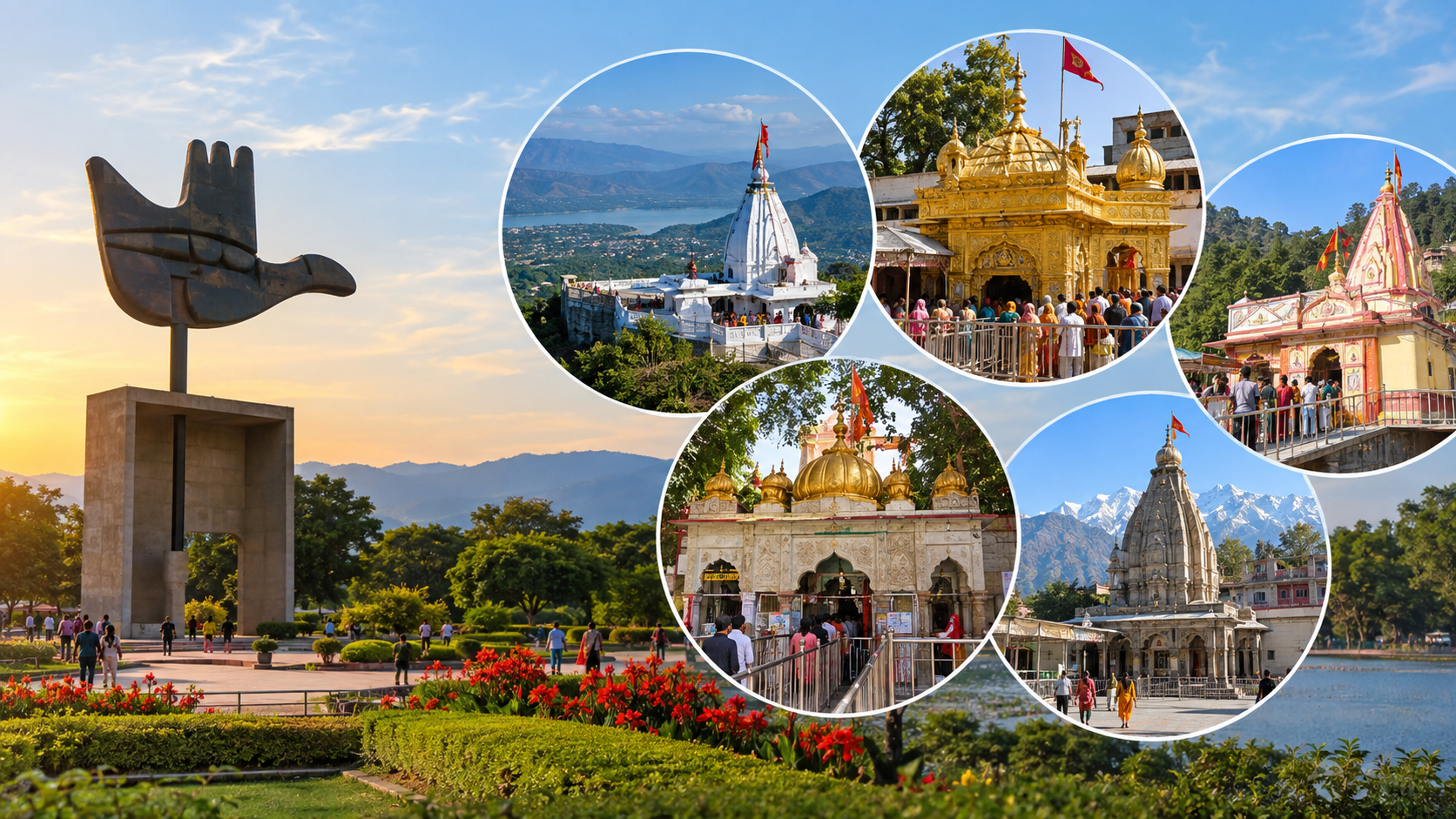
Himachal 5 Devi Darshan from Chandigarh. Package details, itinerary and pricing can be completed in the CRM.
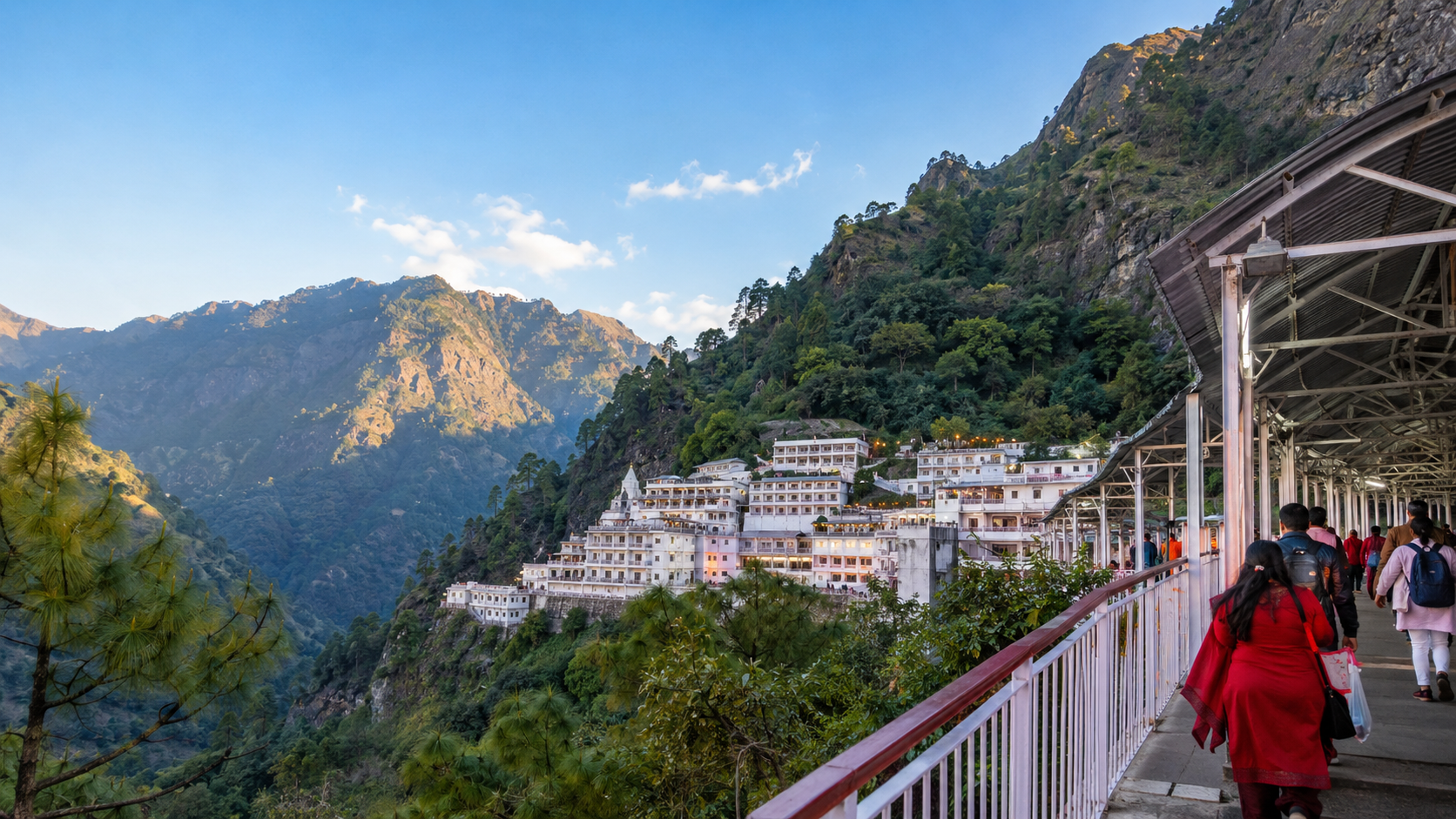
Vaishno Devi Yatra from Katra. Package details, itinerary and pricing can be completed in the CRM.
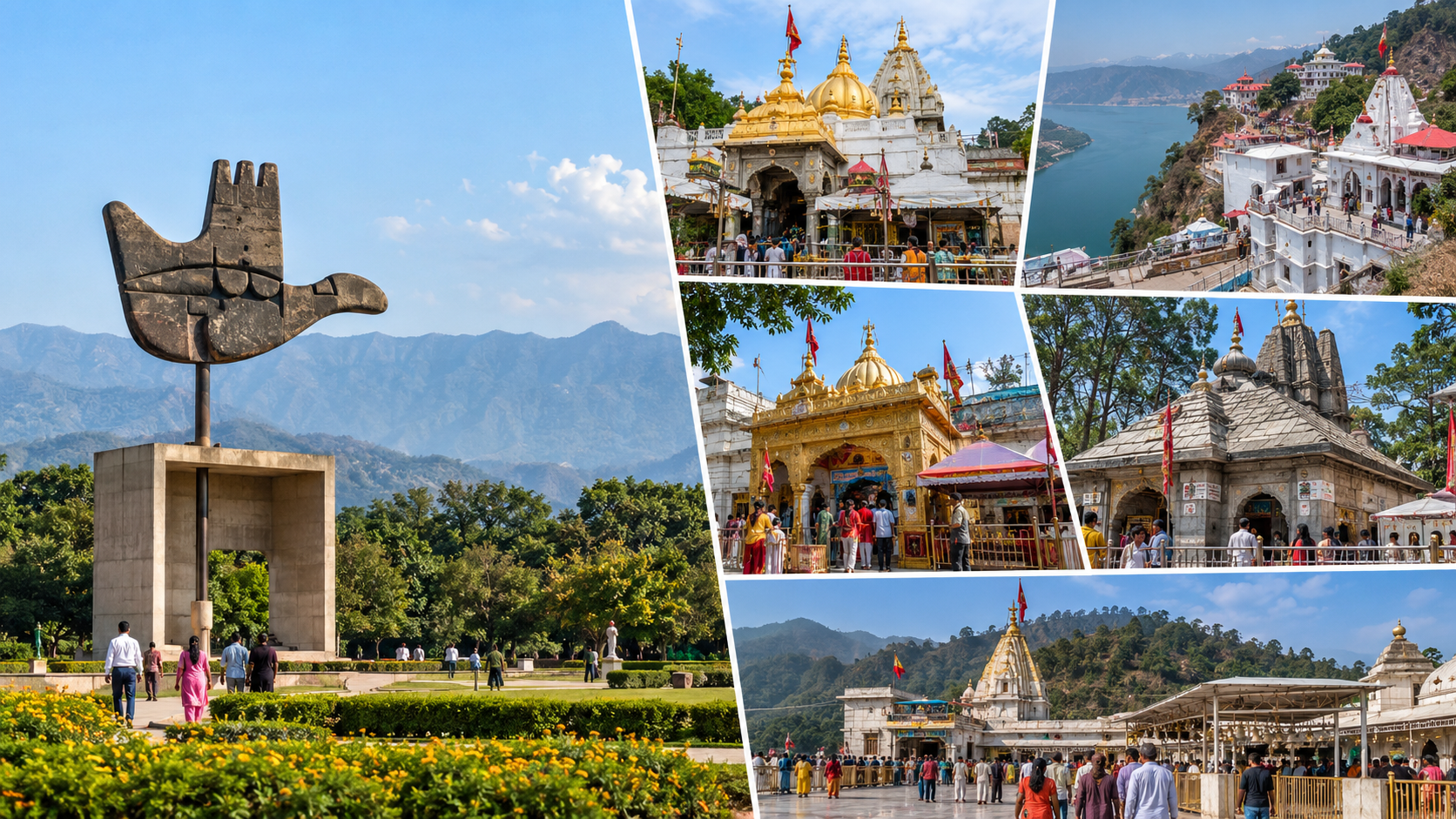
9 Devi Yatra from Chandigarh. Package details, itinerary and pricing can be completed in the CRM.
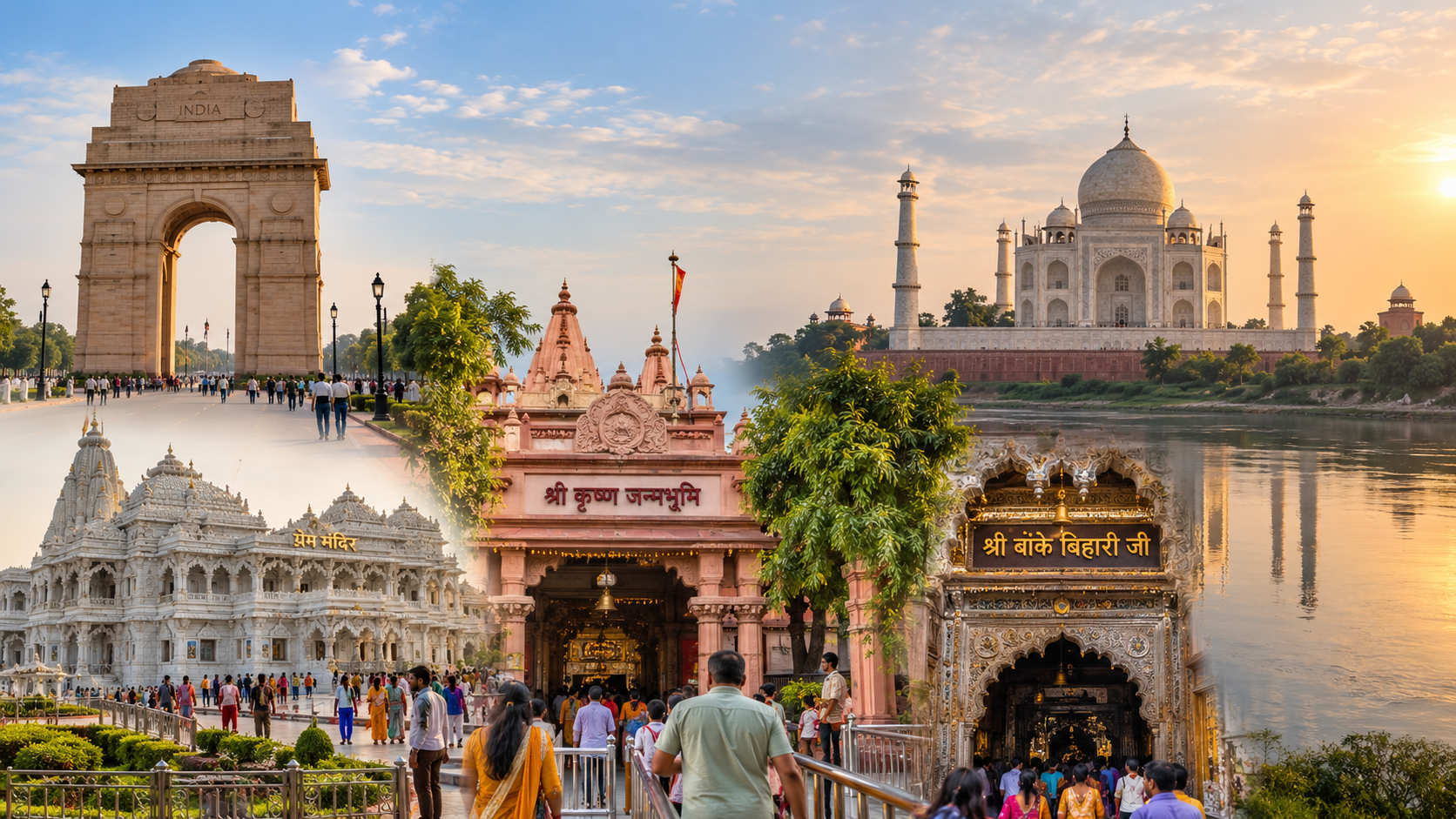
Agra Mathura Vrindavan Tour from Delhi. Package details, itinerary and pricing can be completed in the CRM.
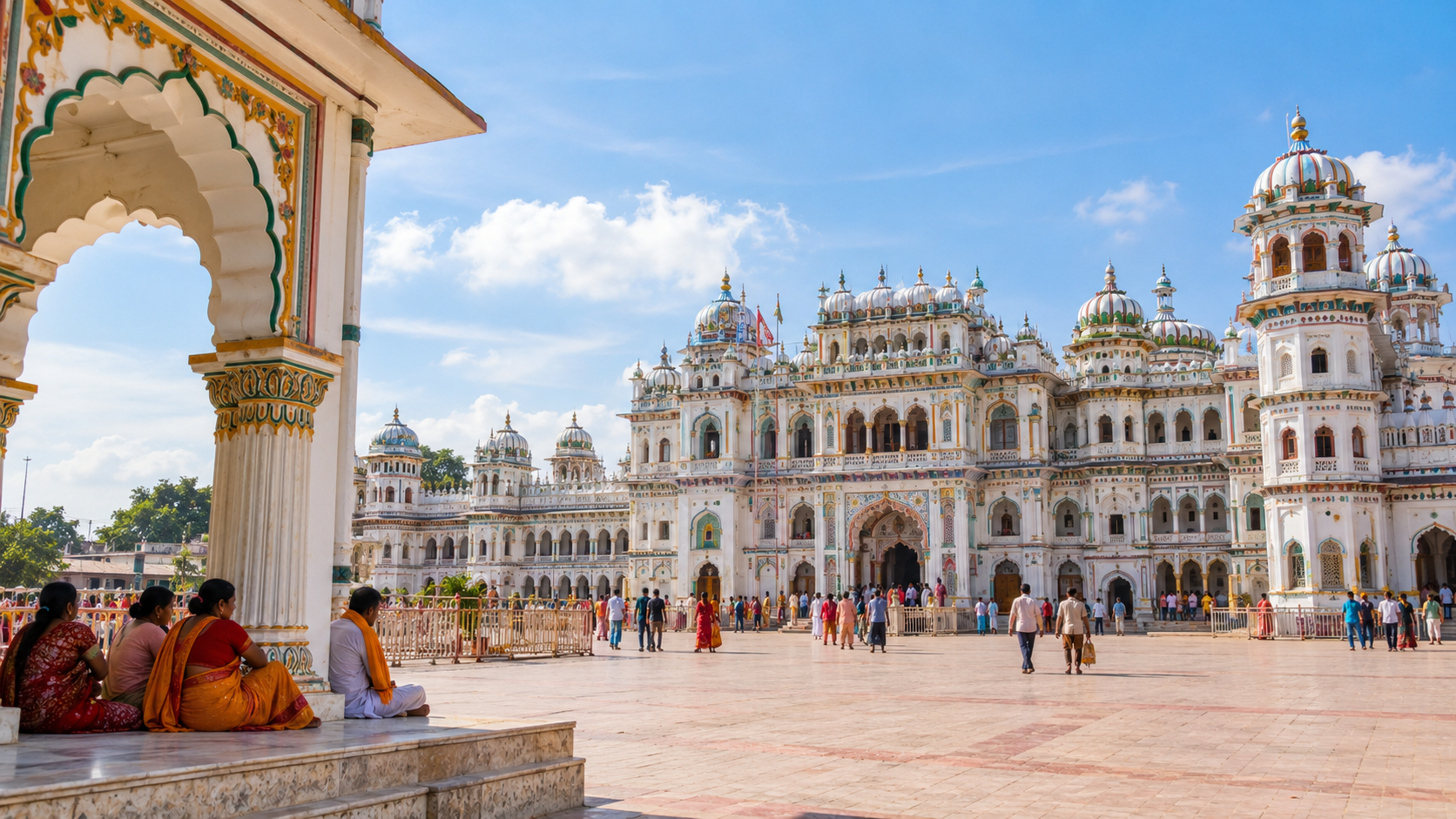
Sitamarhi Janakpur Tour from Darbhanga. Package details, itinerary and pricing can be completed in the CRM.
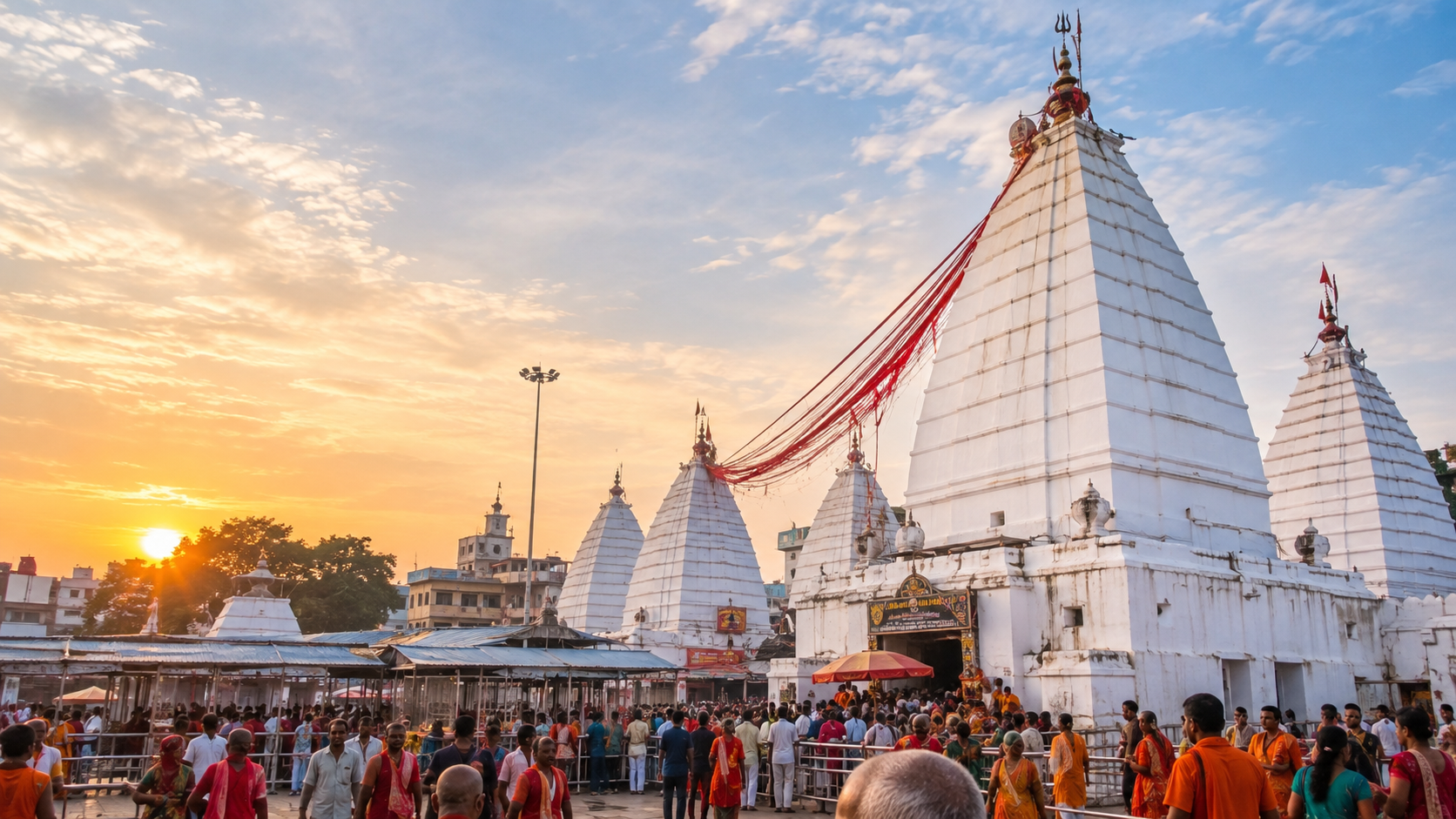
Deoghar Basukinath Tour from Deoghar. Package details, itinerary and pricing can be completed in the CRM.
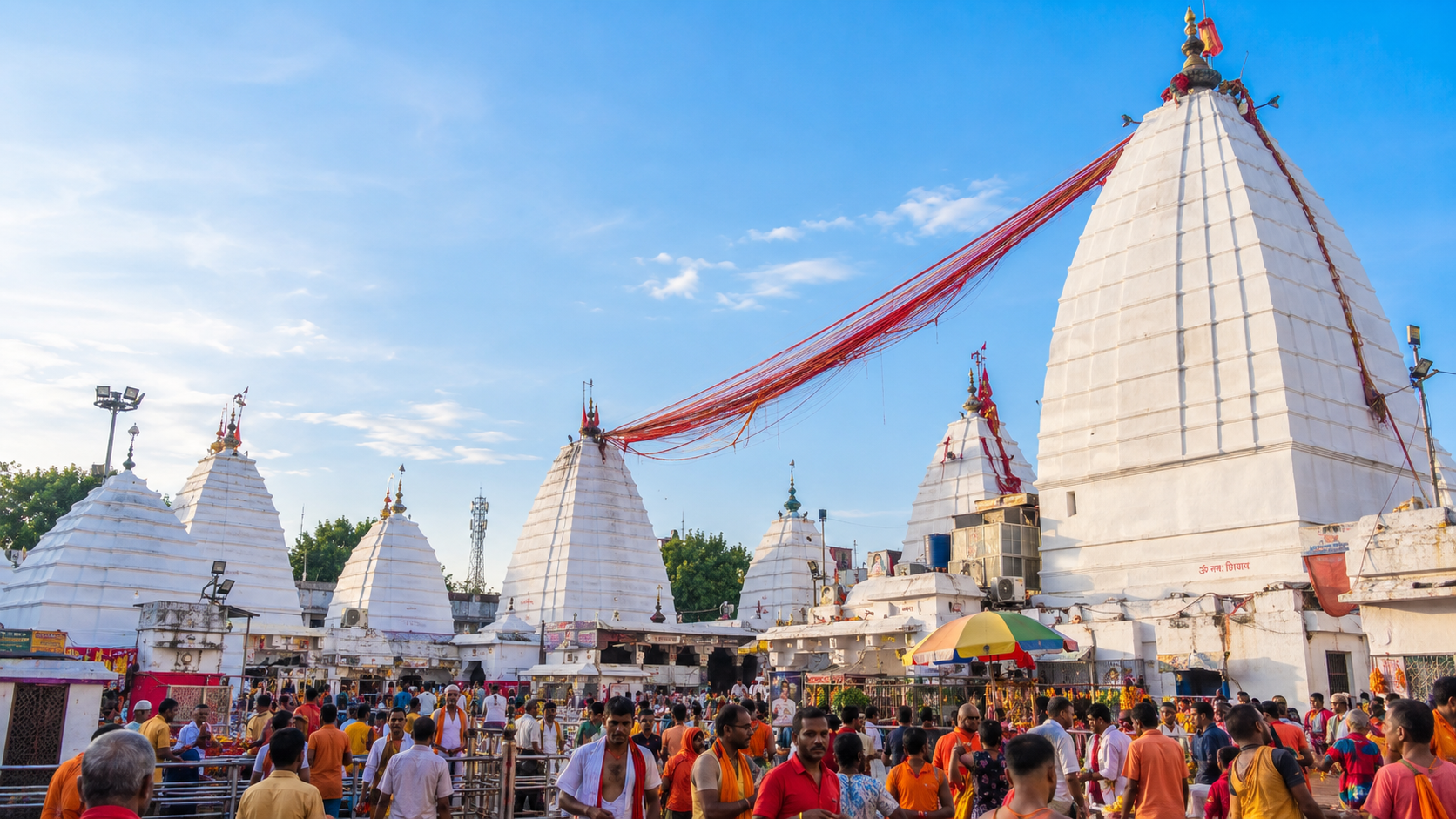
Deoghar Baba Dham Tour from Deoghar. Package details, itinerary and pricing can be completed in the CRM.
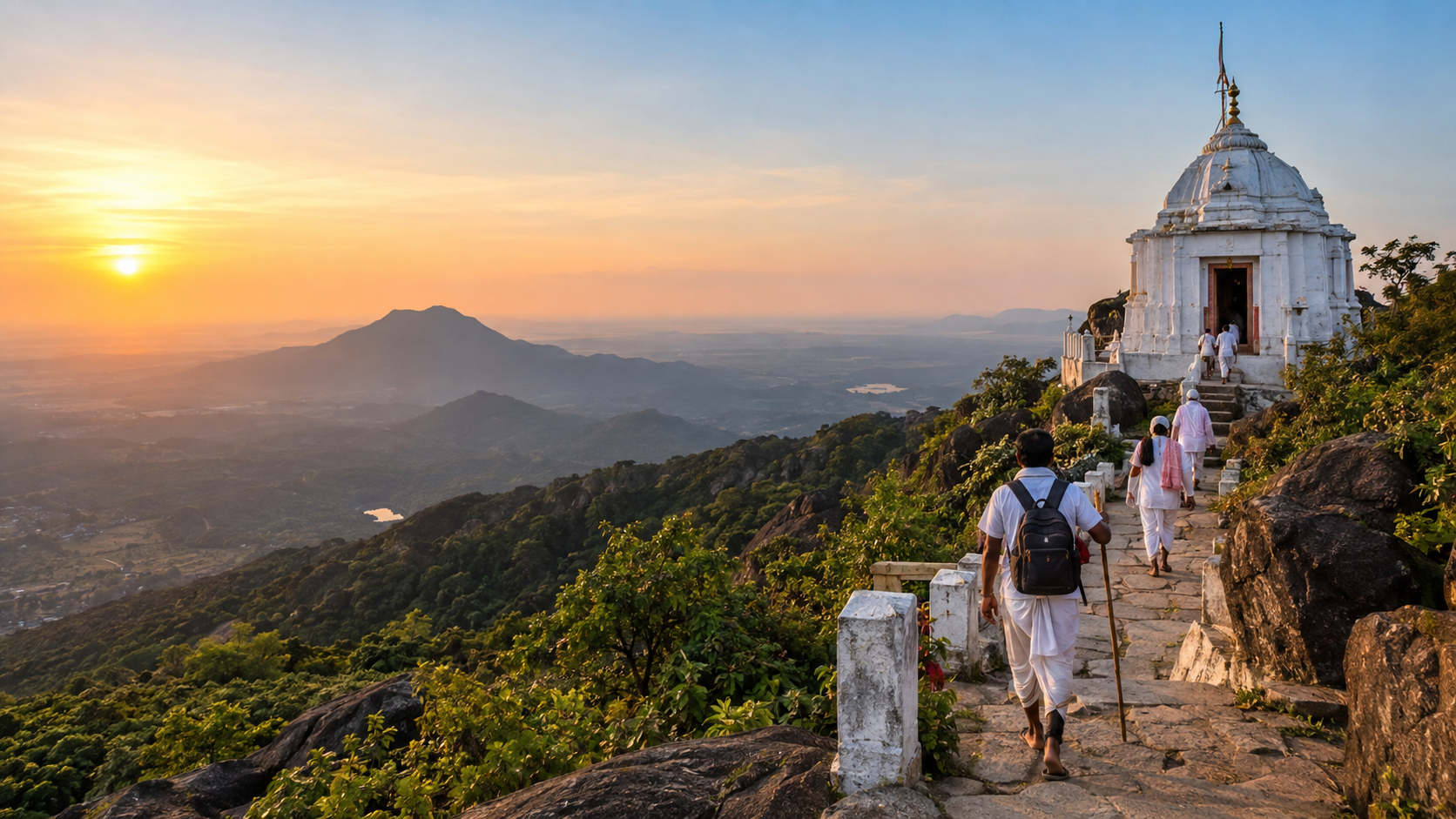
Shikharji Tour from Ranchi. Package details, itinerary and pricing can be completed in the CRM.
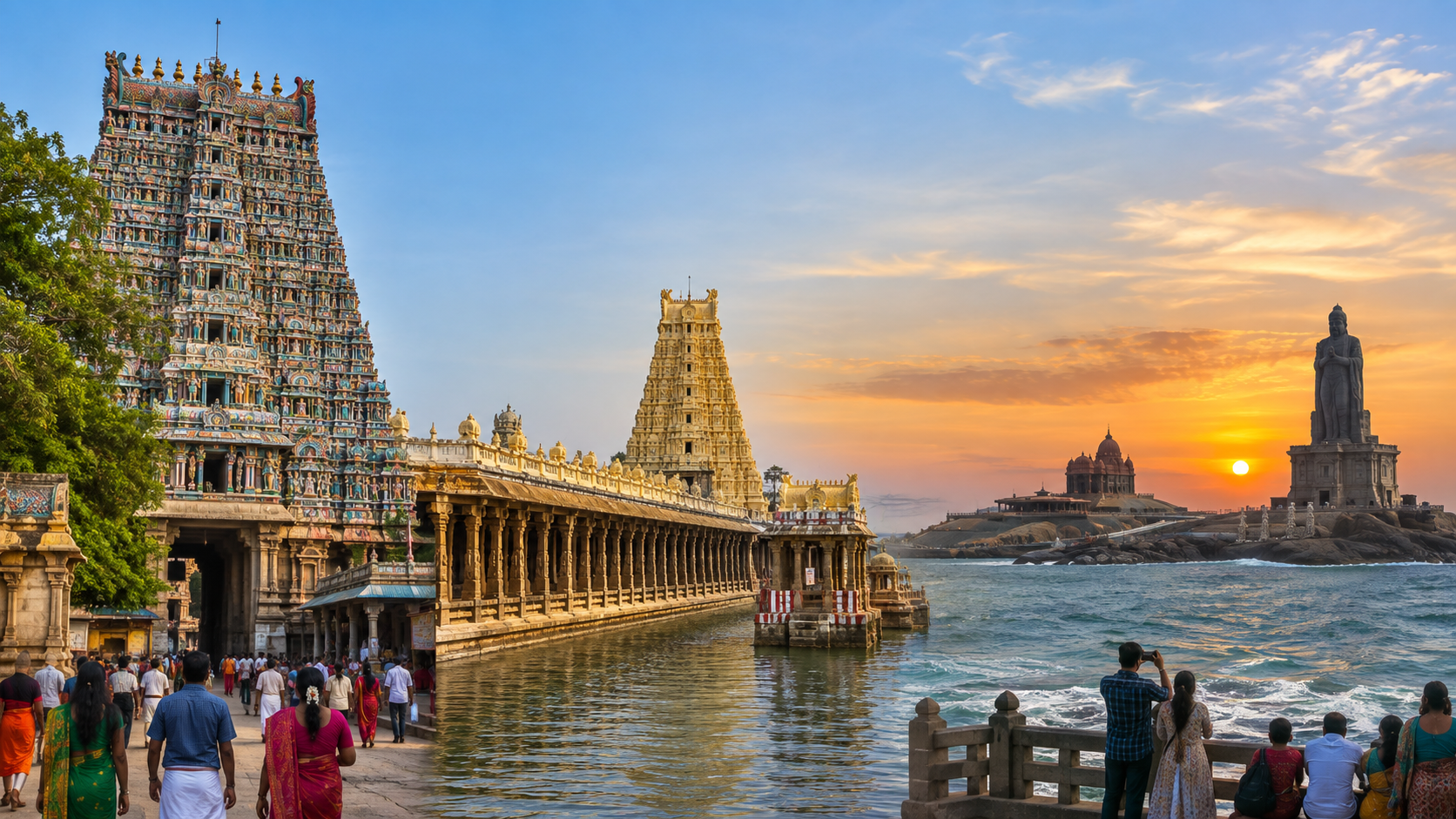
Madurai Rameswaram Kanyakumari Tour from Madurai. Package details, itinerary and pricing can be completed in the CRM.
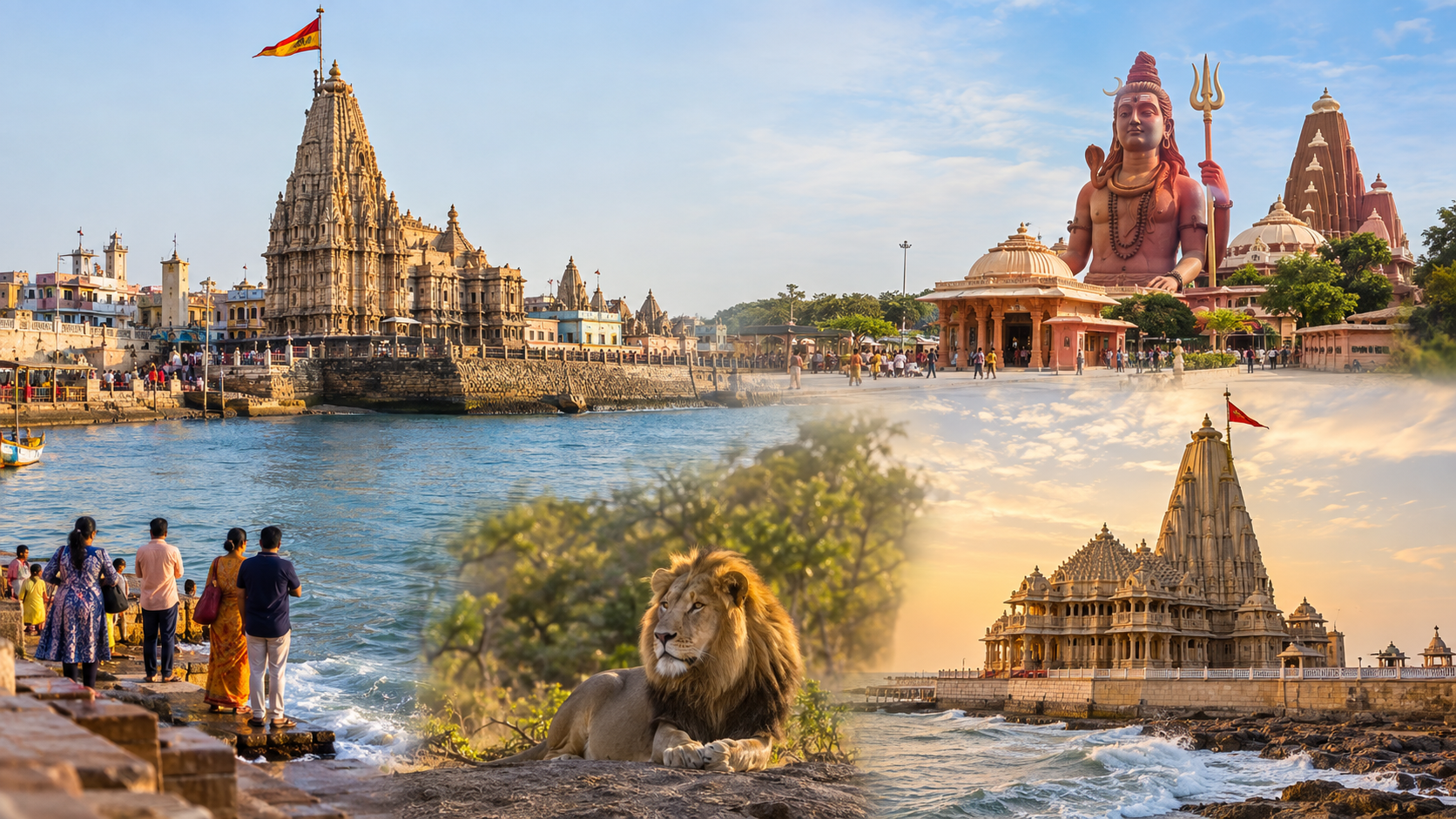
Dwarka Somnath Nageshwar Gir Tour from Rajkot. Package details, itinerary and pricing can be completed in the CRM.
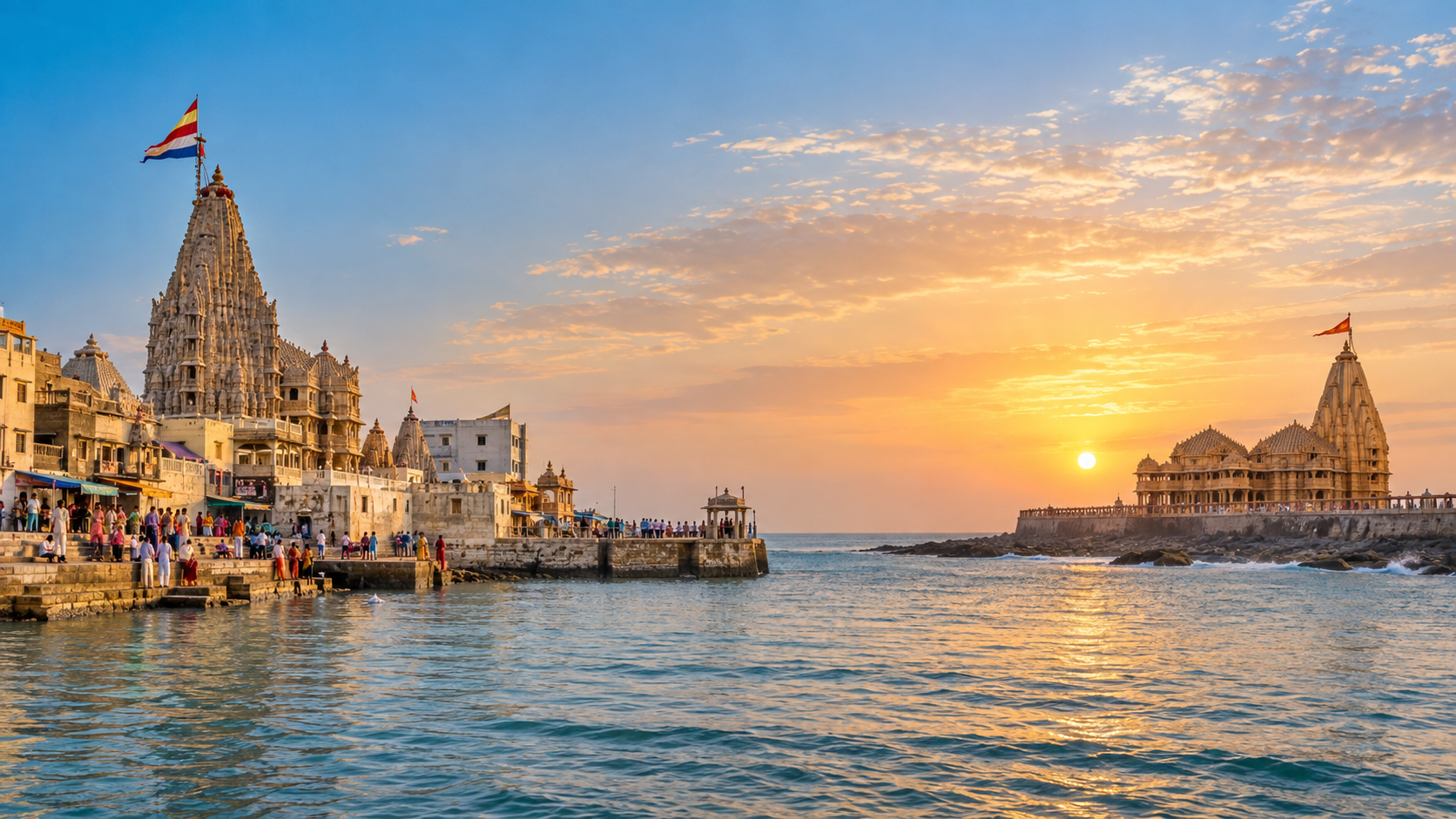
Dwarka Somnath Tour from Rajkot. Package details, itinerary and pricing can be completed in the CRM.
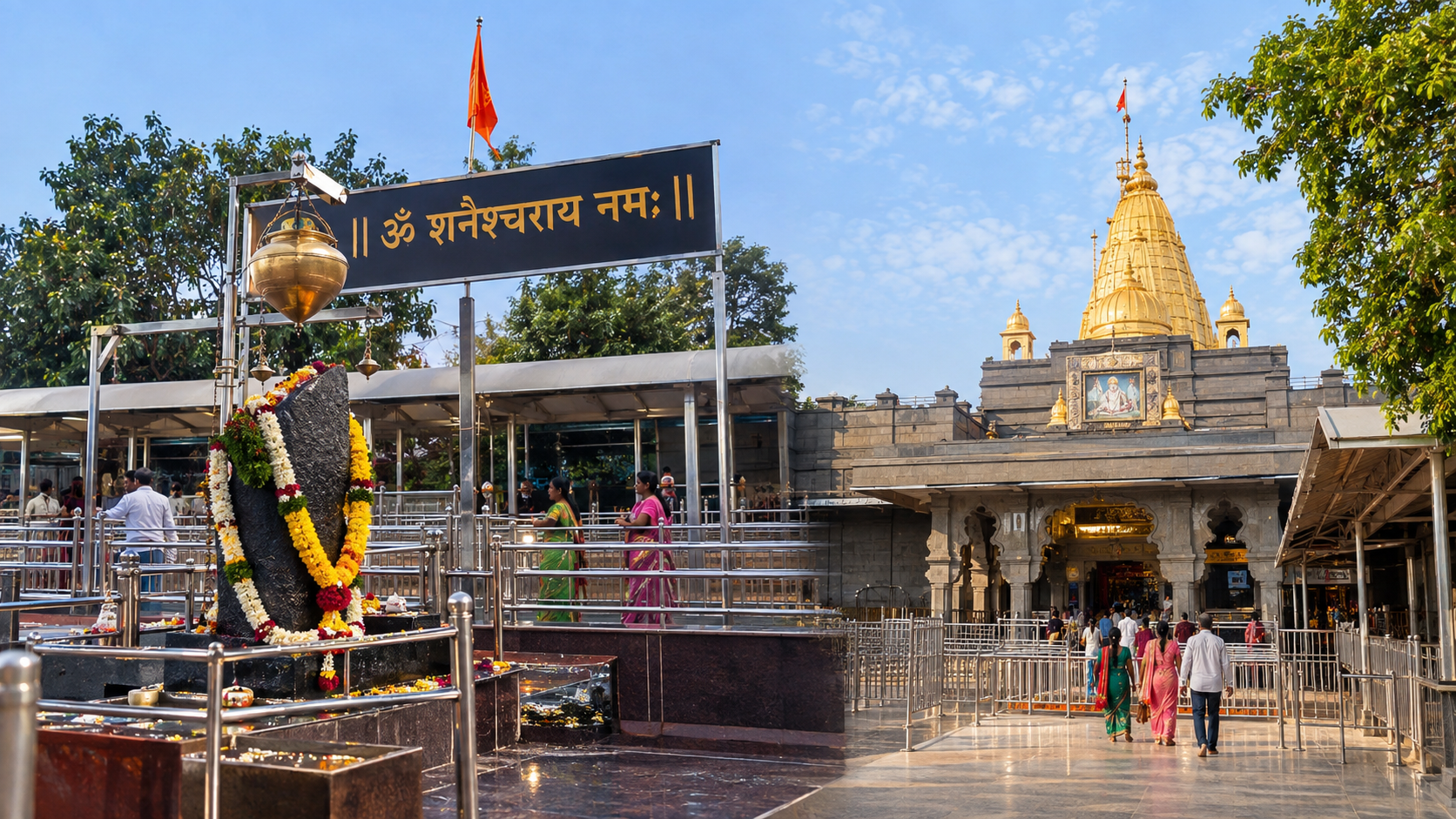
Shirdi Shani Shingnapur Tour from Shirdi. Package details, itinerary and pricing can be completed in the CRM.
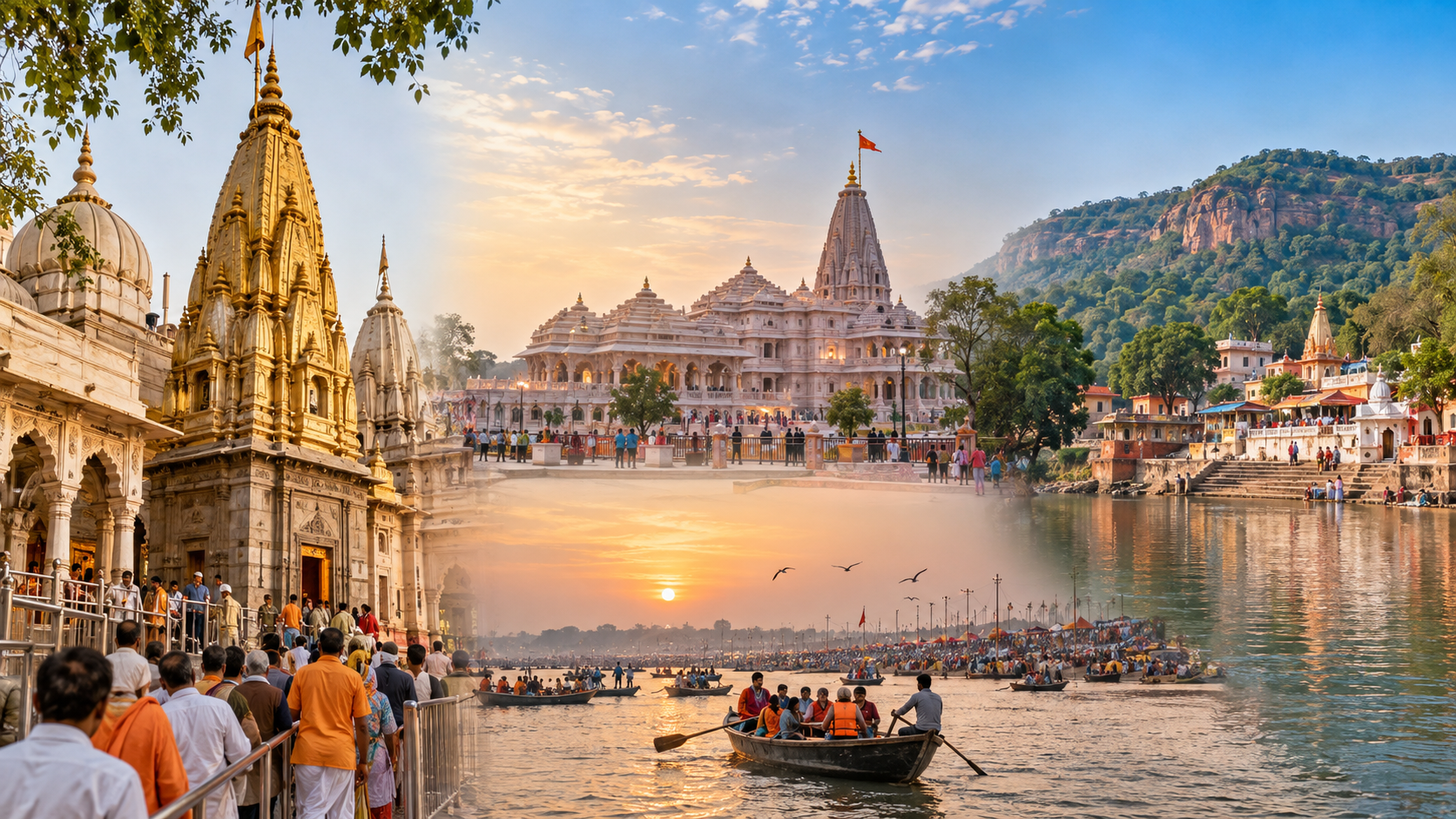
Varanasi Ayodhya Prayagraj Chitrakoot Tour from Varanasi. Package details, itinerary and pricing can be completed in the CRM.
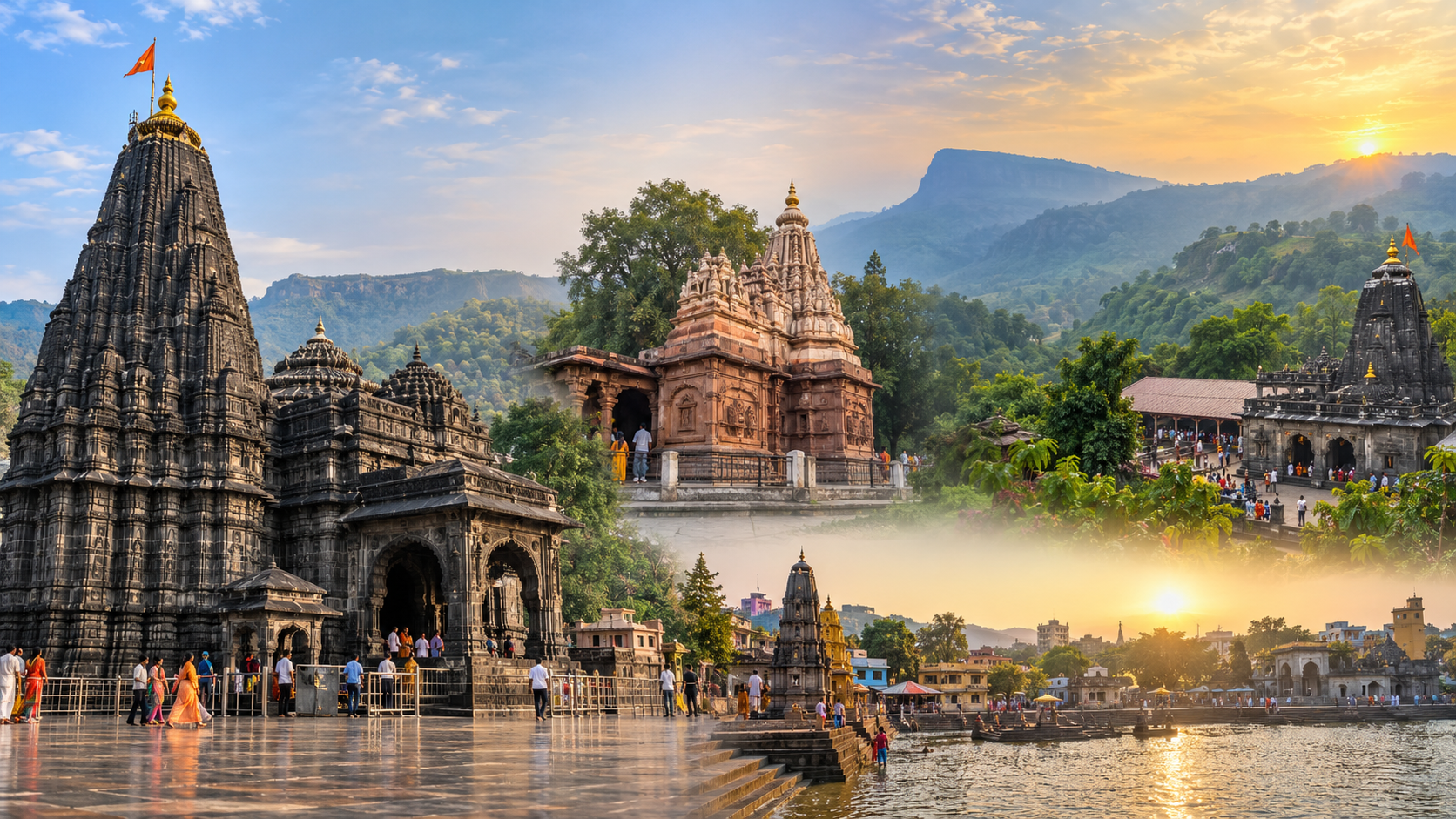
Maharashtra Jyotirlinga Tour from Nashik. Package details, itinerary and pricing can be completed in the CRM.
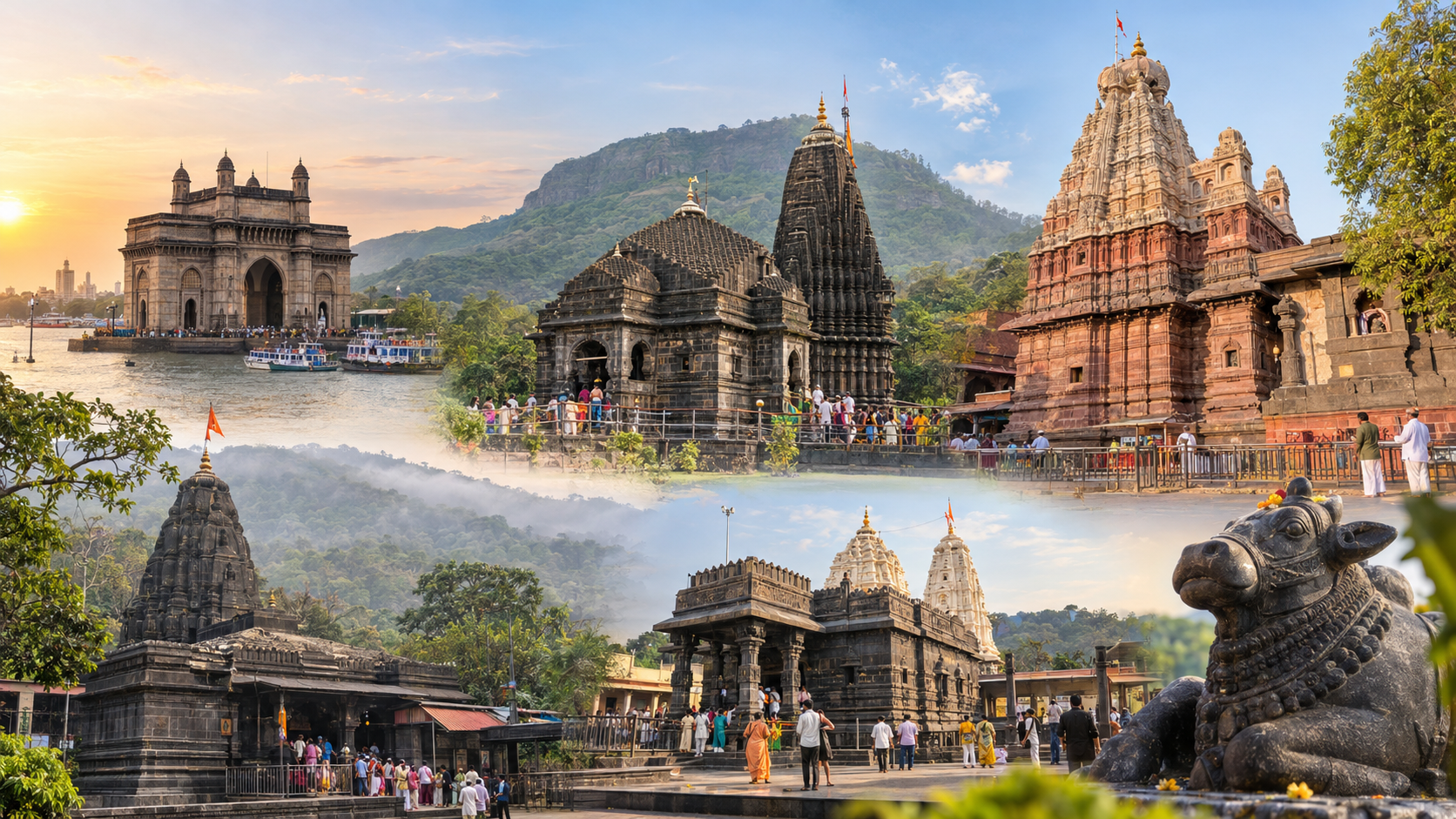
Maharashtra Jyotirlinga Tour from Mumbai. Package details, itinerary and pricing can be completed in the CRM.
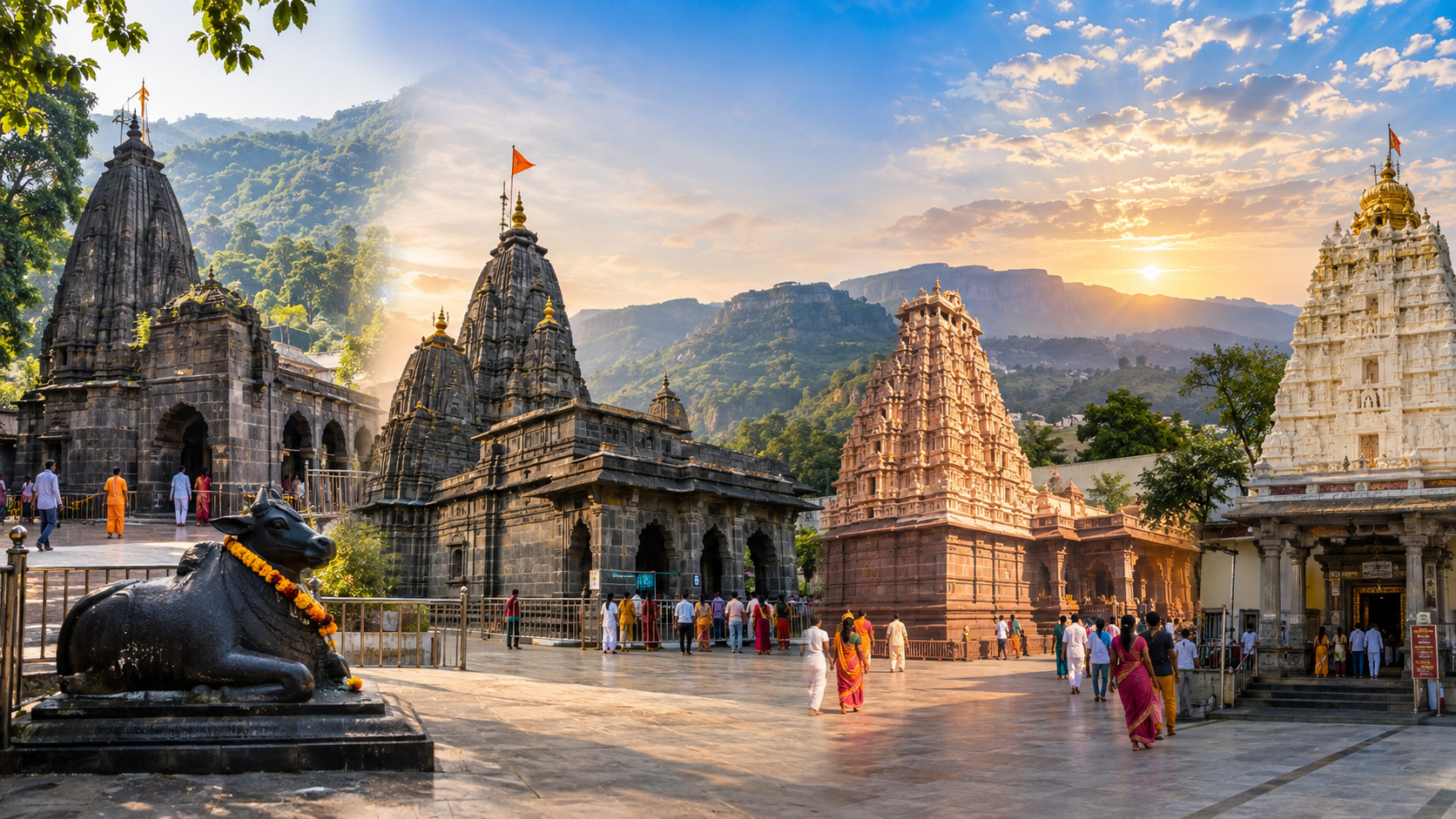
Maharashtra Jyotirlinga Tour from Pune. Package details, itinerary and pricing can be completed in the CRM.
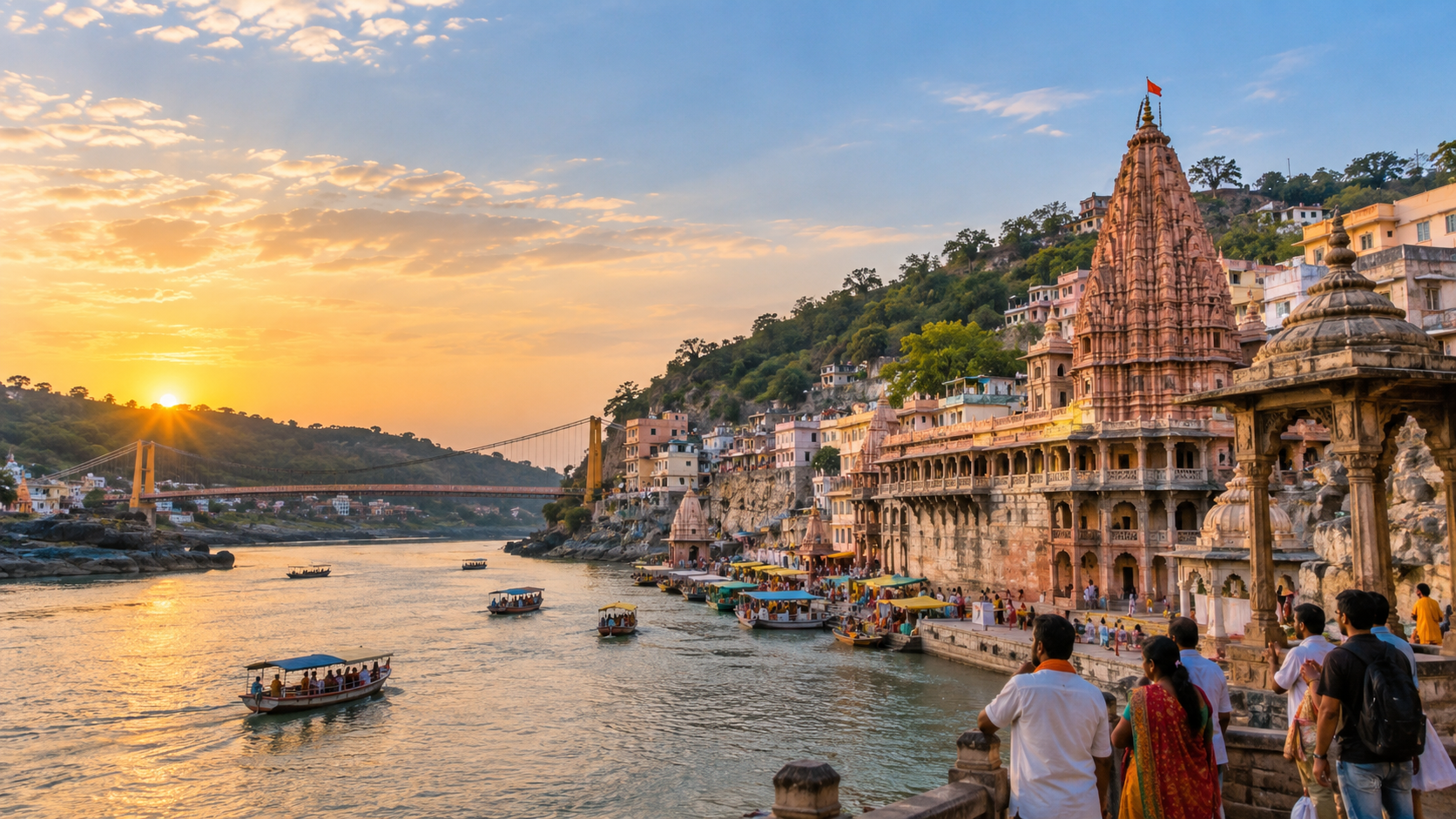
Ujjain Mahakal Omkareshwar Tour from Ujjain. Package details, itinerary and pricing can be completed in the CRM.
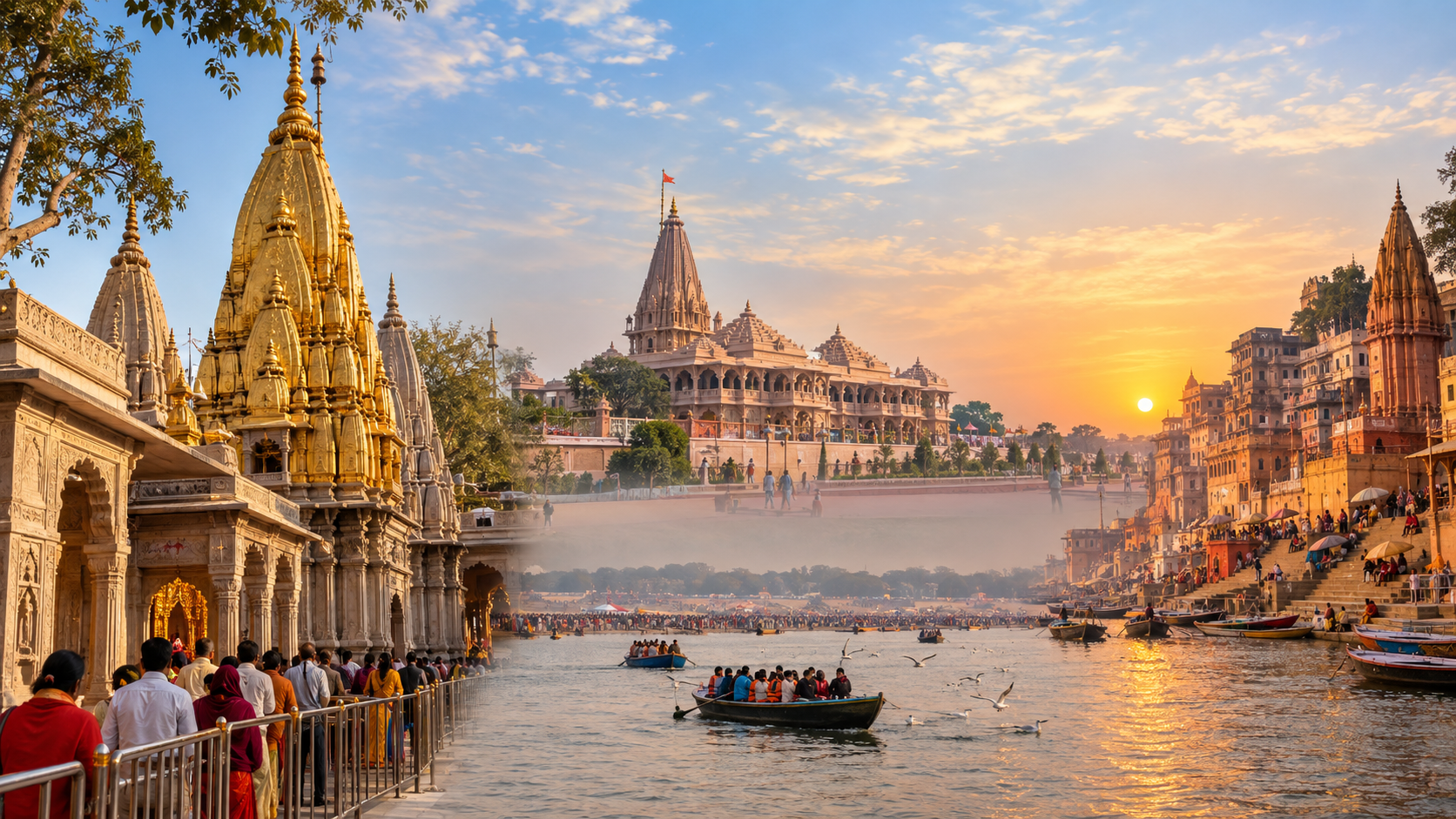
Varanasi Ayodhya Prayagraj Tour from Varanasi. Package details, itinerary and pricing can be completed in the CRM.
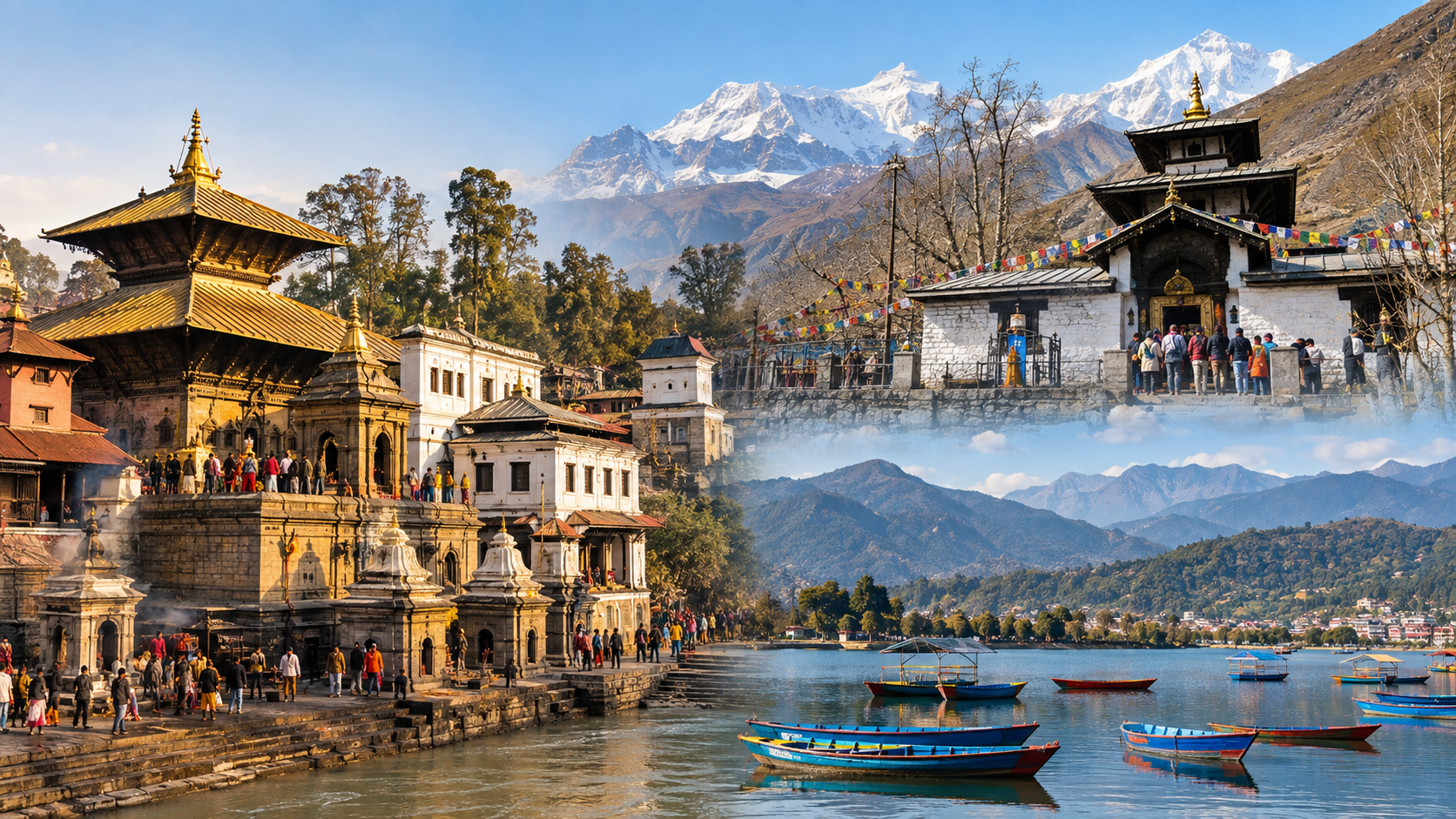
Kathmandu Pashupatinath Muktinath Pokhara Tour from Kathmandu. Package details, itinerary and pricing can be completed in the CRM.
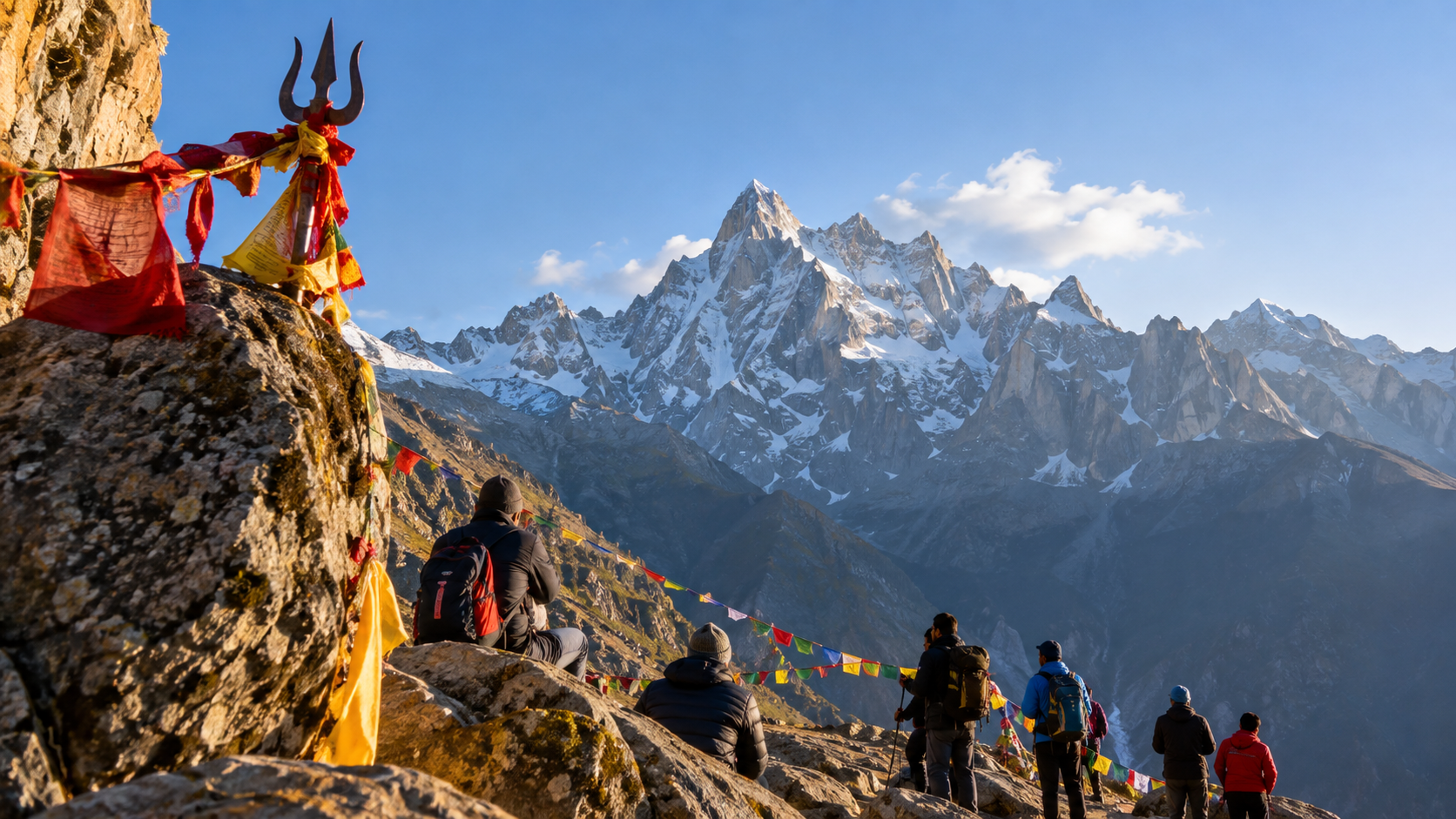
Kinner Kailash Yatra from Chandigarh. Package details, itinerary and pricing can be completed in the CRM.
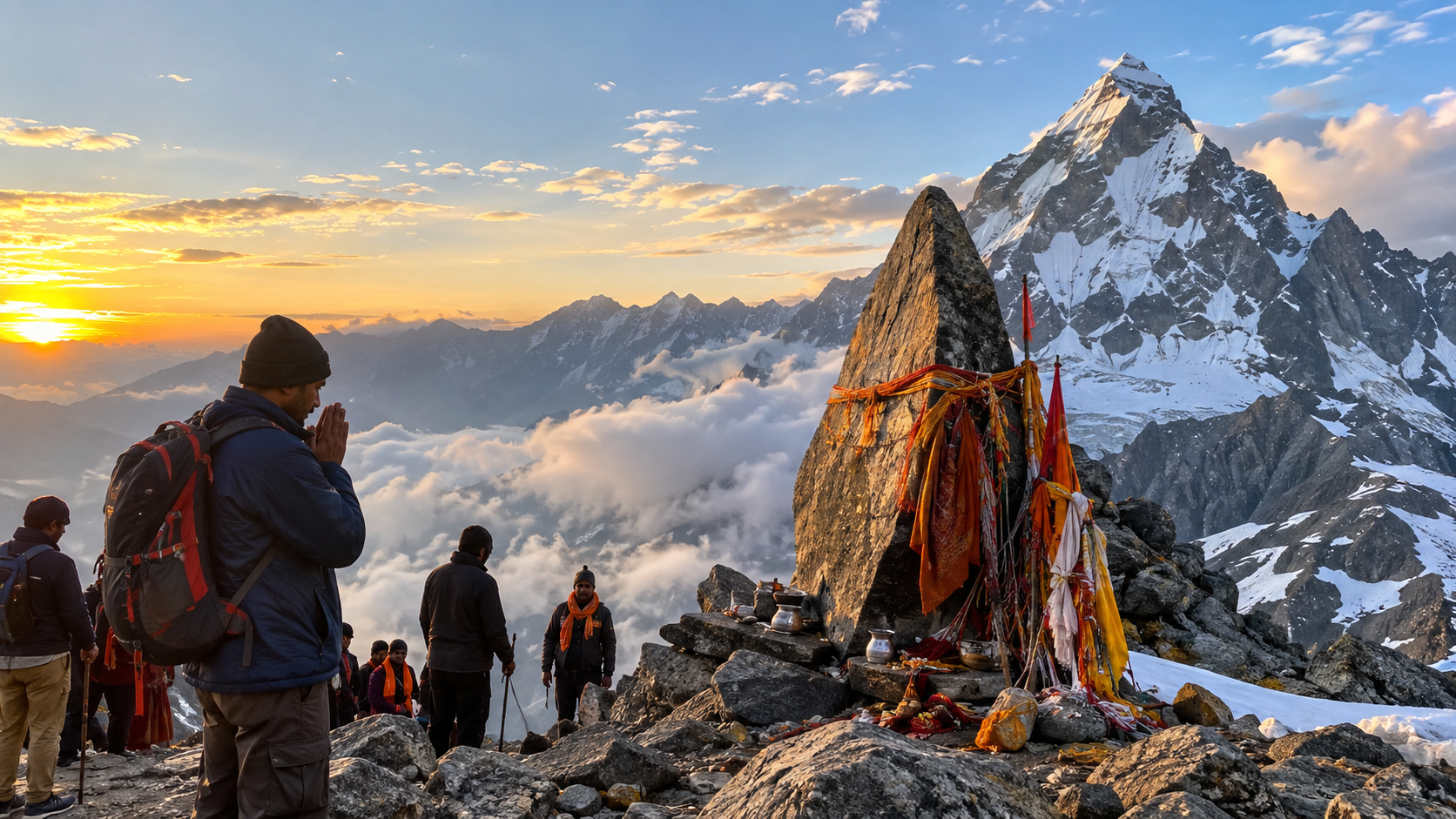
Shrikhand Mahadev Yatra from Chandigarh. Package details, itinerary and pricing can be completed in the CRM.
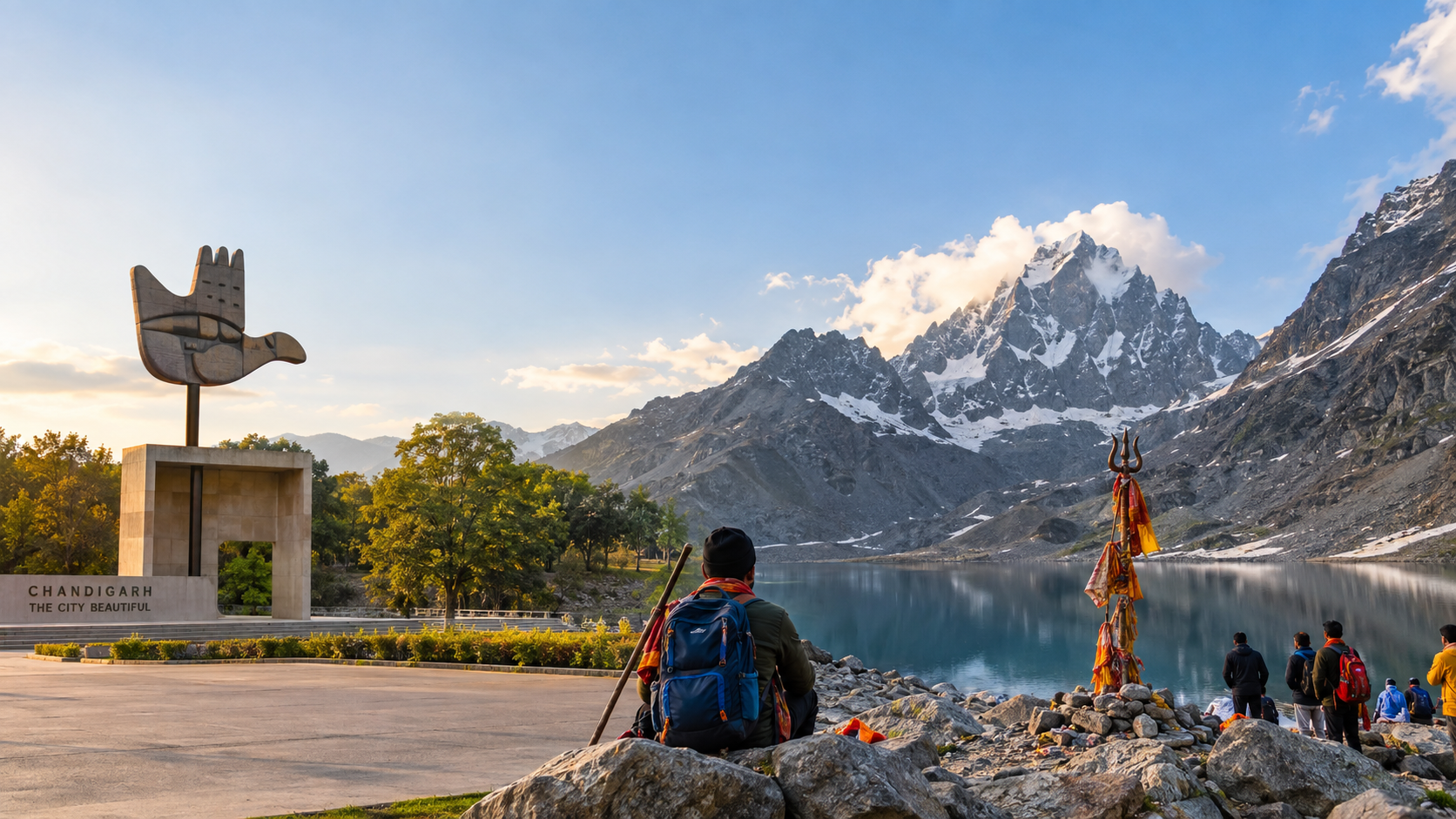
Manimahesh Yatra from Chandigarh. Package details, itinerary and pricing can be completed in the CRM.
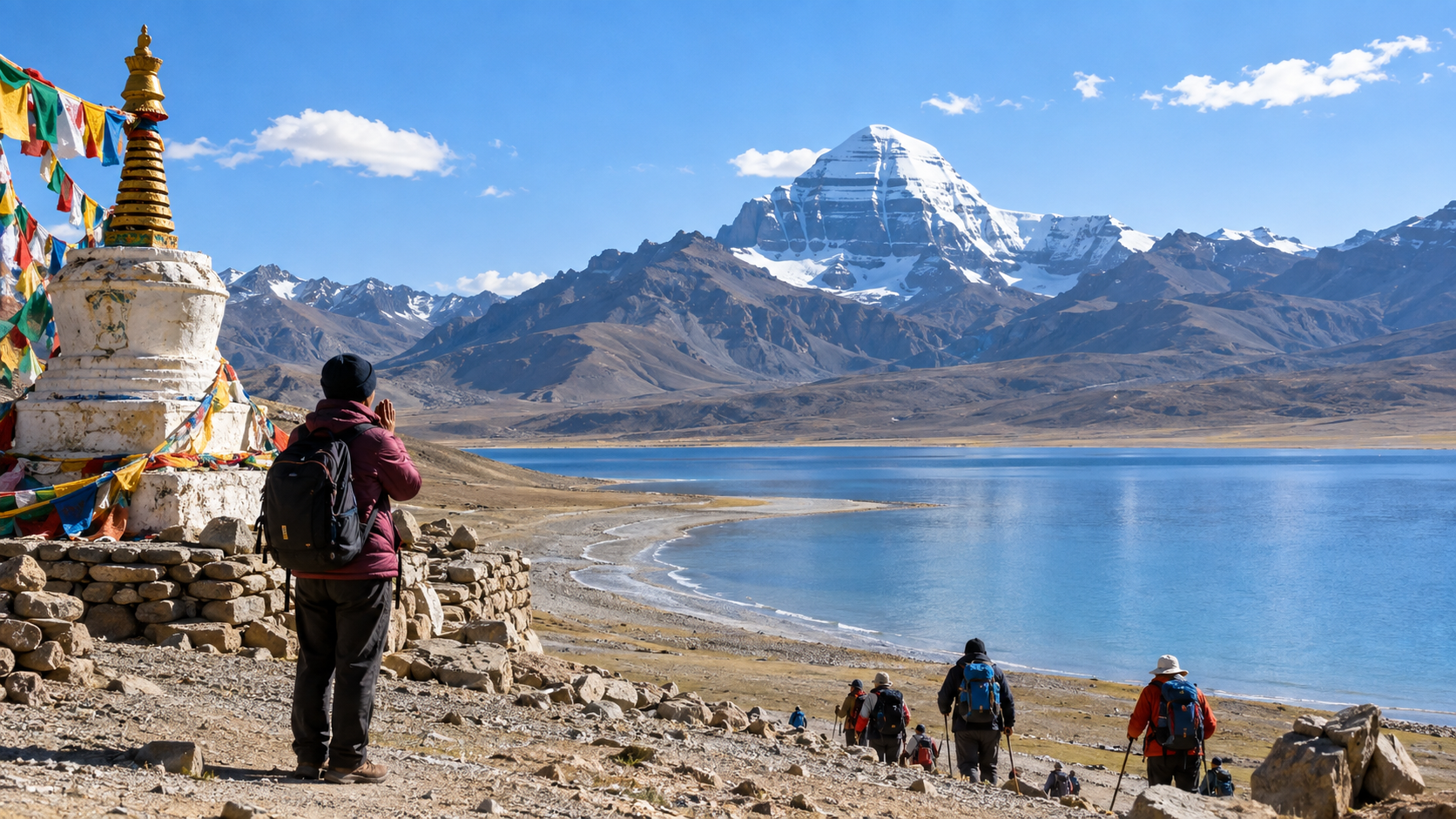
Kailash Mansarovar Yatra by Road from Kathmandu. Package details, itinerary and pricing can be completed in the CRM.
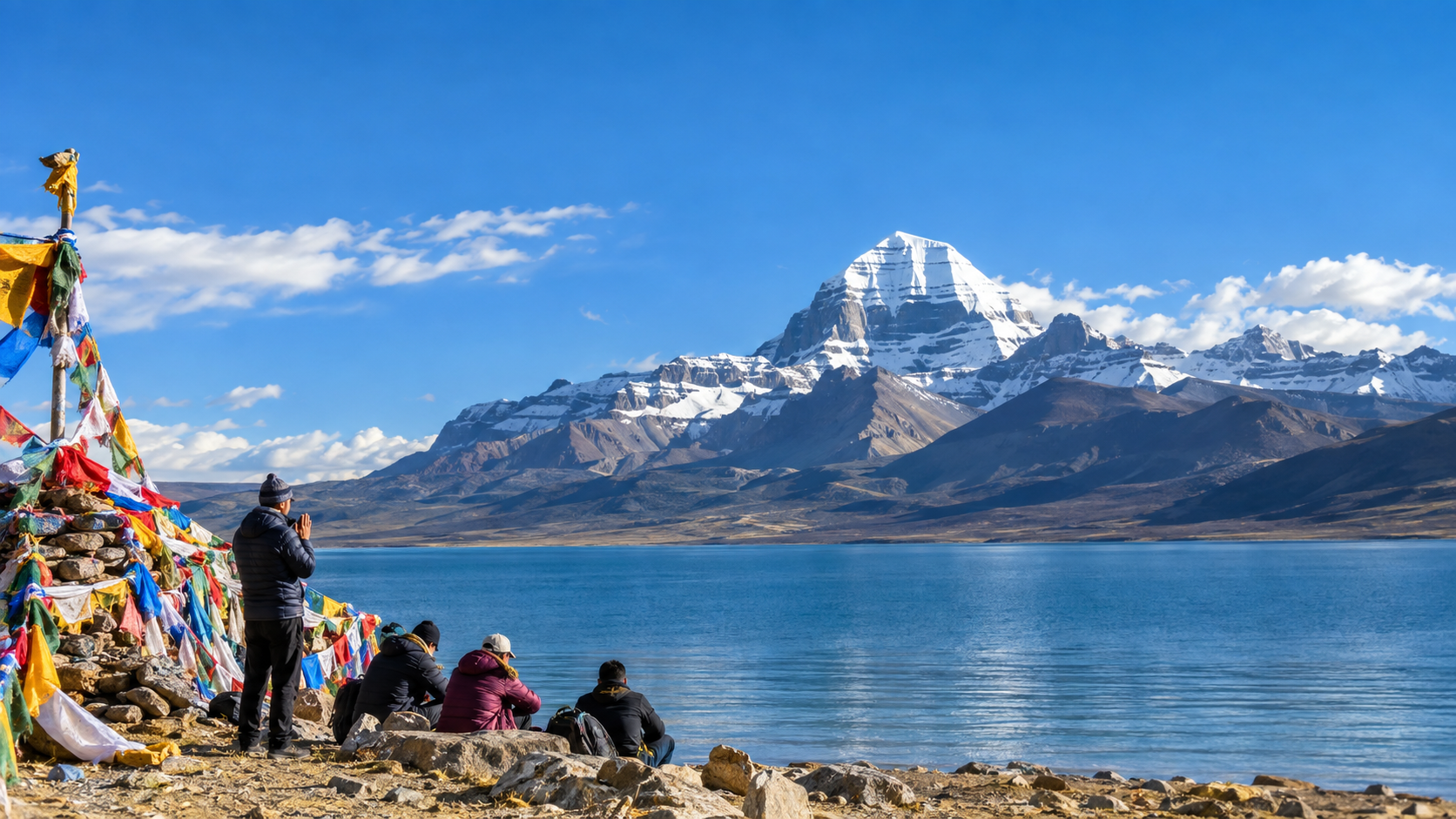
Kailash Mansarovar Yatra by Helicopter from Kathmandu. Package details, itinerary and pricing can be completed in the CRM.
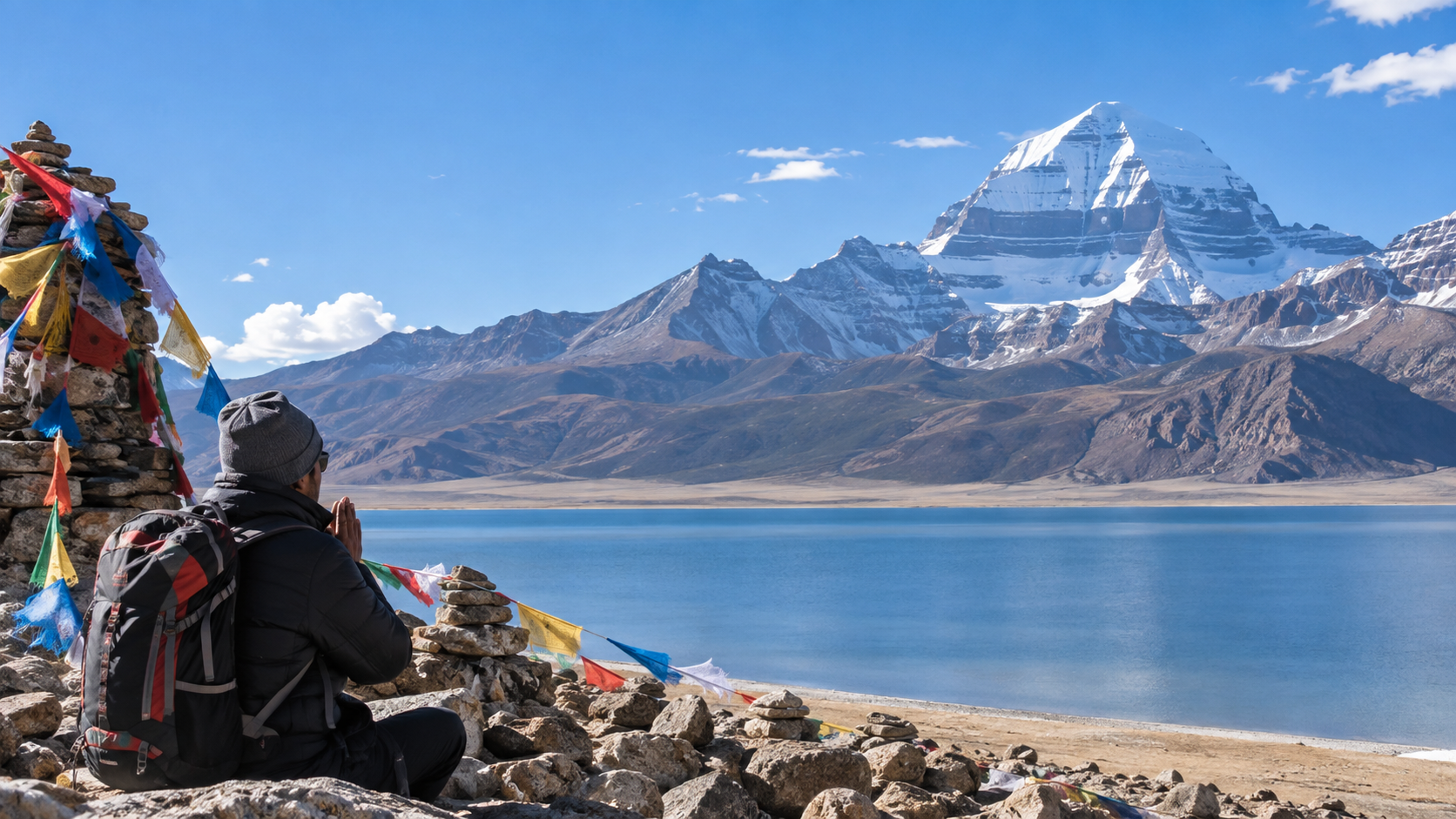
Kailash Mansarovar Yatra by Helicopter from Lucknow. Package details, itinerary and pricing can be completed in the CRM.
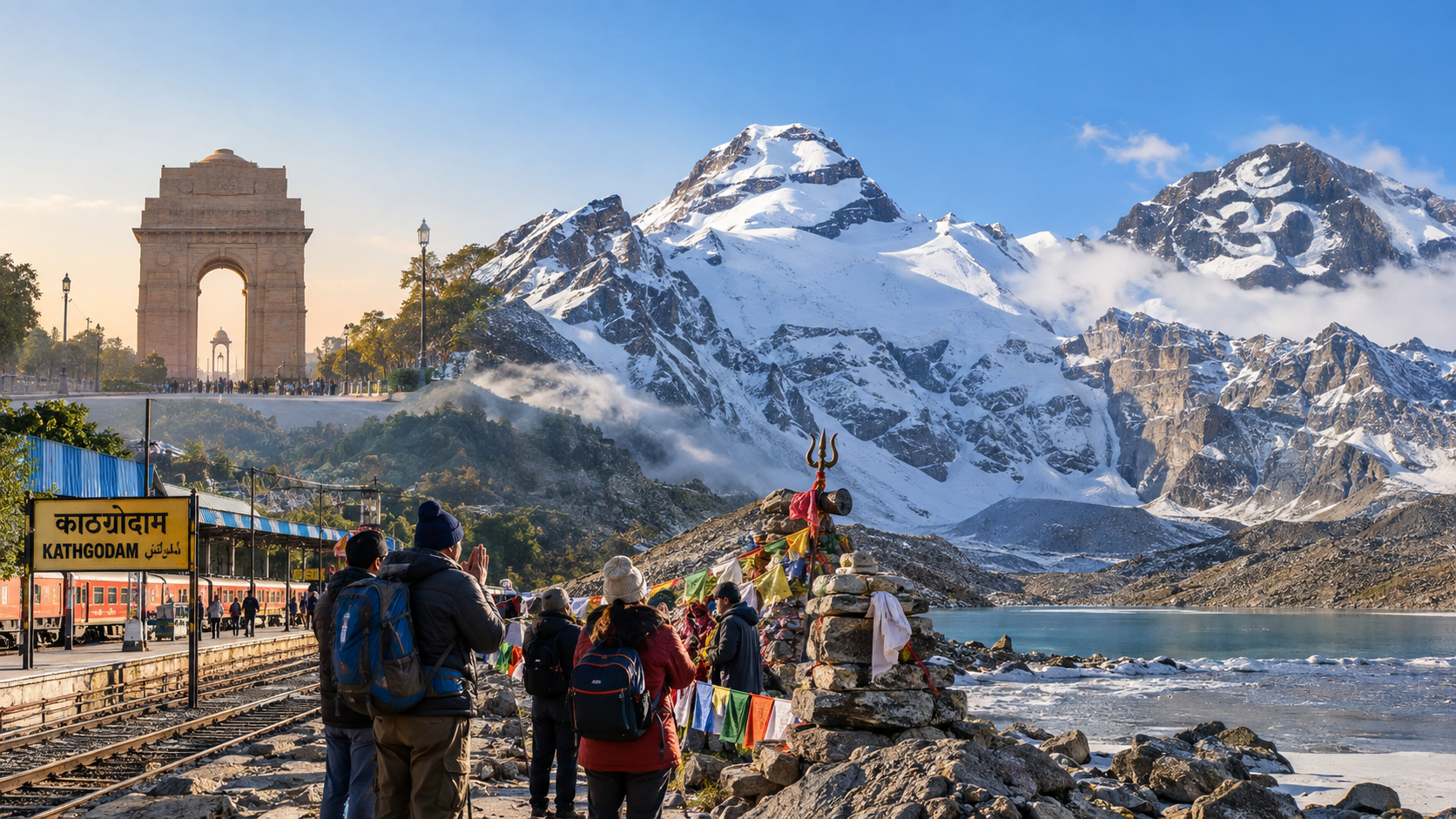
Adi Kailash Om Parvat Yatra from Delhi. Package details, itinerary and pricing can be completed in the CRM.
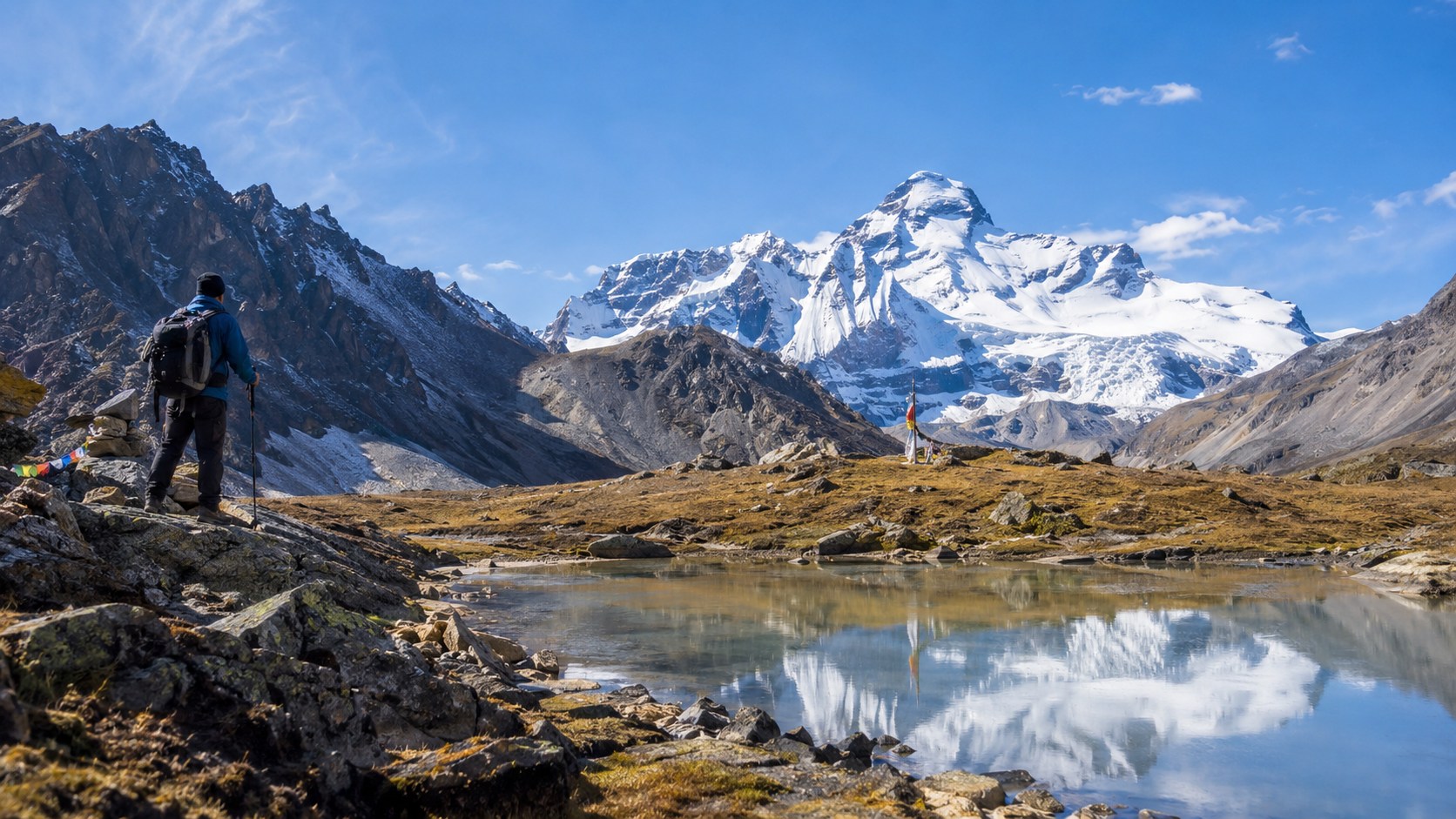
Adi Kailash Om Parvat Yatra from Kathgodam. Package details, itinerary and pricing can be completed in the CRM.
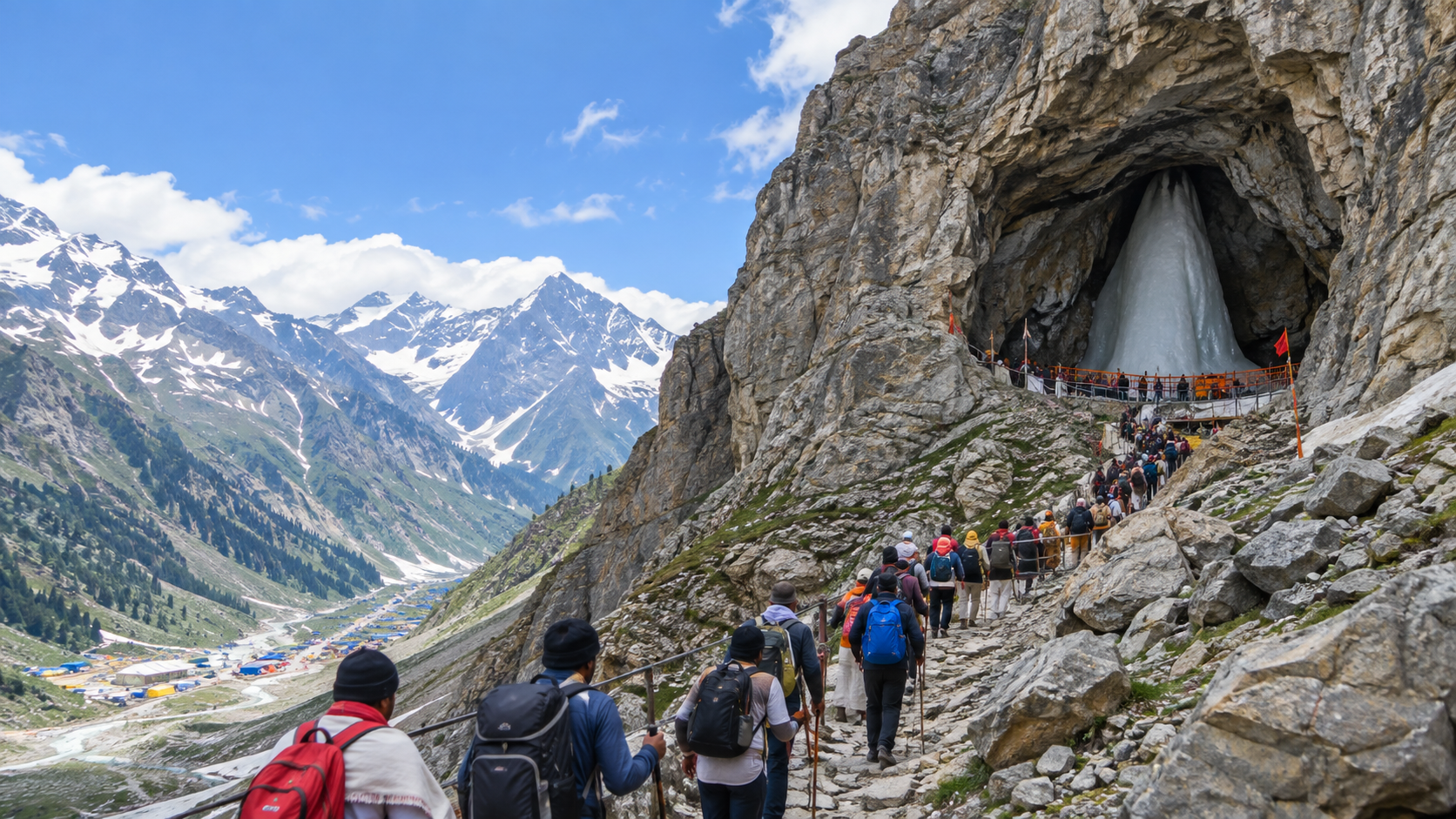
Amarnath Yatra from Srinagar. Package details, itinerary and pricing can be completed in the CRM.
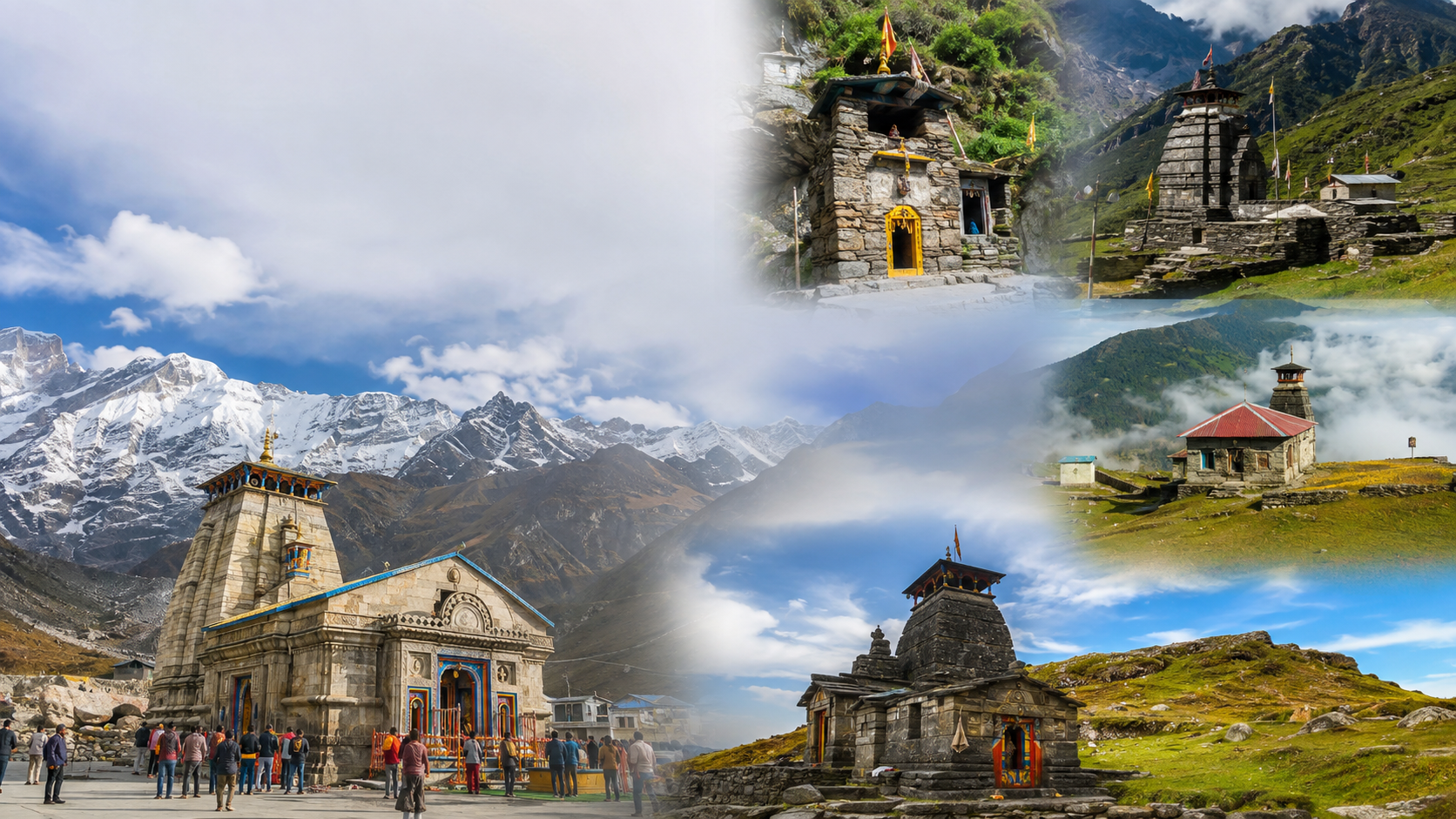
Panch Kedar Yatra from Delhi is a demanding and deeply rewarding pilgrimage through five revered Shiva temples in the Garhwal Himalayas: Kedarnath, Tungnath, Rudranath, Madhyamaheshwar and Kalpeshwar. This 12 Days / 11 Nights pilgrimage is designed for devotees who want to experience the complete Panch Kedar circuit rather than visit only one or two shrines. The journey combines mountain roads, high-altitude walking and time for darshan at some of Uttarakhand’s most significant Shiva temples. Because several shrines involve substantial trekking and seasonal access, careful planning is essential. Trip to Yatra helps travellers plan the pilgrimage around the temple season, travel conditions an
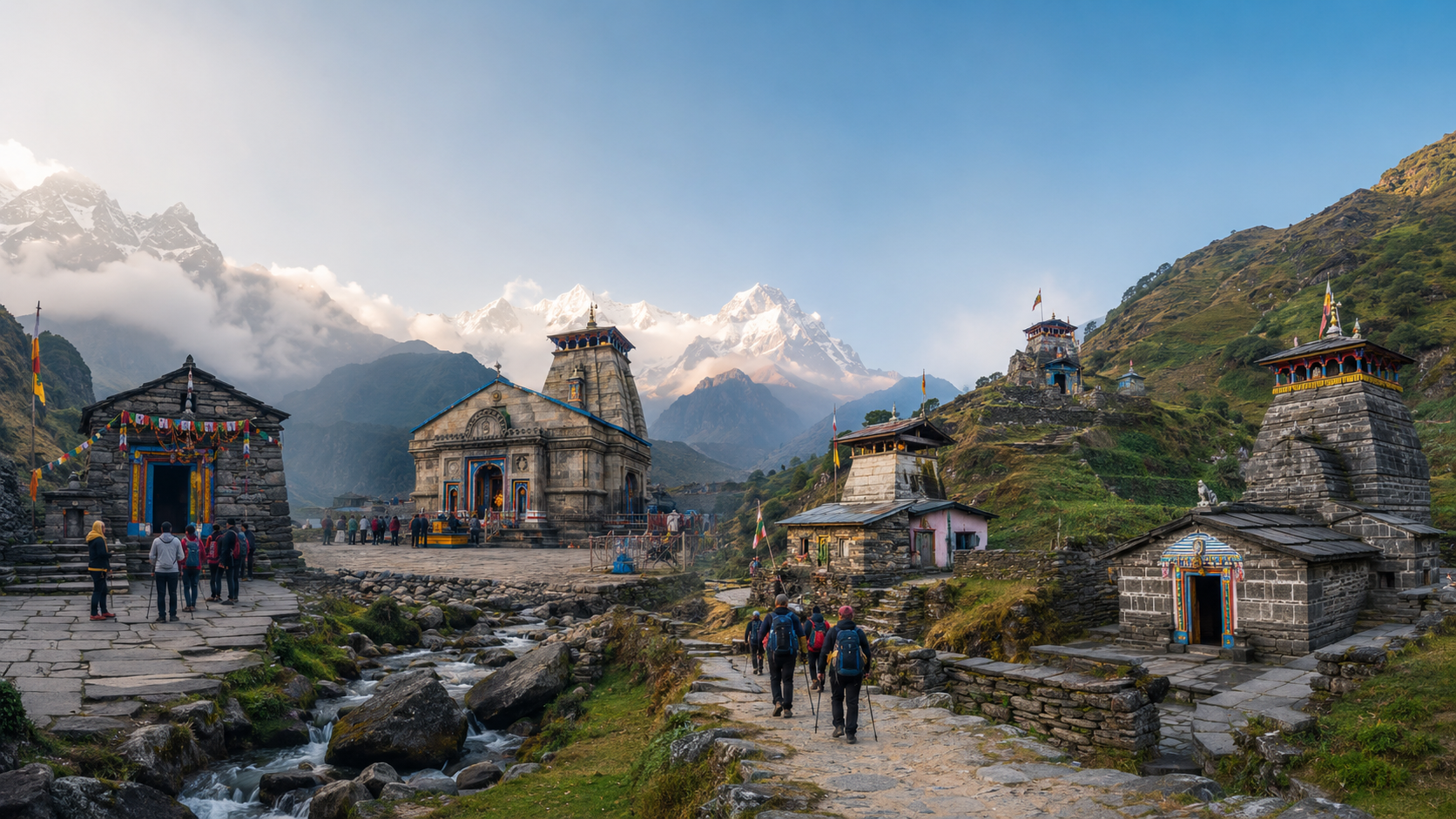
Panch Kedar Yatra from Dehradun is an immersive Shiva pilgrimage covering all five revered Panch Kedar shrines of Uttarakhand: Kedarnath, Tungnath, Rudranath, Madhyamaheshwar and Kalpeshwar. Designed as an 11 Days / 10 Nights pilgrimage experience, the journey combines temple visits with demanding Himalayan treks, mountain landscapes and quiet village settings. Unlike a conventional temple tour, Panch Kedar requires preparation for high-altitude walking, changing weather and seasonal temple access. Trip to Yatra helps travellers plan the pilgrimage around practical travel requirements, accommodation preferences and the operating season, with a focus on a comfortable and well-organised journe
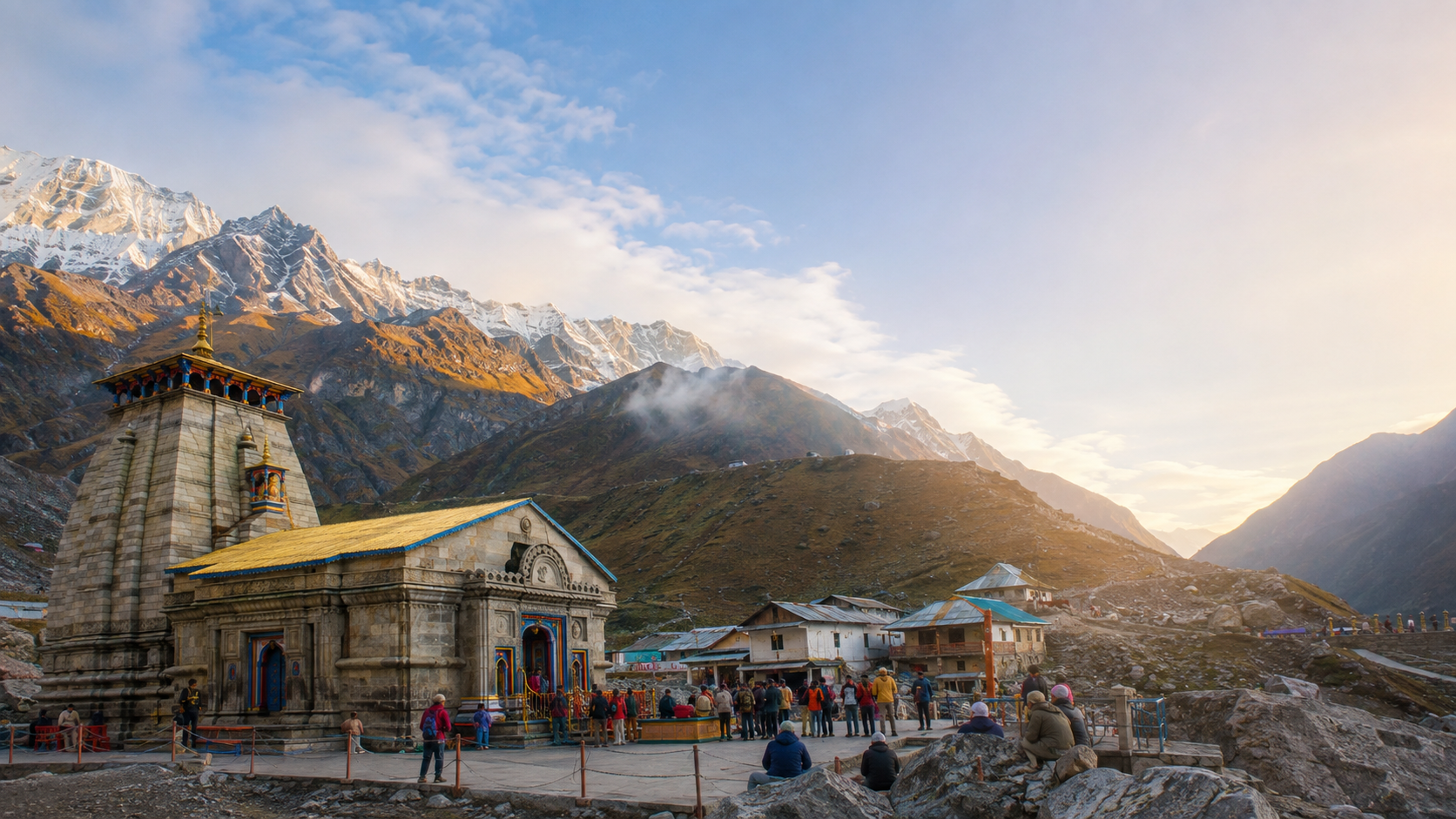
The Kedarnath Tungnath Package from Delhi is a 7-day / 6-night pilgrimage journey covering two of Uttarakhand’s most revered Shiva temples. Starting and ending in Delhi, the tour combines the spiritual significance of Kedarnath with the high-altitude mountain setting of Tungnath near Chopta. Kedarnath Temple is one of the prominent Panch Kedar shrines, while Tungnath is recognised by Uttarakhand Tourism as one of the highest Shiva temples in the world. The journey involves mountain travel and trekking, so it is best suited to travellers who are comfortable with an active Himalayan pilgrimage. Enquire with Trip to Yatra for current travel planning and availability.
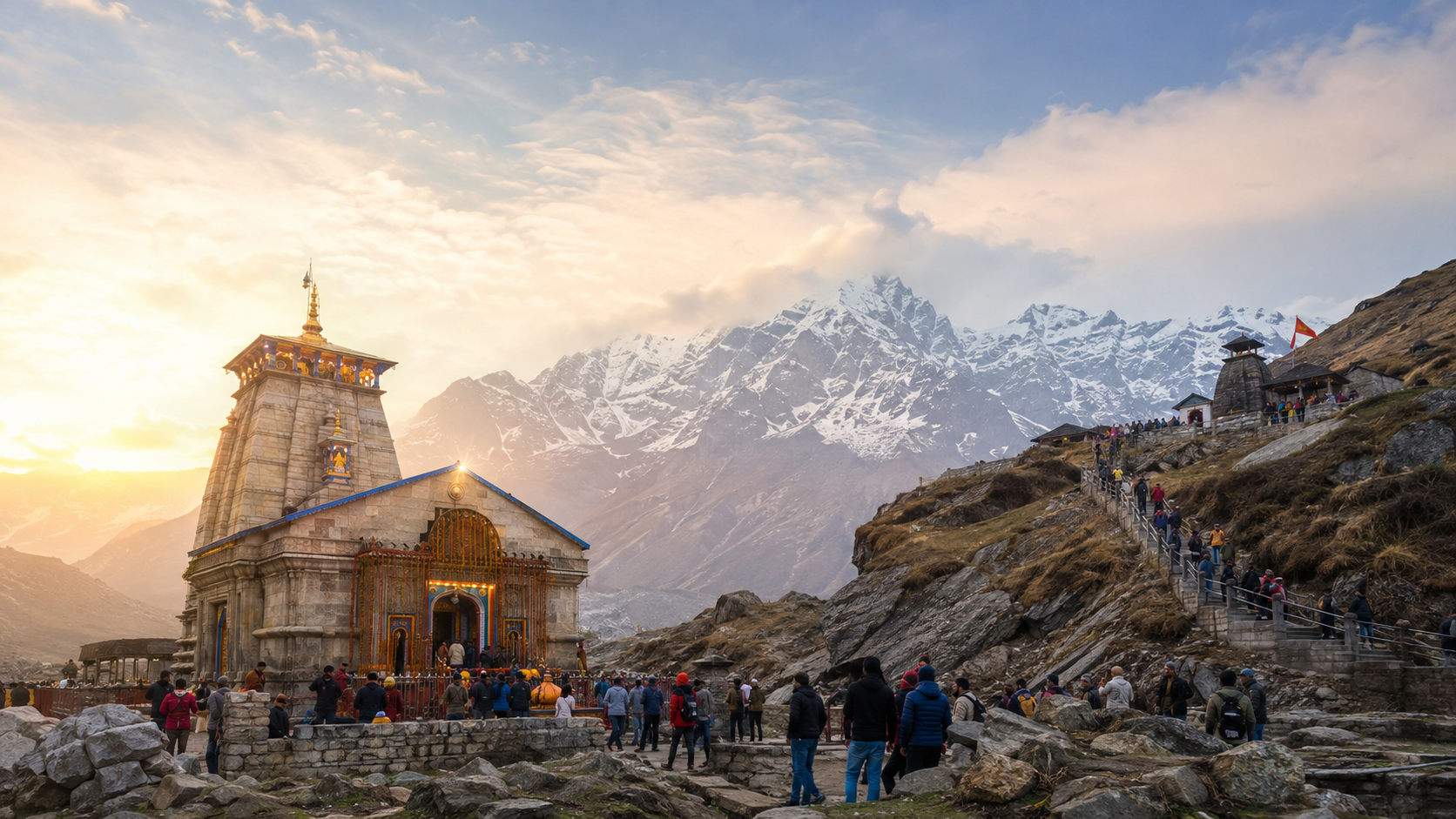
Plan a focused Himalayan pilgrimage with the Kedarnath Tungnath package from Haridwar, combining two revered Shiva temples in Uttarakhand. This 5-day / 4-night journey is designed for travellers who want to visit Kedarnath Temple and Tungnath Temple without committing to a longer Char Dham circuit. Kedarnath, one of the most important Shiva pilgrimage sites in India, lies high in the Garhwal Himalayas and requires a trek from Gaurikund. Tungnath, one of the Panch Kedar shrines, is reached by trekking from Chopta. With Haridwar as both the starting and ending point, the package offers a practical pilgrimage-focused travel plan with time for mountain travel, temple visits and rest.
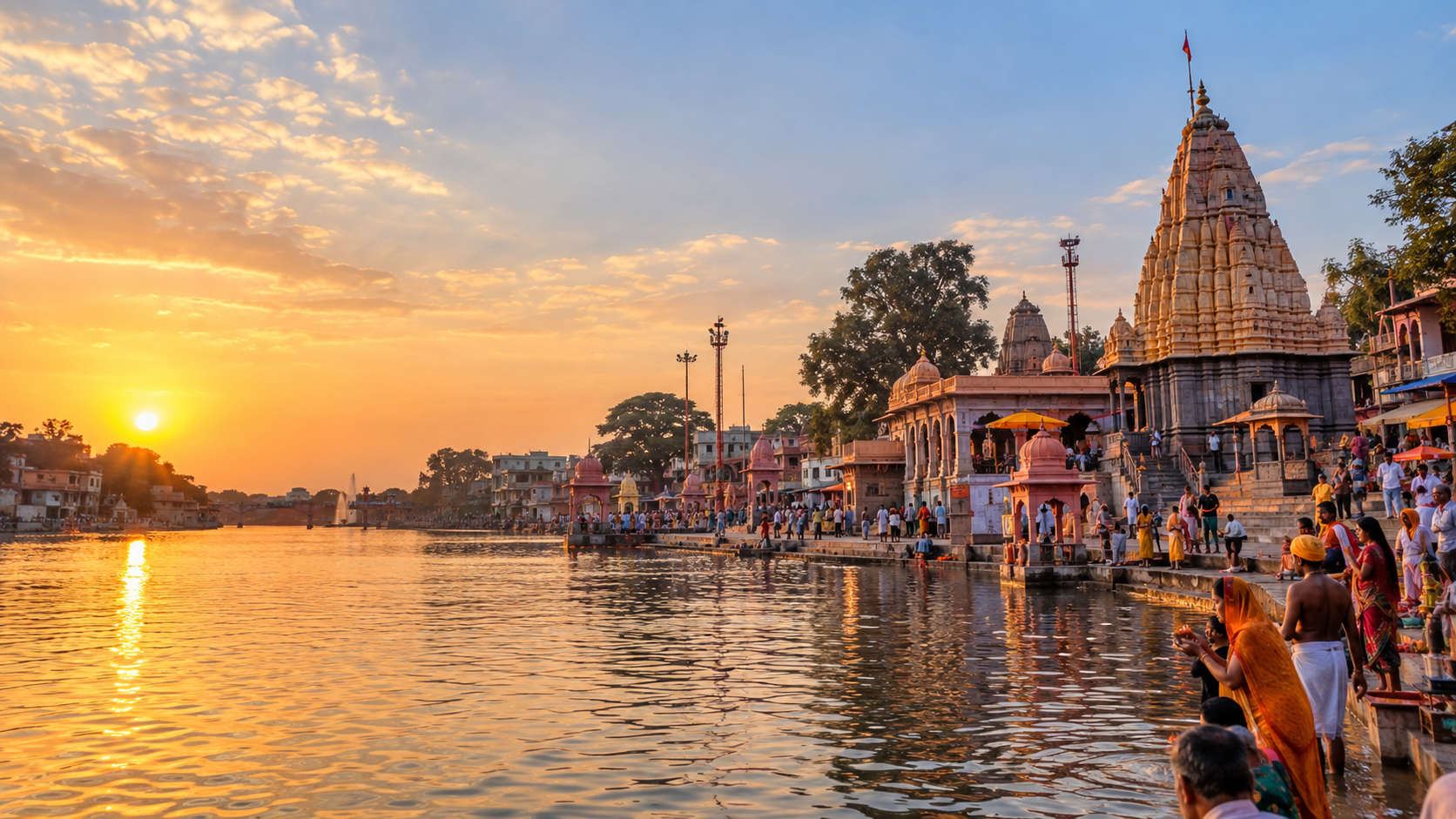
Ujjain Kumbh Mela from Ujjain. Package details, itinerary and pricing can be completed in the CRM.
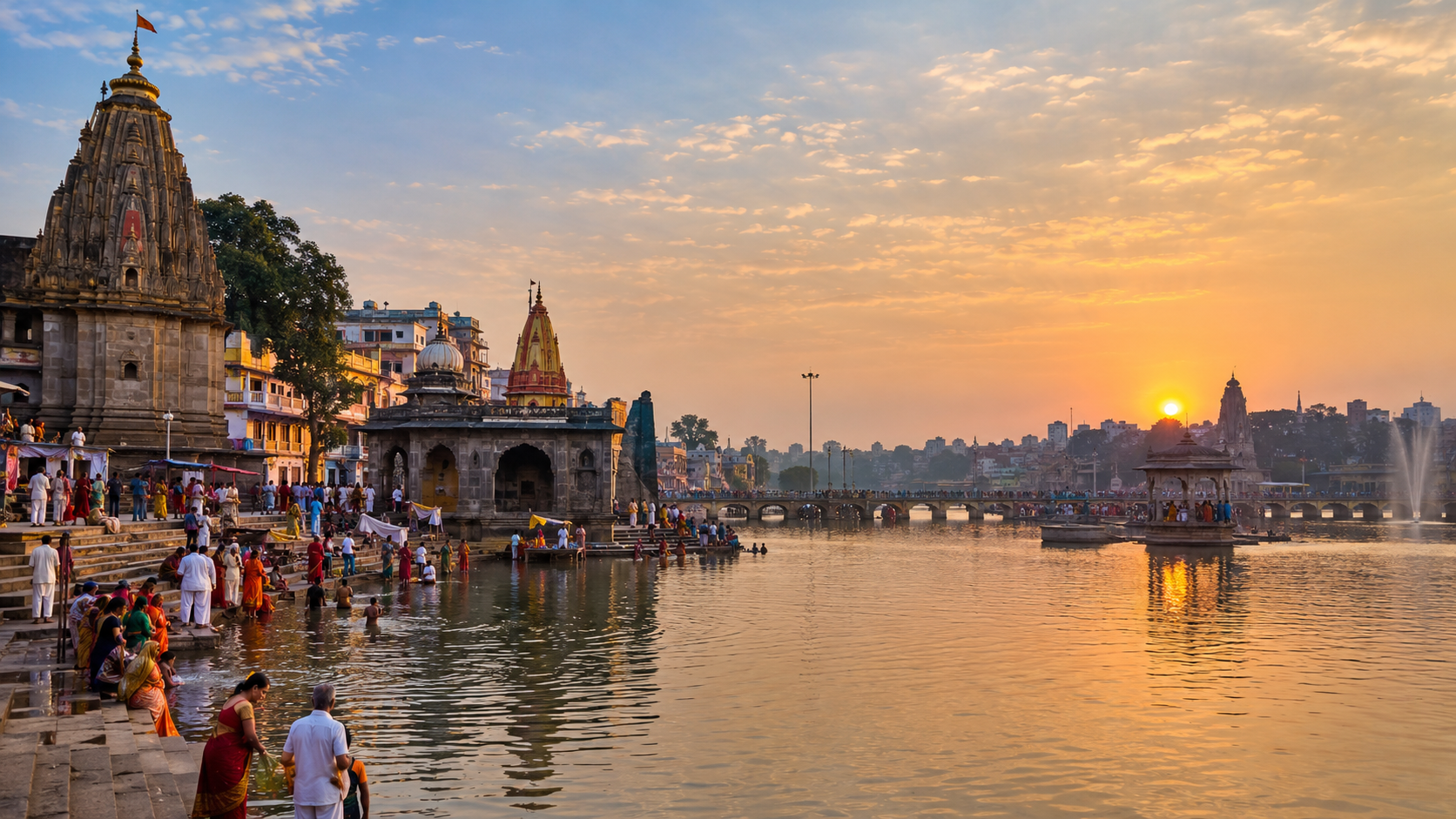
Nashik Kumbh Mela from Nashik. Package details, itinerary and pricing can be completed in the CRM.
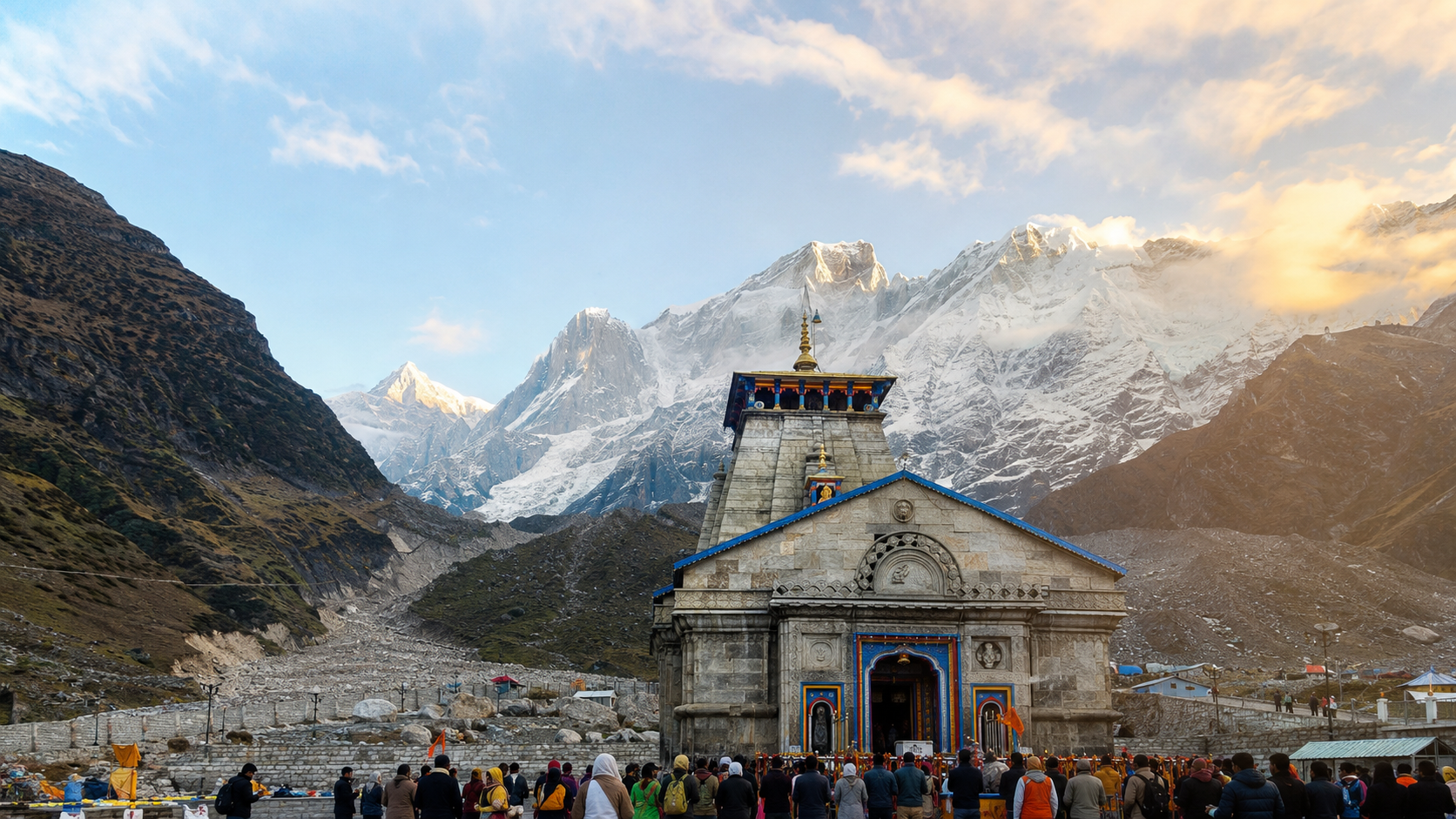
Plan a spiritually meaningful journey to Kedarnath with a 6 Days / 5 Nights Kedarnath Yatra package from Delhi by Trip to Yatra. This pilgrimage package is designed around the Delhi–Haridwar–Kedarnath travel corridor, with Kedarnath Temple as the principal spiritual destination. The journey combines Himalayan travel with time for darshan and a more organised pilgrimage experience. Since Kedarnath is a high-altitude destination with seasonal access and mandatory Yatra formalities, planning matters. Trip to Yatra can help you understand the practical arrangements, registration requirements and travel considerations before you set out. Enquire with our team to plan your 2027 Kedarnath Yatra fro
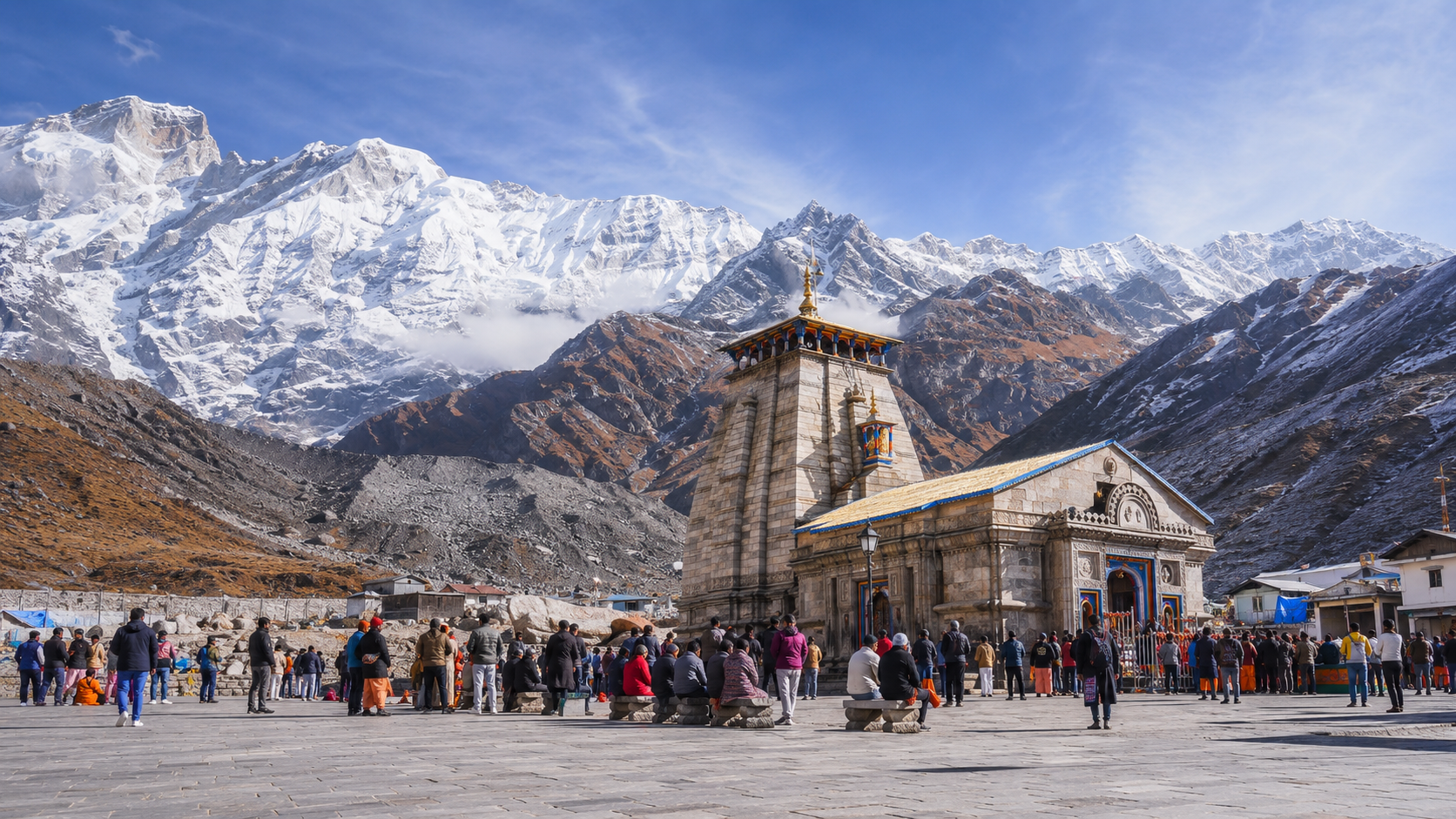
A thoughtfully planned Kedarnath Yatra package from Haridwar for pilgrims looking to visit the sacred Kedarnath Temple in Uttarakhand. This 4 Days / 3 Nights pilgrimage connects Haridwar with one of Lord Shiva’s most revered Himalayan shrines, with arrangements planned around the practical requirements of a high-altitude yatra. Kedarnath is situated in the Garhwal Himalayas at around 3,580 metres, so preparation, suitable clothing and sensible travel planning are important.
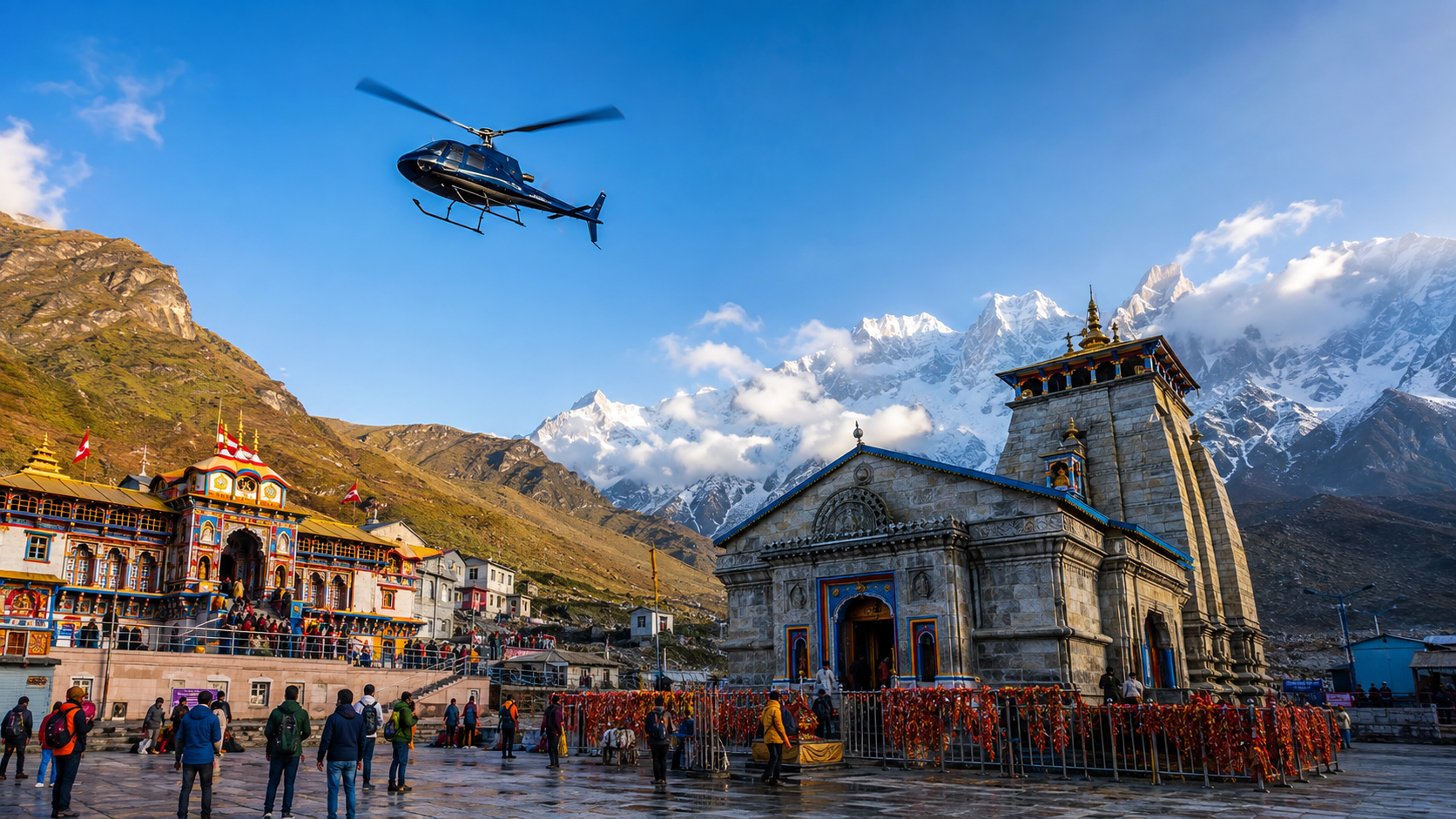
Experience the sacred Do Dham Yatra by helicopter from Dehradun, covering the revered Kedarnath Temple and Badrinath Temple in a compact 3-day, 2-night pilgrimage. This Dehradun-to-Dehradun package is designed for devotees who want to visit both Himalayan shrines while reducing the long road travel involved in a conventional yatra. Kedarnath, dedicated to Lord Shiva, stands high in the Garhwal Himalayas, while Badrinath is one of the four Char Dham pilgrimage sites and is dedicated to Lord Vishnu. With helicopter travel, the journey can be more convenient, subject to weather, operational conditions and applicable pilgrimage regulations.
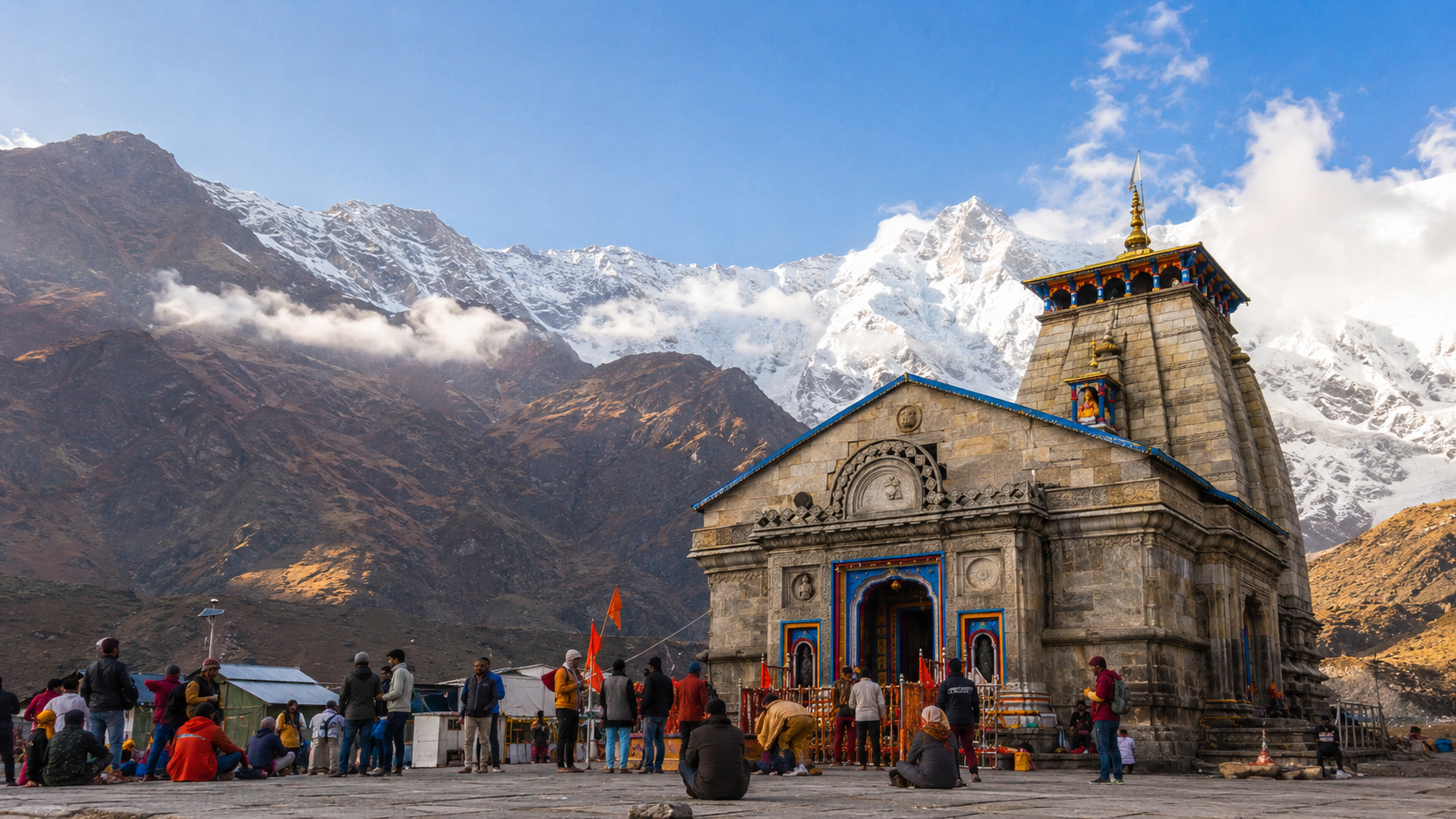
The Do Dham Yatra from Delhi is an 8-day pilgrimage covering the two revered Himalayan shrines of Kedarnath and Badrinath. Starting and ending in Delhi, this thoughtfully planned journey brings together the spiritual atmosphere of Kedarnath, dedicated to Lord Shiva, and Badrinath, dedicated to Lord Vishnu, along with time around Haridwar and Rishikesh. The route combines road travel through Uttarakhand with the required approach to Kedarnath on foot from the roadhead. With high-altitude travel, changing mountain weather and seasonal temple access to consider, Trip to Yatra helps pilgrims plan the journey around practical travel requirements rather than rushing through the experience.
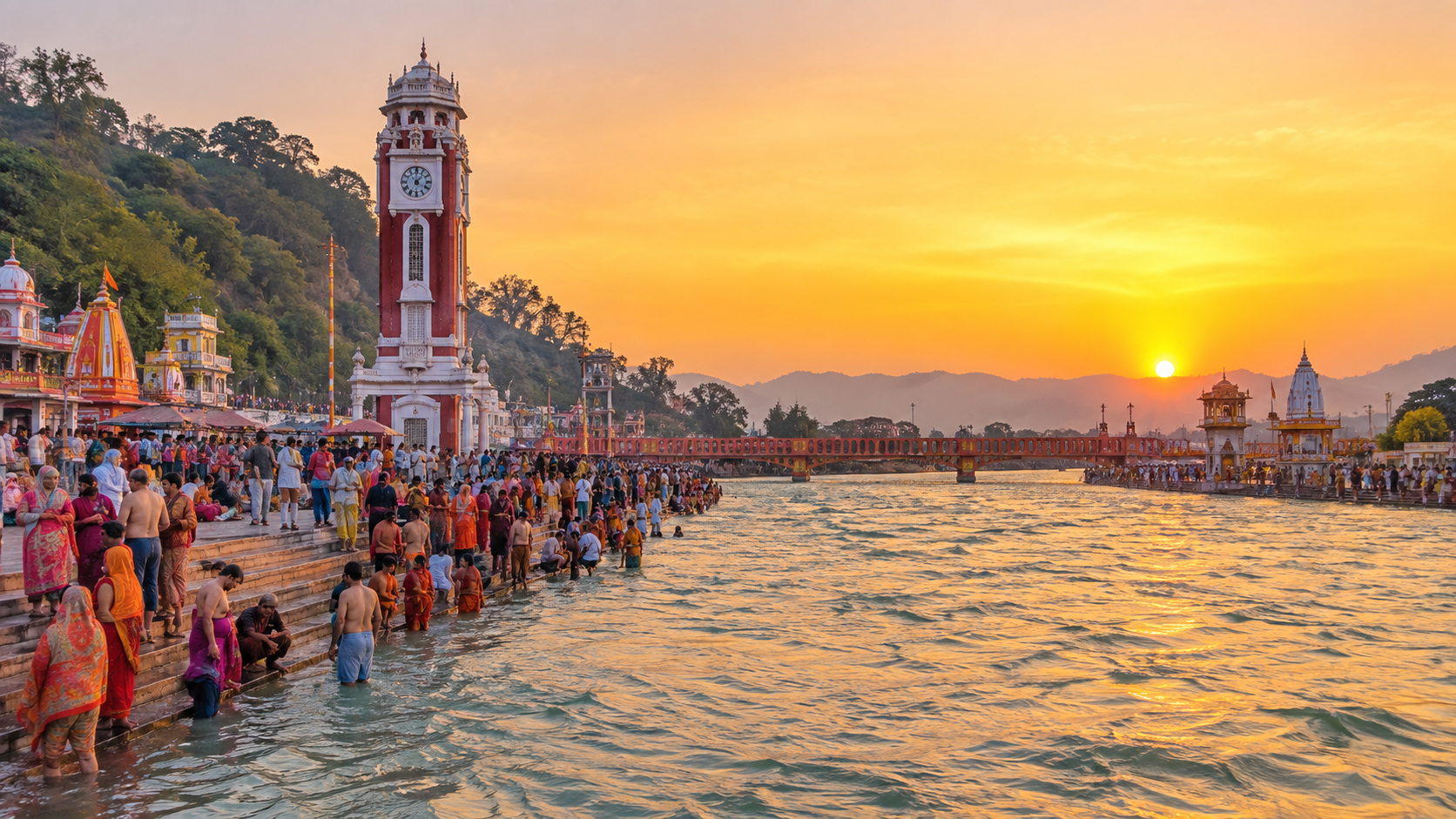
Haridwar Kumbh Mela from Haridwar. Package details, itinerary and pricing can be completed in the CRM.
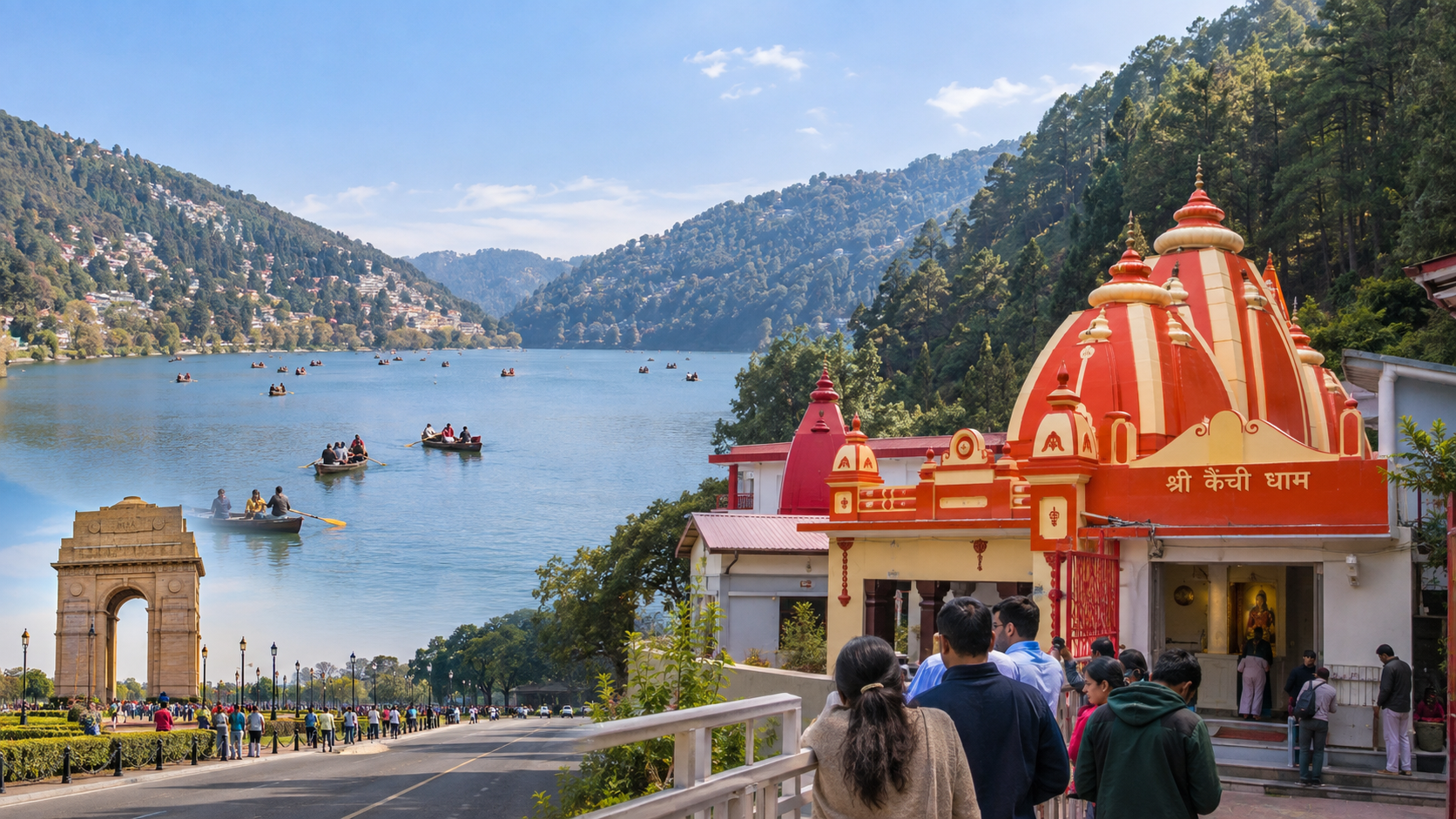
Nainital Kainchi Dham Tour from Delhi. Package details, itinerary and pricing can be completed in the CRM.
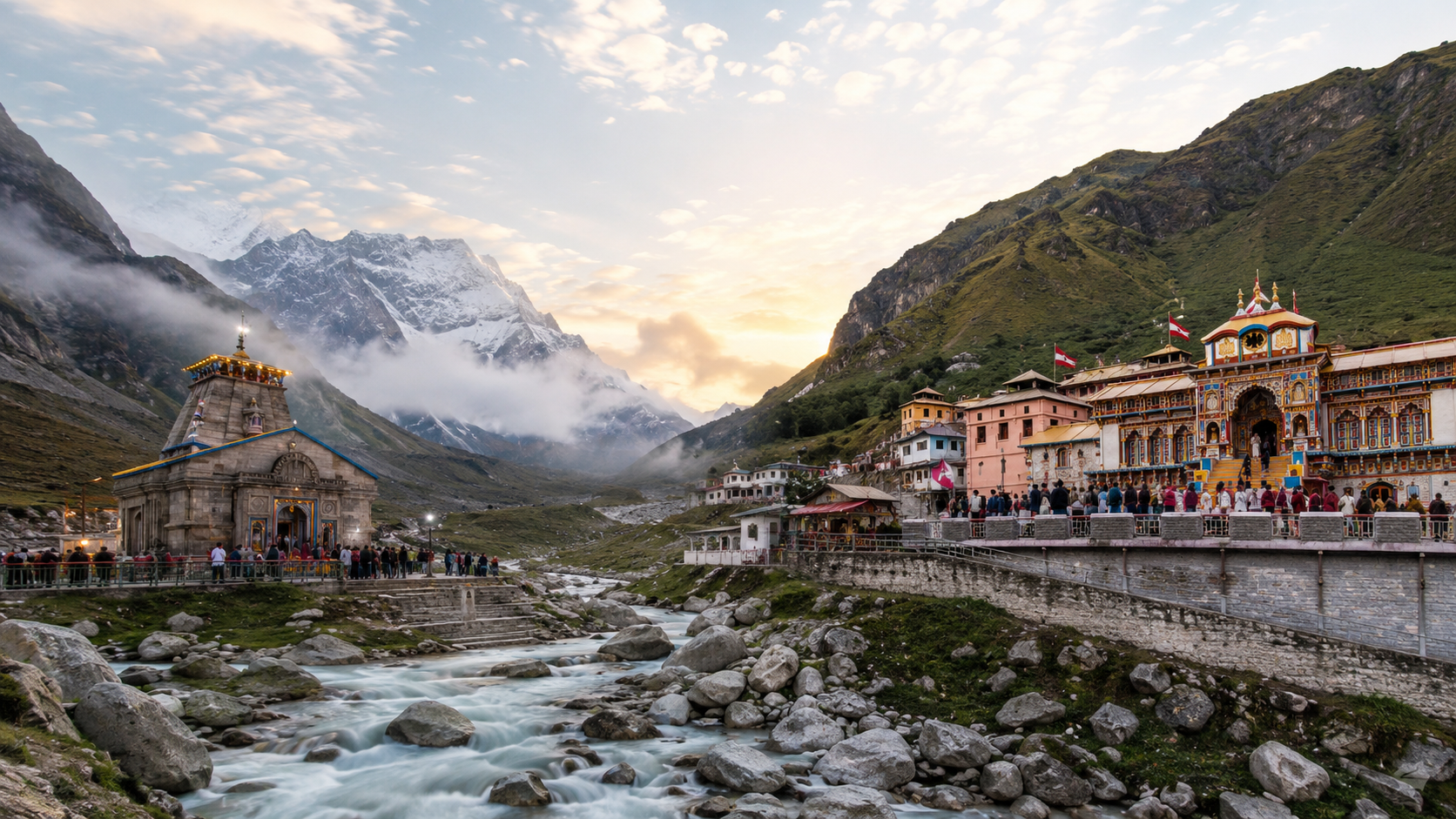
The 6 Days / 5 Nights Do Dham Yatra from Haridwar is designed for pilgrims who wish to visit the sacred Kedarnath Temple and Badrinath Temple in one focused Uttarakhand pilgrimage. Starting and ending in Haridwar, the journey combines the spiritual atmosphere of the Himalayan temples with the changing landscapes of Garhwal. Kedarnath, one of Lord Shiva’s most revered pilgrimage sites and a Jyotirlinga, requires a mountain approach and a trek from Gaurikund. Badrinath, dedicated to Lord Vishnu, is one of Uttarakhand’s four Char Dham temples. Trip to Yatra helps travellers plan this pilgrimage with practical guidance and clear enquiry support.
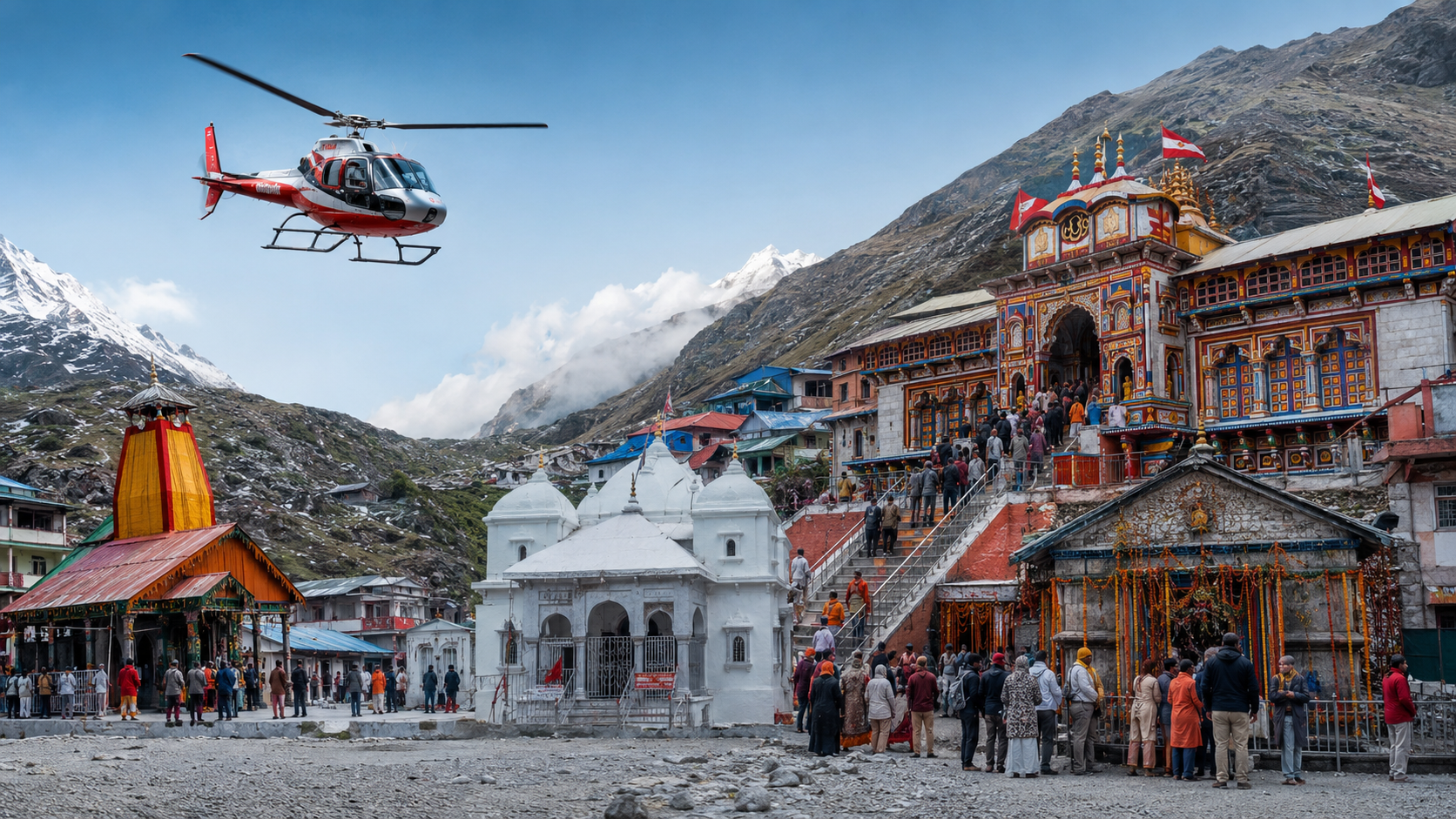
Chardham Yatra by Helicopter from Dehradun offers a more time-efficient way to undertake the sacred Uttarakhand Char Dham pilgrimage, covering Yamunotri, Gangotri, Kedarnath and Badrinath in a 5-day / 4-night package. Starting and ending in Dehradun, the journey combines helicopter travel with the necessary ground and temple-access arrangements at the Dhams. The helicopter element can significantly reduce long road journeys, but it does not mean every temple is reached directly by helicopter; Yamunotri and Kedarnath involve access arrangements beyond the helipad. Char Dham operates seasonally, and 2027 opening dates, operating conditions and applicable requirements should be confirmed before
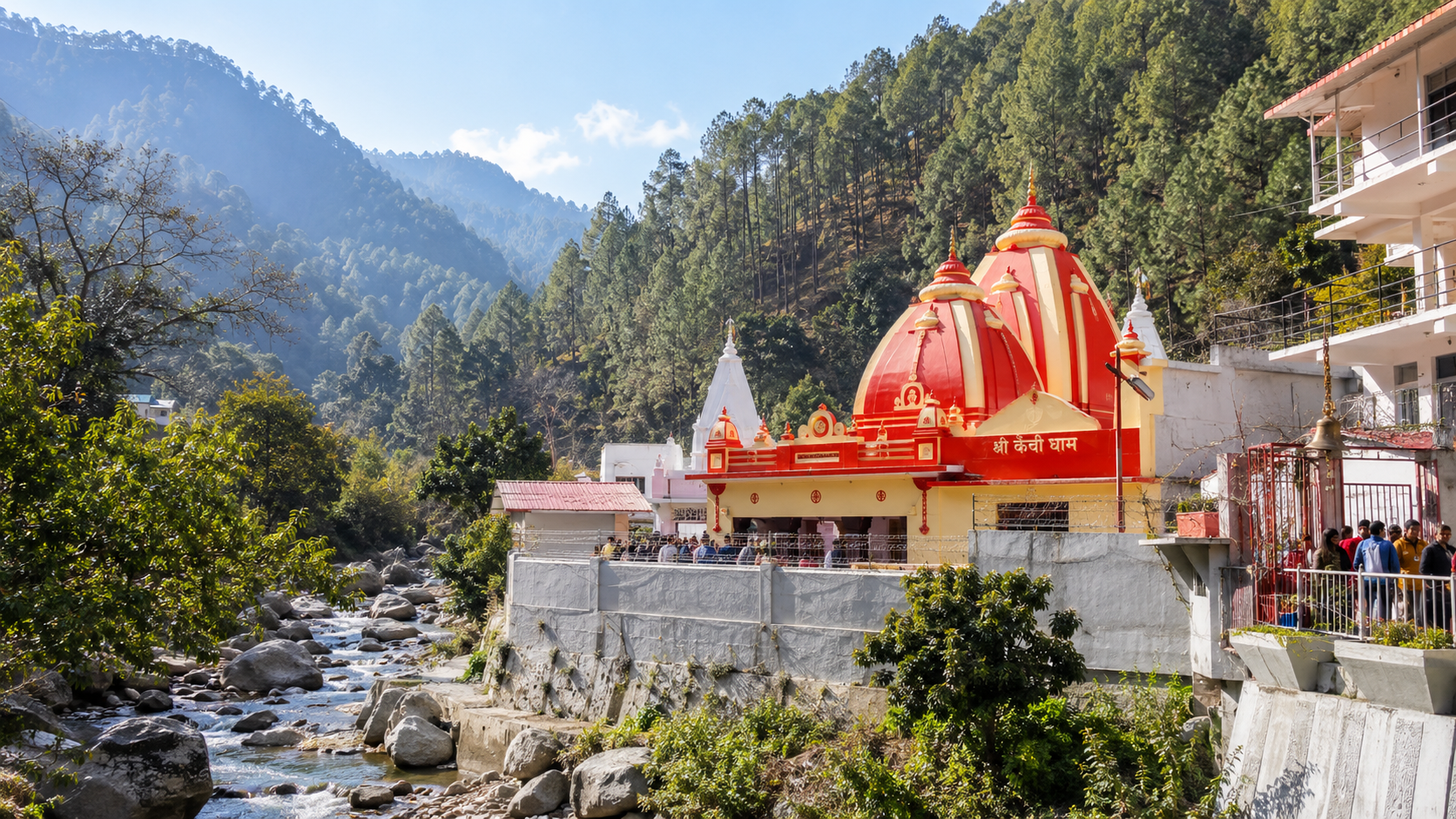
Kainchi Dham Tour from Delhi. Package details, itinerary and pricing can be completed in the CRM.
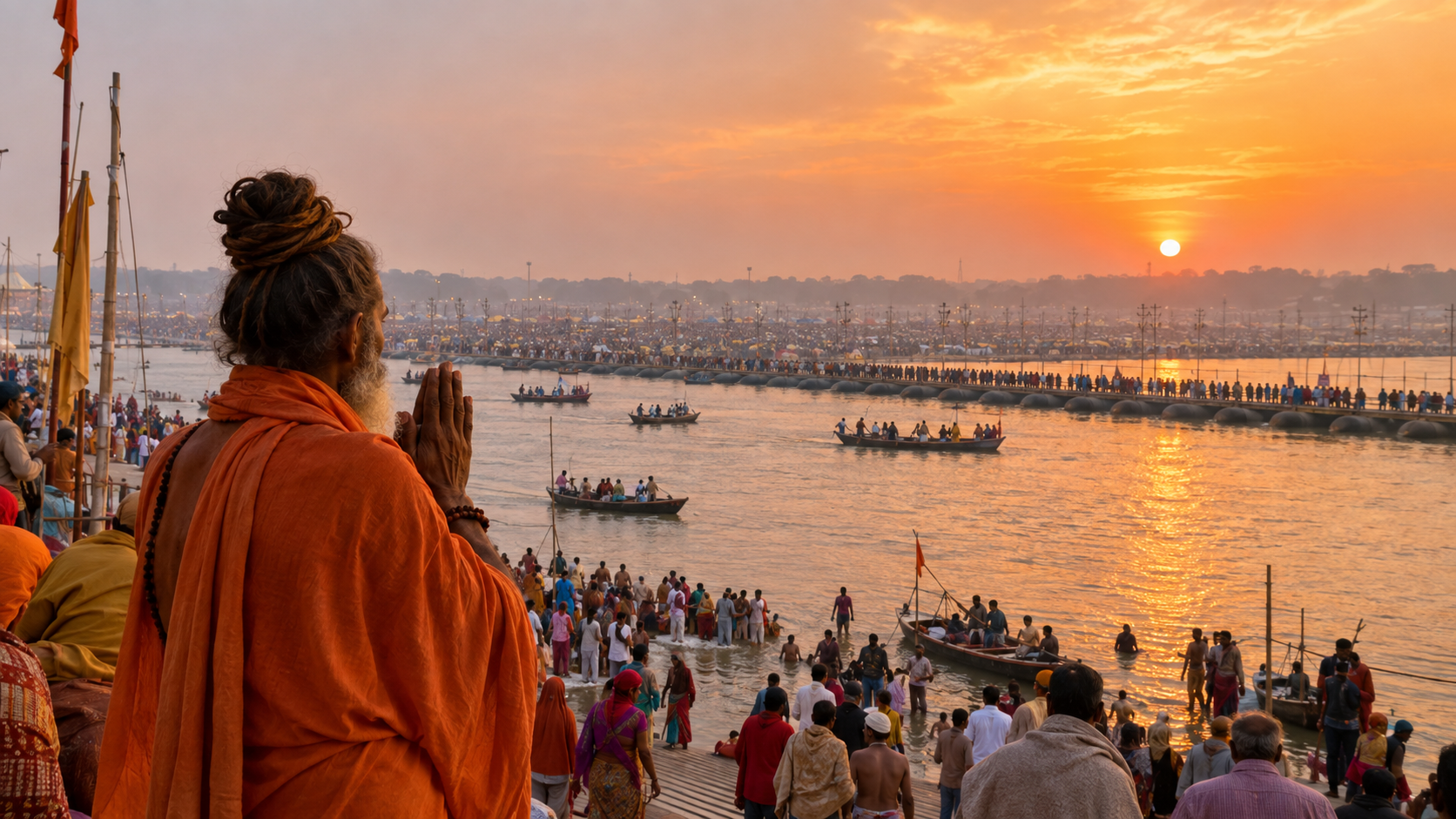
Prayagraj Kumbh Mela from Prayagraj. Package details, itinerary and pricing can be completed in the CRM.
Book a 4-day Madurai Rameswaram Kanyakumari tour covering Meenakshi Temple, Ramanathaswamy Temple, Dhanushkodi, Kanyakumari and Suchindram.
Share your details and get a suitable package from our travel expert.
Madurai Rameswaram Kanyakumari Tour from Madurai. Package details, itinerary and pricing can be completed in the CRM.
The Madurai Rameswaram Kanyakumari tour is one of the most rewarding short pilgrimage circuits in Tamil Nadu, combining three of South India's best-known spiritual destinations in a practical four-day journey. Starting and ending in Madurai, this itinerary introduces travellers to the temple heritage of Madurai, the sacred island atmosphere of Rameswaram and the devotional as well as coastal character of Kanyakumari. The route is particularly suitable for families, senior travellers, devotees and visitors who want to experience several important Tamil Nadu pilgrimage centres without planning separate journeys.
Madurai forms a natural starting point for this circuit because of its strong road, rail and air connectivity. The city is closely identified with the historic Sri Meenakshi Sundareswarar Temple. Madurai District Administration describes the temple as the centre around which the city developed. The large complex contains the shrines of Goddess Meenakshi and Lord Sundareswarar and is celebrated for its gateway towers, sculpture, paintings and pillared spaces. A visit here provides an appropriate spiritual beginning to a journey that later continues towards one of India's most revered Shiva pilgrimage centres.
The first day is intentionally kept in Madurai so that travellers arriving by flight, train or road are not required to begin a long intercity transfer immediately. After arrival and check-in, the main pilgrimage visit is planned to Sri Meenakshi Sundareswarar Temple. The District Administration currently publishes temple opening periods on its official tourism page, but temple schedules, festival arrangements, queue systems and access procedures can change. Travellers should therefore verify the latest information from the temple or government authorities shortly before visiting rather than depending on an old fixed timetable.
The importance of Madurai is not limited to a single monument. Its historic urban identity has grown around temples, markets, religious festivals and traditional neighbourhoods. Travellers with sufficient time after darshan may explore the surroundings of the temple area or other recognised city attractions according to local conditions. The itinerary does not attach compulsory timings to optional sightseeing so that the programme can remain workable during weekends, festival periods and days when darshan queues are longer than usual.
On the second day, the tour continues from Madurai towards Rameswaram in Ramanathapuram district. Official Tamil Nadu government information confirms the road relationship between the Madurai region and Rameswaram, while the Rameswaram Municipality and the Tamil Nadu Hindu Religious and Charitable Endowments Department provide information about the town and its principal temple. Rameswaram is located on Pamban Island, which is connected with mainland Tamil Nadu. The approach to the island gives this section of the journey a distinctive coastal character.
The principal pilgrimage visit in Rameswaram is Arulmigu Ramanathaswamy Temple. The HR&CE Department of the Government of Tamil Nadu maintains the temple's official portal. The temple has an important place in Hindu pilgrimage tradition and is closely associated with the Ramayana tradition. Government tourism information also identifies Ramanathaswamy Temple as one of Rameswaram's major attractions. Its extensive corridors, pillars, sacred spaces and long-established pilgrimage customs make it the central spiritual experience of the Rameswaram stay.
Some devotees choose to undertake traditional theertham-related rituals during their Rameswaram visit. Such practices should be undertaken according to the current temple procedure and the traveller's own religious preference. This package does not promise a particular ritual sequence, special darshan, priest service, bathing arrangement or queue duration because these can depend on temple administration, local conditions and personal choice. Travellers who specifically require a paid temple service should use current official information rather than relying on an old package description.
Subject to daylight, weather, road access and local authority conditions, the Rameswaram programme can include a visit towards Dhanushkodi. Rameswaram Municipality identifies Dhanushkodi as an important visitor location on Rameswaram Island and notes its history in connection with the destructive 1964 cyclone. The region is valued both for its religious associations and for its unusual coastal landscape.
Dhanushkodi should be treated as an excursion rather than a guaranteed unrestricted visit. Coastal areas can occasionally be affected by weather, sea conditions, traffic regulation or instructions from local authorities. Travellers must follow any restrictions in force on the date of travel. The itinerary therefore keeps the visit flexible and avoids publishing a guaranteed arrival time or sunset programme.
Other recognised places around Rameswaram include Pamban, Agni Theertham and the Dr. A.P.J. Abdul Kalam Memorial, all of which are listed by local government tourism information. Whether additional places can be covered depends on the actual arrival time, darshan duration and local conditions. The priority of the day remains Ramanathaswamy Temple and the main Rameswaram pilgrimage experience rather than rushing through a long sightseeing checklist.
Day three connects Rameswaram with Kanyakumari in the far south of Tamil Nadu. This is the longest intercity movement in the four-day programme, so an early start is advisable based on the traveller's chosen vehicle and prevailing road conditions. No fixed road journey duration is promised because travel time can vary with traffic, road works, meal stops and seasonal pilgrim movement.
Kanyakumari combines pilgrimage, coastal geography and important modern memorials. The Kanniyakumari District Administration lists Arulmigu Devi Kanniyakumari Bhagavathi Amman Temple, Vivekananda Rock Memorial, Thiruvalluvar Statue, Suchindram Thanumalayan Temple and the meeting point associated with the surrounding seas among the district's recognised attractions. This makes Kanyakumari suitable for both a devotional visit and a broader cultural sightseeing programme.
The principal temple visit is to Bhagavathi Amman Temple, dedicated to Goddess Kanniyakumari. The district government's temple information identifies Goddess Kanniyakumari as the presiding deity associated with the place. The temple's coastal setting gives the pilgrimage a character very different from Madurai and Rameswaram.
Depending on arrival time and operating conditions, visitors may also spend time around Kanyakumari's seafront. Sunrise and sunset are popular experiences, but neither should be advertised as guaranteed because visibility depends entirely on weather and seasonal conditions. Likewise, access to offshore attractions depends on the operation of the authorised ferry service and any safety restrictions applicable on the day.
Vivekananda Rock Memorial stands offshore from the mainland. The Kanniyakumari District Administration provides current visitor information and an official ferry-booking link through its tourism page. Travellers wishing to visit should check the latest operating status, ticket arrangements and weather-related restrictions. Ferry charges are therefore not automatically treated as included in this package unless expressly stated in the final booking confirmation.
On the fourth day, the route turns back towards Madurai. A suitable pilgrimage stop is Suchindram Shree Thanumalayan Swamy Temple, which is officially listed among the important visitor attractions of Kanniyakumari district. Because Suchindram lies in the Kanyakumari region and towards the northward return direction, it fits naturally into the final day's road programme without creating an unnecessary return towards the coast after departure.
After the Suchindram visit, the journey continues to Madurai, where the four-day circuit concludes. Drop arrangements should be confirmed for the traveller's selected city point, railway station, airport or other mutually agreed location. Travellers booking onward trains or flights should maintain a generous buffer because intercity road travel and temple visits can be affected by traffic, queues and local events.
The tour uses three overnight locations: Madurai on the first night, Rameswaram on the second night and Kanyakumari on the third night. This keeps the route progressive instead of repeatedly returning to Madurai between destinations. It also gives visitors the opportunity to approach each main pilgrimage centre with reasonable time for temple visits.
The sequence is designed as Madurai → Rameswaram → Kanyakumari → Madurai. Within this route, Meenakshi Sundareswarar Temple, Ramanathaswamy Temple and Bhagavathi Amman Temple form the three primary spiritual anchors. Dhanushkodi, Kanyakumari's coastal attractions and Suchindram complement the central pilgrimage programme.
Temple rules are controlled by the respective temple administrations and government authorities and may change without notice. Dress expectations, permitted belongings, mobile-phone restrictions, photography rules, security checks, special-entry arrangements, ritual procedures and festival access should always be confirmed from the current official source. Travellers should wear modest clothing appropriate for active places of worship and cooperate with temple security and queue-management systems.
Darshan waiting periods can vary considerably during weekends, public holidays and major Hindu festivals. No package should guarantee instant darshan or a fixed completion time unless an authorised service specifically provides it. The itinerary therefore provides a travel sequence rather than promising queue durations.
The package requires three overnight stays, but no specific hotel has been named because hotel availability, category and price vary by departure date. Accommodation should be confirmed through the final booking voucher. Travellers should check room type, occupancy, extra-bed policy, meal plan and hotel location before payment.
Likewise, the exact vehicle depends on the number of passengers and the booked transport category. Parking and vehicle access can be restricted near busy temple streets, meaning that some walking or use of locally regulated transport may be required. Any such arrangements should follow local traffic and temple rules.
This itinerary works well for travellers who want a compact Tamil Nadu spiritual circuit rather than a single-destination holiday. It combines major Shaiva and Shakti traditions, historic temple architecture and contrasting landscapes ranging from Madurai's urban temple environment to Rameswaram Island and the Kanyakumari coast.
Families travelling with elderly members should consider walking capacity, temple queues and the road journey between Rameswaram and Kanyakumari. Comfortable footwear, regular hydration and adequate rest stops can make the circuit easier. Travellers with medical or mobility requirements should discuss them before finalising transport and accommodation.
Visitors should respect temple customs, avoid littering at beaches and sacred water areas, follow official safety instructions and use authorised services wherever required. Plastic waste and disposable offerings should never be left on roads, beaches or temple surroundings. At coastal locations, safety directions should take priority over photography or sightseeing plans.
With its logical Madurai round-trip routing and carefully selected spiritual stops, this Madurai Rameswaram Kanyakumari tour provides a balanced introduction to three of Tamil Nadu's most recognised pilgrimage destinations. The programme deliberately avoids unverified promises relating to hotel names, prices, special temple access or fixed journey timings. Final operational details should always be checked against the booking voucher and the latest information published by the relevant government and temple authorities.
A quick overview of the experiences, important stops and thoughtful planning included in this yatra.
4 days / 3 nights Madurai round-trip pilgrimage circuit.
Darshan at Sri Meenakshi Sundareswarar Temple in Madurai.
Visit to Arulmigu Ramanathaswamy Temple in Rameswaram.
Journey across to Rameswaram's Pamban Island.
Dhanushkodi excursion subject to road, weather and local authority conditions.
Darshan at Arulmigu Devi Kanniyakumari Bhagavathi Amman Temple.
Opportunity to visit Vivekananda Rock Memorial subject to ferry operation.
Visit to Suchindram Shree Thanumalayan Swamy Temple on the return journey.
Three overnight destinations: Madurai, Rameswaram and Kanyakumari.
Follow the journey step by step through the important halts, stays and darshan points.
Arrive in Madurai and proceed to the confirmed hotel for check-in as per booking conditions. Visit Sri Meenakshi Sundareswarar Temple, the historic temple complex around which Madurai developed. Keep sufficient time for security procedures and darshan queues, which can vary by date and festival calendar. Remaining time may be used for local exploration according to arrival time and local conditions. Overnight stay in Madurai.
After departure from Madurai, travel by road towards Rameswaram and cross to Pamban Island. Visit Arulmigu Ramanathaswamy Temple for darshan according to the temple's current entry procedures. Devotees wishing to undertake traditional theertham-related rituals should follow the latest temple rules and authorised arrangements. Subject to daylight, weather, road access and local authority conditions, continue towards Dhanushkodi. Additional Rameswaram attractions may be covered only if time permits. Overnight stay in Rameswaram.
Depart Rameswaram and continue towards Kanyakumari. On arrival, check in as per confirmed accommodation arrangements and visit Arulmigu Devi Kanniyakumari Bhagavathi Amman Temple. Depending on arrival time and current operating conditions, explore the Kanyakumari seafront and other nearby recognised attractions. A visit to Vivekananda Rock Memorial is subject to authorised ferry operation, ticket availability, weather and safety restrictions. Overnight stay in Kanyakumari.
Depart Kanyakumari and proceed towards Suchindram for a visit to Shree Thanumalayan Swamy Temple, subject to current temple access conditions. Continue the road journey to Madurai after darshan. The tour concludes on arrival in Madurai at the drop point confirmed in the booking voucher. Travellers with onward train or flight reservations should maintain adequate buffer time for traffic, meal stops and possible temple delays.
Review what is included in your plan and the important information required before confirming your journey.
Important answers to help you prepare for this journey.
The planned circuit is Madurai to Rameswaram, Rameswaram to Kanyakumari and Kanyakumari back to Madurai. The three overnight stops are Madurai, Rameswaram and Kanyakumari.
The core pilgrimage visits are Sri Meenakshi Sundareswarar Temple in Madurai, Arulmigu Ramanathaswamy Temple in Rameswaram, Arulmigu Devi Kanniyakumari Bhagavathi Amman Temple in Kanyakumari and Shree Thanumalayan Swamy Temple at Suchindram.
A Dhanushkodi excursion is planned during the Rameswaram stay, but access remains subject to daylight, weather, road conditions and any restrictions imposed by local authorities.
The itinerary allows an opportunity to visit Vivekananda Rock Memorial in Kanyakumari. Access depends on the authorised ferry service, current operating hours, weather, safety instructions and ticket availability. Ferry charges are included only if specifically stated in the final booking voucher.
The itinerary includes a Ramanathaswamy Temple visit, but it does not automatically include paid rituals, priest services or a guaranteed theertham procedure. Devotees should follow the current temple administration's rules and authorised arrangements.
No. Temple opening periods and darshan procedures can change during festivals, maintenance, special ceremonies or administrative arrangements. Travellers should verify current information from the respective official temple or government source before visiting.
Senior citizens can undertake the circuit, but the programme includes intercity road travel, walking in temple areas and potentially long darshan queues. Travellers with mobility or medical requirements should select suitable transport and accommodation and discuss assistance needs before booking.
The package starts in Madurai and finishes in Madurai. The exact pickup and drop points should be specified in the confirmed booking voucher.
The planned overnight sequence is Madurai on Day 1, Rameswaram on Day 2 and Kanyakumari on Day 3. No specific hotel is promised until accommodation is confirmed in the booking voucher.
No. Travellers may visit the seafront when the itinerary and local conditions permit, but sunrise and sunset visibility depends on weather, clouds and seasonal conditions and therefore cannot be guaranteed.
Visitors should wear modest clothing appropriate for active Hindu places of worship. Individual temples may apply their own entry, dress, photography, mobile-phone and security rules, so current instructions should be followed at each temple.
A tight connection is not advisable. The Kanyakumari to Madurai return involves a substantial road journey and can be affected by traffic, temple queues, meal stops or local conditions. Keep a comfortable buffer before any onward departure.