






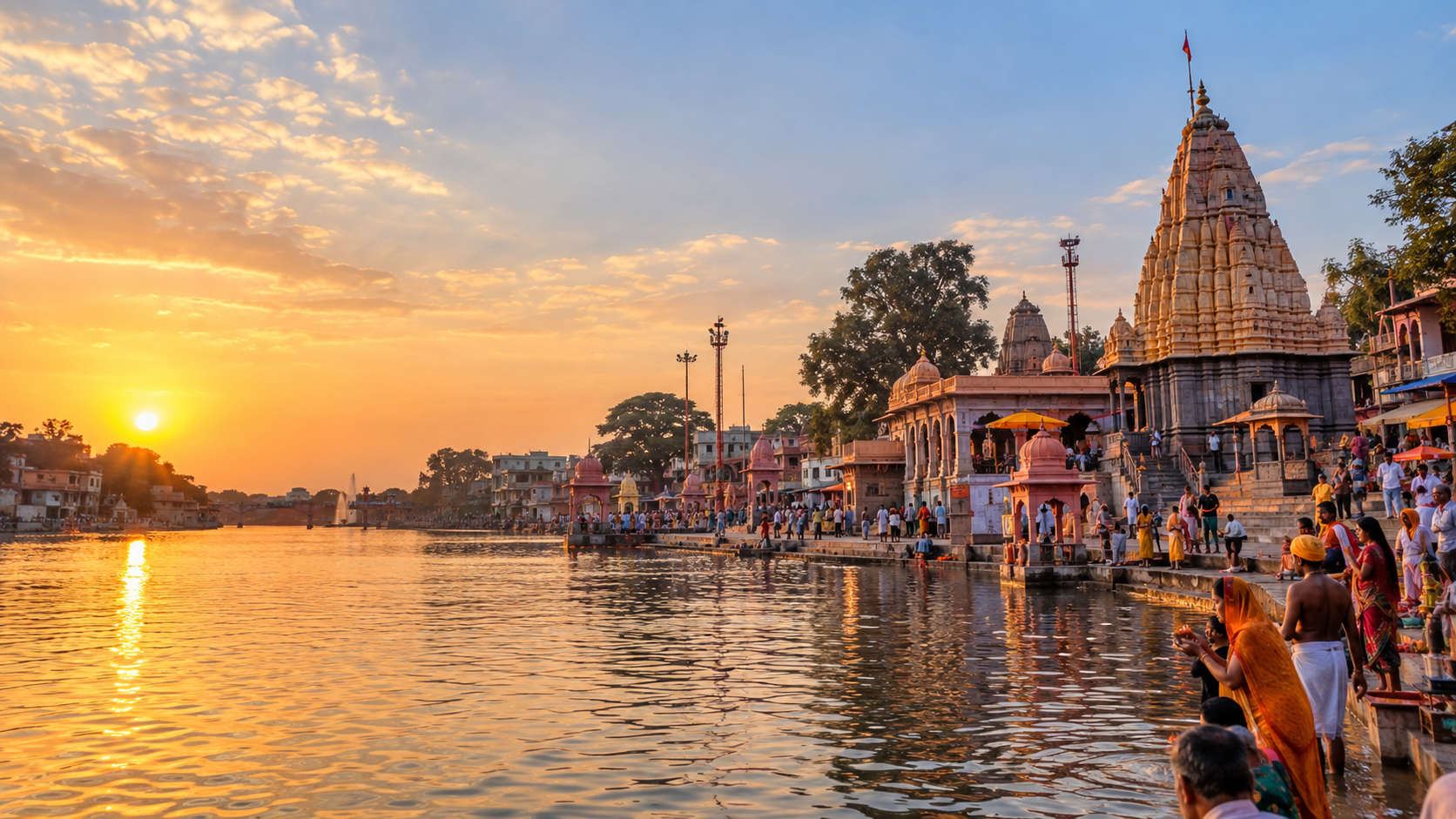
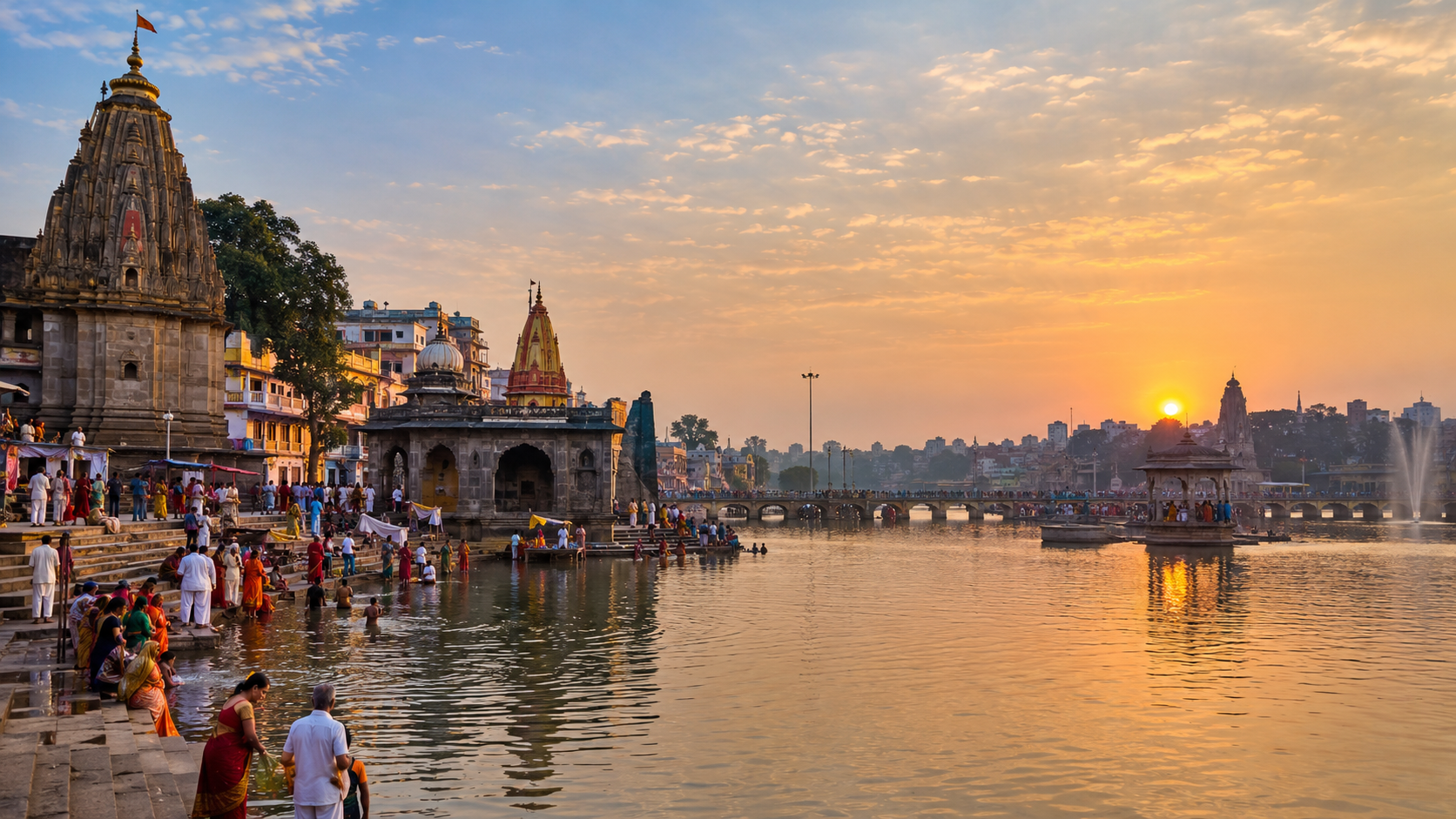
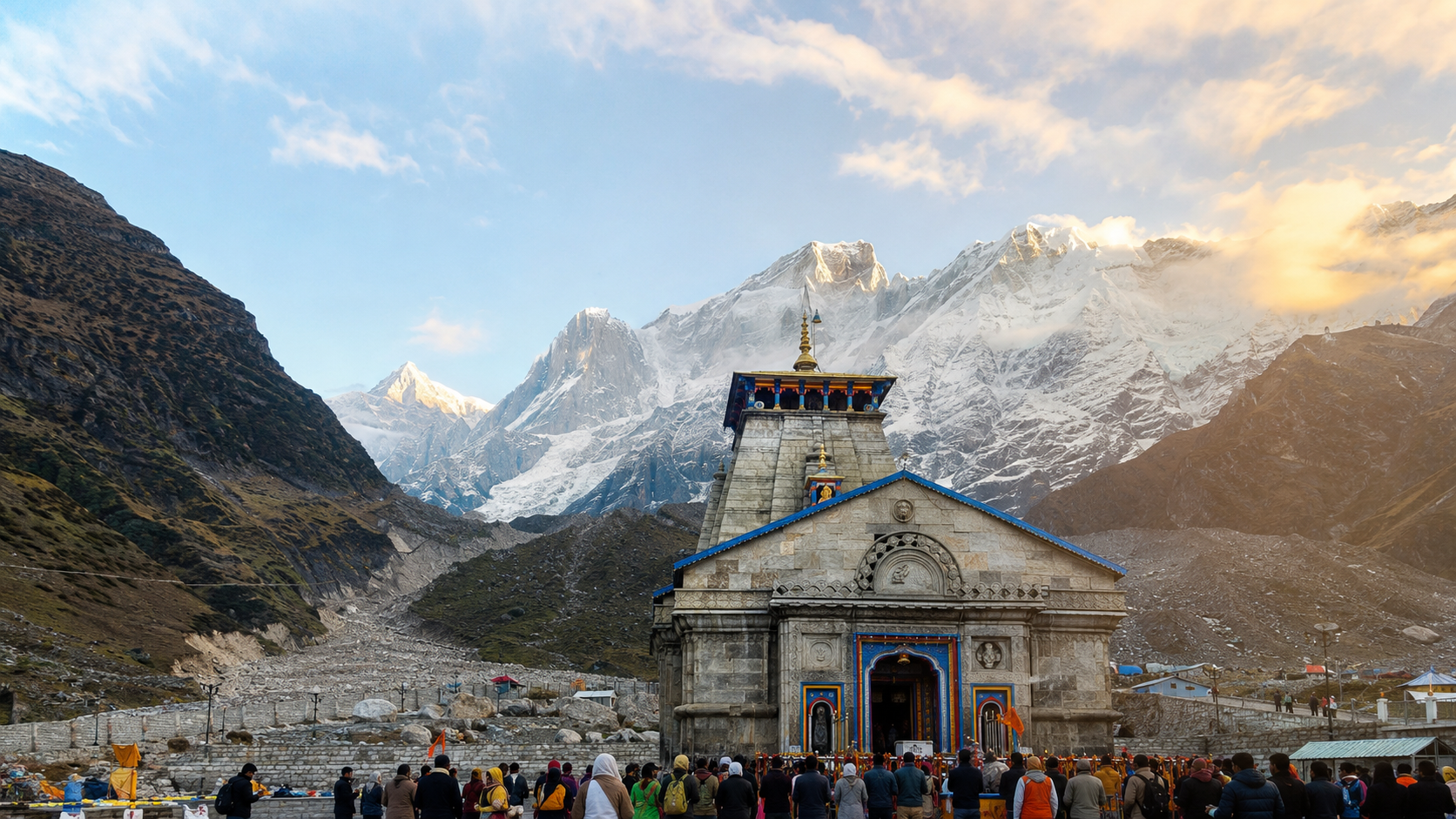
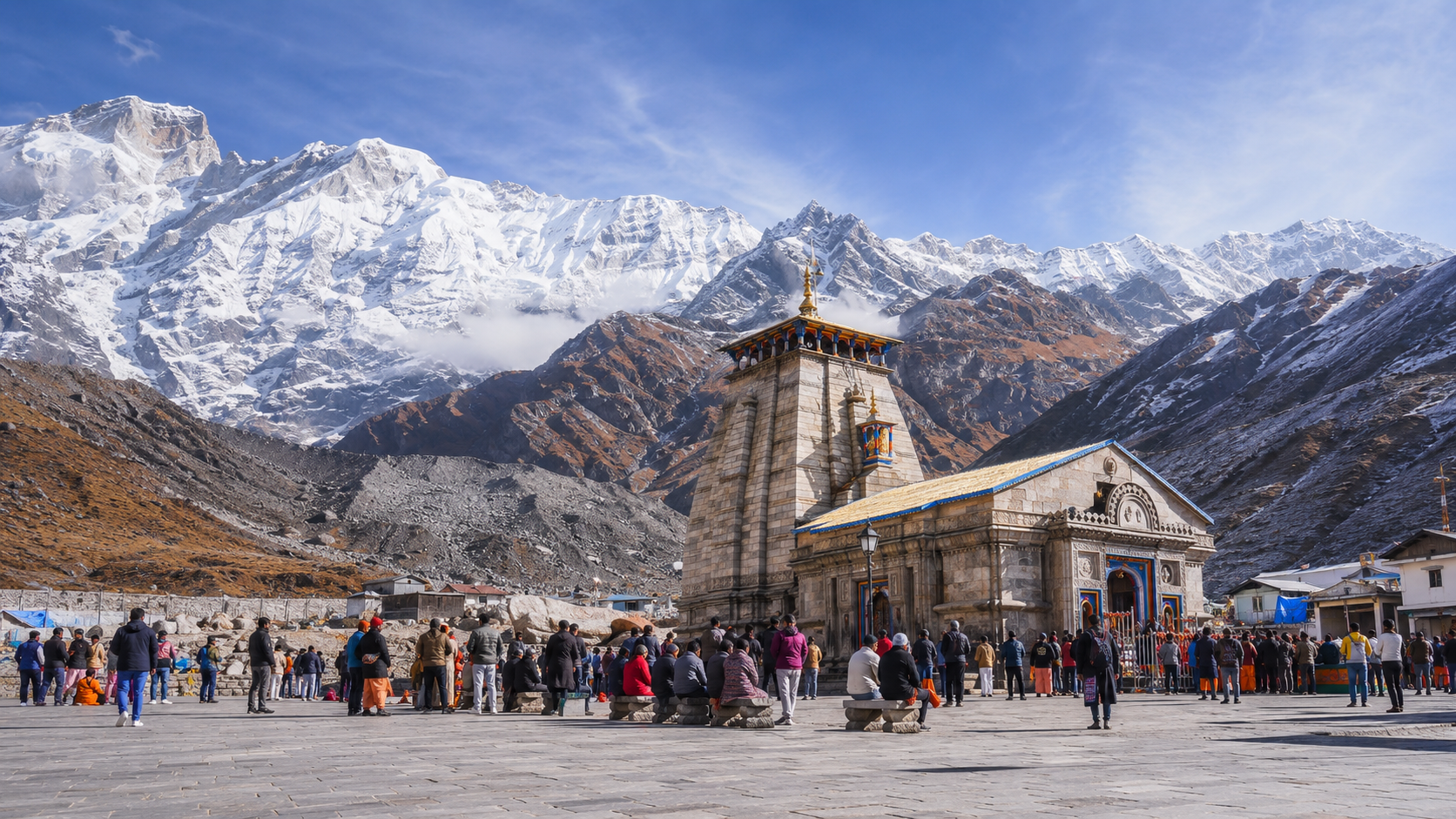
Ramanathaswamy Temple
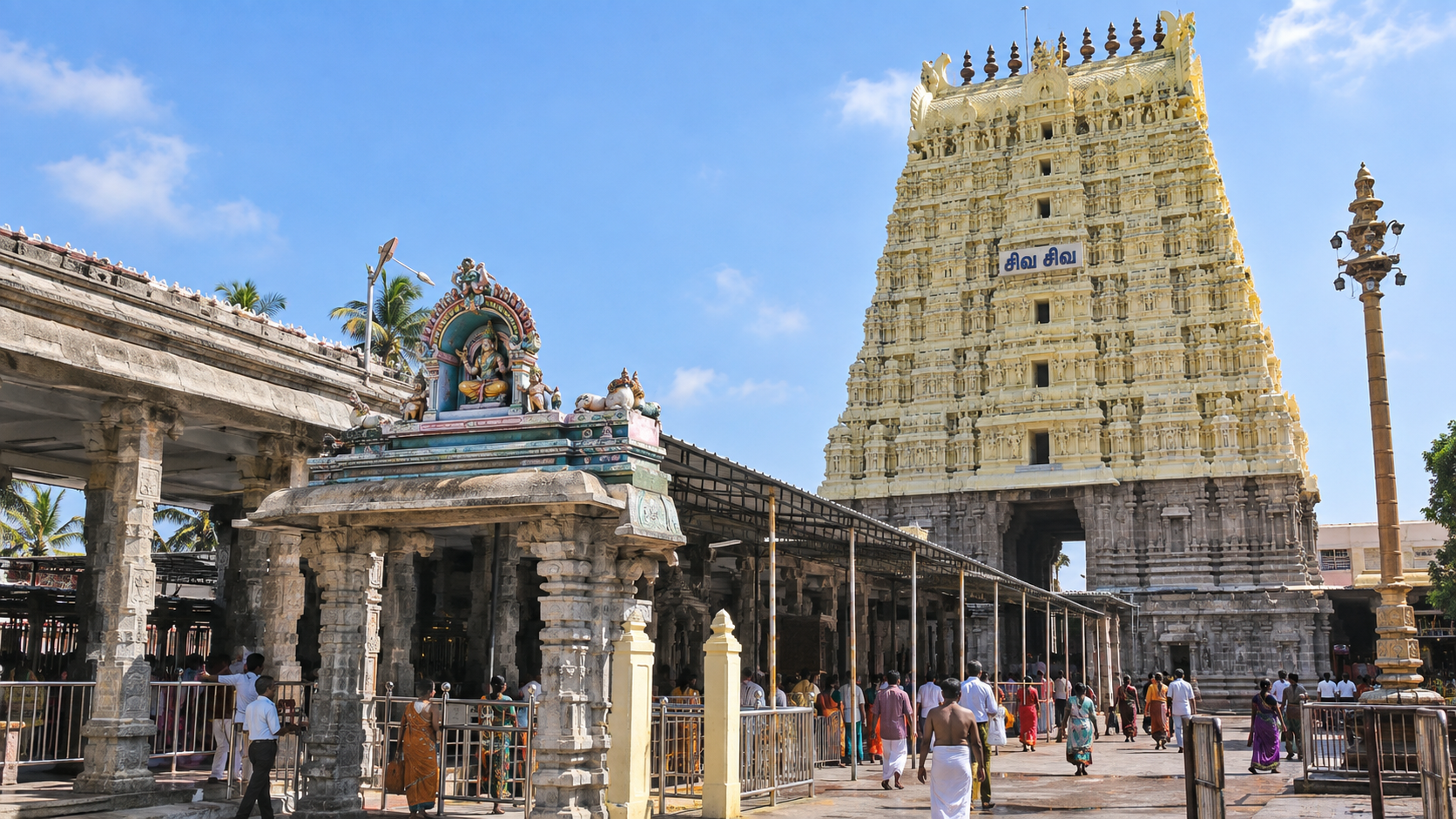
Ramanathaswamy Temple in Rameswaram is one of India’s twelve Jyotirlinga shrines and a major Hindu pilgrimage destination. Dedicated to Lord Shiva and closely associated with the Ramayana tradition, the temple is known for its expansive corridors, sacred theerthams and distinctive Dravidian architecture. This practical guide covers darshan, timings, travel, etiquette, stay and nearby places for planning a visit.
Ramanathaswamy Temple, Rameswaram
Ramanathaswamy Temple is the principal pilgrimage landmark of Rameswaram, a temple town on Rameswaram Island in Tamil Nadu. Dedicated to Lord Shiva, it is recognised as one of the twelve Jyotirlinga shrines and is also an important destination within the Char Dham pilgrimage tradition. The temple stands near Agni Theertham on the eastern side of the island and draws pilgrims throughout the year.
For travellers, the appeal of a Rameswaram pilgrimage is not limited to darshan. The temple combines religious traditions, a remarkable series of long pillared corridors, sacred water points and centuries of temple history. Its location also makes it a practical starting point for exploring other important places around Rameswaram, including Agni Theertham, Gandamadana Parvatham, Panchmukhi Hanuman Temple and Dhanushkodi.
The temple is administered by the Hindu Religious and Charitable Endowments Department of the Government of Tamil Nadu. Because temple schedules and service arrangements can change for festivals, special poojas and administrative reasons, pilgrims should verify the latest information with the temple administration before travelling.
Spiritual importance of Ramanathaswamy Temple
Ramanathaswamy is worshipped as a form of Lord Shiva and the shrine has a particularly strong association with the Ramayana tradition. According to the traditional account, Lord Rama worshipped Shiva at Rameswaram after the battle in Lanka. The story also describes a lingam made by Sita while Hanuman was away bringing another lingam. These accounts are religious traditions and should be understood as part of the sacred lore surrounding the shrine rather than as independently verified historical events.
The temple is especially important to devotees undertaking a Rameswaram pilgrimage because of its Jyotirlinga status. The combination of Ramanathaswamy Jyotirlinga worship and the sacred water traditions of Rameswaram makes the temple a major destination for pilgrims travelling from different parts of India.
The 22 theerthams
One of the defining features of a Rameswaram temple visit is the group of 22 theerthams within the temple complex. These are sacred water sources traditionally associated with the pilgrimage rituals of the temple. The temple administration currently states that bathing at the 22 theerthams is permitted during specified morning and afternoon periods.
The religious significance of these waters belongs to the temple's longstanding pilgrimage tradition. Visitors should follow the instructions of temple staff and local attendants rather than treating the ritual simply as a sightseeing activity.
Agni Theertham, located beside the temple, is another important pilgrimage point. It is a seafront sacred bathing place and is commonly visited as part of the wider Rameswaram pilgrimage.
Ramanathaswamy Temple history and architecture
The history of the present temple developed over several periods rather than being the work of a single ruler. The temple's official history records that the site was under the care of an ascetic until around the 10th century. It also attributes construction of the sanctum in the 12th century to the Sri Lankan ruler Parakramabahu and records later construction work by the rulers of Ramanathapuram, including Udaiyan Sethupathy, during the 15th century.
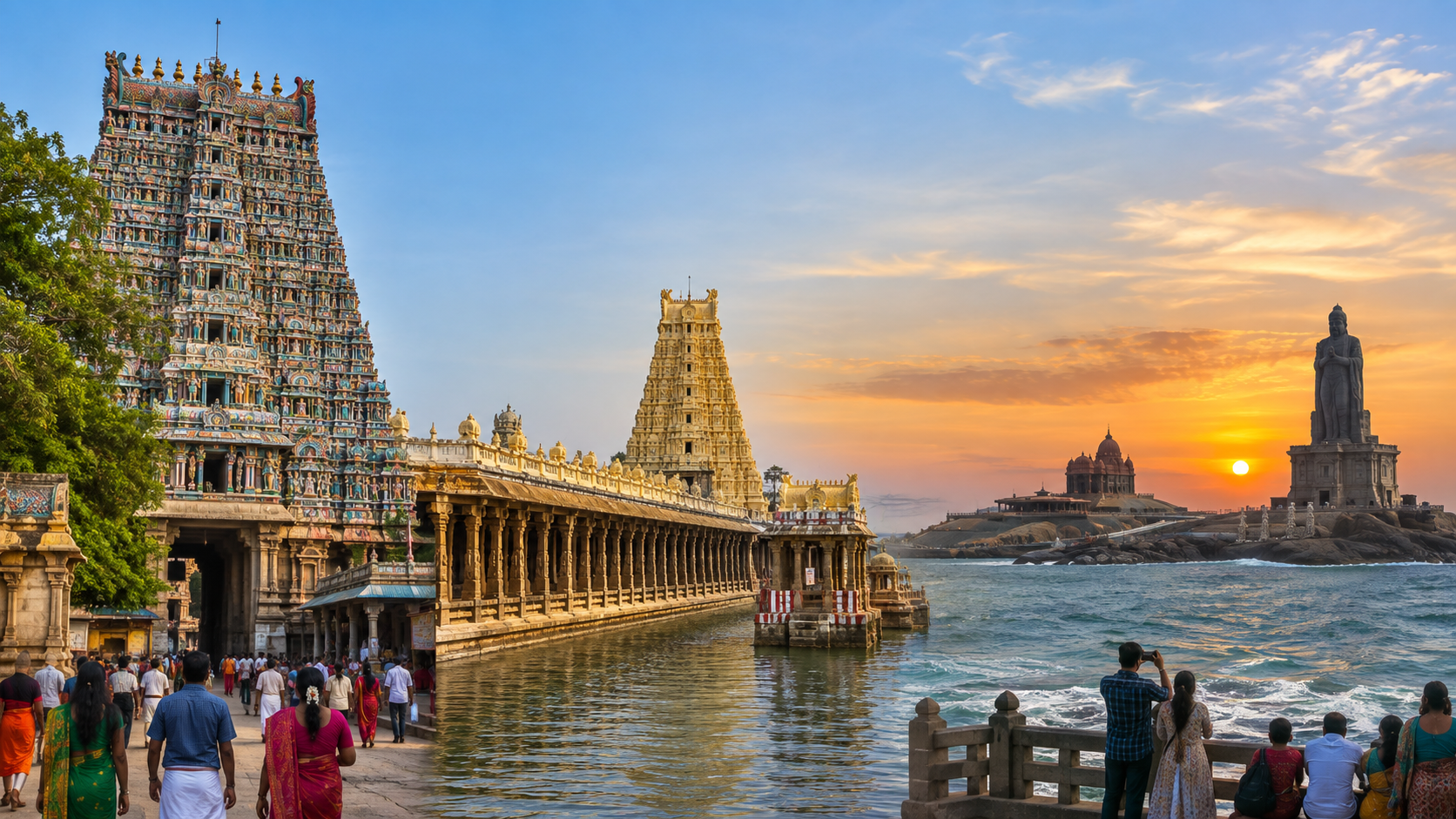
The temple's architecture is one of its most memorable features. The official Ramanathapuram district tourism page highlights its imposing gopuram, carved pillars and famous Third Corridor. The corridor measures about 197 metres from east to west and 133 metres from south to north.
The corridors are not merely an architectural backdrop to the pilgrimage. They form a major part of the experience of walking through the temple, with long lines of columns creating changing perspectives as visitors move through the complex.
The temple also contains shrines associated with Parvathavarthini Amman and other deities. The principal sanctum is the focus of worship, while the wider complex reflects the layered religious and architectural development of the site.
Ramanathaswamy Temple timings and darshan
The temple's official HR&CE website currently lists the following general schedule:
| Temple service | Current timing |
|---|---|
| Temple opens | 4:00 AM |
| General devotees' darshan begins | 5:00 AM |
| Spatika Lingam pooja | 5:00 AM–6:00 AM |
| Moolasthanam darshan | From 6:10 AM |
| Morning closure | 1:00 PM |
| Temple reopens | 3:00 PM |
| Afternoon/evening darshan | 3:15 PM–8:00 PM |
| 22 theertham bathing | 5:30 AM–12:30 PM and 3:00 PM–7:00 PM |
These are the timings currently published by the temple administration and should be treated as the primary reference when planning your visit. Special days, festivals, poojas and crowd-management arrangements can alter the practical experience.
The official temple service information also lists paid services such as special-entry darshan, Spatika Lingam darshan and various abhishekams. Fees can change, so pilgrims should check the official temple portal rather than relying on older travel articles for prices.
If your priority is a particular pooja or special darshan, build your day around that service instead of assuming that the general temple-opening hours apply to every ritual.
Darshan and temple etiquette
A visit to Ramanathaswamy Temple is primarily a pilgrimage, so modest clothing and respectful behaviour are appropriate.
Keep these practical points in mind:
- Dress conservatively and comfortably, particularly if you plan to participate in temple rituals.
- Follow the temple's current instructions regarding dress, photography, footwear and belongings.
- Do not assume that photography is permitted simply because you see other visitors using phones. Temple rules can be enforced strictly in worship areas.
- Keep valuables to a minimum and use designated storage facilities where available.
- If you are taking part in the 22 theerthams ritual, follow the sequence and instructions provided by temple staff or authorised personnel.
- Avoid carrying unnecessary bags into the temple.
- During busy pilgrimage periods, allow additional time for queues and movement through the complex.
There is no need to rush through the corridors simply to complete darshan. A little extra time makes the visit more comfortable and allows you to appreciate the architecture without disrupting other pilgrims.
Best time to visit Ramanathaswamy Temple
Rameswaram has a warm coastal climate, and the weather can become uncomfortable during the hotter part of the day. For a pilgrimage focused on temple darshan and the 22 theerthams, an early morning visit is generally the most practical choice.
The cooler months are usually more comfortable for combining the temple with outdoor sightseeing around the island. However, festival dates and major religious occasions can bring substantially larger crowds.
Maha Shivaratri is among the major celebrations associated with Ramanathaswamy Temple, and the temple can be particularly busy around major festivals.
For a quieter trip, check the Tamil calendar and temple festival schedule before fixing your travel dates. For a festival-centred pilgrimage, expect more crowds and allow extra time for darshan and local transport.
How to reach Ramanathaswamy Temple from Rameswaram
Ramanathaswamy Temple is centrally located in Rameswaram and is straightforward to reach once you are in the town.
By train
Rameswaram has its own railway station. The Ramanathapuram district administration places the station at approximately 1.3 km from the temple, while the temple's own location information gives a distance of about 1.5 km. The small variation is normal because distance depends on the point used for measurement.
Auto-rickshaws and taxis are practical choices if you have luggage. Depending on where you are staying, walking may also be possible.
By road
Rameswaram is connected by road with major towns in Tamil Nadu, and direct bus services are available from several cities. The Rameswaram bus stand is approximately 1.5–2 km from the temple according to government sources.
If you are travelling from Madurai, the Madurai district administration currently lists the approximate road distance to Rameswaram as 170 km. Allow additional time for traffic, stops and road conditions rather than planning purely from the distance.
By air
Madurai International Airport is the nearest major airport generally used for reaching Rameswaram. Government sources place it roughly 175–180 km from Rameswaram.
From the airport, travellers can continue by taxi, private vehicle or connecting public transport. A road transfer from Madurai can also be combined with sightseeing in Madurai if the itinerary permits.
Local transport in Rameswaram
For a temple-focused trip, auto-rickshaws, taxis and local vehicles are the simplest options for moving between the temple, railway station, accommodation and attractions around the island.
If you are travelling with elderly family members, ask your driver to drop you as close as permitted to the appropriate access point rather than planning a long walk with luggage.
For a wider sightseeing circuit covering Dhanushkodi, Gandamadana Parvatham and other locations, arranging a vehicle for several hours can be more convenient than hiring separate rides for every stop. Travel times can vary with weather, road conditions and local restrictions, so leave some flexibility in the itinerary.
Places to visit near Ramanathaswamy Temple
A temple visit can comfortably be combined with several other Rameswaram attractions.
Agni Theertham
Agni Theertham is immediately associated with the temple and lies by the seafront. It is an important pilgrimage point and is often visited before or alongside the temple.
Panchmukhi Hanuman Temple
This temple is associated with the local Ramayana tradition and is a commonly visited spiritual stop in Rameswaram. Incredible India places it about 2 km from Ramanathaswamy Temple.
Gandamadana Parvatham
Gandamadana Parvatham is a hillock associated in local tradition with Lord Rama's footprints. It is also known for its elevated view over Rameswaram and is useful as a short sightseeing stop after the temple.
Dhanushkodi
Dhanushkodi lies at the southeastern end of the island and is known for its coastal landscape, abandoned settlement remains and association with the Ramayana tradition. The area was severely affected by the 1964 cyclone and remains an important excursion from Rameswaram.
Because Dhanushkodi involves a longer local excursion, it is better planned separately from the main temple darshan rather than squeezed into a tight morning schedule.
Dr. A.P.J. Abdul Kalam Memorial
The memorial in Rameswaram presents exhibits covering Dr. A.P.J. Abdul Kalam's life, scientific work and public career. It provides a useful change of pace for travellers who want to combine pilgrimage with modern Indian history. The memorial currently lists opening hours of 10:00 AM to 5:00 PM.
Pamban Bridge
The Pamban area is another worthwhile stop when approaching or leaving Rameswaram. The original railway bridge is an important part of the island's transport history and has long been associated with the journey to Rameswaram.
Where to stay in Rameswaram
For a pilgrimage-first itinerary, staying in Rameswaram town is generally the most convenient option because it reduces the need for an early-morning transfer to the temple.
Choose accommodation according to your priorities:
- Stay close to the temple if early darshan and easy access are most important.
- Choose a property with vehicle access if you are travelling with elderly passengers or substantial luggage.
- For a family trip, check room size, lift availability and parking before booking.
- If you intend to visit Dhanushkodi and several attractions, consider whether the hotel makes local sightseeing convenient as well as temple access.
- During festivals and major pilgrimage periods, book accommodation well in advance.
Do not select a hotel solely on the basis of its stated distance from the temple. Check the actual access road, parking arrangement and walking distance to the entrance you intend to use.
Accessibility and planning for elderly pilgrims
Ramanathaswamy Temple can involve walking, waiting and standing, particularly when the temple is busy. The large corridors also mean that the overall visit can involve more movement than a short temple stop.
If you are travelling with senior citizens or anyone with limited mobility:
- Choose accommodation close to the temple.
- Ask the hotel about vehicle drop-off arrangements.
- Avoid scheduling several distant attractions immediately after an early darshan.
- Carry water for the journey outside ritual areas where drinking water is permitted.
- Keep footwear and belongings manageable.
- Check directly with the temple regarding the current arrangements for elderly or mobility assistance before travel.
Accessibility provisions can change, so specific assistance should be confirmed with the temple administration rather than assumed.
Practical tips for a smoother Rameswaram pilgrimage
A little planning makes a significant difference to this visit.
- Check the official Ramanathaswamy Temple schedule immediately before departure.
- If you want a particular pooja or paid service, verify availability and current charges through the official temple portal.
- Reach early if your itinerary includes the 22 theerthams and morning darshan.
- Keep festival days in mind when estimating queue times.
- Carry light, modest clothing suitable for a temple visit.
- Protect yourself from the coastal sun when travelling between attractions.
- Keep some flexibility for weather, especially when planning outdoor visits.
- Treat local legends as part of Rameswaram's religious and cultural tradition rather than as established historical fact.
- Confirm transport arrangements for Dhanushkodi and other outlying attractions locally, particularly if travelling during adverse weather.
- Keep your temple visit separate from the longer sightseeing circuit so that delays at one attraction do not compromise darshan.
The temple administration also publishes information about visitor facilities and services, so it is worth checking the official site close to the date of travel.
Plan your Ramanathaswamy Temple visit with Trip to Yatra
Ramanathaswamy Temple is best experienced as part of a well-paced Rameswaram pilgrimage rather than as a quick sightseeing stop. Give yourself enough time for darshan, the temple corridors and the 22 theerthams, then plan the surrounding attractions around the temple schedule.
Trip to Yatra can help you organise the practical side of your journey, including travel planning, accommodation and a suitable Rameswaram itinerary. If you are planning a Ramanathaswamy Temple visit for yourself or your family, share your preferred travel dates and requirements with Trip to Yatra to discuss a practical pilgrimage plan.