
August 29, 2026
7 min read
Delhi to Kedarnath Route and Travel Options
Explore the Delhi to Kedarnath route, road distance, Gaurikund trek, transport options, travel time and practical tips for a smooth yatra.
Planning a journey to Kedarnath requires more than simply checking the distance on a map. The Delhi to Kedarnath route combines a long road journey through Uttarakhand with the final mountain trek from Gaurikund to Kedarnath Temple. For families, senior citizens and first-time pilgrims, understanding where to stop, how to travel and how much time to keep in hand can make the yatra much more comfortable.
At Trip to Yatra, we recommend planning the journey in stages rather than trying to cover too much in one day. Road conditions, mountain traffic, weather and personal fitness can all affect travel time. This guide explains the practical Delhi to Kedarnath route, major stops, transport choices and useful preparation tips for a smoother pilgrimage.
Delhi to Kedarnath Route: Complete Road Journey
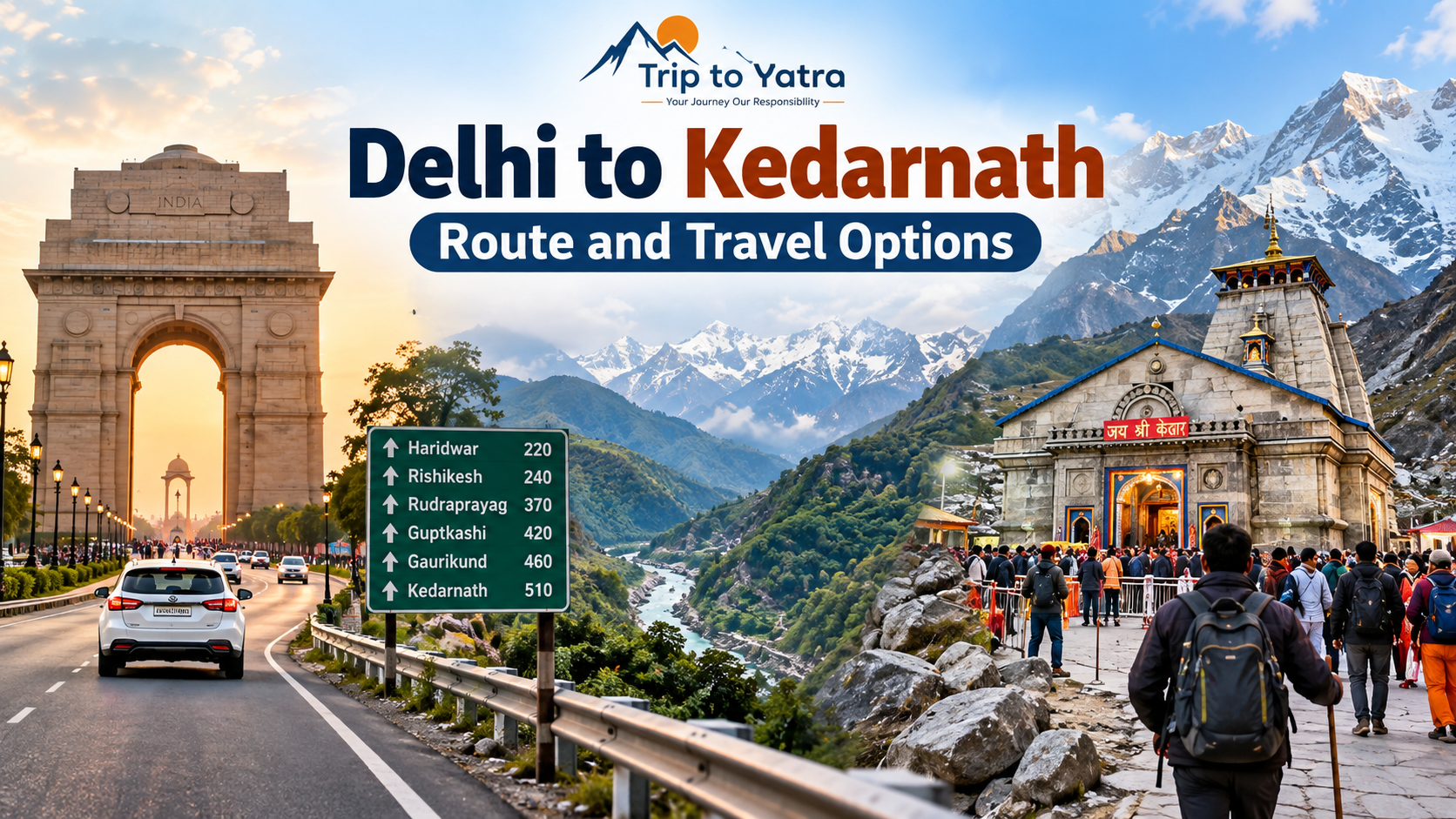
The commonly followed Delhi to Kedarnath route goes through Haridwar or Rishikesh before entering the Garhwal Himalayas. Vehicles can travel only up to the Gaurikund/Sonprayag sector. The remaining journey to Kedarnath is completed on foot or with available pilgrimage assistance services.
Delhi → Meerut → Muzaffarnagar → Roorkee → Haridwar → Rishikesh → Devprayag → Srinagar → Rudraprayag → Agastmuni → Guptkashi → Phata → Sonprayag → Gaurikund → Kedarnath
The total Kedarnath distance from Delhi varies according to the road used, diversions and your exact starting point. Pilgrims should treat online distance and travel-time estimates as approximate because mountain-road conditions can change.
Delhi to Haridwar: First Stage of the Journey
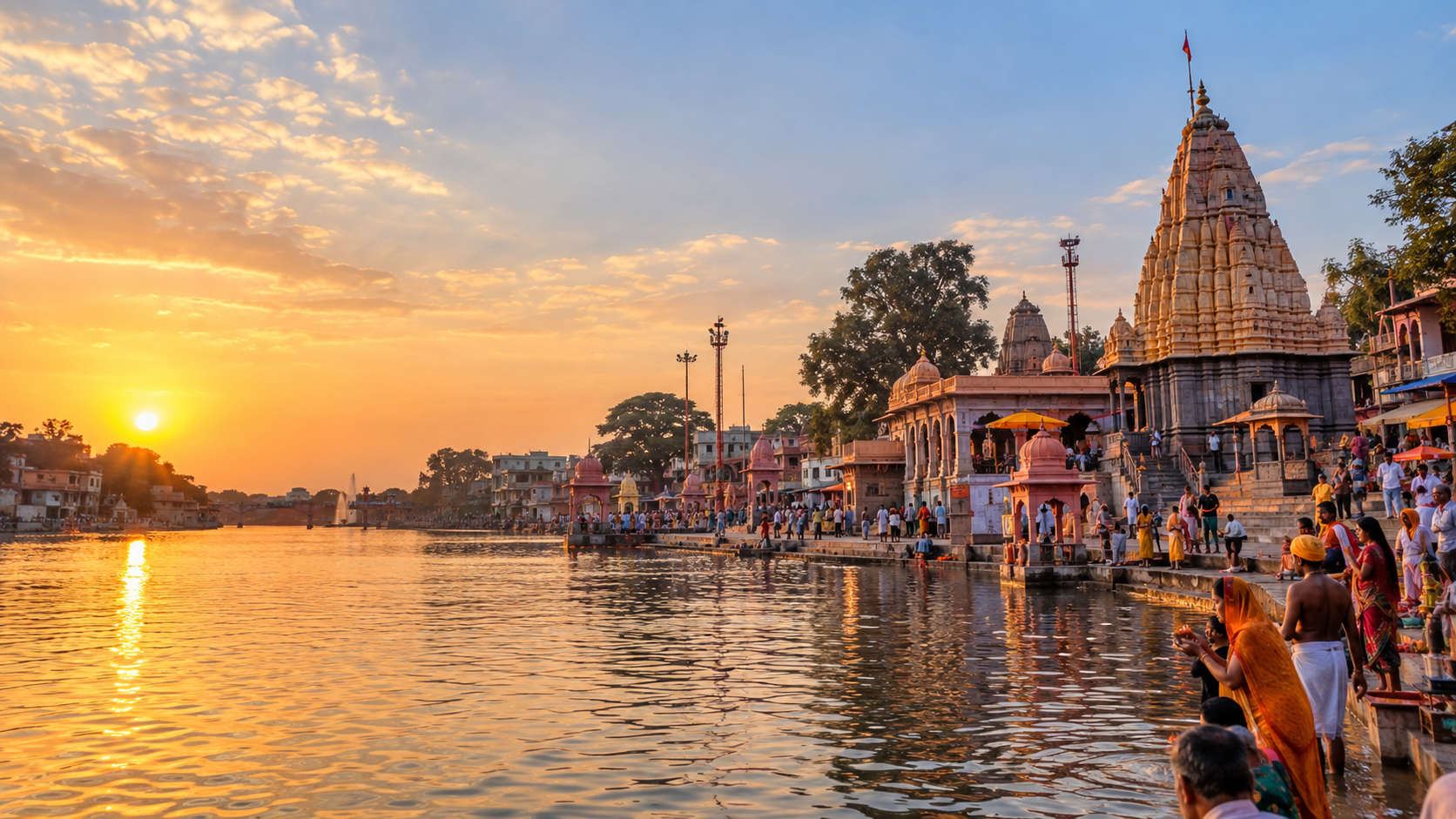
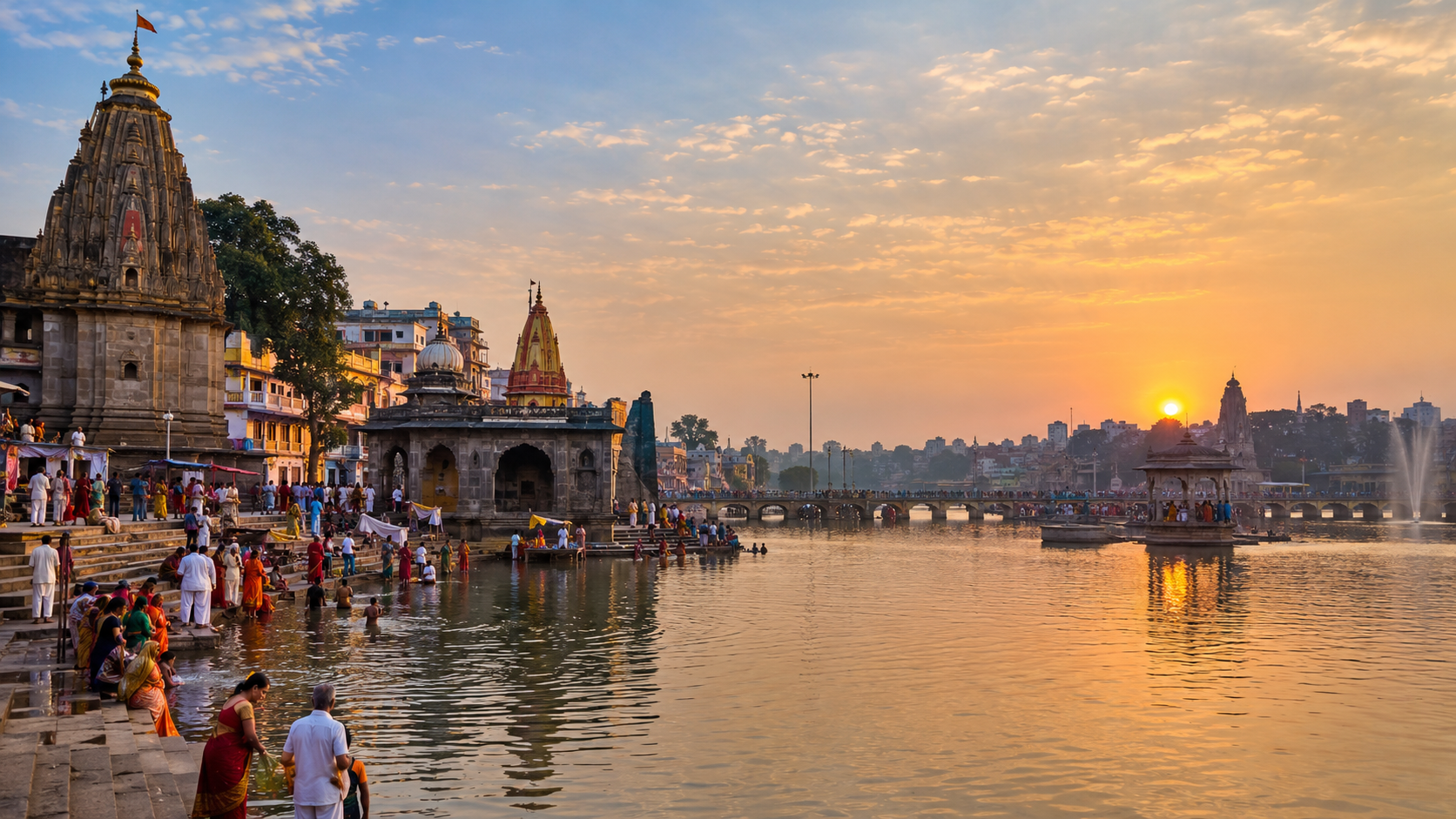
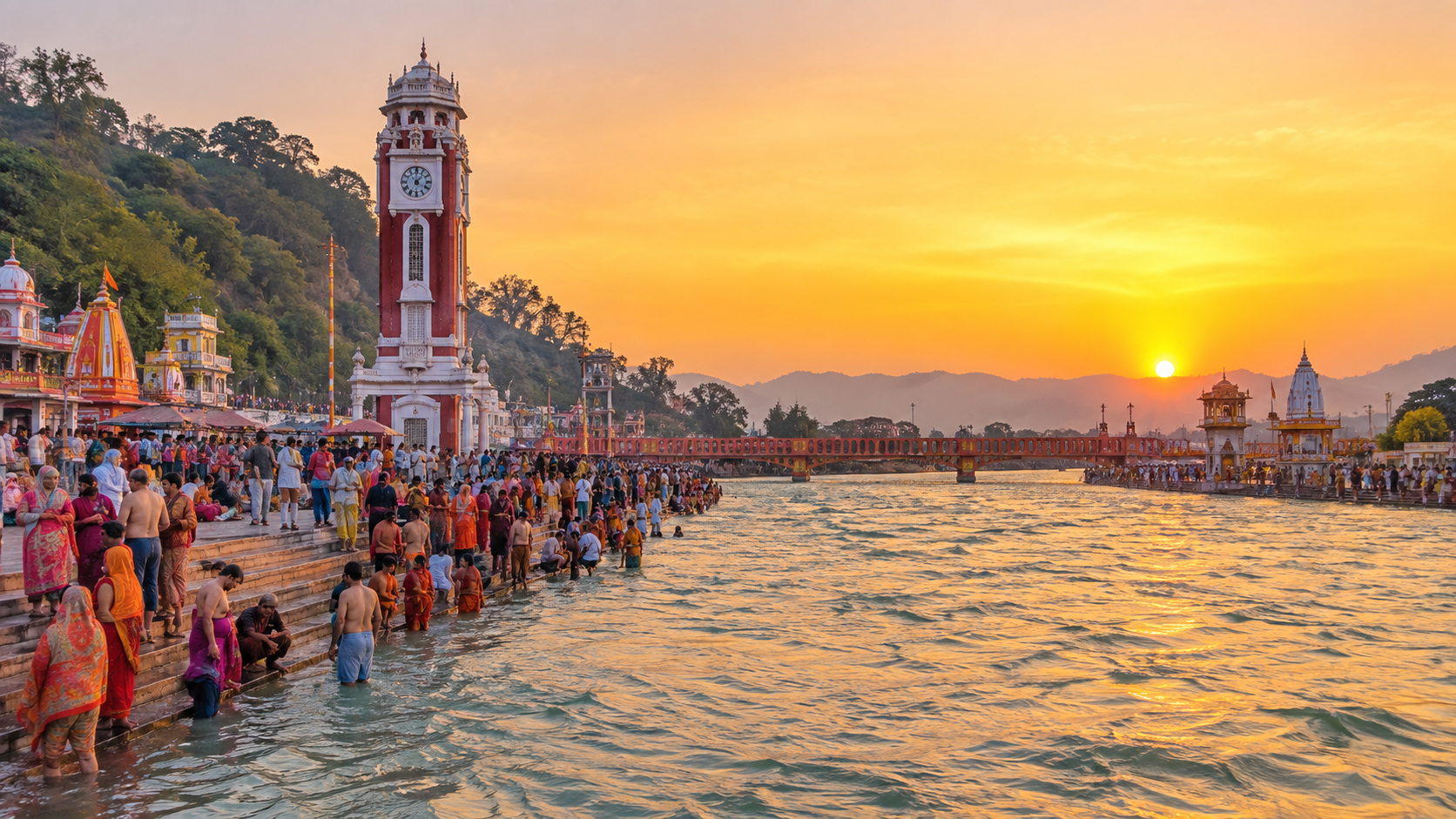
The Delhi to Haridwar section is relatively straightforward and is usually the easiest part of the journey. Haridwar is also a popular starting point for pilgrims who want to take a holy dip in the Ganga or attend Ganga Aarti before proceeding towards the mountains.
Travellers may continue towards Rishikesh on the same day or stay overnight in Haridwar. Senior citizens and families travelling with children may find an overnight halt useful before beginning the longer hill journey.
Haridwar and Rishikesh to Guptkashi
After Rishikesh, the Delhi to Kedarnath route gradually enters mountainous terrain. The road passes through Devprayag, where the Alaknanda and Bhagirathi rivers meet, followed by Srinagar and Rudraprayag.
From Rudraprayag, travellers continue towards Agastmuni and Guptkashi. Although the road distance may not appear very large, driving in the hills takes considerably longer than driving on plains. Traffic, roadwork, rain and landslide-related restrictions can also cause delays.
Guptkashi to Sonprayag and Gaurikund Route
Guptkashi, Phata and nearby areas are popular overnight bases for Kedarnath pilgrims. From here, the journey continues towards Sonprayag. Depending on current traffic-management arrangements, pilgrims generally proceed towards Gaurikund using authorised local transport from the designated point.
The Gaurikund route is especially important because Gaurikund serves as the traditional starting point of the trek to Kedarnath. Always follow the latest instructions issued by the local administration regarding parking, shuttle services and vehicle movement.
Delhi to Kedarnath Route by Car or Taxi
Travelling by private car or hired taxi is one of the most convenient options for families and small groups. A dedicated vehicle offers greater flexibility for meal breaks, sightseeing stops and overnight stays.
- Start early when travelling on mountain roads.
- Avoid planning long hill drives after dark.
- Keep buffer time for traffic and weather-related delays.
- Choose a driver experienced with Uttarakhand mountain roads.
- Check the vehicle, tyres and brakes before entering the hill sector.
For a comfortable Delhi to Kedarnath route itinerary, it is generally better to keep separate days for the plains-to-hills journey and the Kedarnath trek instead of rushing directly from Delhi.
Delhi to Kedarnath by Bus and Public Transport
Budget travellers can use buses and shared vehicles for much of the journey. Regular transport options are generally easier to find between Delhi to Haridwar and Rishikesh. From Rishikesh, onward buses and shared vehicles operate towards important Garhwal towns and pilgrimage areas, subject to season and availability.
Public Kedarnath transport can be economical, but travellers should keep extra time because connections may not always match perfectly. During peak yatra dates, demand can be high, so arriving at bus stands early is advisable.
Delhi to Kedarnath Route by Train
There is no railway station at Kedarnath. Pilgrims travelling by train can reach Haridwar, Rishikesh or another suitable railhead and continue by road.
A practical combination is:
- Delhi to Haridwar/Rishikesh by train
- Haridwar/Rishikesh to Guptkashi or the Sonprayag sector by road
- Sonprayag to Gaurikund as per local transport arrangements
- Gaurikund to Kedarnath by trek or permitted pilgrimage service
This option is particularly useful for travellers who prefer not to spend the entire journey from Delhi in a car.
Kedarnath Trek from Gaurikund
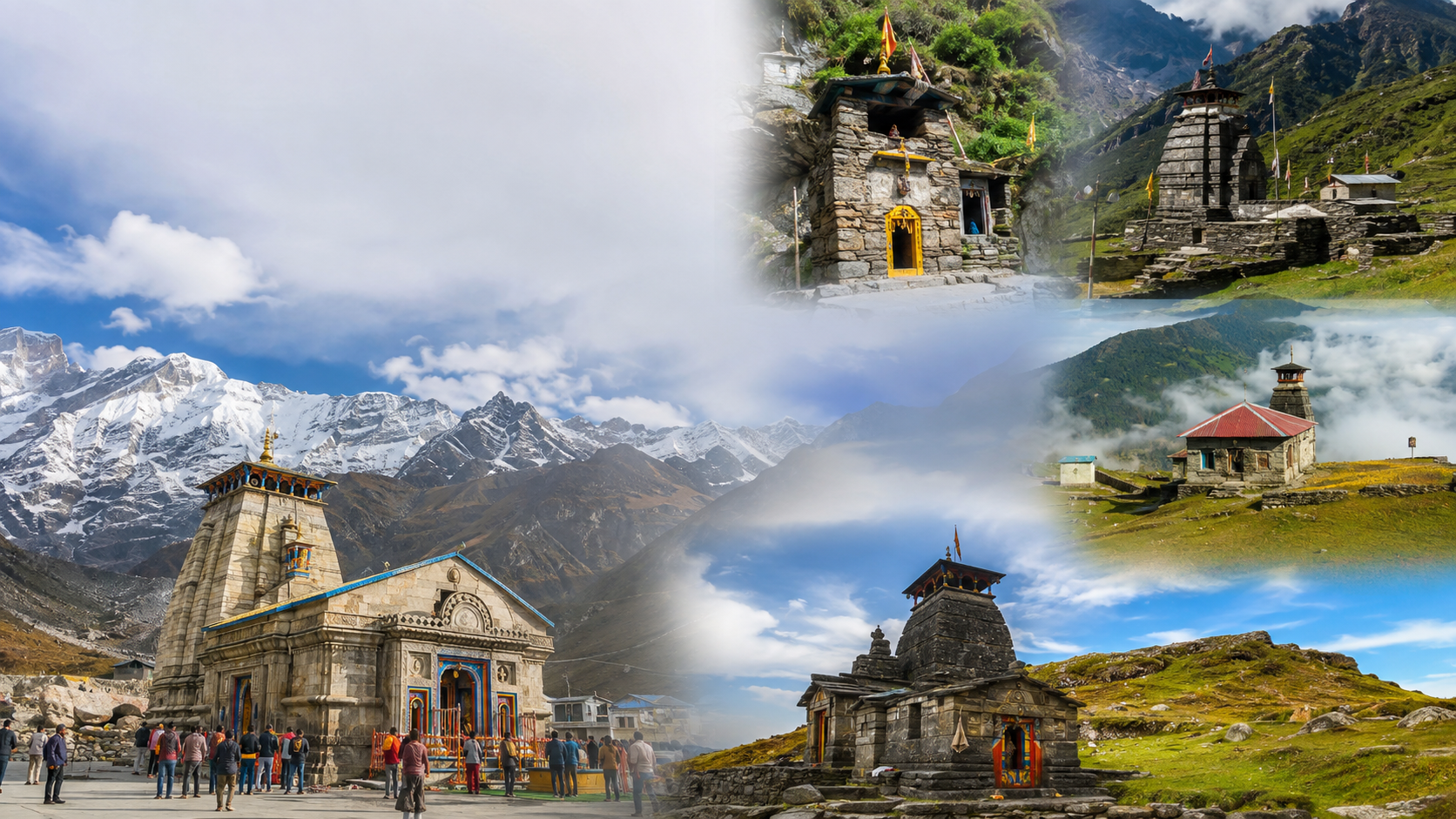
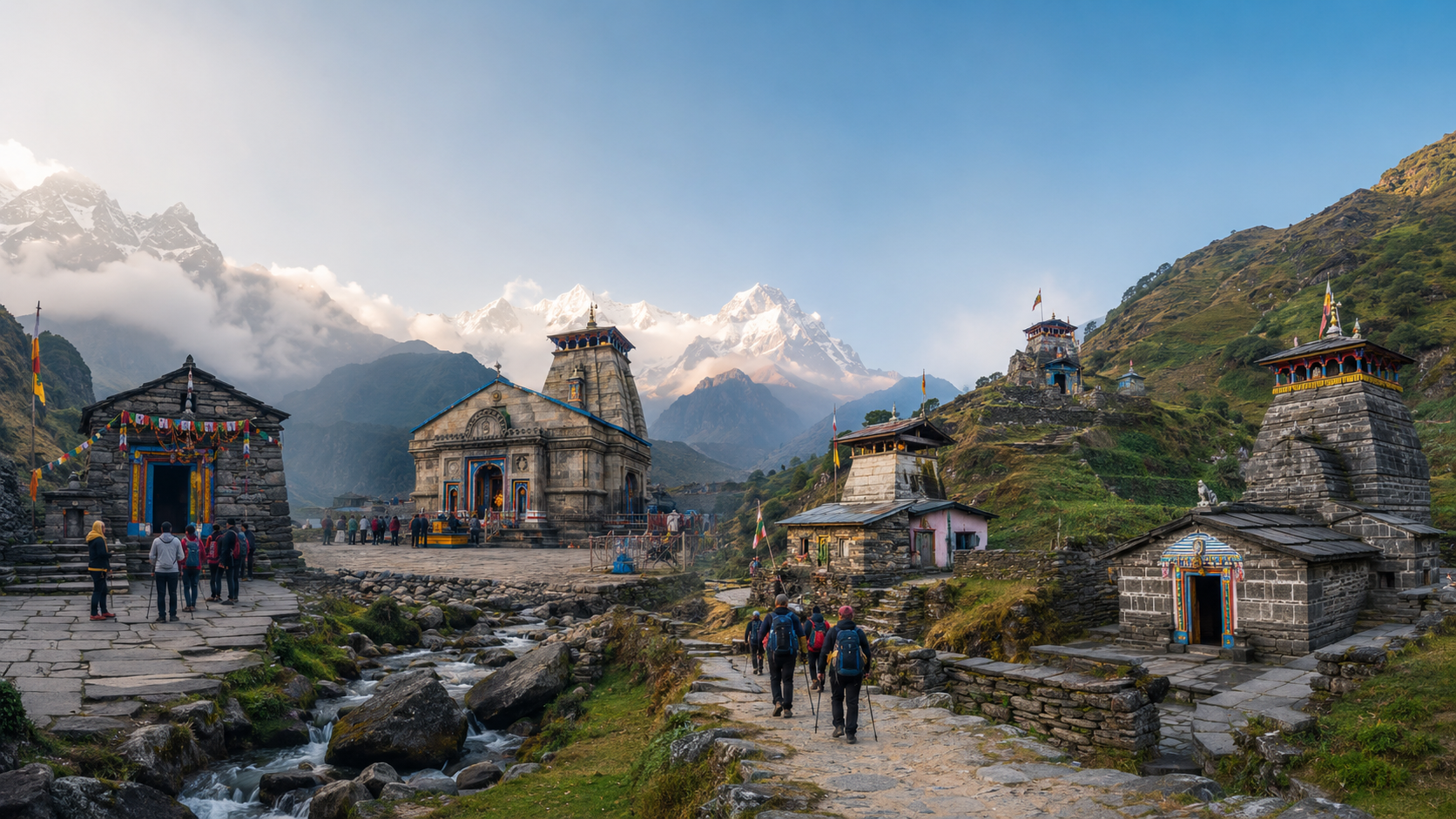
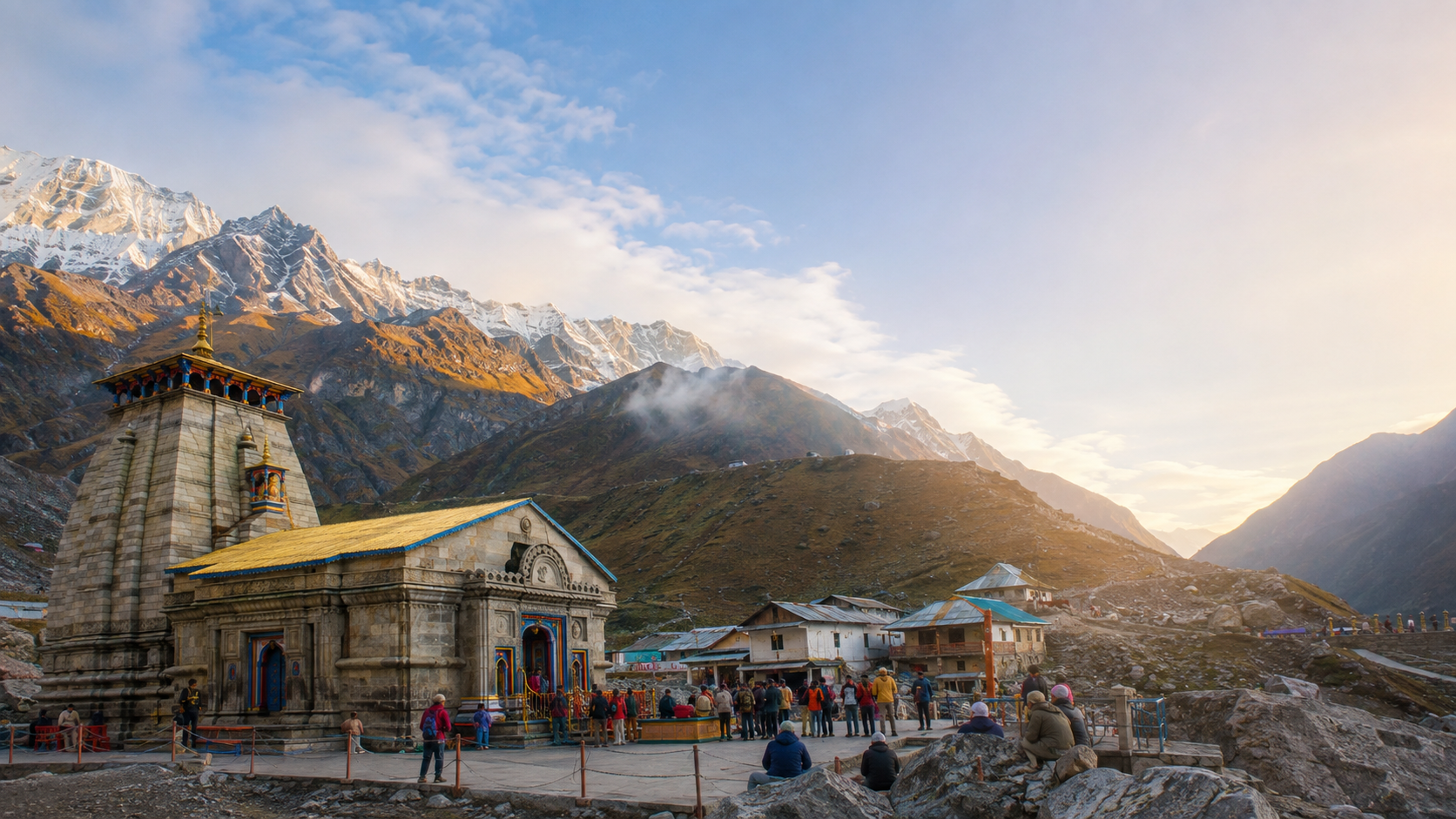
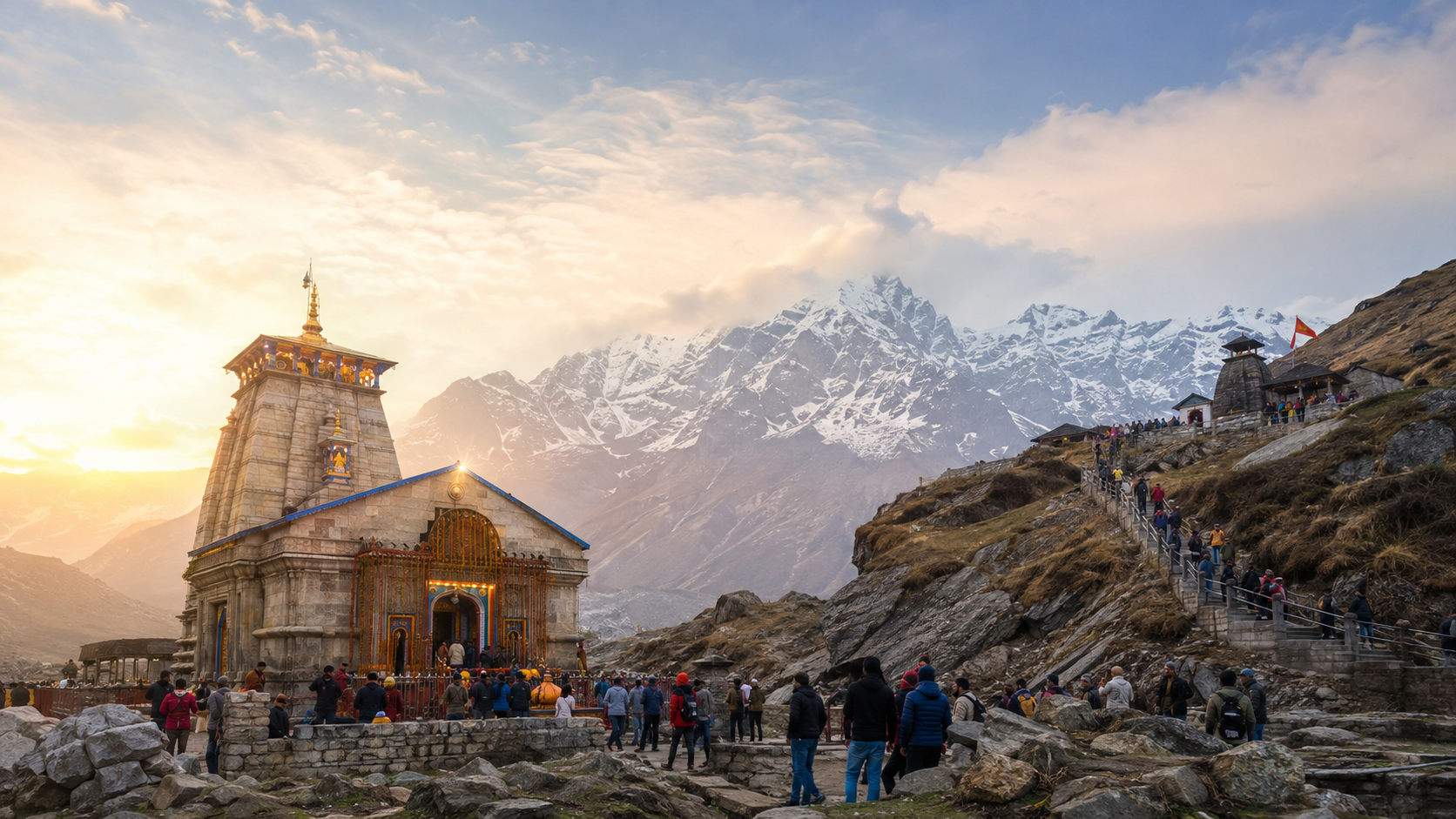
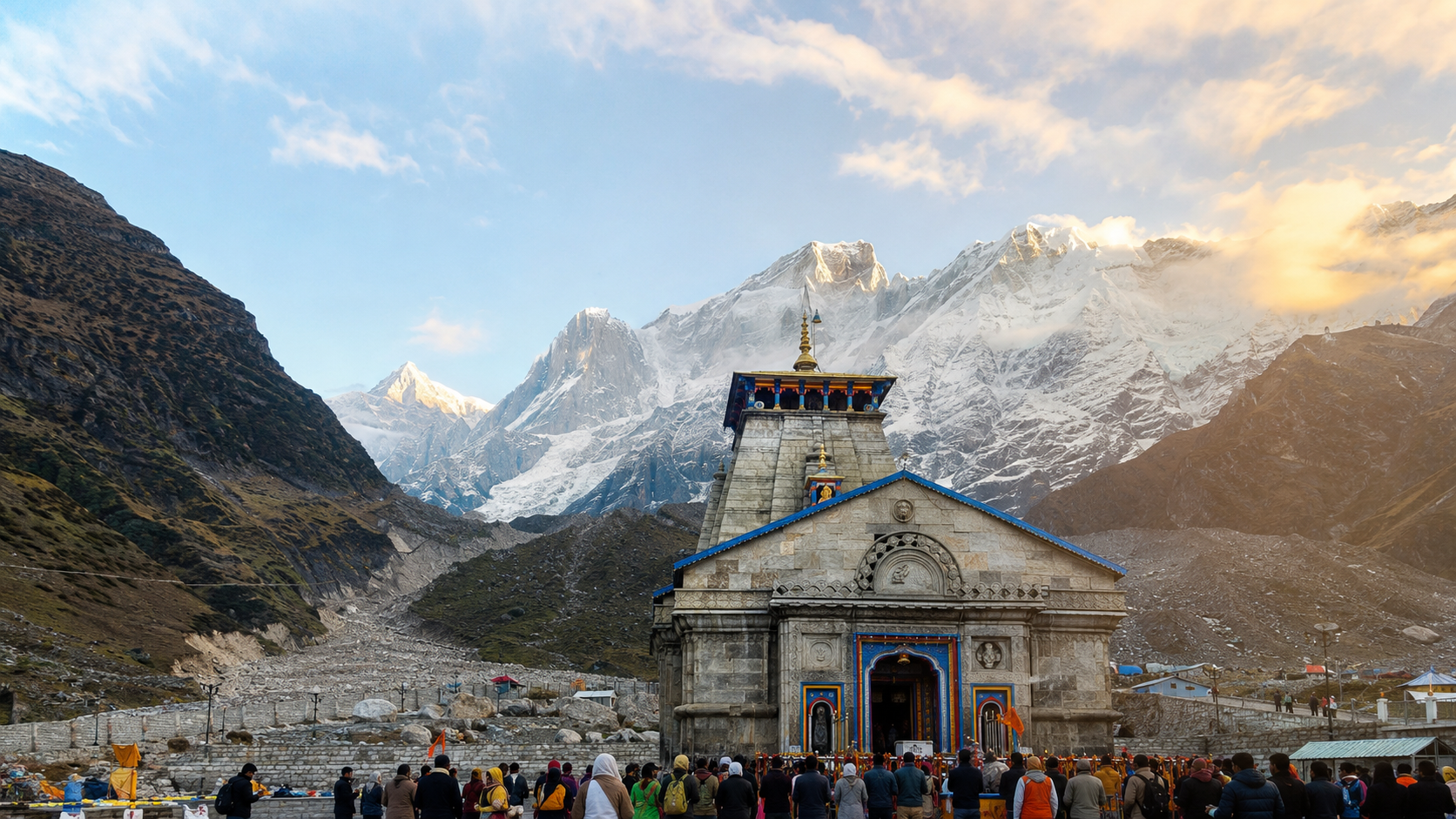
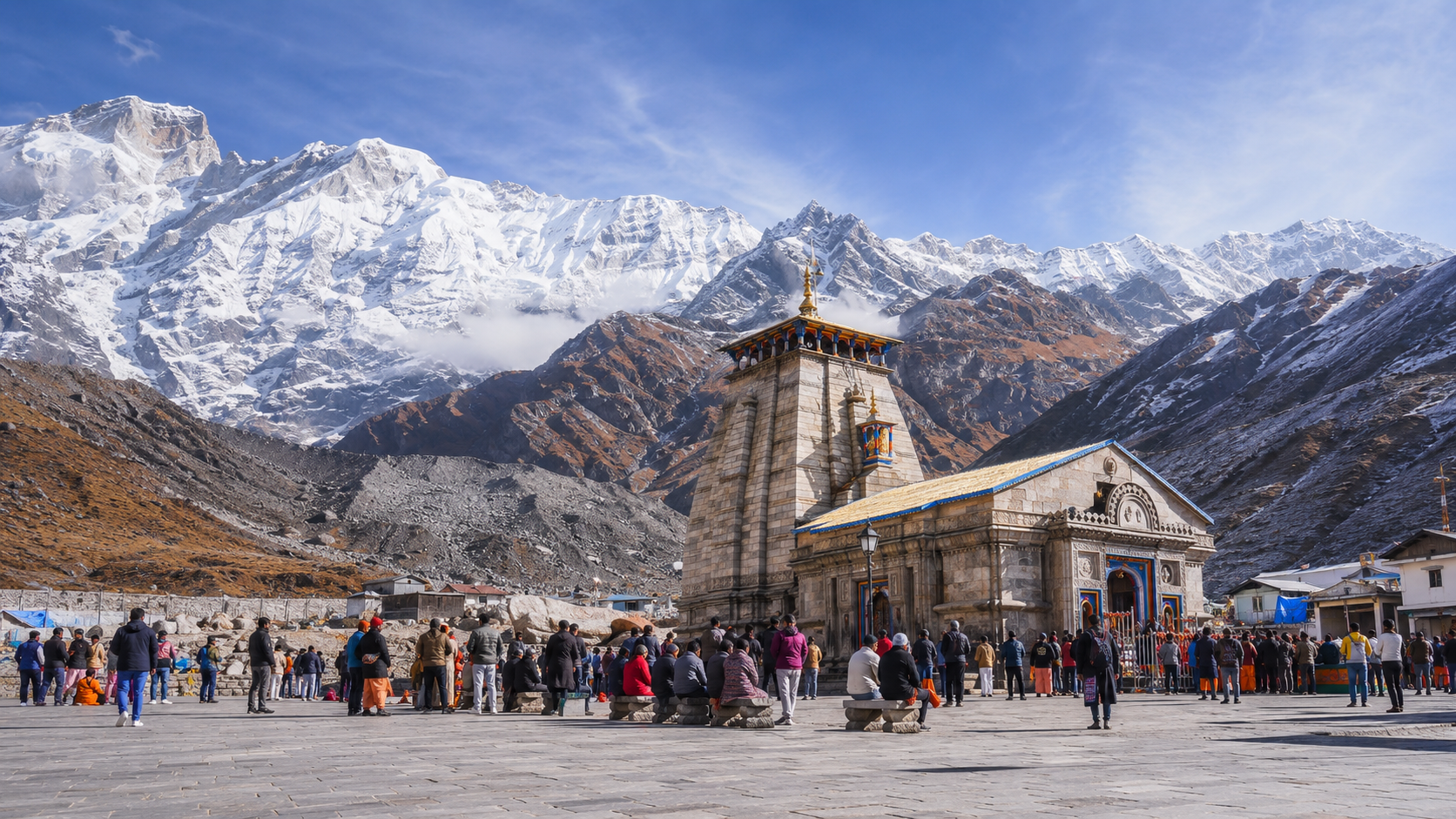
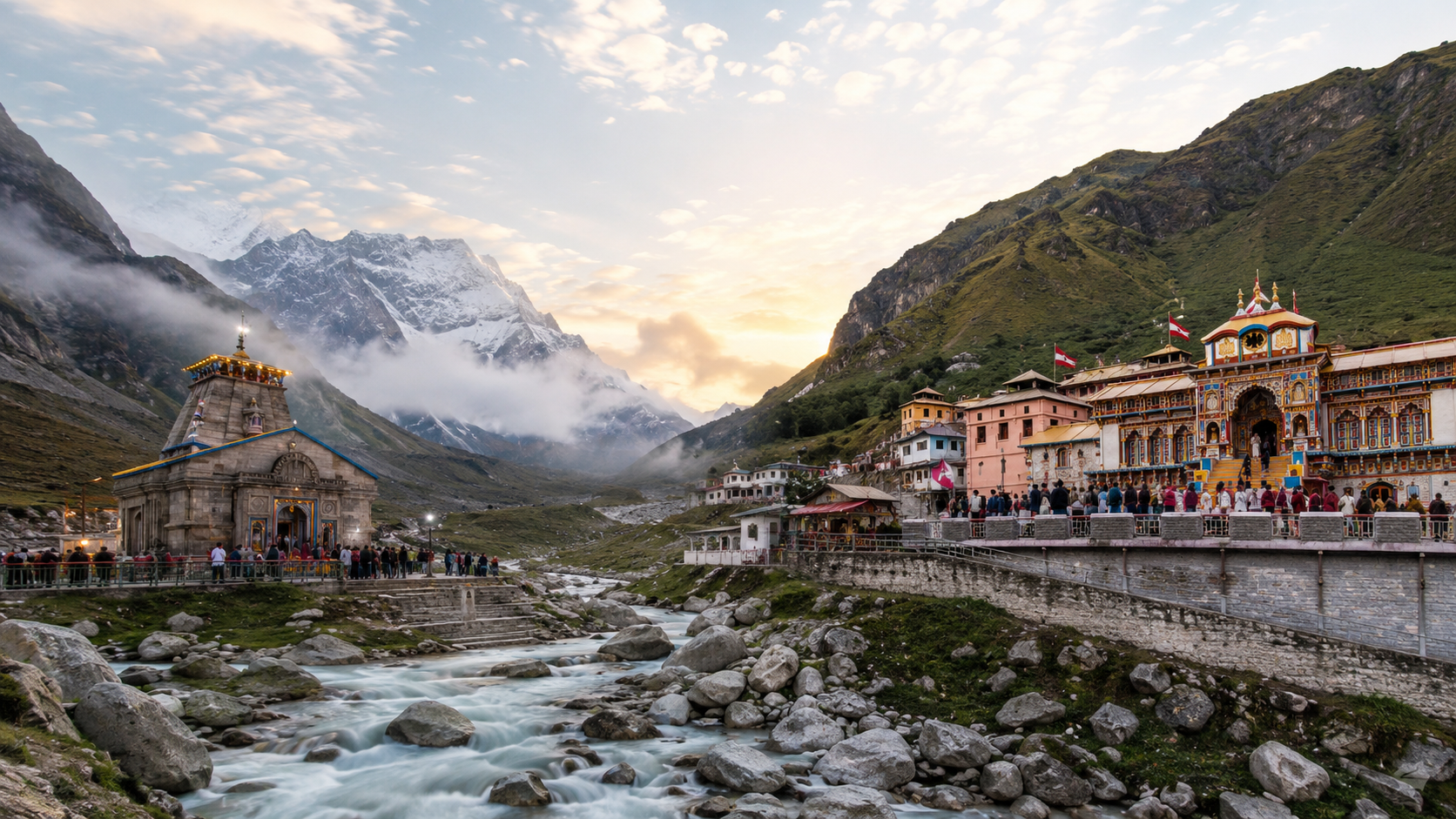
The final part of the Delhi to Kedarnath route is the mountain trek from Gaurikund to Kedarnath. The present walking route is commonly described as roughly 16–18 km, but the effective walking distance can vary with route arrangements and your accommodation or drop point.
The trek involves continuous climbing at high altitude. Pilgrims should start early and walk at a comfortable pace rather than trying to complete the climb quickly.
Options for Pilgrims Who Cannot Trek Comfortably
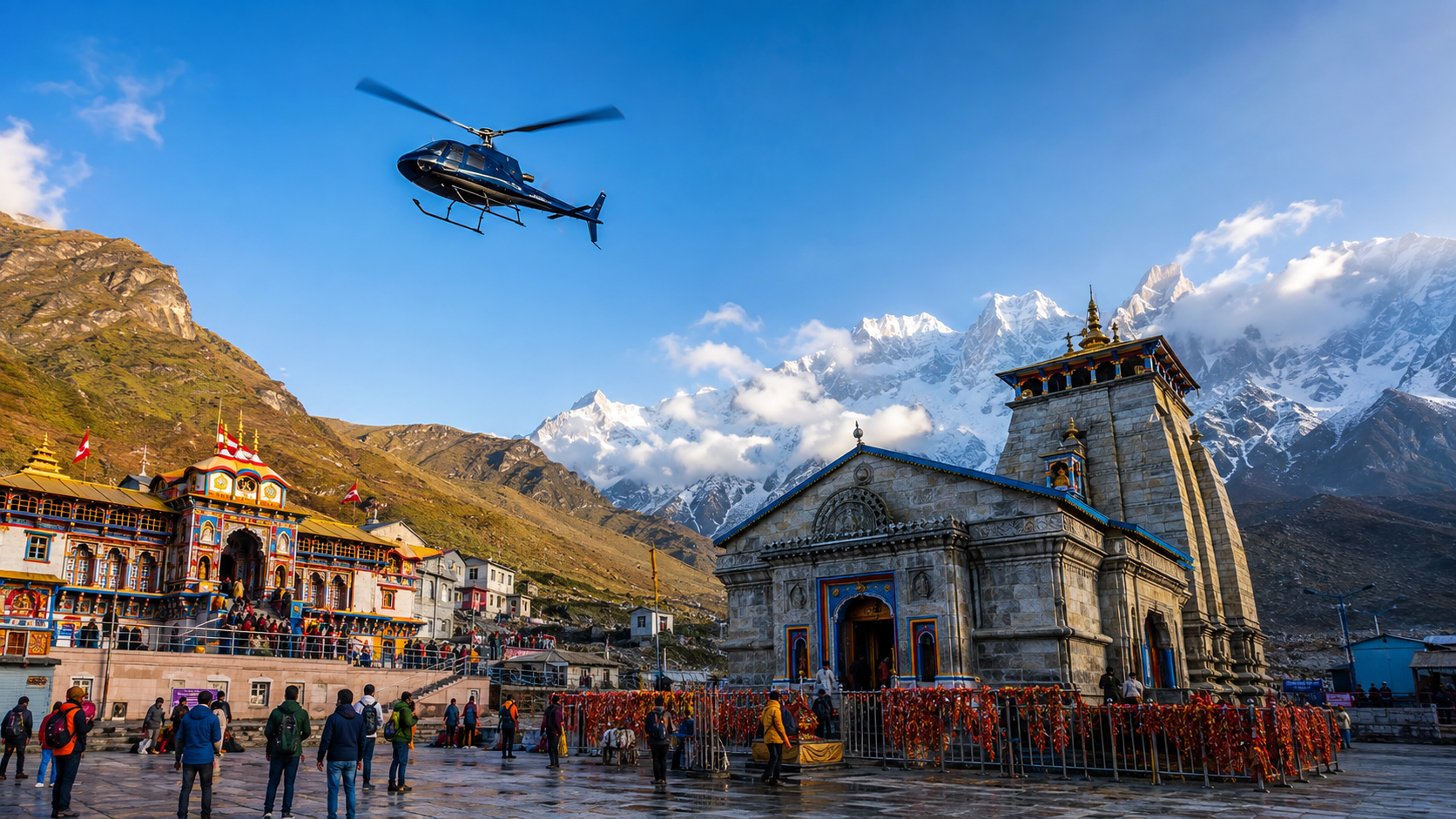
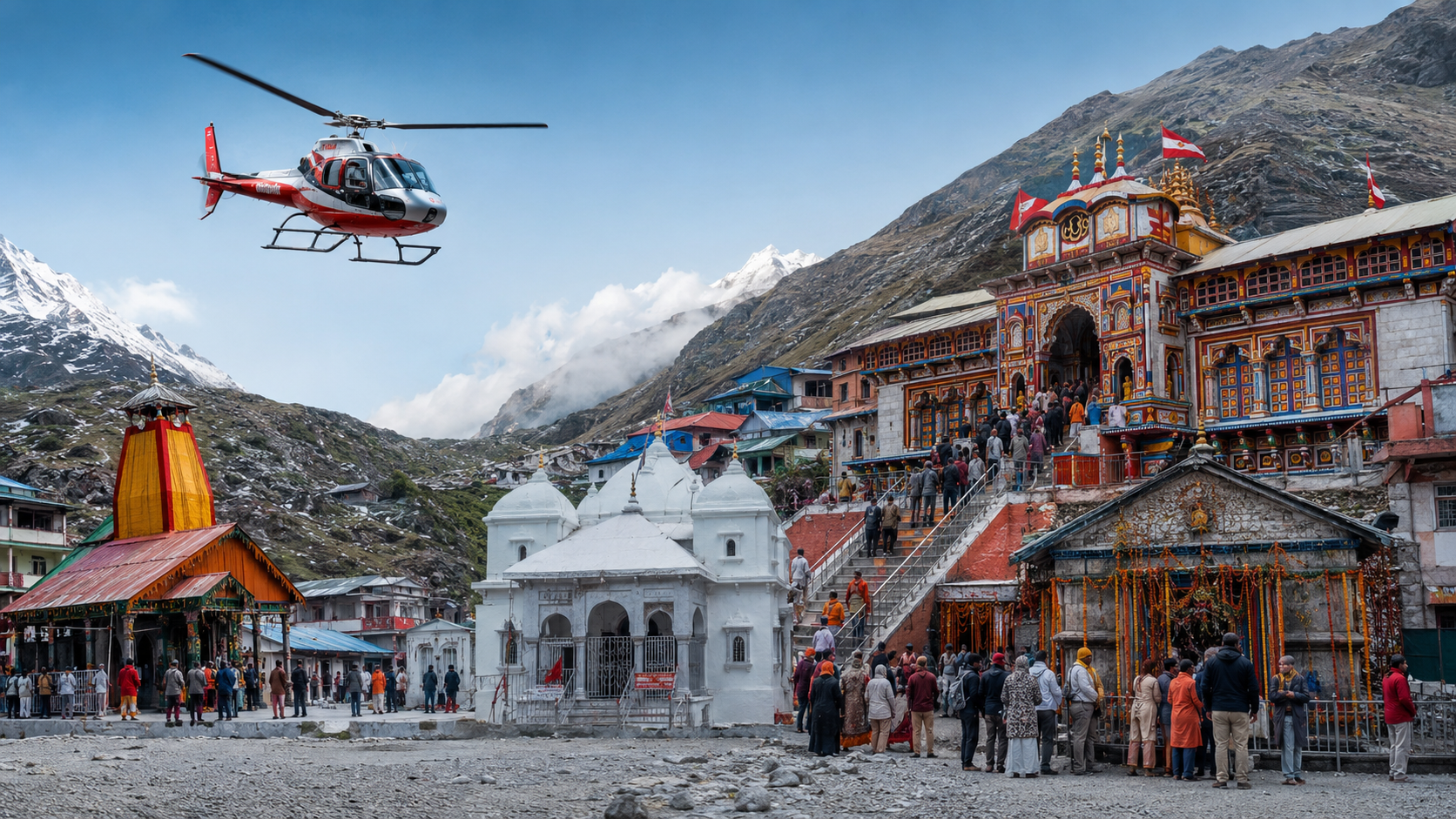
Depending on current government-approved arrangements, pony, palki and other authorised assistance services may be available. Helicopter services also operate from designated helipads during the yatra season, subject to weather, operational conditions and confirmed bookings.
Senior citizens or pilgrims with mobility or medical concerns should discuss the journey with their doctor before travelling. High altitude, cold temperatures and physical exertion can make the Kedarnath journey demanding.
Best Time to Travel on the Delhi to Kedarnath Route
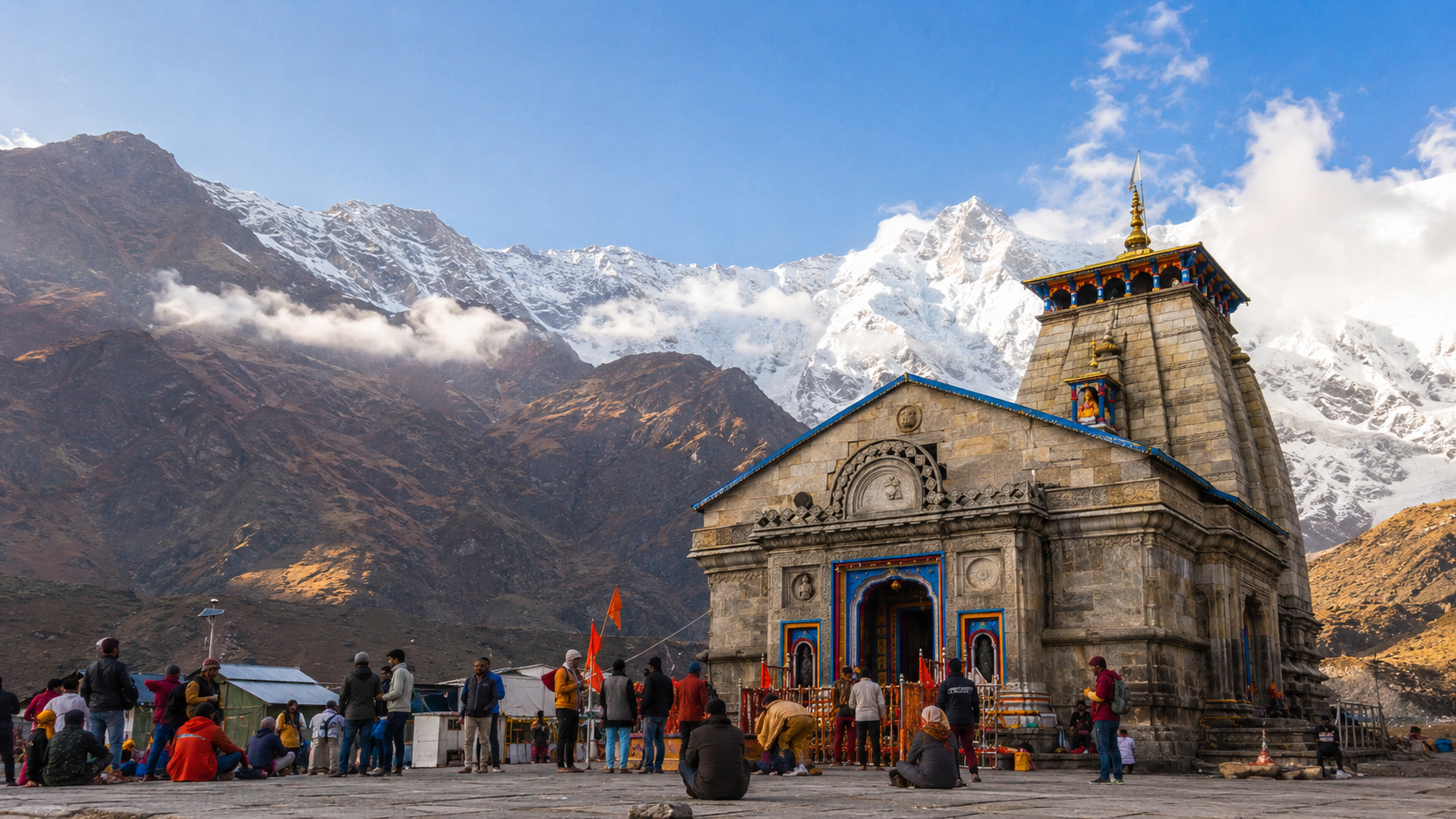
Kedarnath Temple is seasonal and remains accessible for pilgrimage only during the officially announced opening period. Many travellers prefer the pre-monsoon period after the temple opens and the post-monsoon period before winter closure.
Weather in the Himalayas can change quickly. Rain may affect road conditions during the monsoon, while temperatures become much colder later in the season. Even during comparatively pleasant months, pilgrims should carry warm clothing and rain protection.
Important Preparation Tips for Kedarnath Yatra
Good preparation is essential when following the Delhi to Kedarnath route. Registration requirements, local traffic rules and pilgrimage arrangements can change from one season to another, so verify the latest official information shortly before departure.
- Complete the required yatra registration before travelling.
- Carry valid photo identification and booking documents.
- Pack warm layers, rain protection and comfortable trekking shoes.
- Carry personal medicines and a basic first-aid kit.
- Keep sufficient cash because digital payment connectivity may be inconsistent in remote areas.
- Stay hydrated and take regular breaks during the trek.
- Do not overload your itinerary with unnecessary long-distance travel on the same day.
- Check weather and road updates before leaving your hotel each morning.
Suggested Delhi to Kedarnath Travel Plan
Instead of rushing, first-time travellers can divide the Delhi to Kedarnath route into manageable stages. A typical plan may involve travelling from Delhi to Haridwar or Rishikesh, continuing towards Guptkashi on the following day, and then starting early for Sonprayag, Gaurikund and the Kedarnath trek.
After darshan, travellers can either stay near Kedarnath if accommodation has been arranged or descend according to their itinerary, fitness and prevailing conditions. Keeping an additional buffer day is useful, especially when travelling with elderly family members or during periods of uncertain weather.
Frequently Asked Questions
What is the best Delhi to Kedarnath route by road?
The commonly used Delhi to Kedarnath route passes through Haridwar, Rishikesh, Devprayag, Srinagar, Rudraprayag, Guptkashi, Sonprayag and Gaurikund. From Gaurikund, pilgrims continue to Kedarnath on foot or through permitted pilgrimage services.
Can I drive directly from Delhi to Kedarnath Temple?
No. A private vehicle cannot reach Kedarnath Temple. Road travel ends in the Sonprayag-Gaurikund sector according to prevailing traffic arrangements, after which the mountain journey continues towards Kedarnath.
How much time should I keep for Delhi to Kedarnath?
Avoid calculating the journey only from the total Kedarnath distance. The hill drive and trek require adequate rest and buffer time. For most families, dividing the journey into multiple stages is more comfortable than attempting an extremely long continuous trip.
Is the Kedarnath trek suitable for senior citizens?
Many senior citizens undertake the yatra, but suitability depends on individual health and fitness. Anyone with existing medical concerns should obtain medical advice before travelling and consider authorised assistance or helicopter options where appropriate and available.
Which Kedarnath transport option is best for families?
A private taxi or organised tour vehicle is usually convenient for families because it provides flexibility for breaks and overnight stops. Train-plus-road travel is another practical choice for pilgrims who want to reduce continuous driving time.
Plan Your Delhi to Kedarnath Yatra with Trip to Yatra
The Delhi to Kedarnath route is a memorable Himalayan pilgrimage, but proper planning makes a major difference to the experience. From choosing suitable overnight halts and arranging Kedarnath transport to planning the Gaurikund route and trek, every stage should allow enough time for safety, rest and changing mountain conditions.
Trip to Yatra helps pilgrims plan Kedarnath journeys with practical itineraries, suitable transport, accommodation and pilgrimage-focused travel assistance. If you are planning your upcoming Kedarnath Yatra from Delhi, contact Trip to Yatra for a well-organised package designed around your group, travel dates and requirements.
Last updated: September 12, 2026