
Grishneshwar Temple
Grishneshwar Temple in Verul, Maharashtra, is revered as one of the twelve Jyotirlingas of Lord Shiva and lies close to the Ellora Caves. This practical guide covers darshan, temple timings, traditional etiquette, travel routes, the best season to visit, accommodation and nearby attractions for pilgrims planning a visit to this historic shrine.
Grishneshwar Temple: A Practical Pilgrimage Guide
Grishneshwar Temple is a historic Shiva temple in Verul, near the Ellora Caves in Chhatrapati Sambhajinagar district of Maharashtra. It is revered as the 12th and final Jyotirlinga in the traditional list of twelve Jyotirlinga shrines dedicated to Lord Shiva. Its location makes it especially convenient for travellers combining a pilgrimage with a visit to the UNESCO-listed Ellora Caves.
The temple is not a large urban shrine. It is a comparatively compact pilgrimage complex in a village setting, and the experience is shaped as much by the darshan customs and devotional atmosphere as by the architecture. For travellers, the main advantage is the ability to combine Grishneshwar Mahadev darshan with Ellora and other heritage attractions around the Chhatrapati Sambhajinagar region.
Spiritual Importance of Grishneshwar Jyotirlinga
Grishneshwar is traditionally recognised as one of the twelve Jyotirlingas of Lord Shiva and is commonly described as the 12th or final Jyotirlinga. Maharashtra Tourism also identifies it as the last of the twelve sacred Shiva shrines.
The shrine is associated with the story of a devotee named Ghushma or Kusuma. In the traditional account, her steadfast worship of Shiva continues even after a tragic incident involving her son. Shiva is said to have appeared before her and agreed to remain at the site as a Jyotirlinga. Different retellings vary in the names and details of the characters, so this account is best understood as a religious tradition rather than as independently verifiable historical fact.
For pilgrims following a Jyotirlinga Yatra, Grishneshwar has particular significance because it is regarded as the final shrine in the traditional twelve-Jyotirlinga sequence. Its proximity to Ellora also gives the pilgrimage a strong connection with the region's wider Shaiva heritage.
Grishneshwar Temple History and Architecture
The history of the present temple is closely connected with repeated rebuilding and restoration. Maharashtra Tourism records destruction of the earlier structure during the medieval period, followed by reconstruction associated with Maloji Bhosale in the 16th century and major restoration under Queen Ahilyabai Holkar in the 18th century.
It is worth distinguishing the history of the sacred site from the history of the surviving building. The religious tradition surrounding Grishneshwar is much older than the present architectural fabric, and the exact chronology of earlier structures is not fully documented. For that reason, travellers should be cautious about claims assigning a precise founding year to the temple.
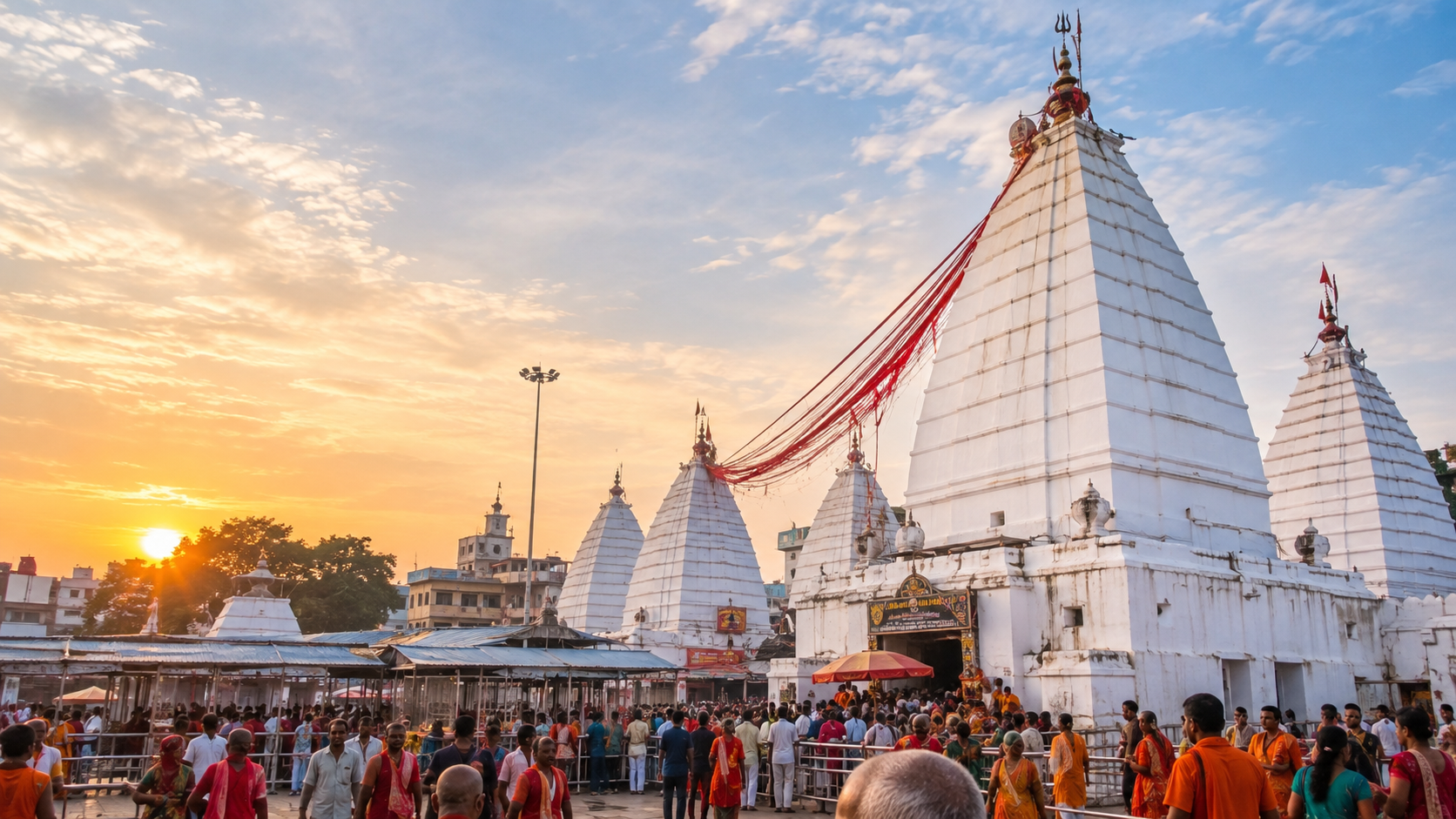
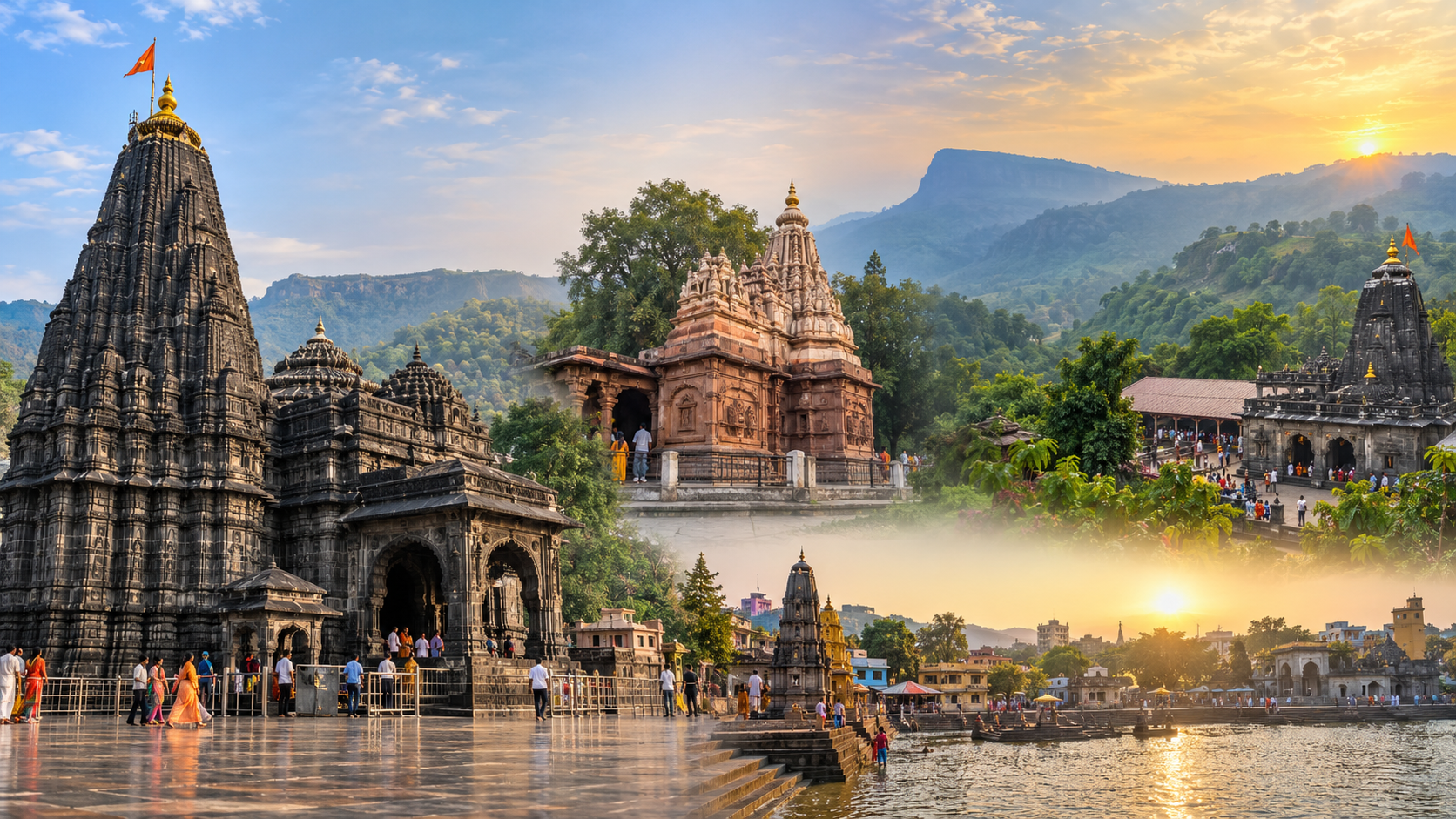
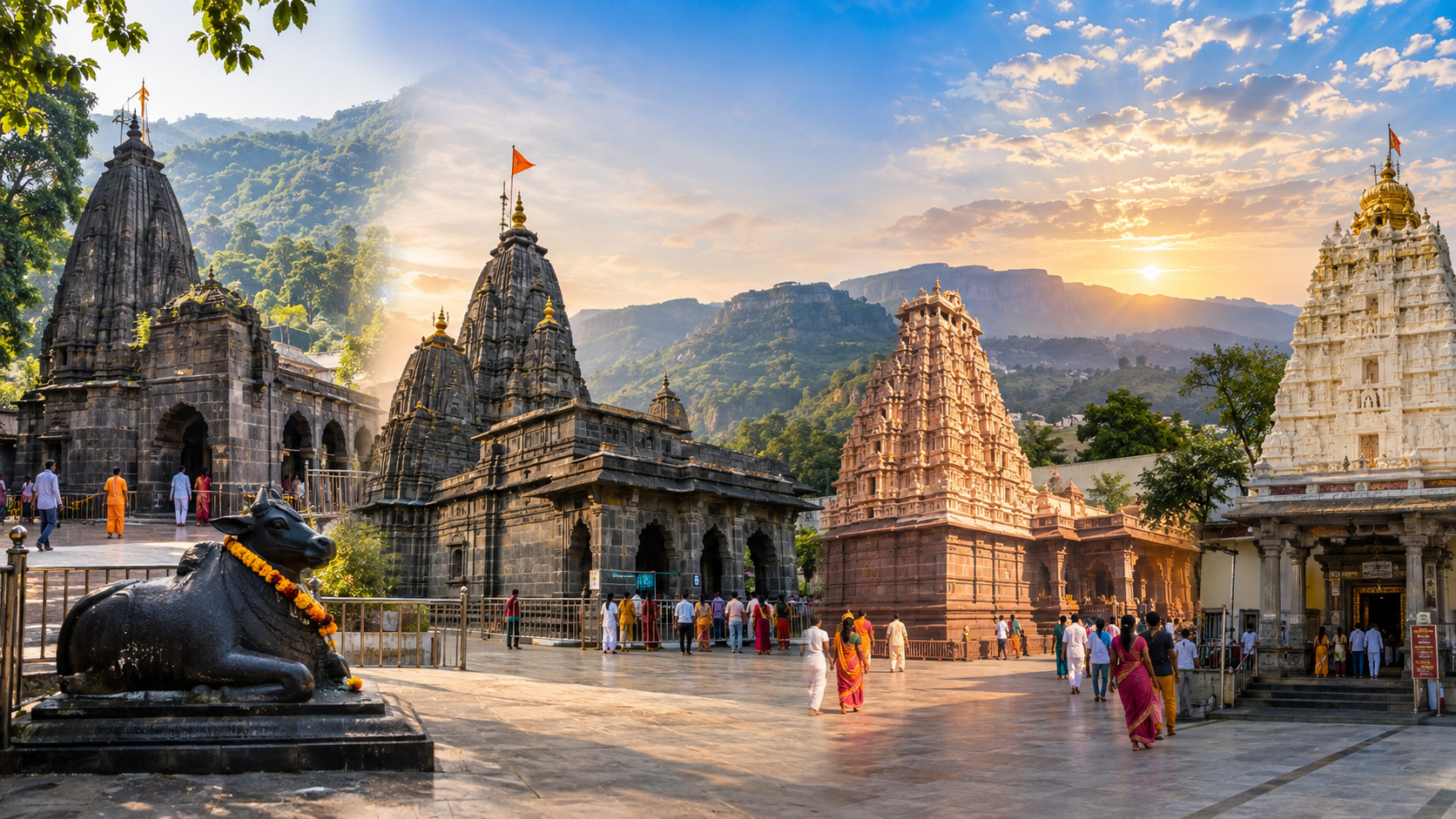
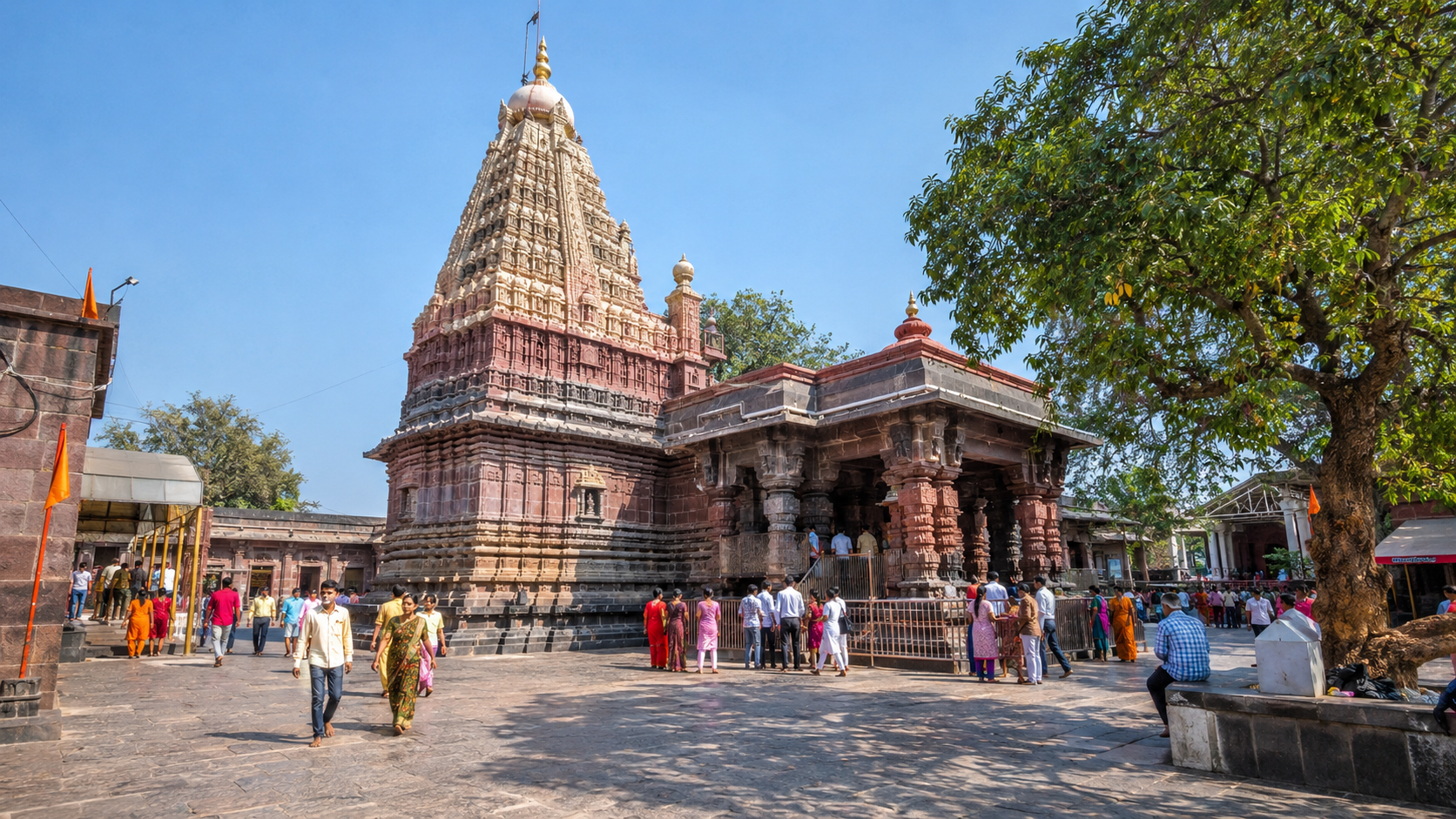
The visible temple is known for its carved stonework and five-tiered shikhara. Maharashtra Tourism describes the structure as an example of Hemadpanti architectural style, with a carved court hall supported by 24 pillars. The sanctum houses the Jyotirlinga and faces east.
The architecture is one reason the temple deserves more than a quick stop for darshan. Allow a little time to observe the stone carving, pillars and exterior details before leaving the complex.
Grishneshwar Temple Timings and Darshan
Current published visitor information places the regular temple opening hours at approximately 5:30 AM to 9:30 PM. However, timings associated with aarti, abhishek, Shravan, Mahashivratri and other special occasions can vary.
Because religious schedules can change on festival days or during special observances, pilgrims planning around a particular puja or aarti should confirm the day's schedule locally before travelling.
A practical approach is:
- Reach early in the morning if you prefer cooler weather and a more manageable pilgrimage schedule.
- Keep additional time if visiting on a Monday, during Shravan or around Mahashivratri.
- Do not assume that a published aarti time guarantees immediate darshan access at that exact time.
- If you are travelling with elderly family members or on a tight itinerary, avoid building the rest of the day's sightseeing around an unconfirmed ritual schedule.
General darshan is commonly reported as free, while specific puja or abhishek arrangements may follow separate procedures. Information from private service providers should not be treated as an official temple booking confirmation; verify any paid ritual arrangement directly with the temple authorities before making payment.
Grishneshwar Temple Darshan: Dress and Temple Etiquette
One of the most important things for first-time visitors to know concerns entry into the inner sanctum. Men entering the sanctum are traditionally required to remove their upper garments. Recent visitor accounts and multiple current travel references continue to report this practice.
For a smoother visit:
- Men planning sanctum entry should carry a clean dhoti or suitable traditional lower garment and be prepared to remove their shirt and vest.
- Women should choose modest, comfortable clothing appropriate for a place of worship.
- Follow instructions given by temple staff on the day of your visit.
- Keep footwear and personal belongings as directed by temple authorities.
- Avoid assuming that rules followed during a previous visit will remain unchanged during festivals or special events.
- Photography restrictions may apply in sensitive areas of the temple, particularly around the sanctum.
The dress requirement is particularly relevant for travellers arriving directly from a sightseeing itinerary. If Grishneshwar is part of an Ellora day trip, carry suitable clothing rather than relying on what you are already wearing.
Best Time to Visit Grishneshwar Temple
For a pilgrimage combined with sightseeing, October to March is generally the most comfortable period. Maharashtra Tourism recommends this season for Grishneshwar, while its wider guidance for Chhatrapati Sambhajinagar also identifies October to March as the preferred period for travel.
Each season has a different practical advantage:
October to March: The most comfortable period for combining temple darshan with Ellora, Daulatabad and other outdoor sightseeing.
April to May: Hot conditions can make daytime sightseeing tiring. If travelling during these months, schedule the temple and outdoor attractions early in the day.
June to September: The monsoon brings greener surroundings, but rain can make outdoor heritage visits less convenient. Allow flexibility in your itinerary.
Shravan and Mahashivratri: These periods are spiritually important but can also bring substantially heavier crowds. Travellers visiting primarily for a quiet darshan should plan accordingly rather than assuming festival days will be the easiest time to visit.
How to Reach Grishneshwar Temple
Grishneshwar is easiest to visit as part of a road itinerary from Chhatrapati Sambhajinagar.
From Chhatrapati Sambhajinagar
Maharashtra Tourism lists Aurangabad, now officially Chhatrapati Sambhajinagar, as the nearest major transport base. Its current Grishneshwar information gives approximately 40 km for the airport connection, while its Jyotirlinga travel material gives about 31 km by road from the city. These figures can differ according to the starting point and route used.
By road, travellers can use a taxi, private car or available bus services towards Verul and Ellora. For a family pilgrimage, a private cab is generally the more convenient option because it allows you to combine Grishneshwar with Ellora and other nearby attractions without changing vehicles.
By Air
Chhatrapati Sambhajinagar Airport is the nearest airport generally used for the temple. Maharashtra Tourism places it at roughly 36–40 km from the Grishneshwar area, depending on the reference point.
From the airport, arrange a taxi or continue into the city and use local transport for the onward journey.
By Train
Chhatrapati Sambhajinagar/Aurangabad railway station is the principal rail option for travellers visiting Grishneshwar. Maharashtra Tourism's Jyotirlinga material lists the railway connection at about 29 km from the temple.
From the station, a taxi or local road transport is the practical final connection.
By Road
Road travel is particularly useful for this pilgrimage because Grishneshwar is close to Ellora. State transport buses and private taxis operate from the Chhatrapati Sambhajinagar side, while private vehicles offer greater flexibility for a combined temple-and-heritage itinerary.
Local Transport Around Grishneshwar
Once you reach Verul, the temple and Ellora area are best explored by local taxi, auto-rickshaw or a private vehicle, depending on availability.
If Grishneshwar is your only destination, you do not need a complicated local transport plan. If you intend to cover Ellora Caves, Daulatabad Fort and other attractions on the same day, booking a vehicle for the full itinerary is more practical than arranging separate rides at each stop.
Keep some flexibility for traffic, queues and temple schedules, particularly during Mondays, Shravan and major Shiva festivals.
Nearby Places to Visit
The strongest reason to plan Grishneshwar as part of a wider trip is the concentration of important attractions nearby.
Ellora Caves
Ellora is the natural companion to a Grishneshwar pilgrimage. The UNESCO World Heritage Site contains Buddhist, Hindu and Jain rock-cut monuments, including the celebrated Kailasa Temple. Maharashtra Tourism places Ellora around 30 km from Chhatrapati Sambhajinagar and specifically highlights Grishneshwar as a nearby attraction.
Plan enough time for the caves rather than treating them as a brief photo stop. The site involves walking and uneven surfaces in places, so comfortable footwear is advisable.
Daulatabad Fort
Daulatabad, also known as Devgiri, is another major heritage stop in the region. Its proximity to Ellora makes it practical to include on a road-based itinerary from Chhatrapati Sambhajinagar. Maharashtra Tourism identifies both Daulatabad Fort and Grishneshwar among the area's important attractions.
The fort involves considerable walking and climbing, so travellers with mobility limitations should assess the visit according to their comfort and available time.
Bibi Ka Maqbara
Bibi Ka Maqbara in Chhatrapati Sambhajinagar is a useful addition if you have extra time in the city. It provides a contrast to the religious and rock-cut heritage of the Grishneshwar-Ellora circuit and can be incorporated into a broader city sightseeing plan.
Ajanta Caves
Ajanta is another major heritage attraction associated with the Chhatrapati Sambhajinagar region, but it is better treated as a separate excursion rather than squeezed into the same short Grishneshwar-Ellora day. Maharashtra Tourism lists Ajanta and Ellora among the district's principal attractions.
Stay Options for a Grishneshwar Pilgrimage
For most travellers, Chhatrapati Sambhajinagar is the practical base for a Grishneshwar pilgrimage because it offers a wider choice of hotels, restaurants and transport connections.
Staying closer to Ellora can make sense if your priority is an early temple visit followed by Ellora Caves. For families or senior travellers, however, a comfortable hotel in the city with a pre-arranged vehicle may be easier than changing accommodation simply to reduce the morning drive.
When selecting accommodation, consider:
- Distance from the temple and Ellora rather than city-centre distance alone.
- Early breakfast availability if you plan morning darshan.
- Parking if travelling by private vehicle.
- Easy vehicle access for elderly family members.
- A flexible checkout or luggage arrangement if you are continuing to another destination.
Do not rely on a hotel's listing to confirm temple timings or darshan rules. Those details can change independently of hotel information.
Accessibility and Planning for Senior Travellers
A temple pilgrimage can involve queues, footwear removal, crowded passages and periods of standing. The exact access arrangements can vary with crowd levels and temple operations.
Senior travellers should consider an early visit, when temperatures are generally more comfortable, and avoid scheduling a long heritage walk immediately before or after darshan. Ellora and Daulatabad can require considerably more walking than the temple visit itself.
If anyone in your group uses a wheelchair, walking aid or requires assistance, check the current access arrangements with the temple and the local transport provider before the journey. Do not assume that general road accessibility means every part of the temple or sanctum will be step-free.
A Simple Grishneshwar Day Plan
For travellers staying in Chhatrapati Sambhajinagar, a practical sequence is:
- Leave early for Verul and reach Grishneshwar before the day's heat builds.
- Complete darshan and allow time for the temple architecture and surroundings.
- Continue to Ellora Caves and spend sufficient time exploring the complex.
- Add Daulatabad Fort if your group is comfortable with additional walking and the day's schedule allows.
- Return to Chhatrapati Sambhajinagar for the night.
On festival days or during heavy pilgrimage periods, reverse-engineering the itinerary from a fixed sightseeing schedule can be risky. Give the temple visit priority and keep the later attractions flexible.
Practical Tips Before You Visit
- Check the latest temple timings before leaving for the day.
- Confirm special aarti or puja arrangements directly if they are important to your visit.
- Carry appropriate traditional clothing if sanctum entry is part of your plan.
- Start early during hot months.
- Expect more people during Mondays, Shravan and Mahashivratri.
- Wear comfortable footwear for the wider Ellora and heritage circuit.
- Keep water with you for the road journey and sightseeing portions of the trip.
- Allow extra time for queues rather than planning a tightly timed itinerary.
- If travelling with children or senior citizens, build rest stops into the day.
- Treat information from private puja or travel facilitators as separate from official temple information and verify arrangements before payment.
Plan Your Grishneshwar Pilgrimage
A visit to Grishneshwar works particularly well when planned as a balanced pilgrimage and heritage journey. The temple provides the central spiritual purpose, while nearby Ellora, Daulatabad and Chhatrapati Sambhajinagar add historical and cultural depth to the trip.
For travellers visiting the 12th Jyotirlinga, practical preparation matters: check the latest Grishneshwar Temple timings, understand the darshan and dress requirements, choose a suitable travel base and leave enough flexibility for queues and local conditions.
If you are planning a Grishneshwar Temple pilgrimage and would like help organising the route, transport, stay and nearby sightseeing around your preferred travel dates, Trip to Yatra can help you plan the journey around your group's needs and schedule.