Journey Start
KathmanduStart
Email Anytime
contact@triptoyatra.in
Call Anytime
Email Anytime
Call Anytime
46 packages available
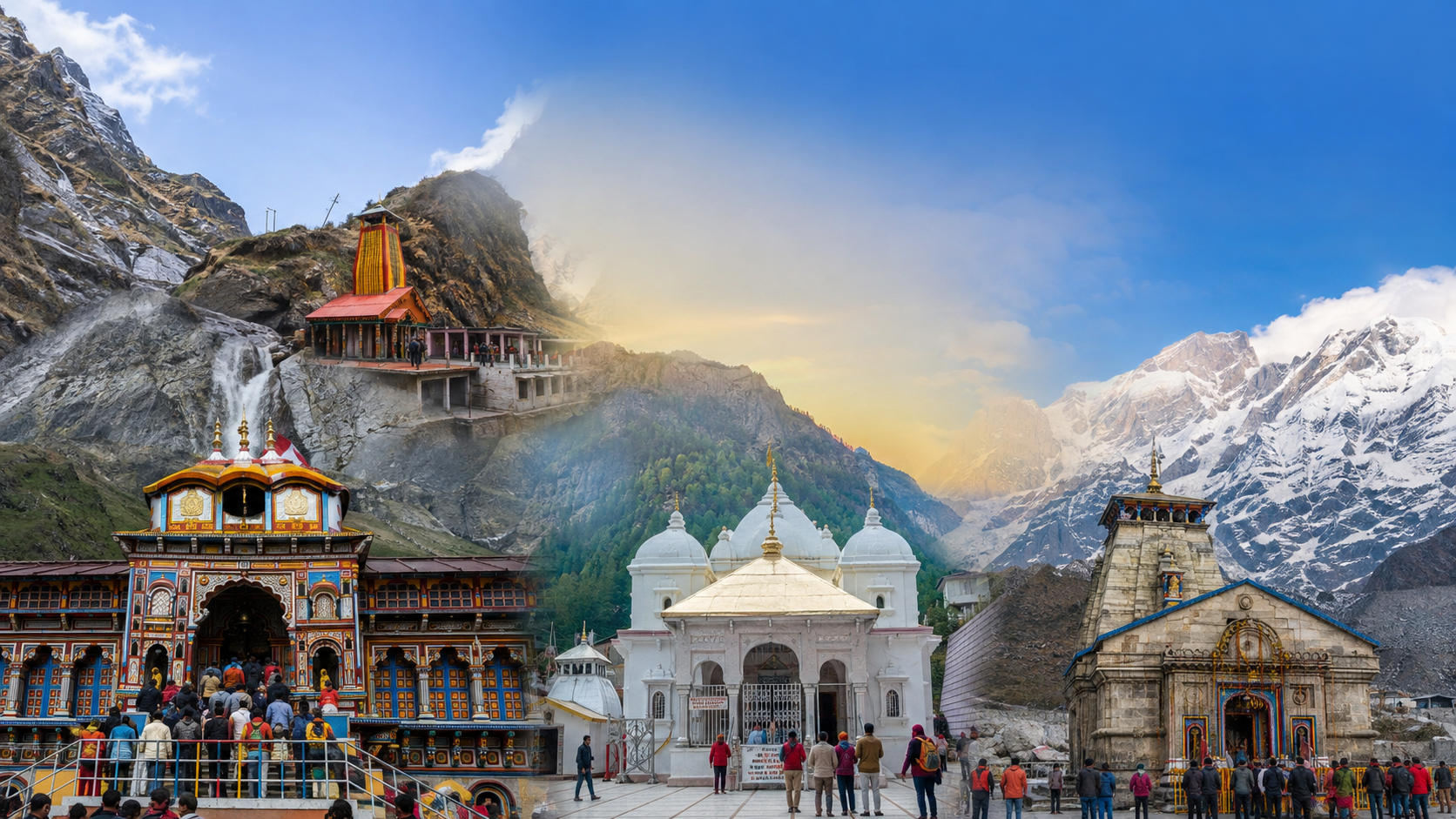
Plan a meaningful pilgrimage to Uttarakhand’s four sacred Himalayan shrines with this 12 Days / 11 Nights Chardham Yatra package from Delhi. The Delhi-to-Delhi journey brings together Yamunotri, Gangotri, Kedarnath and Badrinath, with time in important gateway destinations such as Haridwar and Rishikesh. Designed for travellers who want a structured Char Dham pilgrimage without having to coordinate every travel detail themselves, the package combines spiritual visits with the distinctive mountain landscapes of Uttarakhand. As the shrines are seasonal and high-altitude destinations, travel dates, registration requirements and access conditions should be checked before booking. Enquire with Tr
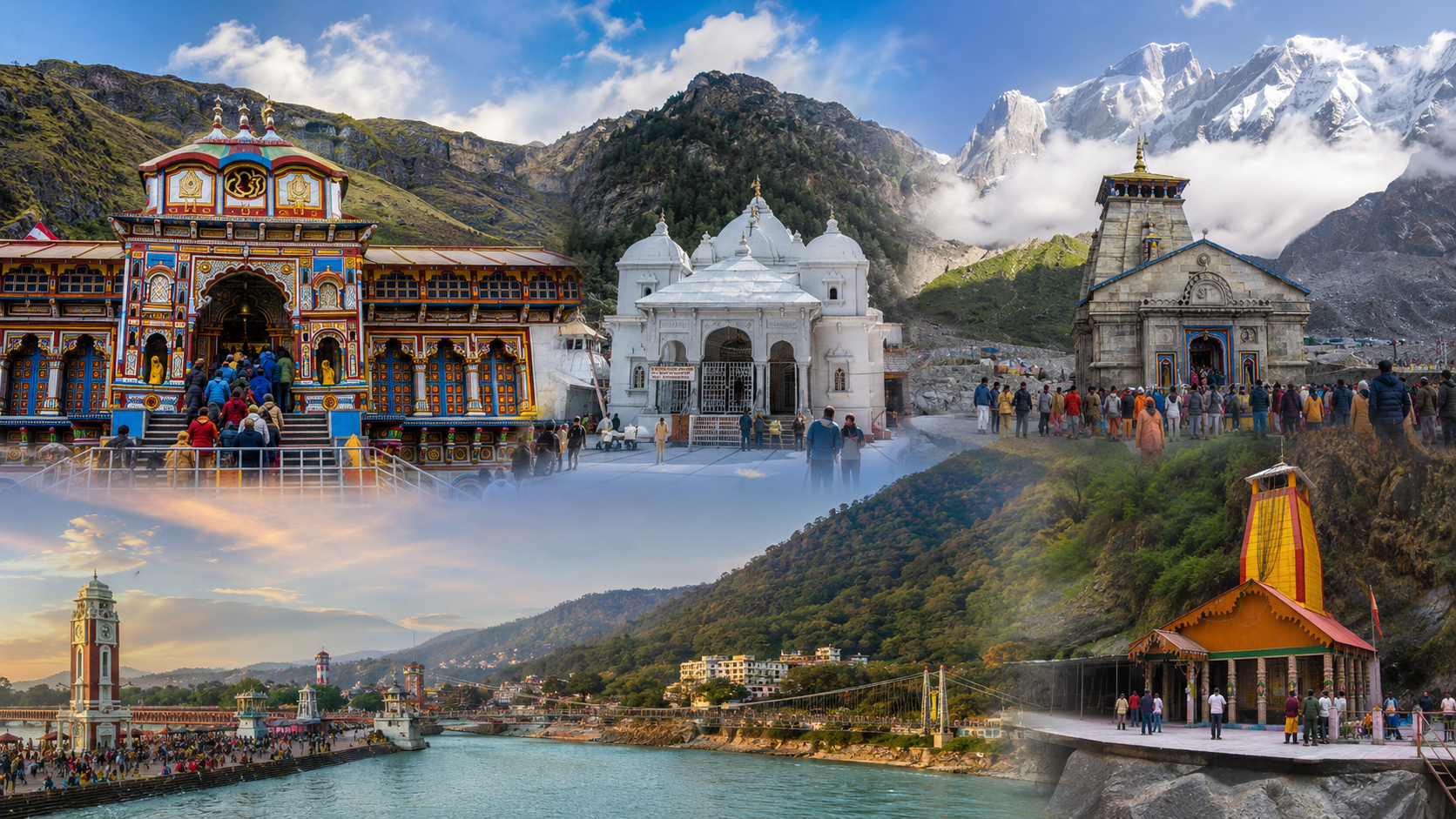
Plan your sacred Himalayan journey with our Chardham Yatra package from Haridwar, designed for travellers wishing to visit Yamunotri, Gangotri, Kedarnath and Badrinath in one organised pilgrimage. This 10 Days / 9 Nights journey starts and concludes in Haridwar and follows the traditional Char Dham sequence through Uttarakhand. Along with the four principal shrines, the journey brings you through the spiritual landscape of the Garhwal Himalayas, with Rishikesh associated with the overall travel region. As mountain conditions, temple opening dates, registrations and access arrangements can change, final 2027 operational details should be verified before departure.
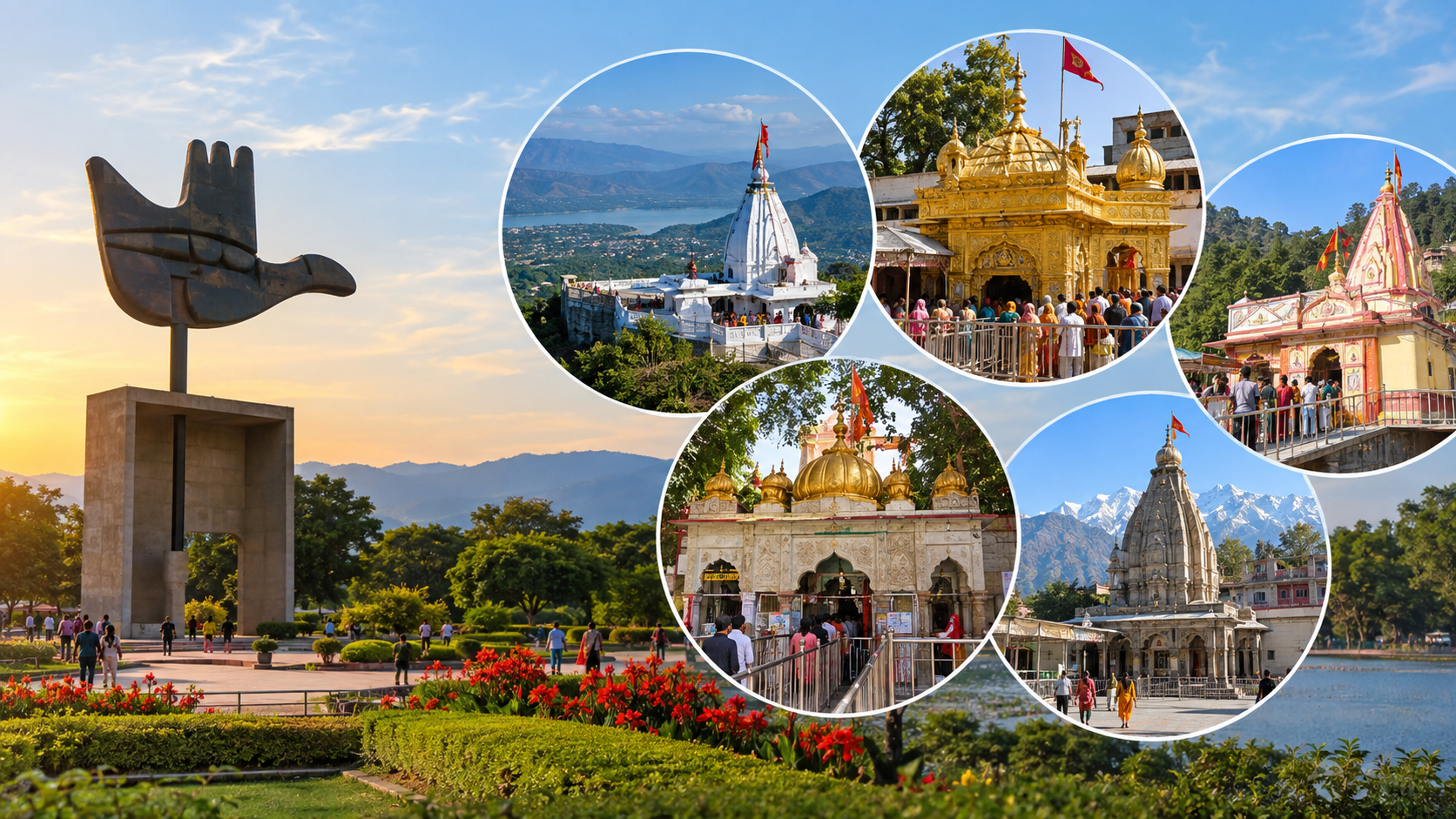
Himachal 5 Devi Darshan from Chandigarh. Package details, itinerary and pricing can be completed in the CRM.
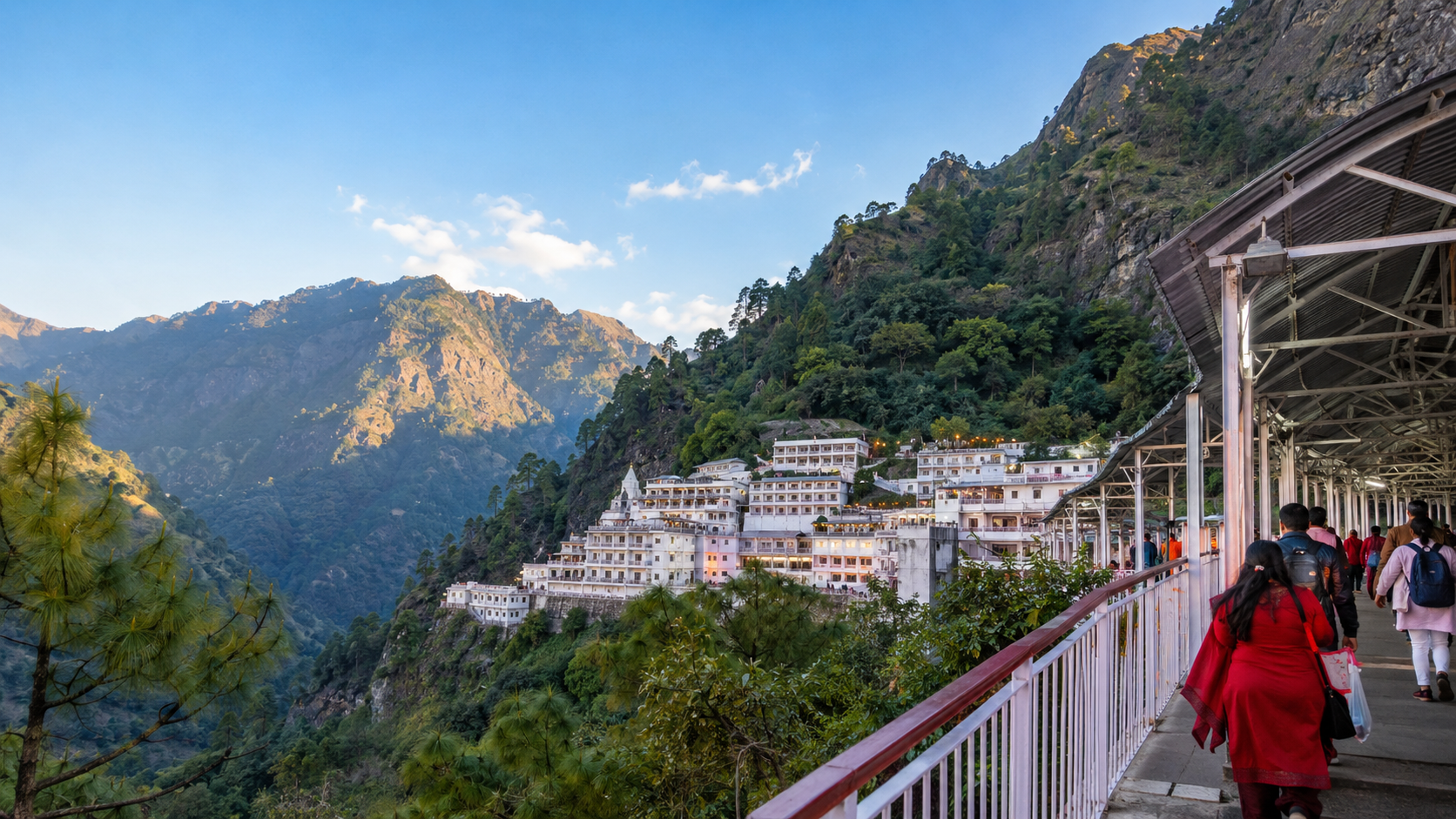
Vaishno Devi Yatra from Katra. Package details, itinerary and pricing can be completed in the CRM.
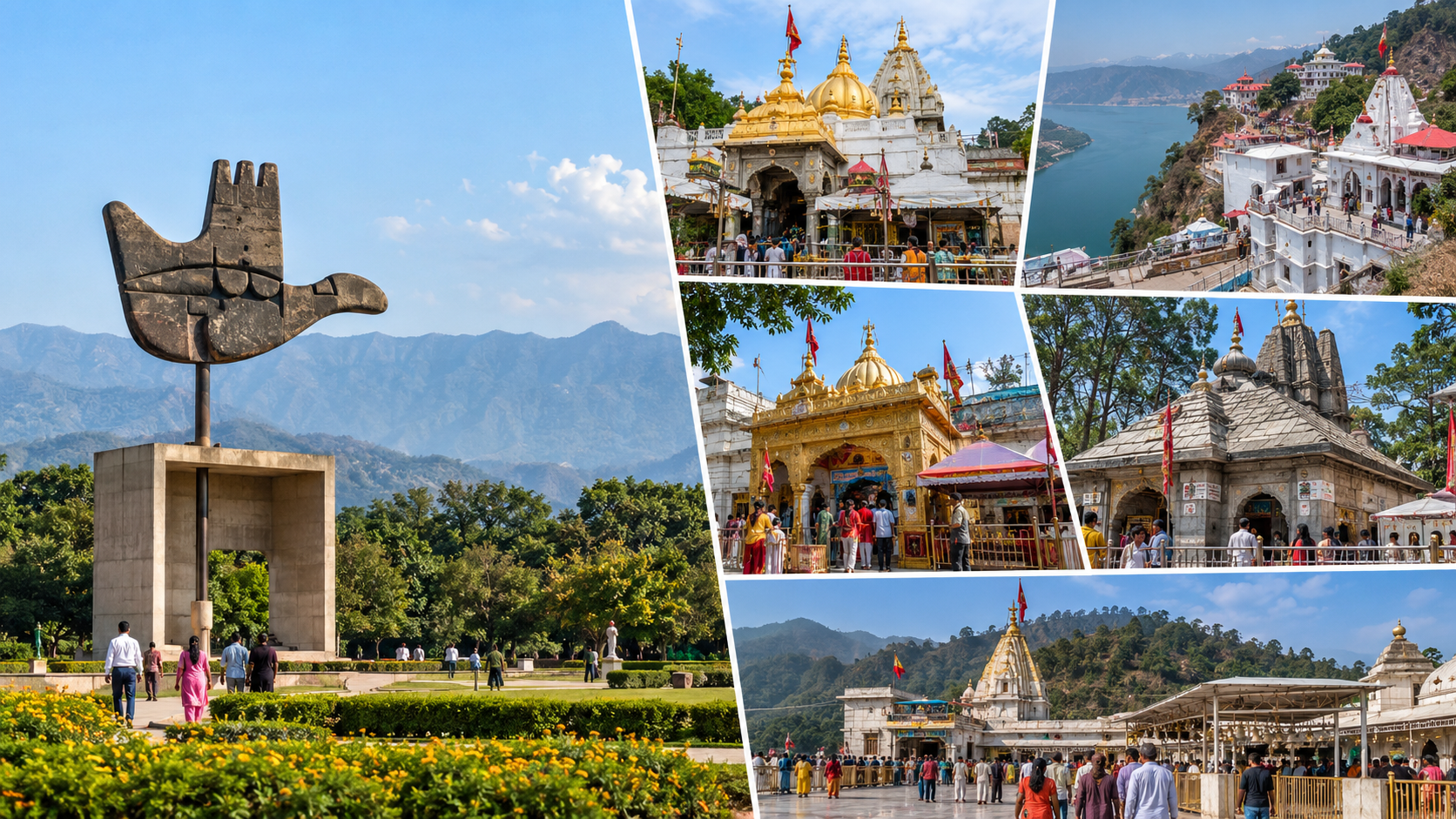
9 Devi Yatra from Chandigarh. Package details, itinerary and pricing can be completed in the CRM.
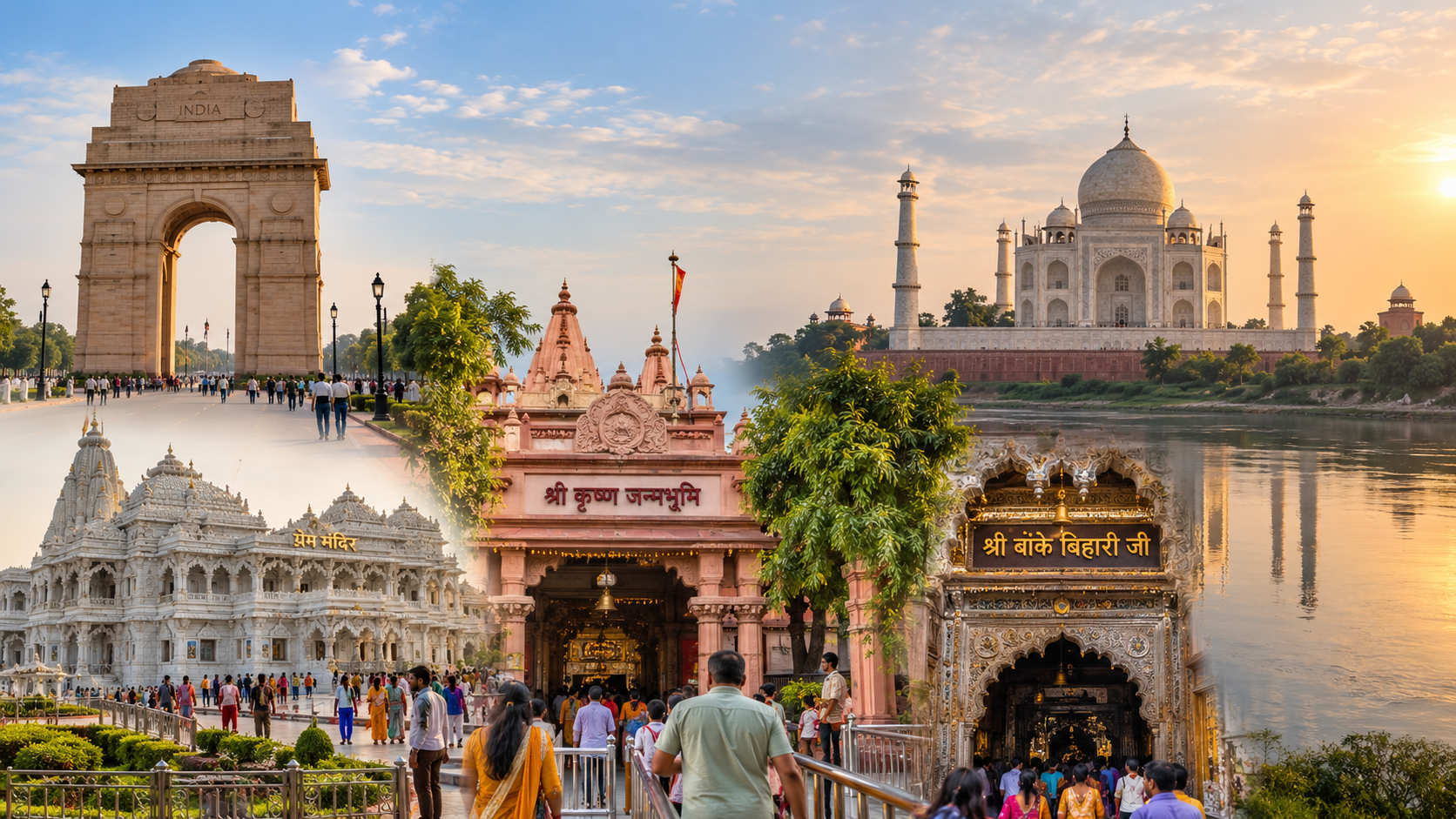
Agra Mathura Vrindavan Tour from Delhi. Package details, itinerary and pricing can be completed in the CRM.
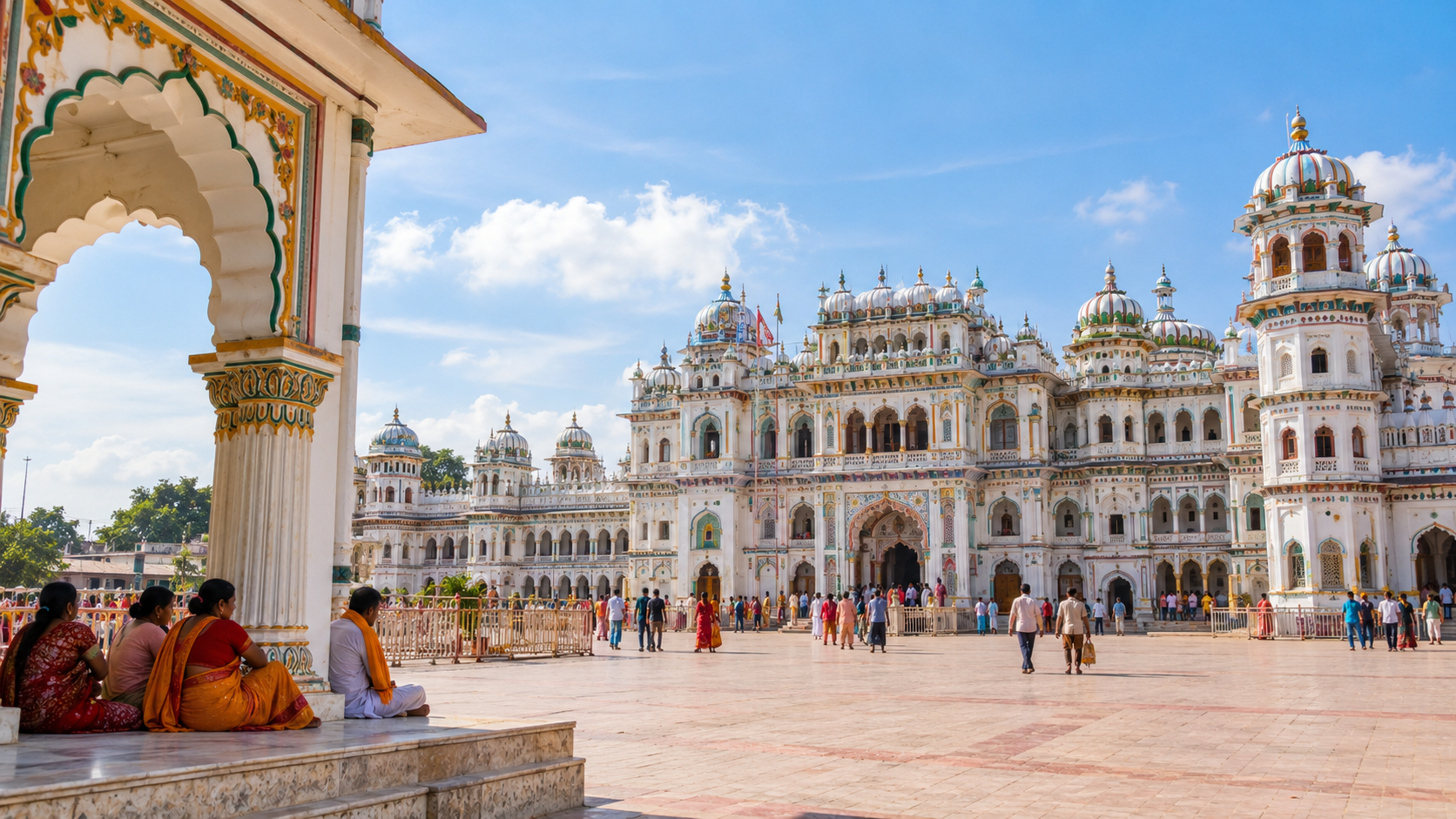
Sitamarhi Janakpur Tour from Darbhanga. Package details, itinerary and pricing can be completed in the CRM.
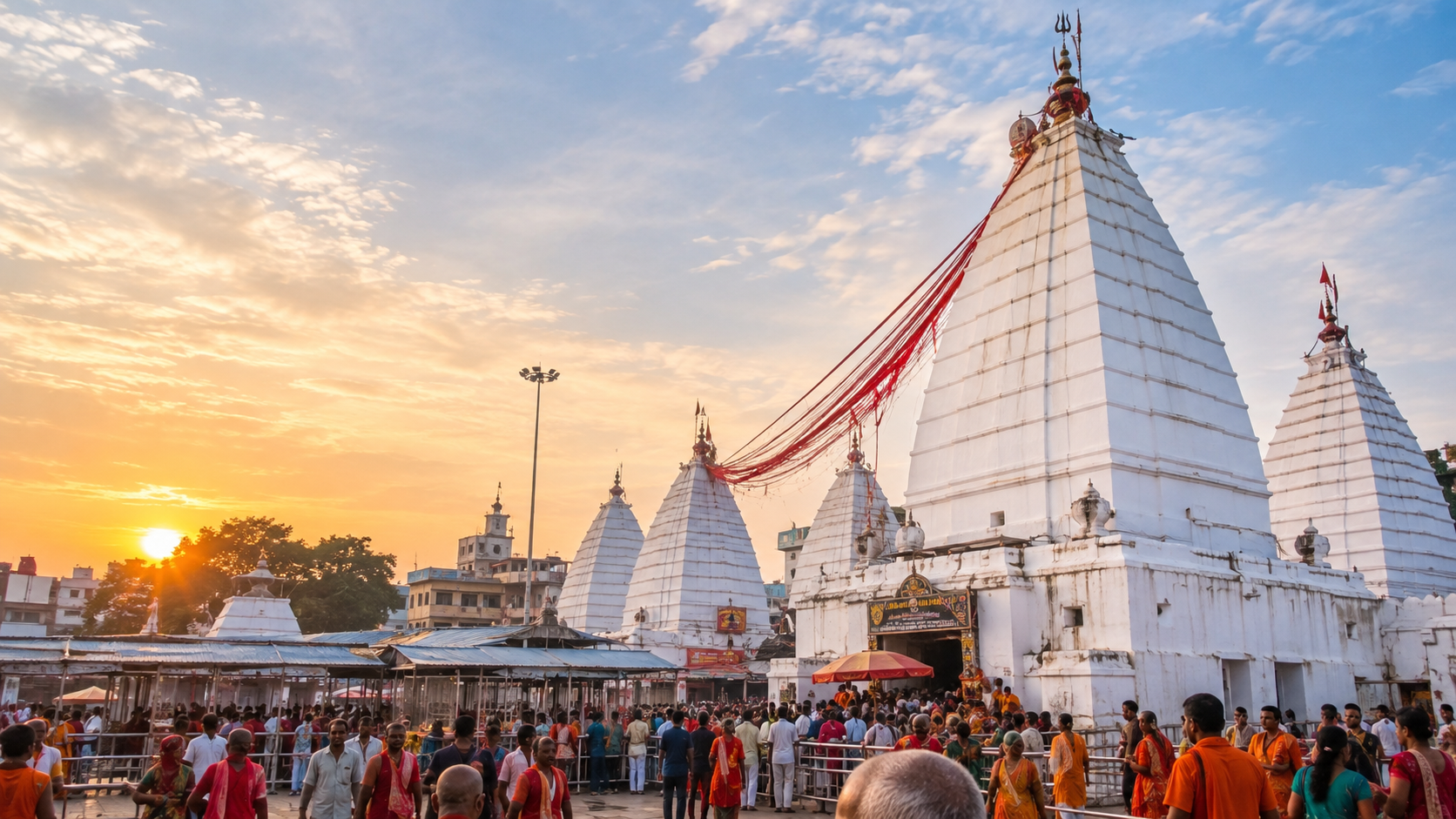
Deoghar Basukinath Tour from Deoghar. Package details, itinerary and pricing can be completed in the CRM.
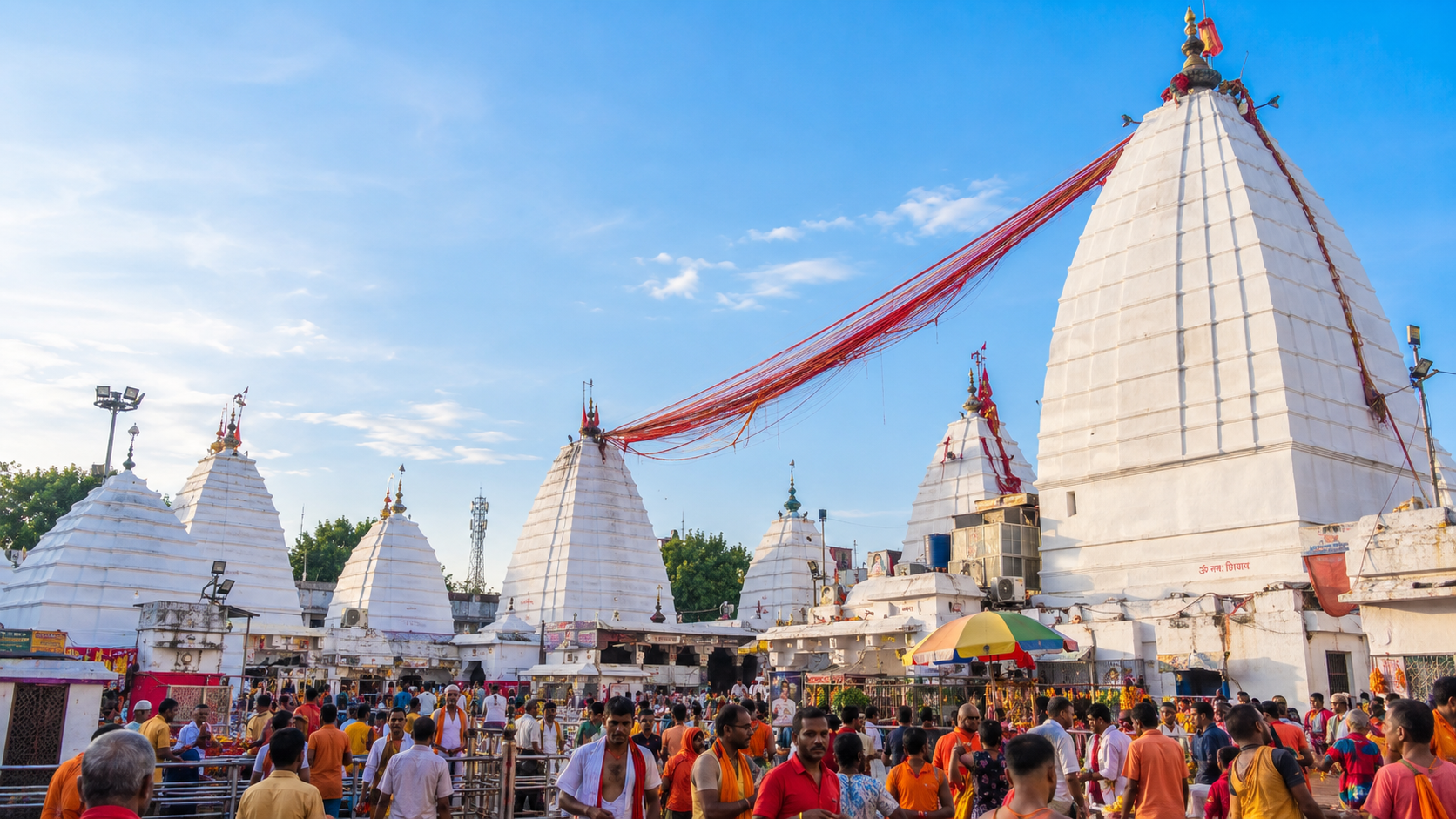
Deoghar Baba Dham Tour from Deoghar. Package details, itinerary and pricing can be completed in the CRM.
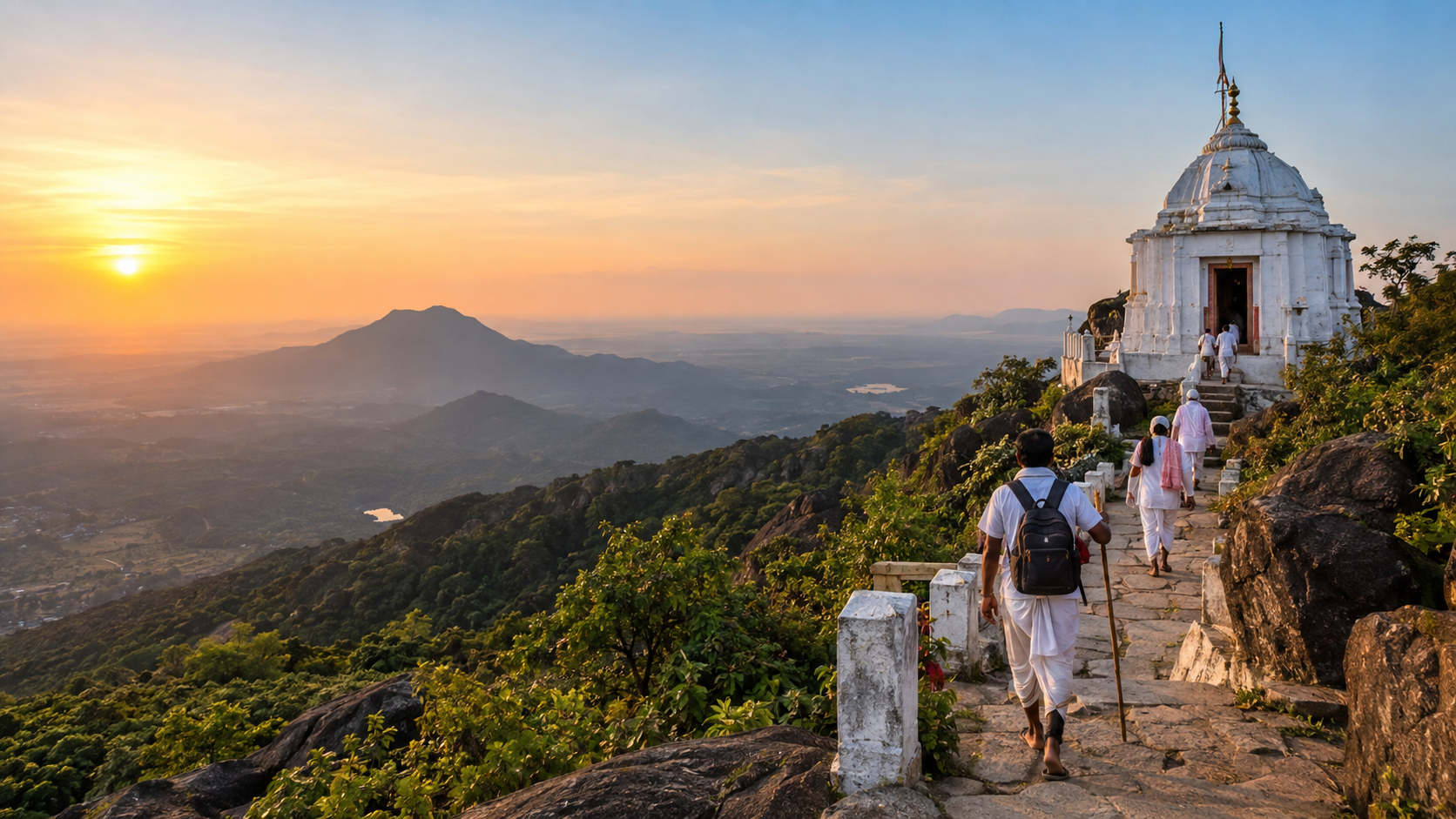
Shikharji Tour from Ranchi. Package details, itinerary and pricing can be completed in the CRM.
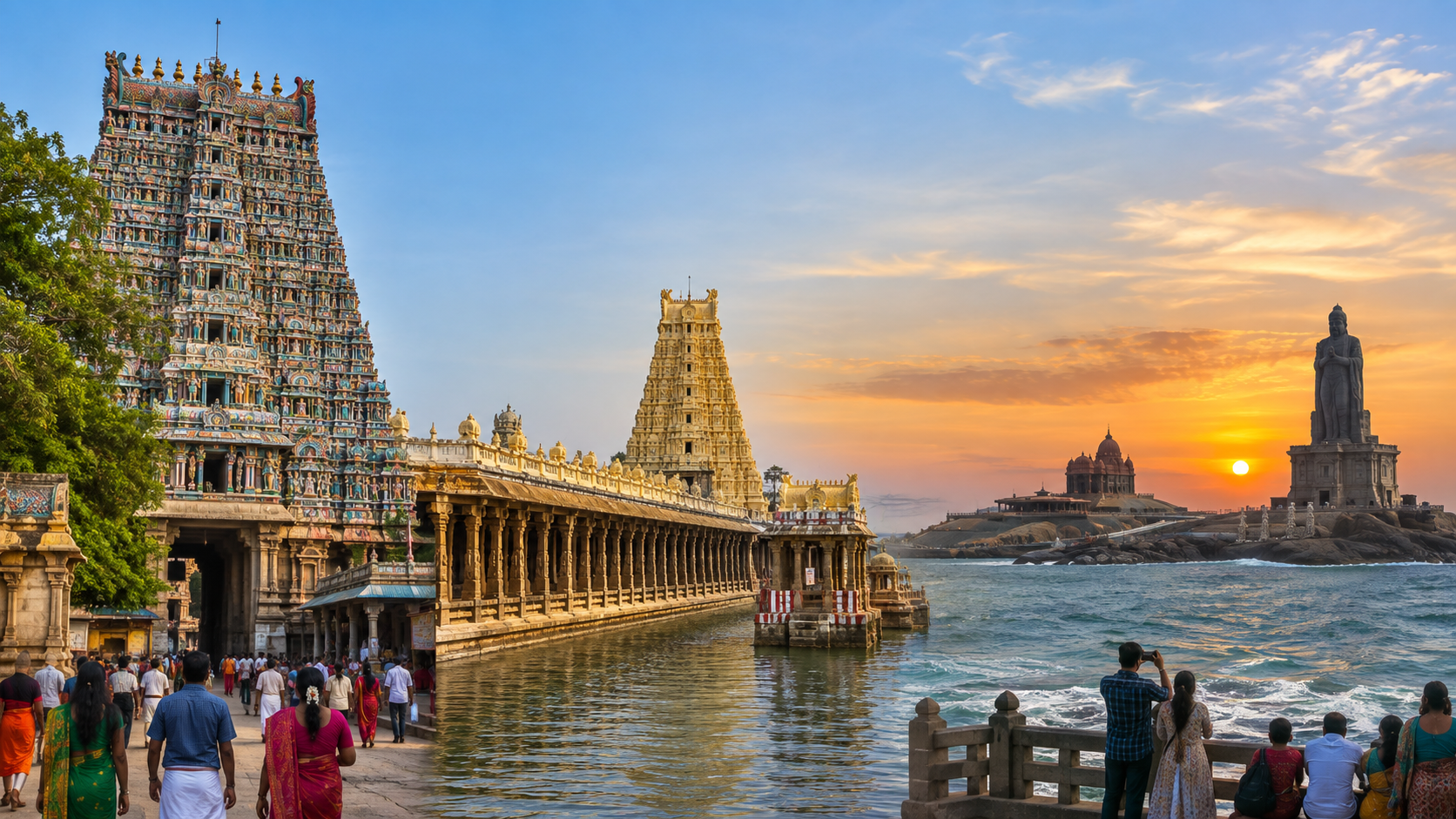
Madurai Rameswaram Kanyakumari Tour from Madurai. Package details, itinerary and pricing can be completed in the CRM.
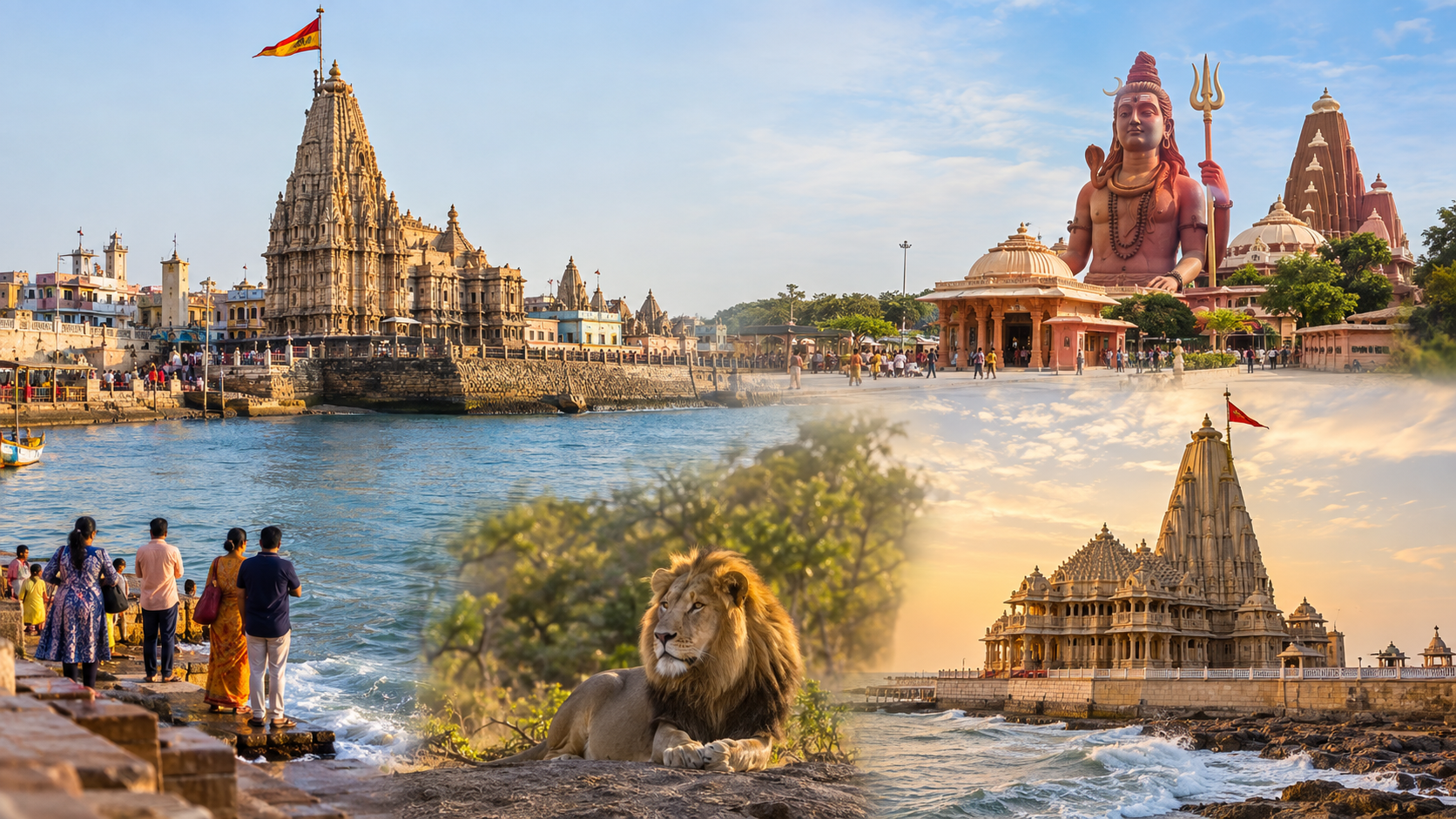
Dwarka Somnath Nageshwar Gir Tour from Rajkot. Package details, itinerary and pricing can be completed in the CRM.
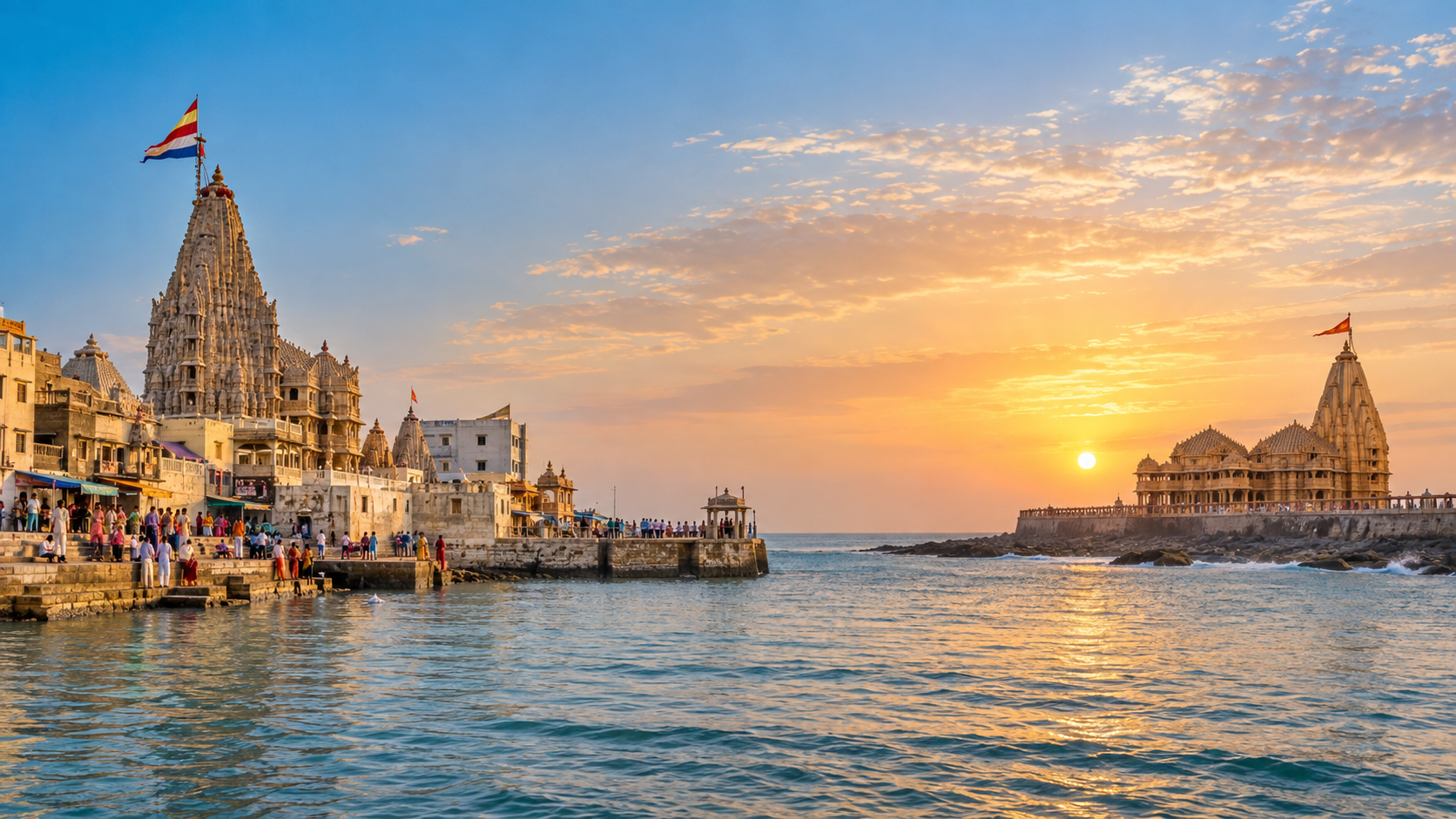
Dwarka Somnath Tour from Rajkot. Package details, itinerary and pricing can be completed in the CRM.
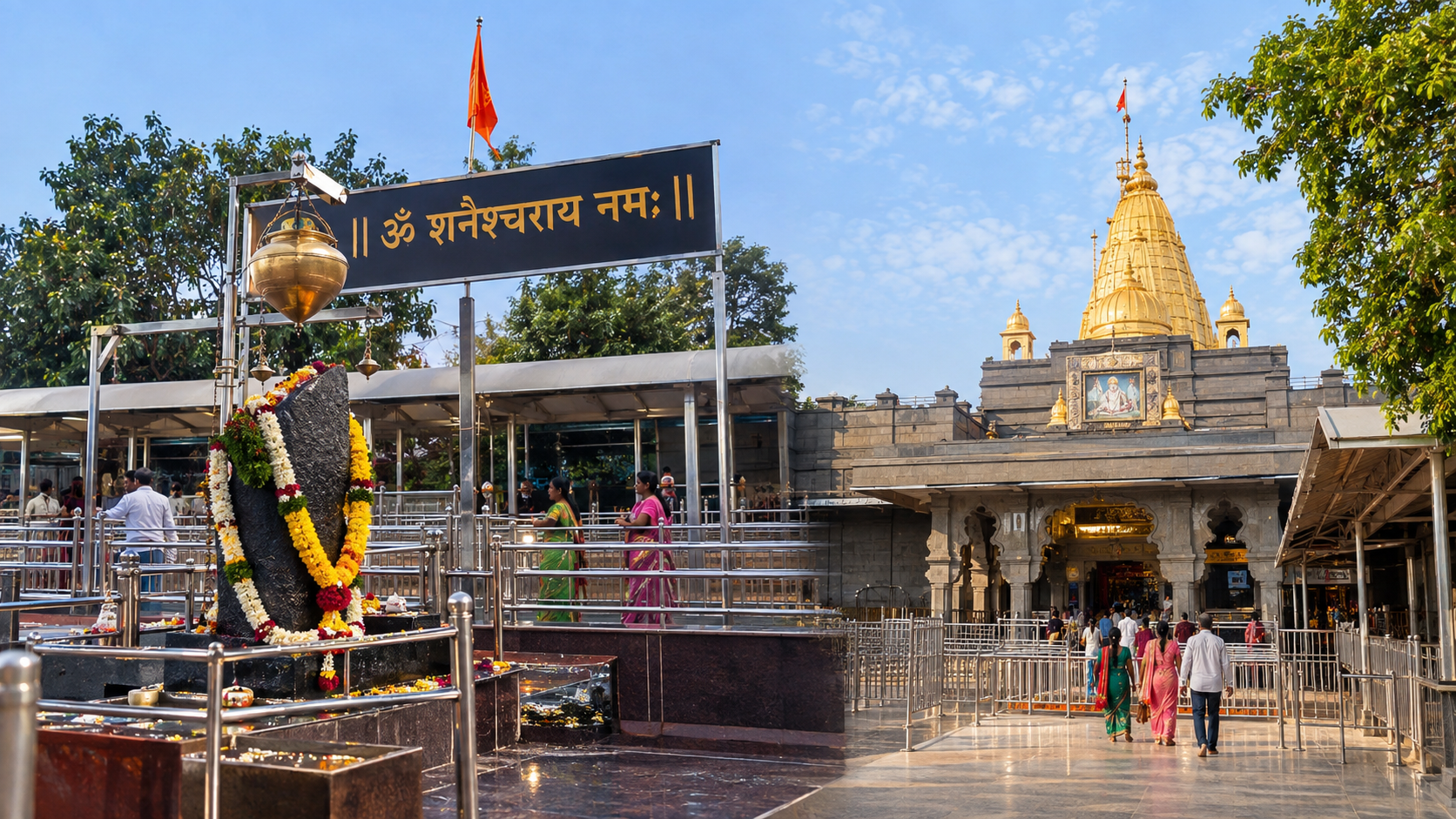
Shirdi Shani Shingnapur Tour from Shirdi. Package details, itinerary and pricing can be completed in the CRM.
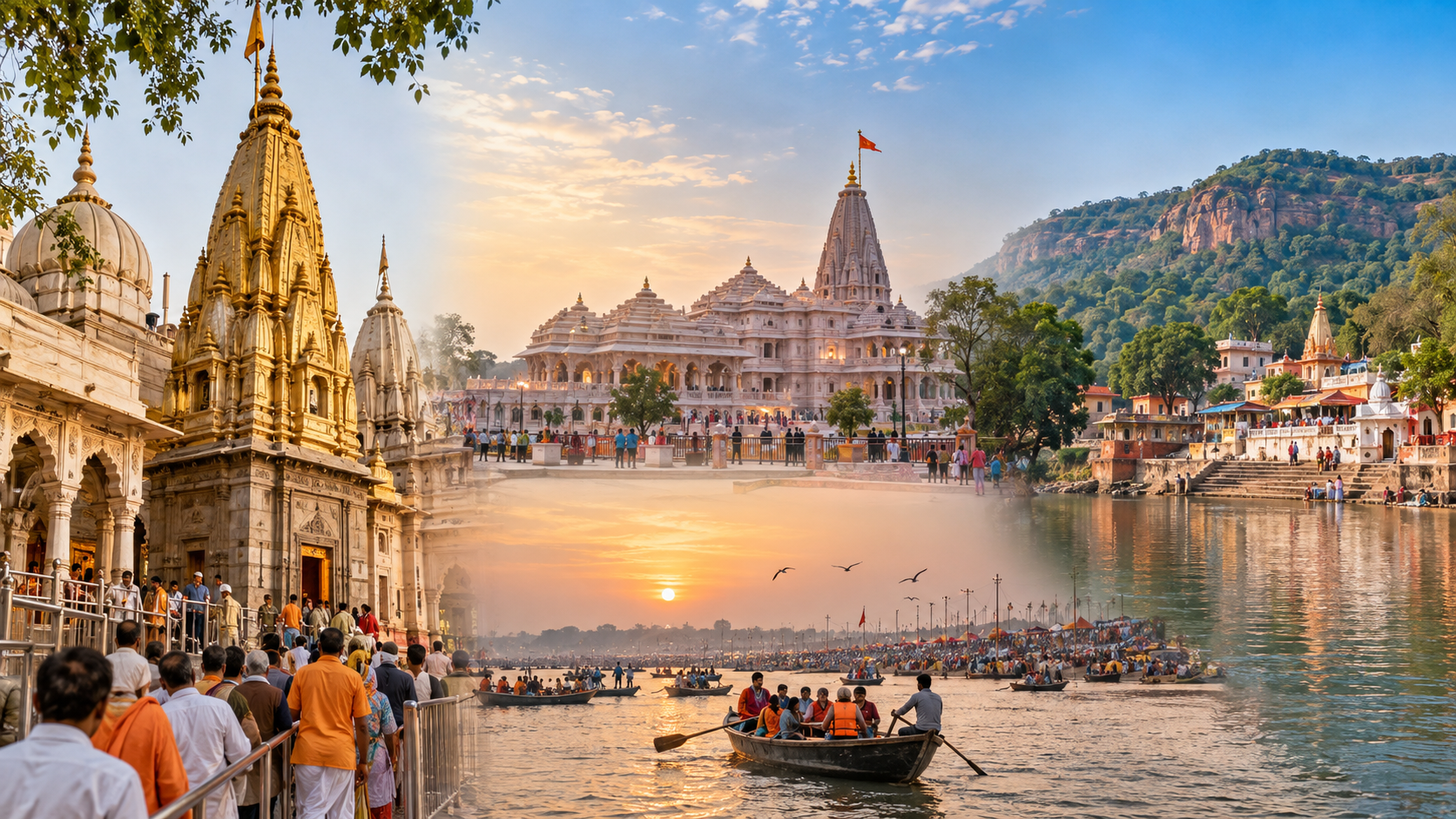
Varanasi Ayodhya Prayagraj Chitrakoot Tour from Varanasi. Package details, itinerary and pricing can be completed in the CRM.
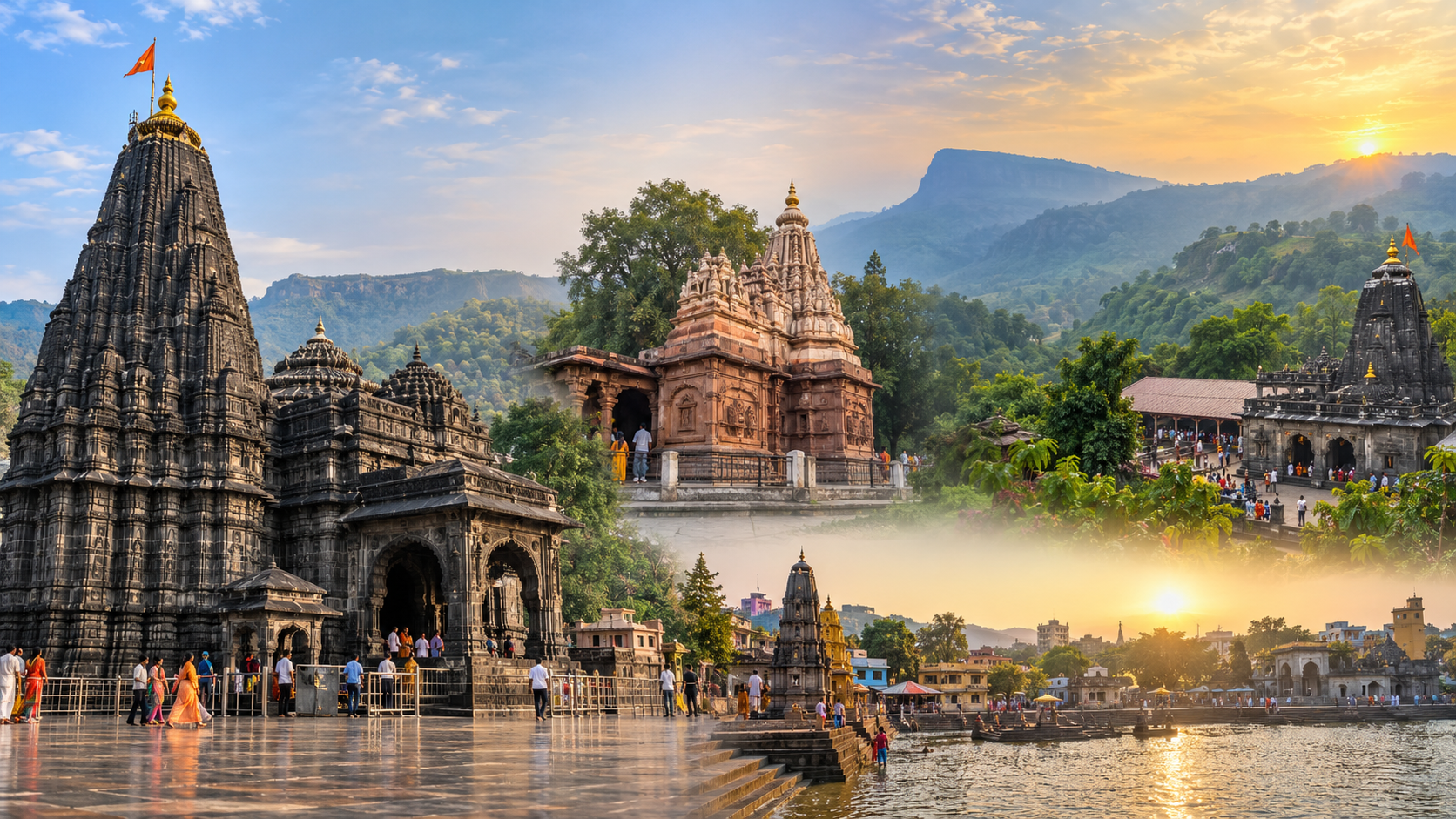
Maharashtra Jyotirlinga Tour from Nashik. Package details, itinerary and pricing can be completed in the CRM.
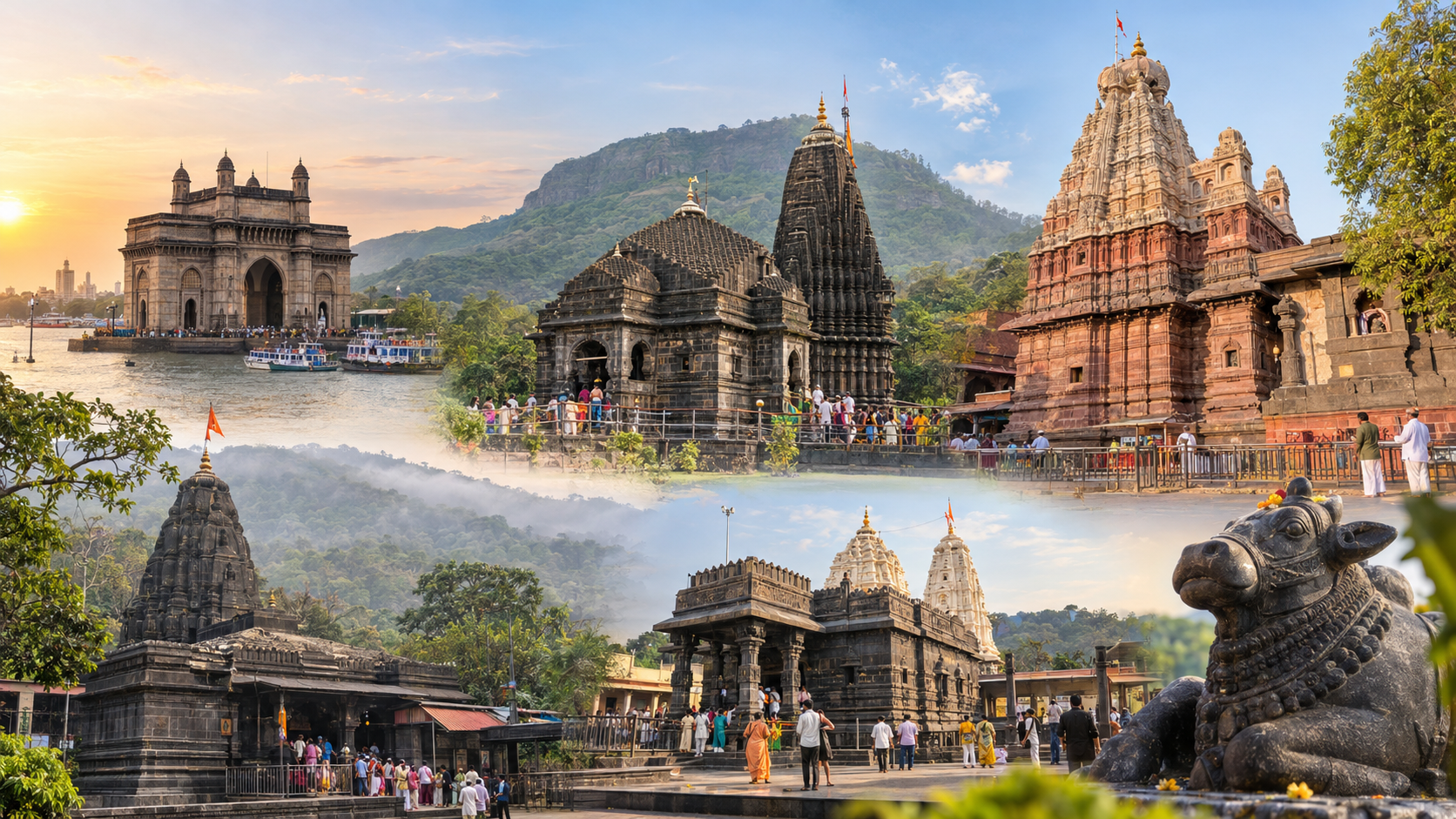
Maharashtra Jyotirlinga Tour from Mumbai. Package details, itinerary and pricing can be completed in the CRM.
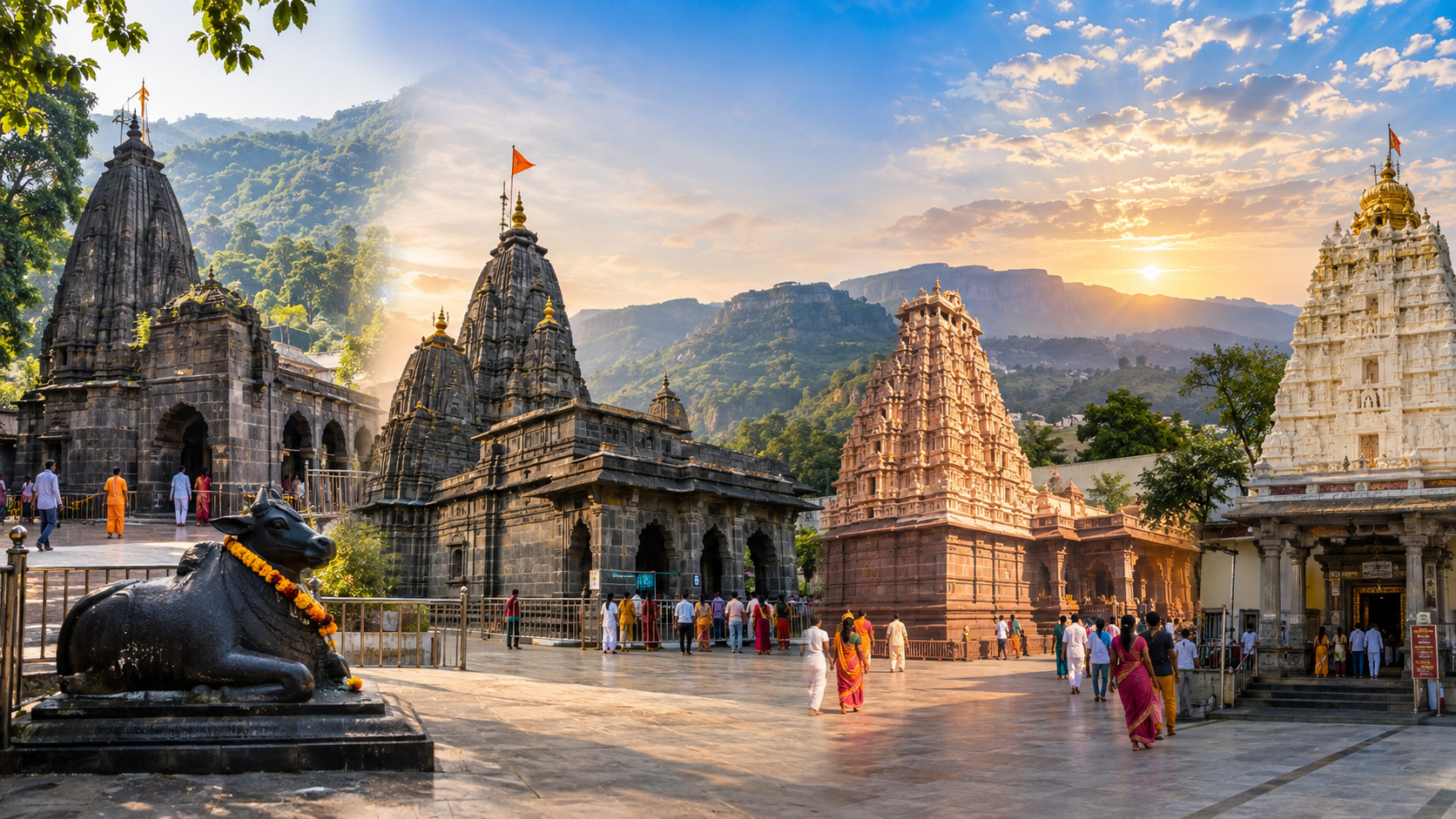
Maharashtra Jyotirlinga Tour from Pune. Package details, itinerary and pricing can be completed in the CRM.
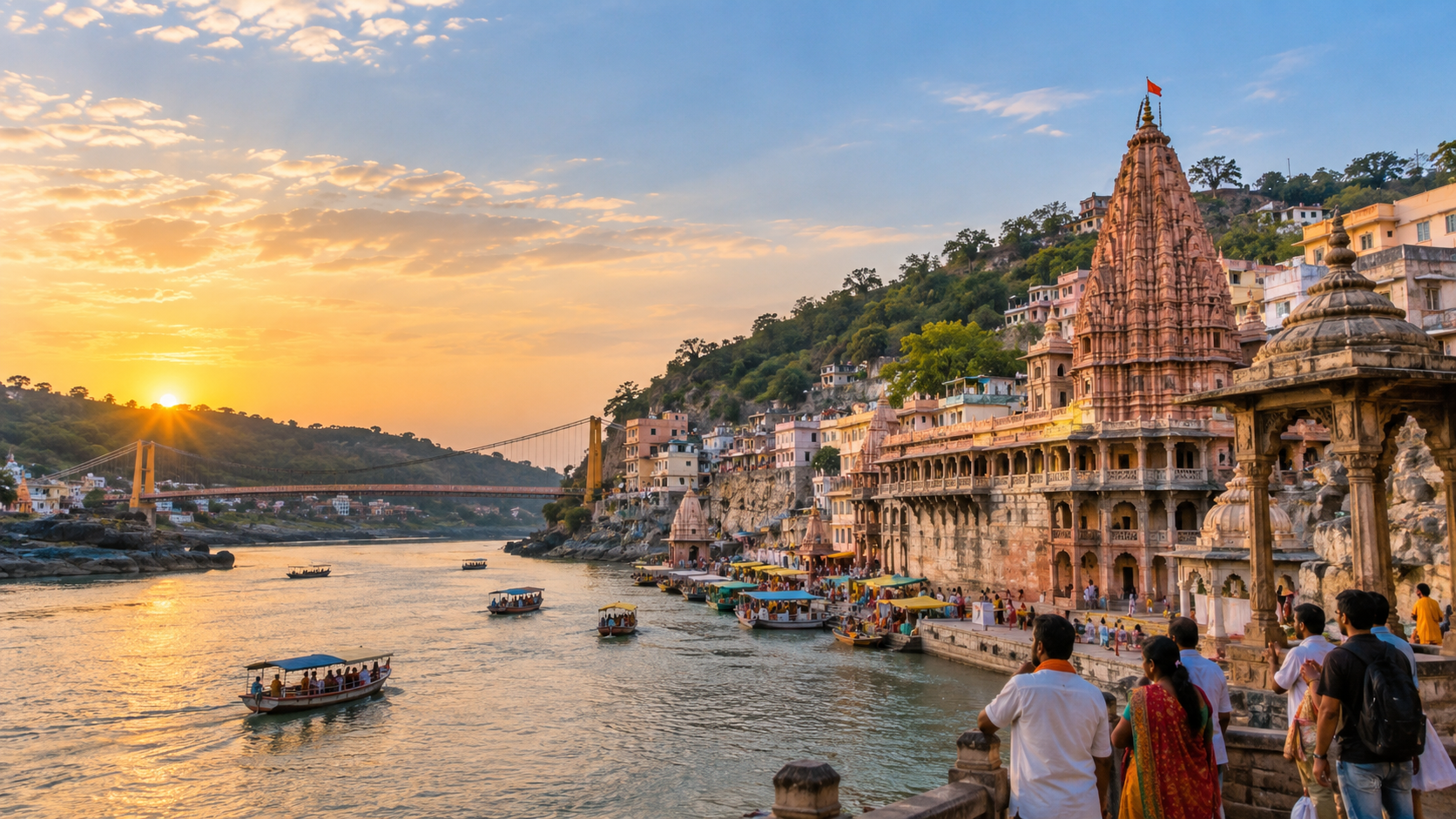
Ujjain Mahakal Omkareshwar Tour from Ujjain. Package details, itinerary and pricing can be completed in the CRM.
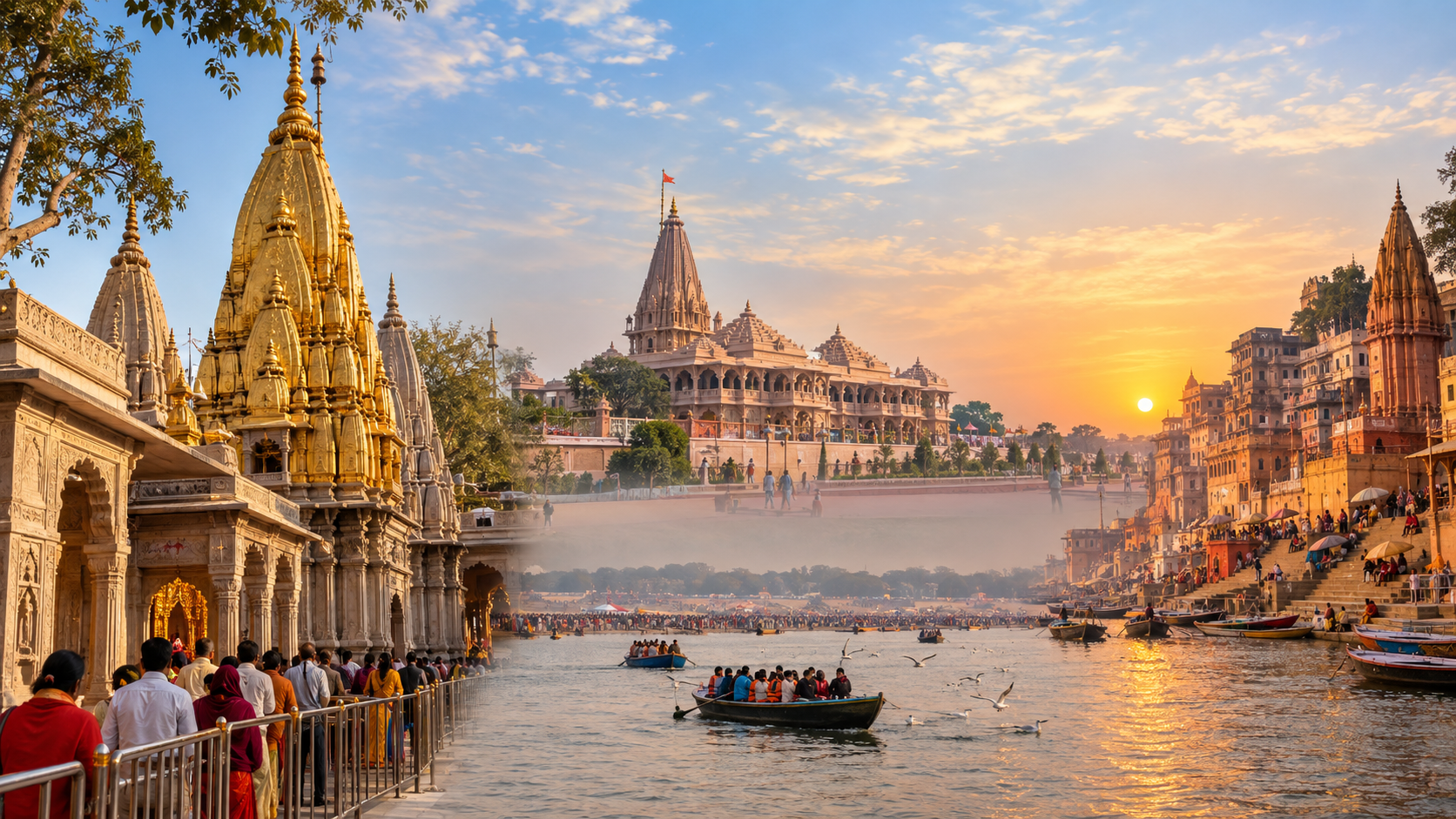
Varanasi Ayodhya Prayagraj Tour from Varanasi. Package details, itinerary and pricing can be completed in the CRM.
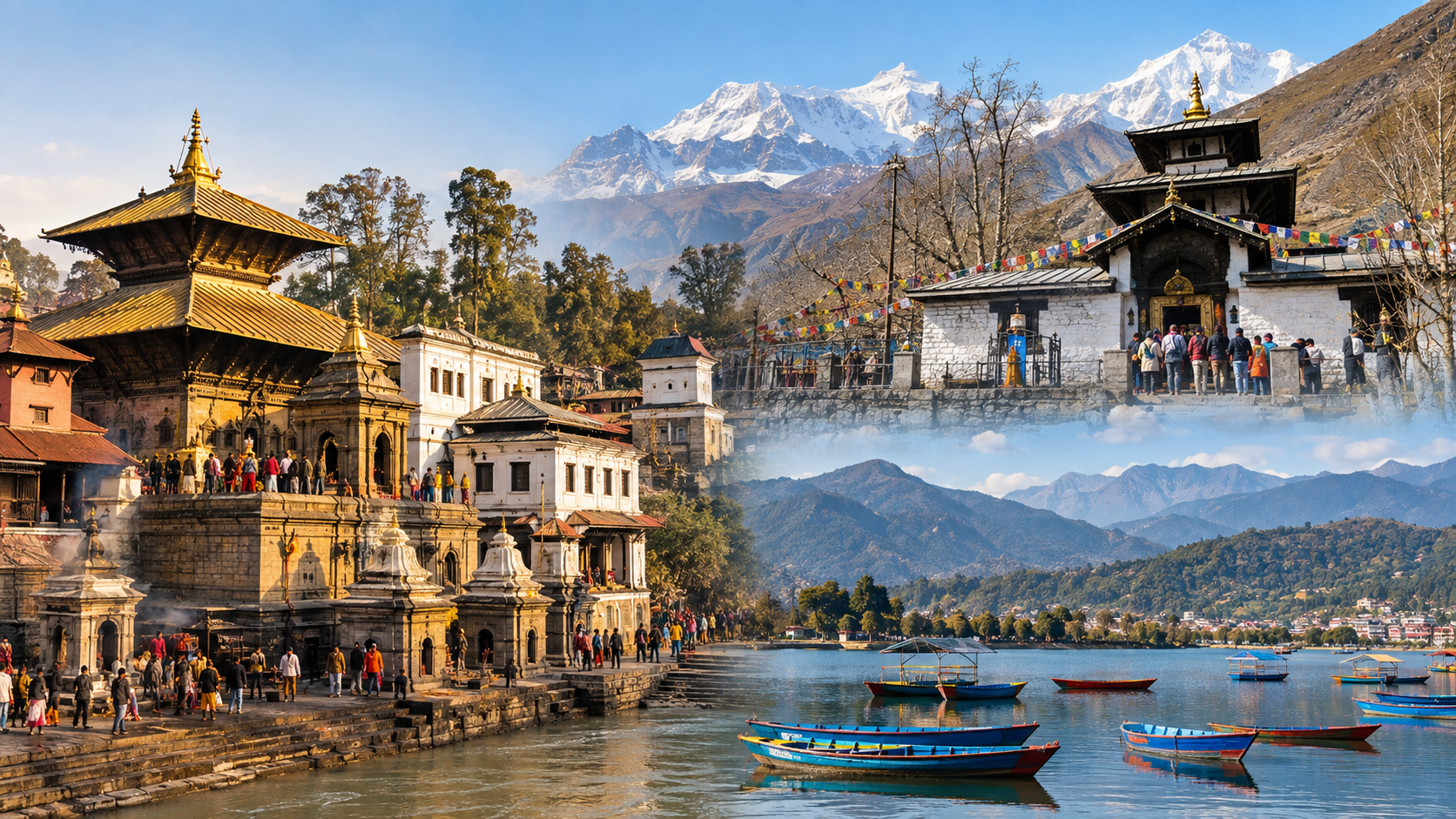
Kathmandu Pashupatinath Muktinath Pokhara Tour from Kathmandu. Package details, itinerary and pricing can be completed in the CRM.
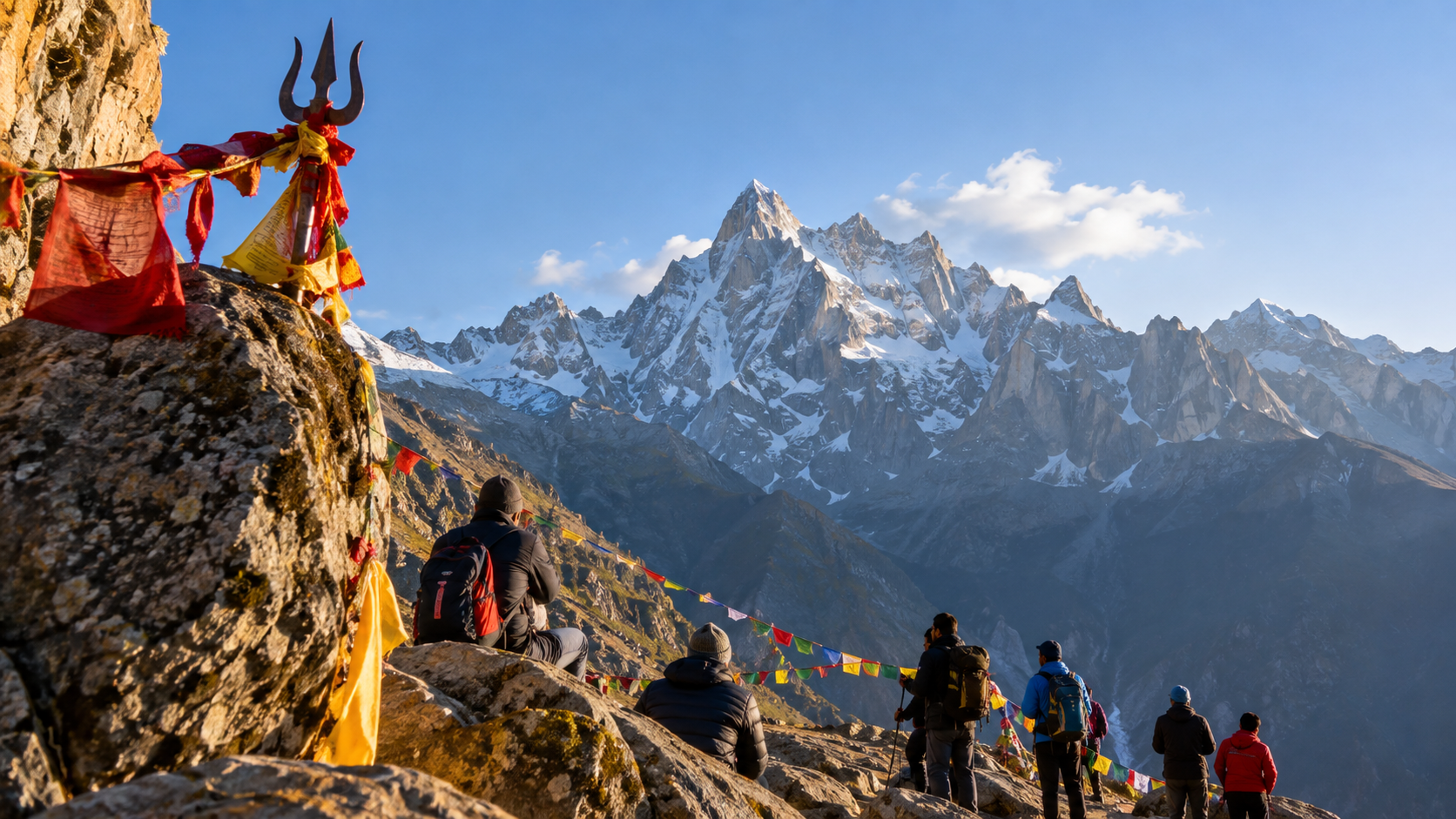
Kinner Kailash Yatra from Chandigarh. Package details, itinerary and pricing can be completed in the CRM.
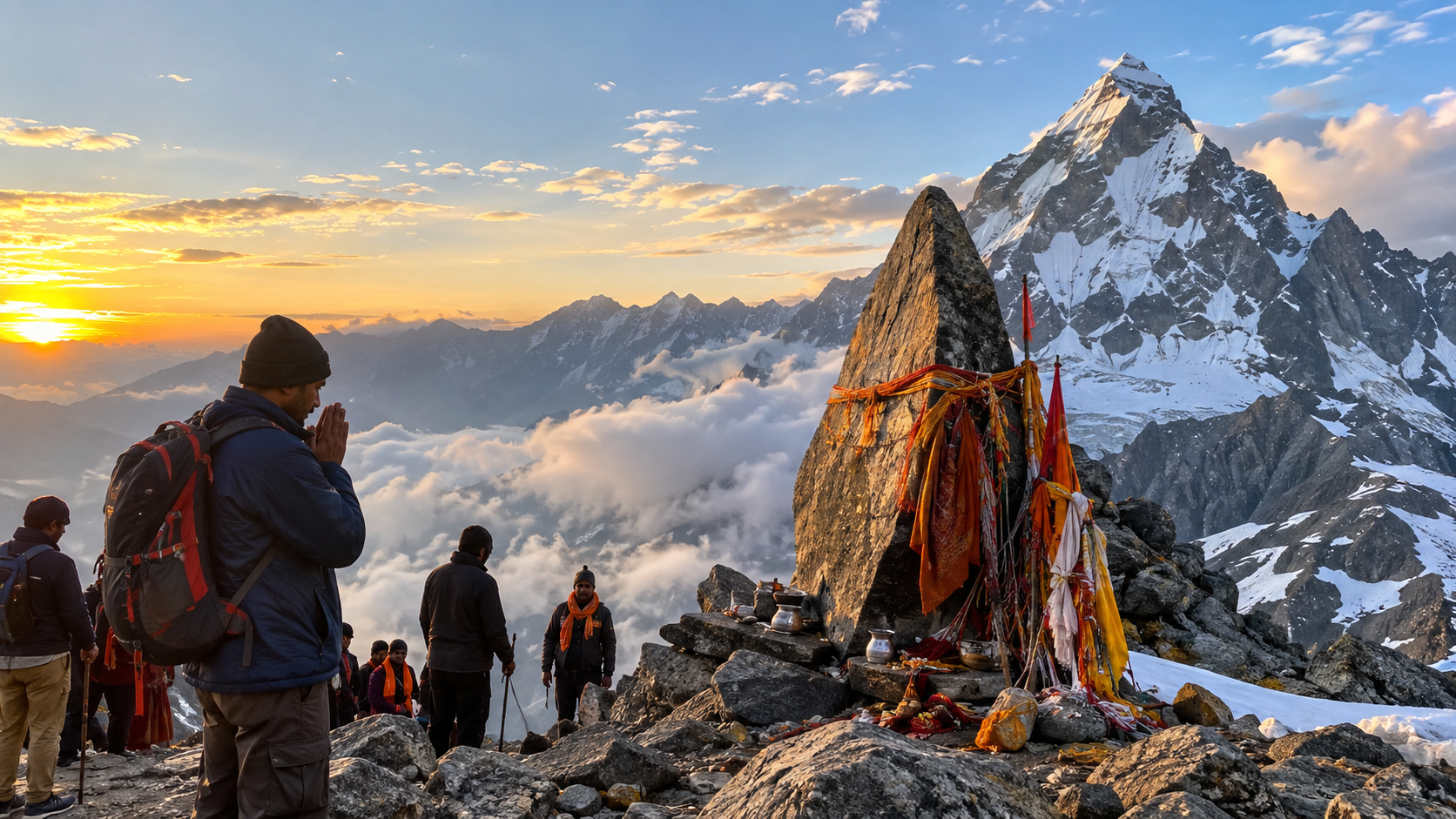
Shrikhand Mahadev Yatra from Chandigarh. Package details, itinerary and pricing can be completed in the CRM.
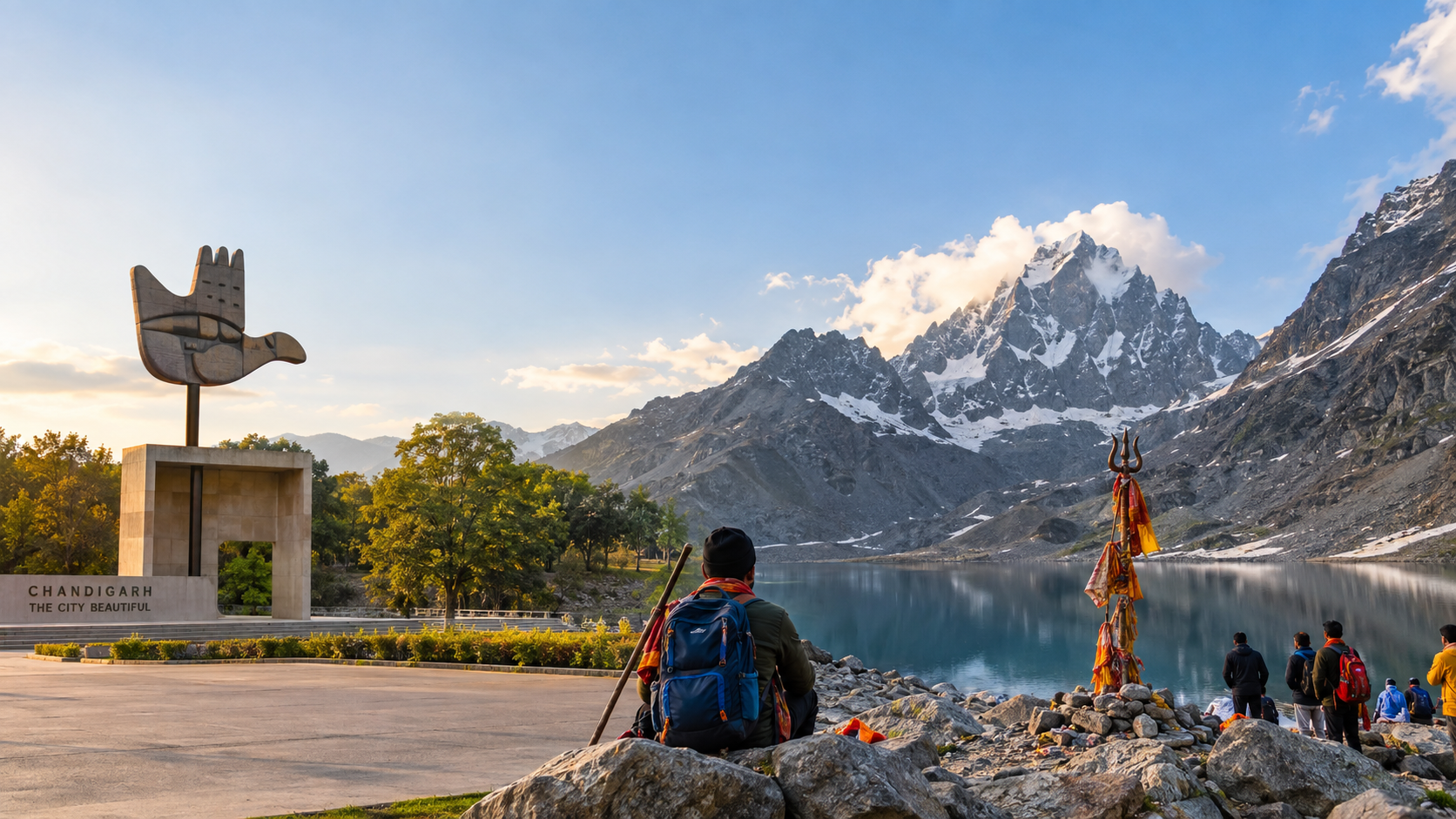
Manimahesh Yatra from Chandigarh. Package details, itinerary and pricing can be completed in the CRM.
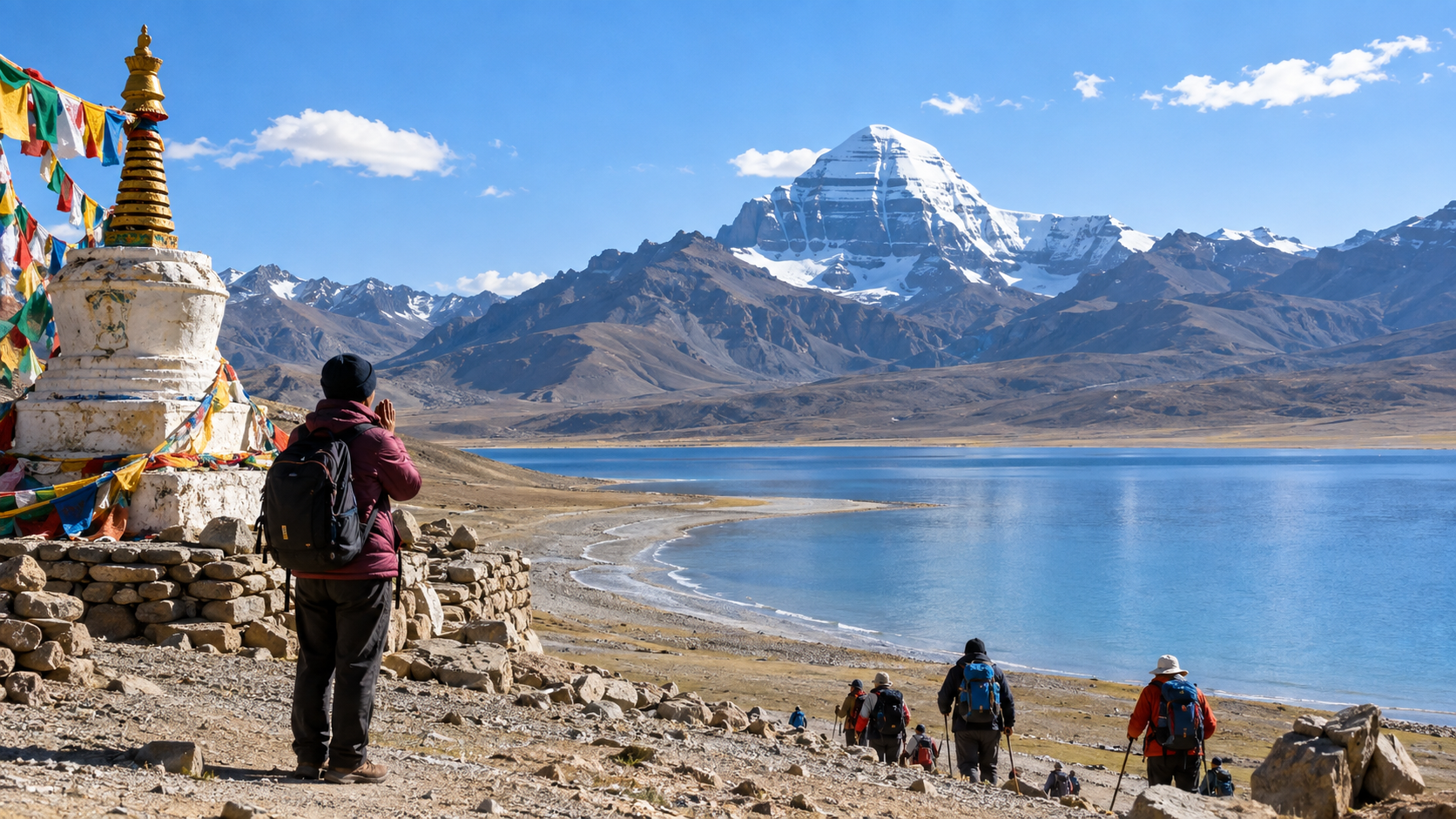
Kailash Mansarovar Yatra by Road from Kathmandu. Package details, itinerary and pricing can be completed in the CRM.
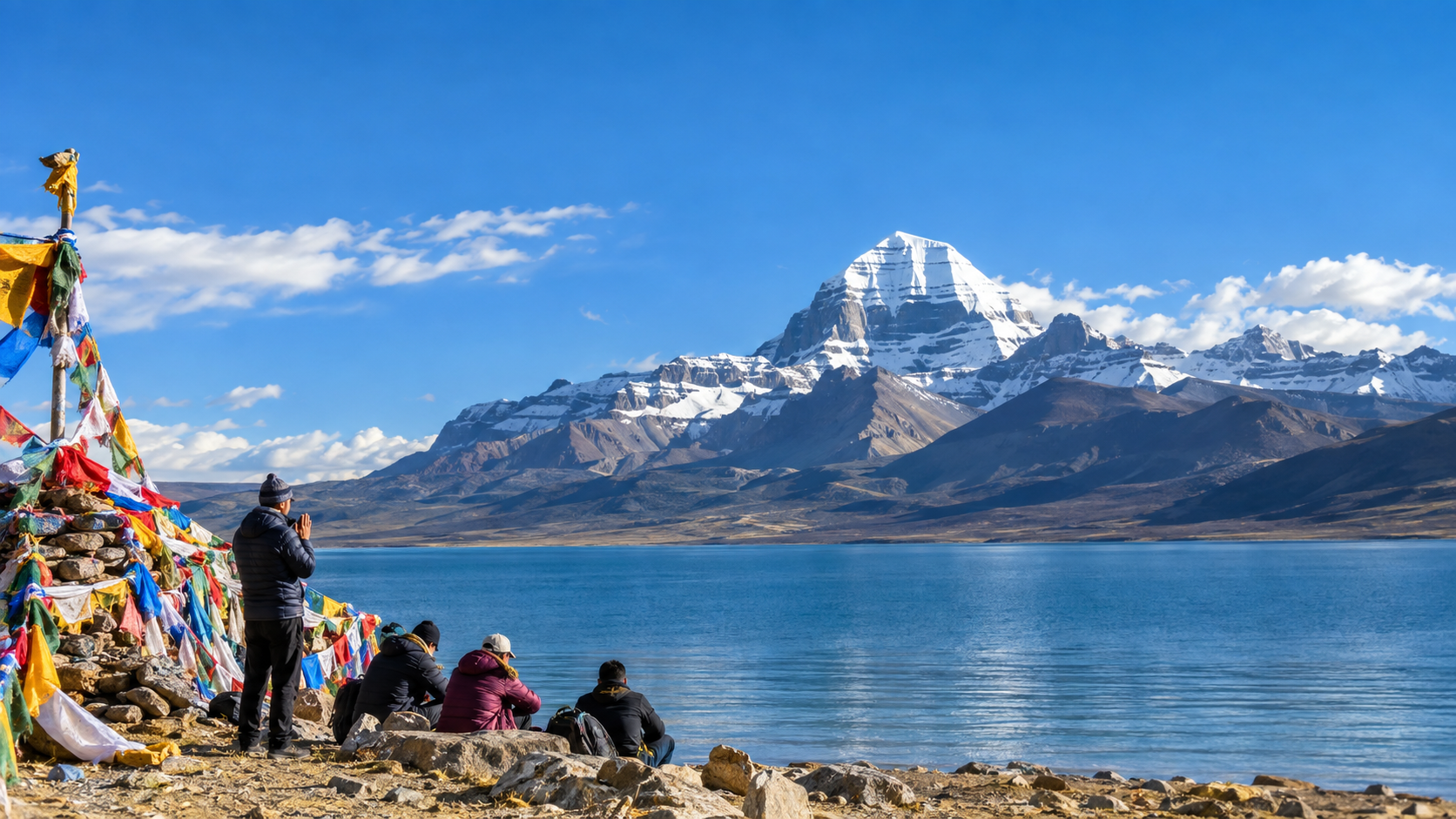
Kailash Mansarovar Yatra by Helicopter from Kathmandu. Package details, itinerary and pricing can be completed in the CRM.
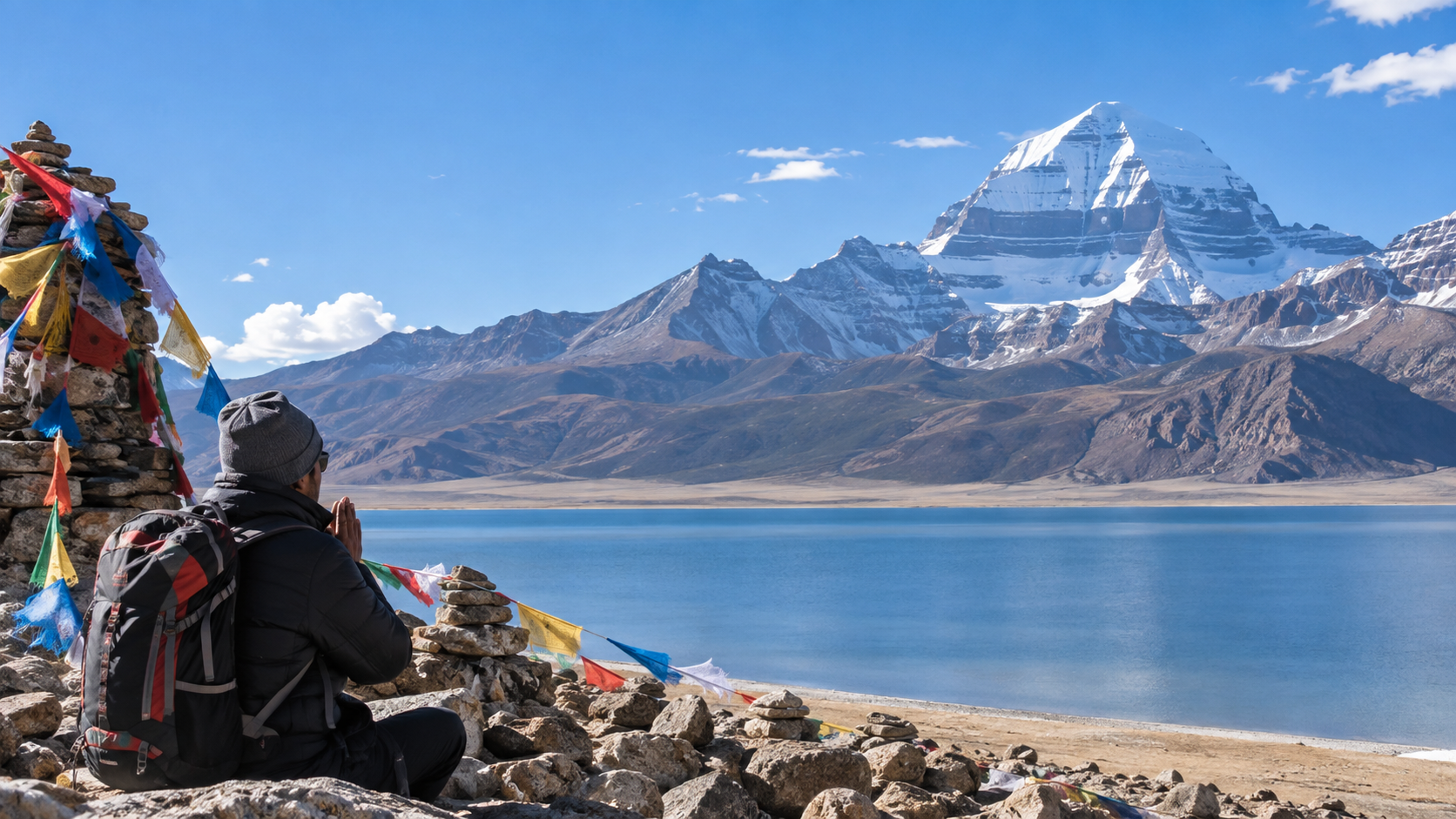
Kailash Mansarovar Yatra by Helicopter from Lucknow. Package details, itinerary and pricing can be completed in the CRM.
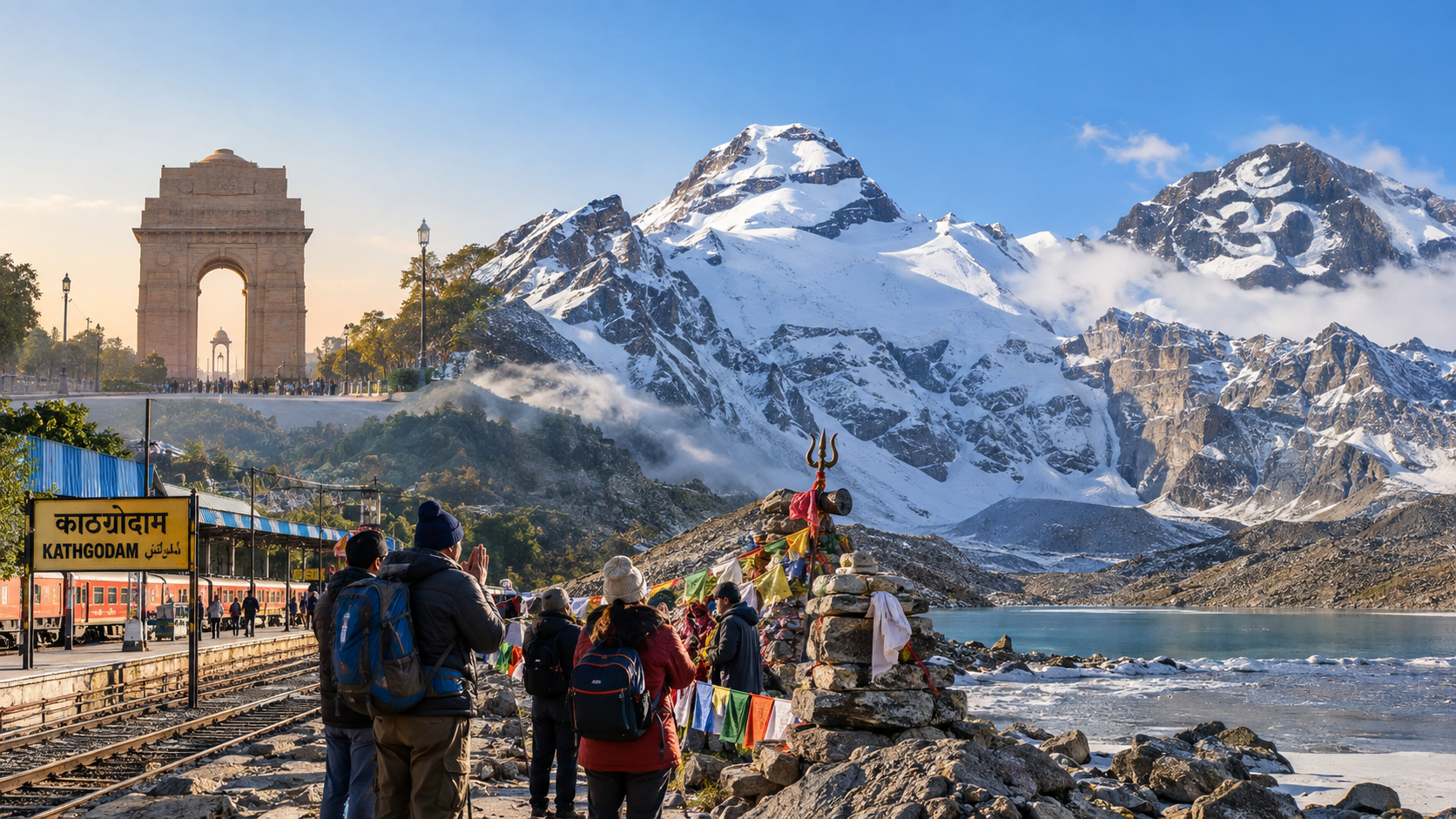
Adi Kailash Om Parvat Yatra from Delhi. Package details, itinerary and pricing can be completed in the CRM.
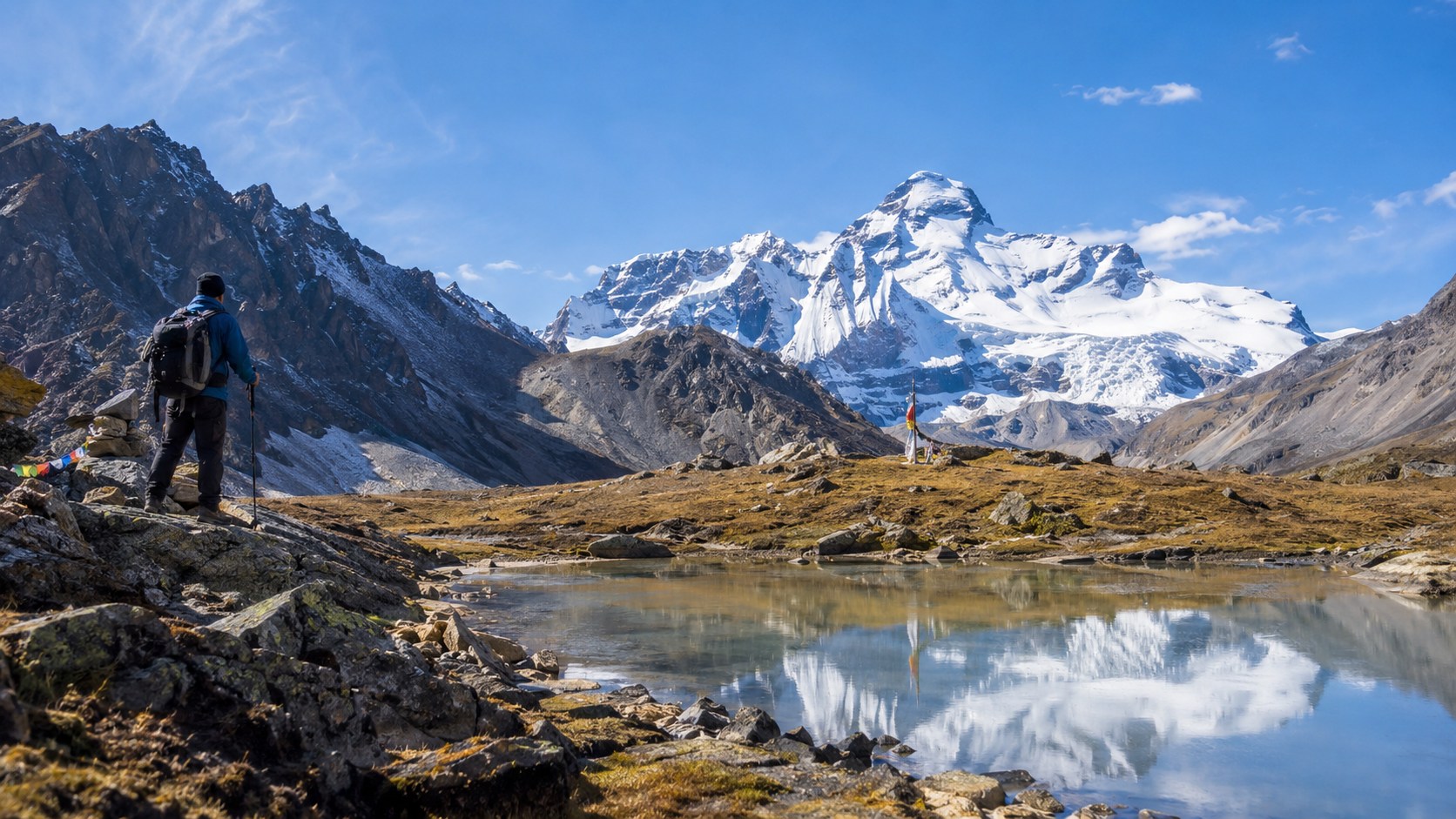
Adi Kailash Om Parvat Yatra from Kathgodam. Package details, itinerary and pricing can be completed in the CRM.
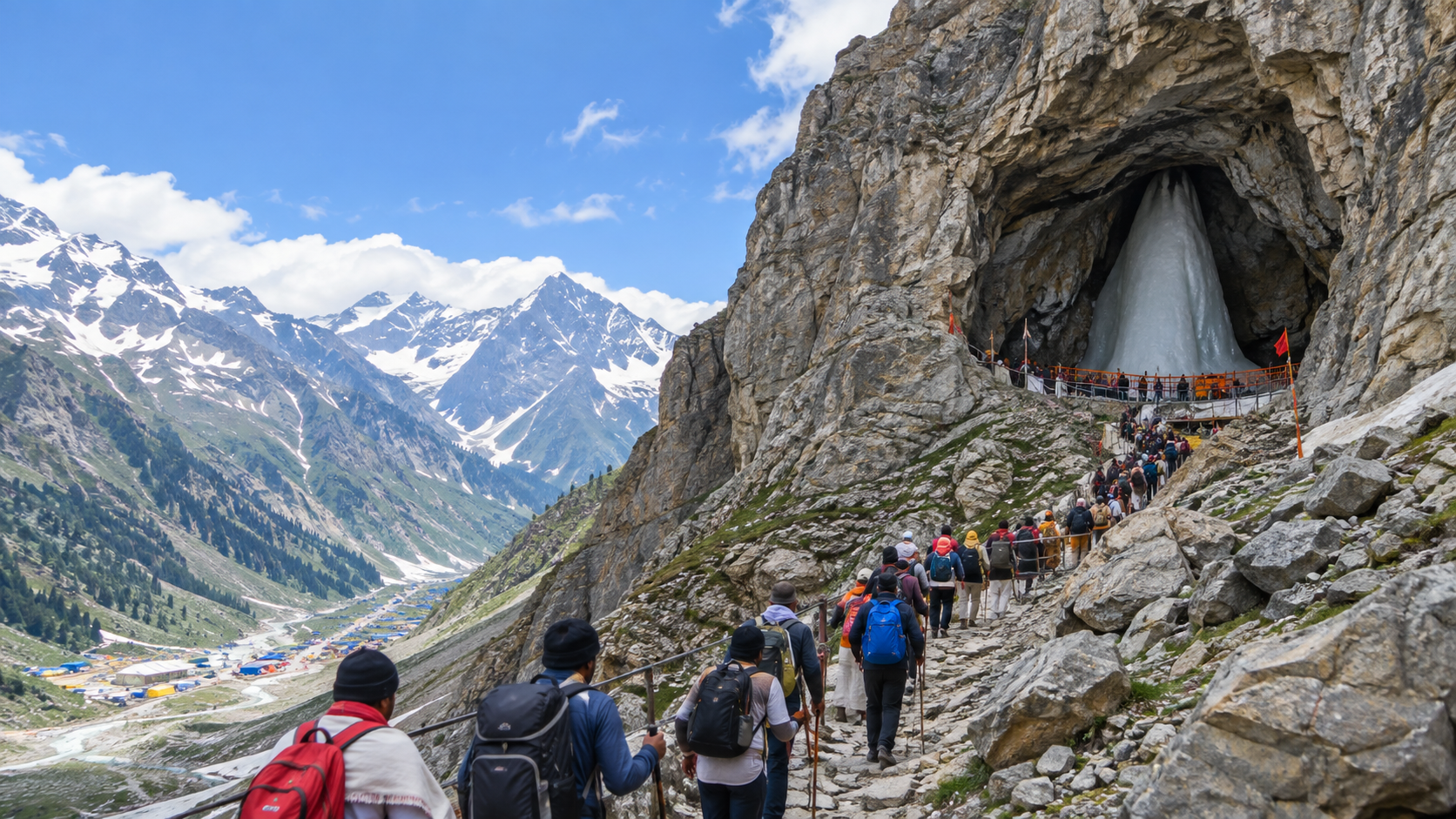
Amarnath Yatra from Srinagar. Package details, itinerary and pricing can be completed in the CRM.
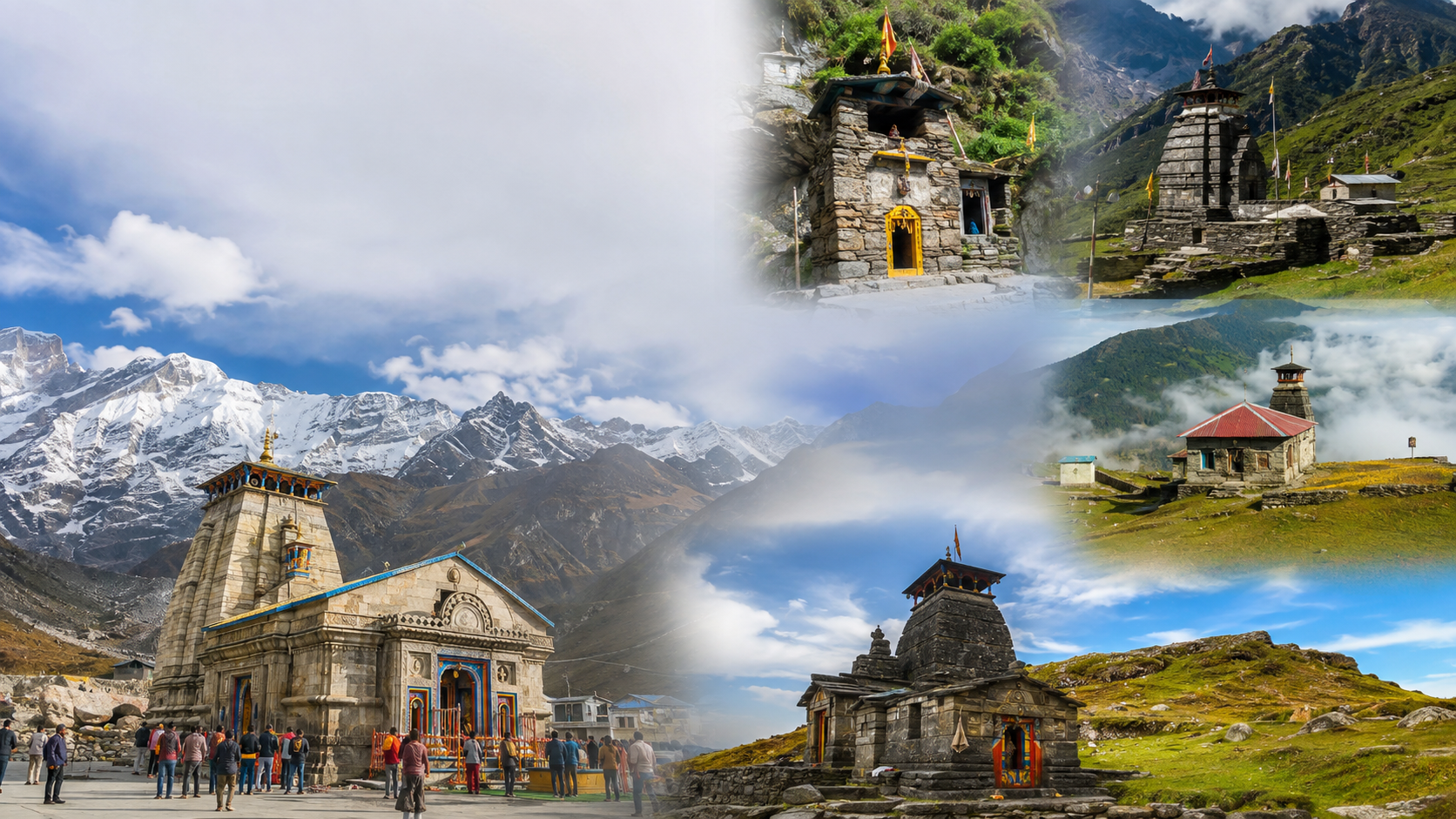
Panch Kedar Yatra from Delhi is a demanding and deeply rewarding pilgrimage through five revered Shiva temples in the Garhwal Himalayas: Kedarnath, Tungnath, Rudranath, Madhyamaheshwar and Kalpeshwar. This 12 Days / 11 Nights pilgrimage is designed for devotees who want to experience the complete Panch Kedar circuit rather than visit only one or two shrines. The journey combines mountain roads, high-altitude walking and time for darshan at some of Uttarakhand’s most significant Shiva temples. Because several shrines involve substantial trekking and seasonal access, careful planning is essential. Trip to Yatra helps travellers plan the pilgrimage around the temple season, travel conditions an
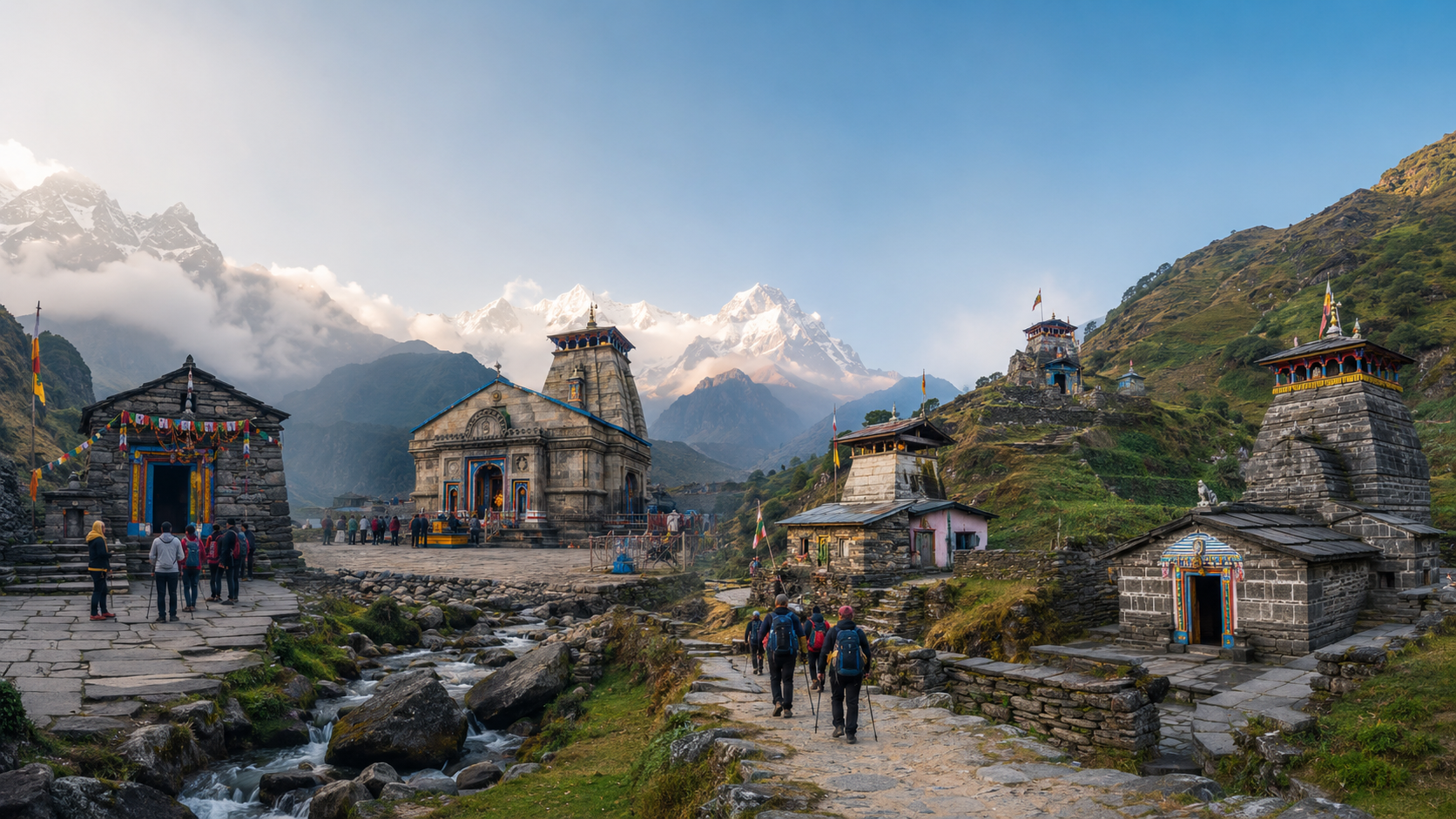
Panch Kedar Yatra from Dehradun is an immersive Shiva pilgrimage covering all five revered Panch Kedar shrines of Uttarakhand: Kedarnath, Tungnath, Rudranath, Madhyamaheshwar and Kalpeshwar. Designed as an 11 Days / 10 Nights pilgrimage experience, the journey combines temple visits with demanding Himalayan treks, mountain landscapes and quiet village settings. Unlike a conventional temple tour, Panch Kedar requires preparation for high-altitude walking, changing weather and seasonal temple access. Trip to Yatra helps travellers plan the pilgrimage around practical travel requirements, accommodation preferences and the operating season, with a focus on a comfortable and well-organised journe
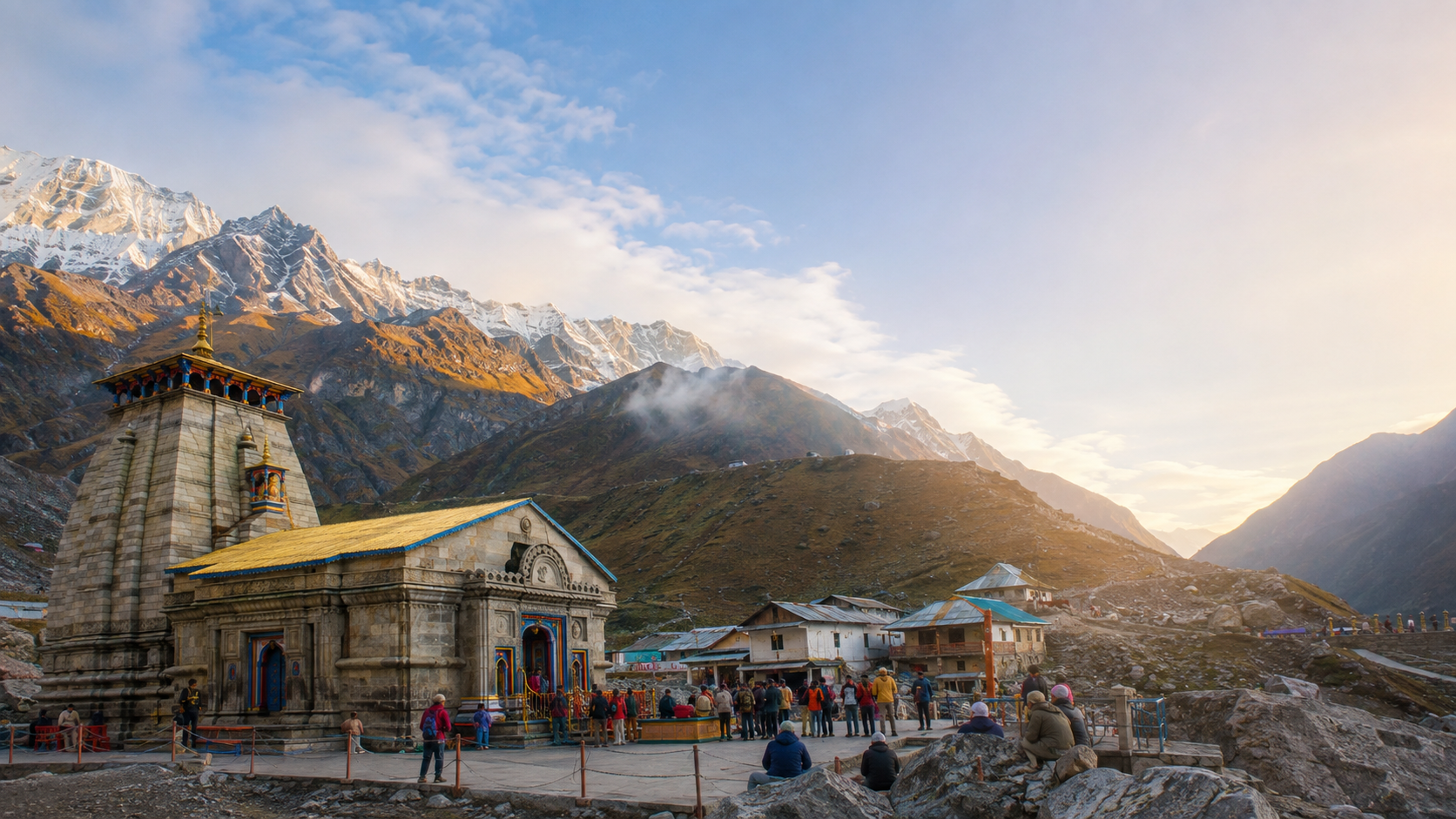
The Kedarnath Tungnath Package from Delhi is a 7-day / 6-night pilgrimage journey covering two of Uttarakhand’s most revered Shiva temples. Starting and ending in Delhi, the tour combines the spiritual significance of Kedarnath with the high-altitude mountain setting of Tungnath near Chopta. Kedarnath Temple is one of the prominent Panch Kedar shrines, while Tungnath is recognised by Uttarakhand Tourism as one of the highest Shiva temples in the world. The journey involves mountain travel and trekking, so it is best suited to travellers who are comfortable with an active Himalayan pilgrimage. Enquire with Trip to Yatra for current travel planning and availability.
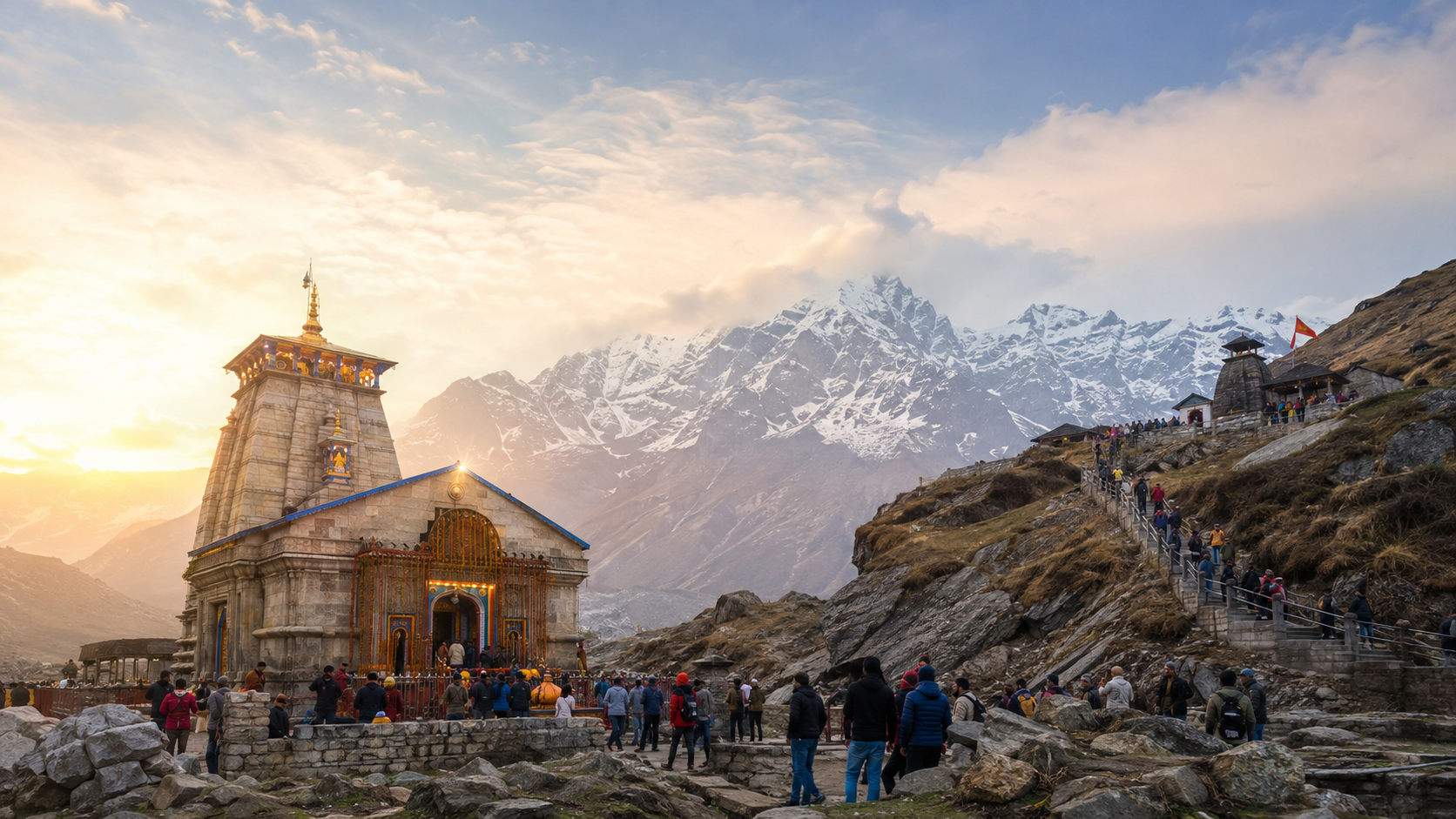
Plan a focused Himalayan pilgrimage with the Kedarnath Tungnath package from Haridwar, combining two revered Shiva temples in Uttarakhand. This 5-day / 4-night journey is designed for travellers who want to visit Kedarnath Temple and Tungnath Temple without committing to a longer Char Dham circuit. Kedarnath, one of the most important Shiva pilgrimage sites in India, lies high in the Garhwal Himalayas and requires a trek from Gaurikund. Tungnath, one of the Panch Kedar shrines, is reached by trekking from Chopta. With Haridwar as both the starting and ending point, the package offers a practical pilgrimage-focused travel plan with time for mountain travel, temple visits and rest.
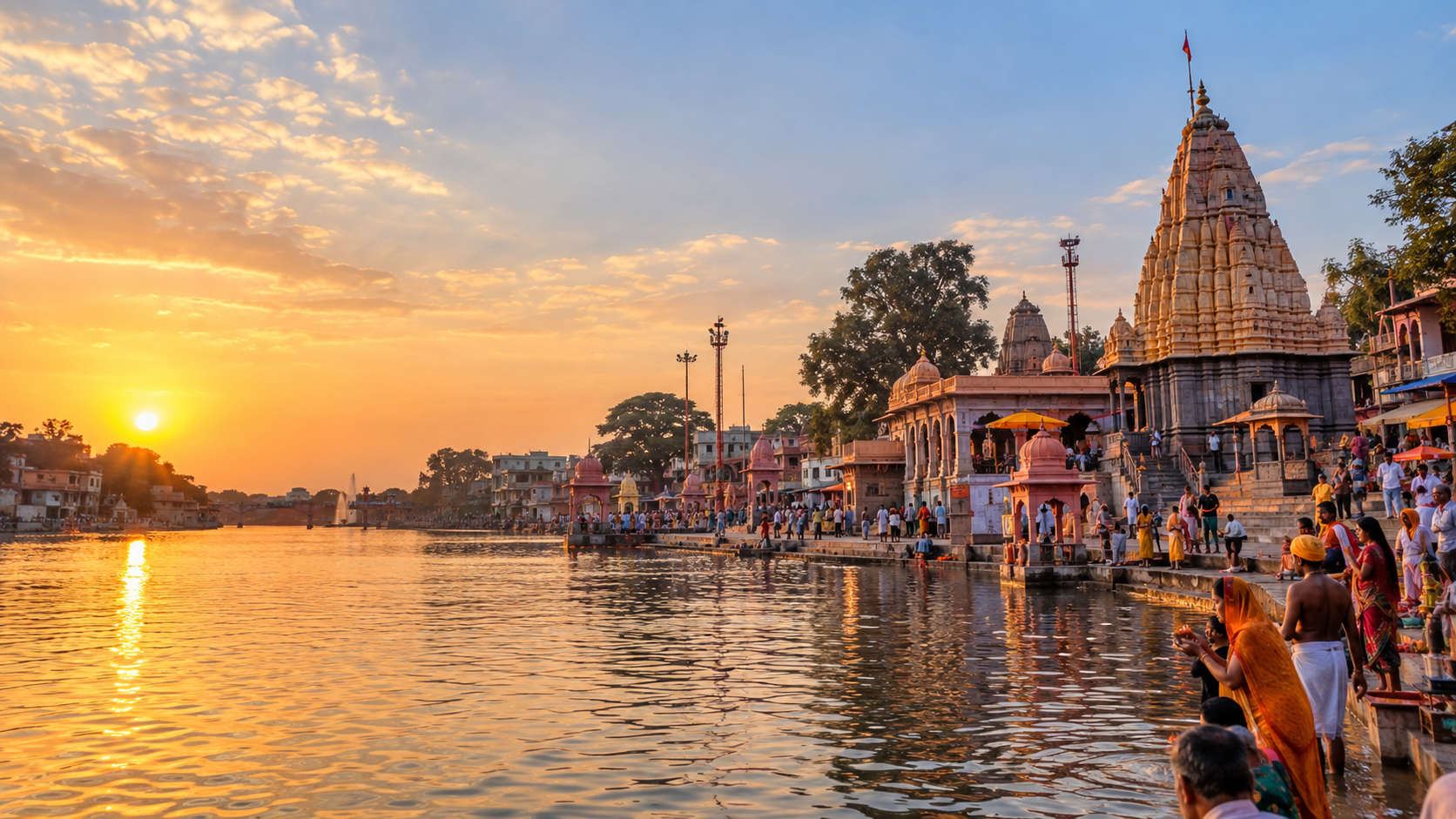
Ujjain Kumbh Mela from Ujjain. Package details, itinerary and pricing can be completed in the CRM.
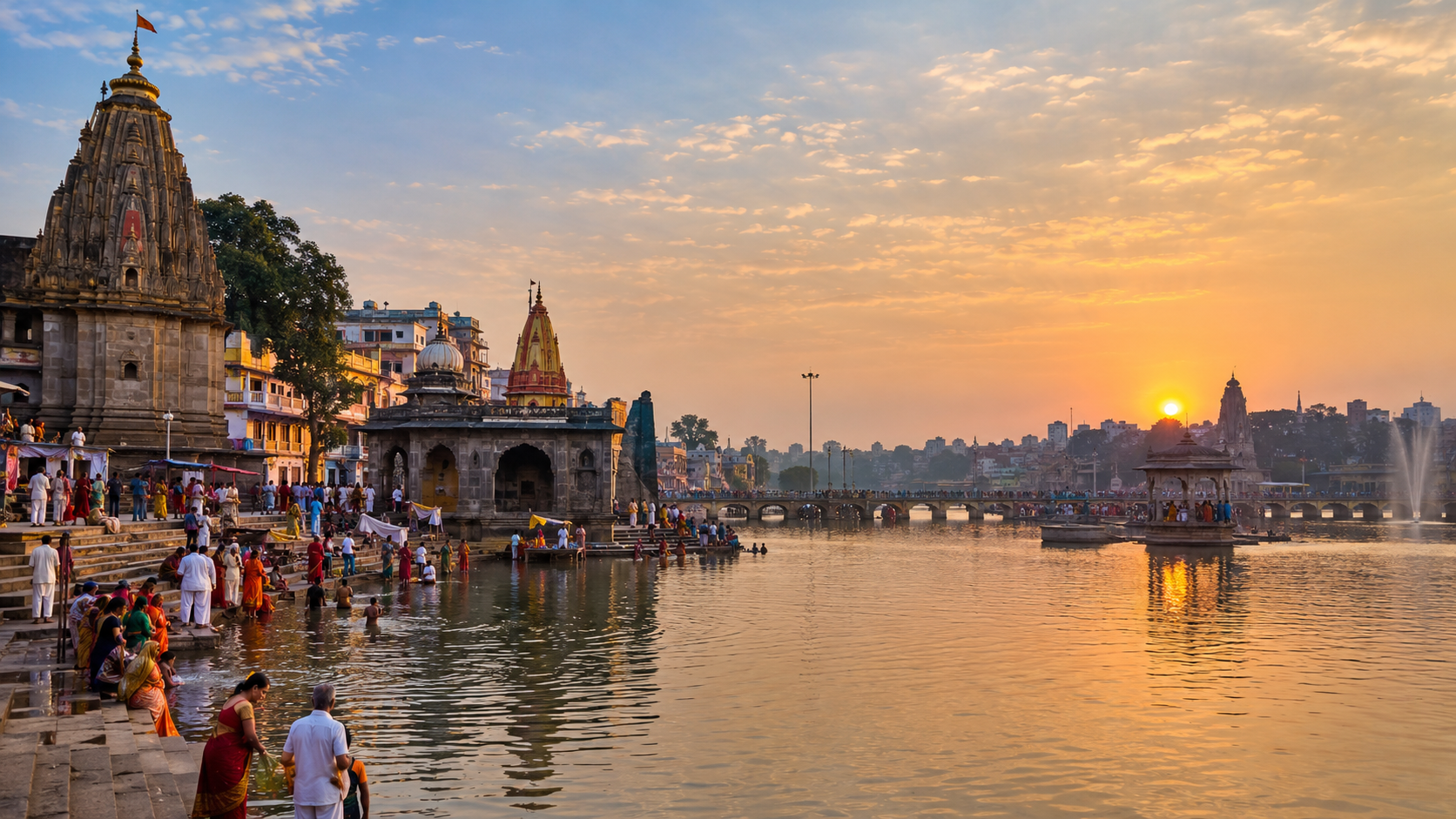
Nashik Kumbh Mela from Nashik. Package details, itinerary and pricing can be completed in the CRM.
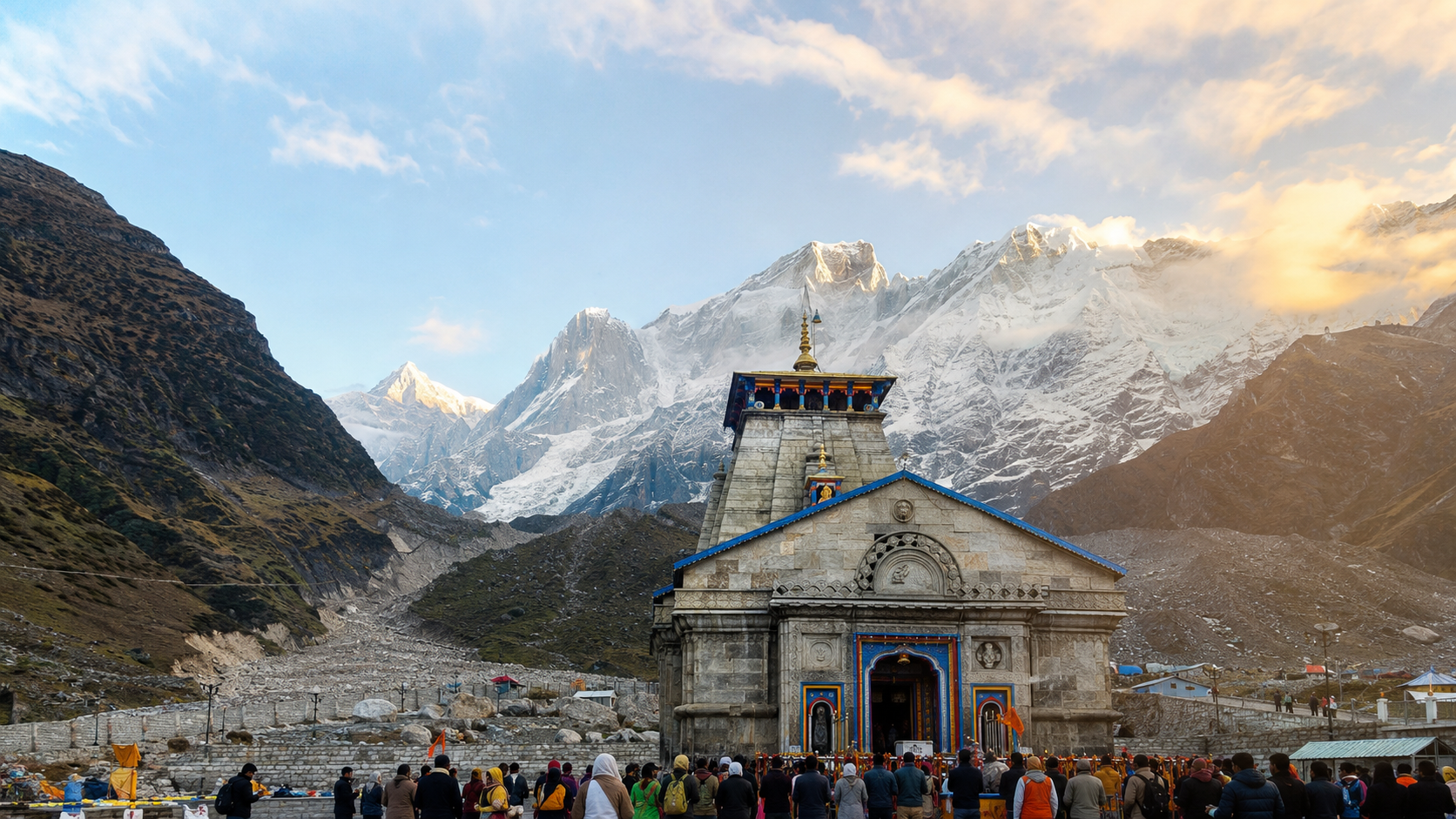
Plan a spiritually meaningful journey to Kedarnath with a 6 Days / 5 Nights Kedarnath Yatra package from Delhi by Trip to Yatra. This pilgrimage package is designed around the Delhi–Haridwar–Kedarnath travel corridor, with Kedarnath Temple as the principal spiritual destination. The journey combines Himalayan travel with time for darshan and a more organised pilgrimage experience. Since Kedarnath is a high-altitude destination with seasonal access and mandatory Yatra formalities, planning matters. Trip to Yatra can help you understand the practical arrangements, registration requirements and travel considerations before you set out. Enquire with our team to plan your 2027 Kedarnath Yatra fro
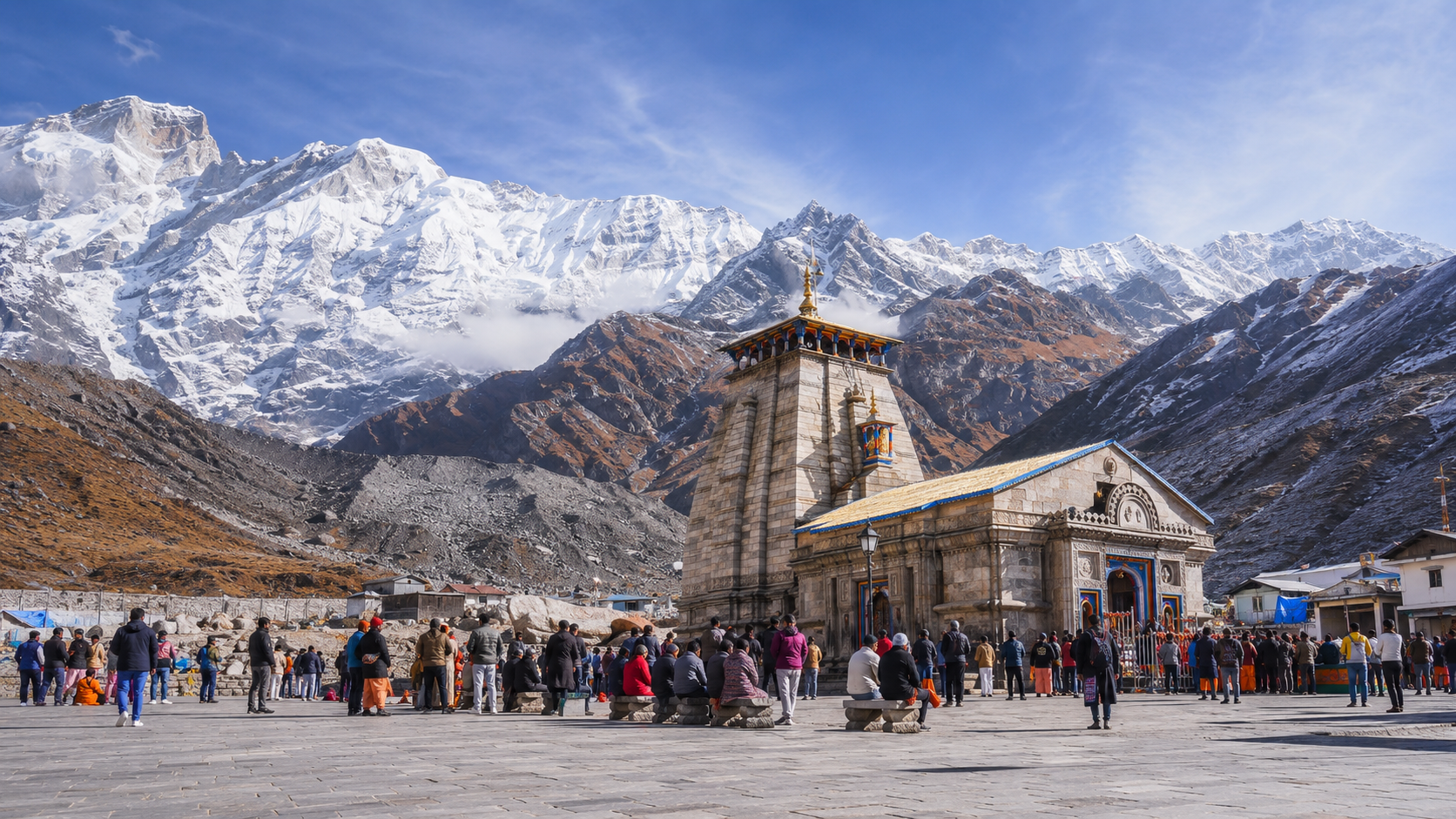
A thoughtfully planned Kedarnath Yatra package from Haridwar for pilgrims looking to visit the sacred Kedarnath Temple in Uttarakhand. This 4 Days / 3 Nights pilgrimage connects Haridwar with one of Lord Shiva’s most revered Himalayan shrines, with arrangements planned around the practical requirements of a high-altitude yatra. Kedarnath is situated in the Garhwal Himalayas at around 3,580 metres, so preparation, suitable clothing and sensible travel planning are important.
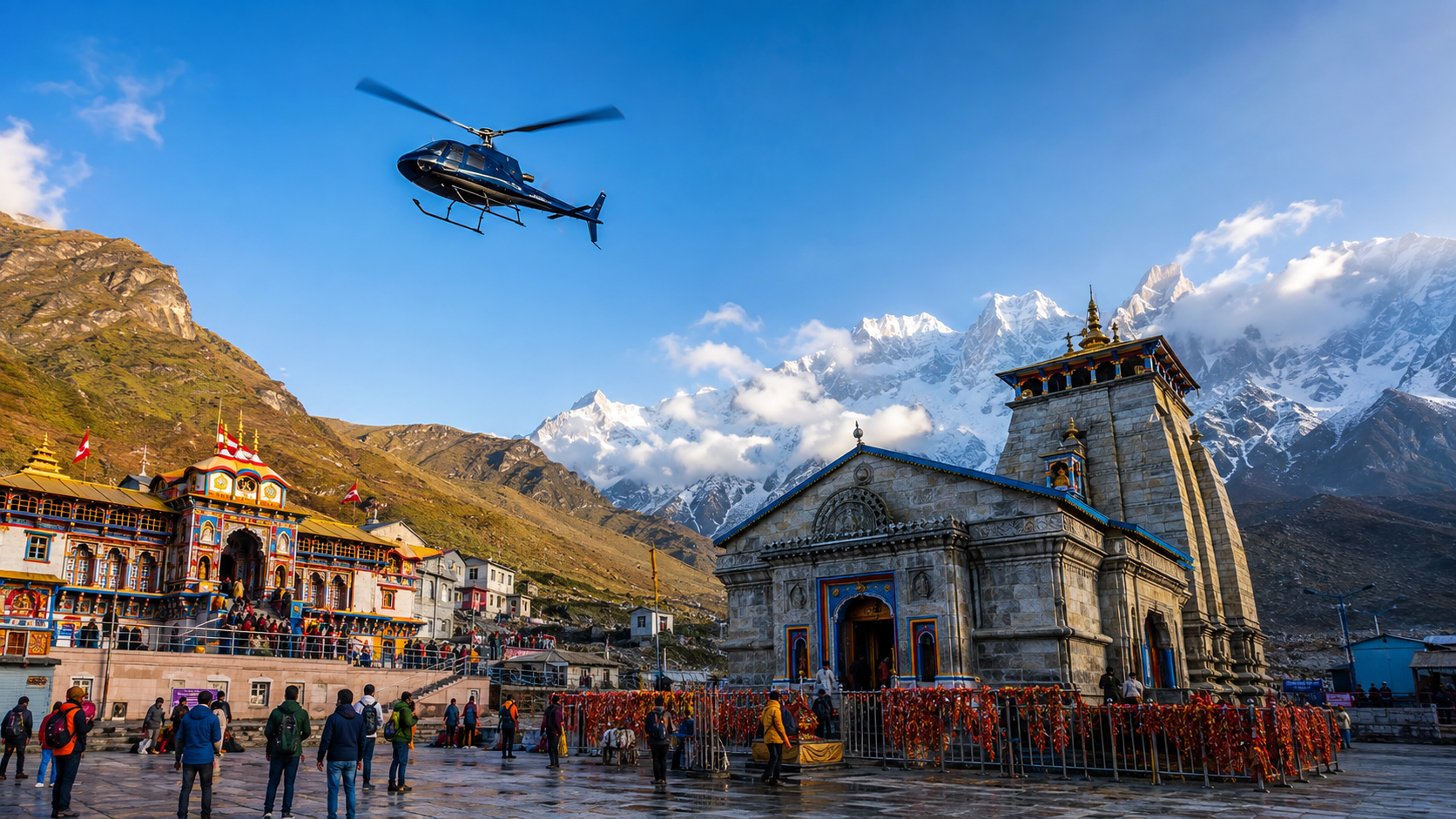
Experience the sacred Do Dham Yatra by helicopter from Dehradun, covering the revered Kedarnath Temple and Badrinath Temple in a compact 3-day, 2-night pilgrimage. This Dehradun-to-Dehradun package is designed for devotees who want to visit both Himalayan shrines while reducing the long road travel involved in a conventional yatra. Kedarnath, dedicated to Lord Shiva, stands high in the Garhwal Himalayas, while Badrinath is one of the four Char Dham pilgrimage sites and is dedicated to Lord Vishnu. With helicopter travel, the journey can be more convenient, subject to weather, operational conditions and applicable pilgrimage regulations.
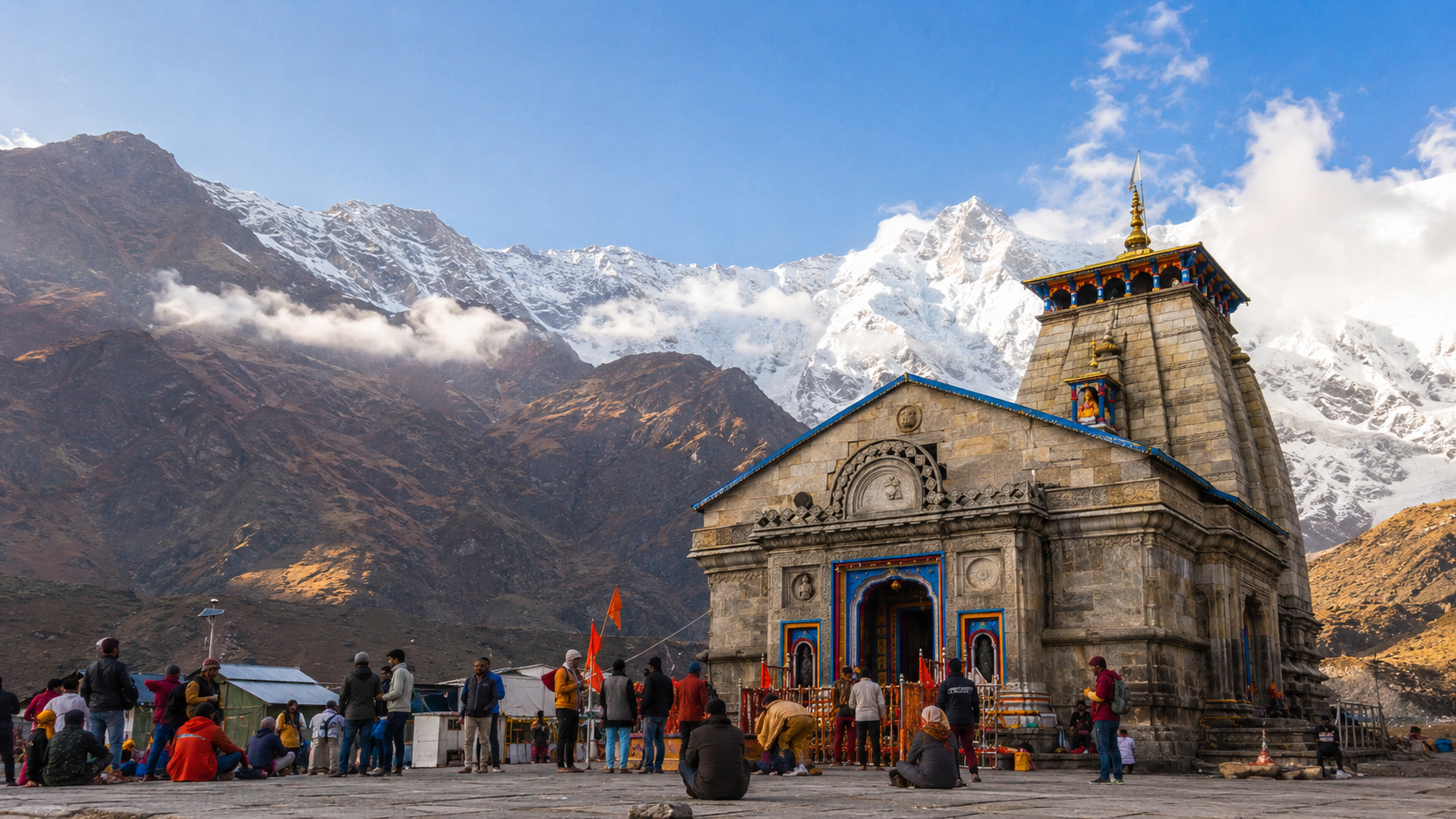
The Do Dham Yatra from Delhi is an 8-day pilgrimage covering the two revered Himalayan shrines of Kedarnath and Badrinath. Starting and ending in Delhi, this thoughtfully planned journey brings together the spiritual atmosphere of Kedarnath, dedicated to Lord Shiva, and Badrinath, dedicated to Lord Vishnu, along with time around Haridwar and Rishikesh. The route combines road travel through Uttarakhand with the required approach to Kedarnath on foot from the roadhead. With high-altitude travel, changing mountain weather and seasonal temple access to consider, Trip to Yatra helps pilgrims plan the journey around practical travel requirements rather than rushing through the experience.
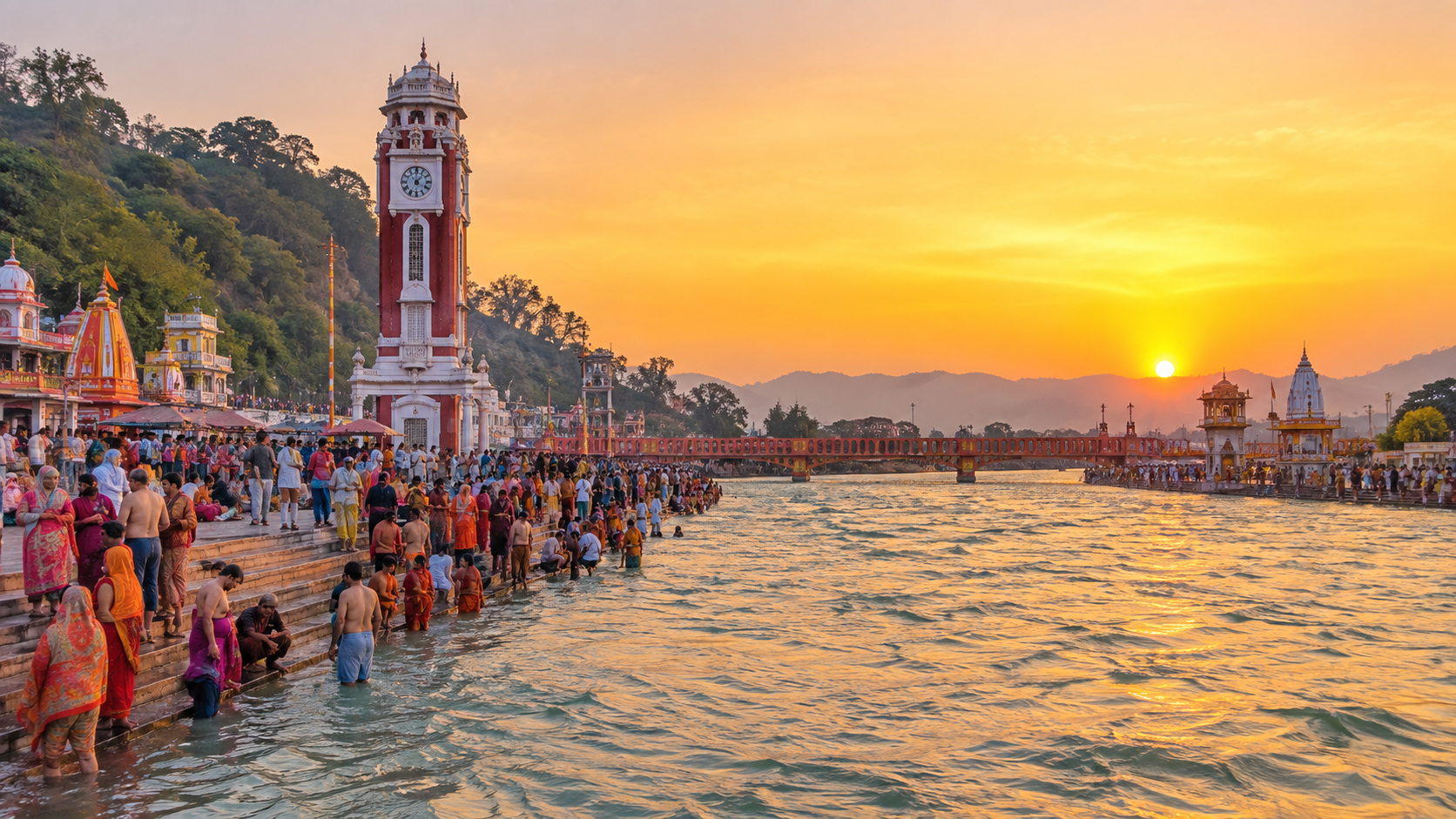
Haridwar Kumbh Mela from Haridwar. Package details, itinerary and pricing can be completed in the CRM.
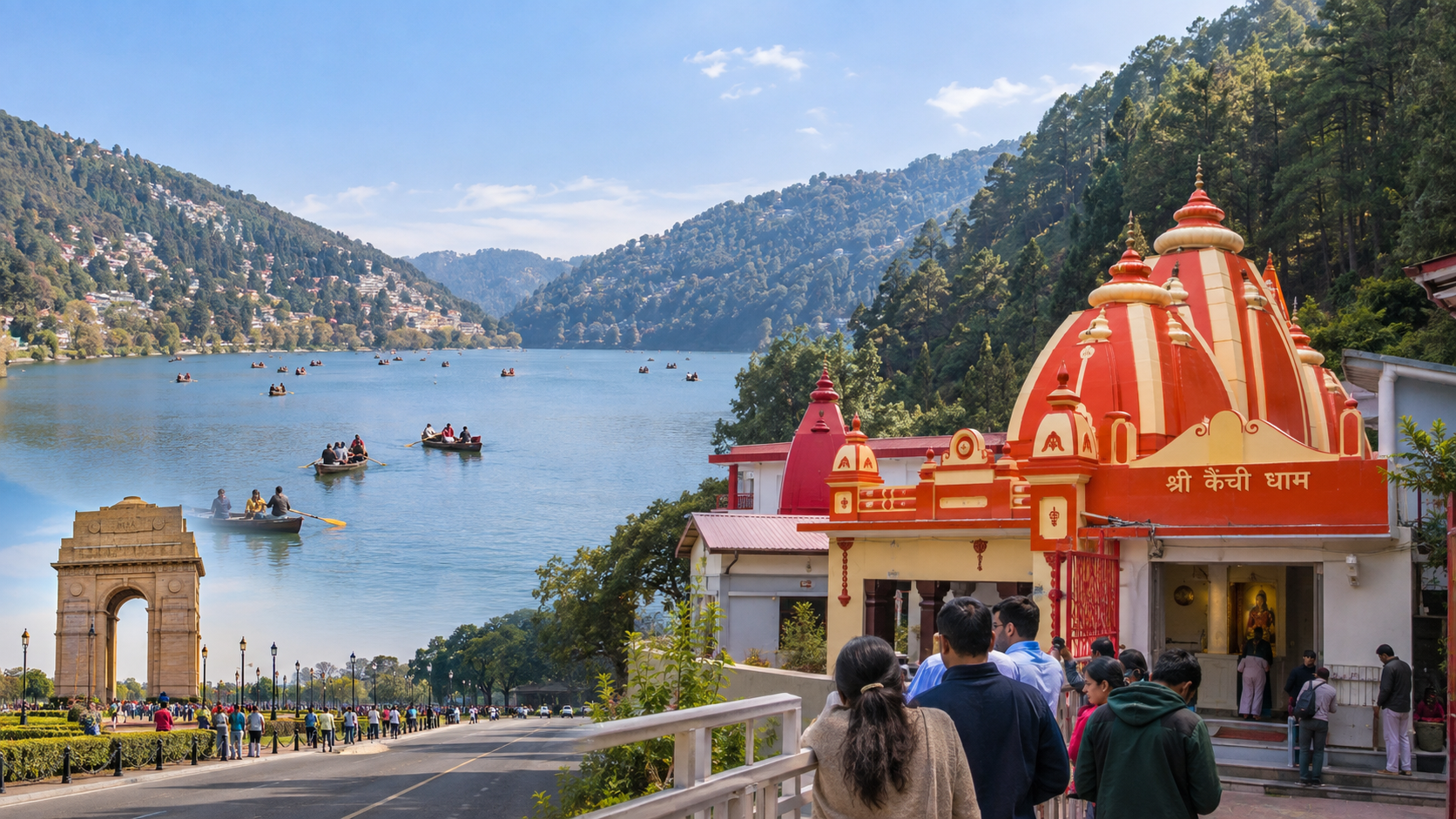
Nainital Kainchi Dham Tour from Delhi. Package details, itinerary and pricing can be completed in the CRM.
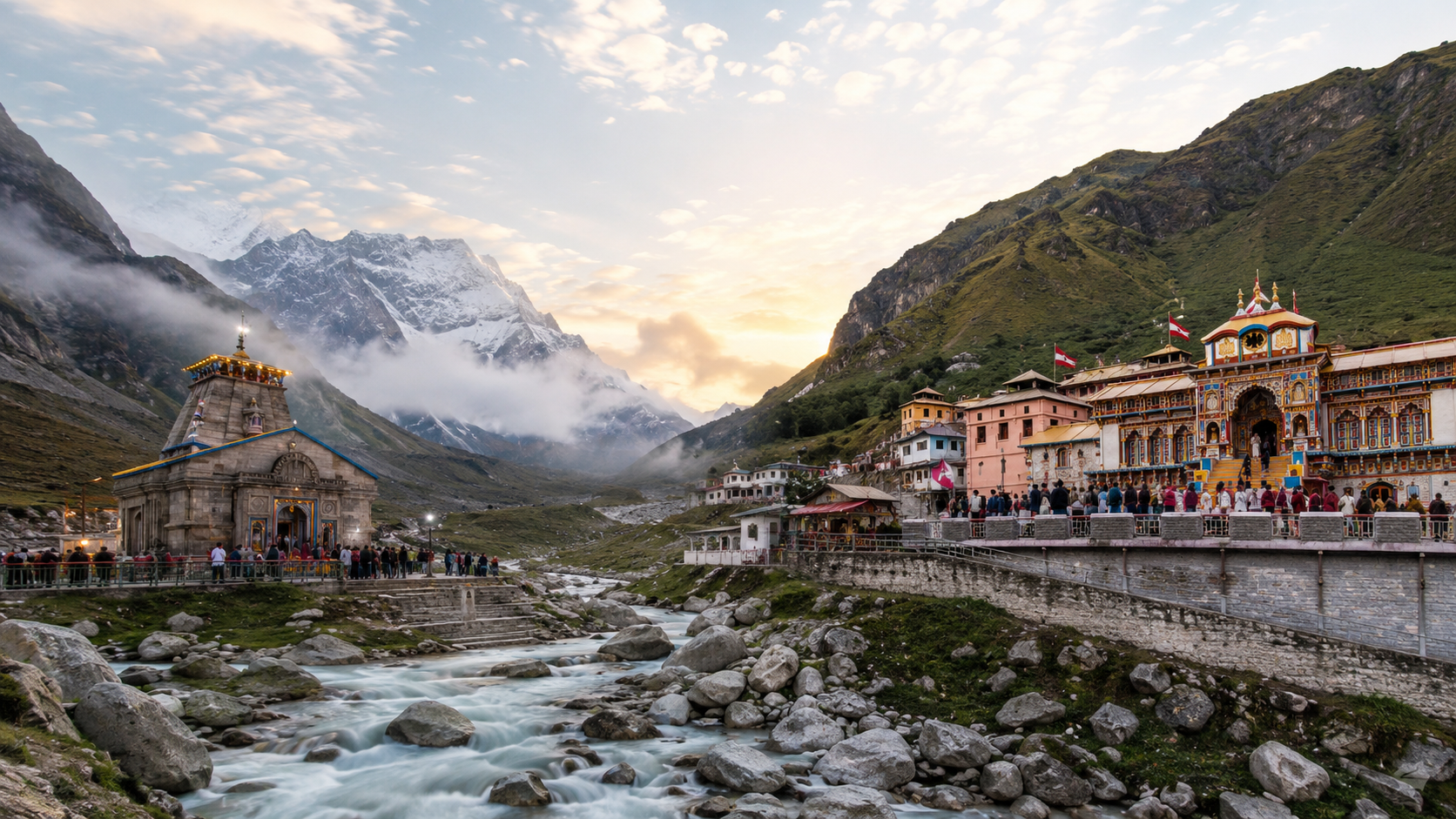
The 6 Days / 5 Nights Do Dham Yatra from Haridwar is designed for pilgrims who wish to visit the sacred Kedarnath Temple and Badrinath Temple in one focused Uttarakhand pilgrimage. Starting and ending in Haridwar, the journey combines the spiritual atmosphere of the Himalayan temples with the changing landscapes of Garhwal. Kedarnath, one of Lord Shiva’s most revered pilgrimage sites and a Jyotirlinga, requires a mountain approach and a trek from Gaurikund. Badrinath, dedicated to Lord Vishnu, is one of Uttarakhand’s four Char Dham temples. Trip to Yatra helps travellers plan this pilgrimage with practical guidance and clear enquiry support.
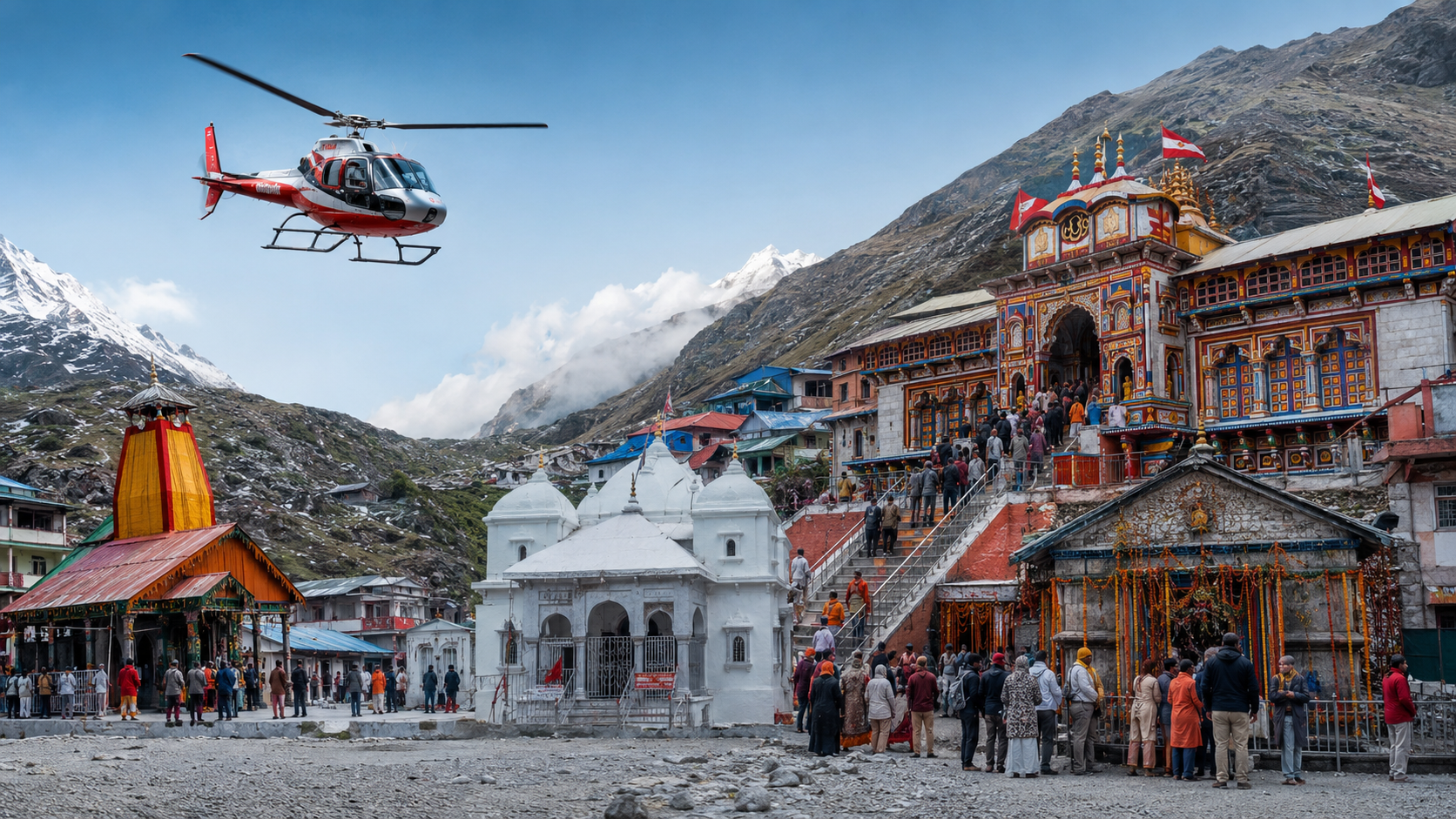
Chardham Yatra by Helicopter from Dehradun offers a more time-efficient way to undertake the sacred Uttarakhand Char Dham pilgrimage, covering Yamunotri, Gangotri, Kedarnath and Badrinath in a 5-day / 4-night package. Starting and ending in Dehradun, the journey combines helicopter travel with the necessary ground and temple-access arrangements at the Dhams. The helicopter element can significantly reduce long road journeys, but it does not mean every temple is reached directly by helicopter; Yamunotri and Kedarnath involve access arrangements beyond the helipad. Char Dham operates seasonally, and 2027 opening dates, operating conditions and applicable requirements should be confirmed before
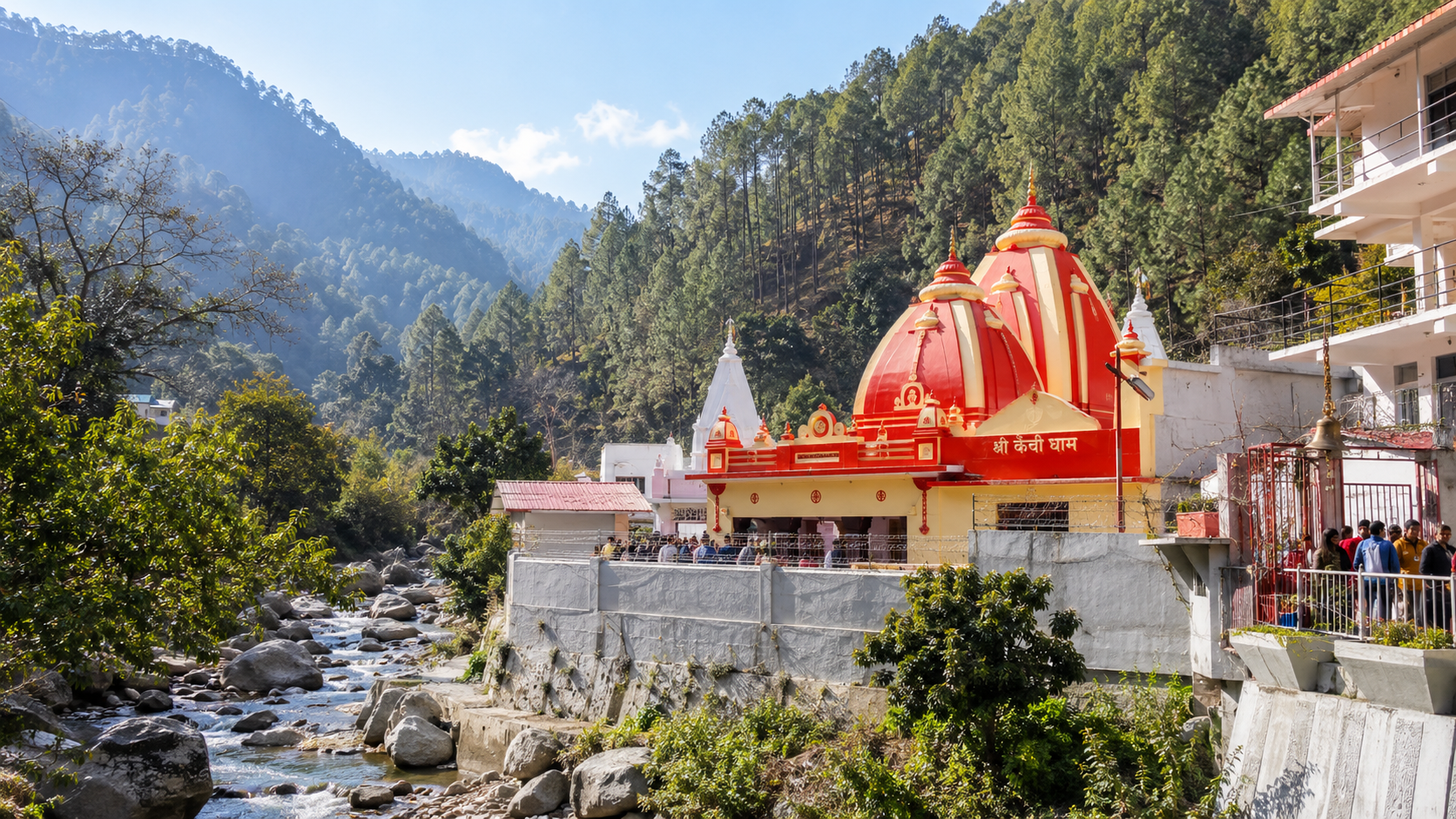
Kainchi Dham Tour from Delhi. Package details, itinerary and pricing can be completed in the CRM.
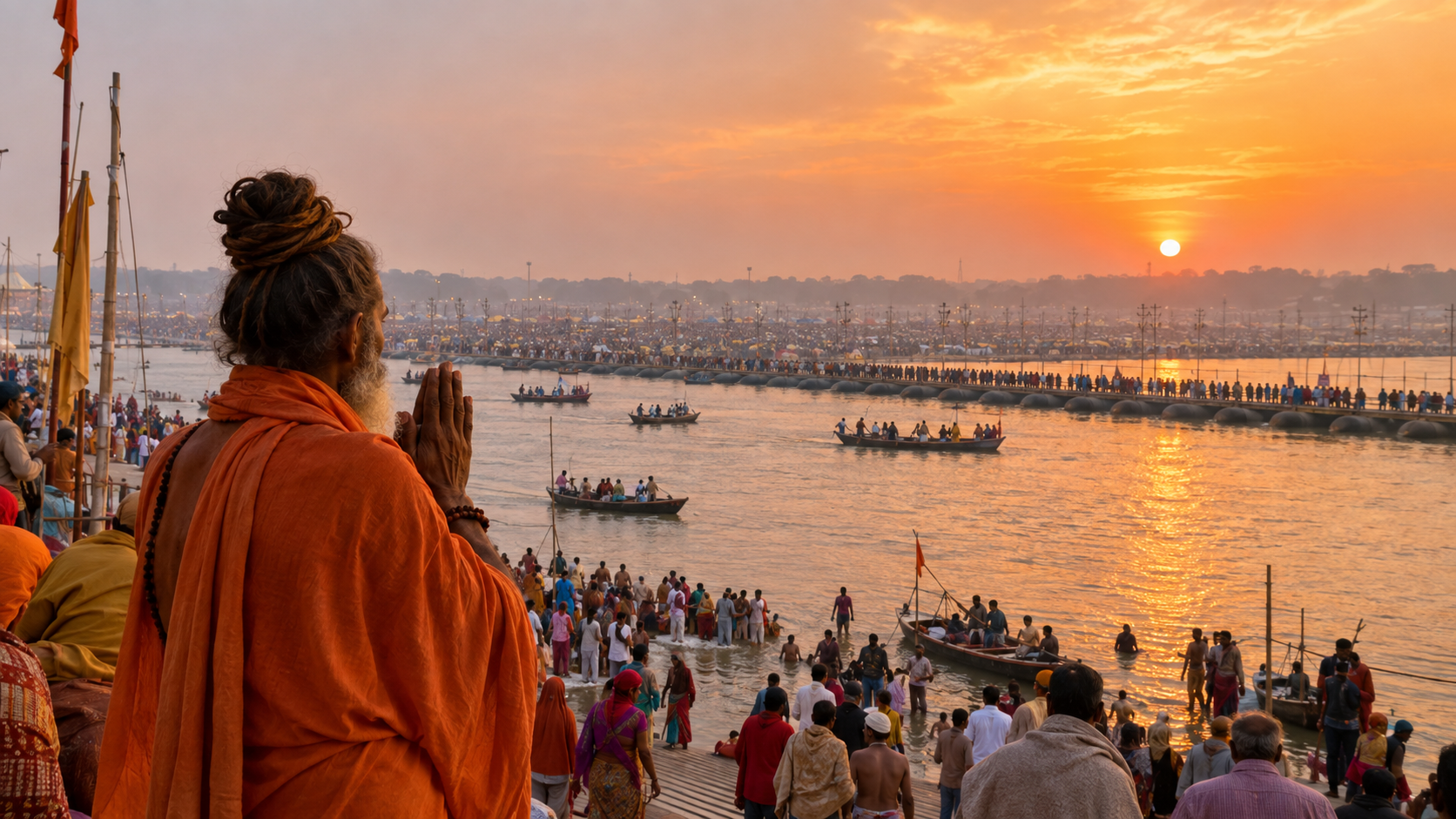
Prayagraj Kumbh Mela from Prayagraj. Package details, itinerary and pricing can be completed in the CRM.
Plan a 14-day Kailash Mansarovar Yatra by road from Kathmandu via Tibet, with Manasarovar, Darchen and the three-day Kailash kora.
Share your details and get a suitable package from our travel expert.
Kailash Mansarovar Yatra by Road from Kathmandu. Package details, itinerary and pricing can be completed in the CRM.
Kailash Mansarovar Yatra by road from Kathmandu is a high-altitude pilgrimage journey that combines Nepal road travel, an international land-border crossing into the Tibet Autonomous Region of China, a visit to Lake Manasarovar, time at Darchen and the traditional three-day Mount Kailash kora. This 14 Days / 13 Nights plan is designed as a practical overland framework for travellers who begin and finish in Kathmandu. It is not presented as a fixed-border guarantee: cross-border access, Chinese visa and pilgrimage permissions, group-processing rules, road conditions and local operating instructions can change, so the final 2027 departure route must be reconfirmed before travel.
For planning purposes, this itinerary uses the Kathmandu–Tatopani–Zhangmu approach rather than assuming the Rasuwagadhi–Keyrung corridor will be available. Nepal and China had previously reported the Zhangmu–Kodari and Jilong/Keyrung–Rasuwagadhi ports as operating cross-border points. However, a severe Bhote Koshi flood on 26 August 2026 caused major damage in Rasuwa and surrounding districts and disrupted transport infrastructure. In Nepal’s official situation update of 10 September 2026, authorities were still restoring connectivity, while Nepali nationals affected on the China side were being brought back through the Tatopani border point. Because this package is for 2027, the actual land border used must be based on the latest government notifications, border opening status and permit instructions available close to departure.
The planned sequence therefore runs from Kathmandu to the Nepal–China frontier at Tatopani, crosses into the Zhangmu sector, continues through Nyalam and Saga, reaches Lake Manasarovar and Darchen, completes the Kailash kora through Dirapuk and Zutulpuk, and then returns by the same broad corridor to Kathmandu. If the competent authorities later designate another authorised border or road for the group, the operating route may need to change without changing the core pilgrimage objective.
Travellers should not treat this journey like an ordinary self-drive holiday. Access to the Tibet Autonomous Region is controlled and the pilgrimage requires advance travel authorisation arranged under the rules applicable to the traveller’s nationality and group. The Chinese Visa Application Service Center in Kathmandu currently requires visa applicants to complete the online application and upload supporting documents for preliminary review before formal passport submission. It also warns travellers to use authorised channels and accurate documents. These procedures can be revised, so 2027 requirements must be checked again before accepting final documents or collecting permit-related charges.
Indian passport holders need special attention. A notice published by the Embassy of China in Nepal states that Indian pilgrims wishing to visit Mount Kailash and Lake Mansarovar should apply for a Chinese group visa at the Chinese Embassy in India, while the Embassy in Nepal accepts pilgrimage group-visa applications only for long-term Indian residents in Nepal. This distinction is important for a Kathmandu-start package marketed in India. An Indian traveller should not assume that arriving in Kathmandu first automatically makes the person eligible to complete Chinese pilgrimage visa formalities there. The applicable process should be confirmed for the intended 2027 batch before booking non-refundable services.
The Government of India’s Ministry of External Affairs also operates its own Kailash Manasarovar Yatra programme in coordination with China. Its 2026 programme was organised through the official Indian routes and selection process. That government programme is separate from a Kathmandu-based commercial overland package. Travellers should understand which arrangement they are joining and should not confuse the eligibility, medical screening, fees or documents of the MEA-operated programme with those of a privately organised Nepal–Tibet itinerary.
This journey reaches remote, high-altitude terrain where oxygen levels are lower, weather changes quickly and road or walking conditions can be demanding. The schedule intentionally includes gradual progress through the Tibetan plateau before the three-day kora. Even with staged travel, no itinerary can guarantee that every traveller will acclimatise comfortably. Fitness for high-altitude travel should be discussed with a qualified doctor, especially for anyone with a heart, lung, blood-pressure, metabolic or other medical condition. A traveller who feels unwell must report symptoms promptly and follow the advice of the authorised local guide and medical professionals.
The kora is the most physically demanding section. It normally requires long walking days over uneven mountain terrain and includes a high pass. Weather, snow, wind, personal fitness, local safety instructions and route controls can affect whether a pilgrim can continue. Horse, porter or other assistance, where locally permitted, should never be described as guaranteed until availability and rules are confirmed on the ground. Travellers who are unable to complete a section may have to follow the contingency decision made by the authorised local team.
Day 1 is kept for arrival and settling in Kathmandu. Day 2 is reserved for document checks, group briefing and final operating updates. This is useful because the border procedure, transport allocation and permit packet must match the authorised group before departure. Day 3 moves towards Tatopani and the Zhangmu sector, subject to border clearance. Day 4 continues to Nyalam, giving the group another staged night before moving farther across the plateau.
Day 5 proceeds to Saga, an important road stop on the approach to western Tibet. Day 6 continues to Lake Manasarovar. The lake visit is treated as a spiritual and scenic pilgrimage stop, not as a promise of ritual access at any particular point; shoreline access and local movement remain subject to the instructions in force. Day 7 continues to Darchen, the usual base for starting and ending the Mount Kailash kora.
Days 8, 9 and 10 are allocated to the three-day kora. The first day runs from Darchen towards Dirapuk, the second continues from Dirapuk to Zutulpuk, and the third completes the circuit back to Darchen. The group’s walking plan can be modified by the local authorities or guide for safety, weather, health or route-control reasons. After the kora, Day 11 returns towards Saga, Day 12 continues to Nyalam, Day 13 crosses back through the Zhangmu–Tatopani sector and returns to Kathmandu, and Day 14 is kept in Kathmandu for completion of the package and onward departure.
No hotel name is promised in advance in this CRM data because accommodation allocations can change and because remote Tibetan sectors do not always offer the same standard available in Kathmandu. The package should be sold by confirmed category and service level only after suppliers issue written confirmation. In remote areas, accommodation may be simple and facilities can be limited. Rooming configuration, attached bathrooms, heating, electricity and hot-water availability should be stated only in the final departure voucher if actually confirmed.
Road transport is likewise subject to the permitted vehicle arrangement on each side of the international border. Nepal-sector vehicles and China-sector vehicles may be different, and passengers must follow immigration, customs and local transport procedures at the crossing. Travellers should pack so that essential documents, medicines and valuables remain accessible during transfers. Driving hours can vary because of checkpoints, road works, landslides, weather and traffic controls. For that reason, this itinerary avoids publishing guaranteed kilometre counts or fixed arrival times.
A valid passport is central to the journey. Travellers should provide clear passport copies exactly as requested and should ensure that personal details are consistent across all forms. The Chinese visa centre currently warns that false or incomplete information can lead to rejection or refusal of entry. Additional photographs, application forms, residency evidence, group documents or medical information may be required depending on nationality and the final pilgrimage process. Indian citizens entering Nepal by air are advised by Nepal immigration to travel with a valid passport; Nepal’s immigration authority also confirms that Indian citizens do not require a visa to enter Nepal.
For non-Indian travellers, Nepal entry requirements depend on nationality. Nepal’s Department of Immigration operates tourist visa and on-arrival services for eligible nationalities, while some nationalities must arrange permission in advance. Because this package crosses from Nepal into China and later re-enters Nepal, travellers should check that their Nepal immigration status permits the required return entry. The package operator should verify this before final ticketing rather than assuming that one entry permission covers the entire journey.
Before collecting a final non-refundable balance, the traveller should receive the confirmed 2027 departure date, nationality-specific visa and pilgrimage-permit process, passport submission timeline, authorised border crossing, transport plan, accommodation category, meal plan, baggage rules, emergency procedure and cancellation terms. Any fee collected on behalf of government authorities should be described separately from the operator’s land-package price and should be updated only from the official schedule applicable to that departure.
This CRM record intentionally leaves the package price blank. Government fees, visa service charges, permit-related costs, transport rates, accommodation costs and exchange rates can change, and no reliable 2027 all-inclusive selling price can yet be verified from official sources. A commercial price should therefore be inserted only after the supplier contracts and official fee requirements for the chosen 2027 batch are available.
Kailash Mansarovar is a deeply revered pilgrimage area and also a remote border region. Travellers should respect local religious practices, environmental rules, photography restrictions, immigration controls and instructions from authorised guides. Do not assume that drones, satellite communication devices, professional filming equipment or unrestricted photography are permitted. Any such equipment should be declared and cleared in advance where required.
Weather or government control can alter the programme at short notice. Border closures, natural disasters, road damage, medical issues, permit delays or local restrictions can require a delayed departure, route substitution, shortened visit or return. These are operational realities rather than service guarantees. Travel insurance should be selected carefully for the traveller’s nationality and should explicitly be checked for high-altitude trekking, emergency evacuation, trip interruption and the regions included in the itinerary; coverage must be confirmed directly with the insurer.
For a traveller who is properly documented, medically prepared and comfortable with changing mountain conditions, this 14-day format provides a clear pilgrimage flow from Kathmandu to Lake Manasarovar and Mount Kailash and back to Kathmandu. Its strength is not a promise that every road, border or timing will remain unchanged in 2027, but a transparent route framework that can be updated against the latest official Nepal and China instructions before each departure.
A quick overview of the experiences, important stops and thoughtful planning included in this yatra.
14 Days / 13 Nights Kathmandu round-trip overland pilgrimage framework.
Planned land approach through the Kathmandu–Tatopani–Zhangmu corridor, subject to 2027 official border status.
Lake Manasarovar pilgrimage visit.
Darchen stay before and after the Mount Kailash kora.
Three itinerary days reserved for the traditional Kailash kora through Dirapuk and Zutulpuk.
Gradual road progression through Nyalam and Saga before the core pilgrimage sector.
Dedicated Kathmandu day for documentation, briefing and last-minute operating updates.
Route and rules designed to be reconfirmed against current government instructions before departure.
Follow the journey step by step through the important halts, stays and darshan points.
Arrive in Kathmandu and settle in. Keep original travel documents accessible for the group verification process. No cross-border movement is planned today.
Use the day for passport and document verification, final route briefing, baggage preparation and the latest border and permit instructions. The operating team should confirm the authorised crossing and China-side travel documents before departure.
Travel by road from Kathmandu towards Tatopani. Complete Nepal departure and China entry formalities at the authorised land crossing, then continue to the Zhangmu sector if clearance is granted. Border processing and the usable road are subject to the latest official instructions.
Continue by authorised road transport to Nyalam. The staged journey is intended to avoid an unnecessarily rapid move deeper into the high plateau. Follow the local guide’s health and movement instructions.
Proceed overland to Saga, subject to road, checkpoint and weather conditions. Keep passport and group travel documents available for checks as required by the authorities.
Travel west towards Lake Manasarovar. Visit access is subject to local regulations, weather and instructions from the authorised guide. Ritual activity at any particular shoreline point is not guaranteed.
Continue to Darchen, the base used for the Mount Kailash kora. Prepare only the necessary day-pack and personal items for the walking section, following the baggage and safety instructions issued locally.
Begin the Mount Kailash kora and proceed towards Dirapuk. This is a strenuous high-altitude walking day. Progress depends on health, weather, trail conditions and local controls.
Continue the most demanding section of the kora towards Zutulpuk, crossing the high-pass sector under the direction of the authorised local team. A traveller who becomes unwell should report symptoms immediately and follow medical and guide instructions.
Complete the final section of the kora and return to Darchen. The exact walking and vehicle pickup arrangement remains subject to the route and operating controls in force.
Begin the overland return journey from Darchen to Saga. Travel time can change because of road conditions, checkpoints, weather and local traffic management.
Continue east by road to Nyalam. The group remains subject to China-side permit, road and checkpoint instructions throughout the return sector.
Travel towards Zhangmu, complete China exit and Nepal re-entry formalities at the authorised land border, then continue by road to Kathmandu. The exact crossing must be reconfirmed for the 2027 departure.
Package services conclude in Kathmandu. Keep sufficient time for onward travel because mountain-road or border disruptions earlier in the journey can affect the return schedule.
Review what is included in your plan and the important information required before confirming your journey.
Important answers to help you prepare for this journey.
No. It is a researched 14-day planning framework. The final 2027 border crossing, permits, transport and departure operation must be reconfirmed from current official instructions before booking becomes final.
Nepal and China had recognised both corridors as operating ports, but the severe Bhote Koshi floods of 26 August 2026 caused major damage in the Rasuwagadhi region. Nepal’s 10 September 2026 official update reported continuing restoration work and the return of Nepali nationals from China through Tatopani. For that reason, Tatopani–Zhangmu is the more defensible current planning route, subject to 2027 reconfirmation.
Do not assume so. A Chinese Embassy in Nepal notice states that Indian pilgrims wishing to visit Mount Kailash and Lake Mansarovar should apply for a Chinese group visa at the Chinese Embassy in India, while Kathmandu accepts such pilgrimage group applications for long-term Indian residents in Nepal. The exact 2027 process must be reconfirmed before booking.
No. The Ministry of External Affairs operates a separate government-organised Kailash Manasarovar Yatra in coordination with China. A Kathmandu-based commercial overland package is a different arrangement and should not use the MEA programme’s eligibility, medical, fee or route conditions unless the traveller is actually enrolled in that programme.
Nepal immigration states that Indian citizens do not require a visa to enter Nepal. For air entry, Nepal’s immigration authority accepts a valid Indian passport and also recognises specified alternative identity documents, but a passport is strongly advisable for this package because the onward international pilgrimage requires passport-based processing.
Many nationalities are eligible for Nepal tourist visa-on-arrival facilities, but Nepal’s Department of Immigration lists exceptions. Each traveller must check the official Nepal immigration rule for their own passport and make sure the return entry to Nepal after Tibet is also valid.
No. The itinerary reserves three days for the kora, but completion depends on the traveller’s health, weather, trail conditions, local controls and safety instructions. The authorised local team may modify or stop a section when necessary.
Not in this CRM record. Availability, permission, rates and operating rules can change. Such assistance should be sold only when it is specifically confirmed for the departure or is available locally under the rules in force.
No hotel names or guaranteed room features are published here because 2027 allotments have not been verified. The final quotation should state the confirmed accommodation category and the departure voucher should identify the actual properties or guesthouses.
The price is intentionally left blank. A reliable 2027 selling price cannot be verified until permit and visa charges, transport, accommodation, supplier contracts and applicable exchange-rate assumptions are confirmed.
It is a demanding high-altitude journey with long road travel and strenuous walking during the kora. Travellers should seek medical advice before booking and should report any altitude-related symptoms promptly during the journey.
Yes. Border closures, natural disasters, road damage, permit delays, government instructions, weather or health and safety concerns can require a route change, delayed movement or shortened pilgrimage activity. The final booking terms should explain how such changes are handled.