
Tungnath Temple
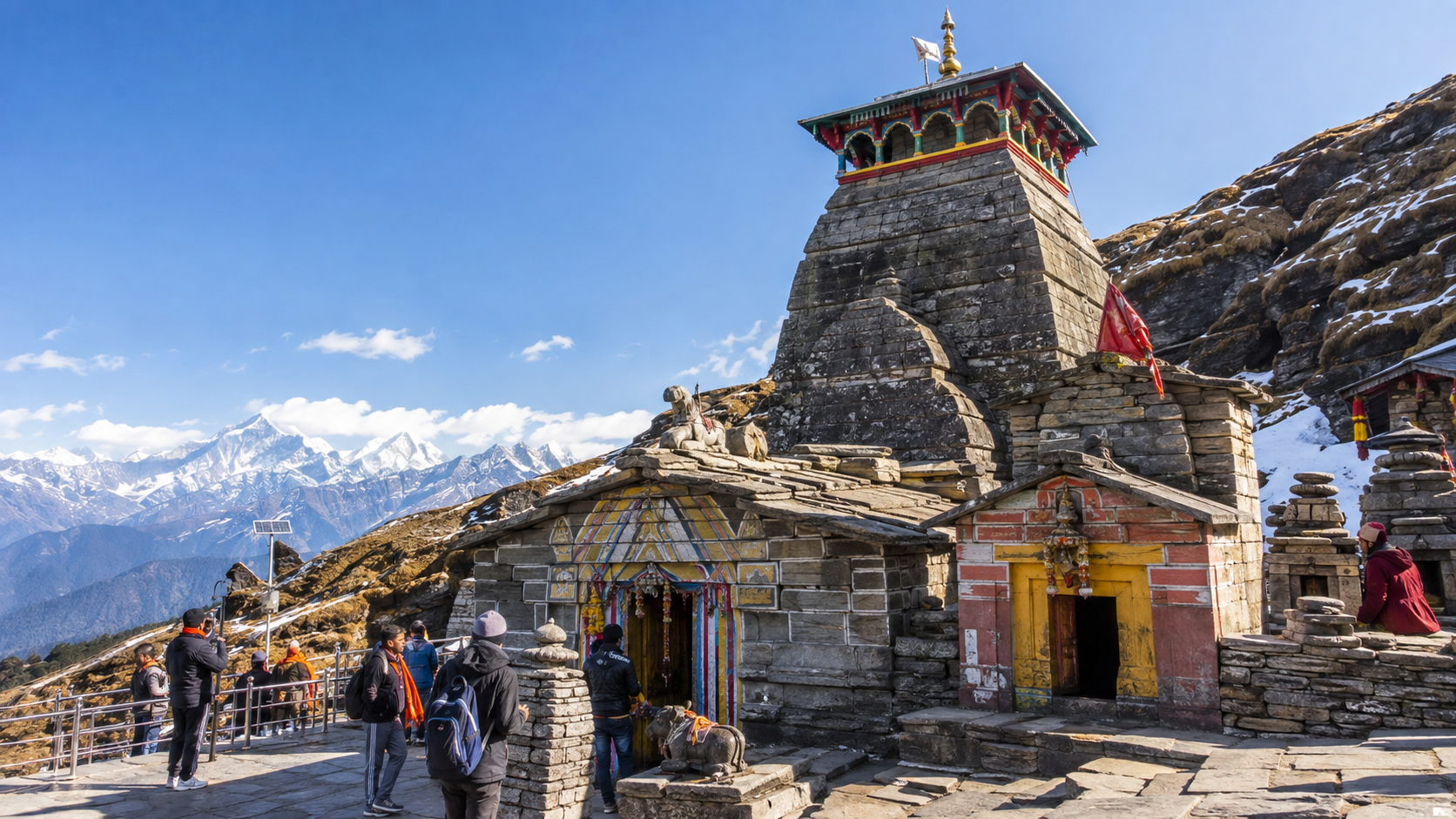
Tungnath Temple is a high-altitude Shiva shrine in Rudraprayag district and one of the five Panch Kedar temples. Reached by trekking from Chopta, it combines an important pilgrimage with a mountain journey. This guide covers the route, seasonal access, darshan planning, practical travel details, places to stay and nearby attractions.
Tungnath Temple: What to Know Before You Go
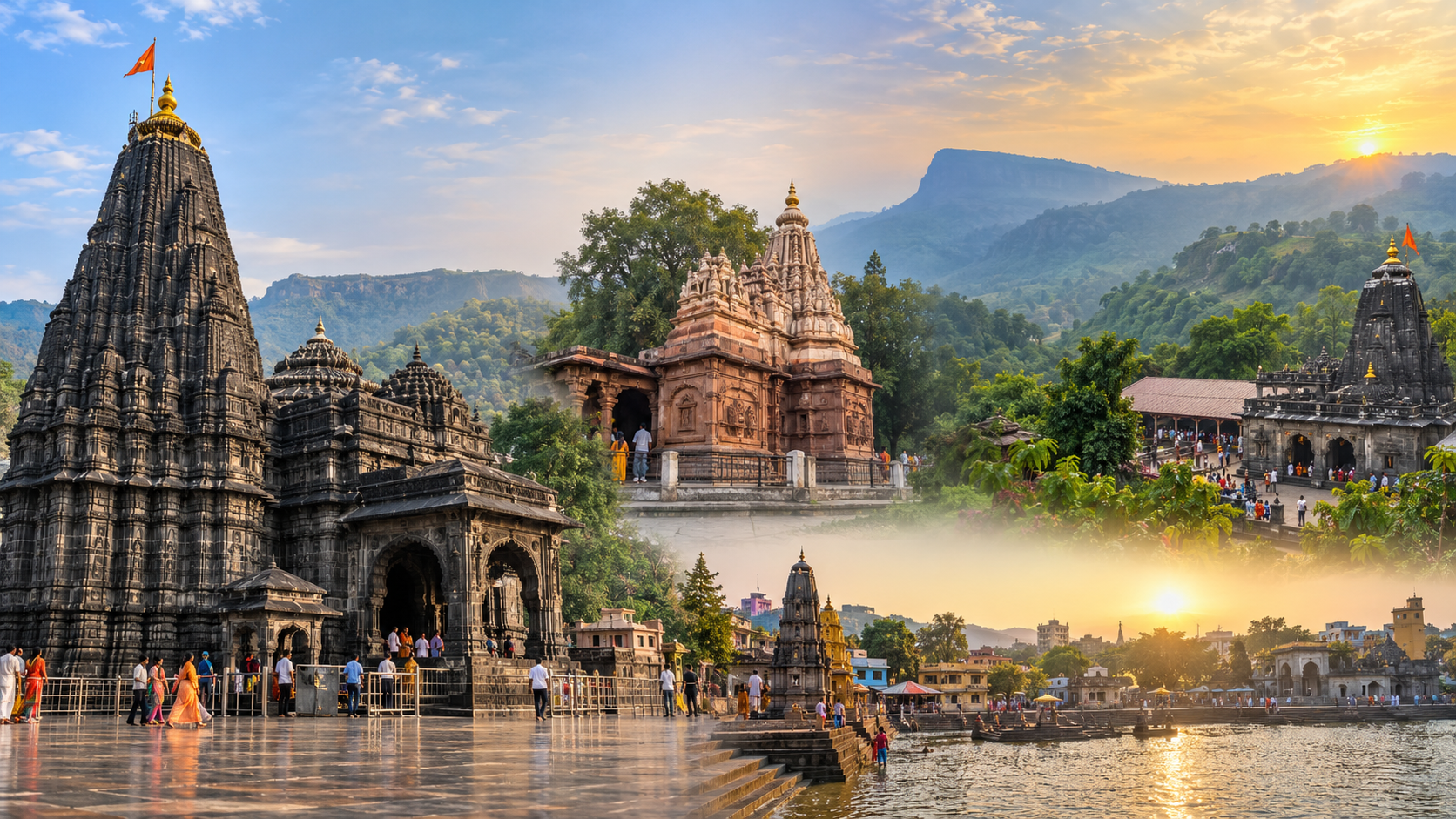
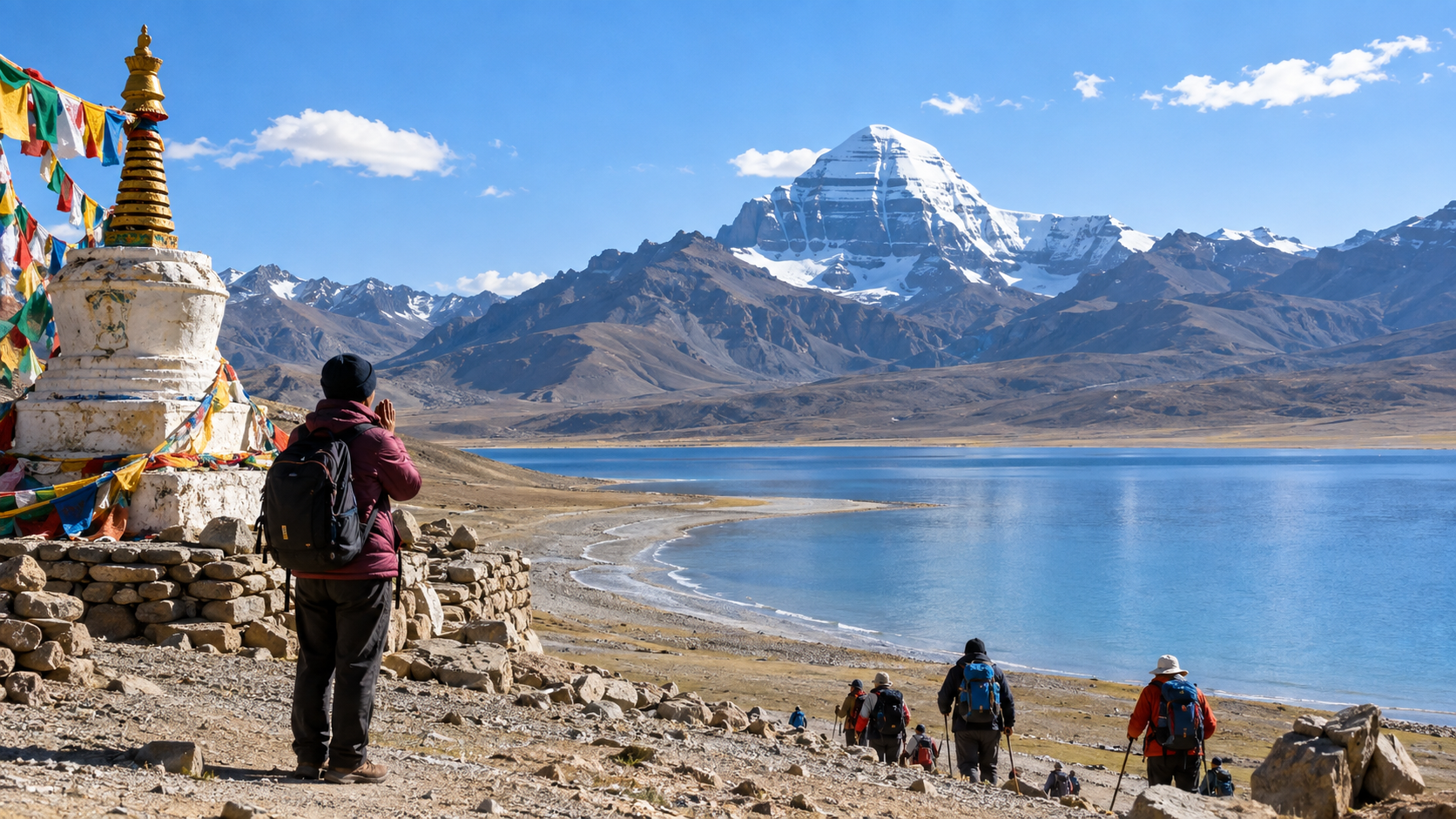
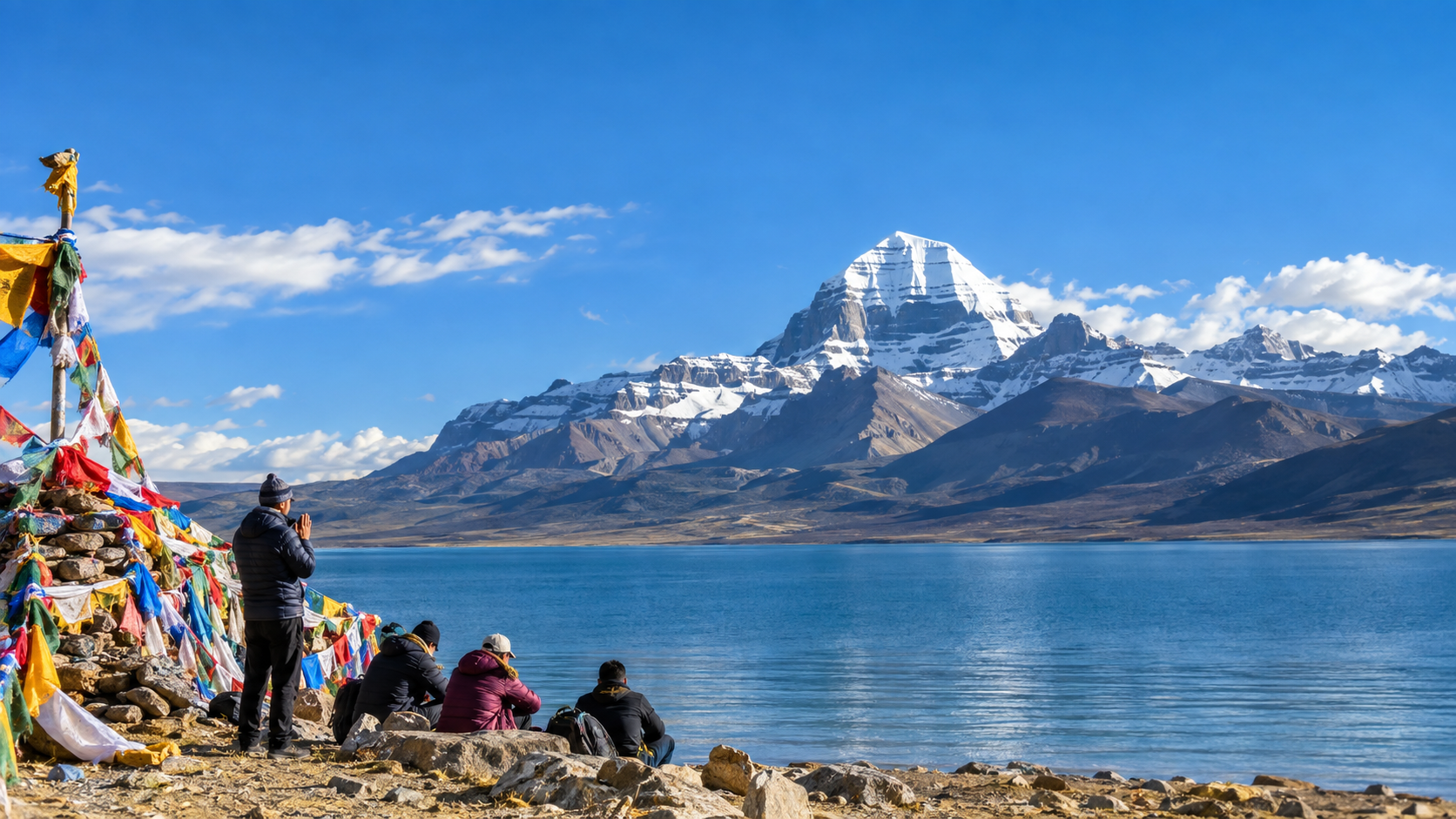
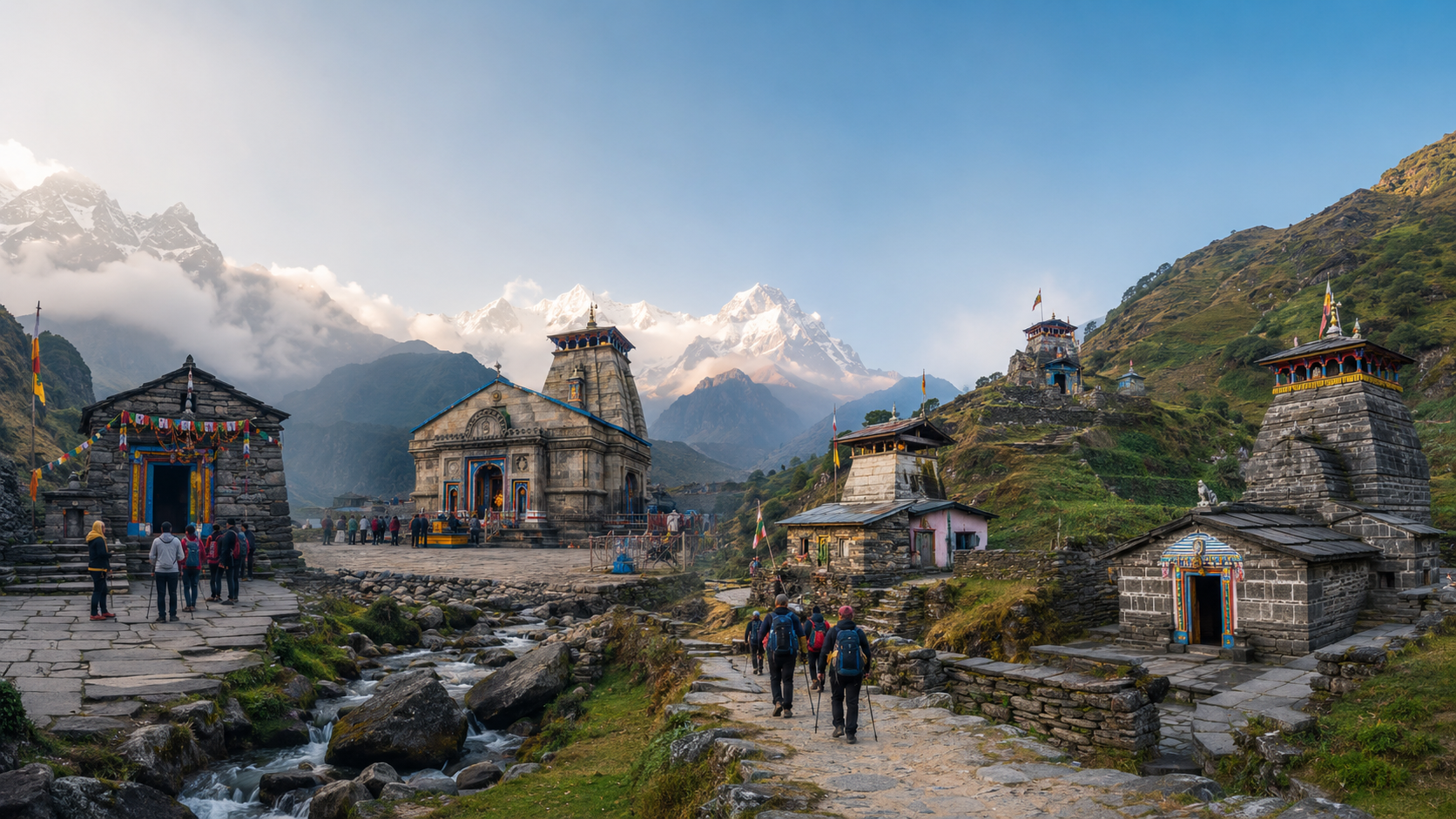
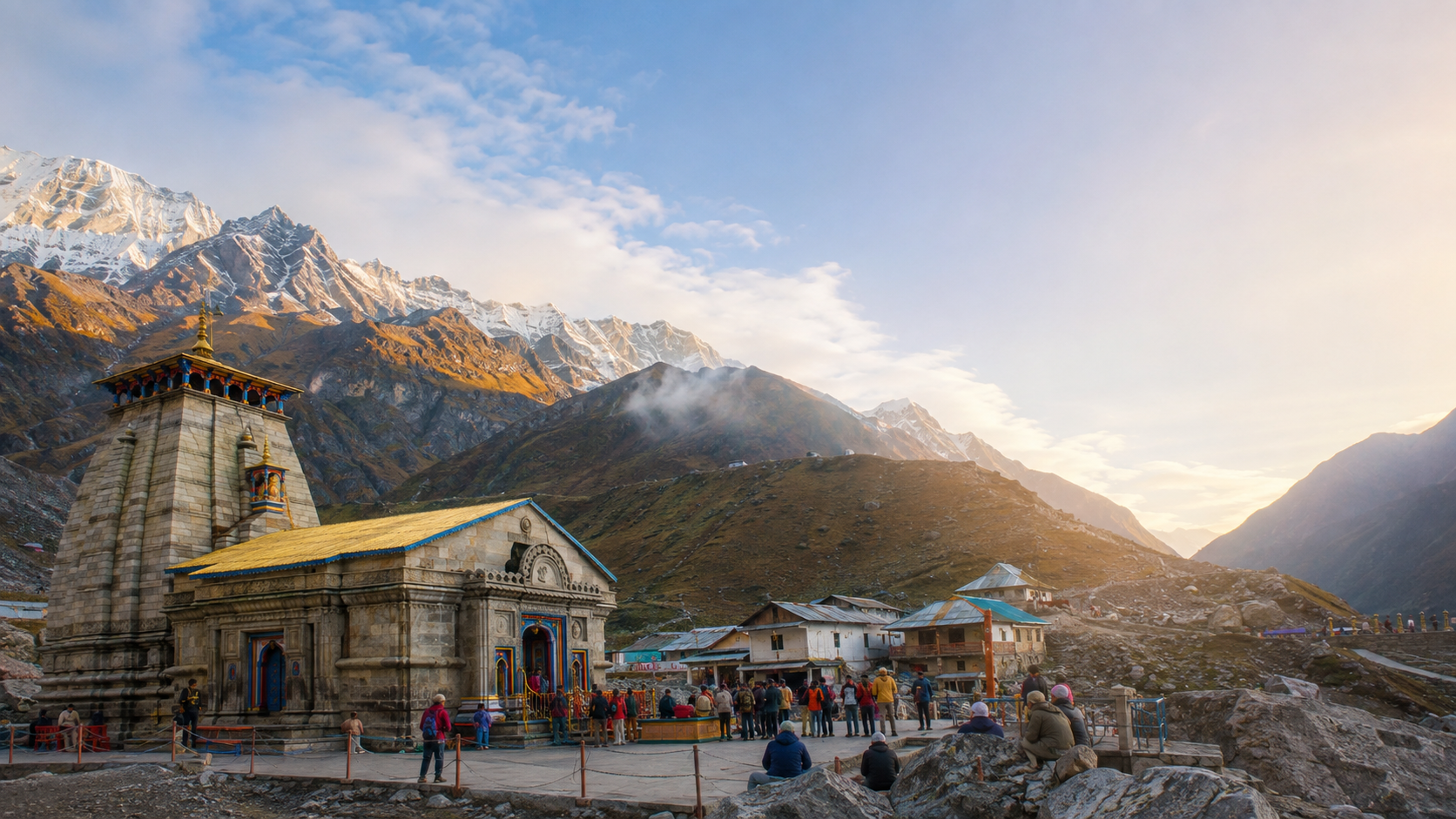
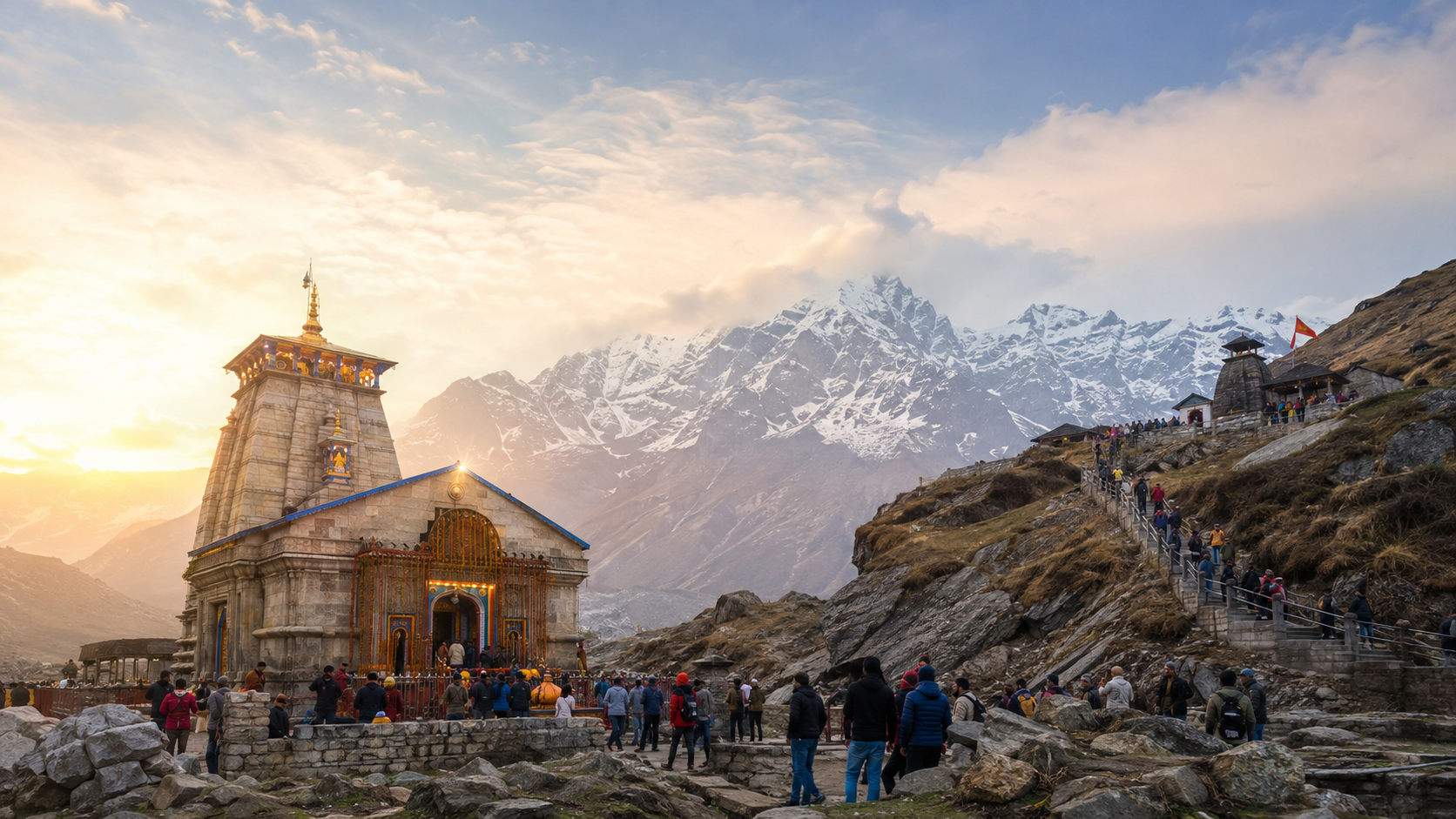
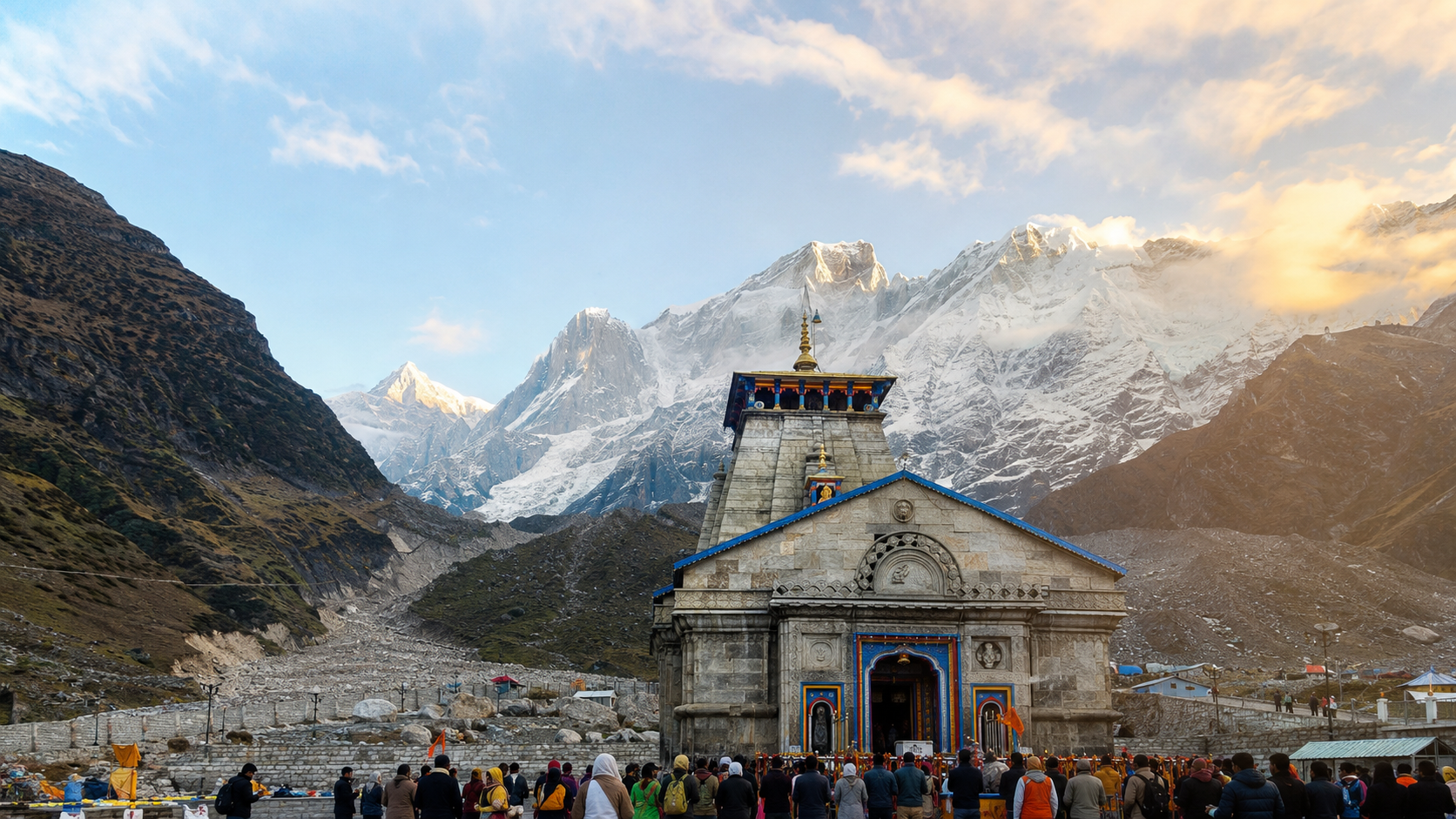
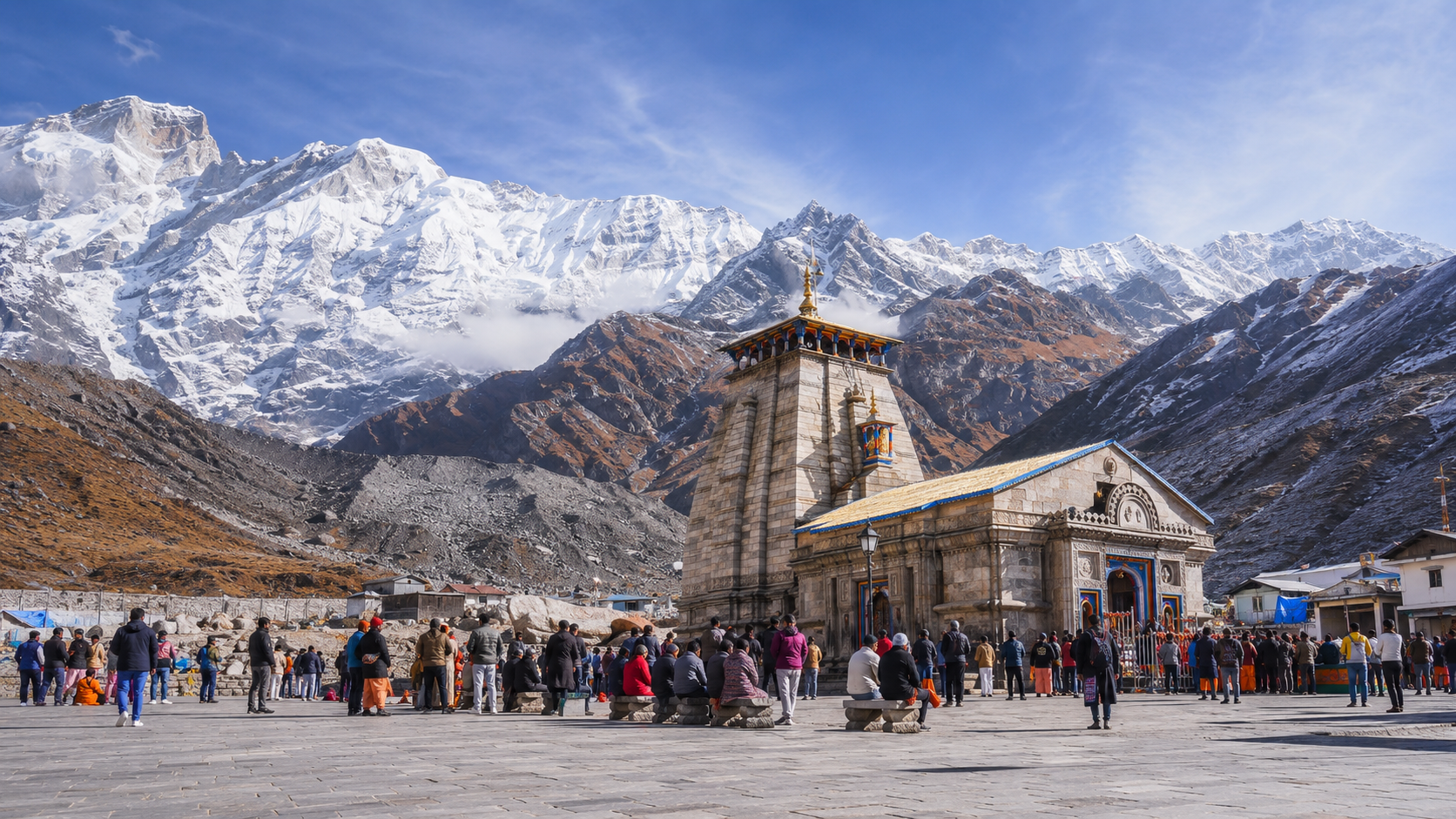
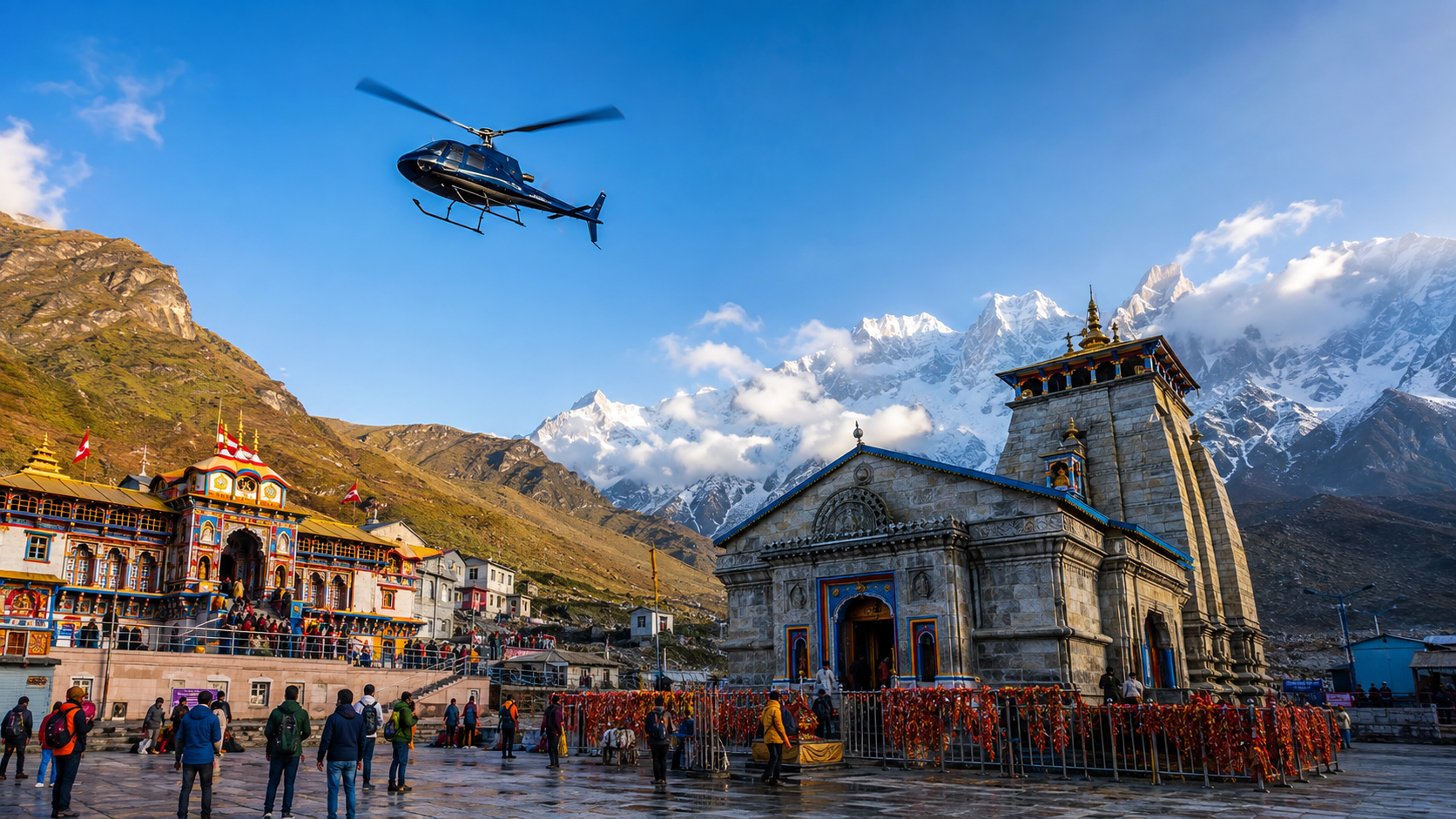
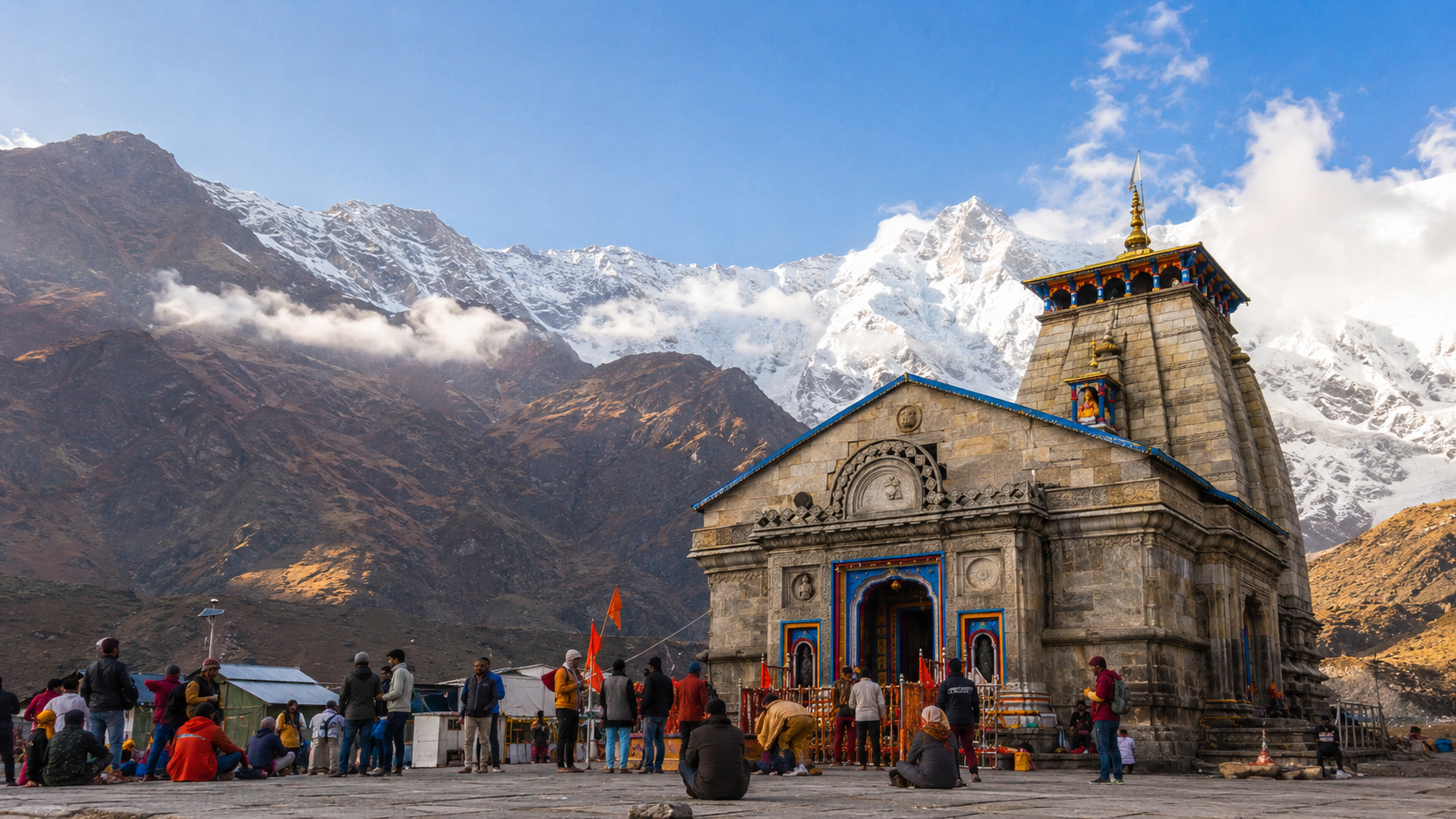
Tungnath Temple is a revered Shiva shrine in Uttarakhand’s Rudraprayag district, situated on the Chandranath Parbat at about 3,680 metres above sea level. It is one of the five Panch Kedar temples and is reached on foot from Chopta rather than by road. The approach is part of what makes a Tungnath pilgrimage distinctive: the visit involves a high-altitude trek as well as temple darshan. The official Badrinath-Kedarnath Temple Committee identifies Tungnath as one of the Panch Kedar shrines and places it at 3,680 metres.
For most travellers, Chopta is the practical base. Uttarakhand Tourism describes the Chopta–Tungnath–Chandrashila route as a medium-grade trekking route, while its dedicated itinerary places the Chopta-to-Tungnath section at roughly 3 km. Other official tourism material gives the walking distance as approximately 3 to 3.5 km, so travellers should allow for some variation depending on the exact starting point and route conditions.
The journey is best planned around the temple's seasonal opening, mountain weather and your own ability to manage a sustained uphill walk at high altitude.
Spiritual Importance of Tungnath Mahadev
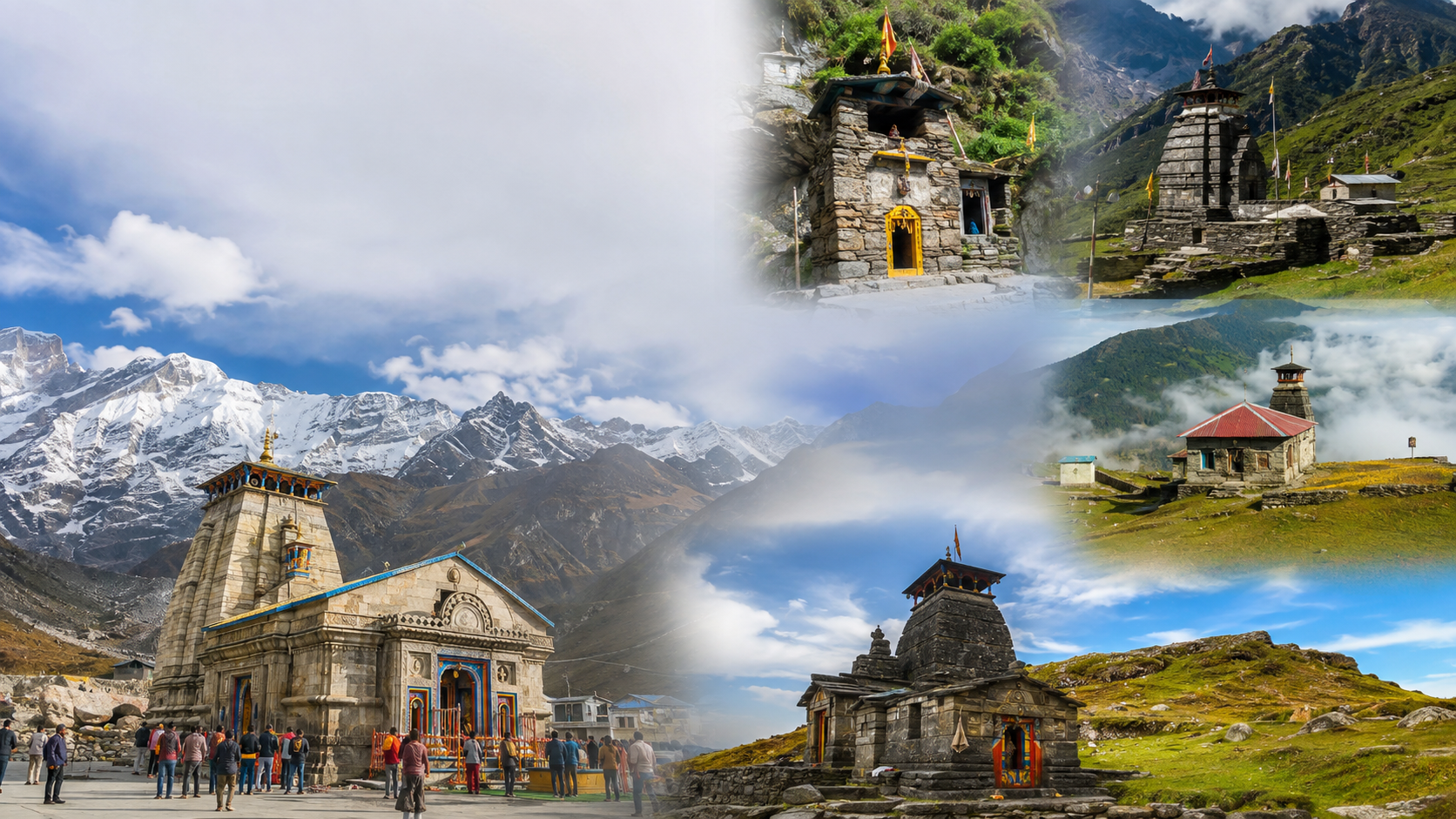
Tungnath is traditionally regarded as the third or Tritiya Kedar in the Panch Kedar group. The other four shrines are Kedarnath, Madhyamaheshwar, Rudranath and Kalpeshwar. Uttarakhand Tourism describes Panch Kedar as a group of five Shiva temples associated with the religious traditions and mythology of the Garhwal Himalayas.
According to the traditional Panch Kedar legend, the Pandavas sought Lord Shiva after the Mahabharata war. Shiva is said to have taken the form of a bull and disappeared into the ground when the Pandavas approached him. Different parts of the divine form are traditionally associated with the five Panch Kedar sites. This is a religious tradition and should be understood as mythology rather than independently verified historical fact.
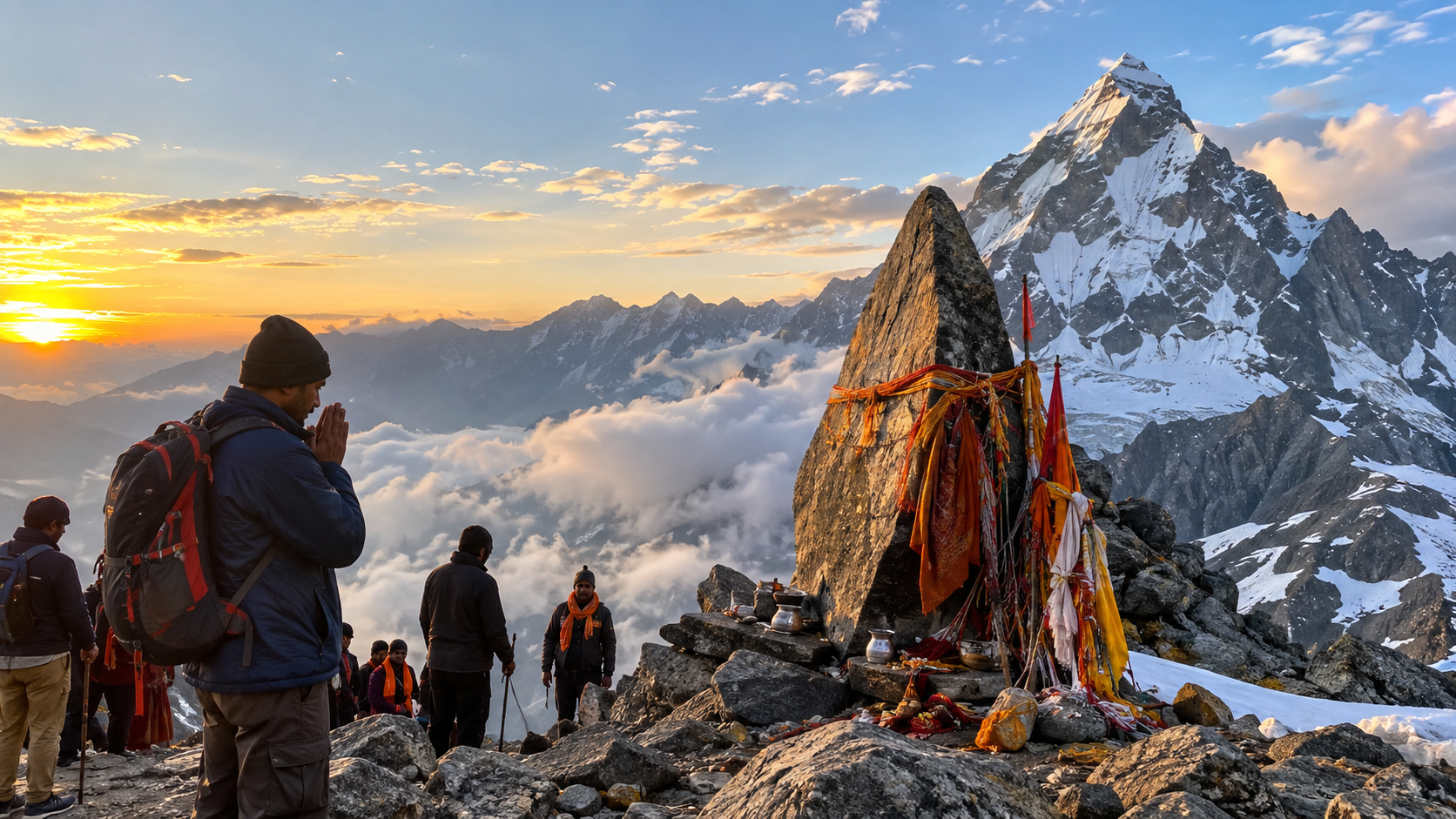
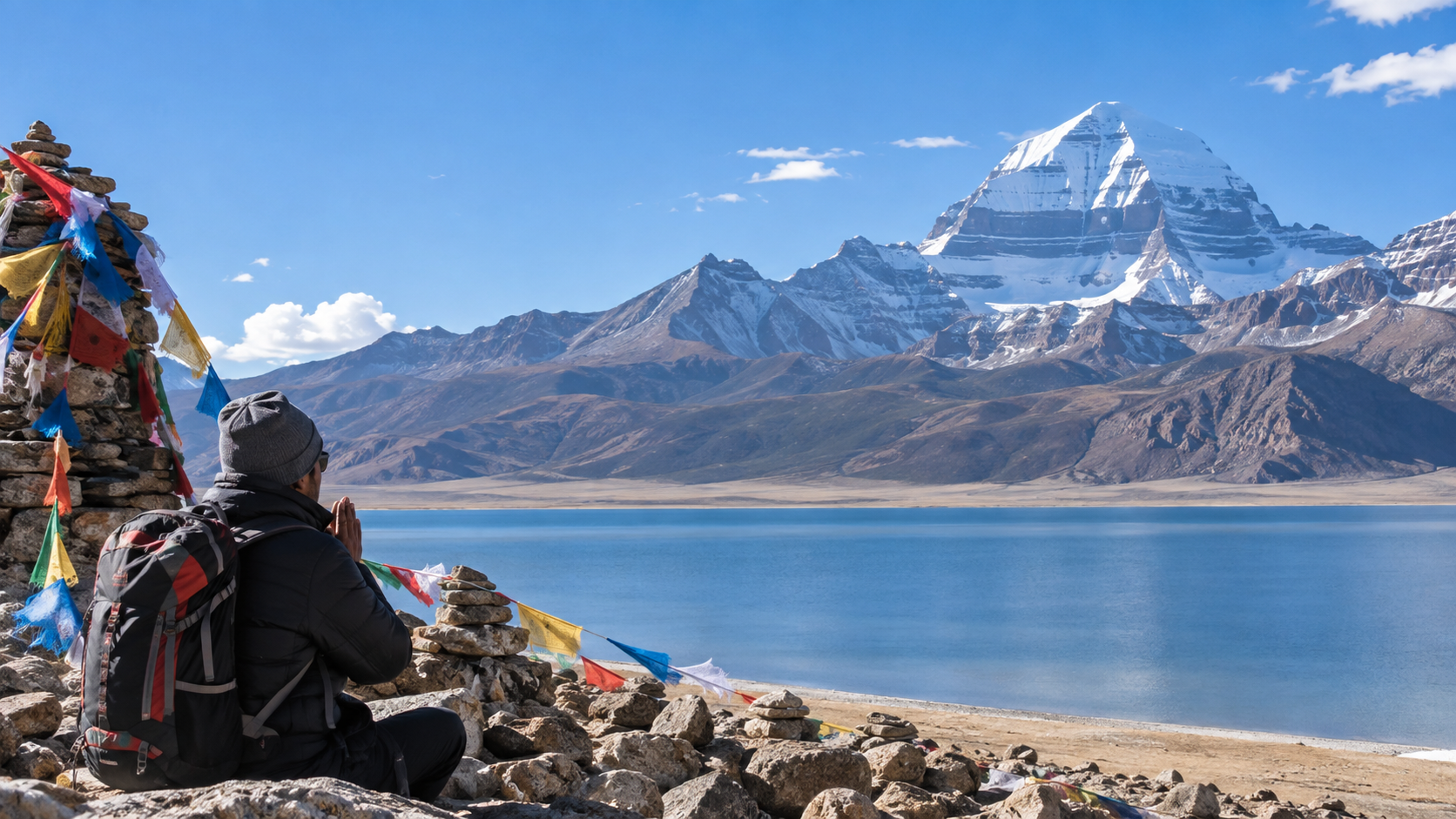
For devotees, Tungnath is therefore more than a mountain temple. It forms part of a wider Shiva pilgrimage circuit in the Garhwal Himalayas. Its remote setting also means that the act of walking to the shrine remains an important part of the experience.
Tungnath Temple History and Legend
The exact date of construction of the present Tungnath temple should not be stated as a confirmed historical fact without stronger archaeological evidence. Travel sources commonly describe the shrine as ancient or more than a thousand years old, but these descriptions are not the same as a securely established construction date.
The temple's religious history is closely connected with the Panch Kedar tradition. The official temple committee recognises Tungnath as a Panch Kedar shrine, while Uttarakhand Tourism documents the broader mythology surrounding the five temples.
The winter arrangement is also an important part of the temple's living tradition. The Badrinath-Kedarnath Temple Committee states that winter worship of Tungnath is conducted at Makkumath, the shrine's winter seat. This means that seasonal closure at the high-altitude temple does not mean that the associated worship simply stops.
Tungnath Temple Trek from Chopta
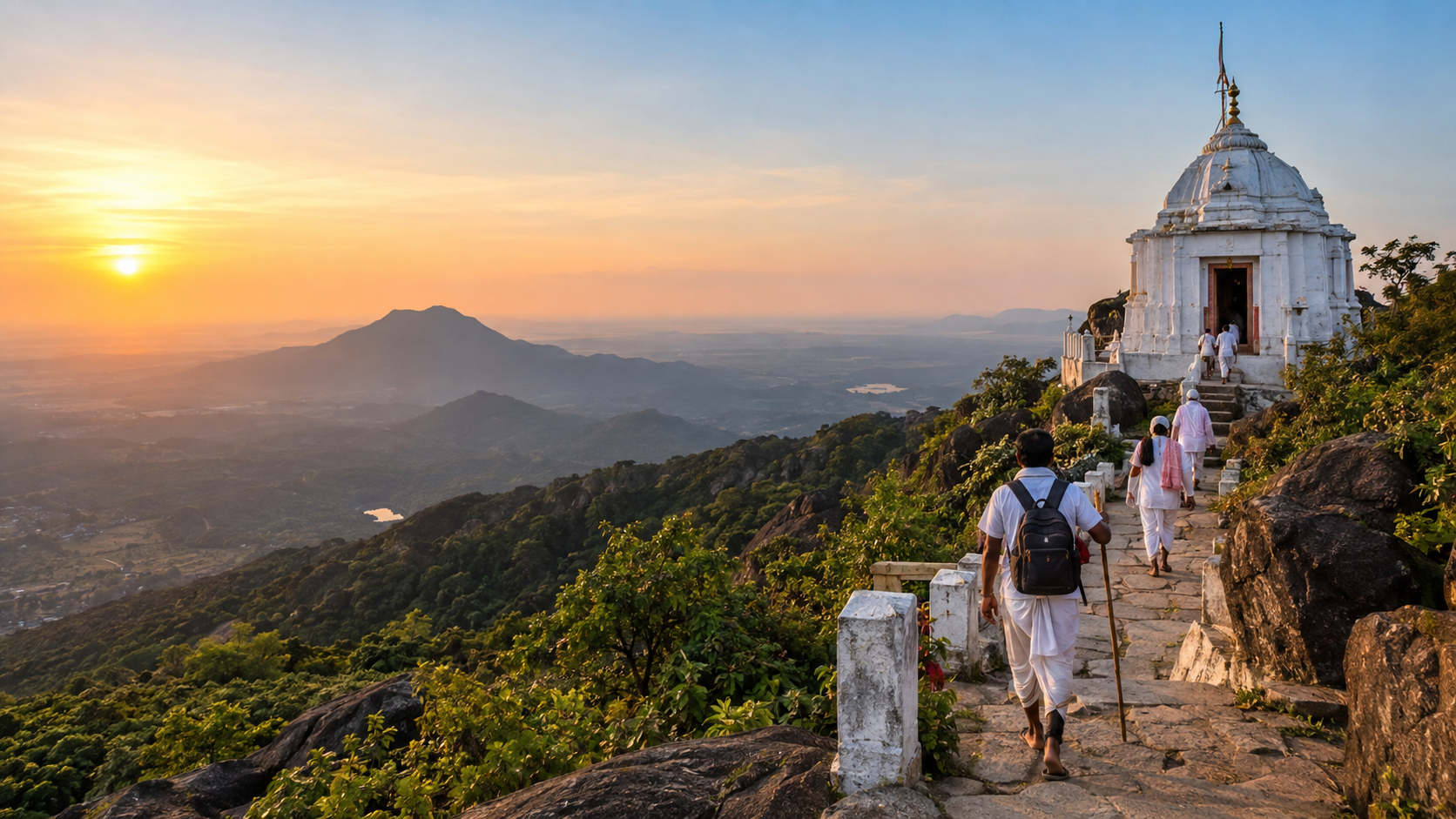
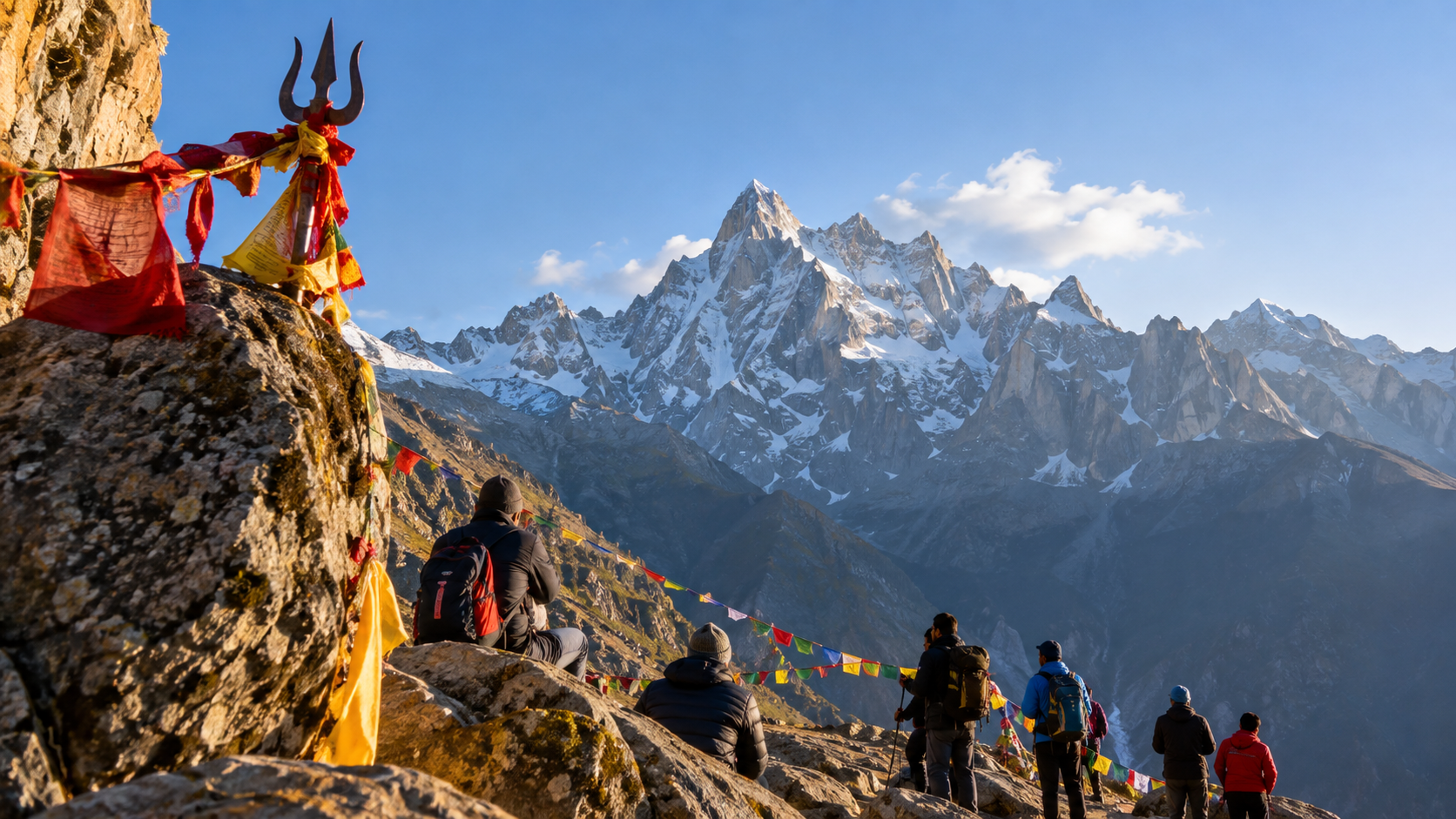
The Tungnath Temple trek begins at Chopta. From there, the route climbs steadily towards the temple through open mountain landscapes and sections of alpine terrain.
Uttarakhand Tourism's trek itinerary describes the Chopta–Tungnath path as a well-defined, concrete-bound trail of about 3 km. GMVN gives the distance as approximately 3.5 km. The difference is useful to keep in mind when planning because the precise walking distance can vary with the point from which you start.
The trek is not a technical mountaineering route, but it should not be treated as an effortless walk. The altitude, sustained ascent, weather and changing trail conditions can make the journey tiring.
Practical trekking tips
- Start early so you have enough daylight for the ascent and return.
- Wear proper walking shoes with reliable grip.
- Carry drinking water and basic snacks.
- Take layers rather than relying on one heavy jacket.
- Keep rain protection available, particularly when travelling during unsettled weather.
- Walk at a steady pace and take breaks when required.
- Avoid rushing the descent; tired legs can make downhill sections uncomfortable.
- Check local conditions before setting out, particularly after snowfall or heavy rain.
- If you are not accustomed to high-altitude walking, allow extra time rather than planning a tight same-day schedule.
The wider Chopta–Tungnath–Chandrashila route is officially classified as a medium-grade trek in Uttarakhand's tourism master plan.
Tungnath Temple Timings and Darshan
There is an important distinction between general temple information and a confirmed daily darshan timetable. Online sources publish various opening and puja schedules, but a fixed year-round Tungnath Temple timings chart should not be treated as authoritative.
Daily timings can change according to rituals, weather, the pilgrimage season and local temple arrangements. Travellers should therefore confirm the day's darshan arrangements locally or through the relevant temple authorities before beginning the trek.
The 2026 seasonal opening illustrates why checking current information matters. The temple committee and local authorities announced that the Tungnath portals would open to devotees on 22 April 2026, with the ceremonial procession reaching the shrine that day. The public darshan was scheduled after the opening rituals.
For a planned pilgrimage, confirm:
- Whether the temple is open on your intended travel date.
- Current darshan timings.
- Any special puja or festival arrangements.
- Whether weather has affected access from Chopta.
- Any temporary local restrictions or route advisories.
Do not rely on an old opening date shown on a static webpage. The official BKTC page currently contains an older 2019 opening-date entry for Tungnath, which demonstrates why travellers should verify the current year's announcement rather than copying a historic date.
Temple Etiquette and Darshan Planning
Tungnath is an active place of worship, so visitors should approach it as a temple first and a trekking destination second.
Dress modestly and behave respectfully around worshippers and temple staff. Follow instructions about where footwear, bags or photography are permitted. Avoid blocking entrances or ritual areas for photographs.
If you are visiting during a busy pilgrimage period, leave sufficient time for darshan rather than planning your trek around an exact return departure. Temple rituals may take priority over sightseeing schedules.
It is also sensible to carry small essentials with you before starting from Chopta, as services become more limited as you move higher towards the shrine.
Best Time to Visit Tungnath
The best time depends on your purpose.
For temple darshan, travel during the period when the shrine is officially open and the approach route is accessible. Spring and early summer generally provide a popular window for pilgrimage, while the post-monsoon period can offer clearer mountain conditions.
April to June
This is an important pilgrimage season after the temple opens. Conditions can still be cold at Tungnath, and snow may remain around the higher sections depending on the year.
July to September
Monsoon weather requires more caution. Roads approaching Chopta can be affected by rain, while wet trekking surfaces and poor visibility can make the journey less comfortable. Check road and weather conditions before travelling.
Late September to November
This period can be attractive for travellers seeking cooler, more stable mountain conditions, but the temple's seasonal closing date must be checked before booking.
Winter
The high-altitude temple is closed for winter, and worship is associated with the winter seat at Makkumath. Snow conditions can also make the route substantially more demanding. The official temple committee confirms Makkumath as the winter worship location.
How to Reach Tungnath Temple
You cannot drive directly to the temple. The final approach is on foot from Chopta.
By road
Chopta is the main road-access point for the Tungnath pilgrimage. The official temple committee lists the approach through the Kund–Gopeshwar road to Chopta and notes that buses and taxis are available along the route.
For travellers coming from Rishikesh, the road journey is substantial. The official sources give different road-distance figures depending on the route and destination point, so it is better to plan by route and expected driving time rather than rely on a single kilometre figure.
By train
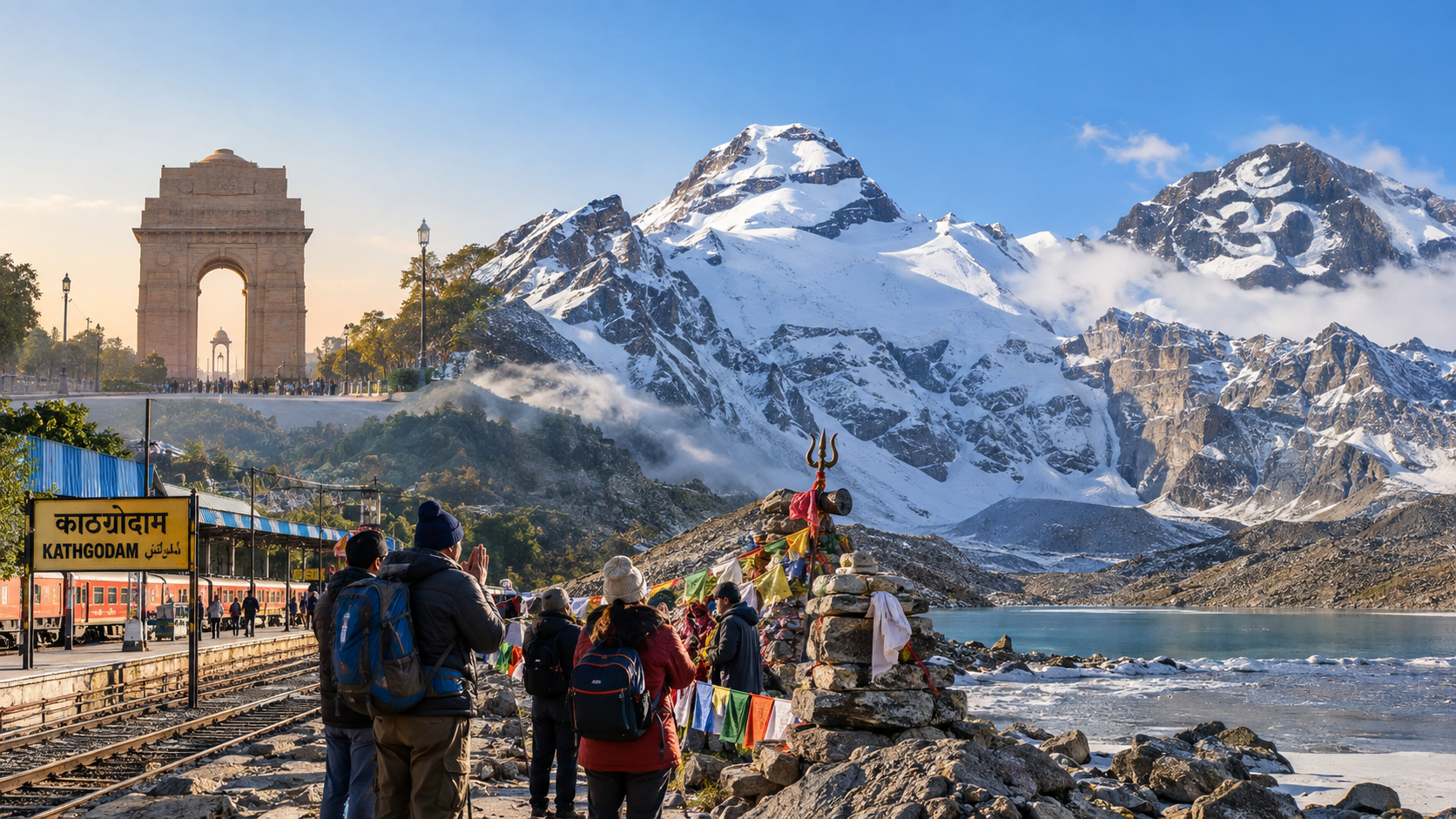
Rishikesh is the nearest major railway station listed by the temple committee. From there, you need to continue by road towards the Chopta area.
By air
Jolly Grant Airport near Dehradun is the nearest airport identified by the temple committee. The remaining journey must be completed by road and then on foot from Chopta.
Local transport
For the Chopta approach, taxis and road transport are the practical options. Public transport availability can be less convenient than a pre-arranged vehicle, especially if you are travelling with family or on a fixed itinerary.
A useful approach is to arrange the road journey to Chopta in advance and keep some flexibility for weather-related delays.
Stay Near Tungnath Temple
There is no need to treat Tungnath itself as a conventional overnight destination. Most travellers stay around Chopta or at suitable accommodation on the approach route and make the temple trek as part of their day.
Accommodation around Chopta can include guesthouses, camps and other basic tourist stays, but availability is seasonal and standards vary. During busy periods, advance booking is sensible.
For a pilgrimage-focused itinerary, choose accommodation based on:
- Easy access to the Chopta trailhead.
- Availability of meals.
- Reliable road access.
- Heating and hot-water arrangements where offered.
- Cancellation flexibility if weather disrupts travel.
- A practical departure time for the morning trek.
Do not assume that every property operates throughout the year. Confirm its operating status and facilities before travelling.
Nearby Places to Visit
Chandrashila
Chandrashila is the natural extension for travellers who want to continue beyond Tungnath. Uttarakhand Tourism's itinerary places Chandrashila about 1.5 km beyond the temple, although the final section is considerably steeper.
The summit is known for broad Himalayan views, but the additional climb should be attempted only when weather, trail conditions and personal fitness allow.
Chopta
Chopta is the practical base for the Tungnath Temple trek and a destination in its own right. It is surrounded by forests and meadows and provides access to several trekking routes. GMVN identifies Chopta as the base for the Tungnath and Chandrashila trek.
Deoria Tal
Deoria Tal is another popular attraction that can be combined with a Chopta itinerary. It lies on the Ukhimath–Chopta route and is known for views towards the surrounding Himalayan peaks. GMVN lists Deoria Tal among the attractions associated with the Tungnath destination.
Ukhimath
Ukhimath is useful for travellers interested in the wider religious landscape of the region. It is also connected with the winter worship traditions of several Kedars and provides an important stopping point when approaching Chopta from the Rudraprayag side.
Accessibility and Who Should Plan Carefully
The Tungnath Temple route is a mountain trek, so it is not suitable for travellers looking for vehicle access to the shrine.
The main difficulty is not technical climbing but the combination of uphill walking, altitude and weather. People with limited mobility may find the route particularly challenging. Families travelling with children should judge the trek according to the child's age, stamina and previous experience with mountain walking.
If you have a medical condition, are pregnant, or have concerns about exercising at high altitude, seek appropriate medical advice before planning the journey.
Weather can change quickly in the mountains. A route that feels comfortable in dry conditions can become much harder in rain, snow or strong wind.
Tungnath Temple Travel Checklist
Before leaving for the pilgrimage, check these points:
- Confirm the temple's current opening status.
- Verify current darshan and puja timings.
- Check road conditions to Chopta.
- Check the weather forecast for Chopta and Tungnath.
- Book accommodation in advance during peak periods.
- Carry warm and waterproof layers.
- Wear sturdy footwear.
- Carry water, snacks and basic personal medicines.
- Start the trek early enough to return safely in daylight.
- Keep some flexibility in the itinerary for mountain weather.
- Respect temple rules and local customs.
The most important planning point is to avoid treating an online itinerary as a guarantee. Mountain access and temple operations can change because of weather, snowfall, road conditions and local decisions.
Plan Your Tungnath Pilgrimage
A visit to Tungnath works best when the pilgrimage and the trek are planned together. The temple is the destination, but reaching it requires a proper mountain approach from Chopta, and the experience can be affected significantly by season and weather.
If you are planning a Tungnath Temple visit and need help arranging the route, transport, accommodation or a practical itinerary, Trip to Yatra can help you plan the journey around your preferred travel dates and pilgrimage requirements.