








Somnath Temple
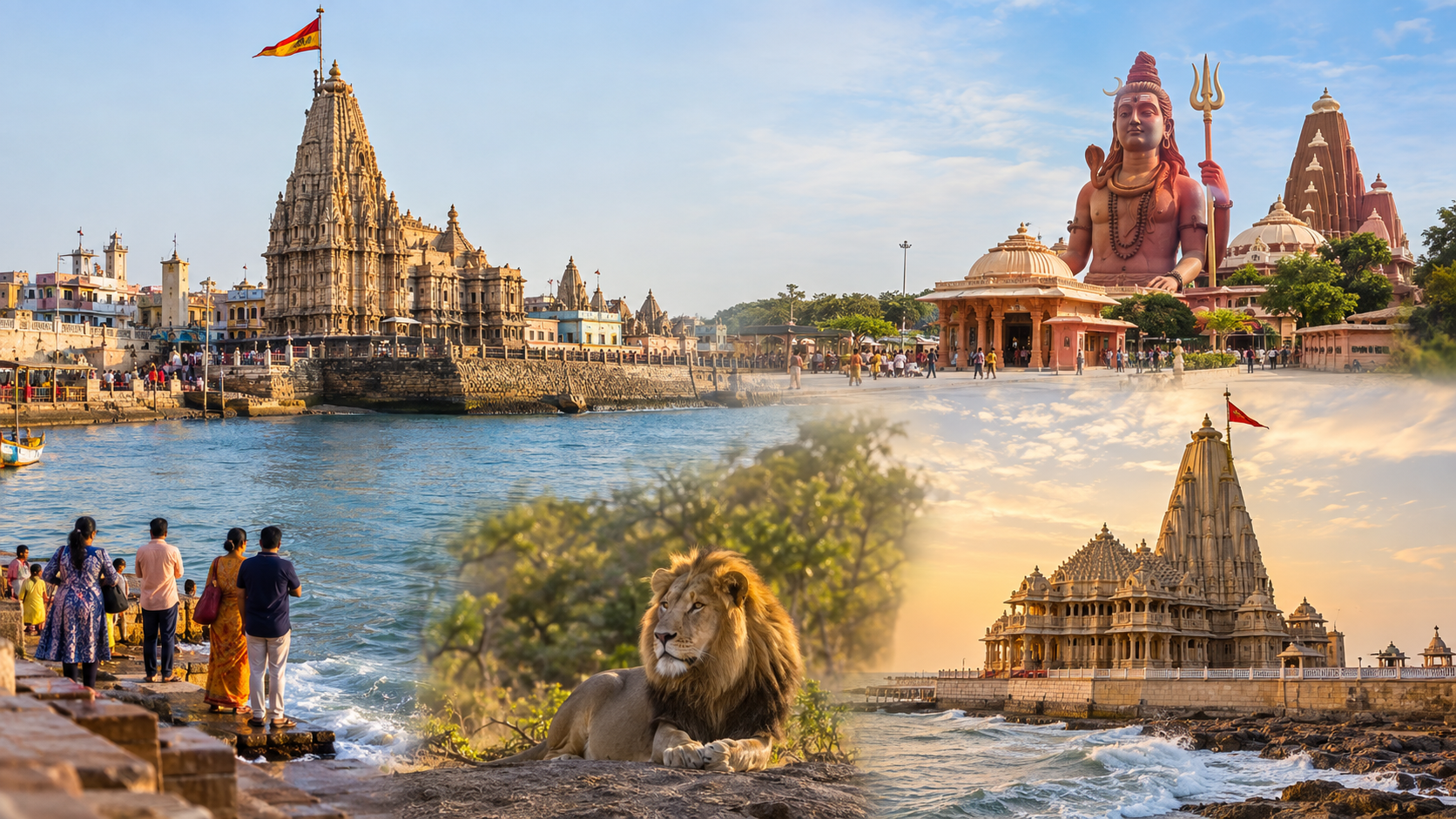
Somnath Temple in Prabhas Patan, Gujarat, is revered as one of the twelve Jyotirlingas of Lord Shiva. Set beside the Arabian Sea, it draws pilgrims for darshan, worship and the wider sacred landscape of Somnath. This guide covers timings, temple etiquette, travel options, accommodation and nearby pilgrimage sites for a well-planned visit.
Somnath Temple: An Important Jyotirlinga Pilgrimage in Gujarat
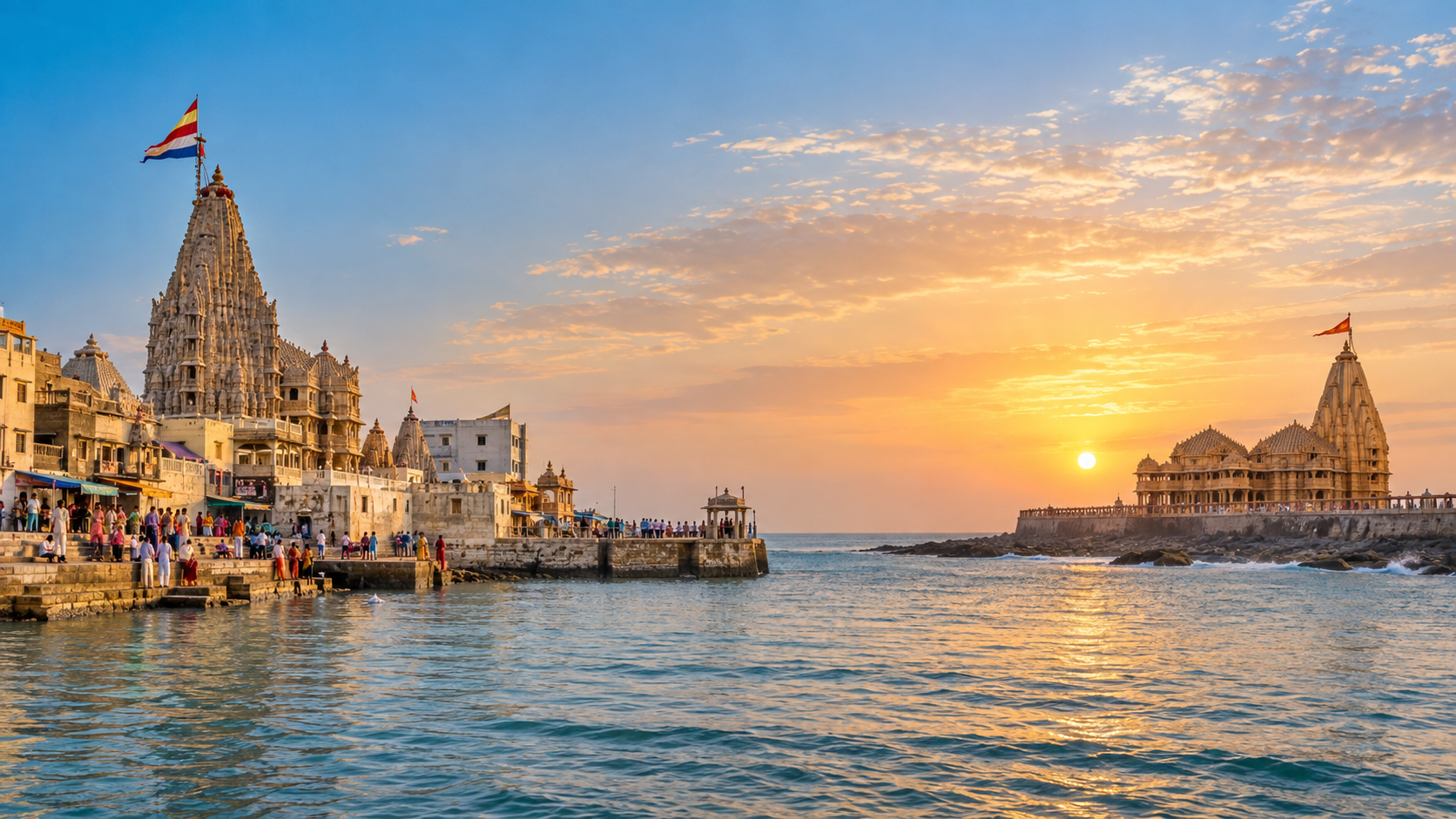
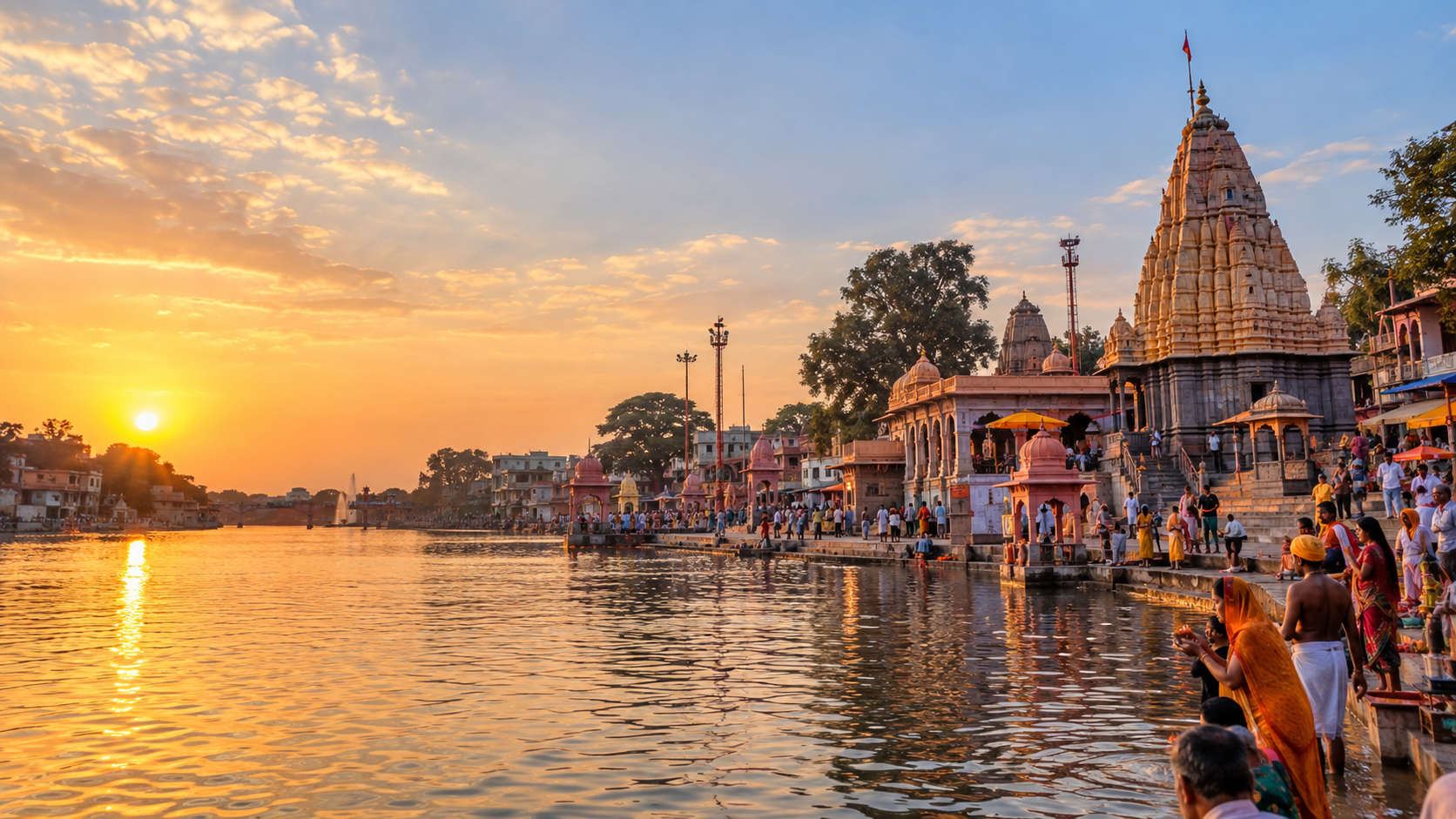
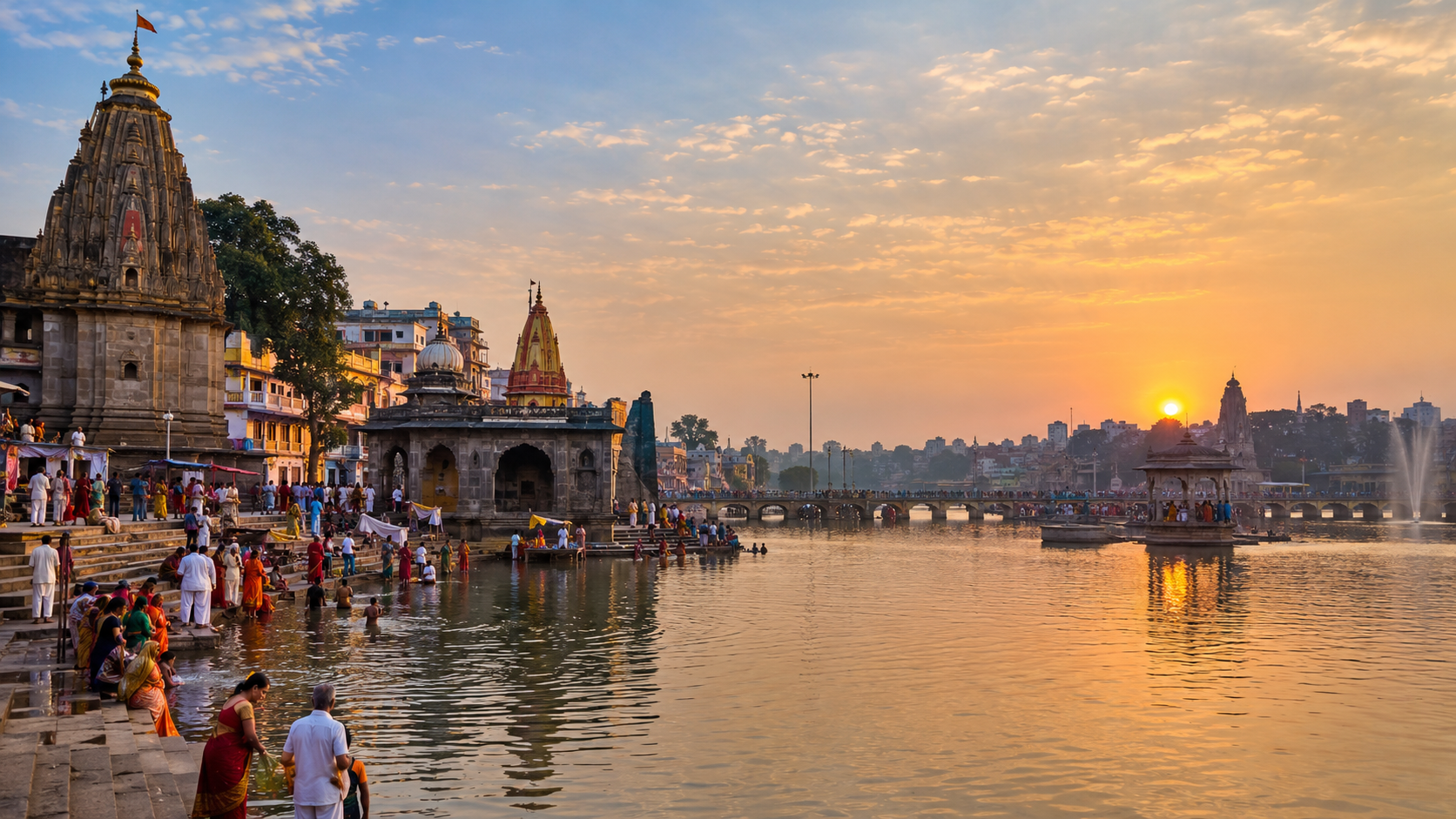
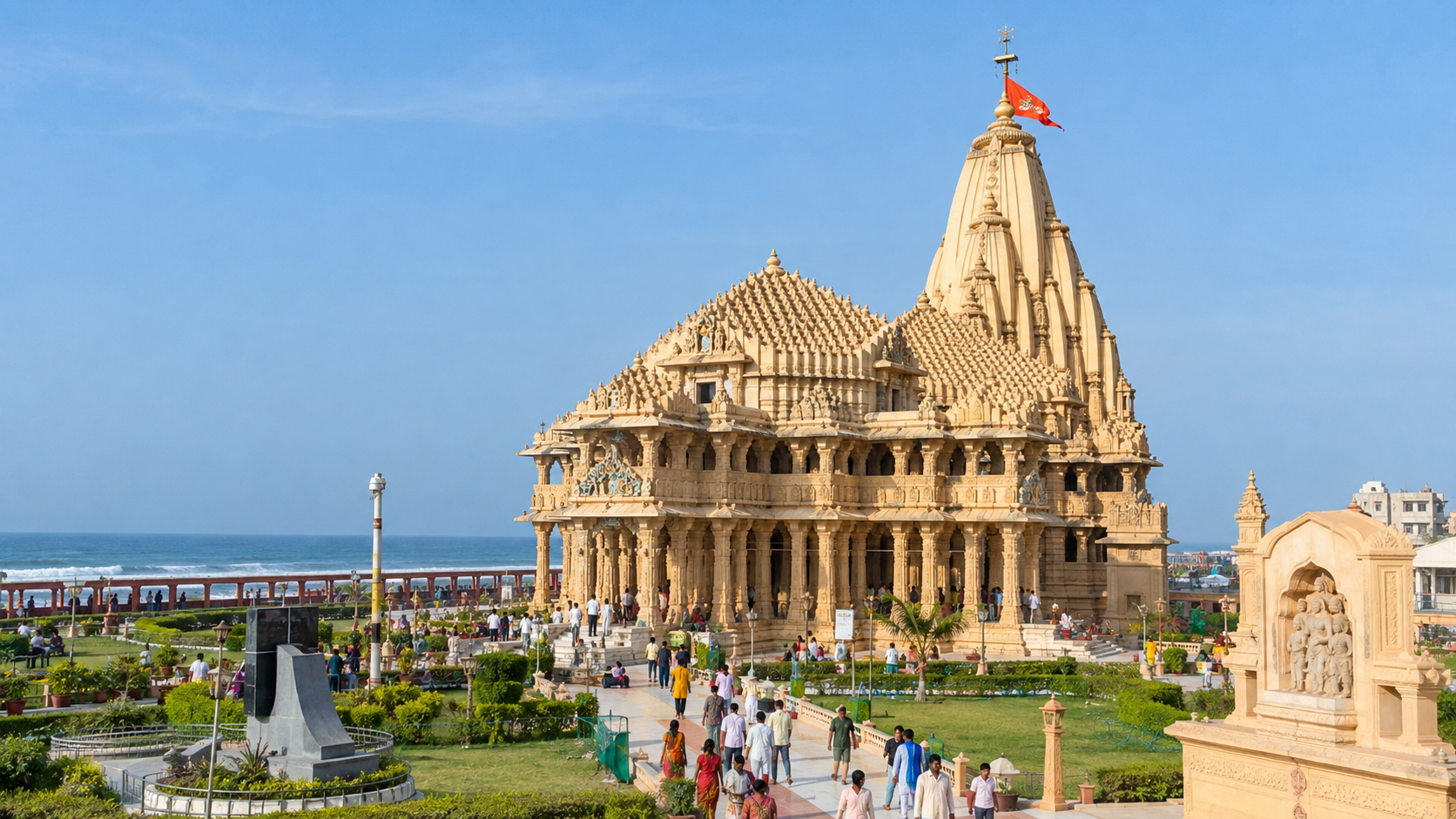
Somnath Temple stands at Prabhas Patan in Gir Somnath district on the western coast of Gujarat, close to Veraval. Revered by Hindu devotees as one of the twelve Jyotirlingas, it is one of the major Shiva pilgrimage destinations in India. The temple’s coastal setting, long religious history and association with the sacred Prabhas area make a visit about more than seeing the main shrine alone.
For travellers planning a Somnath pilgrimage, the temple can be combined with nearby sites associated with Lord Krishna, Shiva and other traditions. Bhalka Tirth, Triveni Sangam, the old Ahilyabai temple and other sacred places around Prabhas Patan can be visited as part of a local temple circuit. Gujarat Tourism also lists Somnath among the principal religious and heritage attractions of Gir Somnath.
The present temple is the result of a modern reconstruction. According to the Shree Somnath Trust, Sardar Patel visited the temple ruins in November 1947, construction of the new temple began in 1950, and the existing temple received its pran-pratishtha on 11 May 1951 in the presence of Dr Rajendra Prasad, then President of India.
Somnath Jyotirlinga and Spiritual Significance
Somnath is traditionally regarded as the first among the twelve Aadi Jyotirlingas. The Shree Somnath Trust connects the shrine with the ancient tradition of Chandra, the Moon God, worshipping Shiva at Prabhas after being affected by a curse from Daksha Prajapati. In this tradition, Shiva blessed Chandra and relieved him from the darkness of the curse.
These accounts belong to Hindu religious and Puranic tradition and should be understood in that context rather than treated as conventional archaeological history.
The name Somnath itself is associated with Shiva as the lord of Soma or the Moon. For devotees, the importance of the shrine lies in its Jyotirlinga tradition, the continuity of worship at Prabhas and the wider sacred geography surrounding the temple.
Somnath Temple History: Tradition and Modern Reconstruction
Somnath Temple history combines religious tradition with a documented modern reconstruction.
The Shree Somnath Trust records traditions in which earlier temples were associated with gold, silver, sandalwood and stone. The Trust also describes repeated destruction and rebuilding over different periods and places the modern reconstruction within the post-Independence history of India.
The present structure was developed in the traditional temple architectural style under the guidance of architect Prabhashankar Sompura. The foundation ceremony took place in 1950, while the pran-pratishtha of the existing temple was performed on 11 May 1951. The reconstructed temple was later dedicated to the nation in 1995.
This distinction between religious tradition and recorded modern history is useful when explaining Somnath to first-time visitors. The temple is both an active place of worship and an important part of India's religious and cultural heritage.
Somnath Temple Timings and Darshan
The Shree Somnath Trust currently lists the following regular timings:
| Activity | Timing |
|---|---|
| Somnath Temple darshan | 6:00 AM to 10:00 PM |
| Morning Aarti | 7:00 AM |
| Midday Aarti | 12:00 Noon |
| Evening Aarti | 7:00 PM |
| Jay Somnath Sound & Light Show | Evening; timing can vary |
The Trust's official pages currently show slightly different timings for the sound and light show, including 7:45 PM and 8:00 PM listings. The FAQ also notes that the show does not operate during the monsoon/rainy season. For a specific travel date, confirm the current schedule directly with the Shree Somnath Trust before planning your evening around the show.
Darshan is currently listed as free of charge by the Trust. Special puja and other religious services may have separate arrangements and charges, so these should be checked through the official temple channels rather than assumed to be included with general darshan.
Somnath Temple Darshan: What Pilgrims Should Know
A little preparation makes the Somnath temple visit considerably easier.
The Trust states that footwear must be removed before entering the temple. A shoe house is available near the cloakroom and the service is listed as free. Mobile phones, cameras, smartwatches, laptops, tablets and other electronic or electric gadgets are not permitted inside. Lockers are available at the cloakroom for storing such belongings.
Keep these points in mind:
- Reach with enough time to complete security and locker procedures before darshan.
- Wear comfortable, modest clothing appropriate for a place of worship.
- Avoid carrying unnecessary electronic items.
- Keep valuables to a minimum.
- Follow instructions from temple staff, particularly during busy festival periods.
- If you are travelling specifically for aarti or a special puja, check the day's arrangements in advance.
Temple rules and crowd-management arrangements can change during festivals, special occasions or security-related situations, so the latest instructions from the Trust should take precedence over older travel information.
Best Time to Visit Somnath Temple
Somnath can be visited throughout the year, but the experience varies with weather, festivals and crowd levels.
For travellers who prefer more comfortable sightseeing conditions, the cooler months are generally easier for exploring the temple and nearby attractions. Gujarat Tourism recommends November to February for nearby Bhalka Teerth, while devotees visit the region throughout the year.
The monsoon months can bring rain and changes to outdoor sightseeing plans. The Trust specifically notes that its sound and light show is affected during the rainy season.
Major religious occasions such as Mahashivratri and Shravan can be especially significant for devotees, but they may also mean larger crowds and more demanding travel arrangements. If your priority is a quieter sightseeing experience, consider travelling outside major festival periods.
How to Reach Somnath Temple
Somnath is well connected to the surrounding towns of Gujarat, and the temple is close to Veraval.
By Train
Somnath has a railway station, while Veraval is another important rail connection for the area. Gujarat Tourism identifies Somnath as the nearest railway station for Bhalka Teerth and notes its connections with major towns in Gujarat and India.
If your train terminates at Veraval, you can continue to Somnath by local taxi, auto-rickshaw or other local transport. The exact availability and fare depend on the time of arrival.
By Road
Road travel is convenient when Somnath forms part of a Gujarat pilgrimage circuit. Junagadh, Veraval and other destinations in Saurashtra can be combined with Somnath by road. Gujarat Tourism places Somnath about 82 km from Junagadh and about 120 km from Porbandar on its Bhalka Teerth travel information.
For a multi-city pilgrimage, check the actual road conditions and journey times shortly before departure rather than relying on fixed estimates.
By Air
Travellers arriving by air can consider airports serving the wider Saurashtra and Gir Somnath region. Porbandar and Rajkot are cited by Gujarat Tourism for access to the Somnath area, while Diu can also be relevant for some itineraries. Airport connectivity and flight schedules change, so compare current flights before fixing your ground transport.
Local Transport in Somnath
For travellers staying in Somnath or nearby Prabhas Patan, local taxis and auto-rickshaws are practical for moving between the railway station, accommodation and nearby temples.
The Shree Somnath Trust also operates a Tirth Darshan Bus for nearby temple visits. Its FAQ currently lists departures from the main temple gate at 8:30 AM and 3:30 PM at nominal charges. Since such services can change, confirm the day's departure arrangements at the temple before relying on the bus for a tightly timed itinerary.
A private cab can be more convenient for families, senior travellers or visitors who want to cover several pilgrimage sites in one outing.
Places to Visit Near Somnath Temple
A Somnath pilgrimage is best planned with some time for the surrounding sacred sites.
Bhalka Tirth
Bhalka Tirth is associated in local religious tradition with the final phase of Lord Krishna's earthly journey. Gujarat Tourism describes the shrine as the place commemorating the episode involving the hunter Jara and Lord Krishna. The site is one of the most commonly combined visits with Somnath Temple.
Triveni Sangam
The sacred area around the meeting of the Hiran, Kapila and Saraswati rivers and their connection with the sea is an important part of Somnath's pilgrimage landscape. The Somnath Trust identifies the wider Prabhas area with several sites connected with Lord Krishna's final journey.
Ahilyabai Temple
The Ahilyabai temple is close to the main Somnath Temple. The Shree Somnath Trust states that it was built by Maharani Ahilyabai Holkar in 1782 and helped maintain the worship tradition of Shiva during a difficult period.
Geeta Mandir
Geeta Mandir is another important stop in the wider Prabhas pilgrimage circuit. The Somnath Trust notes that the temple is associated with the Krishna sacred landscape and that the teachings of the Bhagavad Gita are represented on its marble pillars.
Vallabhghat
Vallabhghat is within the Somnath temple area and is noted by the Trust as a sunset point. The sea-facing setting makes it a natural place to include around an evening temple visit, subject to weather and local access arrangements.
Somnath Temple Accommodation
Somnath has accommodation options ranging from temple-managed guest houses to hotels and other stays in the surrounding area.
The Shree Somnath Trust lists guest houses including Lilavati Guest House, Maheshwari Guest House and Sagar Darshan Guest House, along with AC and non-AC dormitory options. Availability, room categories and booking arrangements should be checked for your travel dates.
For families and senior travellers, staying close to the temple can reduce local travel during early morning darshan and evening visits. If you plan to visit during Mahashivratri, Shravan or another busy period, arrange accommodation well in advance.
Importantly, the Trust currently warns pilgrims about fraudulent room-booking and donation requests through unofficial phone numbers, WhatsApp contacts and private payment accounts. Use the official Shree Somnath Trust website or its stated booking offices for temple accommodation and religious services.
Accessibility at Somnath Temple
The temple has facilities intended to assist senior citizens and visitors with physical disabilities. The Shree Somnath Trust states that wheelchairs and golf carts are available at the main gate, while a lift is available within the temple premises.
Travellers with mobility requirements should still allow extra time and, where possible, confirm the current assistance arrangements before arrival. During crowded periods, access routes and waiting conditions may be different from a normal day.
Practical Tips for Planning a Somnath Visit
A few simple choices can make the pilgrimage more comfortable:
- Check the official darshan and aarti schedule shortly before travelling.
- If you want to attend a particular aarti, arrive early rather than planning to reach just before the scheduled time.
- Carry as little as possible inside the temple because electronic gadgets are not permitted.
- Keep footwear arrangements in mind and use the designated shoe facility.
- Plan nearby temples together to avoid unnecessary backtracking.
- Book accommodation early during major festivals and holiday periods.
- Carry drinking water for the wider sightseeing circuit, particularly in warmer months.
- Senior citizens and visitors with mobility needs should make use of the assistance facilities available at the temple.
- Do not rely on unofficial WhatsApp numbers or private payment requests for temple rooms or puja bookings.
- Recheck weather, transport schedules and any special temple instructions immediately before departure.
Planning a Comfortable Somnath Pilgrimage
A practical Somnath itinerary does not need to be rushed. A visitor focused mainly on darshan can allow time for the temple itself, while a traveller interested in the wider sacred landscape can add Bhalka Tirth, Triveni Sangam, Geeta Mandir and other nearby sites.
For an evening visit, check the current aarti and sound-and-light schedule in advance. For an early morning darshan, staying nearby can make the start of the day easier. If Somnath is part of a longer Gujarat pilgrimage, it can also be combined with destinations elsewhere in Saurashtra according to your available time.
The most important point is to treat published timings as current guidance rather than a permanent guarantee. Temple schedules, special-event arrangements, transport and weather-related services can change.
If you are planning a visit to Somnath and would like help arranging the journey, stay and local pilgrimage sightseeing, Trip to Yatra can help you plan the trip around your preferred dates, travel style and time available. Contact Trip to Yatra to discuss your Somnath Temple visit and build a practical pilgrimage itinerary.