





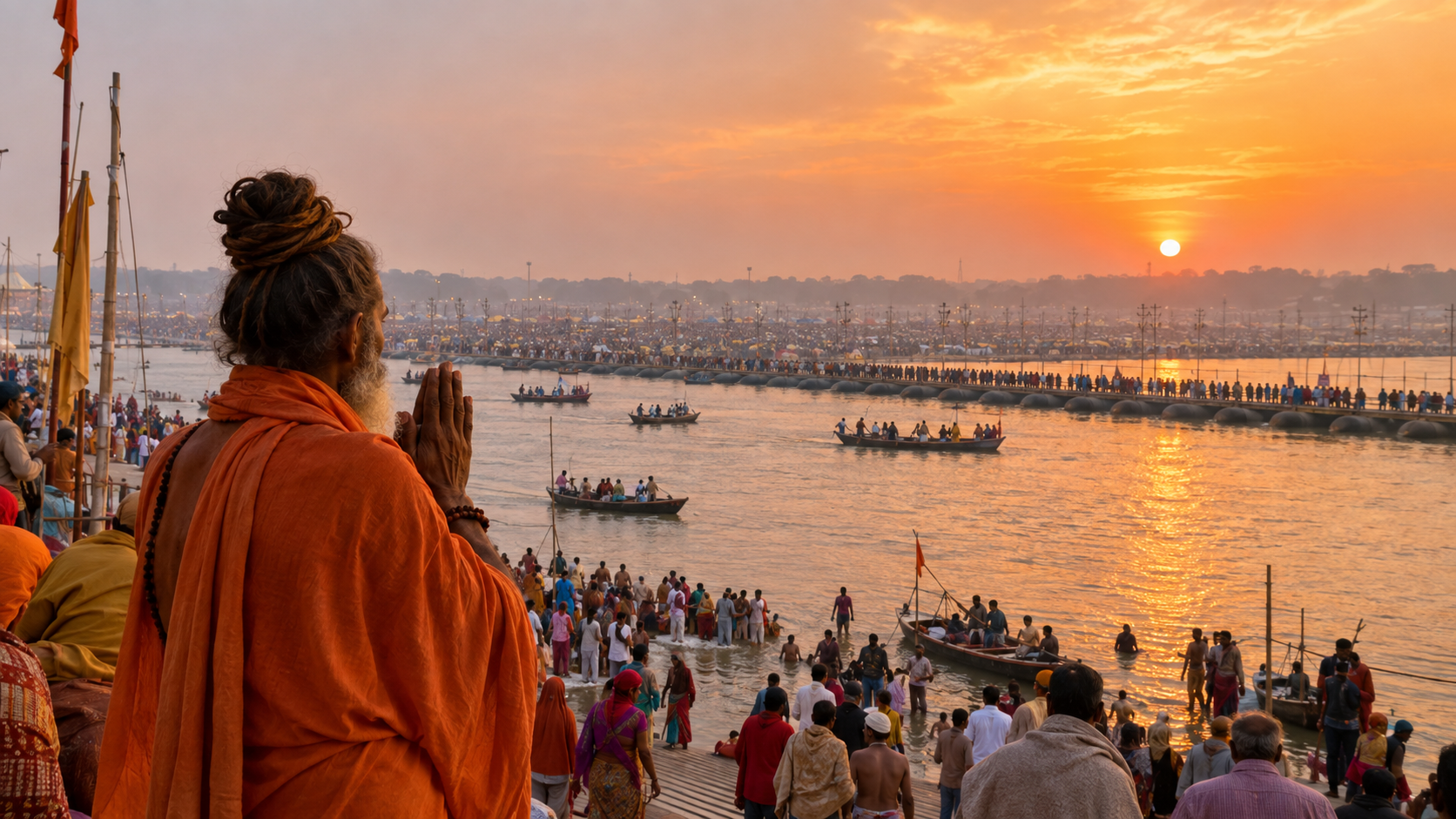
Naina Devi Temple
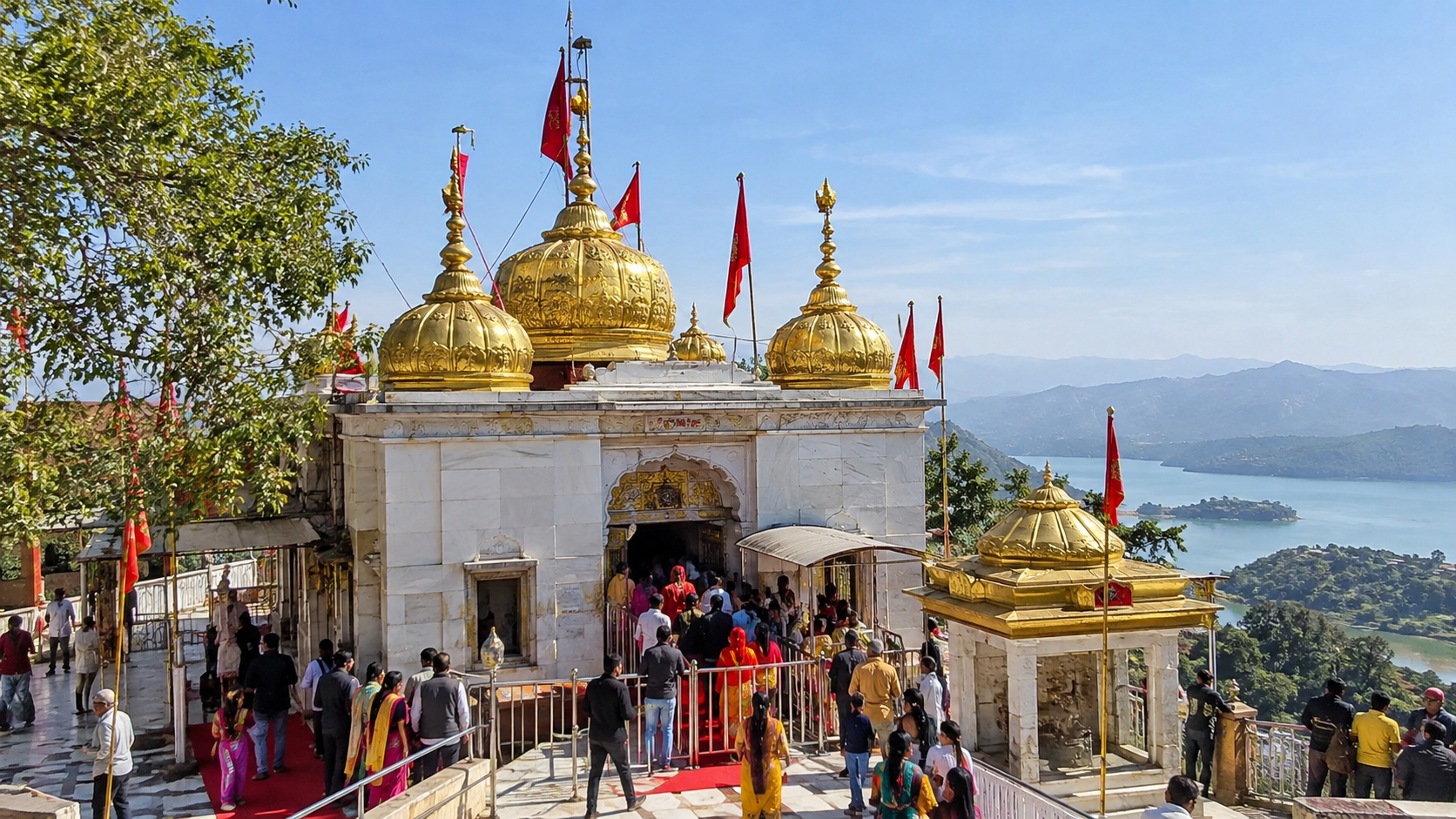
Naina Devi Temple in Bilaspur, Himachal Pradesh, is a major Shakti Peetha pilgrimage site overlooking Gobind Sagar. This practical guide covers darshan timings, the journey to the hilltop shrine, ropeway access, festivals, accommodation, nearby attractions and useful planning advice for pilgrims.
Naina Devi Temple at a Glance
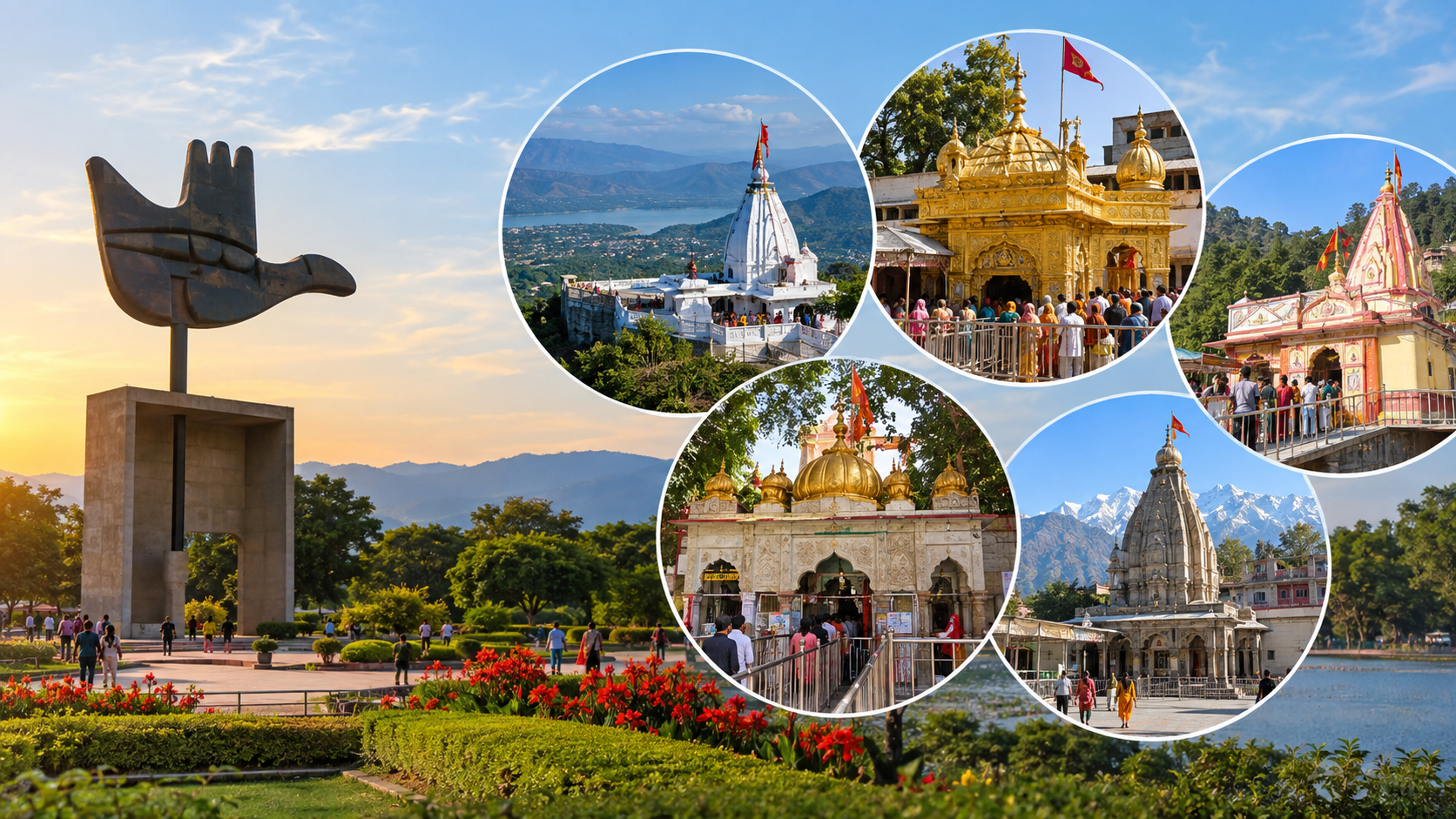
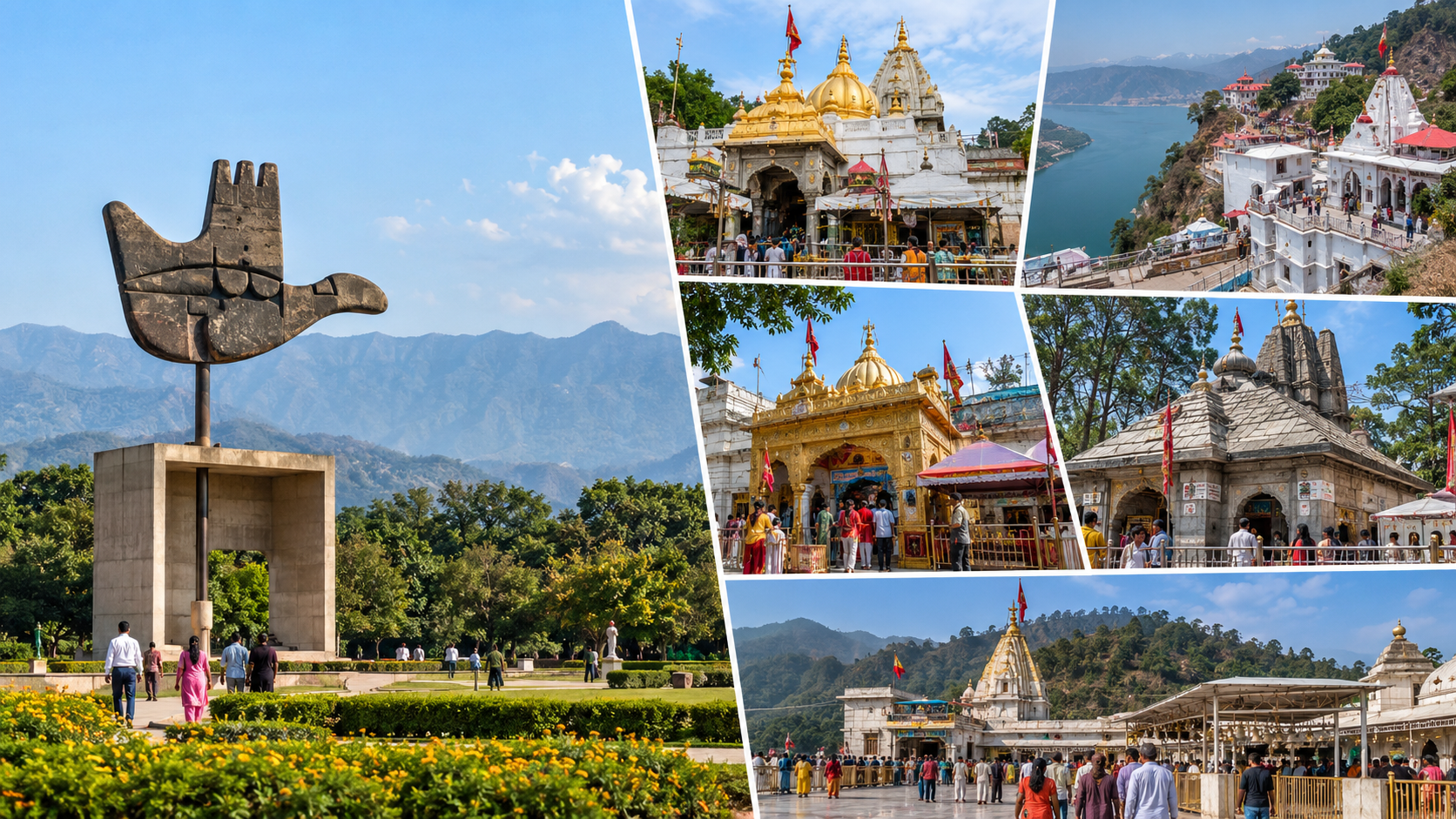
Naina Devi Temple is a revered hilltop shrine in Naina Devi town of Bilaspur district, Himachal Pradesh, close to the Punjab border. Dedicated to Shri Naina Devi Ji, the temple is regarded as an important Shakti Peetha and attracts pilgrims from Himachal Pradesh, Punjab and other parts of northern India. The hilltop location also gives visitors views towards Gobind Sagar Lake, Bhakra Dam and Anandpur Sahib.
For a pilgrimage, the location is particularly convenient for travellers combining Himachal Pradesh with Anandpur Sahib, Kiratpur Sahib or the Bilaspur region. The shrine can be approached by road, while the final ascent can be made using the pedestrian route or the ropeway. The Temple Trust also provides pilgrim facilities including accommodation, langar and basic services.
One practical point is worth knowing before planning: published distances to Naina Devi vary between official sources because they can refer to different starting points and road routes. The Ministry of Tourism lists approximately 70 km from Bilaspur, 20 km from Anandpur Sahib and 108 km from Chandigarh, while the temple's own website gives approximately 100 km from Chandigarh and around 20 km from Anandpur Sahib.
Why Naina Devi Temple Is Important
Naina Devi Temple is traditionally associated with the Shakti Peetha tradition. According to the widely circulated legend, after Sati's death, Lord Shiva carried her body, and parts of it are believed to have fallen at different locations. At Naina Devi, local tradition identifies the eyes, or naina, of Sati with the sacred site. This is the religious explanation traditionally associated with the shrine's name and importance.
The temple's importance is therefore not simply connected with its hilltop setting. For devotees, a visit is part of a wider Shakti pilgrimage and an opportunity to offer prayers to Naina Devi Ji.
The temple complex itself includes the principal shrine along with other sacred features. The official temple website describes the main shrine as containing the image of Naina Devi along with images of Goddess Kali and Lord Ganesha. A cave near the main shrine is also identified as Shri Naina Devi Cave.
Naina Devi Temple History
The historical details associated with the shrine are presented somewhat differently across official references. Himachal Tourism attributes the construction of the temple to Raja Bir Chand of Bilaspur in the 8th century. The temple's own historical material also places the shrine's development in the long-established religious tradition of the area.
The present administrative structure is more recent. The Shri Naina Devi Temple Trust states that management of the shrine was taken over under the Himachal Pradesh Hindu Public Religious Institutions and Charitable Endowment framework in December 1985.
It is best to treat the Sati narrative as religious tradition and the temple's early history as historical tradition rather than presenting every part of the story as independently documented fact.
Naina Devi Temple Darshan and Timings
The current official temple website lists the following general darshan timings:
| Period | Temple timing |
|---|---|
| Normal days | 4:00 AM to 10:00 PM |
| Navratri | 2:00 AM to 12:00 midnight |
These timings are published by the Shri Naina Devi Ji Temple Trust. The Ministry of Tourism's Utsav portal also lists normal-day live darshan information beginning at 4:00 AM, while recent festival reporting shows that timings can be adjusted during major fairs.
For an actual pilgrimage, do not rely only on a generic timetable found online. Opening arrangements, aarti schedules, crowd-control measures and access arrangements can change during Navratri, Shravan Ashtami and other busy periods. The temple's official website provides a 24-hour helpline for current information.
When to Plan Darshan
Early morning is generally a sensible choice for pilgrims who want to avoid the heavier daytime rush on an ordinary day. During major festivals, however, the situation changes considerably. Shravan Ashtami and the Navratri periods attract large numbers of devotees, and queues and security arrangements can be substantially different from normal days.
If your priority is a quieter pilgrimage rather than attending a major religious fair, consider travelling outside the principal festival dates.
Naina Devi Temple Pilgrimage and Etiquette
A visit is best approached as a religious pilgrimage rather than simply a sightseeing stop. The temple is an active place of worship and can become very busy.
Keep these practical points in mind:
- Dress modestly and comfortably for a temple visit.
- Follow the queue and security instructions issued by temple authorities.
- Avoid blocking entrances or prayer areas for photographs.
- Keep mobile phones and personal belongings secure in crowded areas.
- Follow any temporary restrictions introduced during fairs or special occasions.
- Do not assume that every ritual, offering or special darshan facility is available every day.
- If travelling with elderly pilgrims, allow extra time for walking, waiting and the hilltop approach.
The temple authorities state that there is no formal dress code, but recommend avoiding short or revealing clothing out of respect for other devotees.
Best Time to Visit Naina Devi Temple
The best time depends on the type of pilgrimage you want.
For relatively comfortable sightseeing and pilgrimage planning, the broader March to June and October period can be considered, while weather conditions should always be checked closer to departure. Himachal Tourism records warm summers in the Bilaspur region, with the monsoon generally extending from July to September and cooler winters from December to February.
If you want to experience the major religious atmosphere, the festival periods are more significant. Naina Devi is especially busy during Chaitra Navratri, Shravan Ashtami and Ashwin Navratri. Official tourism sources highlight these festivals as important pilgrimage periods, with large crowds during the fairs.
Visiting During Navratri and Shravan Ashtami
Navratri is one of the busiest periods at Naina Devi Temple. The official temple timetable extends the published darshan period during Navratri, reflecting the long hours during which pilgrims arrive for worship.
Shravan Ashtami is another major pilgrimage period. Recent 2026 reporting from Bilaspur noted substantial pilgrim attendance during the Shravan Ashtami fair, illustrating how quickly visitor numbers can increase during the festival.
If you travel during these occasions, book accommodation early, allow additional time for road travel and parking, and confirm the latest access arrangements before leaving.
How to Reach Naina Devi Temple
Naina Devi Temple is accessible by road and is well connected with important locations in Himachal Pradesh and Punjab.
By Air
Chandigarh is the most practical major airport for many visitors. The Ministry of Tourism lists Chandigarh Airport at approximately 108 km from the temple, while the temple's own website gives approximately 100 km. The difference reflects route and measurement variations.
From Chandigarh, travellers can continue by taxi or road transport towards Naina Devi. For families and groups carrying luggage, a pre-arranged taxi can be more convenient than changing transport several times.
By Train
Anandpur Sahib is the nearest convenient railway station cited by the Ministry of Tourism, at about 20 km from the shrine. The temple's website also identifies Anandpur Sahib and Nangal among the nearest railway stations.
From Anandpur Sahib, taxis and other local road transport can be used for the onward journey. The road climbs towards the hilltop shrine, so travellers should allow more time than the simple distance might suggest.
By Road
Road travel is the most straightforward option for most pilgrims. The temple is accessible from Chandigarh, Anandpur Sahib, Kiratpur Sahib and Bilaspur.
The Ministry of Tourism lists approximately:
- Chandigarh: 108 km
- Bilaspur: 70 km
- Anandpur Sahib: 20 km
- Kiratpur Sahib: 34 km
- Shimla: 150 km
Actual driving distance can vary according to the route and starting point, so use these figures as planning references rather than fixed door-to-door distances.
Himachal Tourism also notes that state transport buses and taxis serve destinations across the state.
Naina Devi Temple Route and Local Transport
Once you reach Naina Devi town, the final approach to the shrine is uphill. Pilgrims can walk towards the temple or use the available ropeway.
The temple's official information describes the ropeway as a facility created to make the hilltop journey easier and notes that it provides views towards the surrounding hills and Gobind Sagar.
The Temple Trust also identifies palki services and the pedestrian approach as options from the local bus-stand area.
For elderly visitors, people with limited walking ability or families travelling with young children, it is sensible to check the operating status of the ropeway before setting out. Ropeway operations can be affected by maintenance, weather or other local conditions, and published fares or operating hours should be confirmed directly rather than assumed.
The temple complex and surrounding approach also have parking facilities. The Ministry of Tourism notes temple-trust parking as well as private parking and parking areas around the bus stands.
Accessibility and Facilities for Pilgrims
Naina Devi is a hilltop pilgrimage site, so visitors should plan for some walking even when using road transport or the ropeway.
The Temple Trust lists several facilities intended for pilgrims, including accommodation, medical facilities, langar, drinking water and toilets. It also lists rest houses and trust-managed accommodation options.
The trust states that reasonable accommodation is available around the hilltop, although the area does not have conventional starred-hotel infrastructure. A government rest house is also listed near the bus stand.
For travellers with mobility concerns, contact the temple authorities before the journey and ask about the current condition of the approach, ropeway availability and any temporary arrangements. This is particularly important during large fairs, when normal movement patterns can change.
Where to Stay Near Naina Devi Temple
Staying close to the shrine is useful if your main purpose is darshan, particularly if you plan to attend an early morning ritual or visit during a crowded festival.
The Temple Trust provides accommodation and lists several trust-managed boarding or dharamshala options. Private accommodation is also available around the hilltop and local market area.
For a short pilgrimage, staying near the temple reduces the need for early-morning road travel. For a broader Himachal itinerary, you may instead prefer to stay in Bilaspur or combine Naina Devi with Anandpur Sahib and nearby attractions.
During Navratri and Shravan Ashtami, accommodation can fill quickly. Confirm booking availability directly with the accommodation provider or Temple Trust rather than assuming rooms will be available on arrival.
Places Near Naina Devi Temple
Naina Devi works well as part of a wider religious and sightseeing circuit.
Anandpur Sahib
Anandpur Sahib is one of the most important nearby destinations and is approximately 20 km from Naina Devi according to the Ministry of Tourism. The combination makes it practical for travellers interested in both Hindu and Sikh pilgrimage traditions.
Gobind Sagar Lake
The temple's hilltop position provides views towards Gobind Sagar. The lake is one of the defining geographical features around the shrine and adds a scenic dimension to the pilgrimage.
Bhakra Dam
Bhakra Dam is another major attraction in the surrounding region. The official Naina Devi sources identify the dam as being close to the shrine, while tourism references recommend it as a nearby place to combine with a temple visit.
Kiratpur Sahib
Kiratpur Sahib is another useful stop for travellers following a pilgrimage route through Punjab and Himachal Pradesh. The Ministry of Tourism places it at approximately 34 km from Naina Devi.
These places can be combined into a one-day or multi-day itinerary depending on your arrival point and travel pace. During festival periods, however, it is better to prioritise darshan and allow additional time for traffic and crowds.
Practical Tips Before You Visit
A few simple preparations can make the pilgrimage considerably easier:
- Check the official temple timing shortly before departure, especially during Navratri and Shravan Ashtami.
- Confirm ropeway operation if you intend to use the cable car.
- Start early if travelling on a normal day and you prefer a less crowded experience.
- During major fairs, expect heavier traffic, queues and additional security arrangements.
- Keep some flexibility in your itinerary because mountain-road travel can take longer than expected.
- Book accommodation ahead of time during festival periods.
- Carry essential medicines, drinking water and weather-appropriate clothing.
- If travelling with elderly family members, ask about the easiest current route from the parking or bus-stand area.
- Use official temple information for current booking, darshan and facility details rather than relying on old travel posts.
The official Temple Trust provides a 24-hour helpline and publishes online services for accommodation, poojan and prashad, making it a useful source for confirming arrangements before travel.
Planning a Visit to Naina Devi Temple
A pilgrimage to Naina Devi is easiest to plan when darshan is treated as the central part of the trip and nearby destinations are added around it. Anandpur Sahib, Gobind Sagar and Bhakra Dam make natural additions, while Chandigarh and Bilaspur are useful road-access points depending on where your journey begins.
For the latest Naina Devi Temple timings, festival arrangements, accommodation availability and access conditions, confirm details with the Temple Trust before departure. This is particularly important for Navratri, Shravan Ashtami and other high-footfall periods.
If you are planning a pilgrimage to Naina Devi Temple and would like help arranging the route, transport, stay and nearby sightseeing, Trip to Yatra can help you plan the journey around your preferred dates and travel needs.