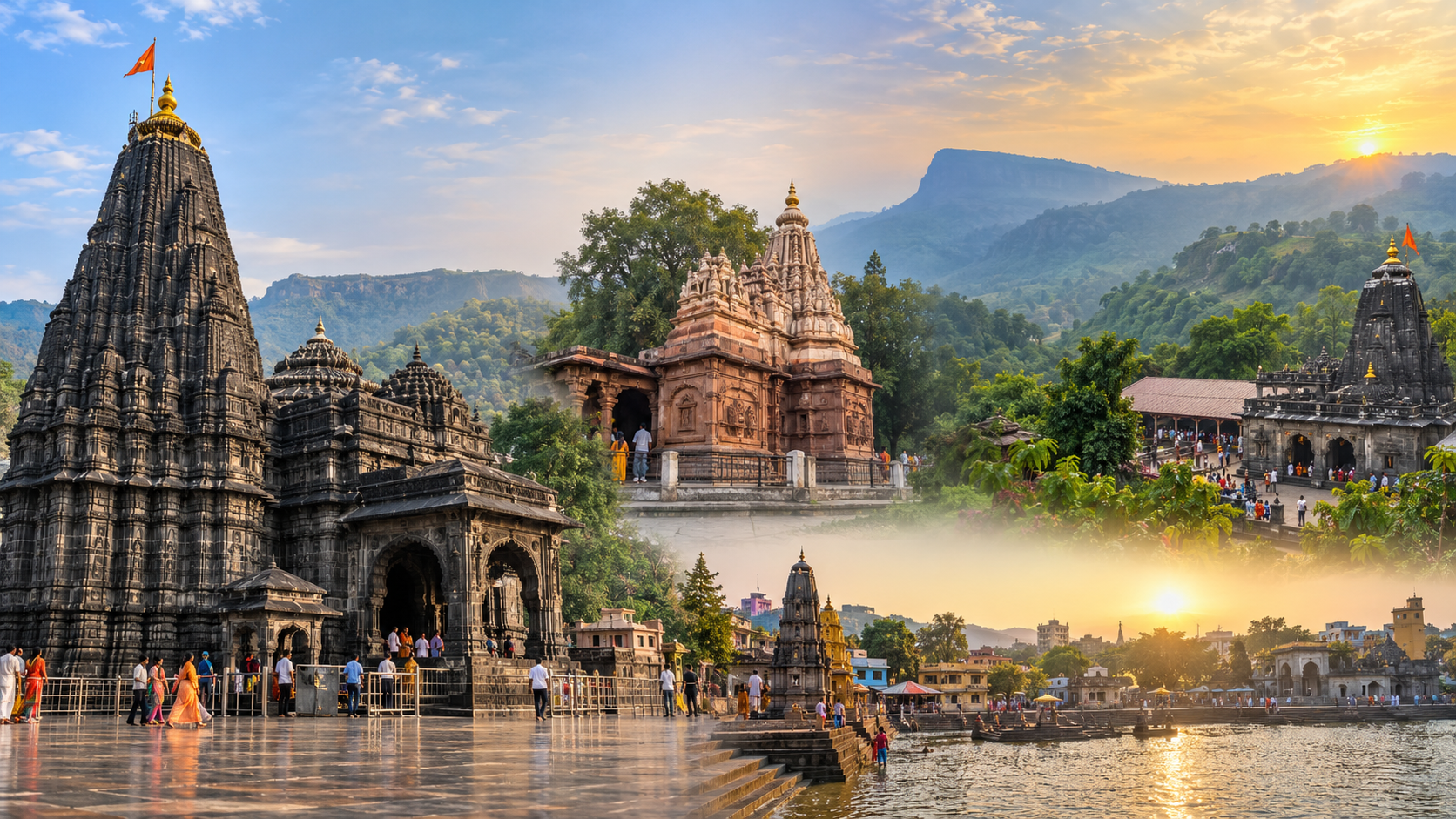
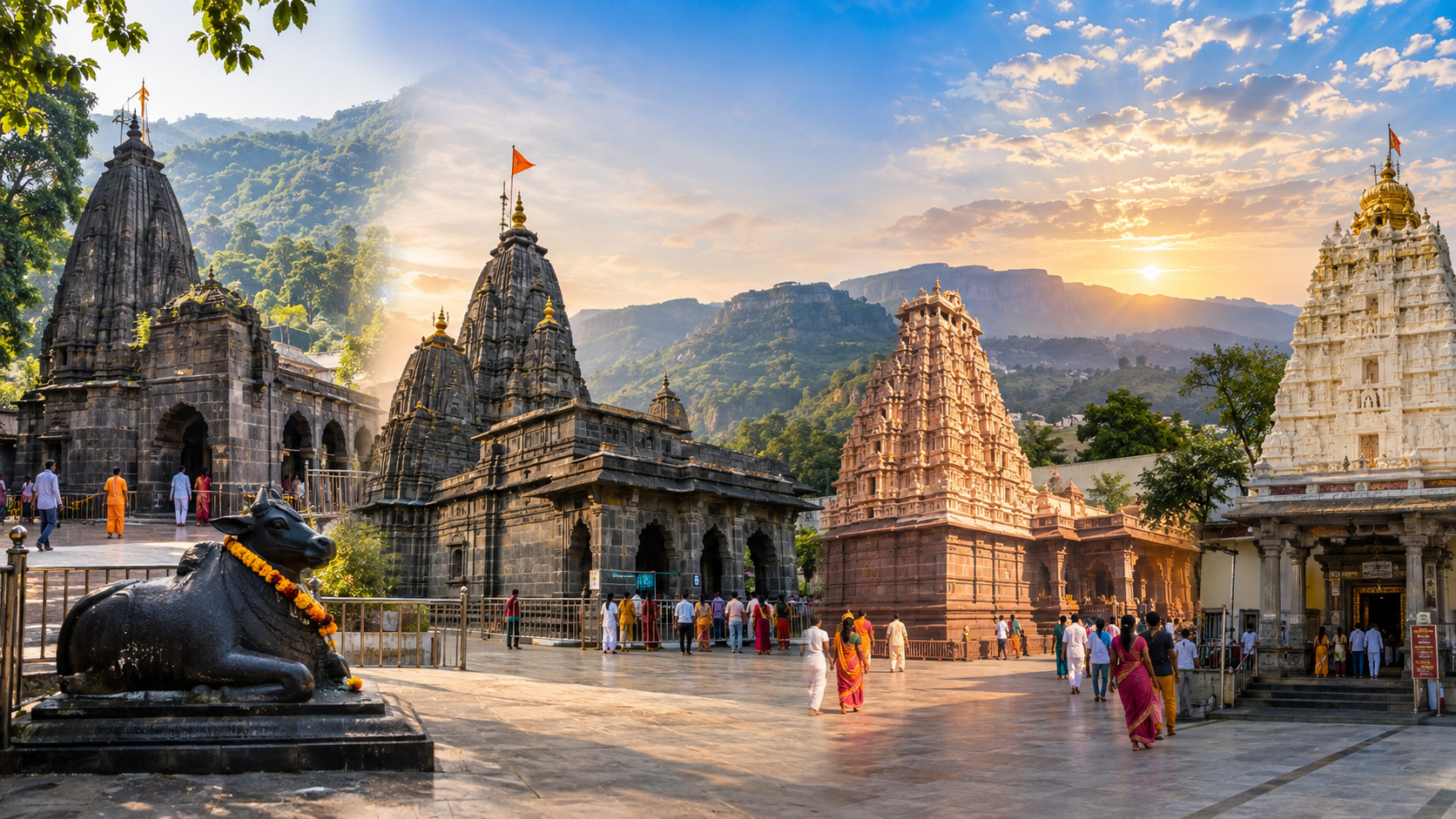
Muktinath Temple
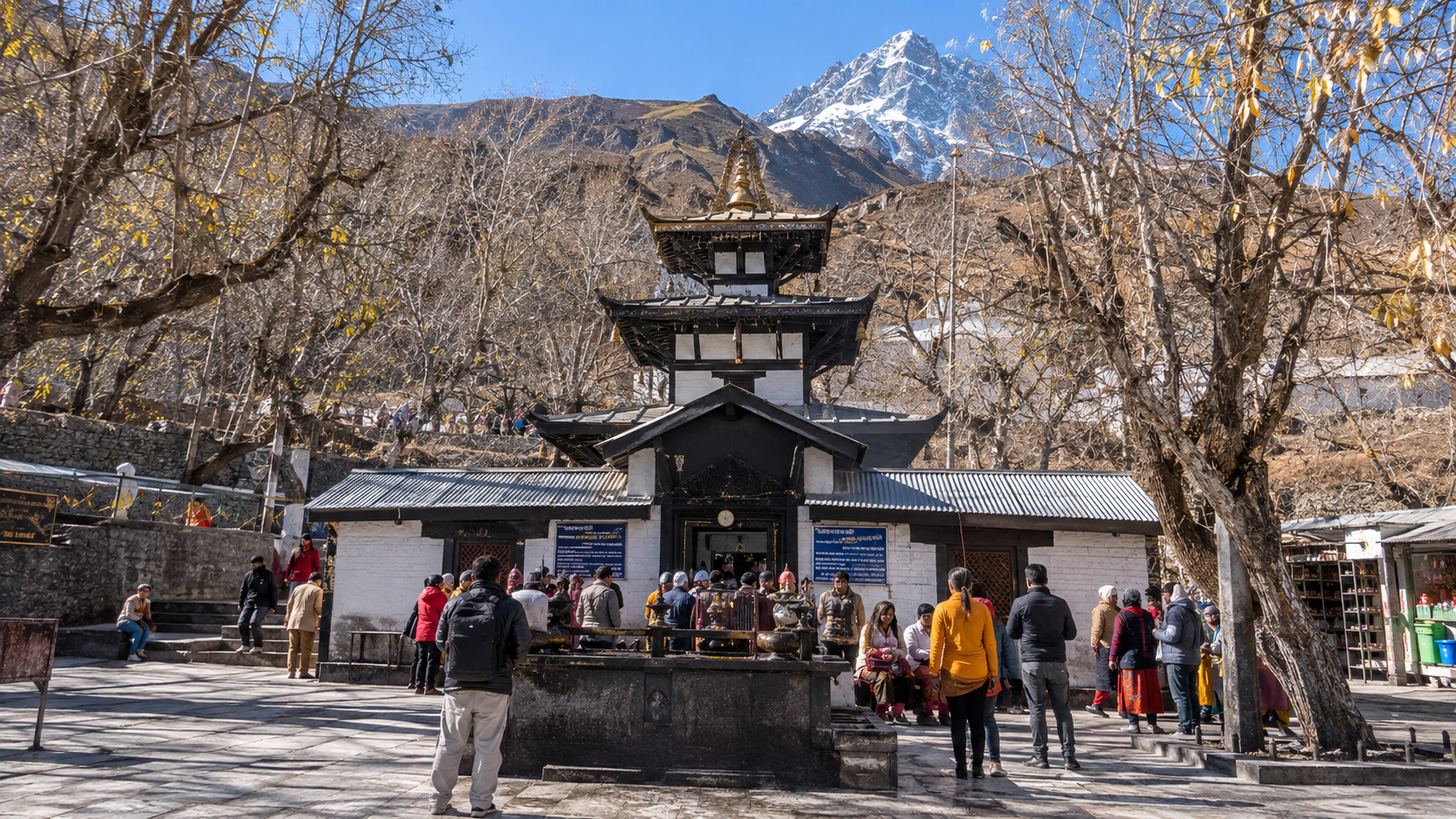
Muktinath Temple is a revered Hindu and Buddhist pilgrimage site in Mustang, Nepal, at around 3,800 metres. Dedicated to Lord Vishnu and also worshipped in the Buddhist tradition, the temple is known for its 108 sacred water spouts, Jwala Mai shrine and association with Shaligram stones. This guide covers darshan, access, seasons, stay and practical yatra planning.
Muktinath Temple: Overview
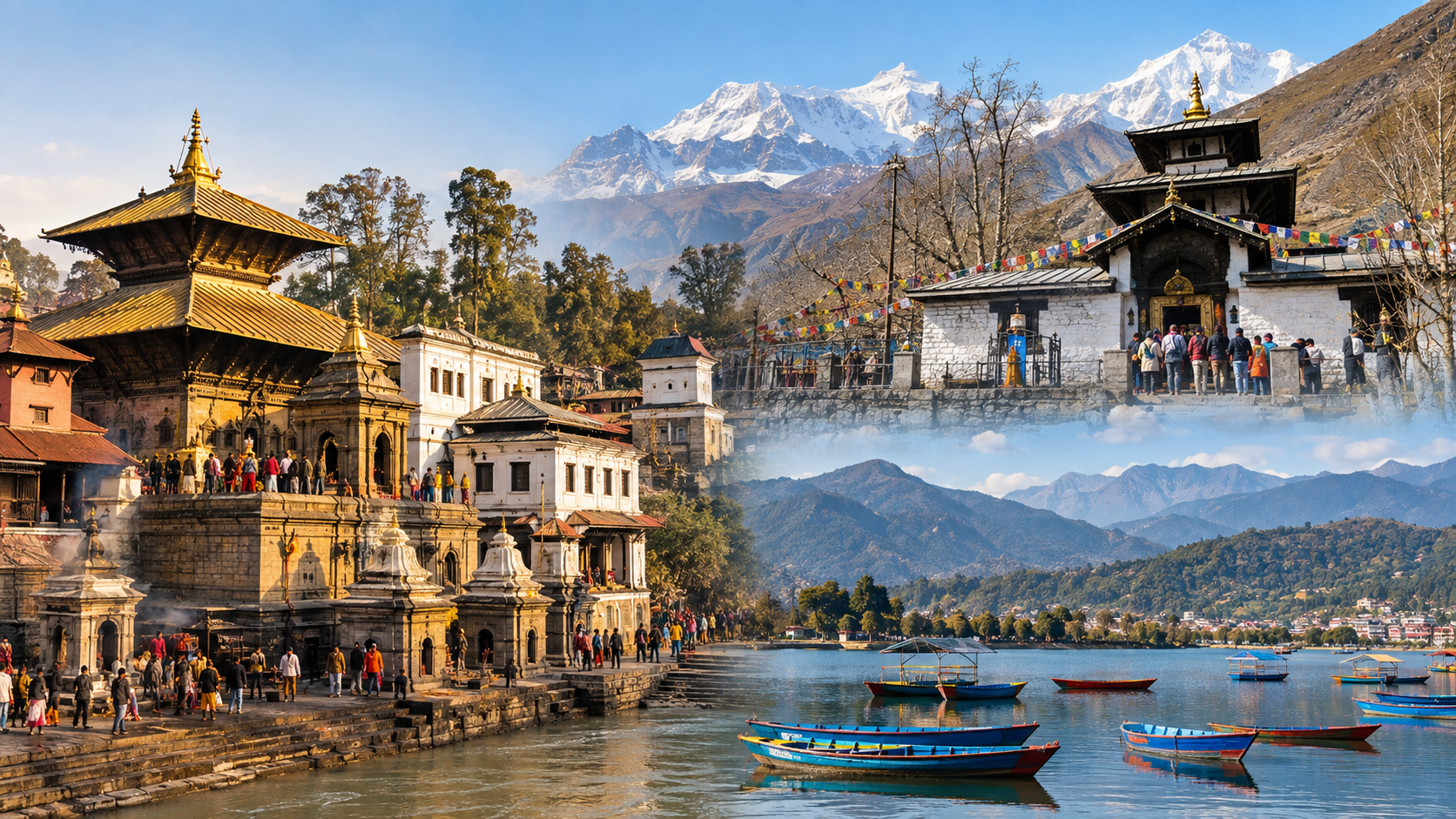
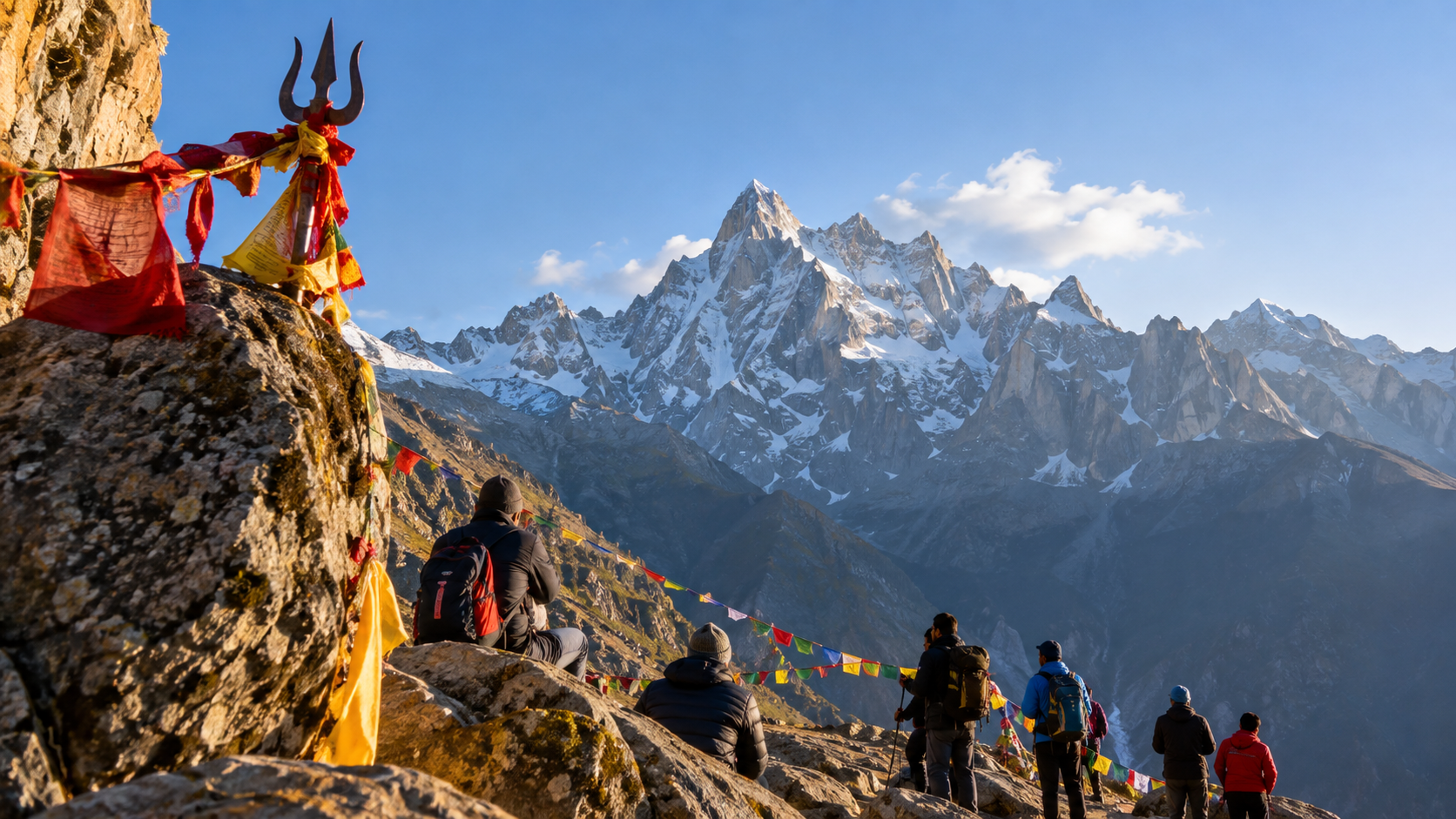
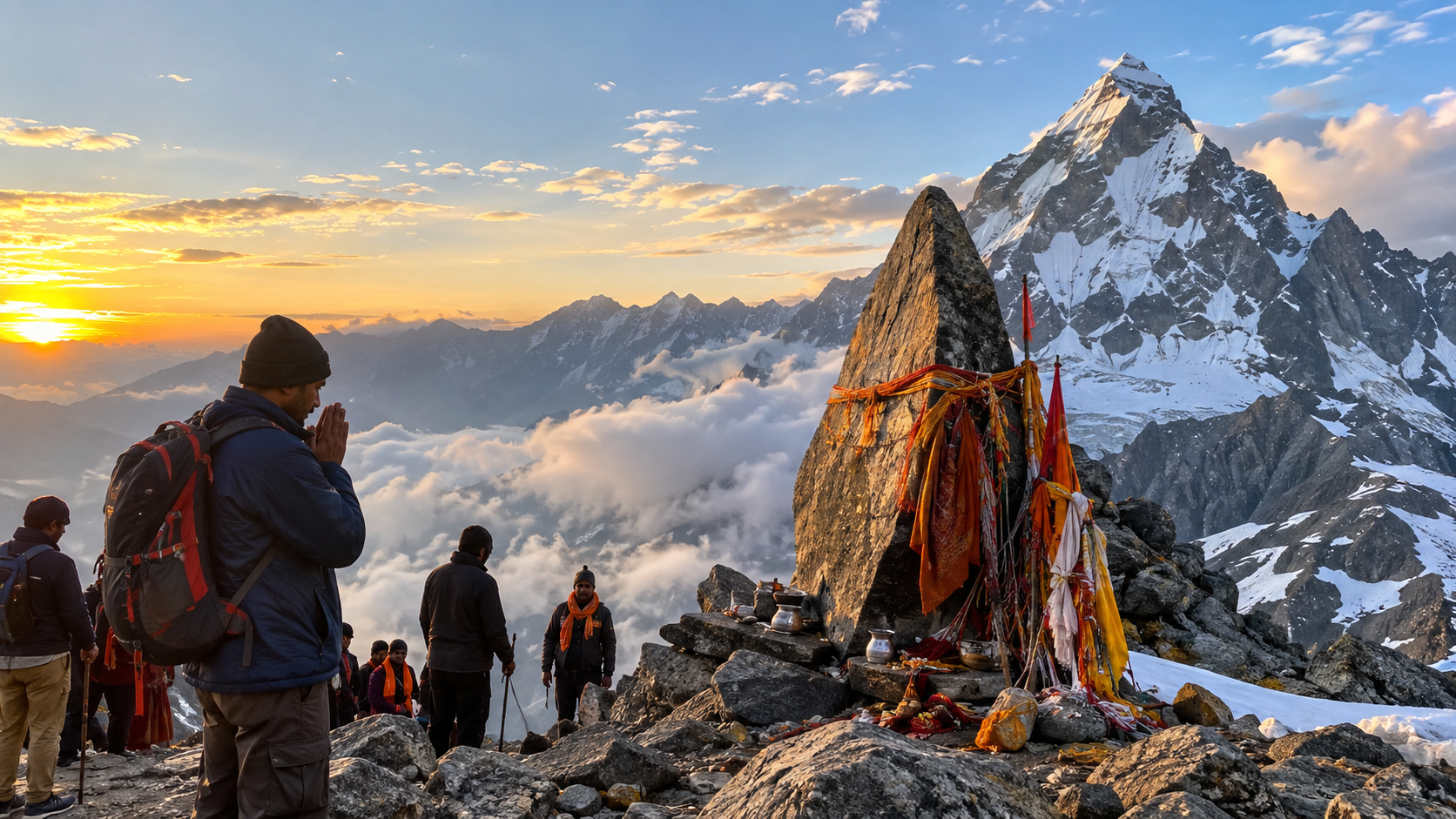
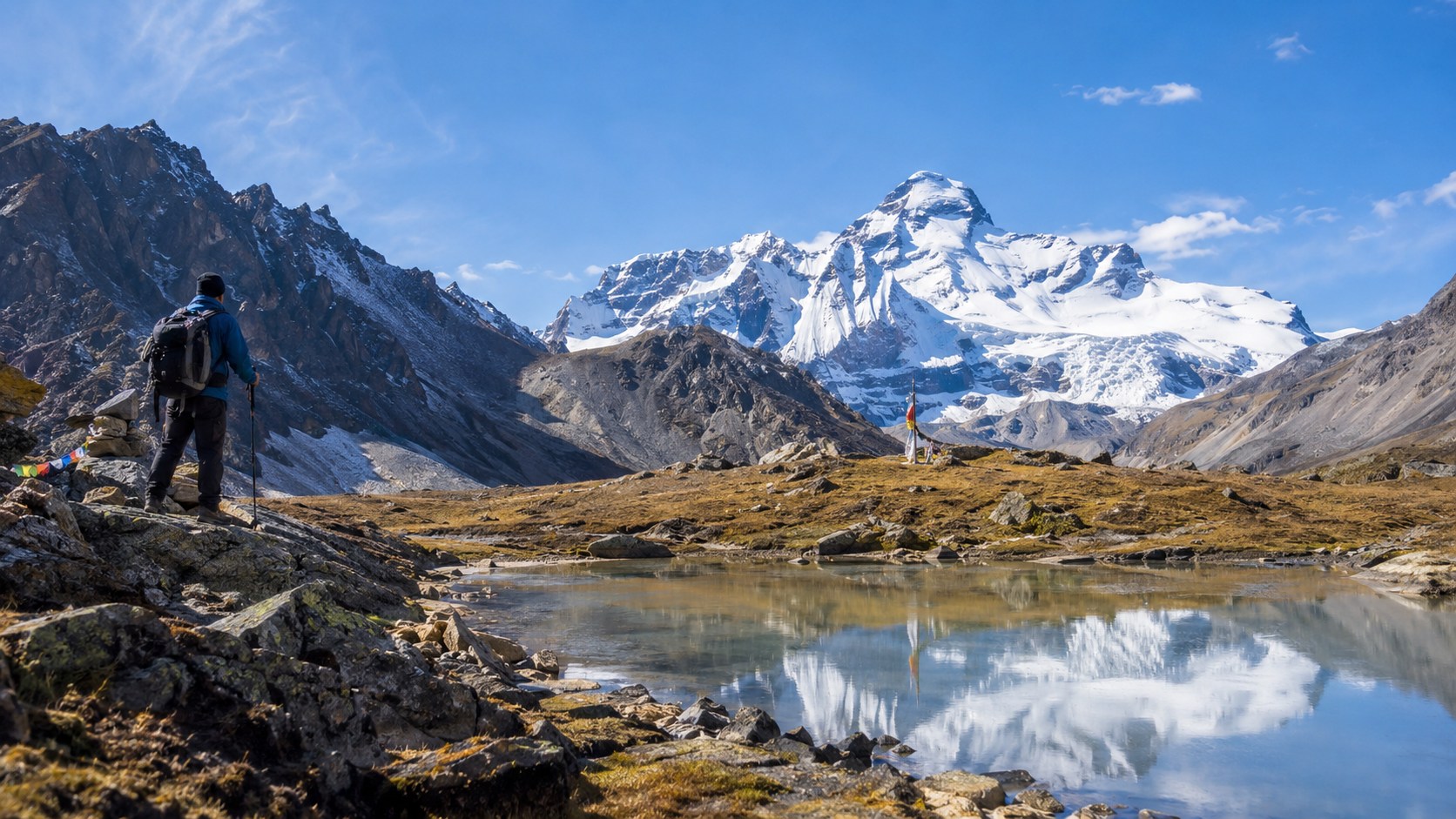
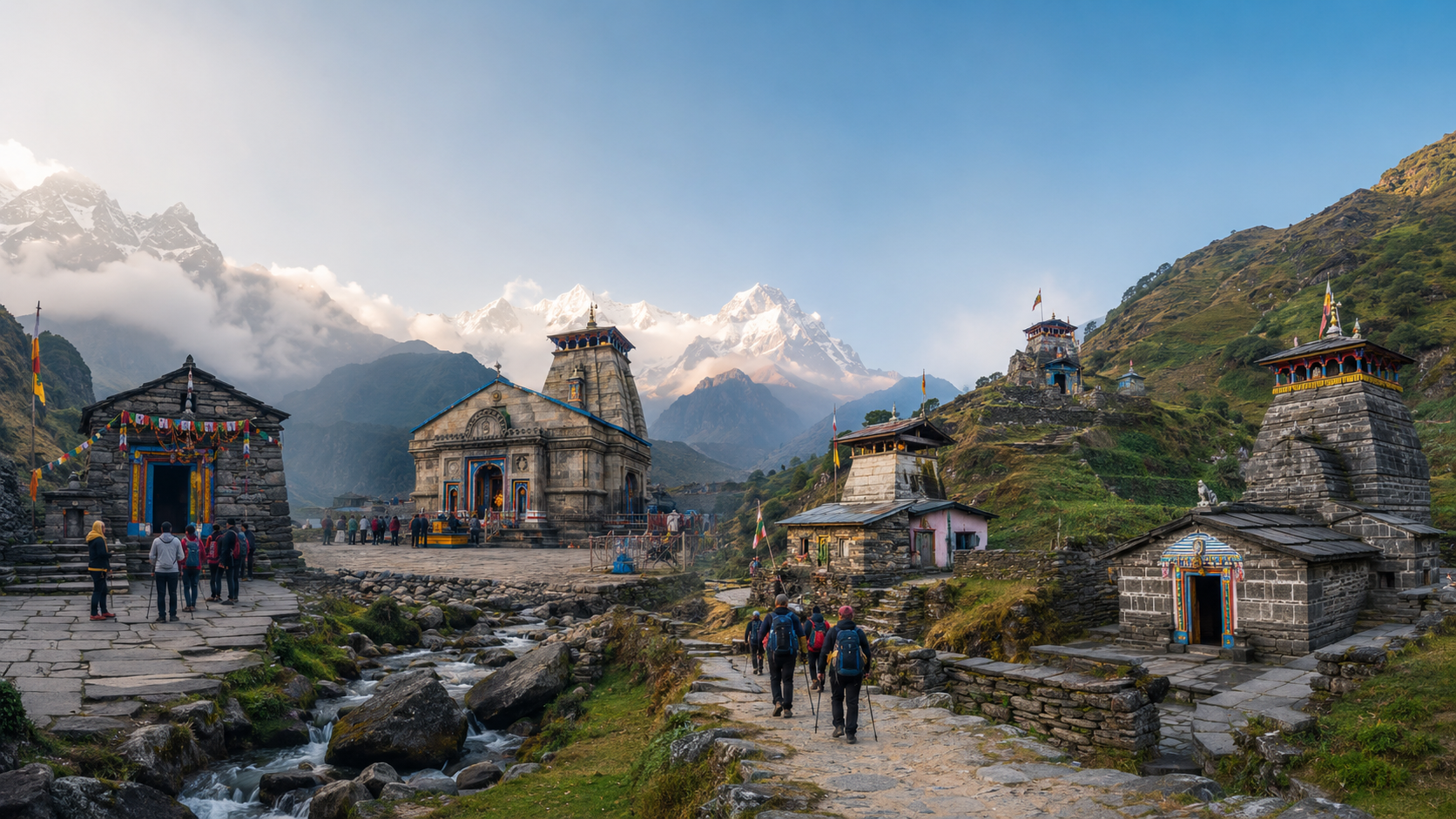
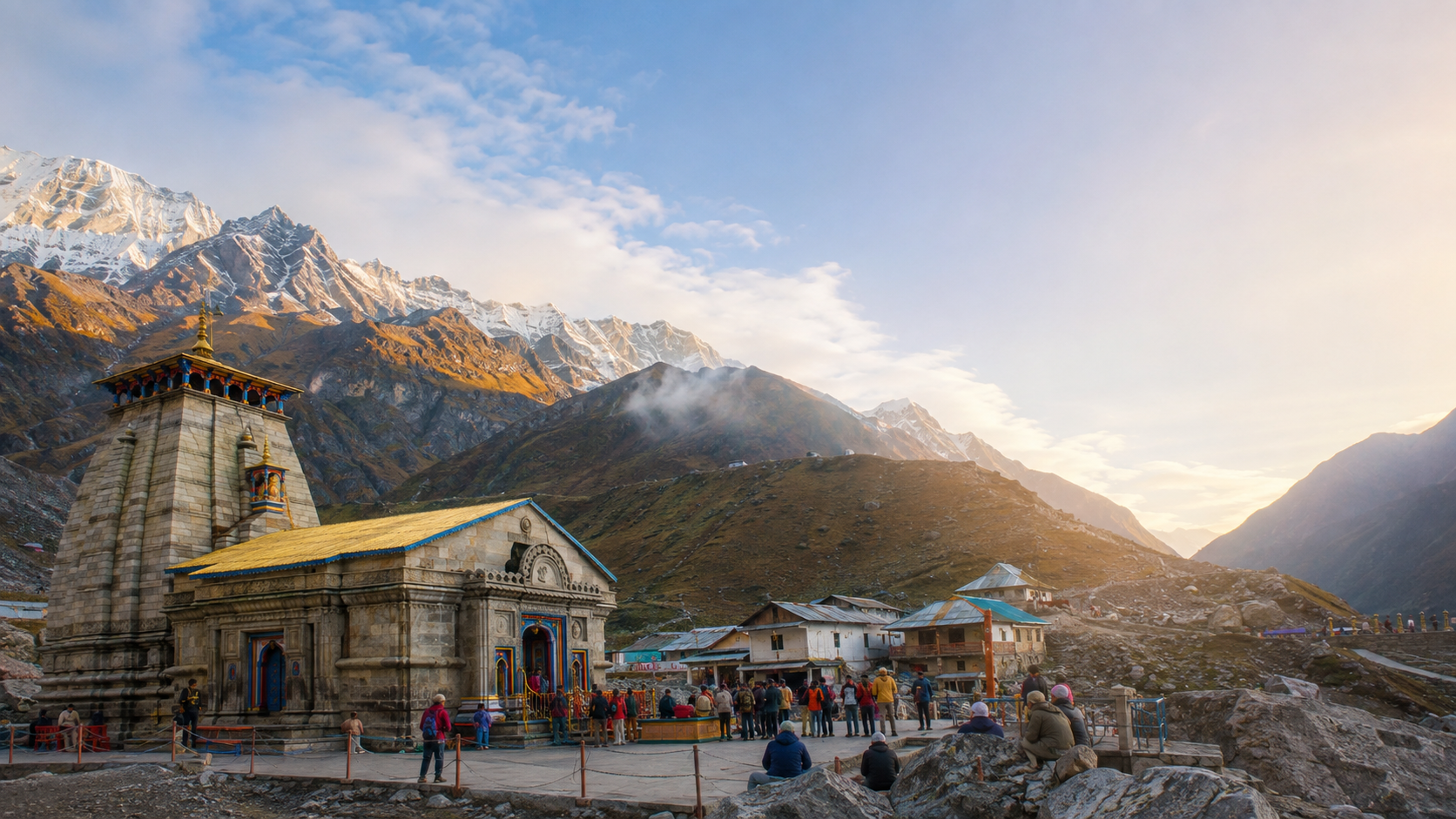
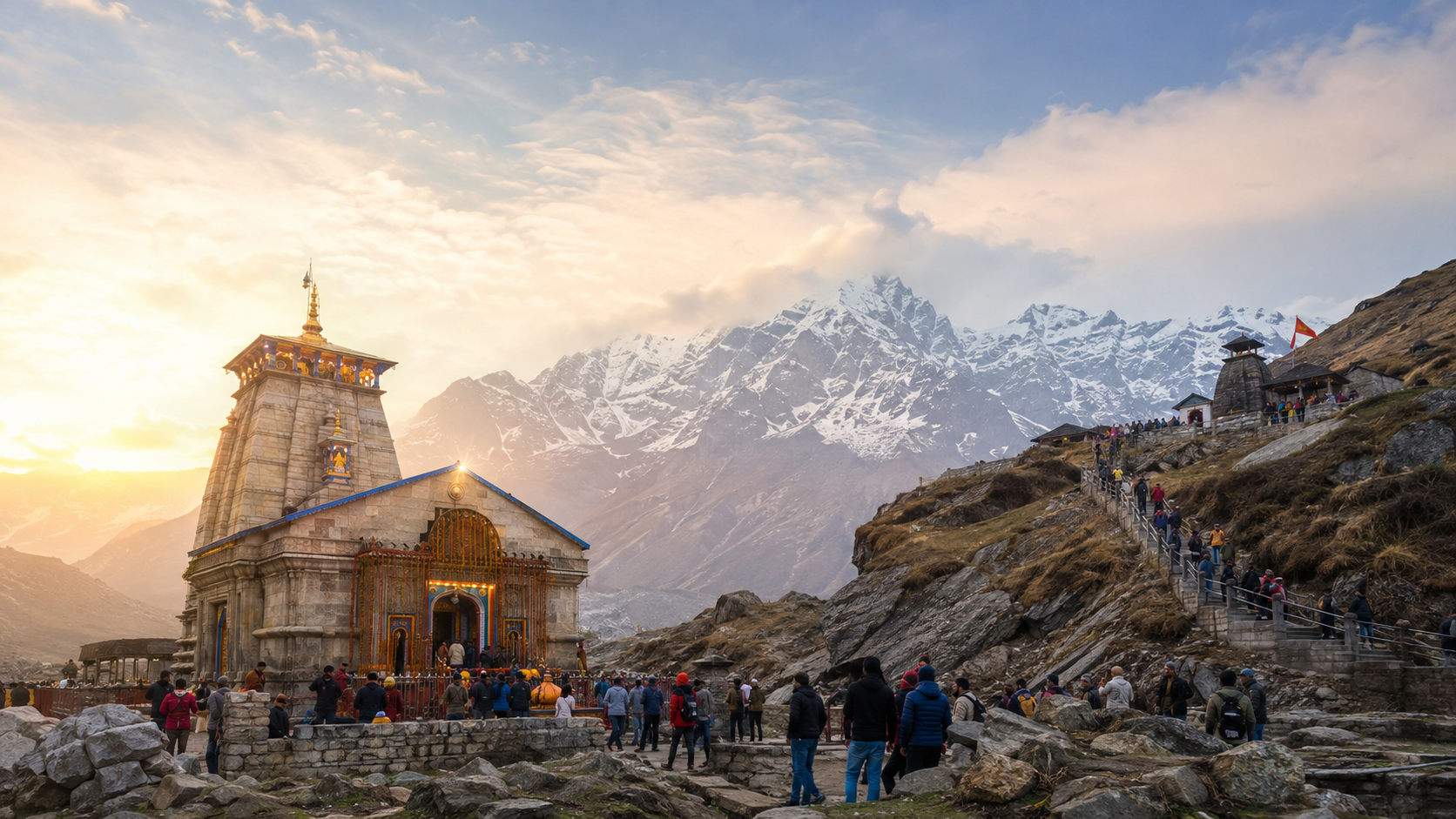
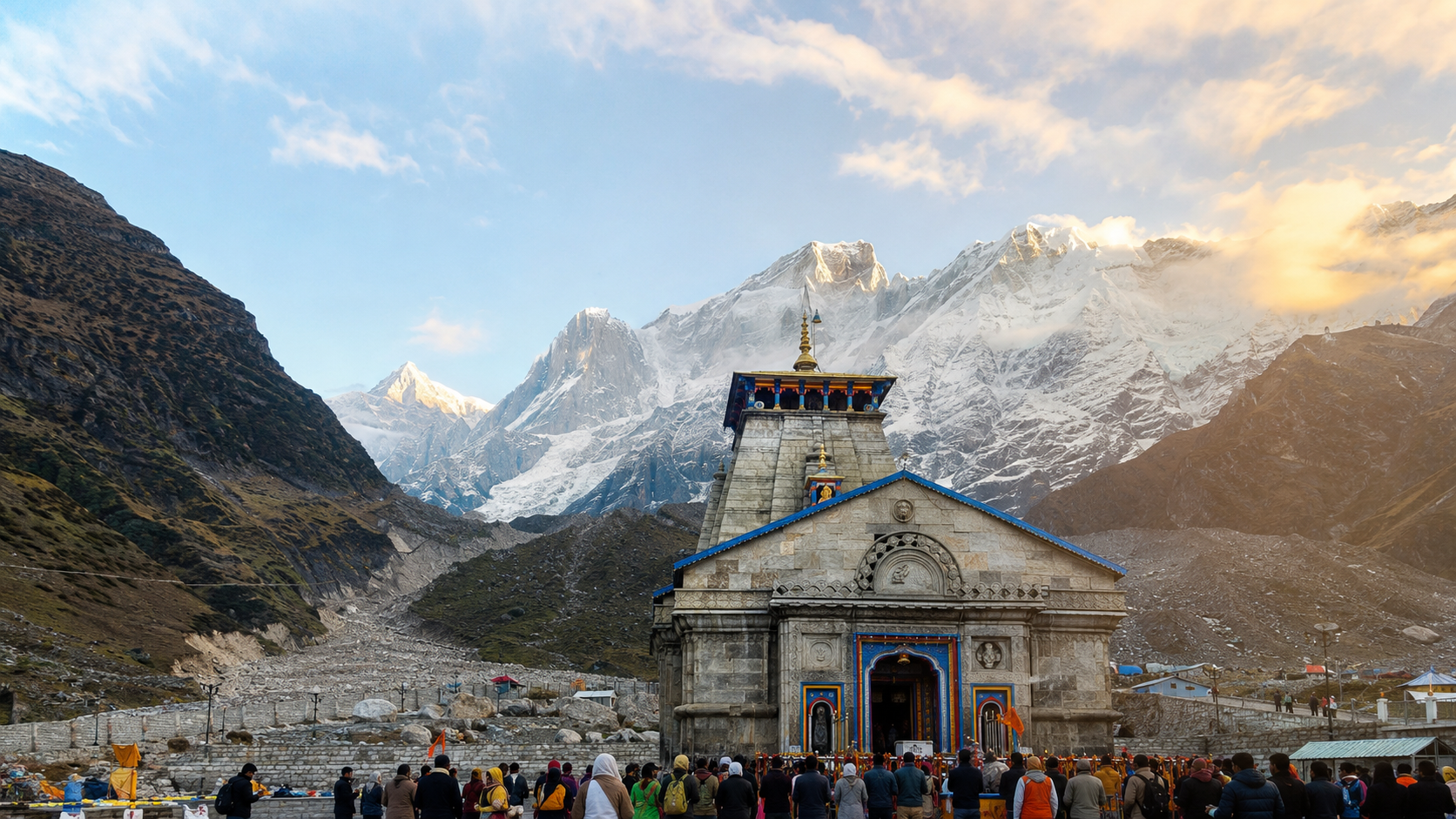
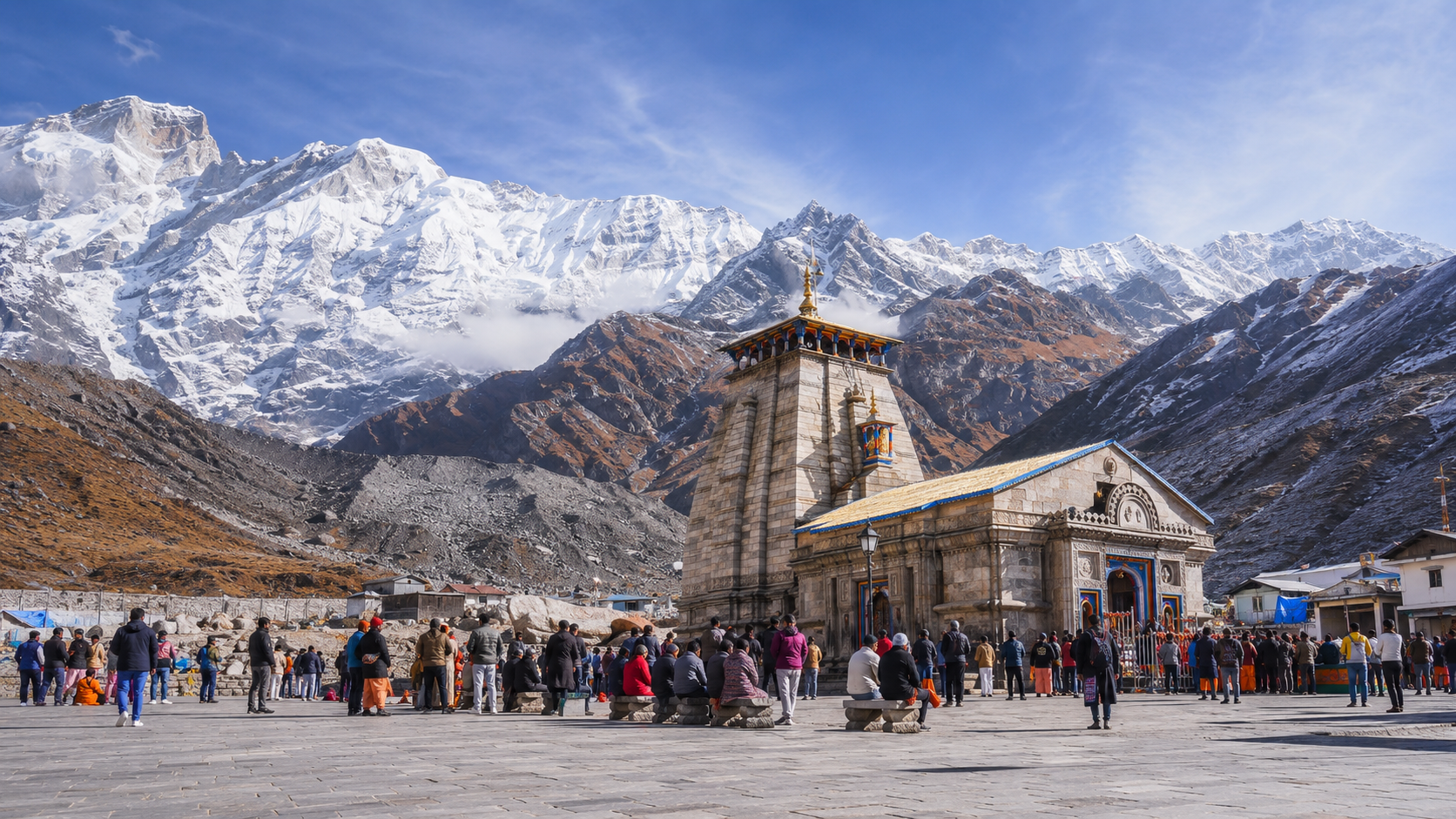
Muktinath Temple is a high-altitude pilgrimage shrine in the Mustang district of Nepal, located in the trans-Himalayan region at roughly 3,800 metres above sea level. The sacred complex is revered by both Hindus and Buddhists, making it an unusual and important pilgrimage destination for travellers from India and across Nepal.
For Hindu pilgrims, the shrine is dedicated to Lord Vishnu and is closely associated with Mukti Kshetra, the “place of liberation”. The Kali Gandaki River flowing through the wider region is also known for Shaligram fossils, which are regarded as sacred manifestations of Vishnu in Hindu tradition. In the Buddhist tradition, the site is associated with Avalokiteshwar.
A Muktinath pilgrimage is not simply a temple visit. The journey involves travelling through the mountain region around Jomsom and Kagbeni, reaching a high altitude, and allowing time for the temple, water spouts and nearby shrines. Weather and road conditions can affect the final part of the journey, so a practical itinerary is important.
Spiritual Importance of Muktinath
Muktinath is one of Nepal's best-known pilgrimage destinations and is sacred to two major religious traditions.
For Hindu devotees, Lord Vishnu is the principal deity. The Nepal Tourism Board notes that the area known as Mukti Kshetra is mentioned in Hindu scriptures including the Ramayana, Varaha Purana and Skanda Purana. The Kali Gandaki valley's Shaligram fossils add another important layer to the area's Vaishnava significance.
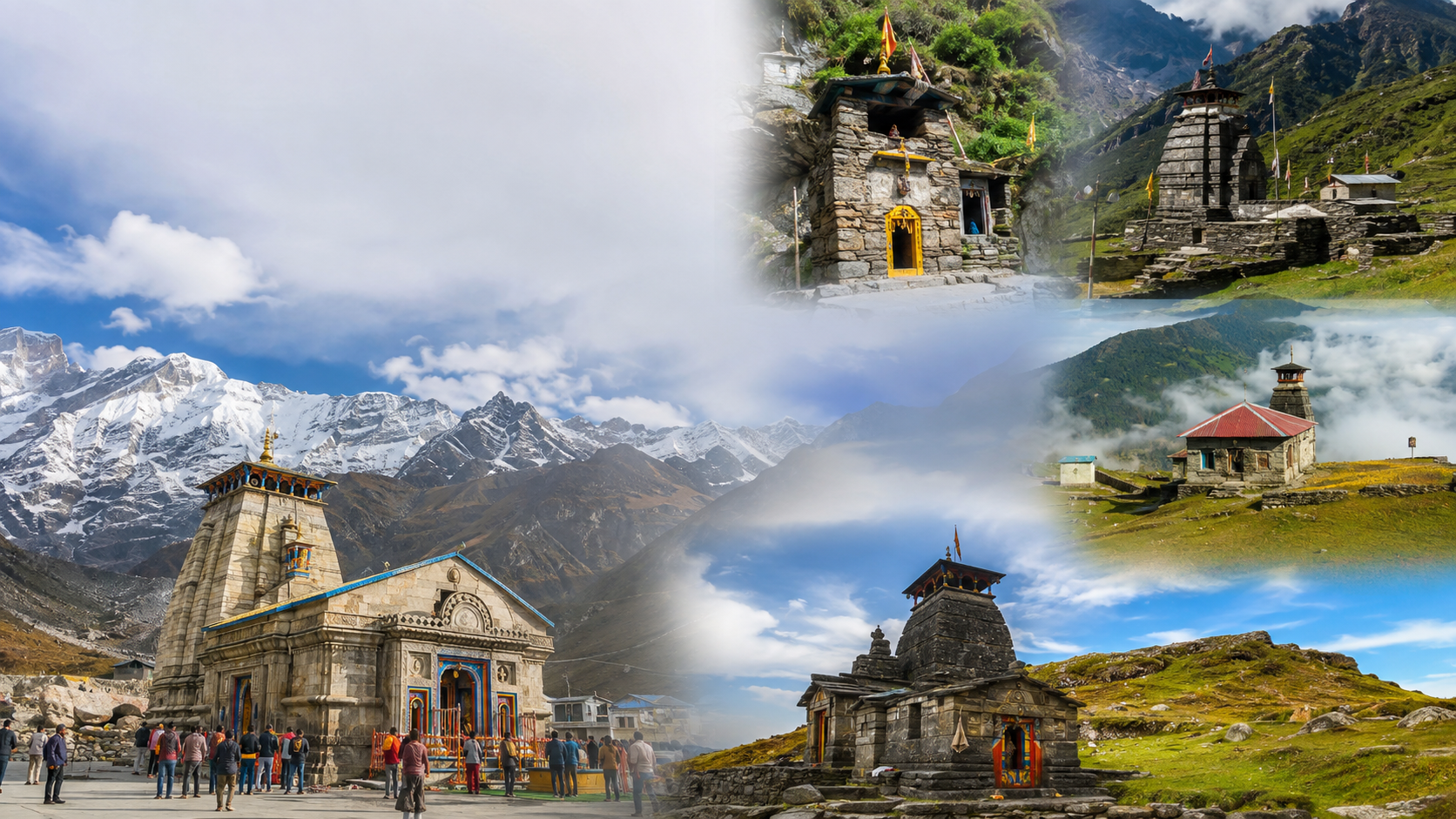
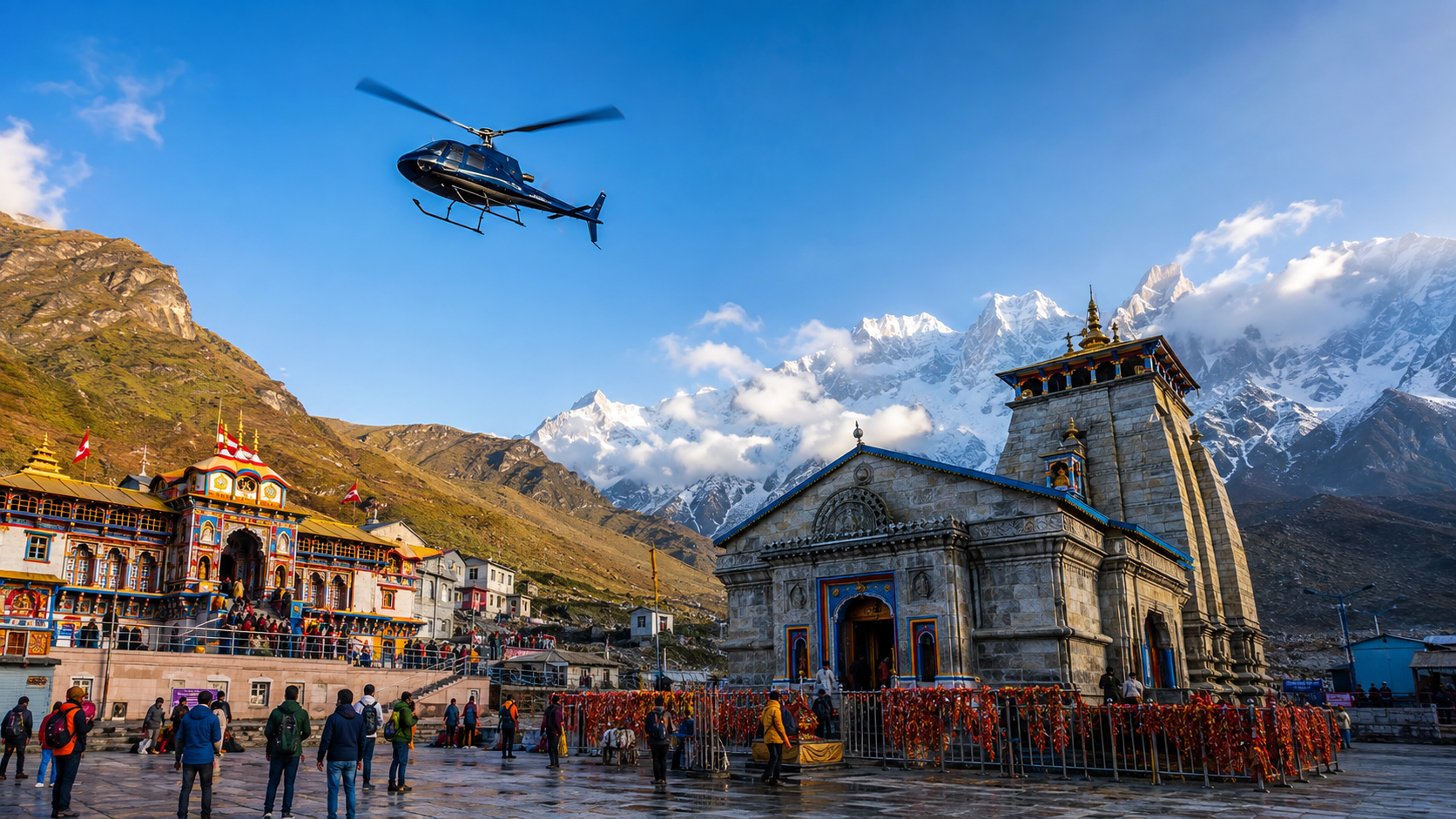
The temple itself is a relatively simple pagoda-style structure. Nepal Tourism Board states that the present temple is believed to have been constructed around the beginning of the 19th century, while the Vishnu idol is considered older, dating to around the 16th century. This suggests that an earlier shrine existed at the site. These dates should be understood as historical assessments rather than a precisely documented founding date.
Muktinath is also important to Buddhists. Buddhist nuns and Brahmin priests are associated with worship at the shrine, reflecting the site's shared religious character. Nearby Jwala Mai is another important part of the sacred complex.
108 Water Spouts and Jwala Mai Temple
The 108 water spouts, commonly called Muktidhara, are among the most recognisable features of a Muktinath Temple visit. Nepal Tourism Board describes them as sacred springs where pilgrims traditionally take a ritual bath. The water can be extremely cold, particularly because of the site's altitude and mountain climate.
Pilgrims should not feel obliged to follow a ritual that their physical condition does not allow. At around 3,800 metres, exposure to cold water can be particularly uncomfortable for older travellers, children and anyone already feeling unwell.
Jwala Mai Temple, located near the main shrine, is revered by both Hindus and Buddhists. Nepal Tourism Board describes the shrine as being associated with an eternal blue flame. The site is therefore an important stop for pilgrims after visiting the main temple.
Muktinath Temple Timings and Darshan
The temple's published timings can vary between sources and may change according to season, religious occasions or local arrangements. The current temple information published by the Muktinath Development Committee gives the following schedule:
| Period | Morning | Afternoon/Evening |
|---|---|---|
| Current published schedule | 7:00 AM–12:00 PM | 1:00 PM–6:00 PM |
There is a listed lunch break from 12:00 PM to 1:00 PM.
Because timings can change, pilgrims should reconfirm the schedule locally before setting out from Jomsom or arranging transport around a particular darshan window.
For a comfortable visit, reaching the temple during the morning session is sensible. It also leaves some flexibility if road travel, walking or weather causes delays.
There is no need to rush through the complex. Allow time for the main shrine, 108 water spouts and Jwala Mai, while keeping your personal comfort and the altitude in mind.
Darshan Etiquette
Muktinath is an active place of worship rather than simply a sightseeing attraction. A few simple practices make the visit more respectful.
- Wear modest clothing covering the shoulders and knees.
- Remove footwear where required before entering temple areas.
- Follow instructions from temple staff and priests.
- Maintain quiet and avoid disturbing people engaged in prayer.
- Do not photograph people during private religious rituals without permission.
- Follow any restrictions on photography inside specific shrines.
- Avoid touching idols, sacred objects or ritual items unless invited to do so.
- If taking a ritual bath under the water spouts, be mindful of the cold conditions and your own physical limits.
- Keep the temple surroundings clean and do not leave offerings or waste outside designated areas.
The exact rules can be different for particular parts of the complex, so local instructions should take precedence.
Muktinath Temple Best Time to Visit
For most Indian pilgrims, spring and autumn are the more practical seasons for a Muktinath Yatra. Nepal Tourism Board lists March to May and September to November as the best seasons for the Annapurna Conservation Area, which includes Muktinath.
Spring: March to May
Spring generally offers a good balance between road accessibility, mountain weather and daytime conditions. This is a popular period, so accommodation and transport should be arranged ahead of time.
Autumn: September to November
September to November is another strong period for travelling through the Mustang and Annapurna regions. Mountain visibility can be favourable, although conditions can change quickly at high altitude.
Winter: December to February
Winter requires more preparation. Mustang becomes very cold and snowfall can affect mountain routes and transport. Nepal Tourism Board specifically advises avoiding winter trekking in Mustang because of difficult weather conditions.
Monsoon: June to August
The Mustang region is comparatively dry because of its rain-shadow location, but reaching it can still involve weather-related transport and road complications elsewhere on the route. Travellers should check the latest road and flight situation rather than assuming that the entire route will remain unaffected by monsoon conditions.
How to Reach Muktinath Temple
The practical route for most Indian pilgrims is to first reach Pokhara and then continue towards Jomsom and Muktinath.
Nepal Tourism Board confirms that regular flights connect Pokhara and Jomsom, while road access has also developed significantly in the Mustang region. A motorable road now connects the Muktinath area towards Beni, with onward road connections towards Pokhara.
A typical journey can be planned as follows:
- Reach Nepal and travel to Pokhara.
- Continue from Pokhara towards Jomsom by flight or road, depending on current availability and conditions.
- From Jomsom, continue towards Muktinath by road, walking or locally arranged transport.
- Stay overnight around Muktinath/Ranipauwa or Jomsom according to your itinerary.
- Complete darshan and return according to the chosen route.
Flights in the mountain region are particularly dependent on weather. A flight that is scheduled may be delayed or cancelled, so keeping some flexibility in the itinerary is advisable.
Nepal Tourism Board also recognises pony trekking on the Jomsom–Muktinath route, providing an alternative for travellers who prefer not to complete the approach entirely on foot.
Travel from India to Nepal
Indian citizens do not require a visa to enter Nepal. Current Nepal Immigration guidance states that Indian citizens can enter using a valid Indian passport or Election Commission voter ID. The immigration authorities also advise travellers to use a passport where possible for smoother processing.
Aadhaar should not be treated as a general substitute for the accepted travel documents. Nepal Immigration's current guidance specifically identifies passport and voter ID for Indian citizens, with separate provisions for certain accompanying minors.
Carry your original travel documents throughout the journey, particularly if your Muktinath itinerary involves air travel within Nepal.
Local Transport Around Muktinath
The final approach is a combination of mountain road travel and walking depending on the route selected.
Jomsom is an important transport point. From there, pilgrims can use locally available road transport towards Muktinath, while walking and pony options are also available. Nepal Tourism Board confirms that the Jomsom–Muktinath route is used for pony trekking.
Road travel times should not be treated as fixed. Mountain roads can be affected by weather, maintenance, traffic and local conditions. When planning a package or private journey, it is better to keep a buffer rather than build the itinerary around a precise arrival time.
Accessibility and High-Altitude Considerations
Muktinath is a high-altitude destination, and this is one of the most important practical points for pilgrims to understand. The temple is situated around 3,800 metres above sea level.
The approach is therefore not comparable with visiting a temple at a low-altitude city destination.
Travellers should:
- Allow time to adjust to the altitude.
- Walk slowly and avoid unnecessary exertion.
- Keep warm, including during warmer months.
- Carry sufficient drinking water.
- Avoid immediately undertaking strenuous activity after reaching the high-altitude area.
- Take symptoms such as severe headache, unusual breathlessness, dizziness, vomiting or confusion seriously.
- Consult a doctor before travel if they have concerns about travelling to high altitude.
Older pilgrims and families travelling with children should plan the pace particularly carefully.
The 108 water spouts are also not an accessibility-neutral activity. The water is very cold and the area may be uncomfortable for travellers with mobility limitations. Anyone who cannot safely manage steps, uneven ground or cold exposure should plan an alternative way to experience the sacred complex.
Where to Stay
Pilgrims can choose accommodation around Muktinath/Ranipauwa or stay farther down the route, particularly around Jomsom. The choice depends on whether the priority is early darshan, easier acclimatisation or a more comfortable overnight stay.
Accommodation in mountain areas is generally simpler than in Kathmandu or Pokhara. Nepal Tourism Board advises travellers to use registered hotels, lodges and homestays and notes that mountain tourist areas have lodges and tea houses, although availability should be checked in advance.
For peak travel periods:
- Reserve rooms before arriving in the Muktinath area.
- Confirm whether hot water and heating are available.
- Check meal arrangements if travelling with elderly family members.
- Do not assume every property accepts card payments.
- Keep some Nepalese currency available for smaller local expenses.
- Carry essential medicines and personal items rather than relying entirely on local availability.
Places to Visit Near Muktinath Temple
A Muktinath pilgrimage can be combined with several important places in Mustang.
Jwala Mai Temple
This shrine near the main Muktinath complex is associated with the sacred blue flame and is an important part of the pilgrimage visit.
Kagbeni
Kagbeni is an old settlement along the Kali Gandaki River and an important stop on the route towards Muktinath. Nepal Tourism Board identifies it as a religious site where Hindu pilgrims perform shraddha rituals for deceased ancestors.
Jomsom
Jomsom is the principal transport gateway for many Muktinath travellers. It is also a useful overnight base when flight schedules or road conditions make it preferable to stay at a lower altitude.
Kali Gandaki Valley
The Kali Gandaki region is closely associated with Shaligram fossils, which hold special importance in Hindu worship. Nepal Tourism Board notes that Shaligrams are found along the river and are regarded by Hindus as manifestations of Lord Vishnu.
Upper Mustang and Lo Manthang
Travellers interested in extending their trip into Upper Mustang can explore the region's distinctive Tibetan-influenced culture and landscape. However, Upper Mustang is subject to special permit requirements, so it should not be added casually to a standard Muktinath itinerary.
Practical Muktinath Yatra Tips
A smoother journey depends as much on preparation as on the pilgrimage itself.
- Choose the travel season carefully, particularly if travelling with elderly family members.
- Keep at least some flexibility for weather-related flight or road changes.
- Carry warm layers even if the weather in Pokhara is comfortable.
- Keep original identification documents accessible.
- Confirm temple timings before travelling to the shrine.
- Book mountain accommodation ahead during the busy spring and autumn periods.
- Carry basic medicines and personal essentials.
- Keep cash available for smaller purchases and local services.
- Avoid scheduling an important onward flight immediately after the Muktinath sector.
- Follow local religious and environmental instructions throughout the pilgrimage.
For Indian families planning a Muktinath pilgrimage tour, it is especially useful to decide in advance whether the priority is a faster journey, a more relaxed pilgrimage, road travel, or a combination of Muktinath with Pokhara and other Nepal destinations.
Planning Your Muktinath Temple Visit
A well-planned Muktinath Temple visit should leave room for the realities of high-altitude travel. The shrine is an important religious destination, but reaching it involves mountain roads, changing weather and a substantial elevation gain.
For travellers from India, the most practical approach is to plan the Nepal entry, Pokhara sector, Jomsom connection, Muktinath stay and return journey as one itinerary rather than treating the temple as a simple day excursion.
If you are planning a family pilgrimage or need help arranging transport, accommodation and the Muktinath Yatra route, Trip to Yatra can help you build the journey around your preferred travel dates and pace. Enquire with Trip to Yatra for practical assistance in planning your Muktinath Temple visit.