
Madhyamaheshwar Temple
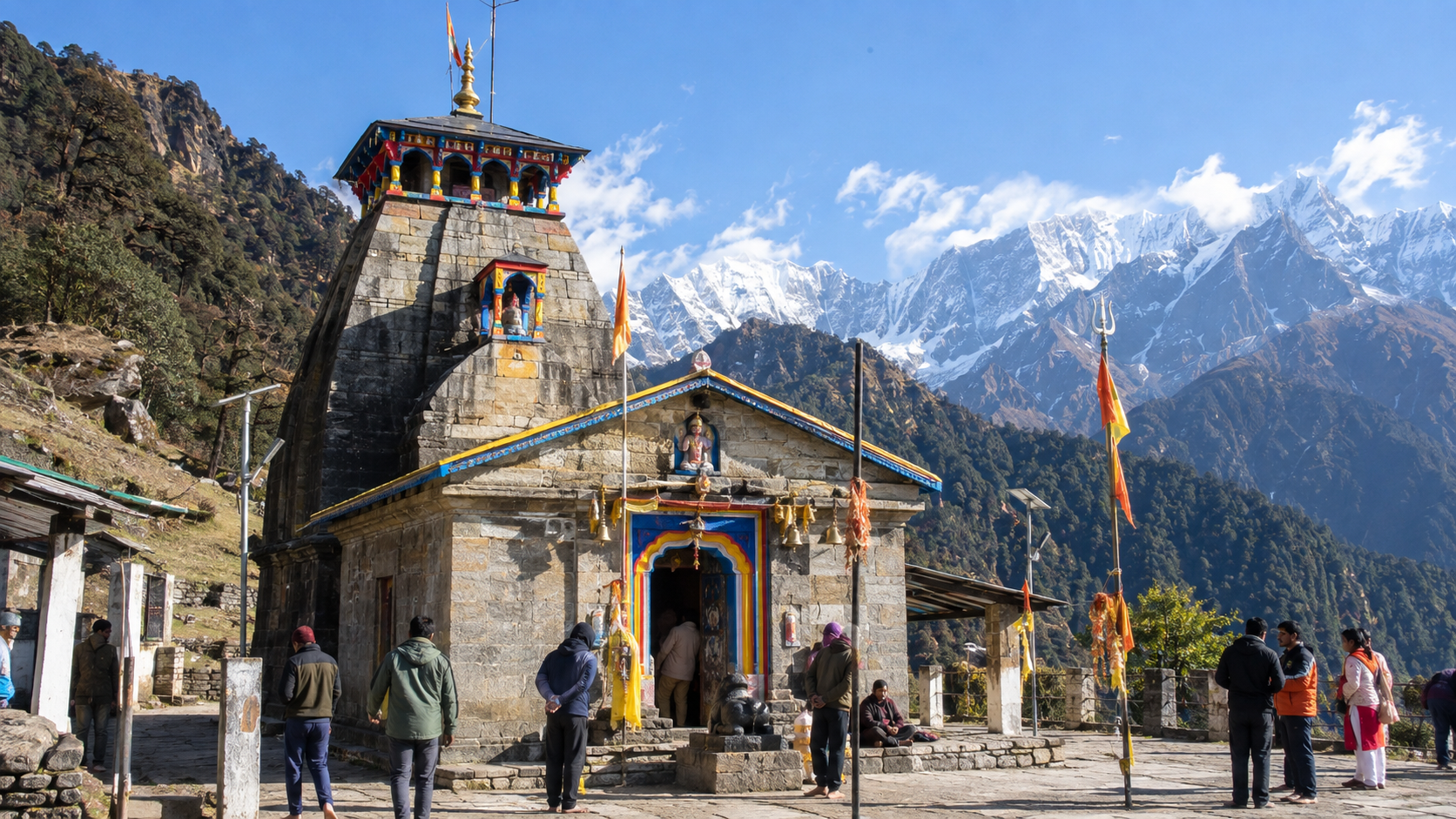
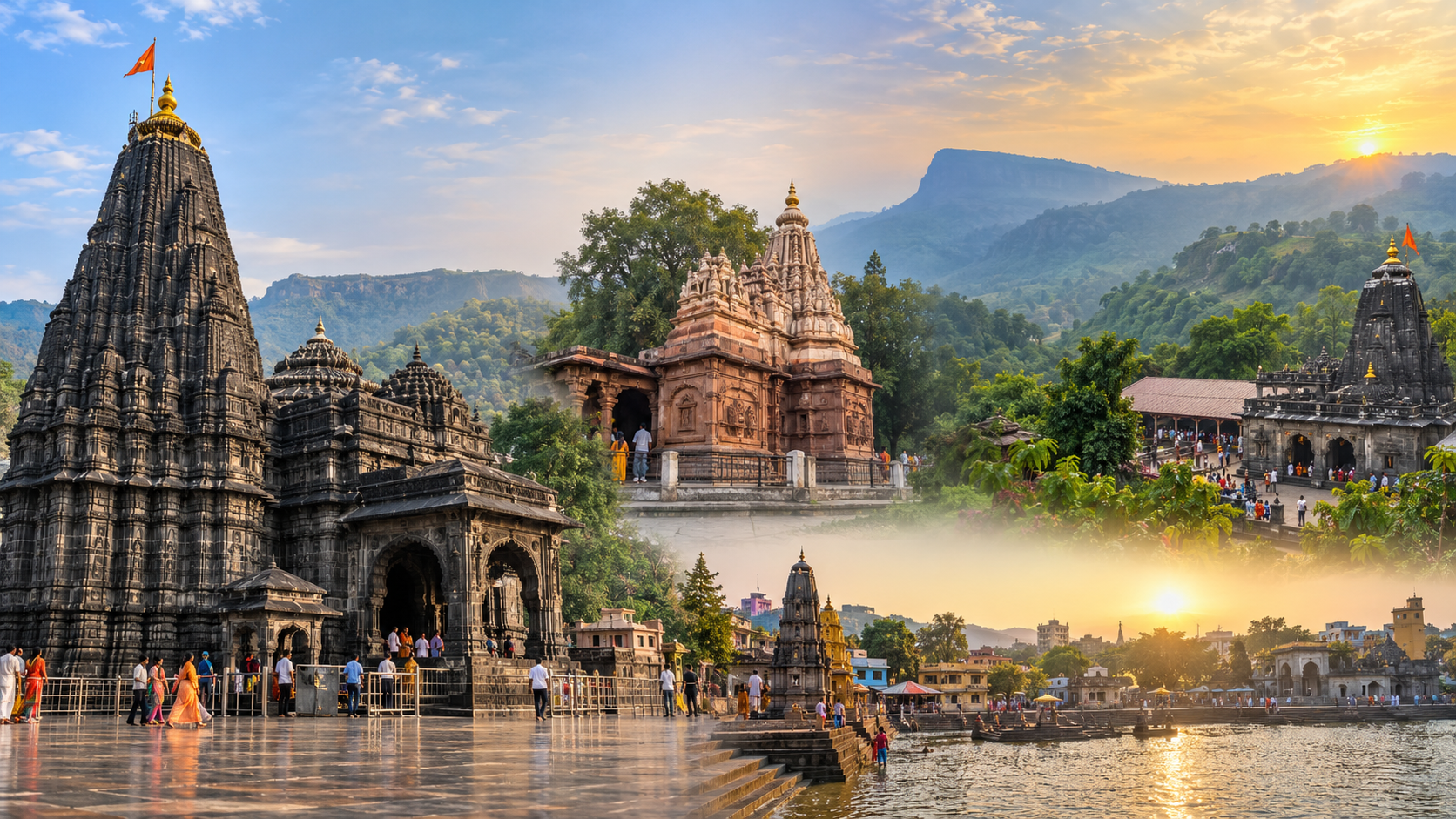
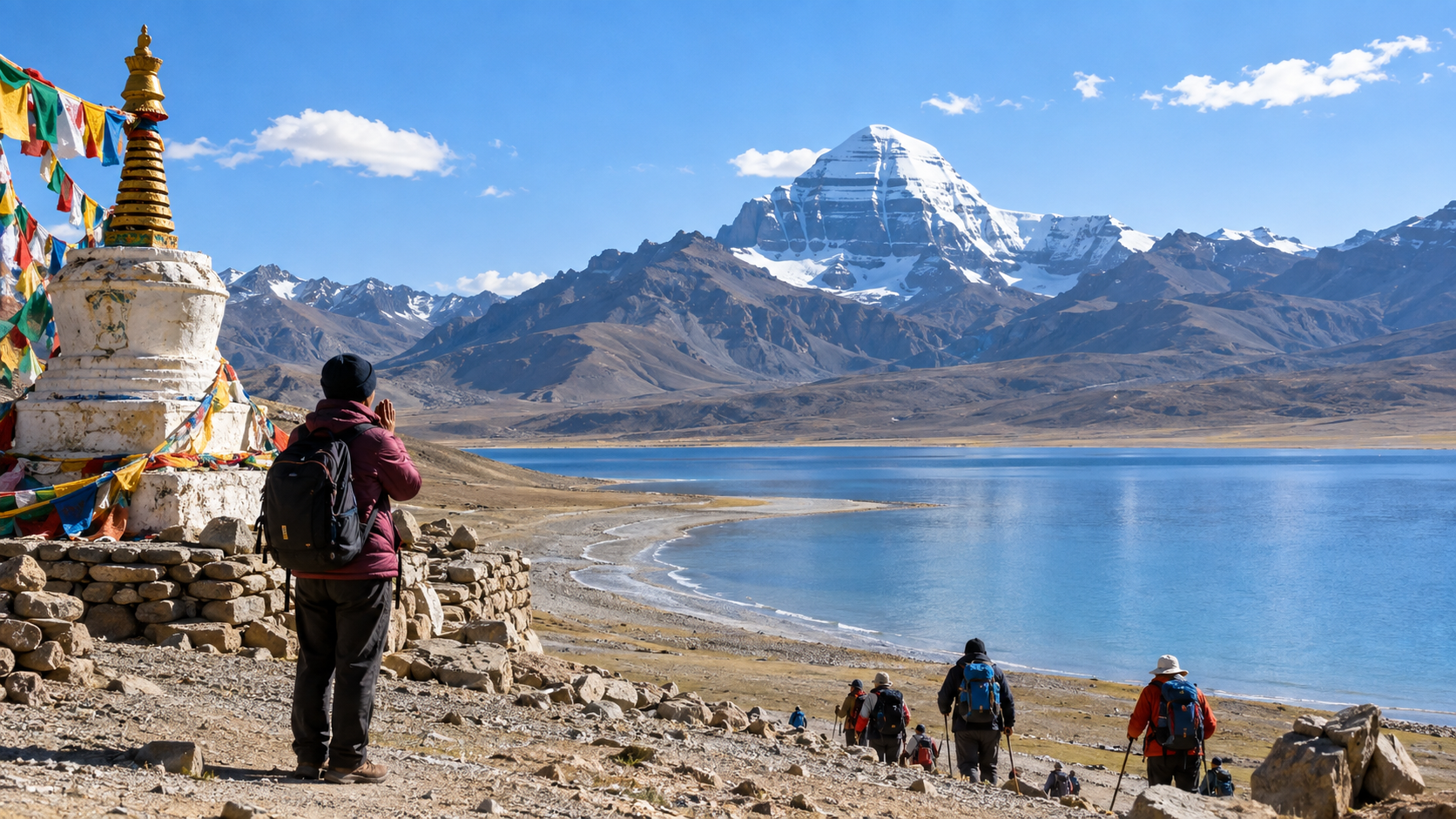
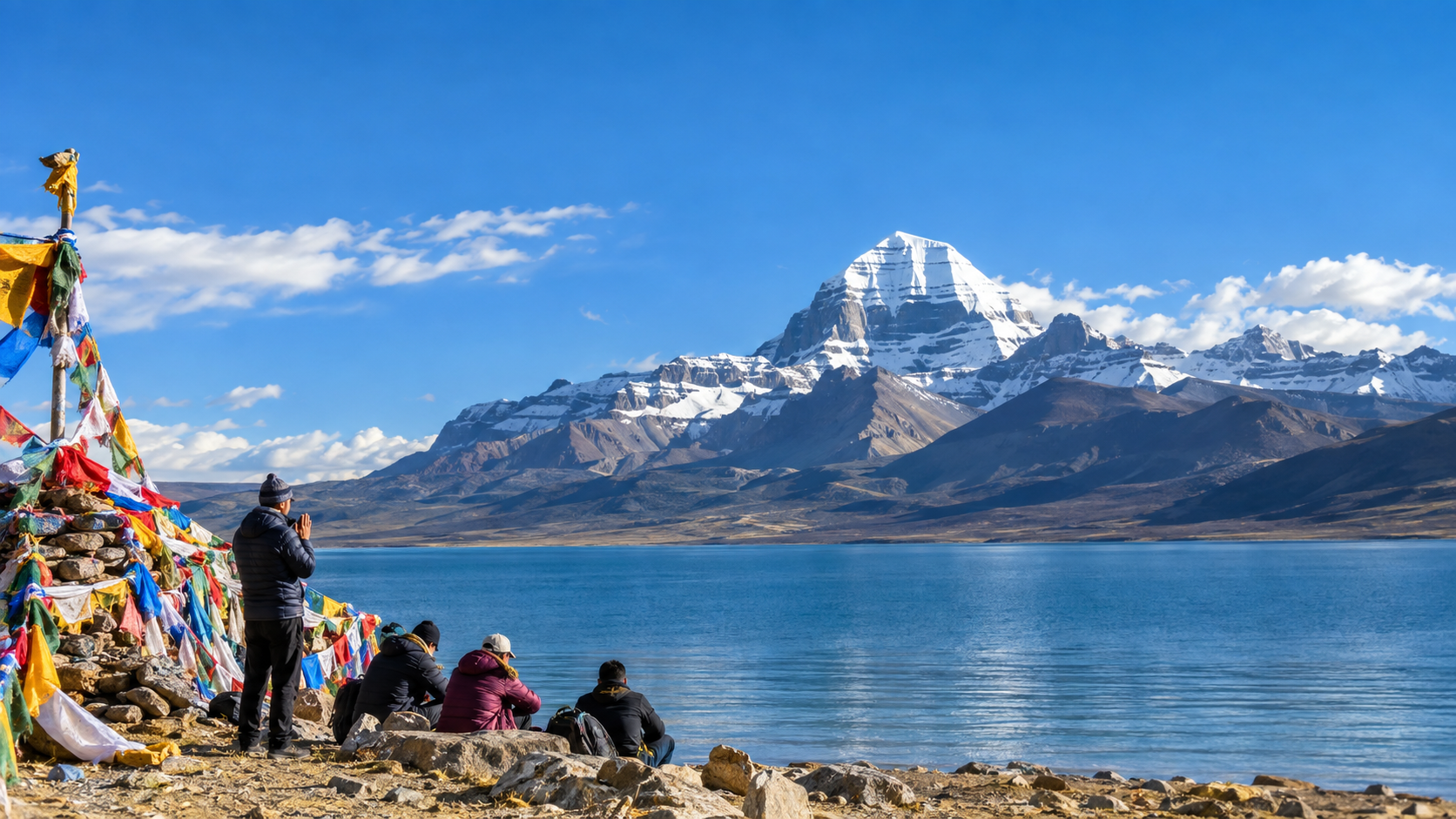
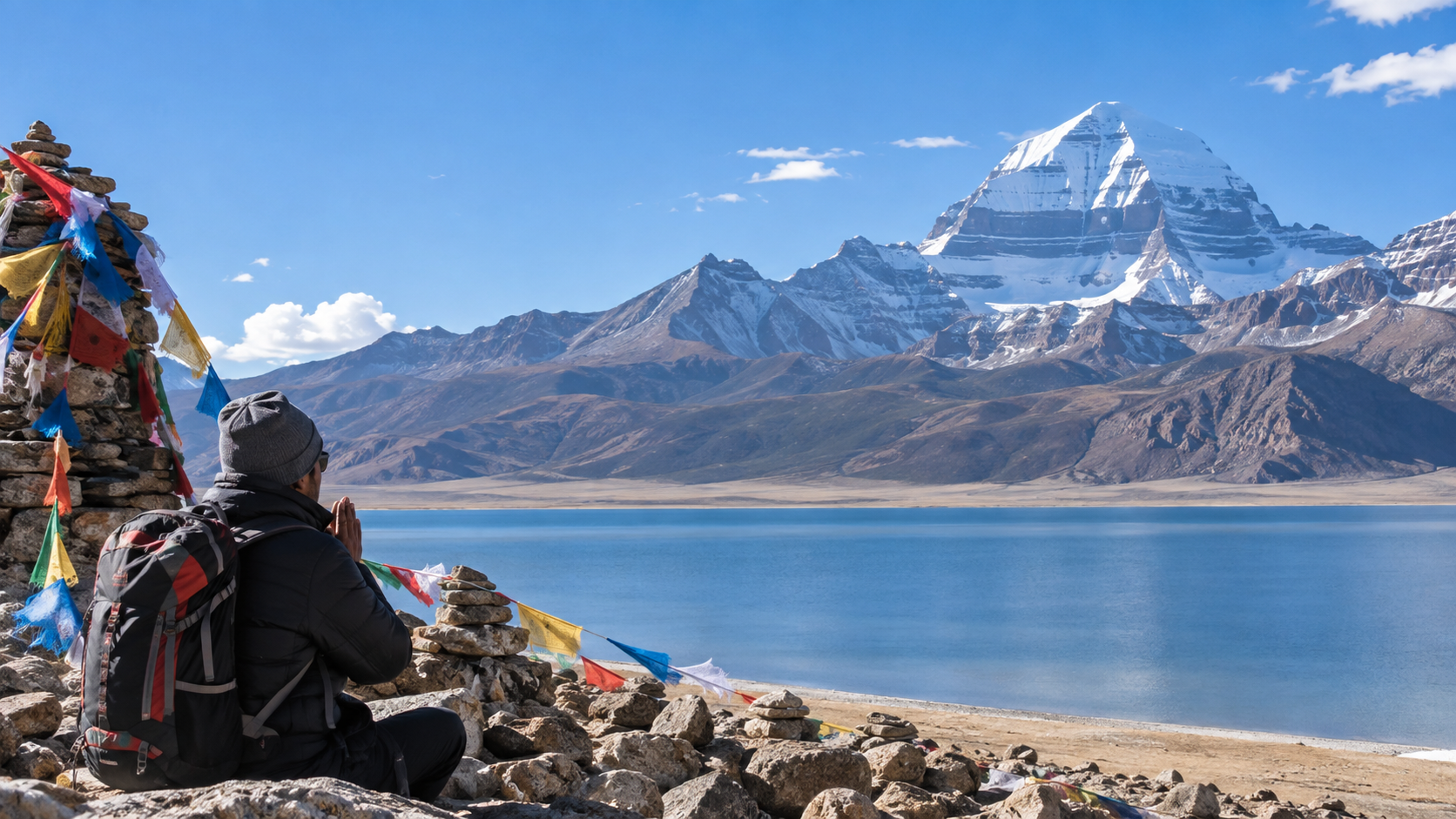
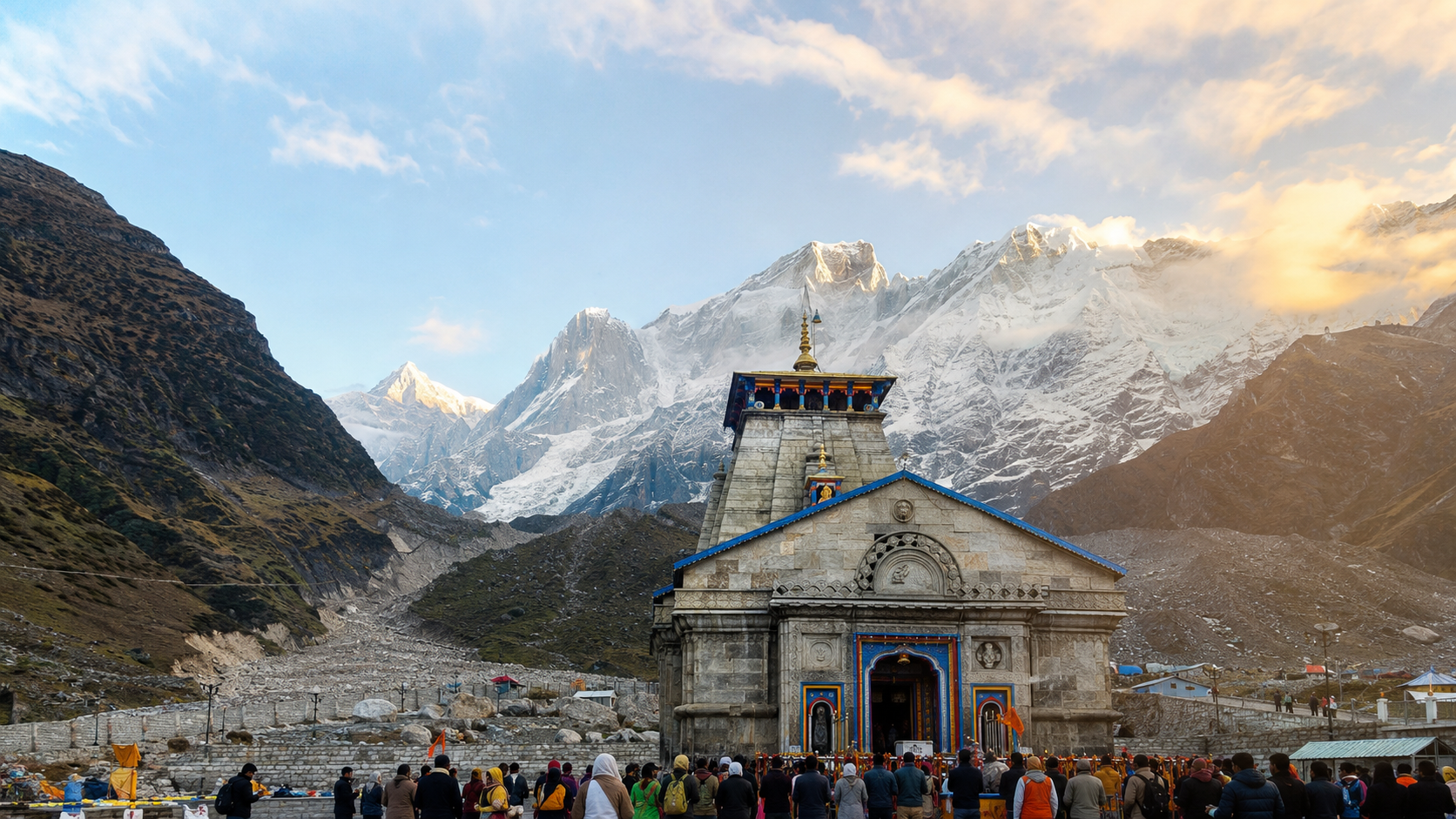
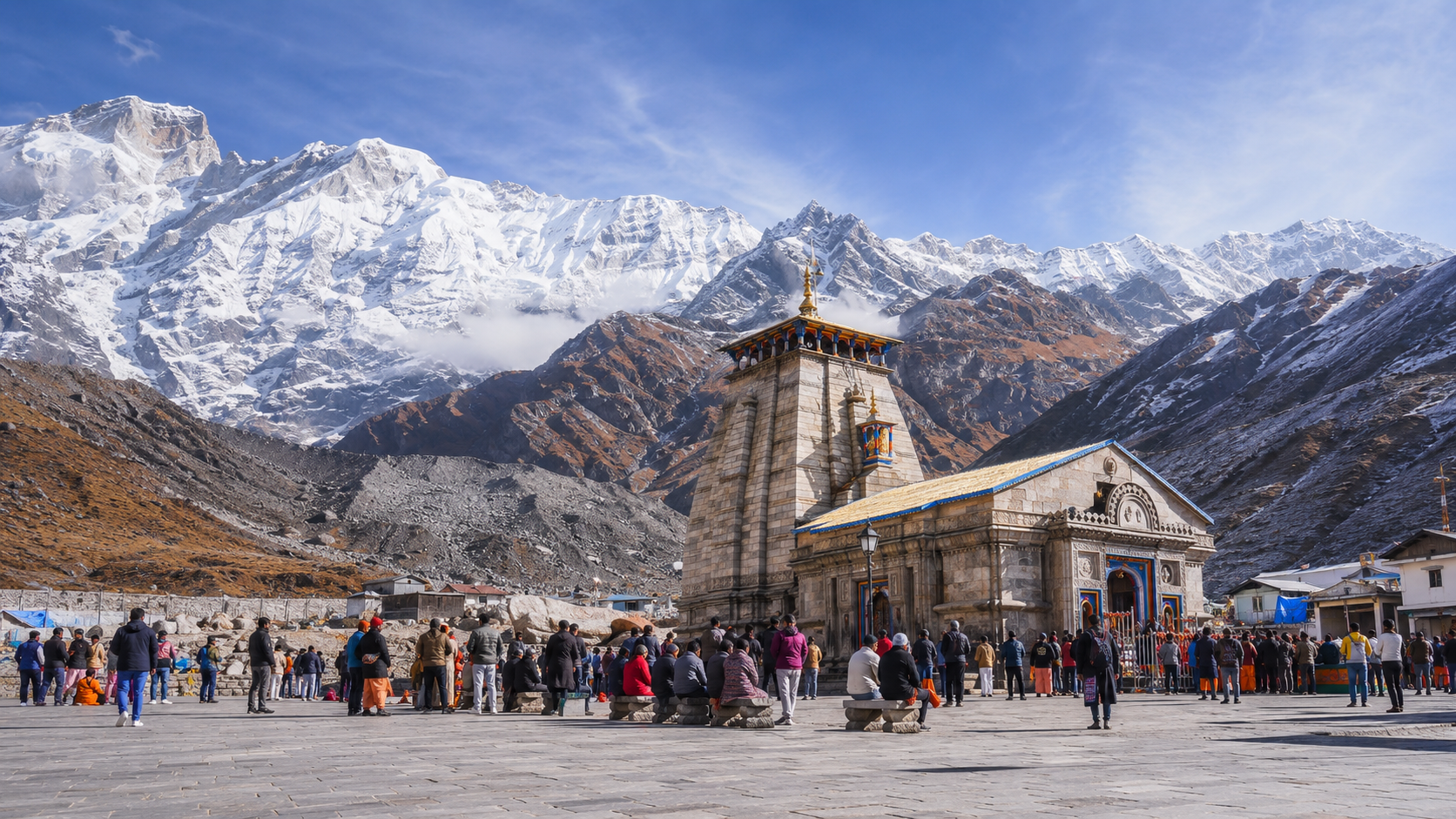
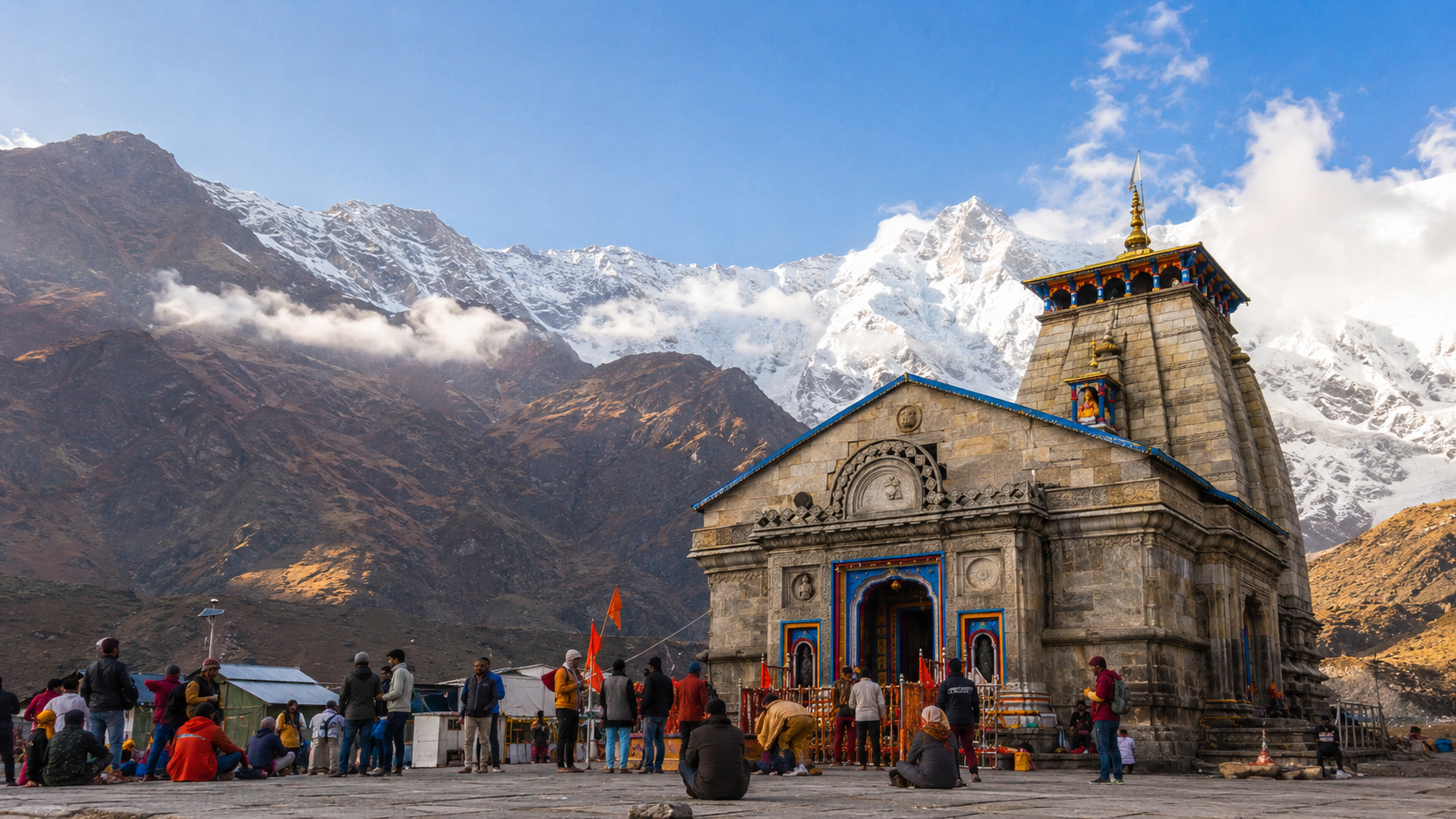
Madhyamaheshwar Temple is a revered Lord Shiva shrine in Uttarakhand’s Rudraprayag district and one of the Panch Kedar temples. Reached through a Himalayan trek from the Ransi–Uniana area near Ukhimath, it attracts pilgrims seeking darshan as well as travellers interested in mountain landscapes, traditional villages and the Budha Madhyamaheshwar viewpoint.
Madhyamaheshwar Temple at a Glance
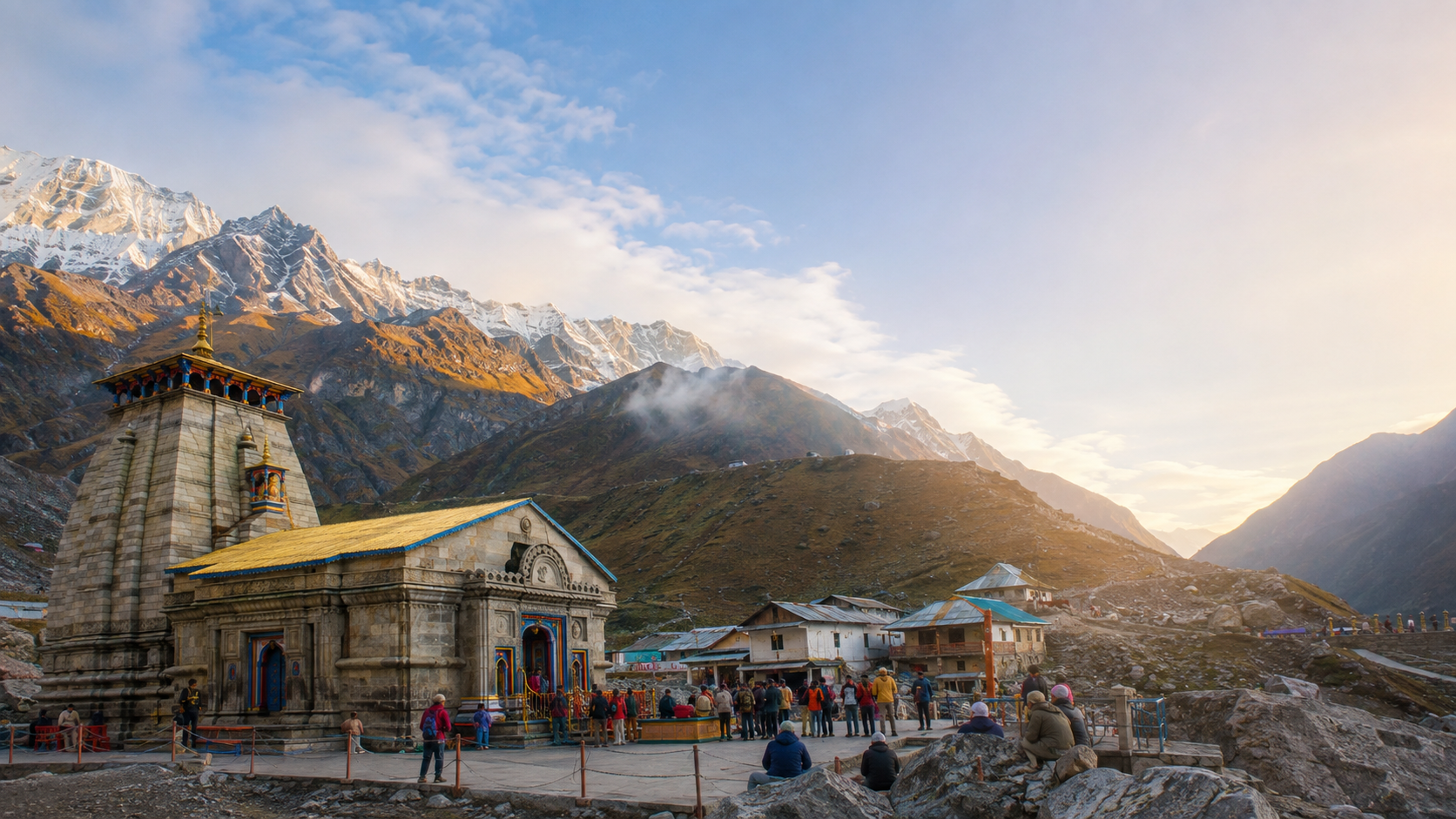
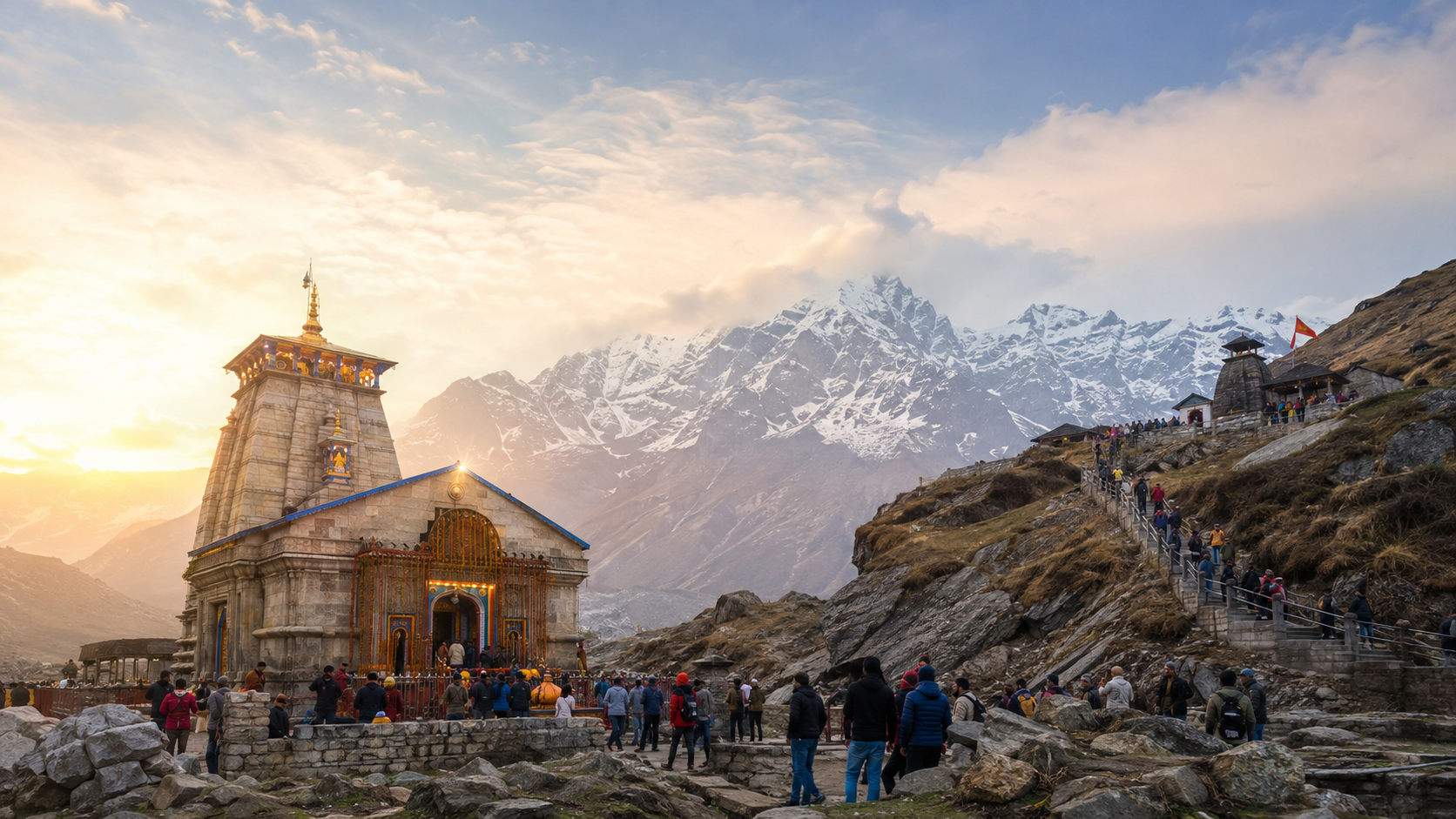
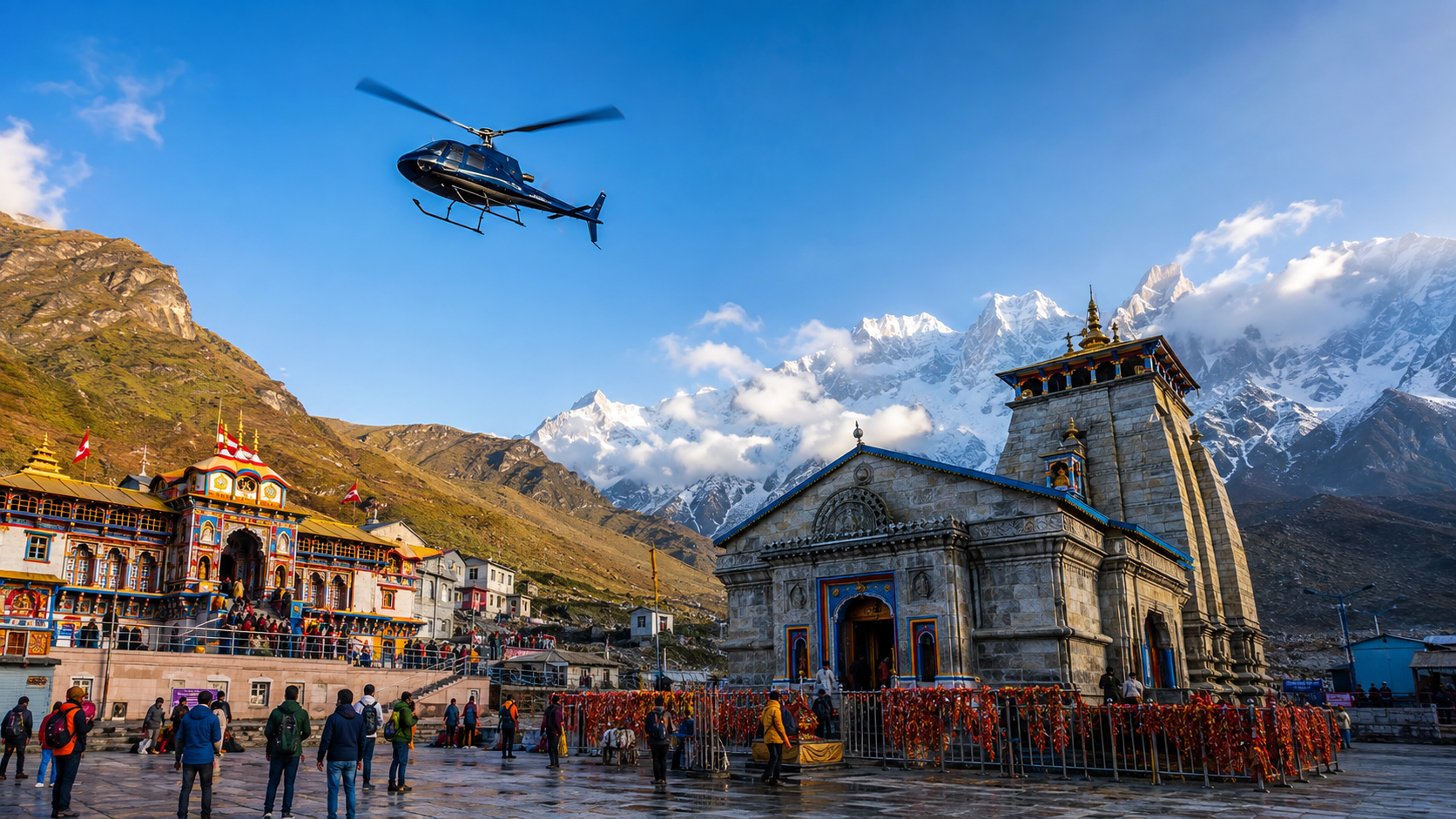
Madhyamaheshwar Temple, also written as Madmaheshwar Temple or Madhmaheshwar Temple, is a high-altitude Shiva shrine in the Garhwal Himalayas of Uttarakhand. It is located in Rudraprayag district and forms part of the sacred Panch Kedar circuit. Uttarakhand Tourism identifies Madhyamaheshwar as both a pilgrimage destination and a trekking destination, with the temple reached on foot rather than by a motorable road.
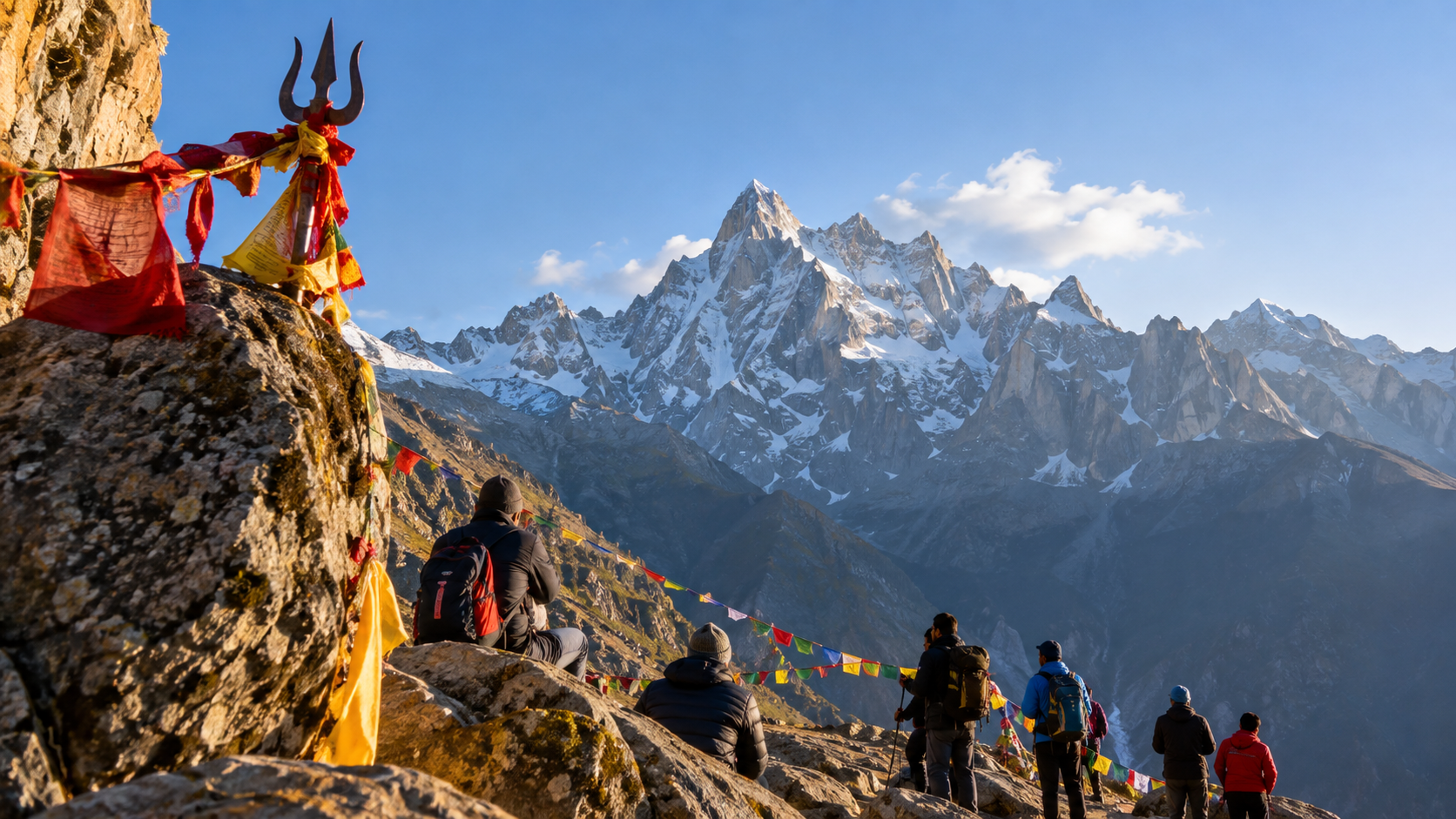
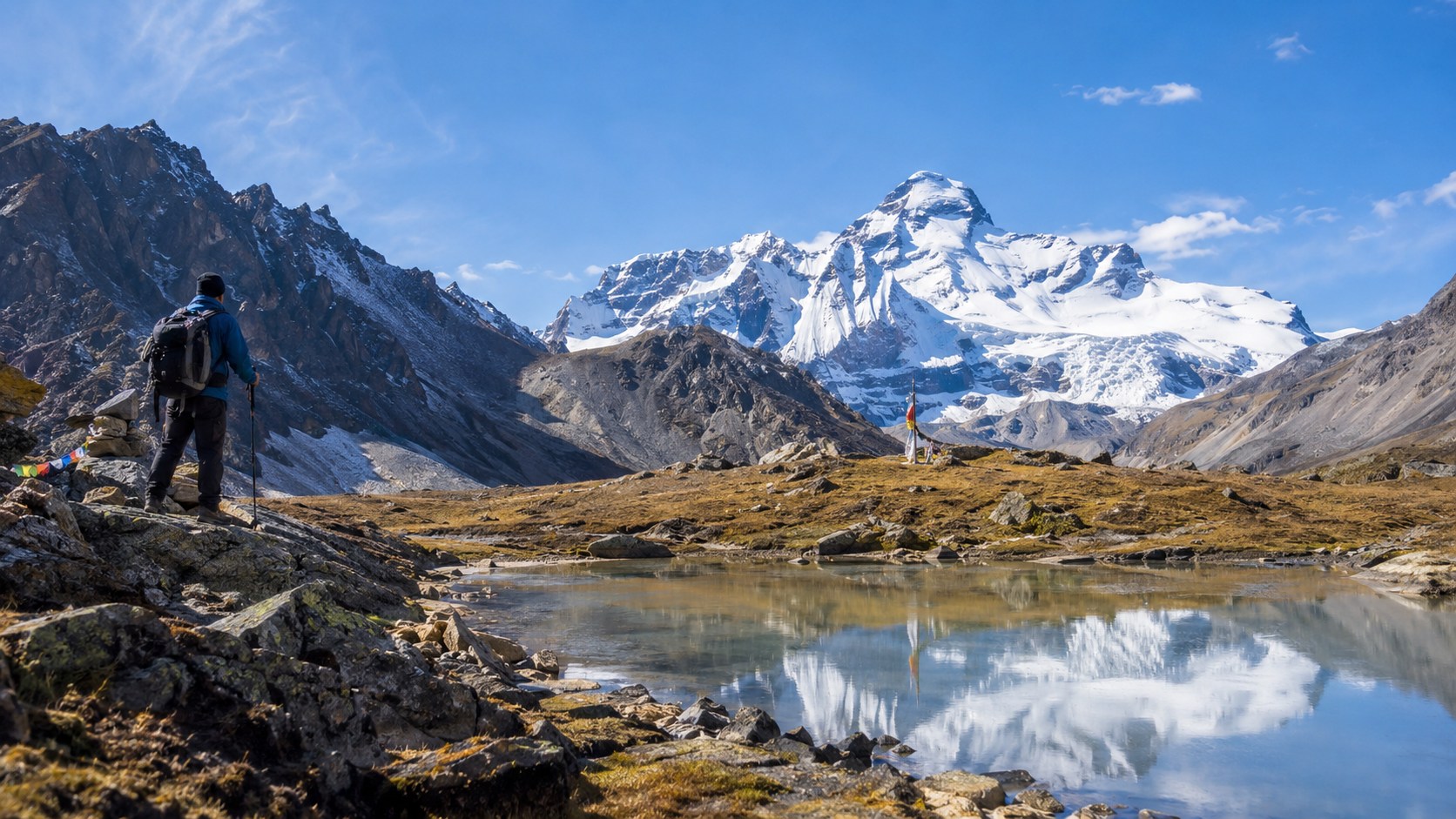
The journey usually combines a road trip towards Ukhimath and Ransi/Uniana with a substantial mountain walk. For pilgrims, the attraction is primarily the Shiva shrine and its religious significance. For trekkers, the route adds forests, village settlements, river valleys and high Himalayan views, with Chaukhamba among the prominent peaks seen around the temple.
The name Madhyamaheshwar refers to the “middle” or central part. According to the traditional Panch Kedar legend, the middle portion of Lord Shiva is believed to have manifested here after Shiva took the form of a bull to evade the Pandavas. This is a religious tradition rather than independently documented history, and it is best understood as part of the mythology associated with the Panch Kedar pilgrimage.
Spiritual Importance of Madhyamaheshwar
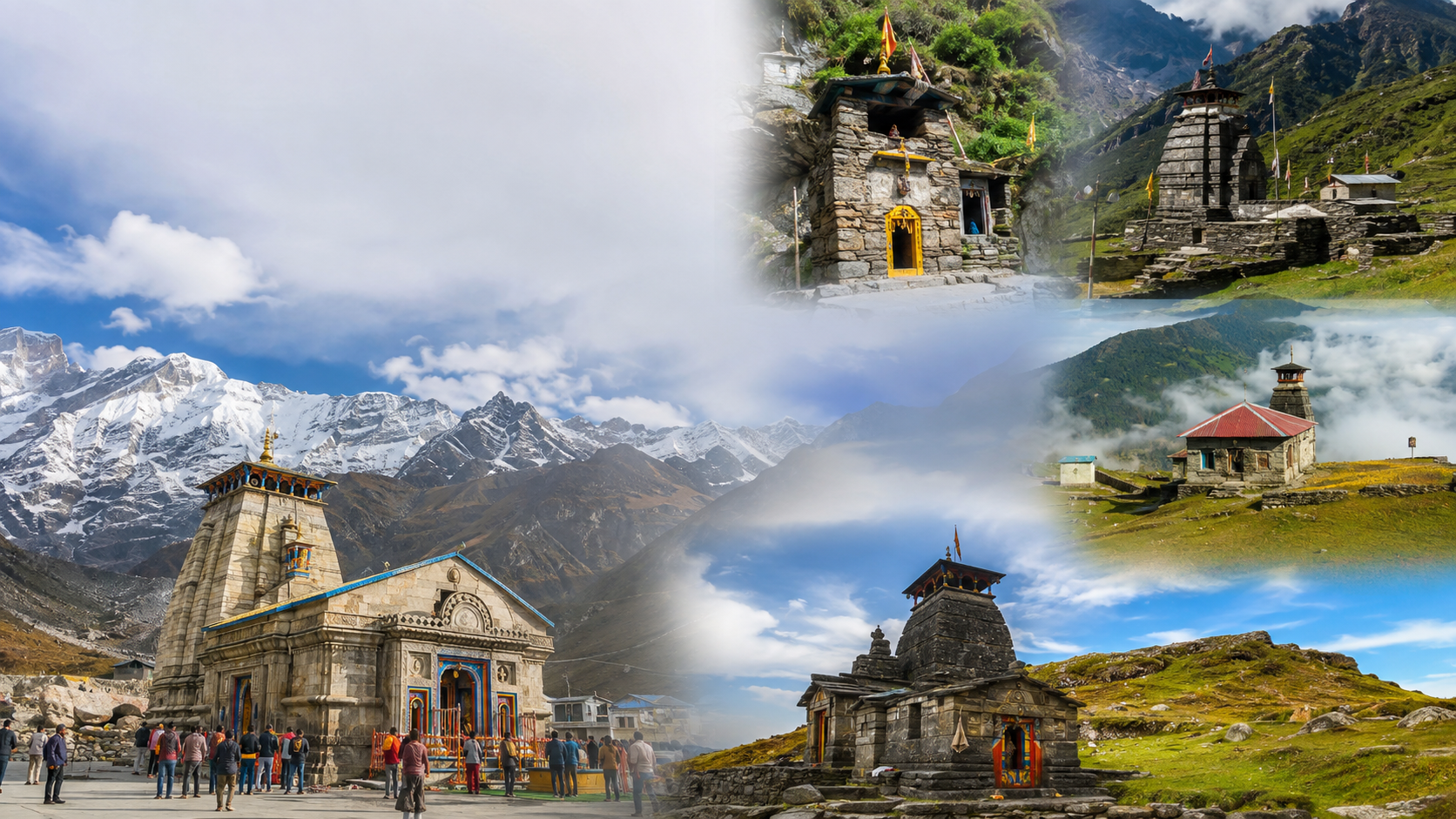
Madhyamaheshwar is one of the five Panch Kedar shrines dedicated to Lord Shiva. The other four are Kedarnath, Tungnath, Rudranath and Kalpeshwar. The Uttarakhand Tourism account of the Panch Kedar tradition connects the five shrines with different parts of Shiva's body after the deity is said to have disappeared into the earth in the form of a bull. The middle portion is associated with Madhyamaheshwar.
The temple is commonly described by travellers and pilgrimage guides as the “Second Kedar”. This expression is widely used in travel literature, although the formal order in which the Panch Kedar temples are visited can differ from that shorthand description. The important point for a pilgrim is that Madhyamaheshwar occupies a distinct place in the Panch Kedar tradition.
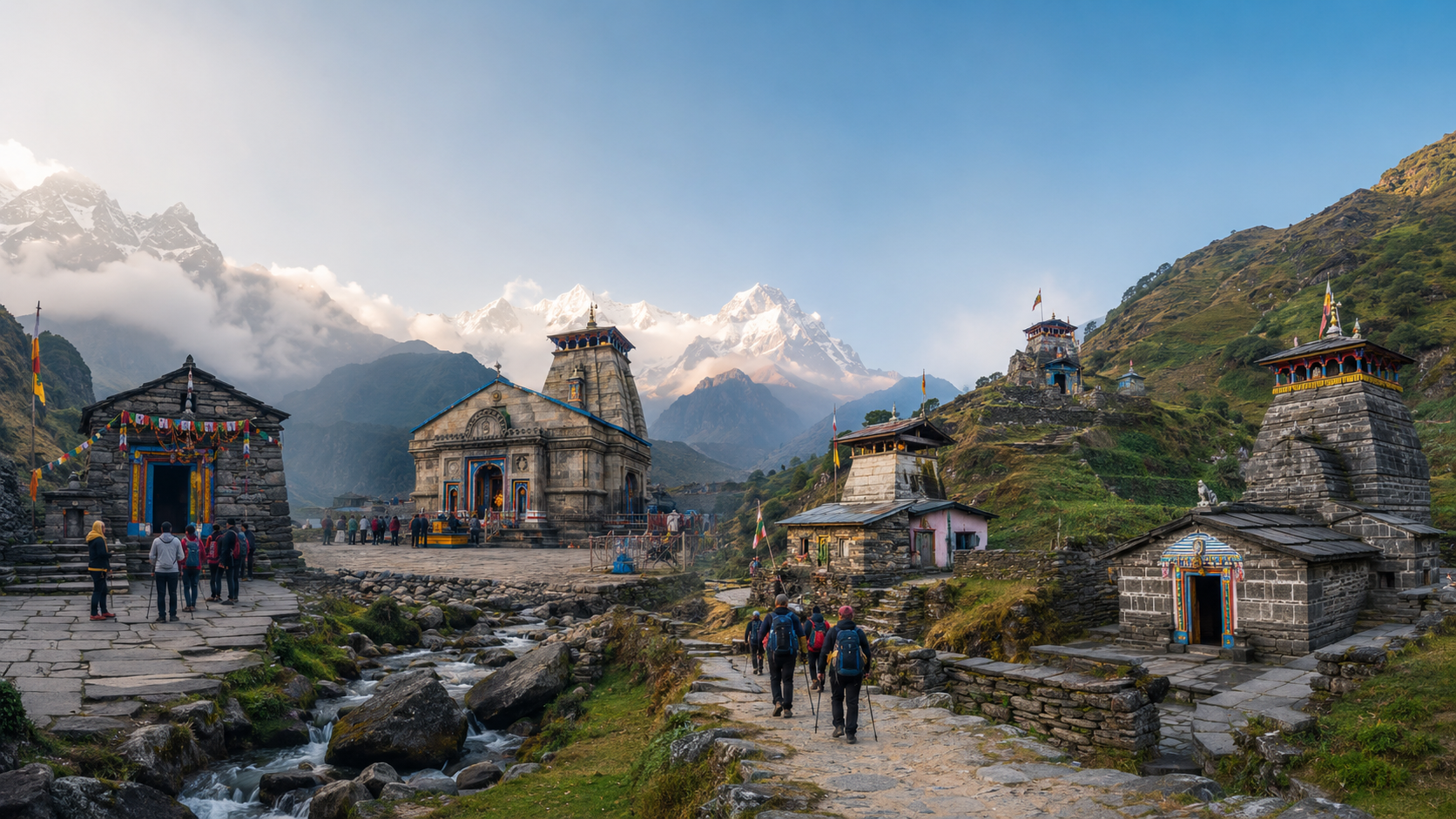
The temple complex also includes smaller shrines associated with Parvati and Ardhanarishwara, according to the Shri Badarinath Kedarnath Temple Committee.
Madhyamaheshwar Temple History and Legend
There are two aspects to the temple's history that should not be confused: documented information about the shrine and the religious traditions surrounding it.
The most widely known story comes from the Panch Kedar tradition. According to the legend, the Pandavas sought Lord Shiva after the Mahabharata war. Shiva avoided them by assuming the form of a bull. Bhima recognised the bull and tried to hold on to it, after which different parts of Shiva are believed to have appeared at the five Panch Kedar locations. Madhyamaheshwar is associated with the middle portion of the divine form.
The legend is central to the spiritual identity of the Madhyamaheshwar pilgrimage, but travellers should not treat it as a verified historical account.
The temple's remote setting is equally important to the character of the yatra. Unlike a shrine that can be reached directly by road, the final journey requires a mountain trek. Uttarakhand Tourism lists the Ukhimath–Madhmaheshwar trek as a medium-grade pilgrimage route of about 16 km in its trekking inventory, while its destination page gives a longer 24-km figure for the trek. Such differences occur because route descriptions use different starting points and route measurements.
For practical planning, it is better to confirm the current trek starting point and trail condition locally instead of relying on one kilometre figure found online.
Madhyamaheshwar Darshan and Temple Timings
Madhyamaheshwar darshan is governed by the temple's seasonal opening and closing arrangements. The shrine is not a year-round road-accessible temple, so travellers should plan around the annual pilgrimage season.
The 2026 pilgrimage season opened on 21 May 2026. The exact annual closing date is announced separately, and travellers planning a late-season visit should confirm it before travelling. During the winter closure, worship associated with Madhyamaheshwar is traditionally continued at Omkareshwar Temple in Ukhimath.
Daily puja and darshan timings can change according to the temple's ritual schedule and seasonal arrangements. Unlike the fixed schedules published for some larger temples, travellers should not assume that an old online timing applies to their travel date.
Before leaving for the trek:
- Confirm the temple's current opening status.
- Check the day's darshan and puja arrangements locally.
- Ask about any weather-related access restrictions.
- Allow sufficient time for the return trek rather than planning around a narrow darshan window.
- Follow instructions from temple staff and local authorities.
Madhyamaheshwar Yatra and Trek Route
The Madhyamaheshwar route combines road travel with trekking. Uttarakhand Tourism identifies Uniana as a traditional starting point for the trek, while Ransi is commonly used today as the practical road-access point and trek base in current travel planning.
A useful way to understand the journey is:
- Reach Ukhimath by road.
- Continue towards Uniana/Ransi according to the current road-access arrangement.
- Begin the walking section through the mountain villages and forested trail.
- Continue towards Gaundhar and Bantoli.
- Follow the trail through the upper sections towards Khatara and Nanu.
- Reach Madhyamaheshwar Temple.
- If conditions and time permit, consider the additional walk to Budha Madhyamaheshwar.
The trail is not simply an uphill walk from the first kilometre. Sections can include descents and later climbs, which makes the return journey particularly important to plan for. Current trekking information commonly describes Ransi as the last practical road point and places the walking distance to the temple at roughly 16 km, although published measurements vary.
Local Transport
There is no direct road access to the temple itself. Travellers normally arrange road transport towards Ukhimath and then the Ransi/Uniana side before starting the trek. Uttarakhand Tourism lists Rishikesh as the nearest railhead commonly used for the journey and Jolly Grant Airport near Dehradun as the nearest airport in its destination information.
Shared vehicles and local taxis can be useful for the hill-road section, but availability is seasonal and can change with weather, road conditions and local demand. It is sensible to arrange the final road transfer in advance rather than assuming a vehicle will be immediately available at every stage.
Best Time to Visit Madhyamaheshwar
The Madhyamaheshwar best time to visit depends on both temple operations and trekking conditions.
The main pilgrimage season is during the warmer months when the shrine is accessible. Uttarakhand Tourism highlights May to September on its destination page, while the Shri Badarinath Kedarnath Temple Committee lists May through November among the favourable months.
For a practical trekking trip, late spring, early summer and the post-monsoon period are generally more comfortable than the wettest part of the monsoon. However, mountain weather can change quickly, and rainfall can affect roads and trekking trails.
A simple planning guide is:
- May to June: Popular pilgrimage period with generally suitable trekking conditions, subject to weather.
- July to August: Monsoon conditions can bring rain, slippery trails and road disruptions; check the latest local situation carefully.
- September to October: Often a useful period for trekking, with post-monsoon mountain scenery, but conditions still need checking.
- Late season: Confirm the temple's closing date before booking transport.
- Winter: The high-altitude temple is closed for the winter period, with associated worship continuing at Ukhimath.
Stay During the Madhyamaheshwar Pilgrimage
Accommodation on the Madhyamaheshwar trek is considerably simpler than in major pilgrimage towns. Travellers should expect basic guesthouses, seasonal lodging, homestays or dharamshala-style accommodation rather than a large selection of conventional hotels.
Ransi is useful as an initial overnight base if you arrive late or want to start the trek early the following morning. Basic accommodation may also be available around Gaundhar and Bantoli, while simple stay arrangements are available around Madhyamaheshwar during the pilgrimage season. Availability can change considerably from one season to another.
For a more comfortable plan, avoid making the trek dependent on finding a room after dark. Reach your intended halt during daylight and carry essential personal items with you.
Nearby Places to Visit
Budha Madhyamaheshwar
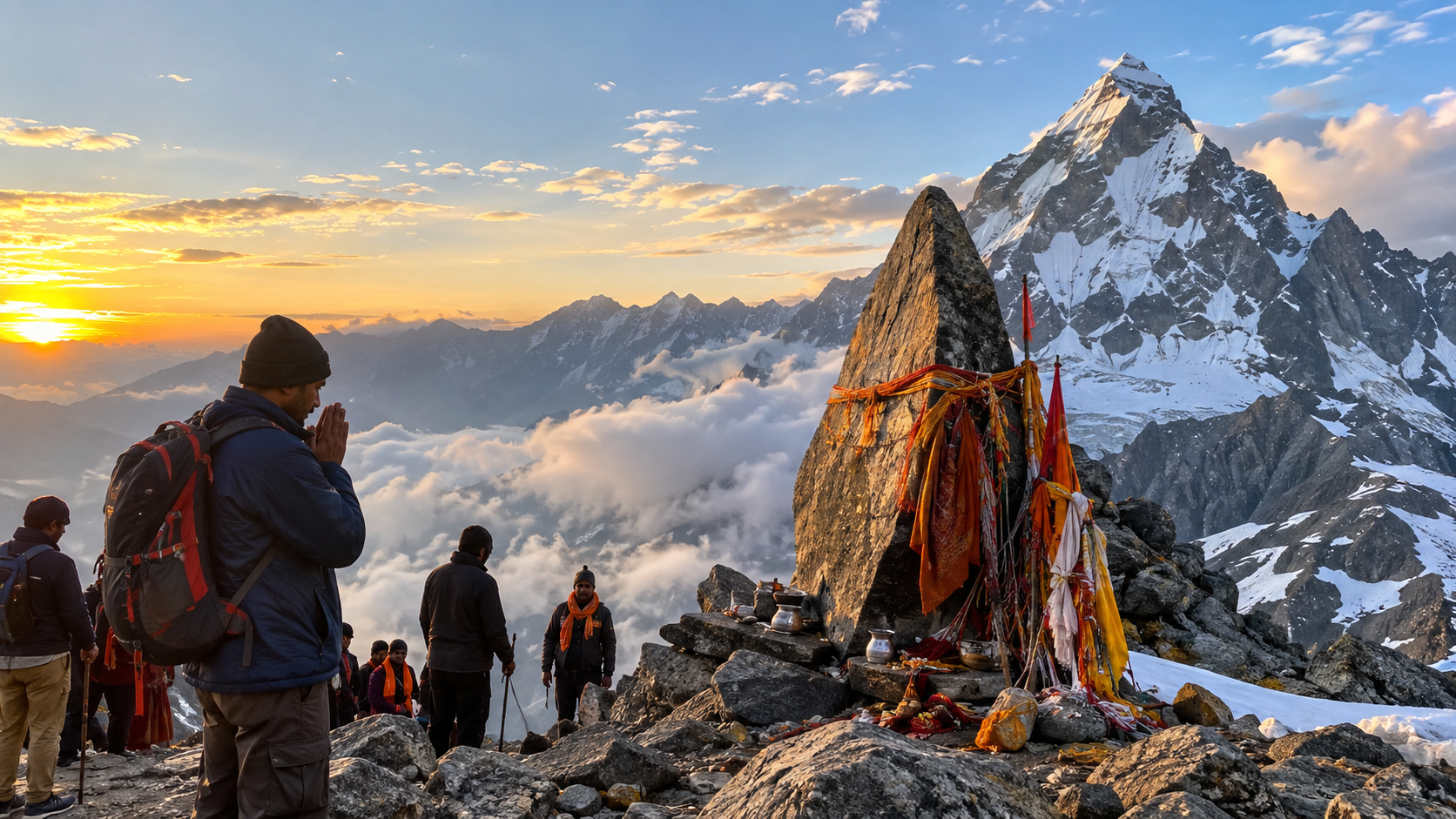
Budha Madhyamaheshwar is the most relevant nearby extension for pilgrims already reaching the main temple. Uttarakhand Tourism places it around 2 km from Madhyamaheshwar and describes it as a revered shrine made from a cluster of rocks. The site is known for broad Himalayan views, including peaks such as Kedarnath, Neelkanth, Trishul, Kamet and Panchachuli.
The additional walk requires time and suitable weather. Start only after considering your return journey, particularly if you are travelling with older family members or anyone not accustomed to high-altitude trekking.
Nandikund
Nandikund is a high-altitude lake in the wider Madhyamaheshwar trekking area. Uttarakhand Tourism describes the route as difficult, involving steep climbs, descents and narrow ridges. It is therefore better treated as a separate trekking objective rather than an automatic sightseeing stop during a temple visit.
Kanchani Tal
Kanchani Tal is another high-altitude destination associated with the Madhyamaheshwar area. Uttarakhand Tourism describes it as a glacial lake reached by trekking and notes the strenuous nature of the route. It is suitable only for travellers specifically prepared for a longer mountain excursion.
Accessibility and Fitness Considerations
Madhyamaheshwar is not an easy-access temple. The combination of altitude, uneven mountain paths and a long walking section makes physical preparation important.
The Uttarakhand Tourism trekking inventory classifies the Ukhimath–Madhmaheshwar route as medium grade. Even so, “medium” should not be interpreted as an effortless pilgrimage: the trail involves sustained walking in mountainous terrain and conditions can change after rain.
Travellers should:
- Wear properly broken-in trekking shoes with good grip.
- Carry a rain jacket even when the morning forecast looks clear.
- Use layered clothing because temperatures can change rapidly.
- Carry personal medicines and a basic first-aid kit.
- Keep water and simple snacks accessible during the trek.
- Avoid rushing the ascent.
- Give yourself adequate time for the return journey.
- Take extra care if travelling with children, senior citizens or people with limited mobility.
If you have a medical condition that could be affected by strenuous exercise or altitude, seek appropriate medical advice before undertaking the trek.
Temple Etiquette and Practical Tips
A Madhyamaheshwar pilgrimage is both a religious journey and a visit to a sensitive Himalayan environment. Respect for the temple and local communities is part of responsible travel.
Keep these points in mind:
- Dress modestly when entering the temple.
- Follow the temple's instructions regarding photography and personal belongings.
- Maintain silence or a low voice around worship areas.
- Do not touch idols or ritual objects unless temple staff permit it.
- Avoid littering anywhere on the trail.
- Carry reusable water bottles where practical and minimise single-use plastic.
- Respect local residents, accommodation providers and fellow pilgrims.
- Do not assume that food, cash withdrawal, mobile connectivity or medical facilities will be available at every stop.
- Check road and weather conditions before leaving Ukhimath for the trek base.
Most importantly, allow flexibility in your itinerary. A mountain pilgrimage should not be planned as though road and trail timings were as predictable as a city sightseeing trip.
Planning Your Madhyamaheshwar Yatra
A sensible Madhyamaheshwar Yatra is built around the trek rather than treating the temple as a quick roadside stop.
Before travelling, confirm:
- The temple's current opening and closing dates.
- The latest darshan and puja schedule.
- The current motorable road endpoint.
- Local transport availability between Ukhimath and the trek base.
- Weather and trail conditions.
- Overnight accommodation along the route.
- The amount of walking your group can comfortably manage.
- Any current local registration, permit or access requirements.
Official information can change during the pilgrimage season, particularly after heavy rainfall or road disruption. The Shri Badarinath Kedarnath Temple Committee and Uttarakhand Tourism should be checked for the latest official information before departure.
Plan Your Visit to Madhyamaheshwar Temple
Madhyamaheshwar Temple is best approached as a complete Himalayan pilgrimage rather than simply a temple visit. The road journey, village trail, mountain terrain, darshan and time spent around Budha Madhyamaheshwar all form part of the experience.
If you are planning a Madhyamaheshwar pilgrimage and need help working out the route, suitable travel dates, trek stages, local transport or accommodation, Trip to Yatra can help you plan the journey around your group and travel requirements. Get in touch with Trip to Yatra to discuss your Madhyamaheshwar Temple visit and build a practical itinerary before you travel.