
Kedarnath Temple
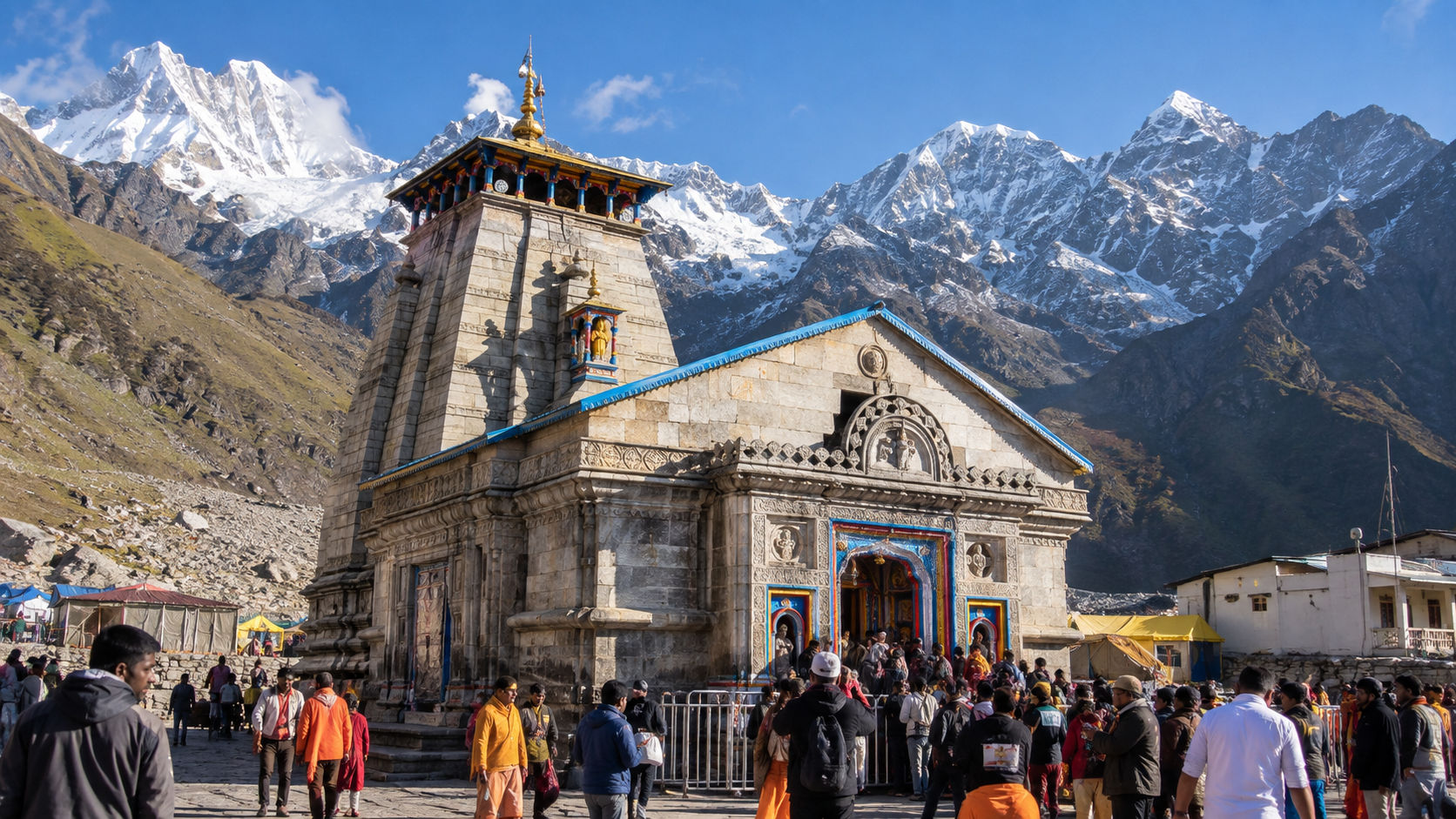
Kedarnath Temple is one of Lord Shiva’s twelve Jyotirlingas and a major pilgrimage destination in Uttarakhand’s Garhwal Himalayas. Located at about 3,580 metres, the temple is reached from the roadhead at Sonprayag through the Kedarnath trek or by approved helicopter services. This practical guide covers darshan, timings, registration, travel, stay and nearby attractions.
Kedarnath Temple: At a Glance
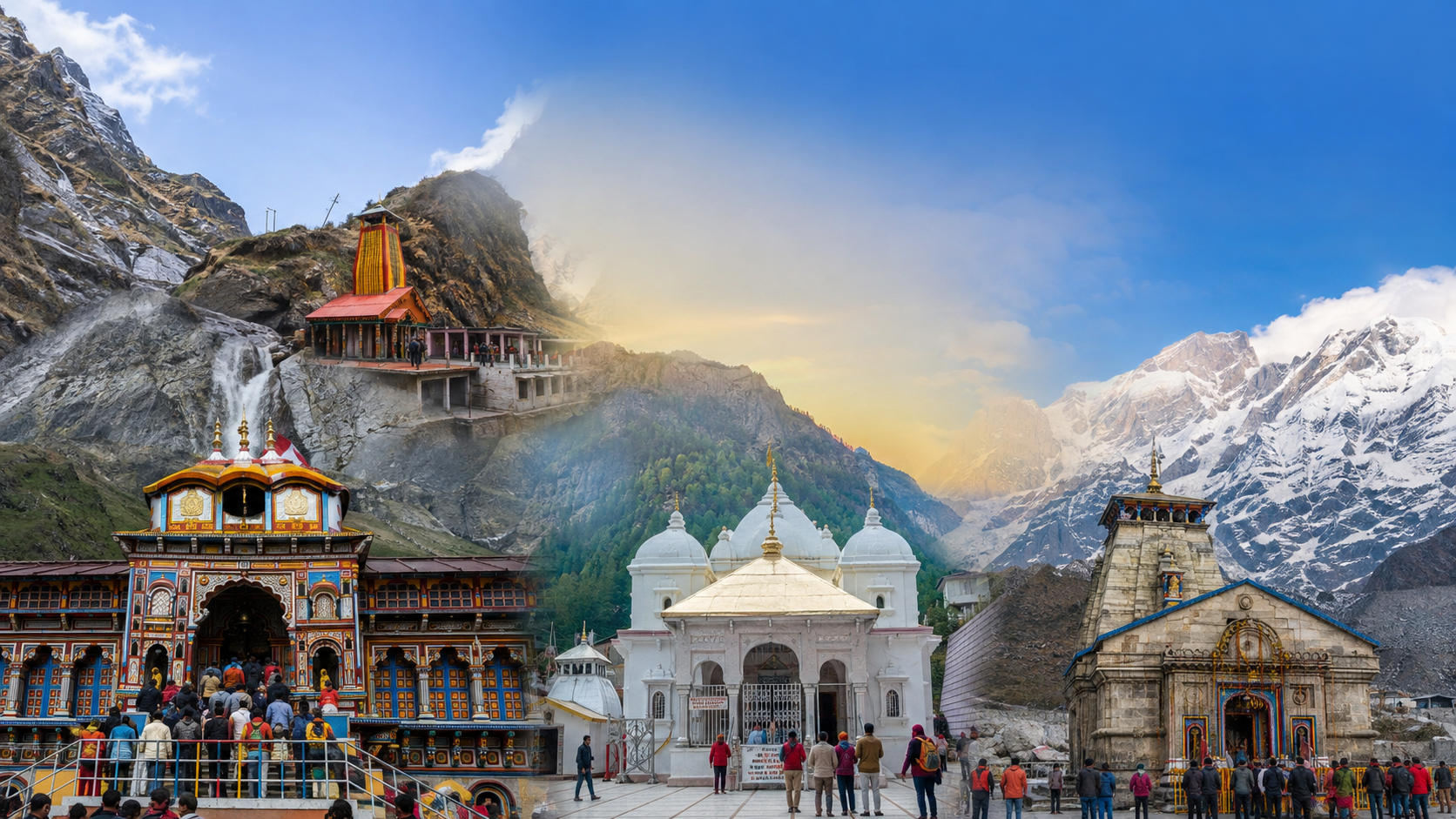
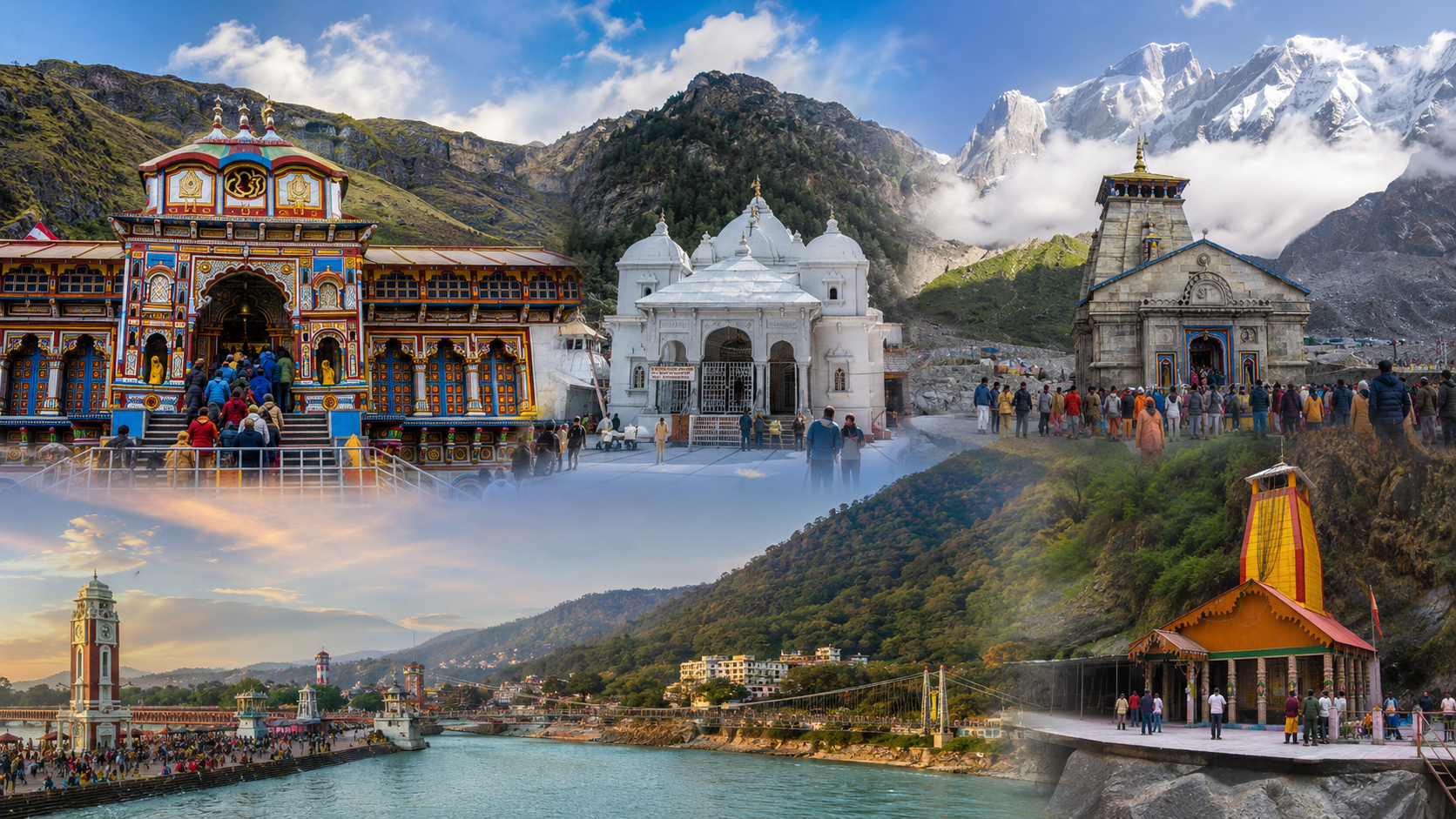
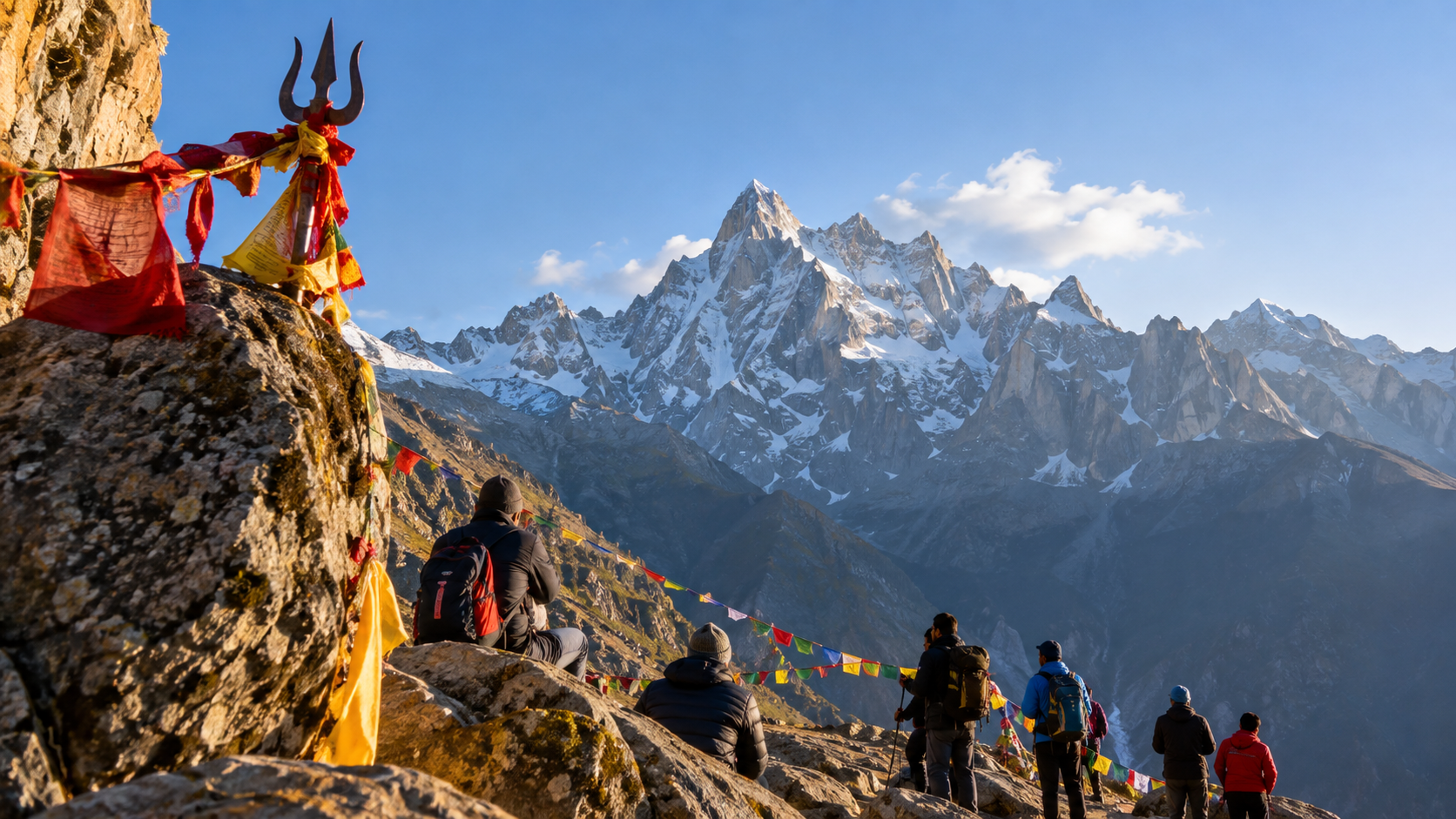
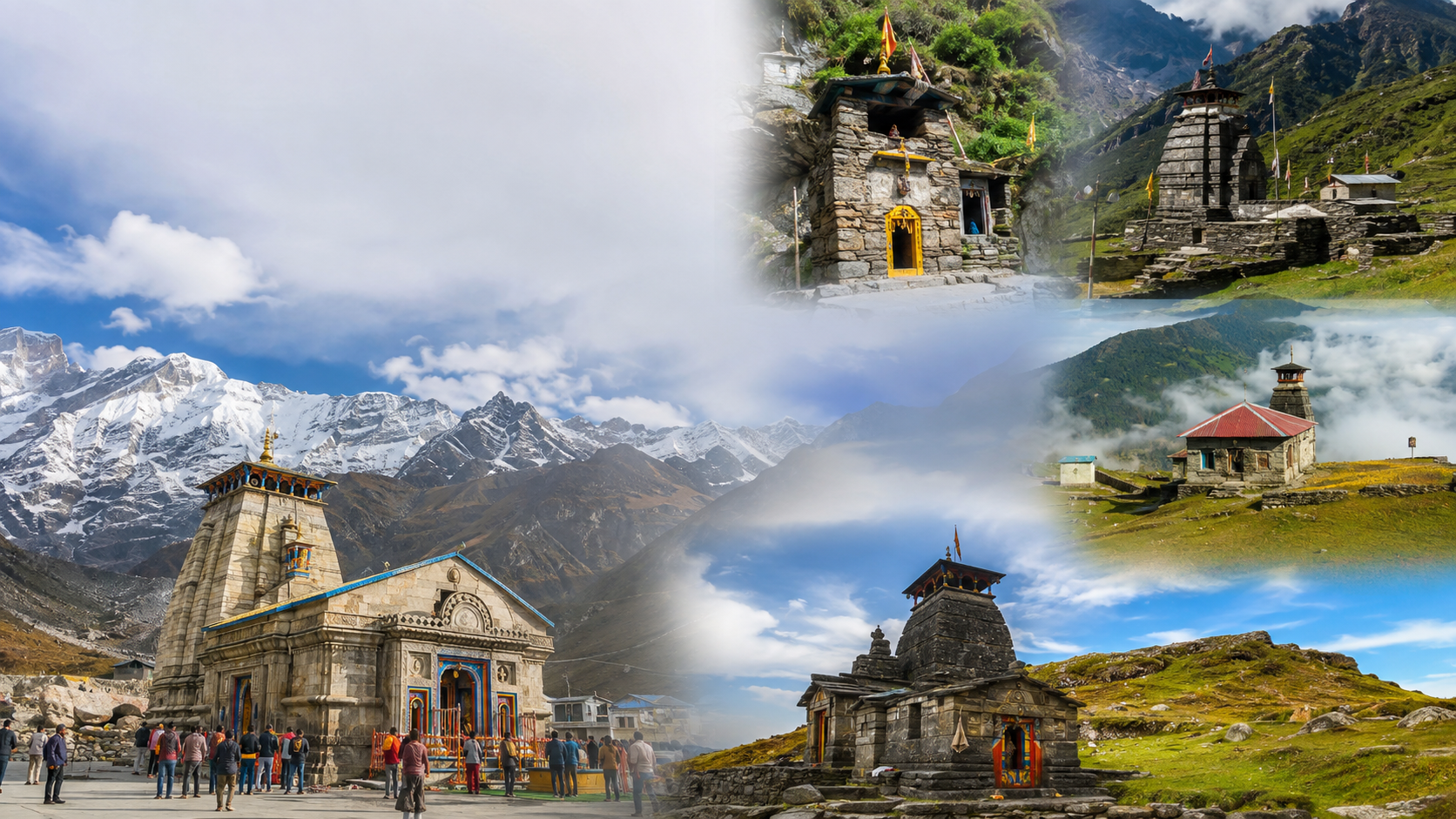
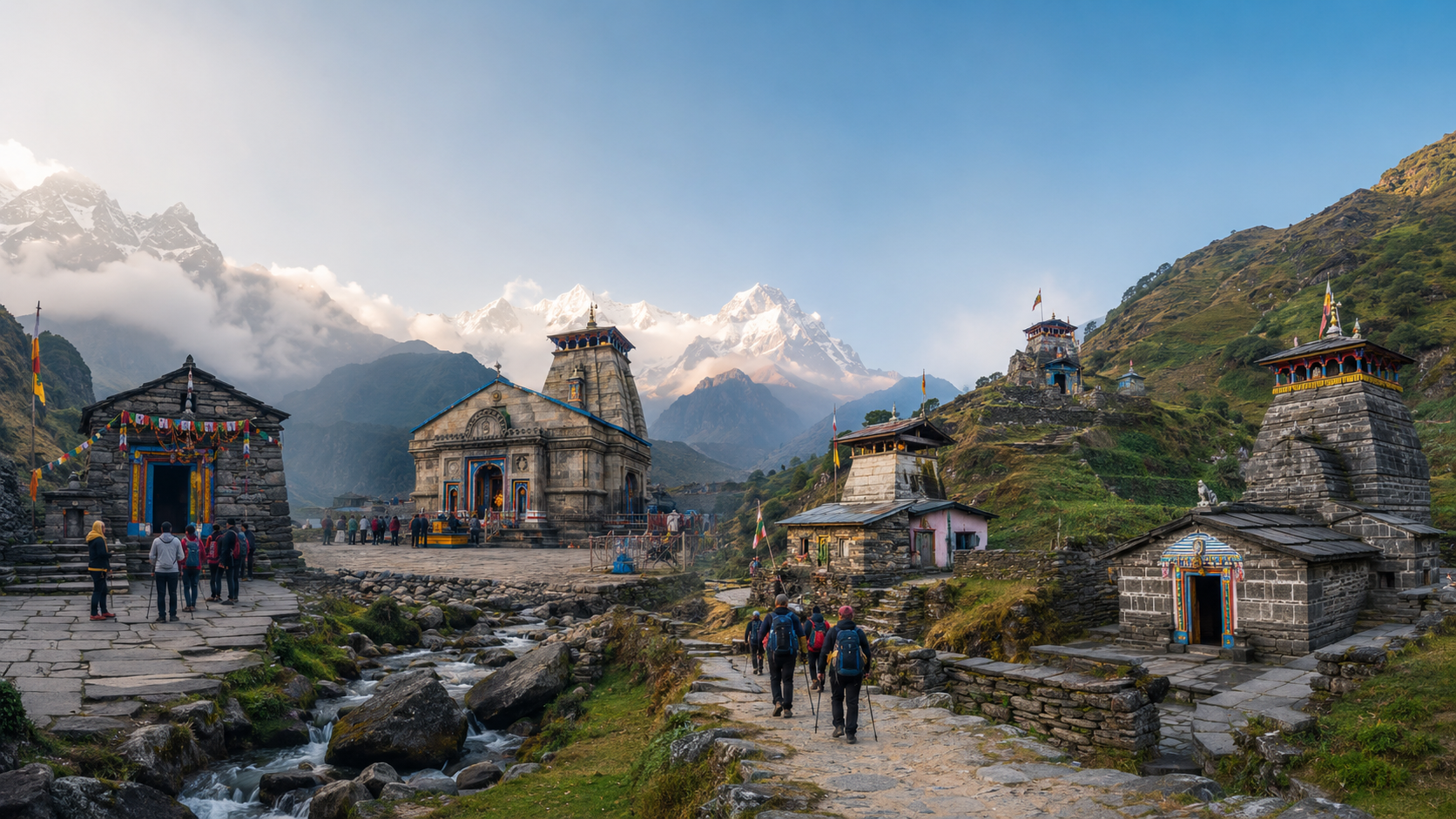
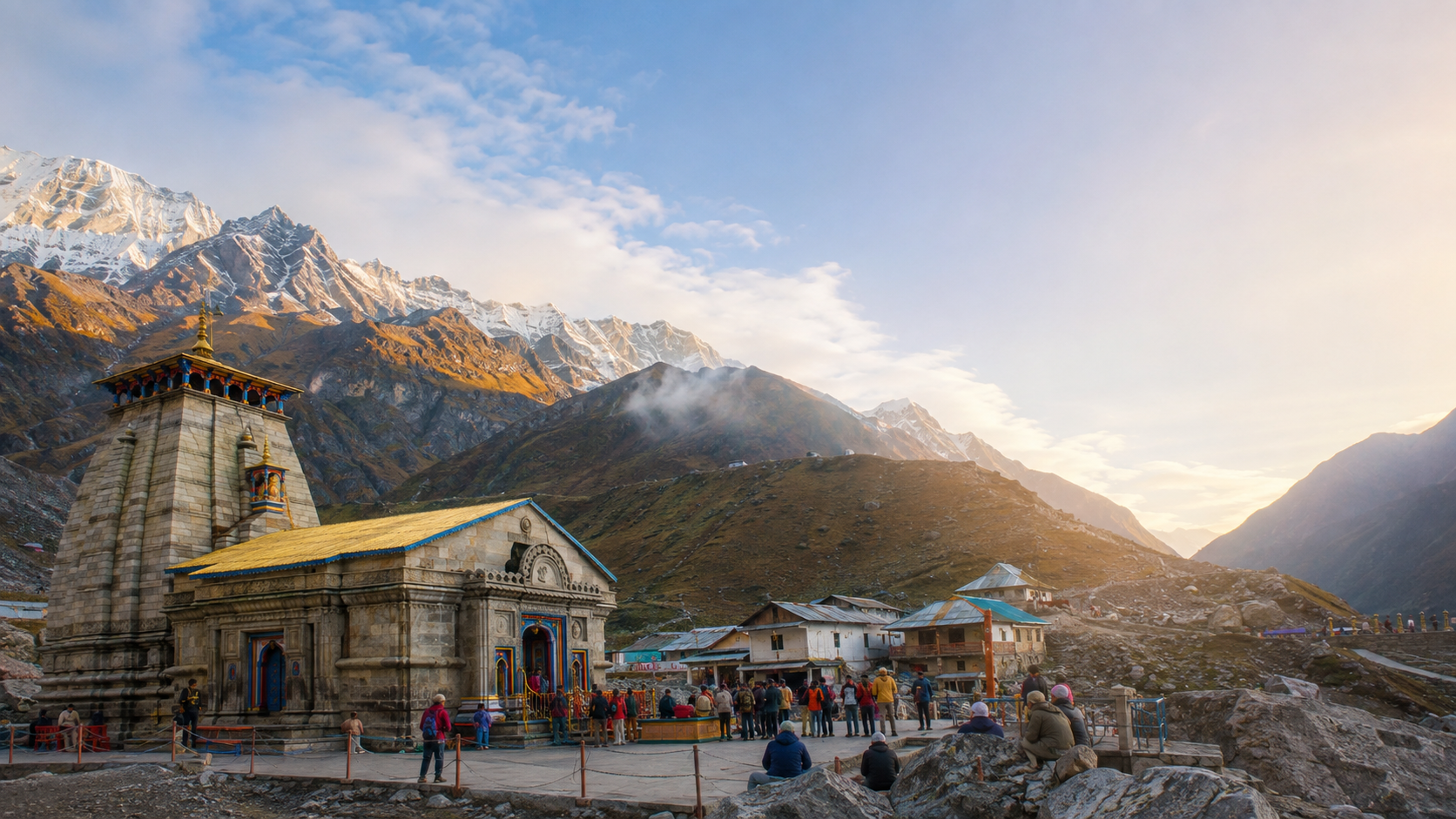
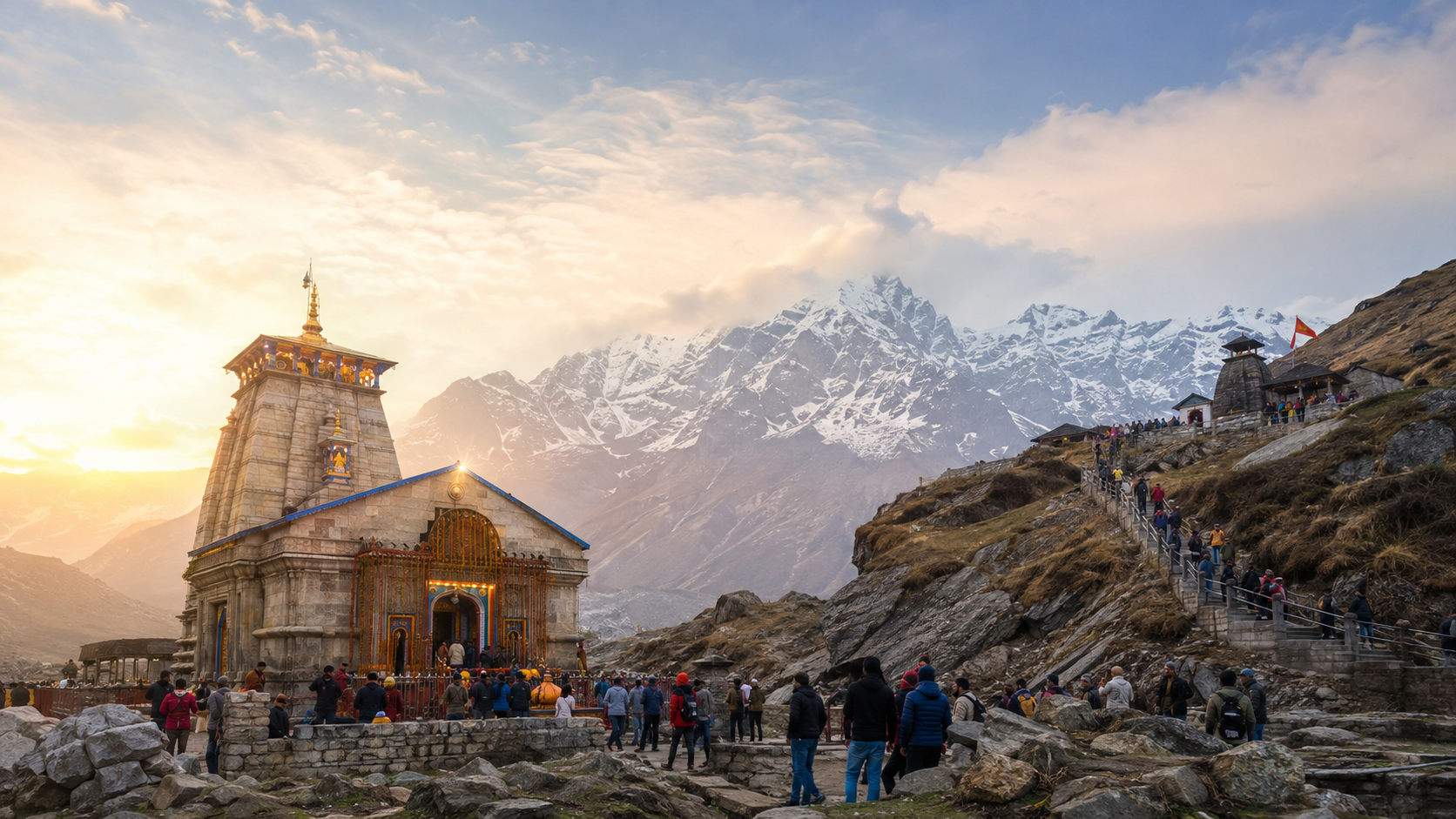
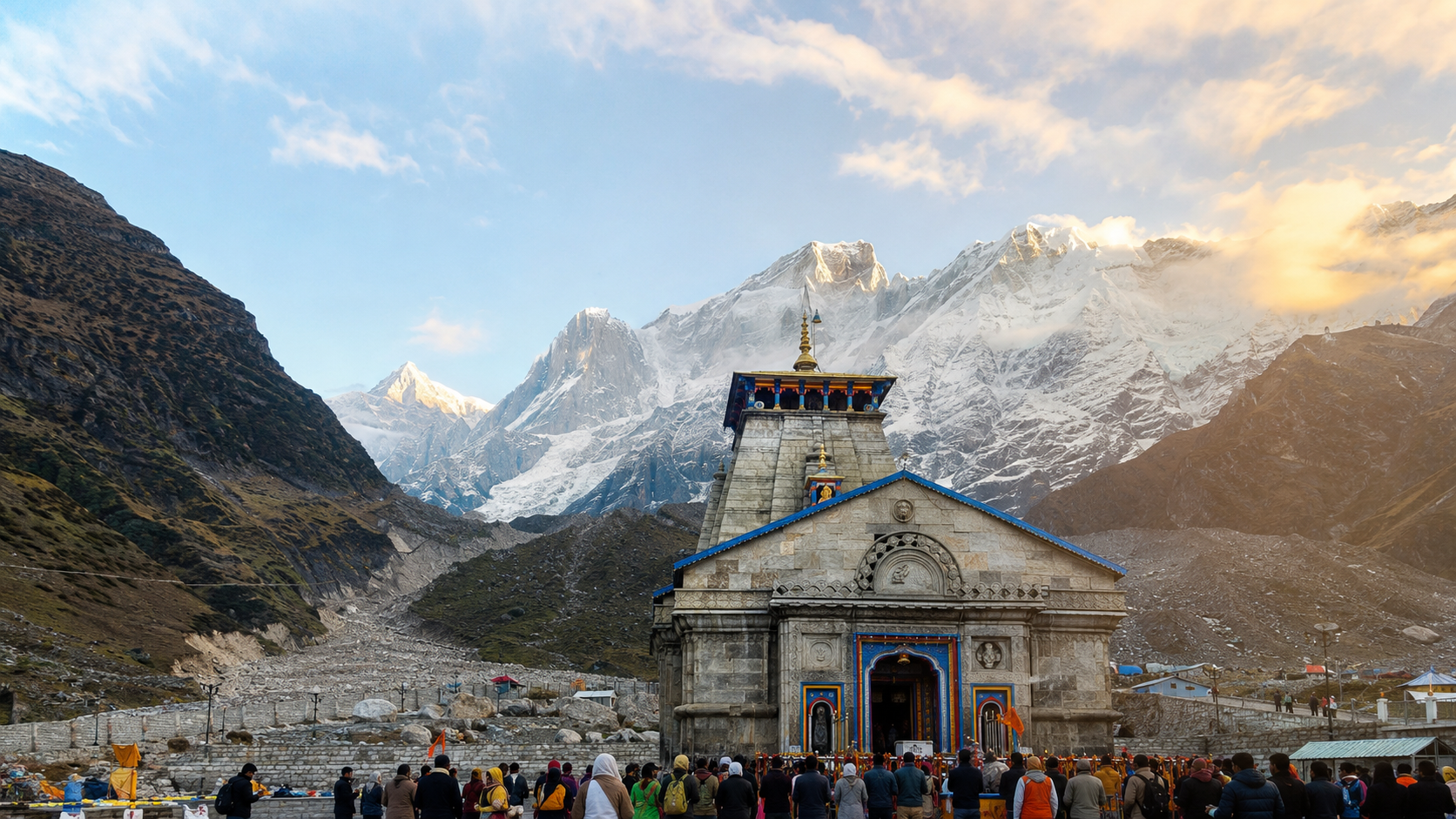
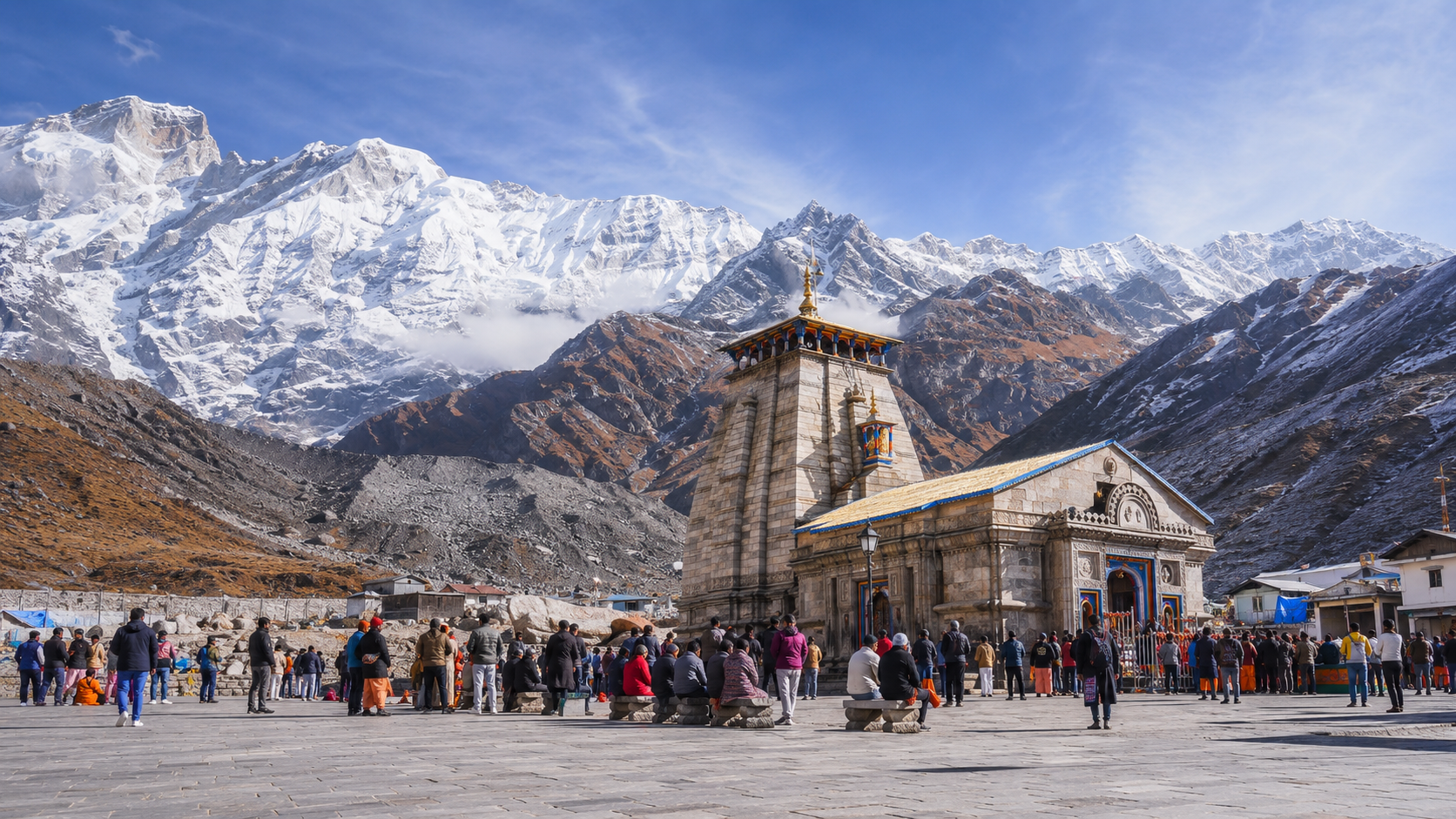
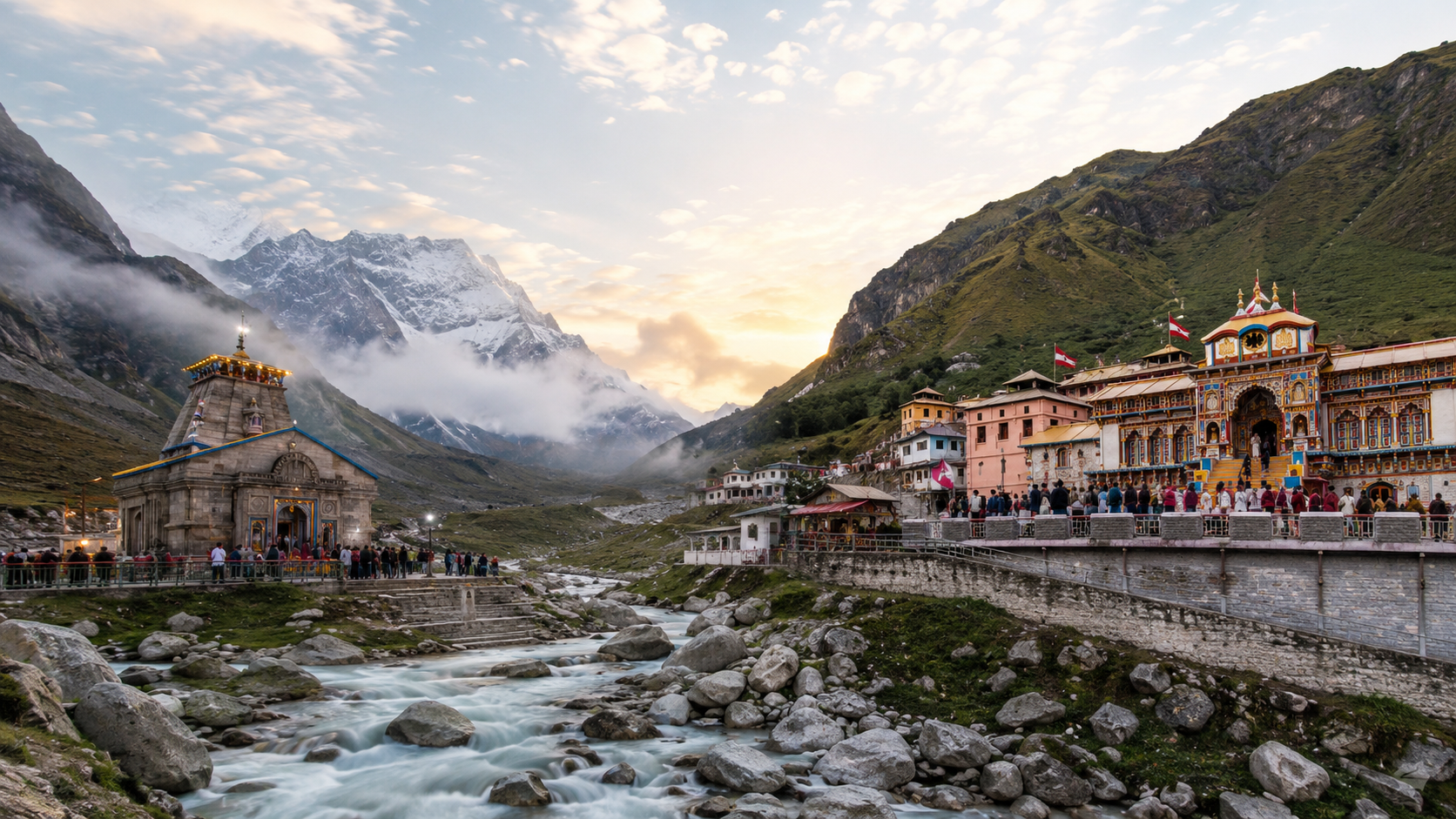
Kedarnath Temple is a historic Shiva shrine in Kedarnath, Uttarakhand, situated high in the Garhwal Himalayas at around 3,580 metres above sea level. It is one of the twelve Jyotirlingas dedicated to Lord Shiva and forms an important part of the Chota Char Dham pilgrimage circuit of Uttarakhand. The temple is not connected to the road network, so the final approach requires a trek from the roadhead area near Sonprayag, or an approved aerial service when operating.
For pilgrims, the importance of Kedarnath is not simply about reaching a famous Himalayan temple. The journey itself is a significant part of the pilgrimage. The high altitude, mountain weather and physically demanding route mean that a Kedarnath Yatra needs more preparation than an ordinary temple visit.
The shrine attracts devotees who come for Kedarnath darshan, traditional puja and a chance to worship Lord Shiva at one of India's most revered pilgrimage sites. Travellers should plan around the seasonal opening of the temple, mandatory yatra registration and the operating conditions on the mountain route.
Spiritual Significance of Kedarnath
Kedarnath holds a special position in Shaivite tradition as one of the twelve Jyotirlingas. The shrine is also counted among the Panch Kedar temples associated with Lord Shiva and is one of the four destinations of Uttarakhand's Chota Char Dham circuit.
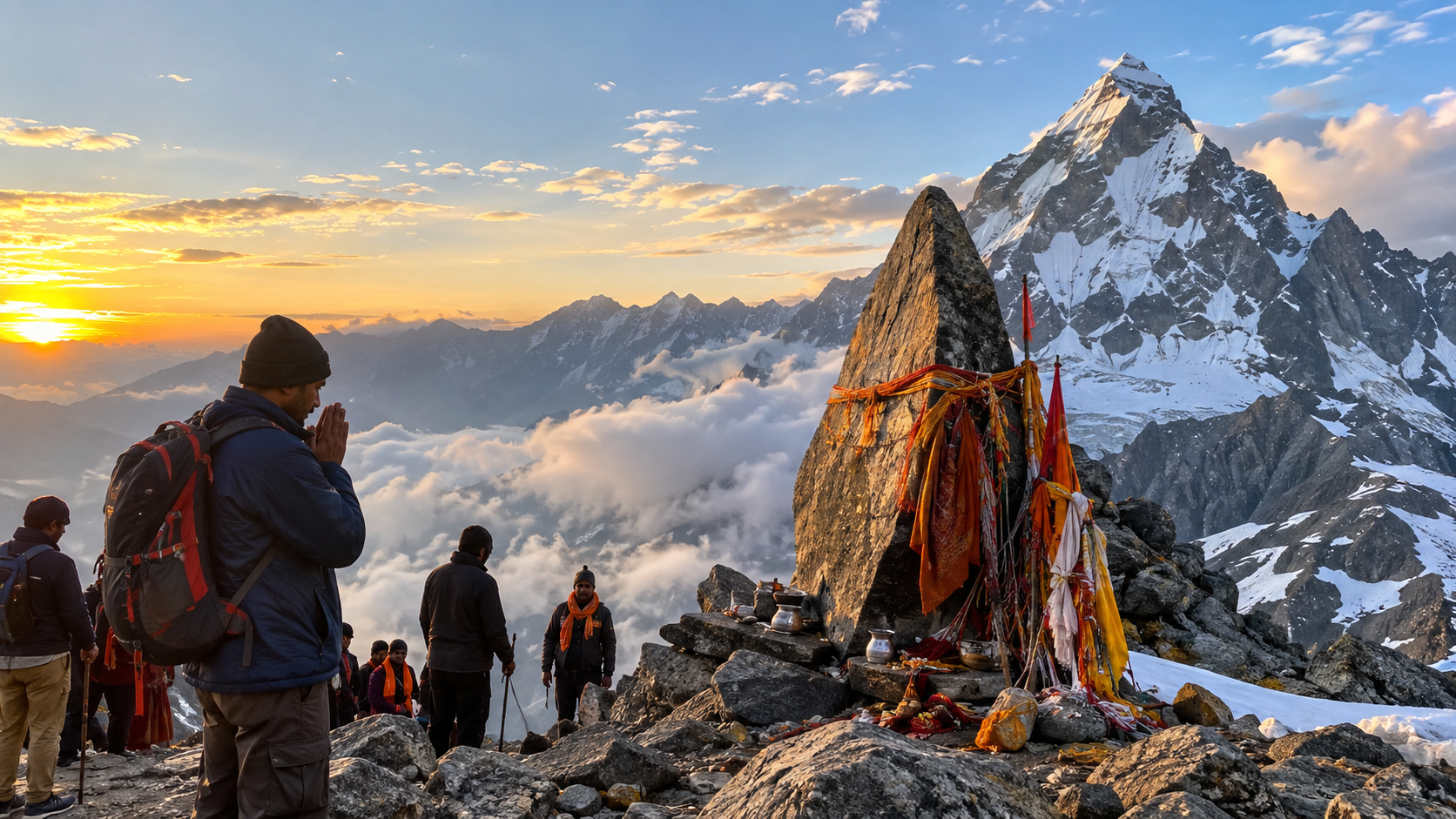
The sanctum is associated with a naturally shaped, conical stone form worshipped as Lord Shiva. A well-known tradition connects Kedarnath with the Pandavas of the Mahabharata. According to the legend, the Pandavas sought Lord Shiva after the Kurukshetra war. Shiva is said to have taken the form of a bull and attempted to evade them before disappearing into the ground; the hump is traditionally associated with the form worshipped at Kedarnath. This is a religious tradition rather than a claim of independently verified historical fact.
For visitors, it is useful to distinguish between the temple's documented architectural and pilgrimage history and its sacred legends. Both are important to understanding why Kedarnath has remained such a significant destination for generations.
Kedarnath Temple History and Architecture
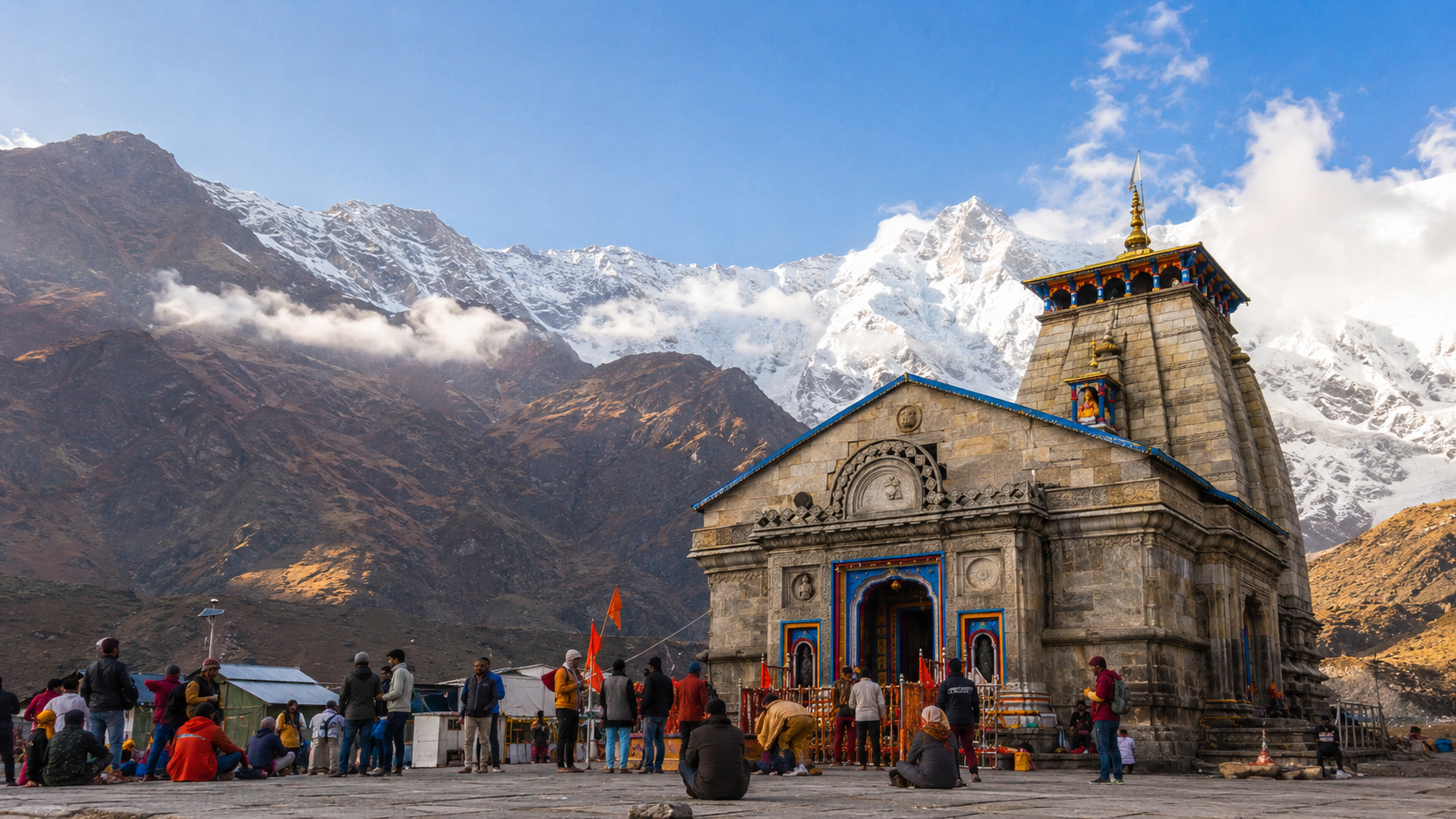
Kedarnath Temple is an old stone temple whose massive construction reflects the demanding Himalayan environment in which it stands. Government tourism sources commonly associate the shrine with Adi Shankaracharya and place its major historical development around the early medieval period, although traditional accounts and modern summaries differ on details of its original construction.
The Ministry of Tourism's Incredible India material describes the temple as more than a thousand years old and associates it with Adi Shankaracharya. The same source notes the temple's large stone slabs, rectangular platform and inscriptions.
Another important site beside the temple is the Adi Shankaracharya Samadhi. It is traditionally associated with the philosopher's final resting place and is located behind the main temple complex. Accounts of his connection with Kedarnath are part of the shrine's religious and historical tradition.
The temple has also faced the severe conditions of the Himalayan environment over the centuries. Its seasonal operation reflects the area's winter weather, when heavy snowfall makes normal pilgrimage access impractical.
Kedarnath Temple Timings and Darshan
Kedarnath Temple timings can change according to the annual pilgrimage schedule, rituals, weather and administrative arrangements. Travellers should therefore avoid relying on an old timetable found elsewhere online.
For 2026, the Uttarakhand Tourism registration portal states that the Kedarnath Dham kapat opening date was 22 April 2026. The same official page currently states that the regular temple opening and closing times, along with Aarti and Bhog timings, are to be announced or confirmed separately.
This is particularly important when planning a same-day trek or arranging transport around a specific darshan slot.
For special puja bookings, the Shri Badarinath Kedarnath Temple Committee publishes separate schedules. Its current online booking information lists morning Abhishek and Mahabhishek services between 4:30 AM and 6:30 AM, while several evening Aarti and puja services are scheduled from 6:00 PM onward. These are booked religious services and should not automatically be treated as the general public darshan timetable.
Before travelling:
- Check the latest Kedarnath Temple timings through the official temple or Uttarakhand Tourism portal.
- Check whether your intended puja requires advance booking.
- Keep your registration details and identification documents accessible.
- Allow extra time for queues, security arrangements and the mountain approach.
- Do not plan a tight onward connection immediately after darshan.
Kedarnath Puja and Aarti
Pilgrims can book various puja, path, bhog and Aarti services through the Shri Badarinath Kedarnath Temple Committee's official system. The committee states that prior registration is mandatory for these online bookings.
Available services can include Abhishek, Mahabhishek, Ved Path, Geeta Path and different Aarti offerings. The published schedule and charges can change, so travellers should check the official booking portal rather than using an old price list from a travel website.
If you have booked an attending puja, carry the required receipt and a valid government photo ID. The temple committee advises pilgrims attending morning Abhishek, Path or Aarti to reach the temple gate 15–30 minutes before the relevant service.
Kedarnath Yatra Registration
Registration is an essential part of planning a Kedarnath pilgrimage. Uttarakhand Tourism states that Char Dham Yatra registration is mandatory and provides online registration, registration centres and other registration options. Verification counters are available at the Dhams, including Kedarnath.
The official system allows pilgrims to select their destination and travel date, and it provides a registration record that can be verified later.
Registration requirements and available dates can change during the pilgrimage season. Before departure, confirm:
- Your Kedarnath registration is completed and verified.
- Your selected travel date is correct.
- You have the required identification and registration details.
- Any applicable route, health or transport requirements have been checked.
- You have reviewed the latest government advisories.
Do not assume that registration alone guarantees immediate entry, a particular darshan time or availability of transport.
How to Reach Kedarnath Temple
The practical route to Kedarnath normally involves travelling by road towards Sonprayag and continuing towards the trekking route. The temple itself is not accessible by road. Uttarakhand Tourism's master plan describes the temple as requiring an uphill trek from Gaurikund, while current tourism information identifies Sonprayag and Gaurikund as key points on the approach.
A typical journey is:
Road journey → Sonprayag → onward local transfer arrangements → trek route → Kedarnath
The precise operating arrangements at Sonprayag, Gaurikund and the trekking route can change during the season. Follow instructions issued locally rather than assuming that a previous year's vehicle access rules still apply.
Kedarnath Trek
The Kedarnath trek is the principal overland approach to the temple. Published government tourism material has used different route-distance figures as the route and access arrangements have evolved; travellers should check the current officially designated route and restrictions before starting. Uttarakhand Tourism has previously described the trek from Gaurikund as approximately 14 km, while its Char Dham itinerary has described the journey as about 17 km.
For practical planning, the important point is not to treat the distance as a fixed number from an old itinerary. The route, starting point, diversions and operational arrangements can change.
The trek is physically demanding because of the altitude and sustained uphill walking. Start early, maintain a comfortable pace and take adequate breaks. Carry only what you genuinely need, particularly if you are walking the entire route.
Pony, Doli and Helicopter Options
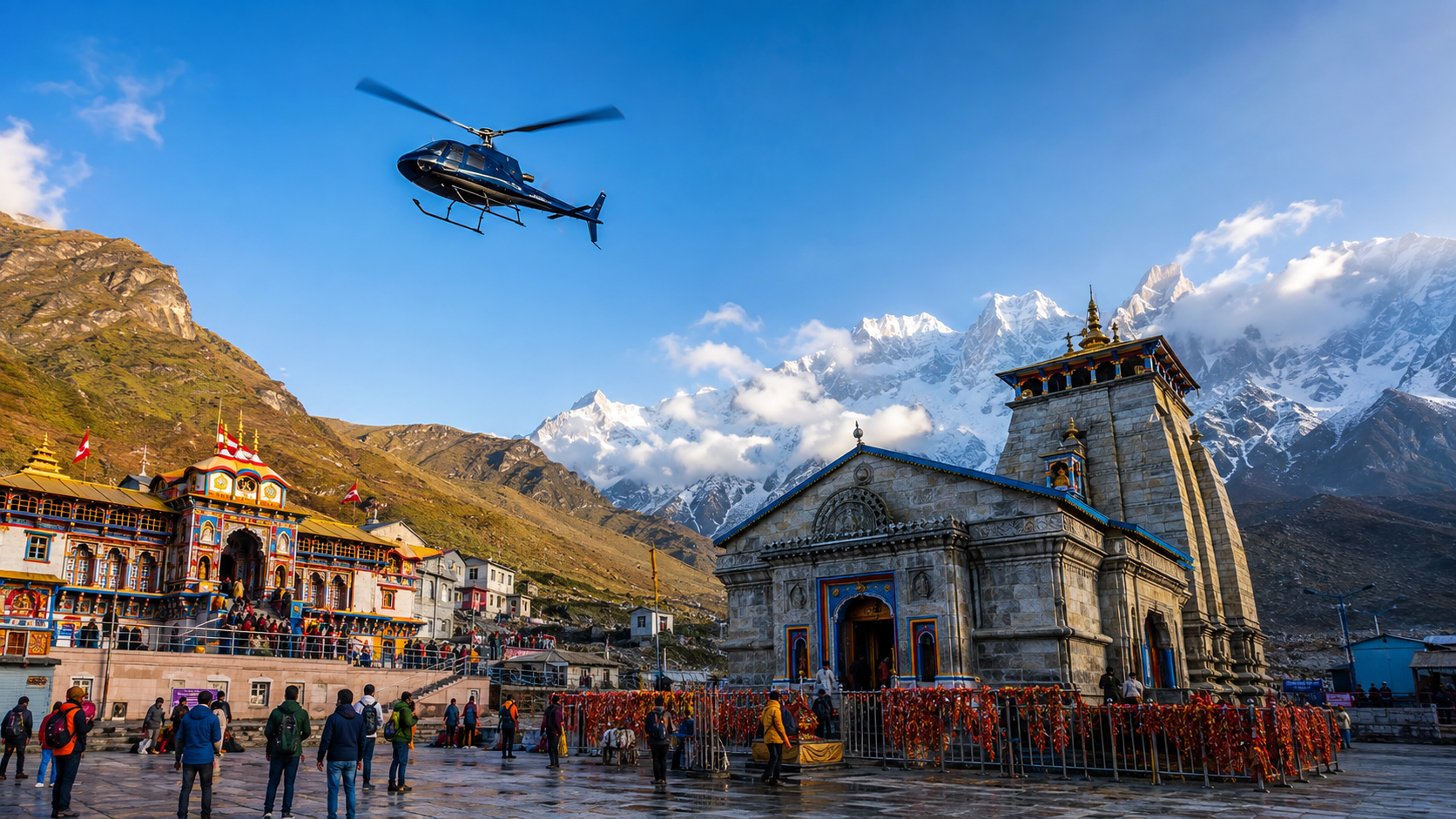
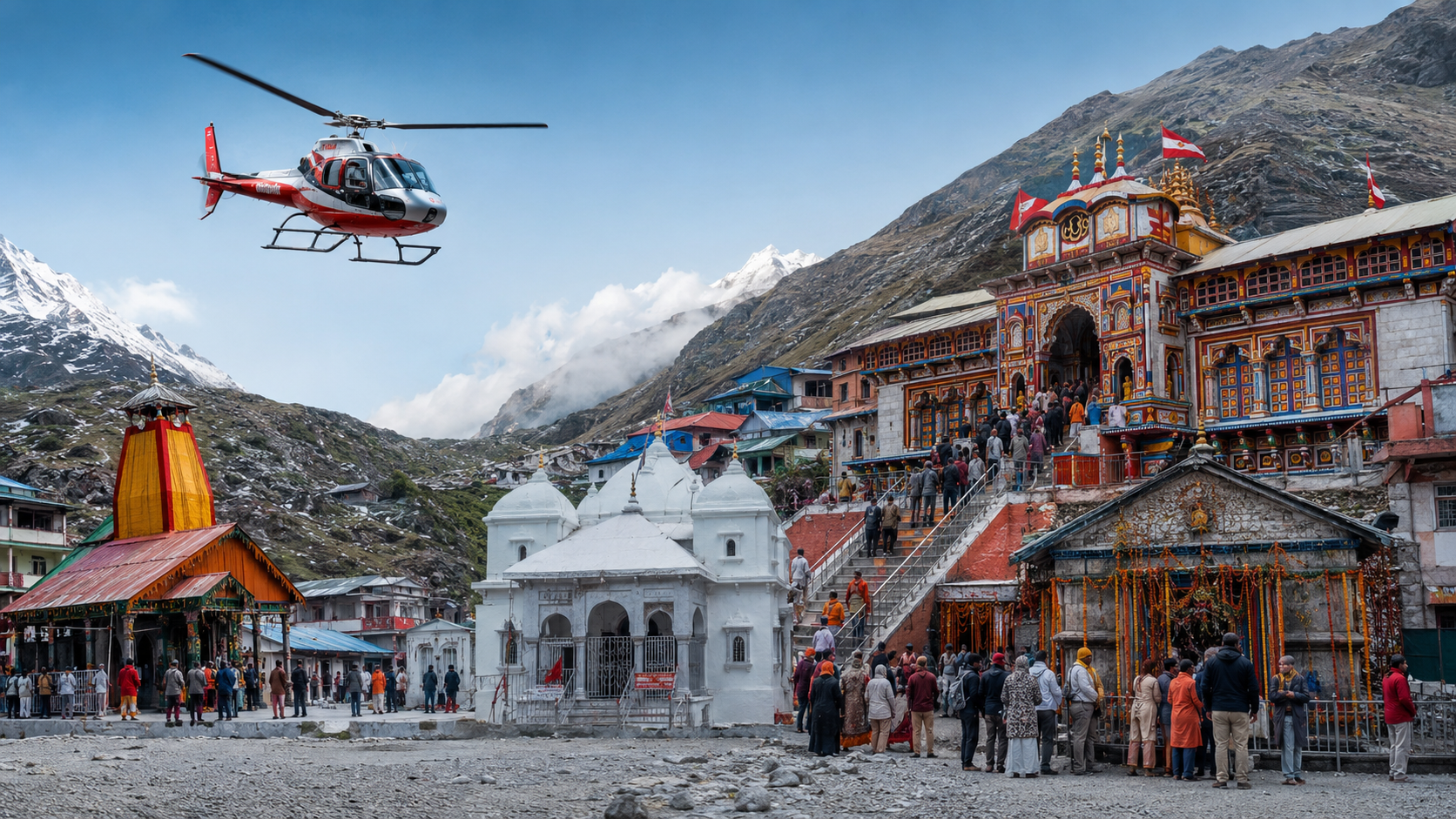
Ponies and palkis/dolis have traditionally been available on the Kedarnath approach, subject to local regulations and operating conditions. Uttarakhand Tourism also lists helicopter services for Kedarnath.
Helicopter services are seasonal and weather-dependent. The BKTC website directs pilgrims towards the authorised IRCTC helicopter booking system for the Kedarnath shuttle. Do not rely on unofficial agents or social-media booking claims.
Best Time to Visit Kedarnath
Kedarnath is a seasonal pilgrimage destination because of its high Himalayan location and winter conditions. The temple opens for the annual pilgrimage season after the winter closure, with the exact opening date determined each year.
For 2026, the official Uttarakhand Tourism portal lists 22 April as the Kedarnath Dham opening date. Future years should always be checked separately because the date is not fixed permanently.
For most travellers, the practical pilgrimage season is the period when the temple is officially open and road, trek and accommodation services are operating. Weather can still be unpredictable during the open season.
April and early May can bring colder conditions, while monsoon months can bring rain-related disruption in the wider Himalayan region. The post-monsoon period can offer favourable pilgrimage conditions, but demand may also be high. Always check the current weather and route status immediately before travelling.
The temple's closing date is also announced for each season. Do not assume a standard calendar date for the final day of darshan.
Kedarnath Stay and Accommodation
Accommodation is available in and around the Kedarnath pilgrimage route, including government-supported and private options, but availability can be limited during busy periods.
The Shri Badarinath Kedarnath Temple Committee provides online accommodation services and states that prior registration is required for its online accommodation bookings.
For a smoother Kedarnath stay, consider the following:
- Reserve accommodation as early as practical during peak pilgrimage periods.
- Keep your overnight location close to the route you will actually use.
- Confirm check-in arrangements before starting the trek.
- Carry warm layers even when daytime temperatures appear comfortable.
- Do not expect city-style accommodation or uninterrupted services at high altitude.
- If travelling with older family members, plan rest time rather than scheduling a rushed arrival and departure.
Many travellers also choose to stay in places such as Guptkashi, Phata, Sitapur or Sonprayag before and after the trek, depending on their itinerary and transport arrangements.
Kedarnath Nearby Places
The Kedarnath area has several religious and natural attractions, although some require additional walking or separate road journeys.
Adi Shankaracharya Samadhi
Located behind the main temple, the Samadhi is one of the most significant places to visit around the shrine. It is associated with Adi Shankaracharya and forms a natural addition to a temple visit.
Bhairavnath Temple
Bhairavnath is an important temple in the Kedarnath area and is traditionally visited by pilgrims as part of the wider Kedarnath pilgrimage experience. Conditions and access should be checked locally, particularly early or late in the season.
Gaurikund
Gaurikund is an important pilgrimage point on the approach to Kedarnath. It is associated with Goddess Gauri and serves as a key base area for the trek. Government tourism information identifies Gaurikund as part of the traditional Kedarnath route.
Triyuginarayan Temple
Triyuginarayan is a separate pilgrimage destination associated with the traditional account of Lord Shiva and Goddess Parvati's marriage. The temple is in the wider Kedarnath region and is best treated as a separate excursion rather than an attraction immediately beside Kedarnath Temple.
Vasuki Tal
Vasuki Tal is a high-altitude lake and trekking destination associated with Kedarnath. It requires additional trekking and should not be added casually to a tight pilgrimage itinerary. The area's altitude and weather make proper preparation particularly important.
Accessibility and Health Considerations
Kedarnath is a high-altitude Himalayan destination, and the physical demands should be taken seriously. The temple is located around 3,580 metres above sea level, and the final approach involves sustained mountain travel.
Travellers who are not accustomed to high-altitude conditions should avoid treating the Kedarnath trek like an ordinary walk. Build rest into the itinerary, stay hydrated and pay attention to how your body responds to the altitude.
The temple route is challenging for people with limited mobility. Although alternative modes such as palkis and ponies may operate under local regulations, availability, boarding points and restrictions can change. Travellers with mobility concerns should make arrangements in advance and verify the current situation before departure.
The temple committee specifically cautions pilgrims that travel to these shrines can involve extreme cold, low humidity, increased ultraviolet radiation and reduced air and oxygen pressure.
Practical Tips for a Kedarnath Pilgrimage
A little planning makes a substantial difference on this journey.
- Complete Kedarnath registration before starting the trip and keep the confirmation accessible.
- Check the official opening status, route conditions and weather shortly before departure.
- Carry a valid government photo ID, particularly if you have booked a puja.
- Wear proper walking shoes with reliable grip.
- Carry warm clothing and rain protection even during the warmer part of the pilgrimage season.
- Use a small, practical daypack for the trek.
- Keep medicines and personal essentials readily accessible.
- Do not schedule important onward travel immediately after your expected darshan.
- If travelling with children or older family members, allow additional time and avoid an overly ambitious itinerary.
- Book only through authorised channels for temple services and helicopter travel.
- Treat all published timings and transport information as seasonal unless confirmed for your travel date.
The most useful rule for a Kedarnath Yatra is simple: plan the journey around current official information, not last year's itinerary.
Plan Your Kedarnath Temple Visit
Kedarnath Temple combines a deeply important Shiva pilgrimage with one of India's most demanding high-altitude temple journeys. The experience requires more than arranging transport: travellers need to account for registration, seasonal access, mountain weather, physical effort, darshan timings and suitable accommodation.
Trip to Yatra can help you organise the practical side of your pilgrimage, from route planning and stay arrangements to building a realistic itinerary around your travel dates. For your Kedarnath Temple visit, contact Trip to Yatra with your preferred dates, group size and travel requirements, and plan the journey with the latest official information in mind.