
Badrinath Temple
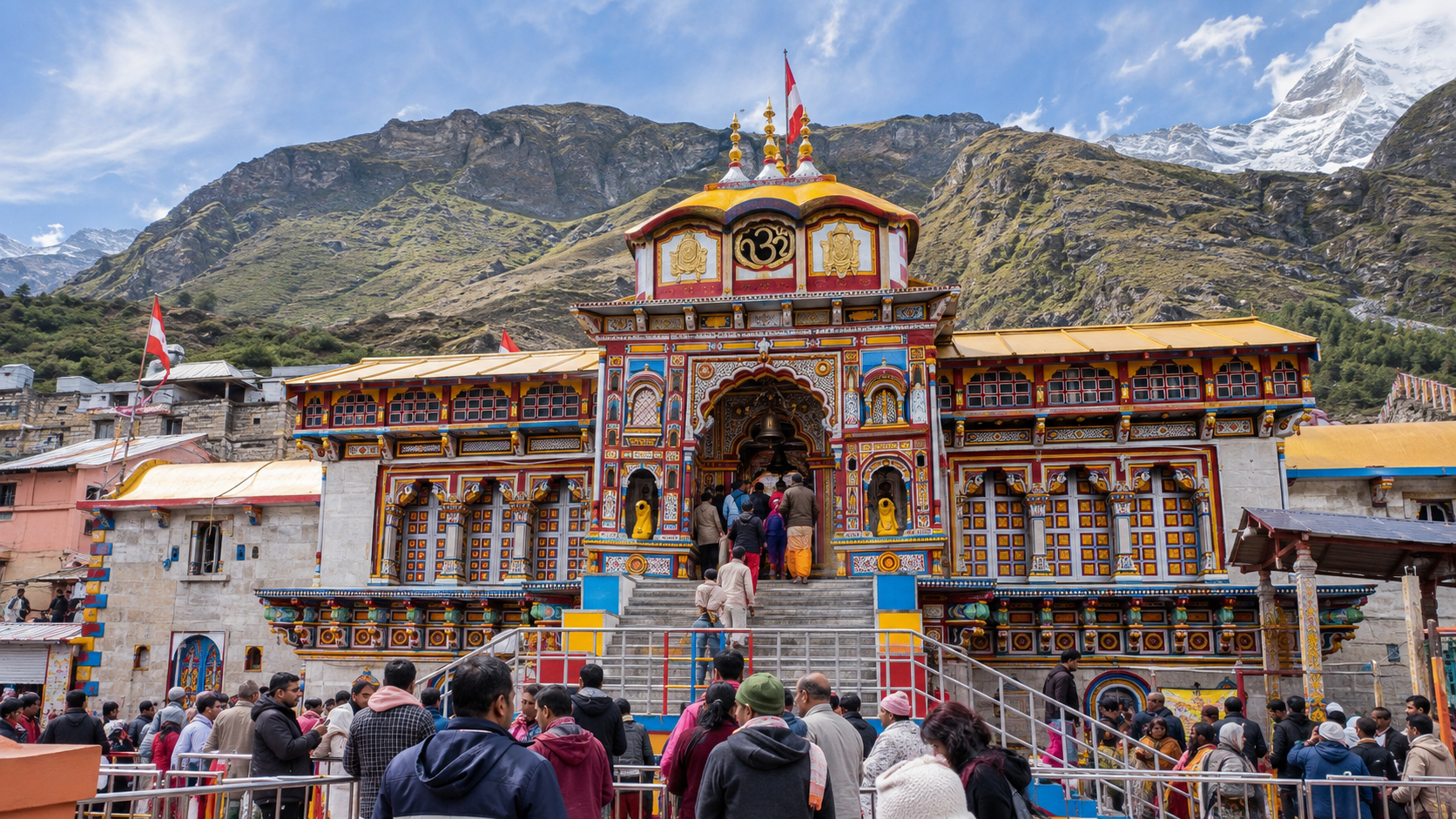
Badrinath Temple is a revered Vishnu shrine in Chamoli district, Uttarakhand, and one of the four Char Dham pilgrimage sites. Set beside the Alaknanda River at about 3,133 metres, it draws pilgrims for darshan, worship and the distinctive Himalayan setting. This guide covers temple timings, seasonal access, routes, accommodation and useful places to visit nearby.
Badrinath Temple: An Overview
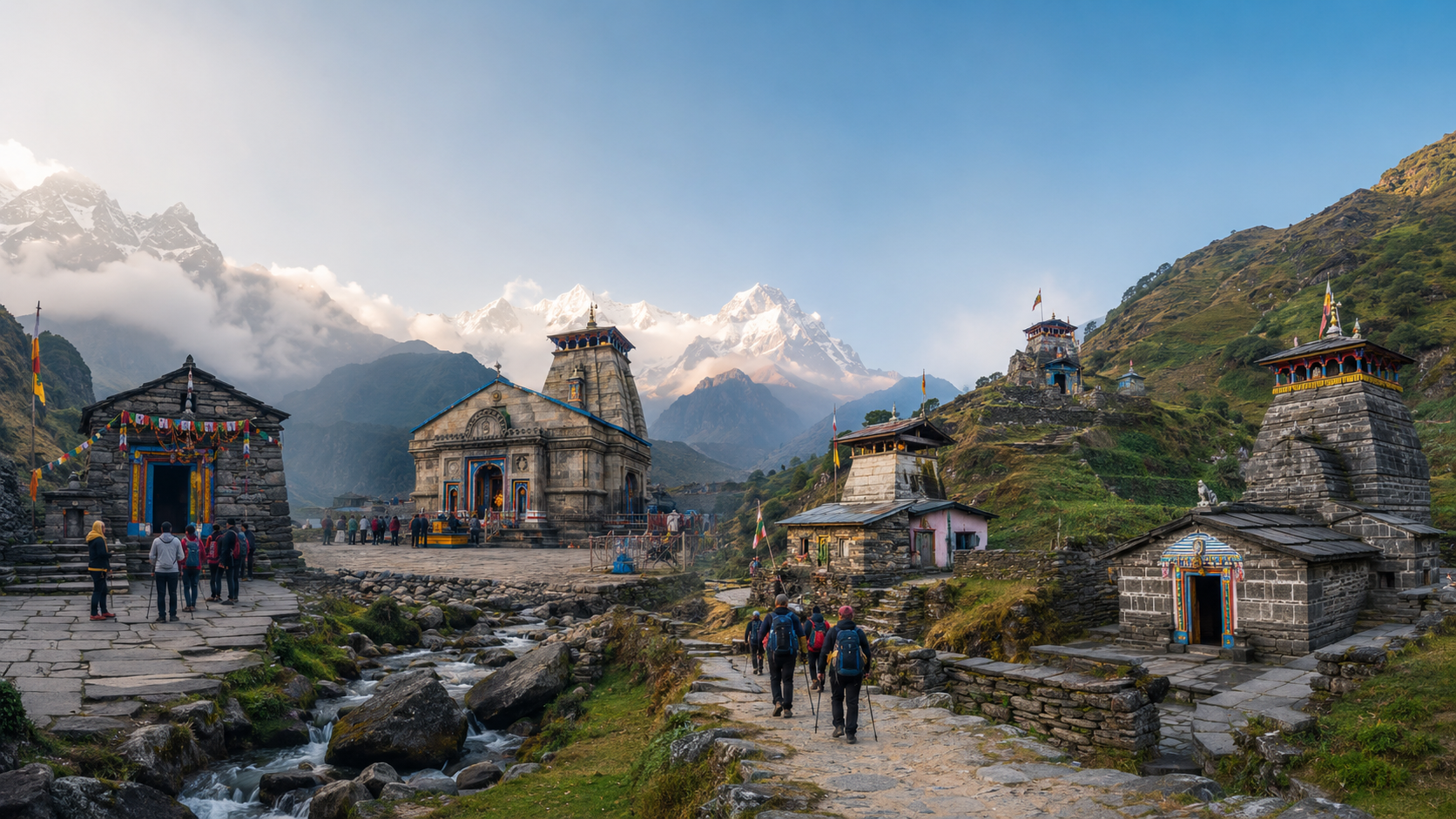
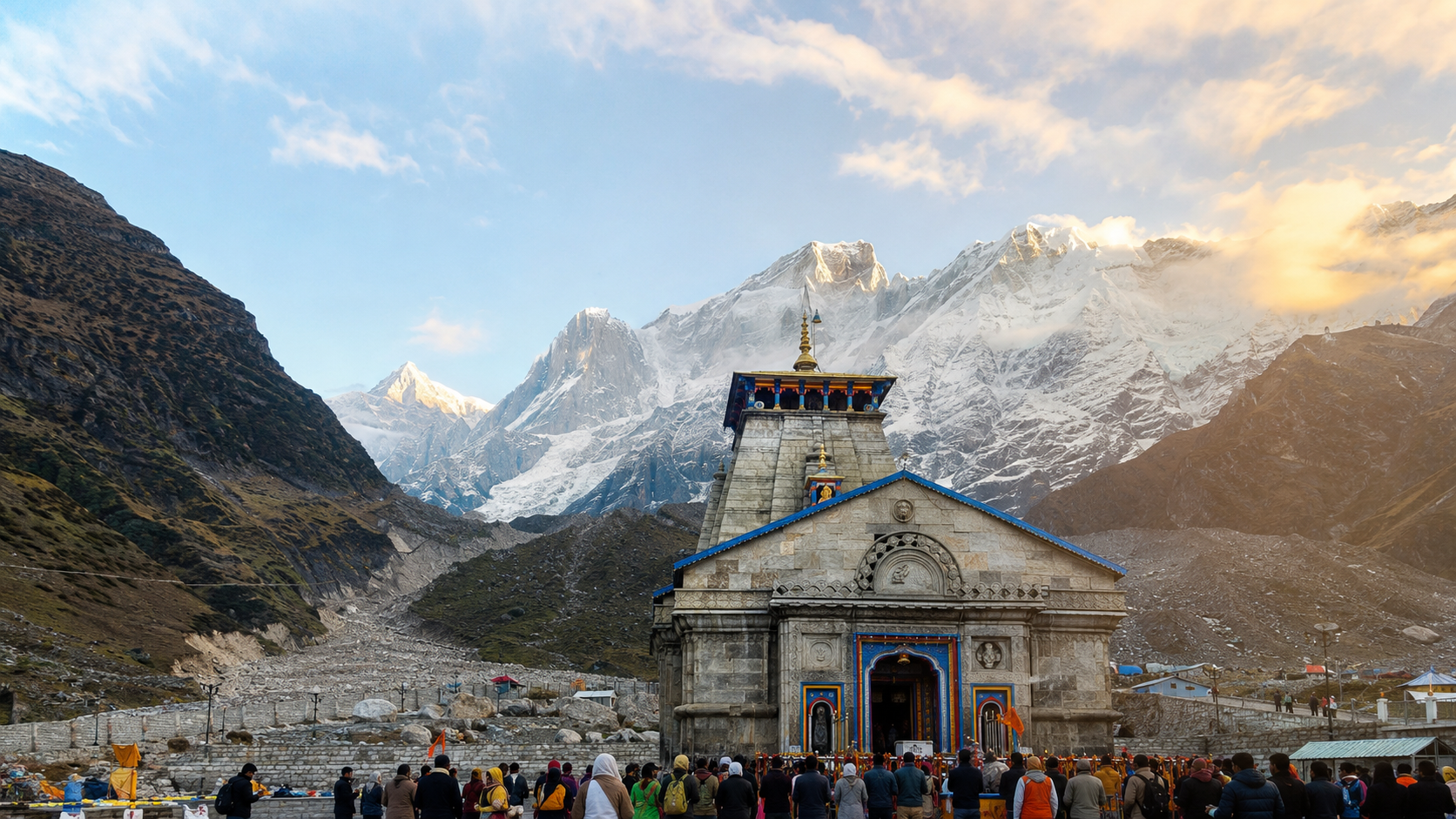
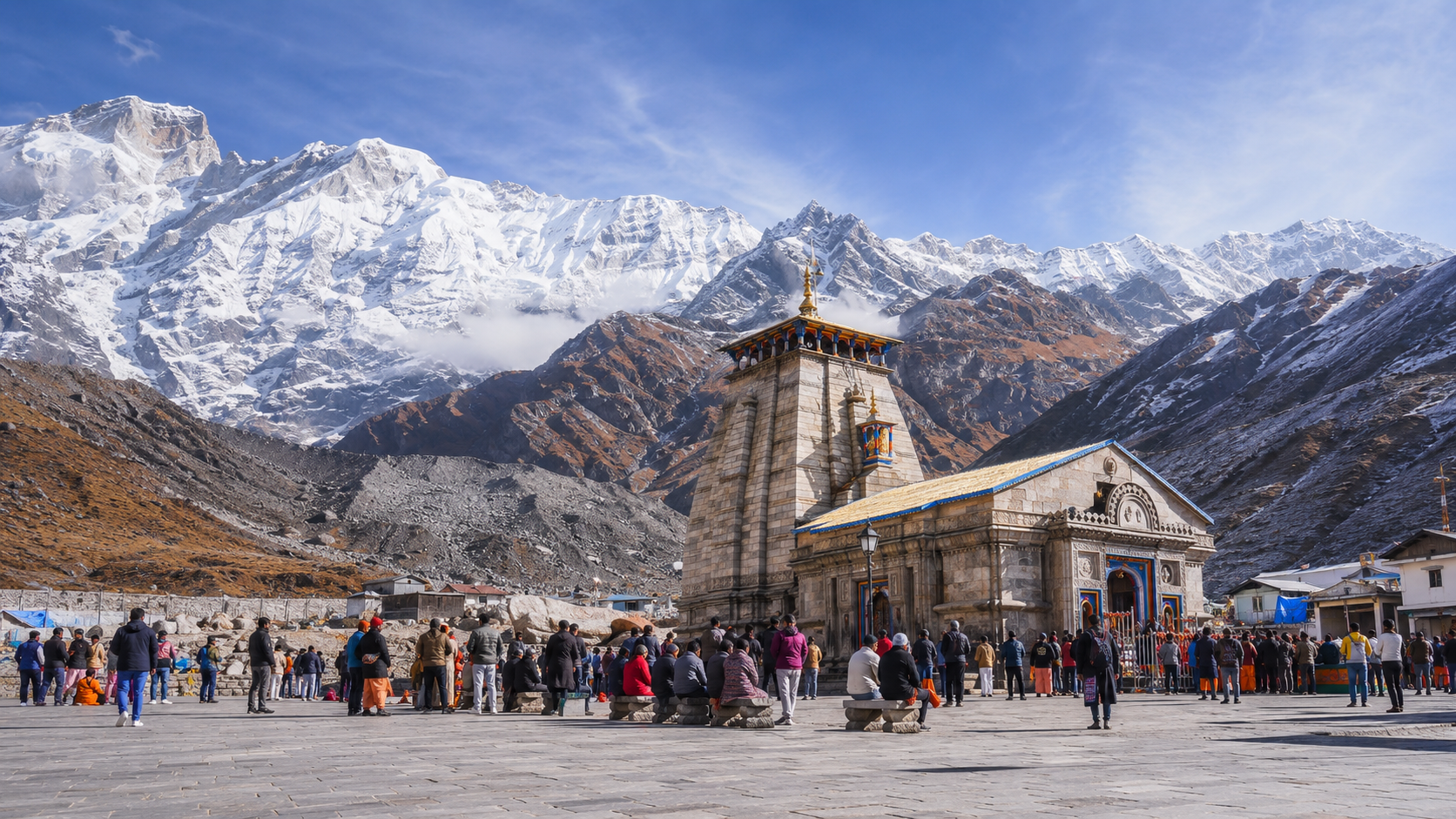
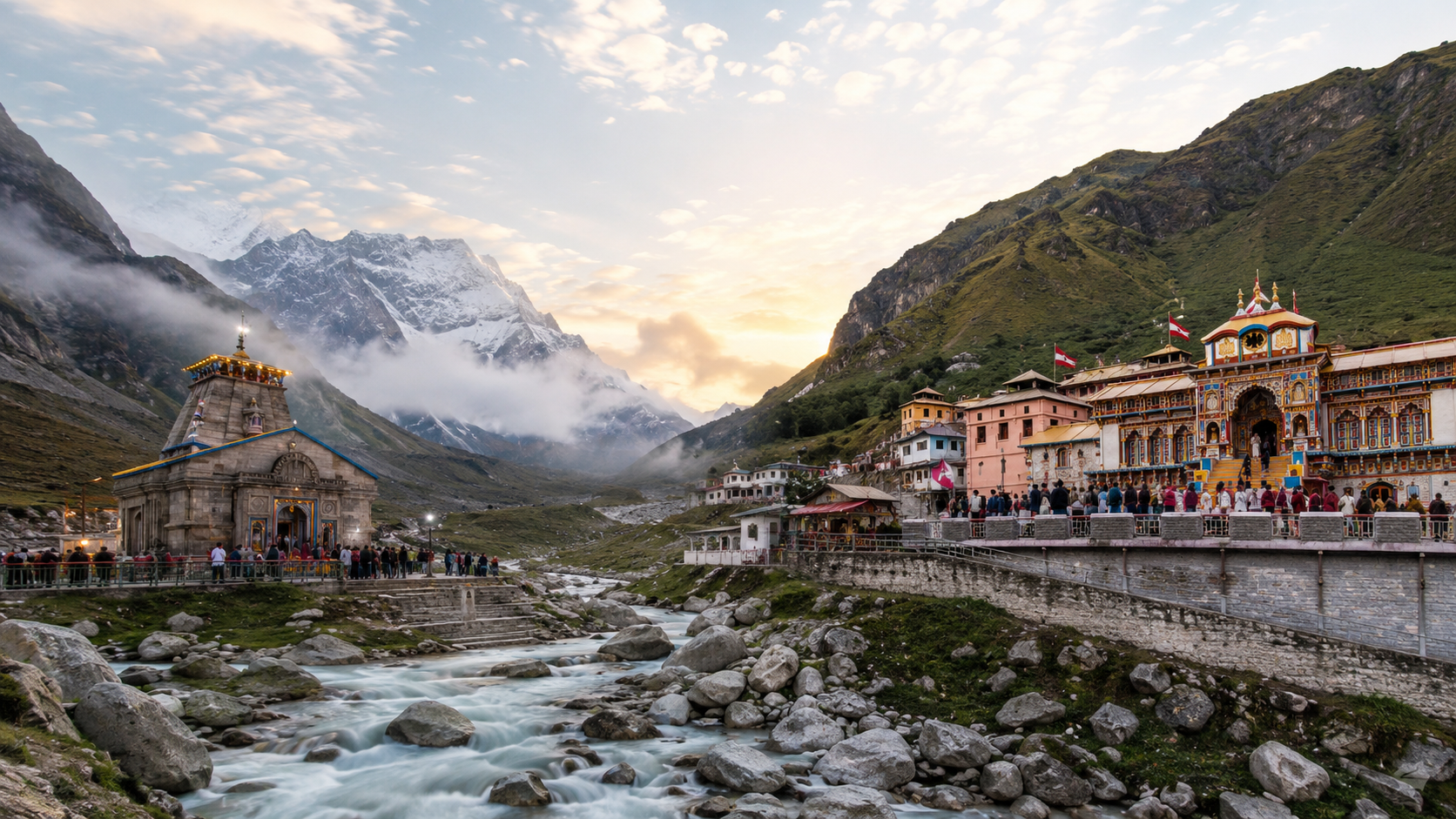
Badrinath Temple, also known as Badri Vishal, is a Hindu temple dedicated to Lord Vishnu in Badrinath town of Chamoli district, Uttarakhand. The shrine stands beside the Alaknanda River at an altitude of about 3,133 metres and is one of the four Char Dham pilgrimage sites in India. It is also one of the principal pilgrimage destinations of the Himalayan region.
For travellers, a Badrinath pilgrimage is as much about planning around the mountain environment as it is about temple darshan. The shrine is accessible by road during the annual pilgrimage season, while winter brings heavy snowfall and the temple closes to regular public access. Road conditions can also change during the monsoon, so the route should be checked shortly before departure.
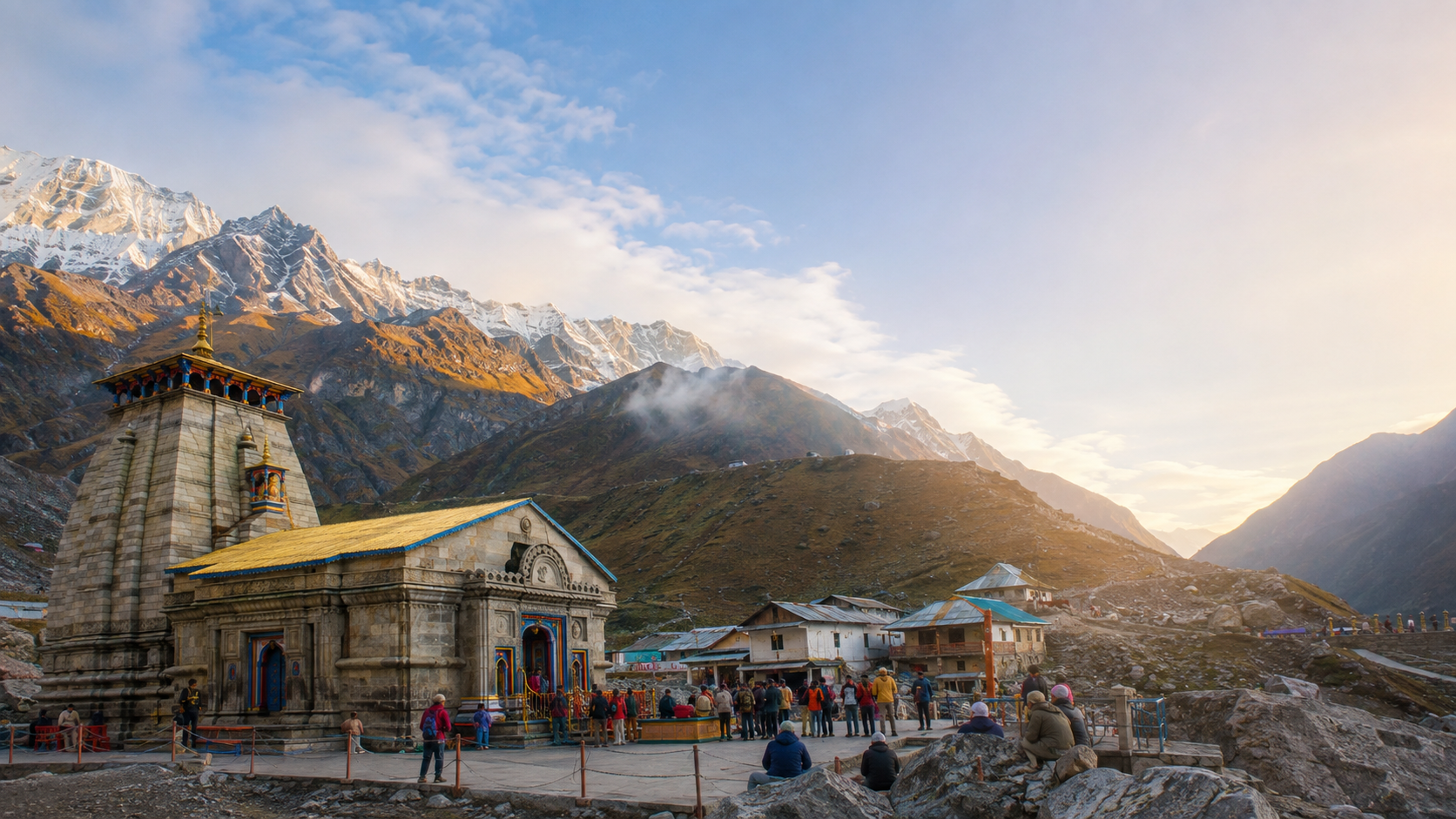
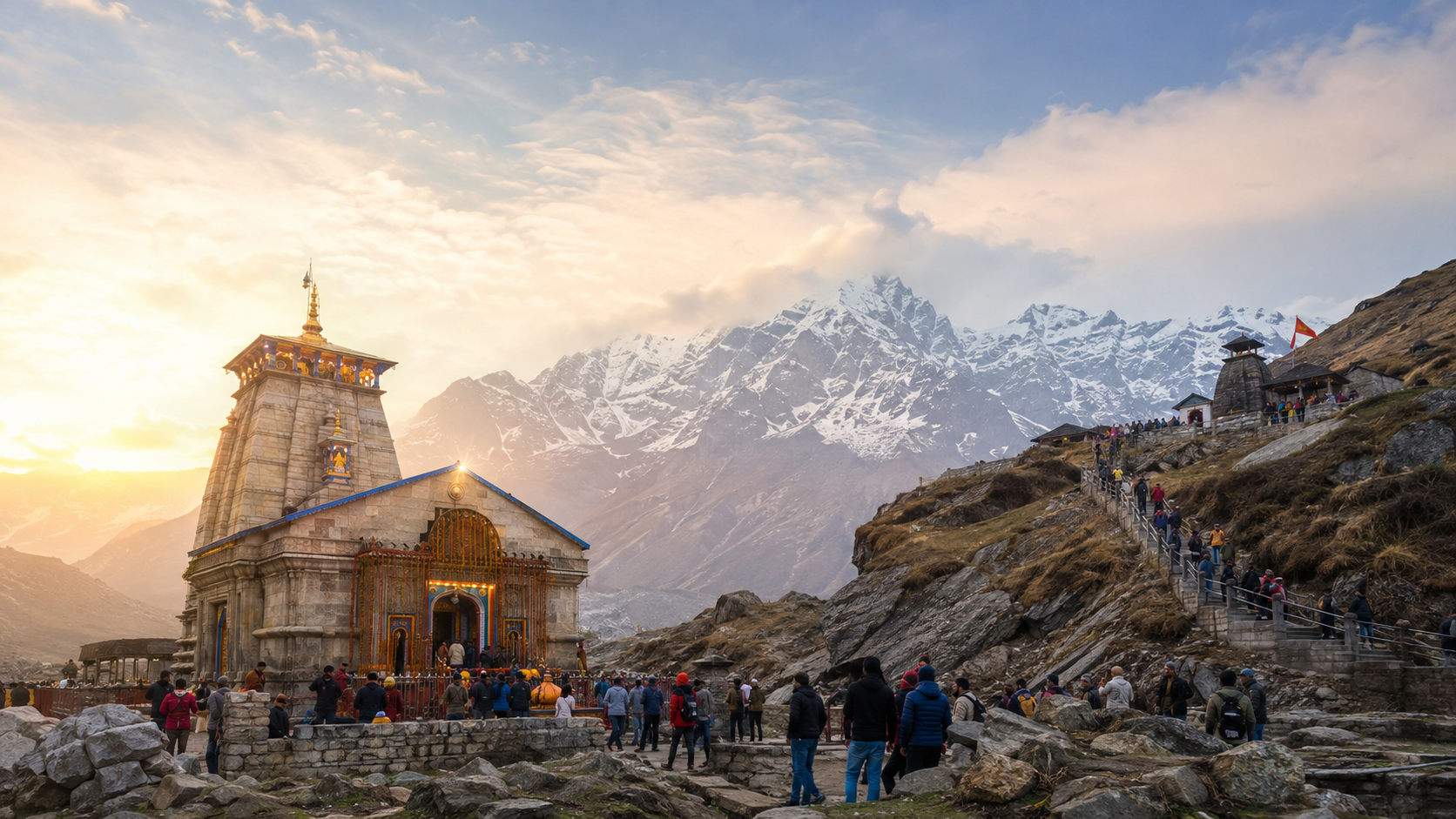
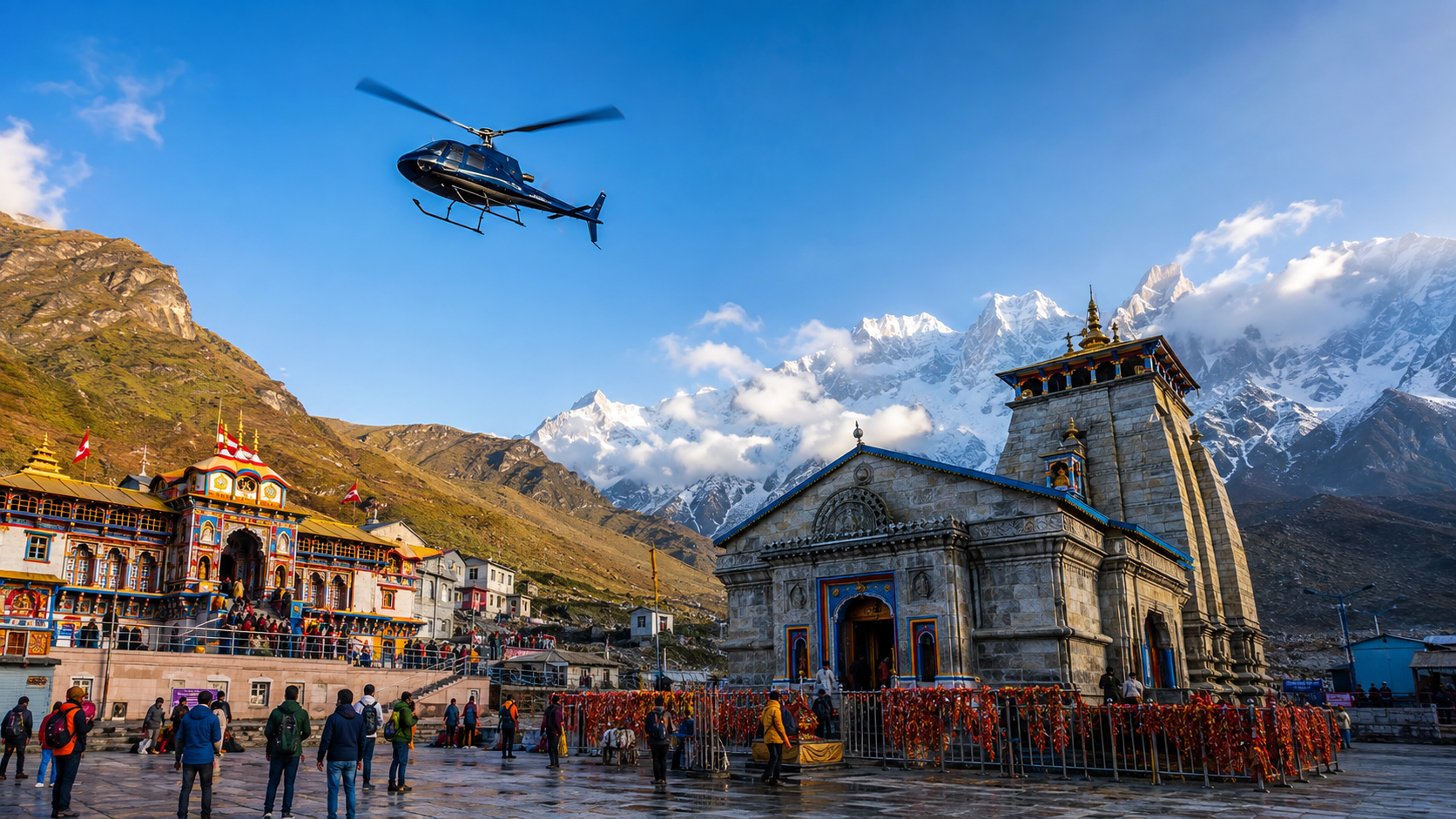
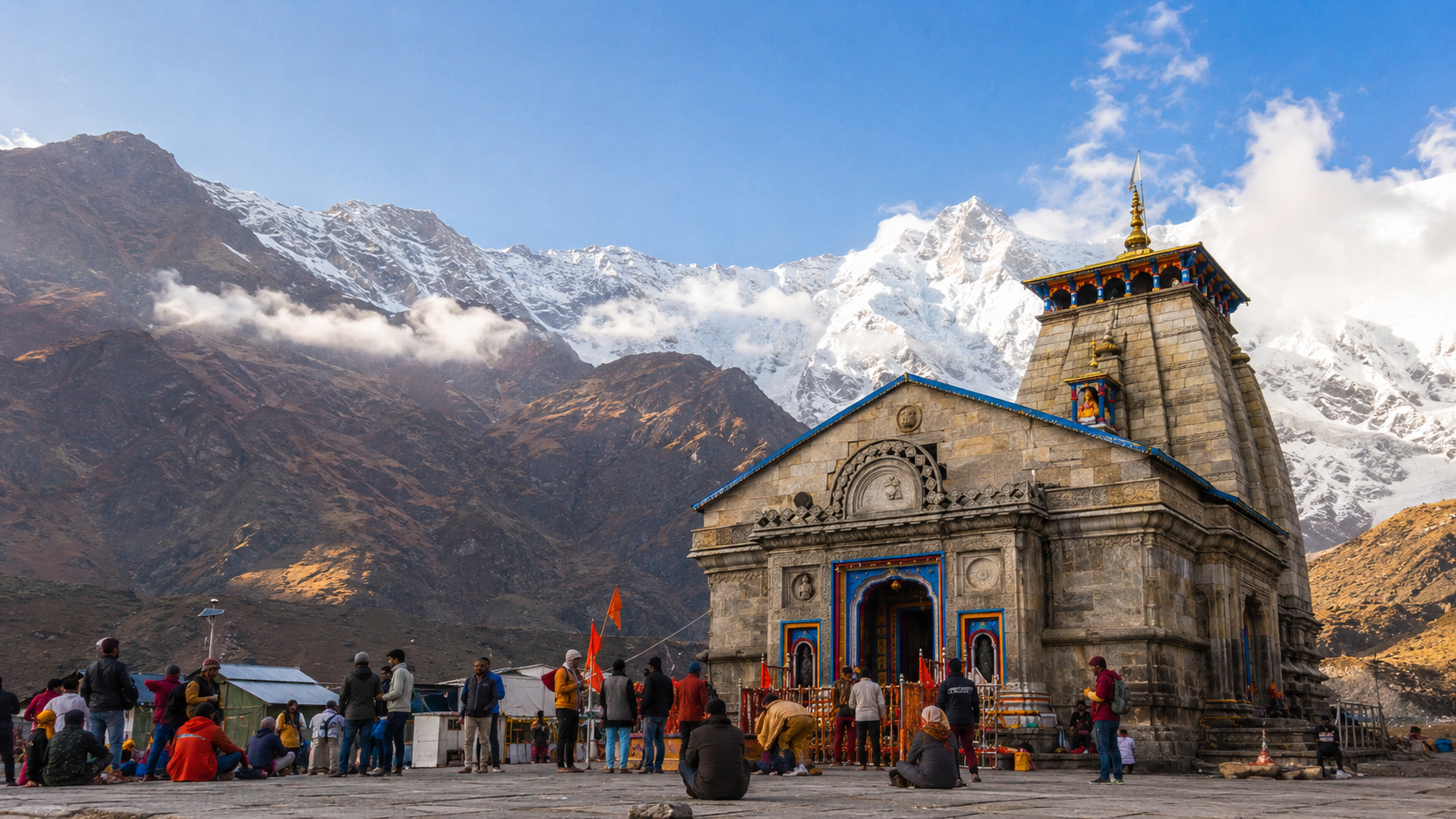
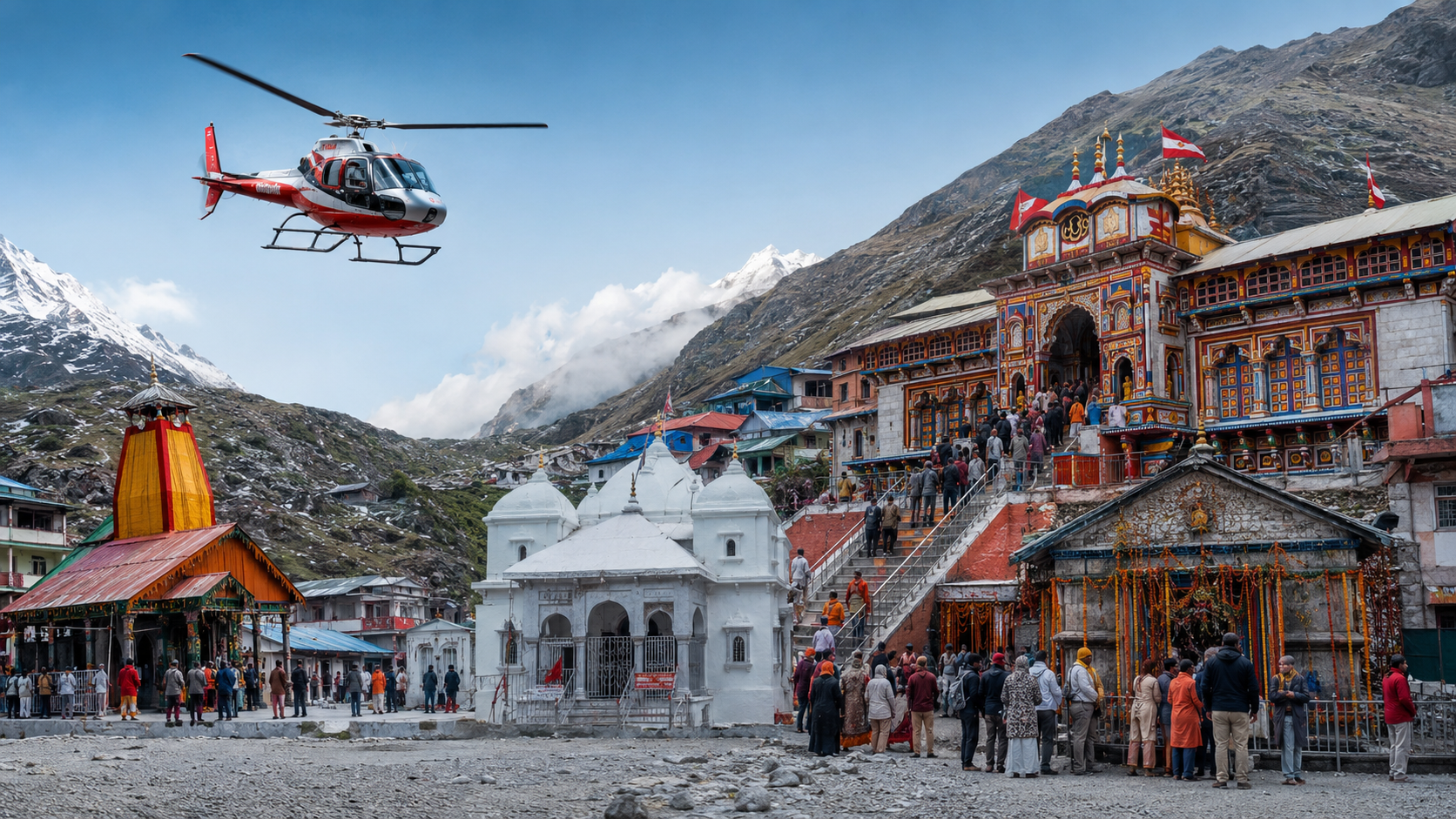
The temple itself has a colourful entrance known as Singhdwar and is divided into the Garbha Griha, Darshan Mandap and Sabha Mandap. The temple complex also includes traditional architectural details and images associated with the shrine's Vaishnavite tradition.
Spiritual Importance of Badrinath Dham
Badrinath is regarded as an important Vaishnavite pilgrimage centre and is associated with Lord Vishnu in the form of Badari Narayan. Its place in the Char Dham circuit makes it a major destination for pilgrims undertaking a longer pilgrimage across Uttarakhand.
The temple's location beside the Alaknanda and its high-altitude Himalayan surroundings add to the character of the pilgrimage. Nearby sacred sites, including Tapt Kund, Narad Kund and Brahma Kapal, are commonly visited as part of a Badrinath itinerary. Brahma Kapal, beside the Alaknanda, is traditionally associated with rituals for ancestors.
Pilgrims should distinguish between religious tradition and independently verifiable history. Temple authorities state that, according to tradition, Adi Shankaracharya recovered the idol from Narad Kund and re-established it at Badrinath in the 8th century. Uttarakhand Tourism likewise describes the temple as being associated with Adi Shankaracharya and the eighth century. These accounts are best understood as part of the shrine's religious tradition rather than as a modern archaeological dating claim.
The temple's name is also linked by tradition to the word “Badari”, associated with a wild berry. A well-known local religious account describes Goddess Lakshmi taking the form of a berry tree to provide shade to Lord Vishnu during his penance.
Badrinath Temple History and Architecture
The present shrine has a distinctive Himalayan temple appearance, with a colourful façade and a gold-gilt roof over the small cupola above the main structure. The temple is approximately 50 feet tall according to the Shri Badrinath-Kedarnath Temple Committee.
Inside, the temple is organised into three principal sections:
- Garbha Griha, the sanctum where the principal deity is enshrined
- Darshan Mandap, associated with religious rituals
- Sabha Mandap, where pilgrims assemble
The temple committee describes the sanctum as housing Lord Badari Narayan along with other revered figures including Kuber, Narad, Udhava, Nar and Narayan. A figure of Garuda is positioned opposite the main idol at the temple entrance.
Because several details surrounding the shrine come from religious texts and long-standing tradition, visitors should treat statements about ancient events and legendary associations as traditionally attributed accounts.
Badrinath Temple Darshan, Timings and Puja
Temple schedules can vary according to the season, ritual calendar, crowd management and instructions issued by the temple authorities. Pilgrims should therefore verify the schedule immediately before travelling rather than relying on an old timetable.
For paid puja and aarti services, the official temple committee currently lists several specific time windows. Its online booking information states that morning Abhishek Puja is conducted from around 4:00 AM to 6:30 AM, while Ved Path and Geeta Path are offered during morning and afternoon sessions. Evening aarti services begin around 6:00 PM, although the exact programme can vary.
Some important planning points are:
- Morning Abhishek is an early-morning ritual and requires the relevant booking where applicable.
- Pilgrims attending booked puja, path or aarti should carry the required receipt and valid government photo identification.
- The temple committee advises pilgrims attending morning services to arrive 15–30 minutes before the relevant temple gate or reporting time.
- Shayan Aarti does not have a fixed starting time because it depends on the completion of general darshan.
- Ritual schedules can be changed, cancelled or rescheduled by the temple authorities.
A normal Badrinath Temple darshan and a separately booked puja are not the same thing. Travellers planning a particular ritual should check the official booking system and current instructions before assuming that a general temple visit includes that service.
Badrinath Temple Opening Date and Pilgrimage Season
Badrinath follows a seasonal pilgrimage calendar because winter conditions make the high-altitude shrine difficult to access. The temple normally opens in spring and closes around the beginning of winter, with the exact dates decided according to the religious calendar.
For 2026, the Badrinath Temple portals opened to devotees on 23 April at 6:15 AM. This is a useful current reference for the 2026 season, but future opening dates should not be assumed from this date. They are announced separately each year.
The temple committee describes May and June as favourable months for pilgrimage and sightseeing. It also warns that the July-to-mid-September monsoon period can bring rain and road disruptions, so travellers should check the route between Rishikesh and Badrinath before starting the journey.
For practical planning:
| Period | Planning consideration |
|---|---|
| May–June | Pleasant pilgrimage conditions, though nights can remain cold |
| July–mid-September | Monsoon; check road and weather conditions before travelling |
| September–October | Generally favourable post-monsoon period, with colder conditions later in the season |
| Winter | Heavy snowfall and seasonal closure make normal temple travel impractical |
These are broad seasonal patterns rather than guarantees. Mountain weather can change quickly.
Best Time to Visit Badrinath Temple
For most pilgrims, May to June and September to October are practical periods to consider. The official temple information identifies May and June as suitable for pilgrimage, while September is described as an ideal month in its seasonal information.
July and the first part of September require more caution because of monsoon rainfall and the possibility of landslides or road disruption. If travelling during this period, allow flexibility in the itinerary rather than planning tightly timed onward connections.
Late-season travel can offer colder but often clearer conditions. However, temperatures fall as winter approaches, and the closing date is determined annually. Check the official Badrinath-Kedarnath Temple Committee information before booking a late-season trip.
How to Reach Badrinath Temple
Badrinath is connected by road with major towns and pilgrimage routes in Uttarakhand. The final approach is a mountain road journey, so travel times should be treated as approximate rather than guaranteed.
By Road
Road travel is the main practical way to reach Badrinath. Services and private vehicles can approach from Rishikesh, Haridwar, Srinagar, Rudraprayag, Karnaprayag, Chamoli and Joshimath. The temple committee also lists bus and taxi connections from several major Uttarakhand destinations.
For a longer Badrinath Yatra, many travellers use Rishikesh or Haridwar as an initial base and continue through the Garhwal Himalayan road network.
By Train
Rishikesh is listed by the temple authorities as a nearby railway access point, with onward road travel required to reach Badrinath. Haridwar also provides extensive rail connectivity for travellers coming from other parts of India.
By Air
Jolly Grant Airport near Dehradun is the nearest airport listed by the temple authorities, at roughly 314 km from Badrinath. The remaining journey is by road.
Because the road section is long and mountainous, flying to Dehradun does not mean that Badrinath itself is a short transfer from the airport.
Local Transport Around Badrinath
Once in Badrinath, many important sites within the town can be visited on foot, while nearby attractions may require a local vehicle or a combination of road travel and walking.
Mana village and attractions in its vicinity are close enough for a short local excursion, but conditions and local access rules can vary. For places involving a walk or trek, travellers should assess their fitness, weather and available daylight rather than treating the stated distance as the only consideration.
The mountain environment also means that visitors should avoid rushing between several attractions on the same day. A slower schedule is particularly sensible for older travellers and families.
Badrinath Nearby Places
Several religious and natural attractions can be included around the main temple.
Tapt Kund
Tapt Kund is located just below the Badrinath Temple and is associated with natural hot springs. Uttarakhand Tourism identifies the area as one of the notable features of the Badrinath pilgrimage setting.
Narad Kund
Narad Kund is a naturally enclosed section associated with the Alaknanda near Tapt Kund. Temple tradition connects it with the recovery of the idol of Lord Vishnu by Adi Shankaracharya.
Brahma Kapal
Brahma Kapal is a riverside ghat close to the temple. It is traditionally used for ancestral rites and is an important religious stop for many Hindu pilgrims.
Mana Village and Bheem Pul
Mana is located around 3 km from Badrinath according to the temple committee. Bheem Pul, a large natural rock formation over a stream near Mana, is another commonly visited local attraction.
Mata Murti Temple
Mata Murti Temple is about 3 km from Badrinath on the right bank of the Alaknanda. The temple committee describes access as a short walk or trek from the Badrinath area.
Vasundhara Falls
Vasundhara Falls is beyond Mana and involves a trekking section. Uttarakhand Tourism places the falls about 6 km from Mana village. Visitors should check current local access and weather conditions before setting out.
Badrinath Temple Accommodation
Accommodation is available in Badrinath through a mix of temple committee guest houses, dharamshalas and private hotels. The temple committee also lists accommodation in Joshimath, around 45 km from Badrinath, including guest houses, hotels and dharamshalas.
Staying in Badrinath is convenient if early darshan is the priority. Joshimath can be useful when travellers prefer a larger choice of accommodation or want to structure the journey around the wider pilgrimage route.
During busy pilgrimage periods, accommodation can fill quickly. It is sensible to confirm the property's operating dates, access, meal arrangements and cancellation terms before travelling.
Accessibility and Practical Planning
Badrinath is a high-altitude Himalayan destination, so the experience is different from visiting a temple in a city. Even when the temple itself is accessible, the journey can involve long road travel, cold temperatures, uneven surfaces and walking.
Keep these points in mind:
- Carry warm layers even during the warmer pilgrimage months.
- Wear comfortable footwear suitable for walking on uneven surfaces.
- Older travellers and people with limited mobility should plan the walking portions in advance.
- Allow extra time for mountain-road delays.
- Keep essential medicines and personal supplies with you.
- Check weather and road conditions immediately before departure.
- Complete the required Char Dham/Yatra registration before travelling when registration is in force.
- Carry valid identification, particularly if you have booked a puja or other service.
- Follow temple instructions regarding photography, clothing, queues and conduct.
The official Uttarakhand pilgrimage registration portal provides registration verification and identifies itself as the portal for Char Dham and Hemkund Sahib Yatra registration. The BKTC also directs pilgrims to complete the required yatra formalities before starting their journey.
A Practical Badrinath Visit Plan
For a straightforward visit, a useful approach is:
- Reach Badrinath and settle into your accommodation.
- Check the current temple and darshan arrangements locally or through official channels.
- Visit the main shrine according to the applicable darshan schedule.
- Allow time for nearby sites such as Tapt Kund, Narad Kund and Brahma Kapal.
- If conditions and time permit, plan a separate local excursion towards Mana.
- Keep the following day flexible if your onward journey involves a long mountain-road drive.
Travellers booking a specific puja should plan the day around that ritual rather than trying to fit it between several sightseeing stops. Official timings and reporting requirements can change, so the latest temple information should take priority over any older itinerary.
Plan Your Badrinath Pilgrimage
A visit to Badrinath Temple needs a little more preparation than a typical sightseeing stop. Seasonal opening, mountain-road conditions, temple schedules, accommodation availability and the altitude all affect the experience.
For travellers planning a Badrinath Yatra, Trip to Yatra can help organise the practical side of the journey around the temple visit, route and stay requirements. Contact Trip to Yatra with your preferred travel dates and group details for assistance in planning your Badrinath Temple visit.