


















Shri Ram Janmabhoomi Mandir
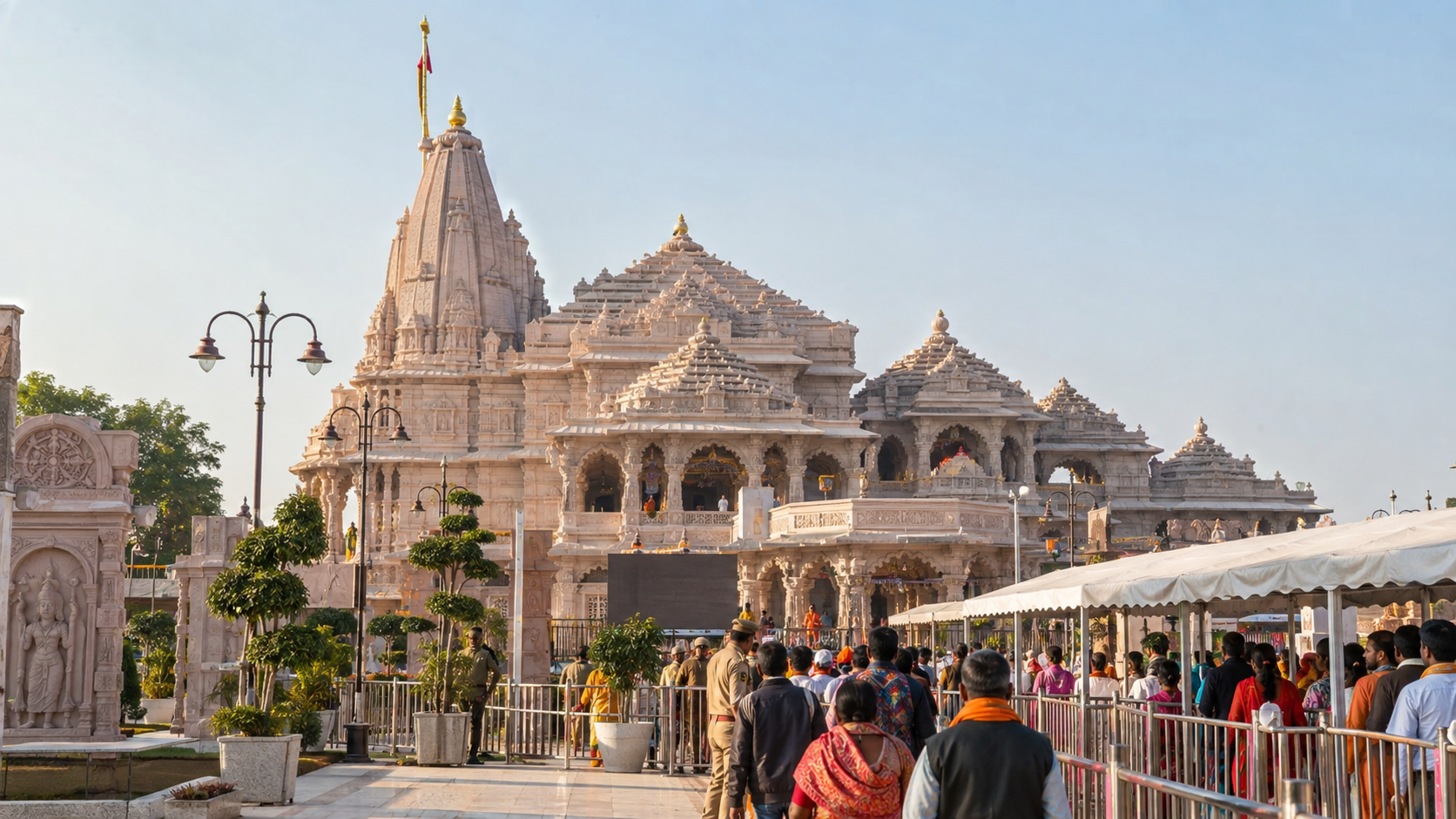
Shri Ram Janmabhoomi Mandir in Ayodhya is one of India’s most significant modern pilgrimage destinations, centred on the sacred site associated with Lord Rama’s birth. This practical guide covers darshan planning, current access information, travel options, etiquette, the best time to visit, nearby attractions and useful tips for a comfortable Ayodhya temple visit.
Shri Ram Janmabhoomi Mandir, Ayodhya
Shri Ram Janmabhoomi Mandir is the newly built temple complex at Ram Janmabhoomi in Ayodhya, Uttar Pradesh. It is dedicated to Shri Ram Lalla and has become the central destination for pilgrims visiting Ayodhya. The Pran Pratishtha ceremony of Shri Ram Lalla was held on 22 January 2024 in the newly built temple.
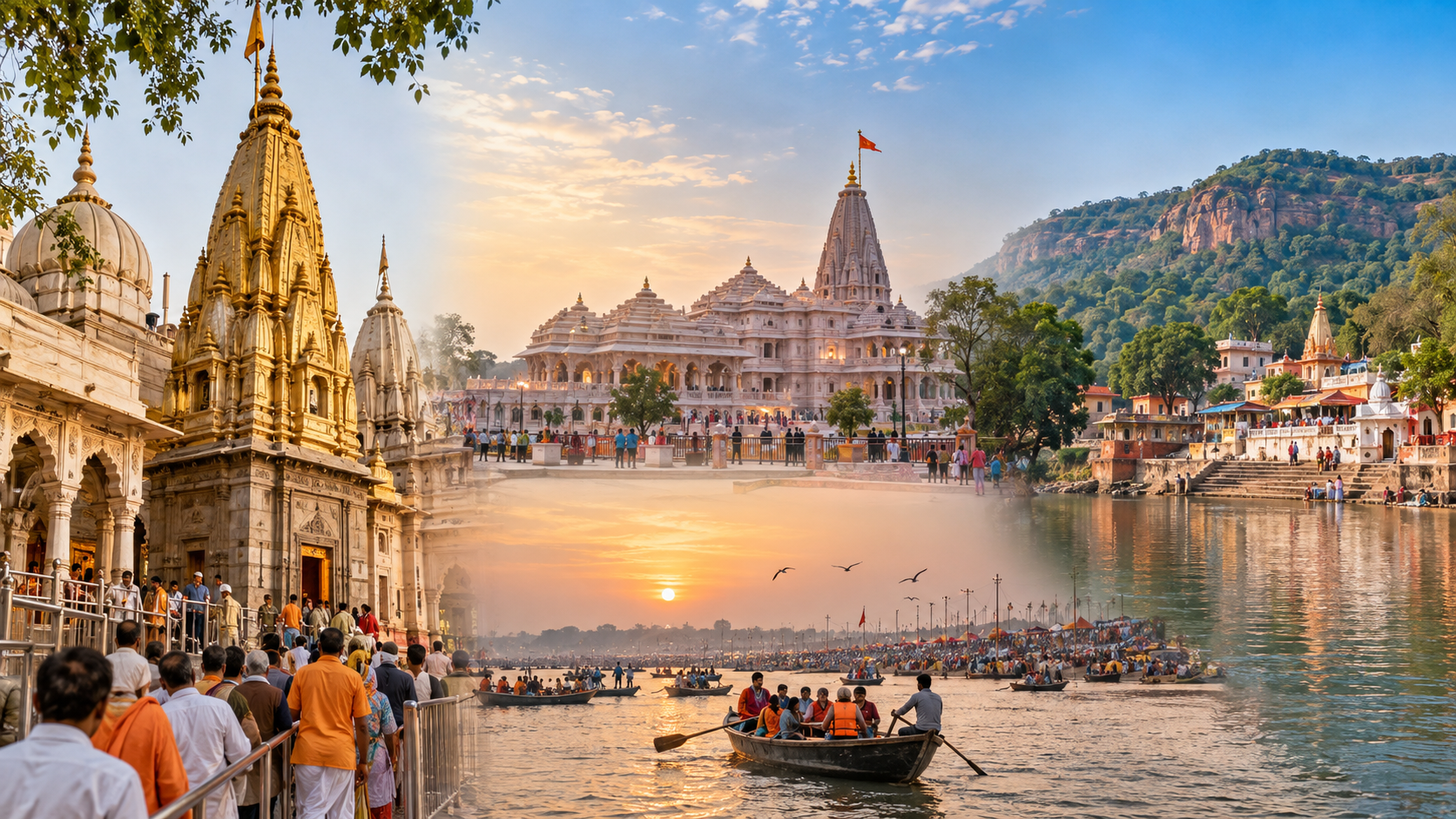
For travellers, the temple is more than a single sightseeing stop. A visit usually forms part of a wider Ayodhya pilgrimage that can include Hanuman Garhi, Kanak Bhawan, Ram Ki Paidi and other religious and heritage sites. The District Ayodhya administration lists several of these among the city's principal places of interest.
Because visitor arrangements can change during festivals, major religious occasions and periods of heavy pilgrimage traffic, it is sensible to check the latest instructions from the temple trust before leaving for Ayodhya.
Spiritual Importance of Ram Janmabhoomi
Ayodhya is traditionally regarded in Hindu belief as the birthplace of Lord Rama. The Ram Janmabhoomi site therefore holds exceptional religious importance for devotees of Shri Ram.
The present temple is centred on Ram Lalla, the child form of Lord Rama. The Pran Pratishtha ceremony on 22 January 2024 marked the formal consecration of Ram Lalla in the newly built Shri Ram Janmbhoomi Mandir. The ceremony was attended by representatives of different spiritual and religious traditions.
The importance of the site also needs to be understood alongside Ayodhya's much older religious landscape. Pilgrims commonly combine Ram Mandir darshan with visits to temples and ghats connected with local traditions and the wider Ramayana heritage of the city.
Ram Mandir History and the Present Temple
The history of the Ram Janmabhoomi site is deeply connected with religious tradition, historical developments and a long-running legal dispute. For a traveller, it is useful to distinguish documented modern events from religious beliefs and traditional accounts rather than presenting every tradition as established historical fact.
The newly built temple was consecrated in January 2024. The Government of India's account of the Pran Pratishtha records the event as the consecration of Shri Ramlalla in the newly built Shri Ram Janmbhoomi Mandir.
The temple is part of a larger pilgrimage development in Ayodhya, where roads, visitor facilities and public spaces have also been developed to accommodate increasing numbers of pilgrims. The district administration's tourism resources now present the city as a destination with a broad mix of religious and historical places.
For visitors interested in the background, the temple is best approached with respect for both the documented history of the site and the religious significance it has for devotees.
Ram Mandir Darshan: What Travellers Should Know
Darshan arrangements at Shri Ram Janmabhoomi Mandir are organised to manage a very large number of visitors. Current arrangements include General Darshan and Sugam Darshan passes, with the Shri Ram Janmabhoomi Teerth Kshetra Trust managing access. A 2026 report from All India Radio News stated that the Trust introduced these two pass categories and revised the maximum number of devotees permitted on a single pass to five.
Darshan arrangements can change, so travellers should not rely on an old screenshot, social-media post or third-party website for their final timings.
For Ram Mandir darshan booking, use the Trust's official online portal and check the conditions attached to the particular pass available for your date. The official booking portal is:
https://online.srjbtkshetra.org/
Avoid websites that claim to sell temple entry tickets or guaranteed VIP access. The official arrangements should be checked directly before making any payment or sharing identity information.
Current Timings
Published schedules for Ram Mandir have changed over time, and festival days may operate differently. Current visitor slots reported in 2026 include structured daytime and evening darshan periods, with the booking or entry pass determining the applicable slot.
As a practical rule, check the timing displayed for your visit date on the official Trust system rather than planning around an older generic schedule.
Aarti is separate from ordinary darshan in terms of access arrangements. Specific aartis may require a pass, and availability can be limited. Current schedules should therefore be confirmed before making a special journey for a particular aarti.
Temple Etiquette and Entry Preparation
A little preparation can make Ram Lalla darshan much easier, particularly during busy pilgrimage periods.
- Carry the original identification document required by your confirmed pass or booking.
- Keep your darshan or aarti pass readily accessible.
- Follow security instructions at the entry point.
- Avoid carrying unnecessary luggage or valuables.
- Check the current rules for mobile phones, cameras and other electronic items before visiting.
- Dress modestly and respectfully for a place of worship.
- Follow instructions given by temple personnel rather than relying on unofficial queue information.
- Do not bring offerings or other items unless the current temple rules permit them.
- Keep the temple premises and surrounding public areas clean.
- Allow additional time for security checks and walking between visitor areas.
The most important point is to treat the booking slot as a planning guide rather than assuming it eliminates all waiting. Crowd management can change according to the day's conditions.
Best Time to Visit Ram Mandir Ayodhya
Ayodhya can be visited throughout the year, but the experience varies considerably with weather, festivals and pilgrimage crowds.
For a more comfortable temple visit, the cooler months from approximately October to March are generally more suitable for walking around Ayodhya. Winter mornings can be particularly pleasant for combining temple visits with outdoor sightseeing.
Summer can be hot, especially when visiting several sites on foot. If travelling during the hotter months, plan outdoor sightseeing around the cooler parts of the day and keep water and sun protection with you.
Major festivals such as Ram Navami and Deepotsav are especially significant in Ayodhya but can also bring exceptionally heavy crowds, traffic controls and changes to normal visitor arrangements. If attending during a major festival is your priority, book accommodation and transport well in advance and verify the latest local advisories.
How to Reach Shri Ram Janmabhoomi Mandir from Ayodhya
By Air
Maharishi Valmiki International Airport Ayodhya is approximately 10 km from Ayodhya Dham according to the District Ayodhya administration. The district also notes that travellers can use airports at Lucknow, Gorakhpur, Prayagraj and Varanasi as alternatives.
From the airport, travellers can continue into Ayodhya by taxi or other locally available transport. Allow extra time on busy pilgrimage and festival days.
By Train
Ayodhya Dham and Ayodhya Cantt are the principal railway stations serving the city. The district administration describes both as well connected with major cities and towns. Ayodhya Dham is approximately 135 km by rail from Lucknow, 164 km from Gorakhpur, 157 km from Prayagraj and 191 km from Varanasi.
If your accommodation is in the old city or near the temple area, check the station and last-mile transport arrangements before booking your train.
By Road
Ayodhya is connected by road with Lucknow, Varanasi, Prayagraj, Gorakhpur, Delhi and other major centres. Uttar Pradesh State Road Transport Corporation services operate on routes serving Ayodhya, while private taxis and other road transport are also available.
Within the city, local taxis, e-rickshaws and other local transport can be useful, but traffic restrictions around major religious sites may affect where vehicles can drop passengers.
Local Transport and Walking
The central pilgrimage area is best explored with a combination of local transport and walking. Do not assume that a vehicle can take you directly to the temple entrance.
On busy days, roads near major religious sites may be restricted or heavily congested. A practical approach is to confirm your vehicle's permitted drop-off point locally and then follow the designated pedestrian route.
If you are travelling with elderly family members, children or anyone who has difficulty walking, build extra time into the itinerary. The final approach to a major temple can involve security checks, pedestrian movement and standing or walking in a queue.
Nearby Places to Visit in Ayodhya
A Ram Mandir visit can comfortably be combined with several other important Ayodhya attractions.
Hanuman Garhi
Hanuman Garhi is one of Ayodhya's prominent religious sites. The district administration describes it as approximately 1 km from Ayodhya railway station and notes the temple's traditional association with Lord Hanuman as the guardian of Ayodhya.
The temple is approached by a staircase, so visitors with mobility limitations should plan accordingly.
Kanak Bhawan
Kanak Bhawan is a historic and religious temple located to the north-east of Ram Janmabhoomi in Ramkot. The district administration records traditional accounts connecting the temple with Devi Sita and Lord Rama.
It is a natural addition to an Ayodhya temple itinerary because of its religious setting and distinctive character.
Ram Ki Paidi
Ram Ki Paidi is a series of ghats along the River Saryu. The riverfront is an important part of Ayodhya's pilgrimage landscape and is especially atmospheric when illuminated in the evening.
Nageshwar Nath Temple
Nageshwar Nath Temple stands at Ram Ki Paidi and is dedicated to Lord Shiva. The district administration records traditional accounts associating the temple's establishment with Kush, the son of Lord Rama.
Other Ayodhya Attractions
Depending on the length of your stay, you can also consider Naya Ghat, Guptar Ghat, Shri Ram Janaki Birla Temple, Gulab Bari and the Jain Shwetamber Temple. These are among the places listed by the Ayodhya district administration.
Where to Stay in Ayodhya
For a short pilgrimage, staying in Ayodhya makes it easier to start early and avoid unnecessary travel on darshan day. Accommodation ranges from budget stays and guesthouses to hotels suitable for families and longer visits.
Choose your location according to your itinerary rather than assuming that the hotel nearest the temple is automatically the most convenient. A property with dependable road access, suitable facilities for your family and practical access to your next day's sightseeing can sometimes be a better choice.
During Ram Navami, Deepotsav and other high-demand periods, rooms can become difficult to secure. Confirm the hotel's check-in policy, parking arrangements and cancellation terms before travelling.
Accessibility and Planning for Senior Travellers
A pilgrimage to Shri Ram Janmabhoomi Mandir may involve security checks, walking and periods of standing. Travellers with limited mobility should plan the visit around their own comfort rather than trying to cover too many attractions in one day.
Before travelling, confirm the latest arrangements for accessible entry, assistance and vehicle drop-off with the temple authorities or local administration. Facilities and routes can change during crowd-control operations.
For senior citizens, a sensible itinerary is usually one that leaves generous time between darshan and other sightseeing. Hanuman Garhi, for example, involves stairs, while other attractions may involve walking along busy pilgrimage areas.
A Practical Ayodhya Temple Visit Plan
If this is your first Ayodhya pilgrimage, a simple two-day plan can work well.
- Reach Ayodhya and settle into your accommodation.
- Keep your first evening relatively light and visit a nearby ghat or temple if time permits.
- On darshan day, arrive with your valid pass and identification and follow the designated entry procedure.
- After Ram Lalla darshan, visit nearby religious sites such as Hanuman Garhi and Kanak Bhawan.
- Later, spend time around Ram Ki Paidi or another Saryu riverfront location.
- Keep the second day for attractions farther from the main temple area if your schedule allows.
This approach is generally more comfortable than trying to cover every major Ayodhya tourist place between a tightly timed darshan slot.
Practical Tips Before You Travel
Check the official temple booking and information system shortly before your journey because timings, pass arrangements and entry procedures can change.
For a smoother trip:
- Book accommodation early for festival periods.
- Keep your travel documents and identification together.
- Check train or flight arrival times against your darshan slot.
- Avoid scheduling another time-sensitive activity immediately after darshan.
- Wear comfortable footwear suitable for walking.
- Carry only what you actually need inside the pilgrimage area.
- Keep some flexibility for traffic and security restrictions.
- Follow official instructions if temporary route changes are announced.
- Confirm special aarti arrangements separately if attending one is important to you.
Plan Your Shri Ram Janmabhoomi Mandir Visit with Trip to Yatra
A visit to Shri Ram Janmabhoomi Mandir is best planned as part of a practical Ayodhya spiritual tour rather than as a rushed temple stop. With the right darshan slot, suitable accommodation and enough time for the city's other important temples and riverfront sites, the journey can be organised comfortably for individuals, couples, families and senior travellers.
Trip to Yatra can help you plan the wider Ayodhya pilgrimage around your travel dates, preferred pace and sightseeing requirements. For assistance with arranging your Ayodhya temple visit, travel logistics and stay, contact Trip to Yatra and discuss your requirements with our travel team.