Journey Start
NashikStart
Email Anytime
contact@triptoyatra.in
Call Anytime
Email Anytime
Call Anytime
46 packages available
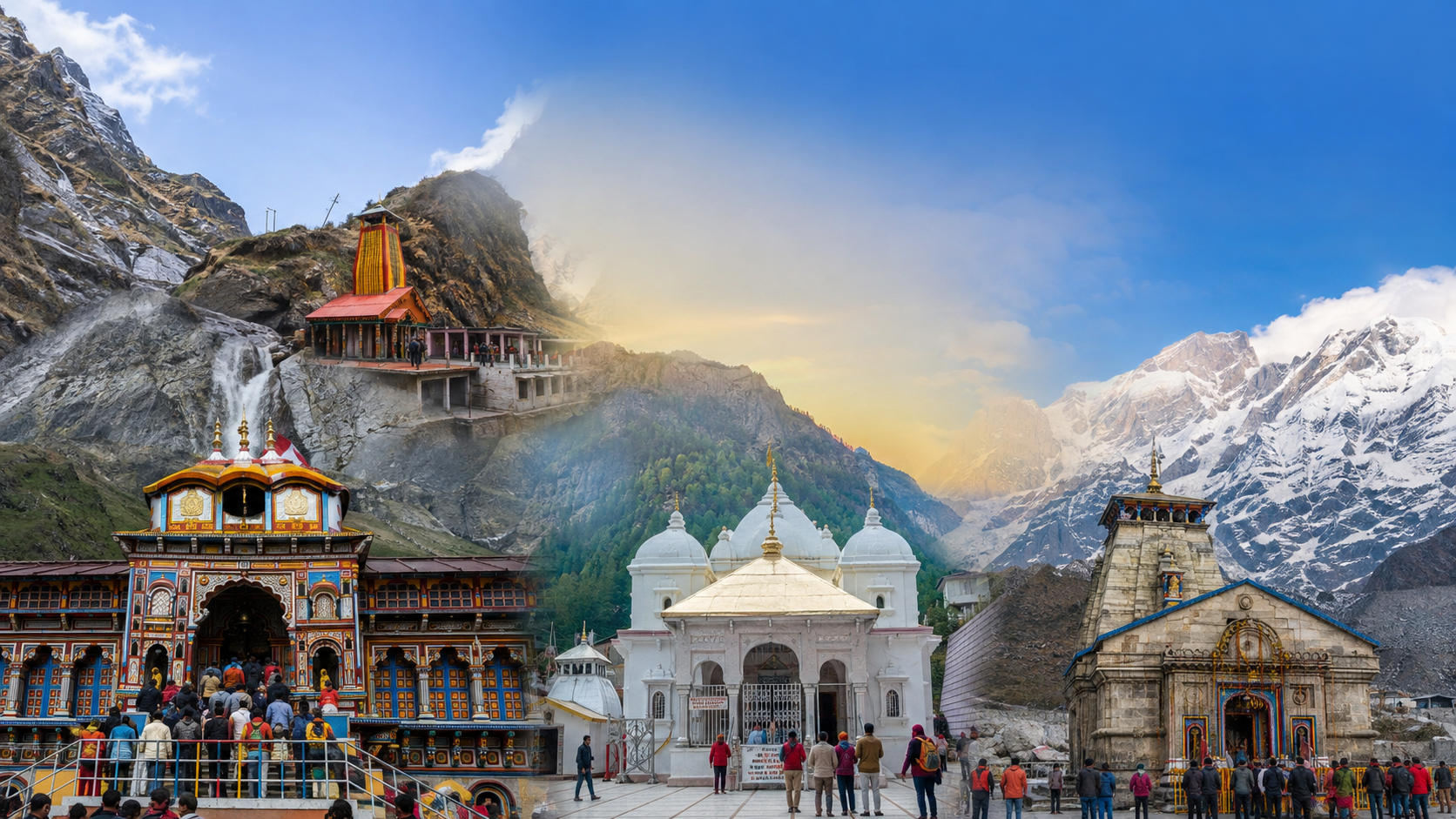
Plan a meaningful pilgrimage to Uttarakhand’s four sacred Himalayan shrines with this 12 Days / 11 Nights Chardham Yatra package from Delhi. The Delhi-to-Delhi journey brings together Yamunotri, Gangotri, Kedarnath and Badrinath, with time in important gateway destinations such as Haridwar and Rishikesh. Designed for travellers who want a structured Char Dham pilgrimage without having to coordinate every travel detail themselves, the package combines spiritual visits with the distinctive mountain landscapes of Uttarakhand. As the shrines are seasonal and high-altitude destinations, travel dates, registration requirements and access conditions should be checked before booking. Enquire with Tr
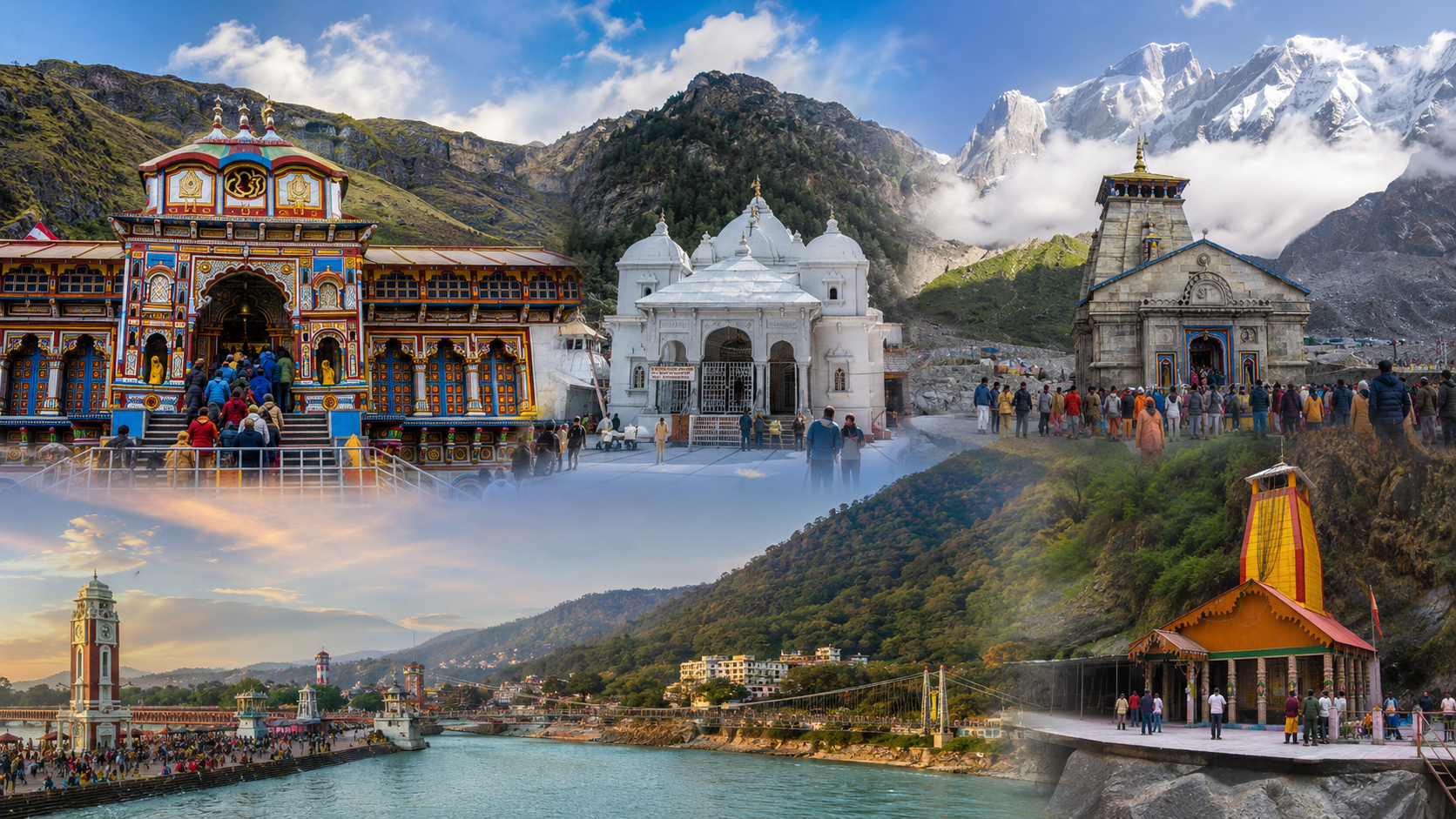
Plan your sacred Himalayan journey with our Chardham Yatra package from Haridwar, designed for travellers wishing to visit Yamunotri, Gangotri, Kedarnath and Badrinath in one organised pilgrimage. This 10 Days / 9 Nights journey starts and concludes in Haridwar and follows the traditional Char Dham sequence through Uttarakhand. Along with the four principal shrines, the journey brings you through the spiritual landscape of the Garhwal Himalayas, with Rishikesh associated with the overall travel region. As mountain conditions, temple opening dates, registrations and access arrangements can change, final 2027 operational details should be verified before departure.
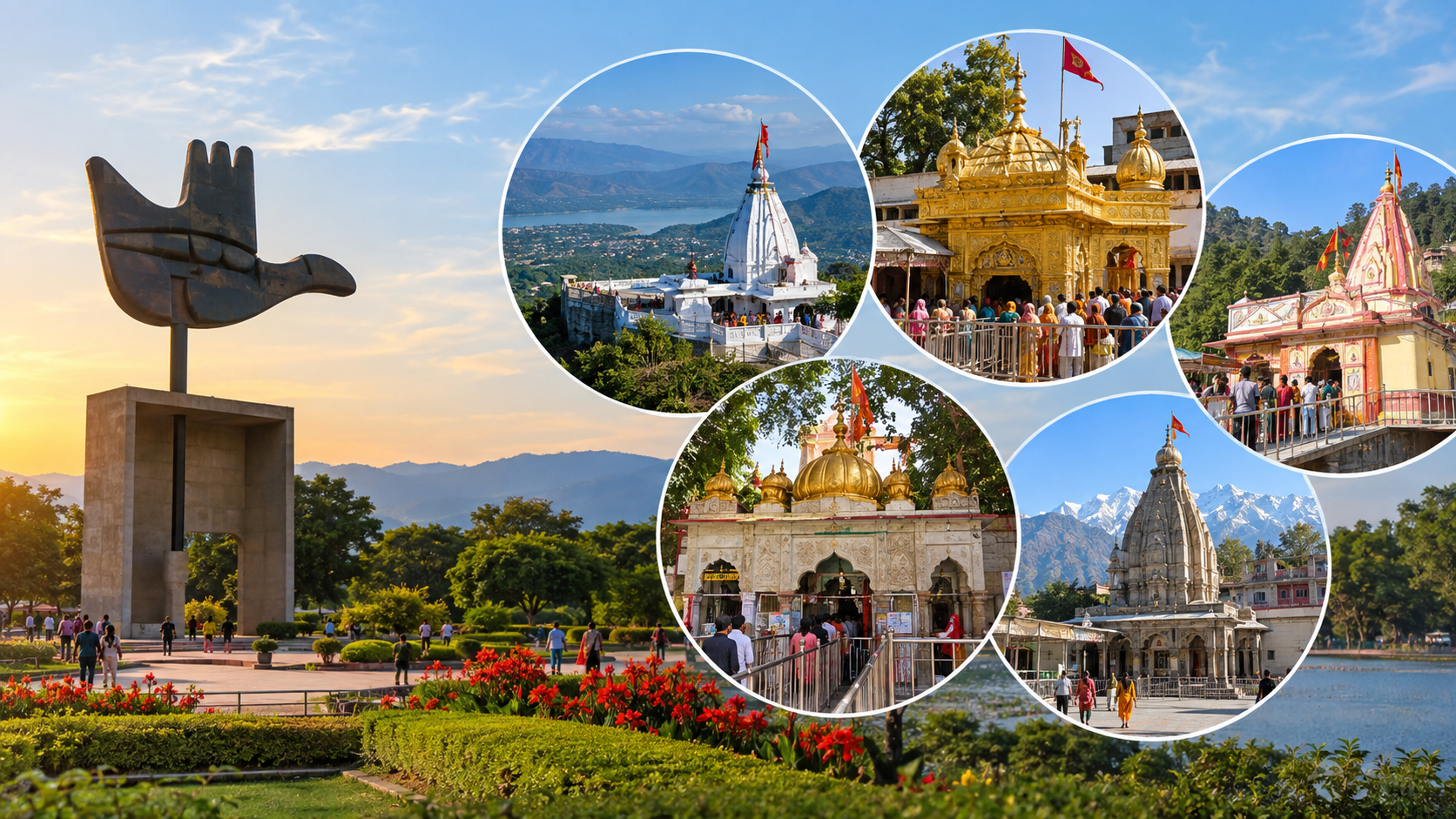
Himachal 5 Devi Darshan from Chandigarh. Package details, itinerary and pricing can be completed in the CRM.
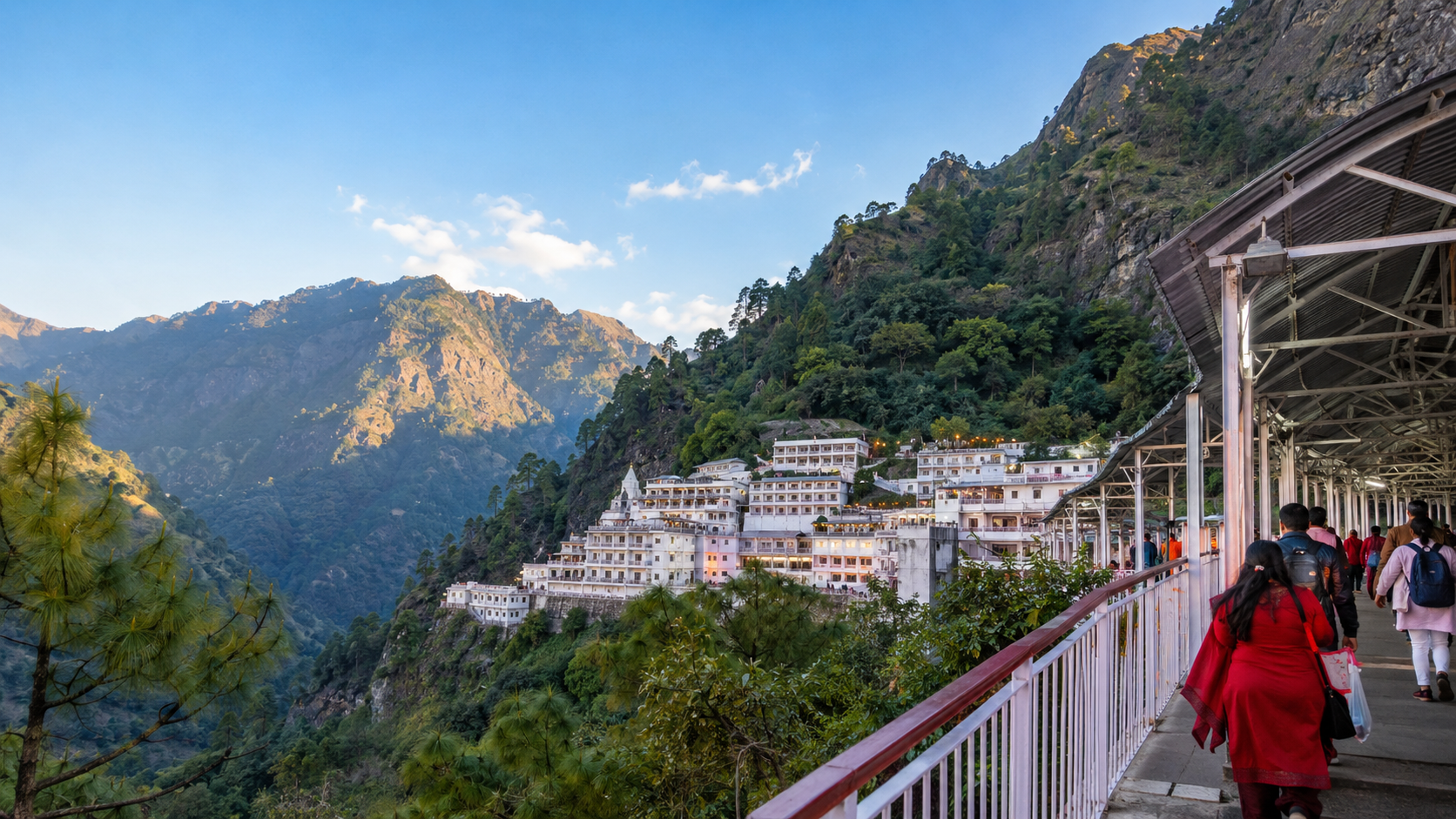
Vaishno Devi Yatra from Katra. Package details, itinerary and pricing can be completed in the CRM.
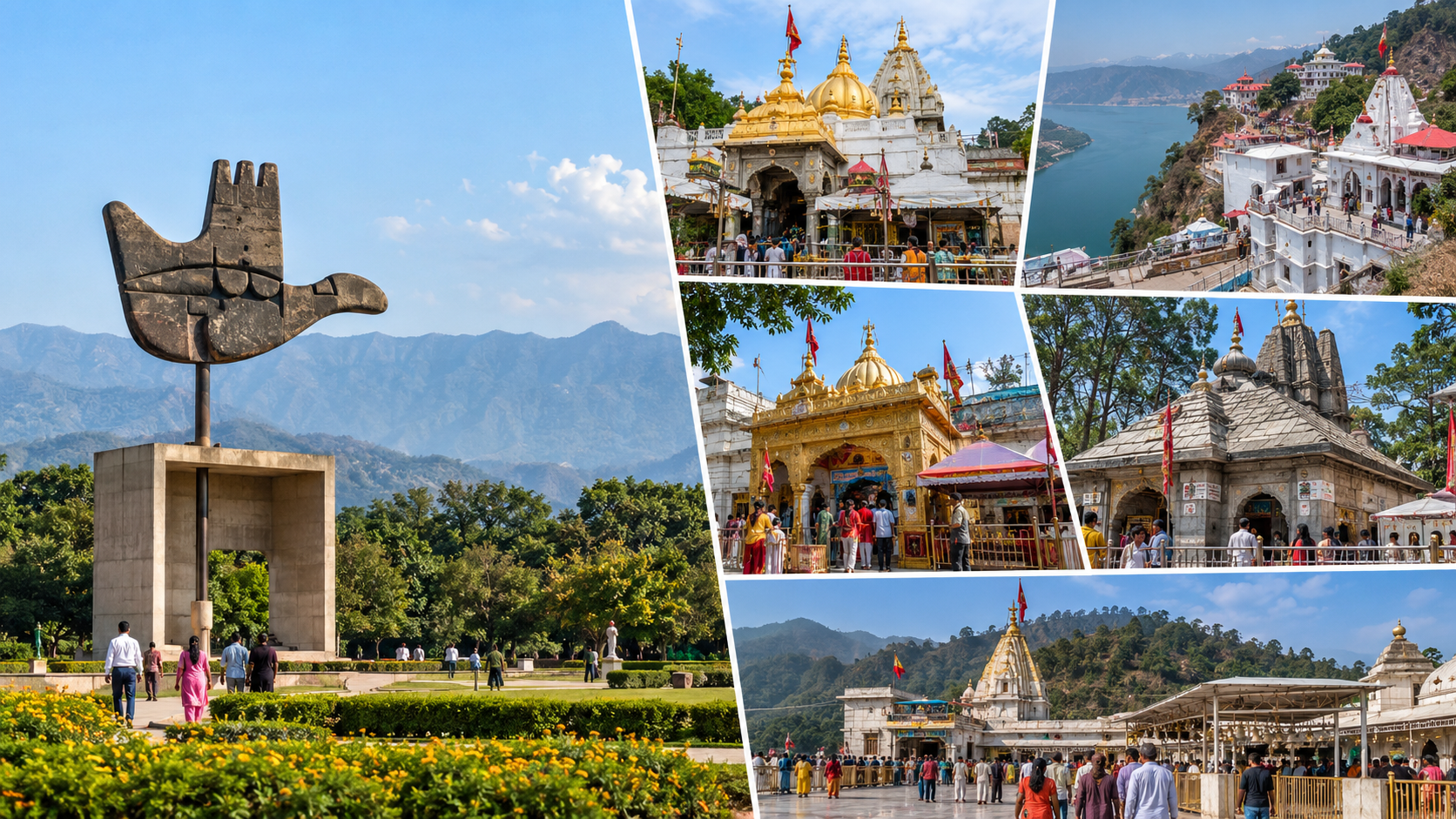
9 Devi Yatra from Chandigarh. Package details, itinerary and pricing can be completed in the CRM.
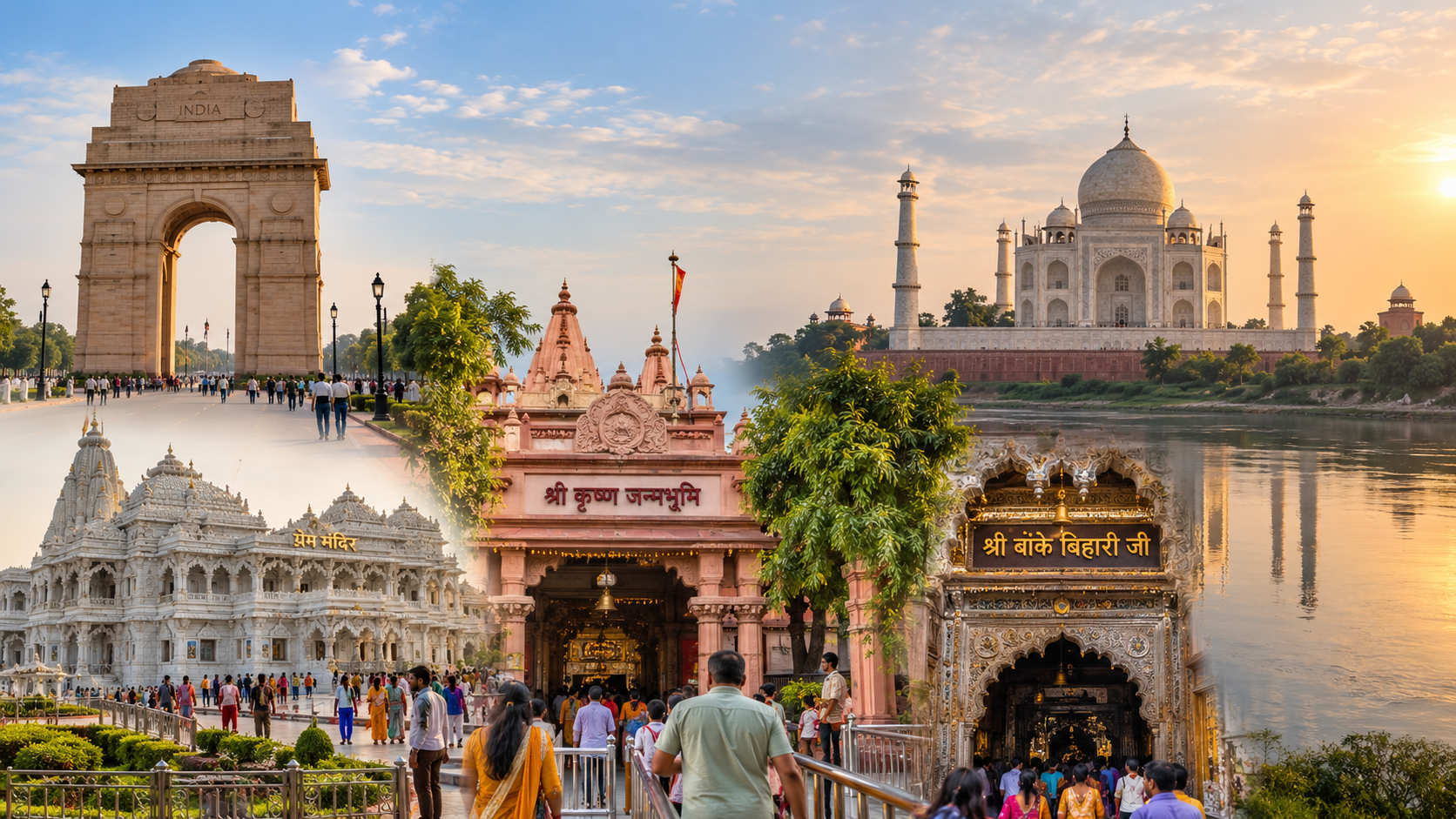
Agra Mathura Vrindavan Tour from Delhi. Package details, itinerary and pricing can be completed in the CRM.
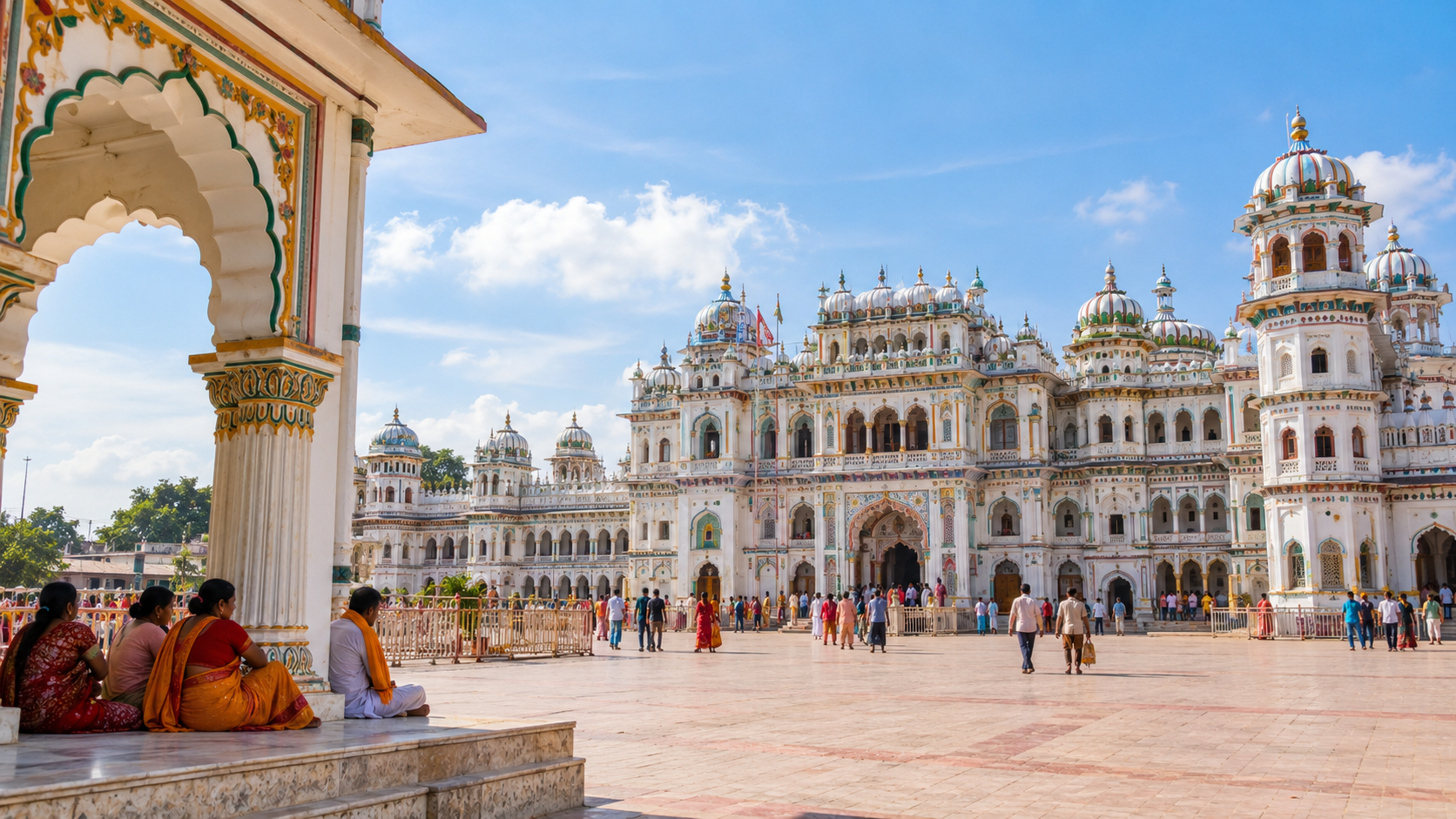
Sitamarhi Janakpur Tour from Darbhanga. Package details, itinerary and pricing can be completed in the CRM.
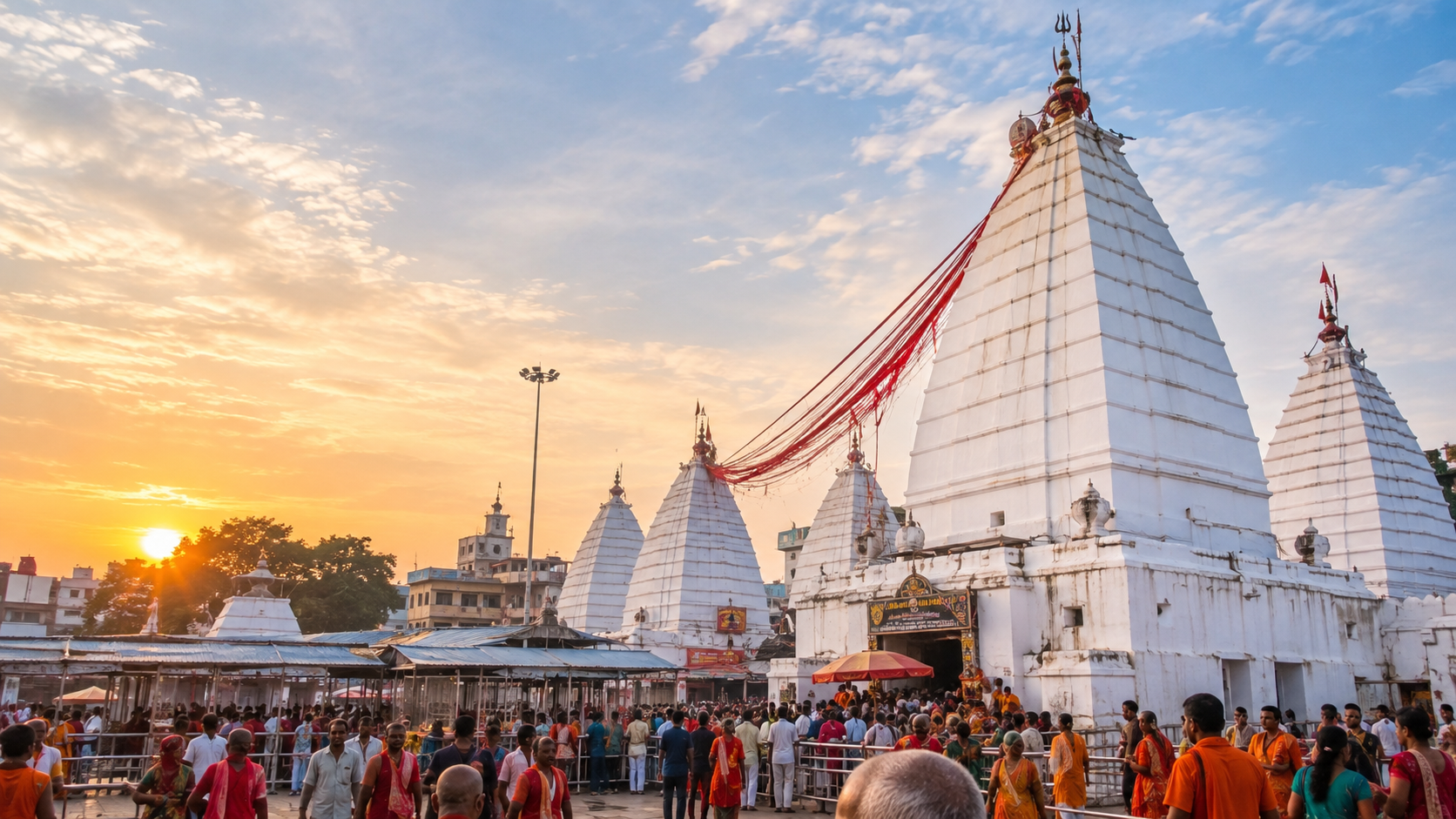
Deoghar Basukinath Tour from Deoghar. Package details, itinerary and pricing can be completed in the CRM.
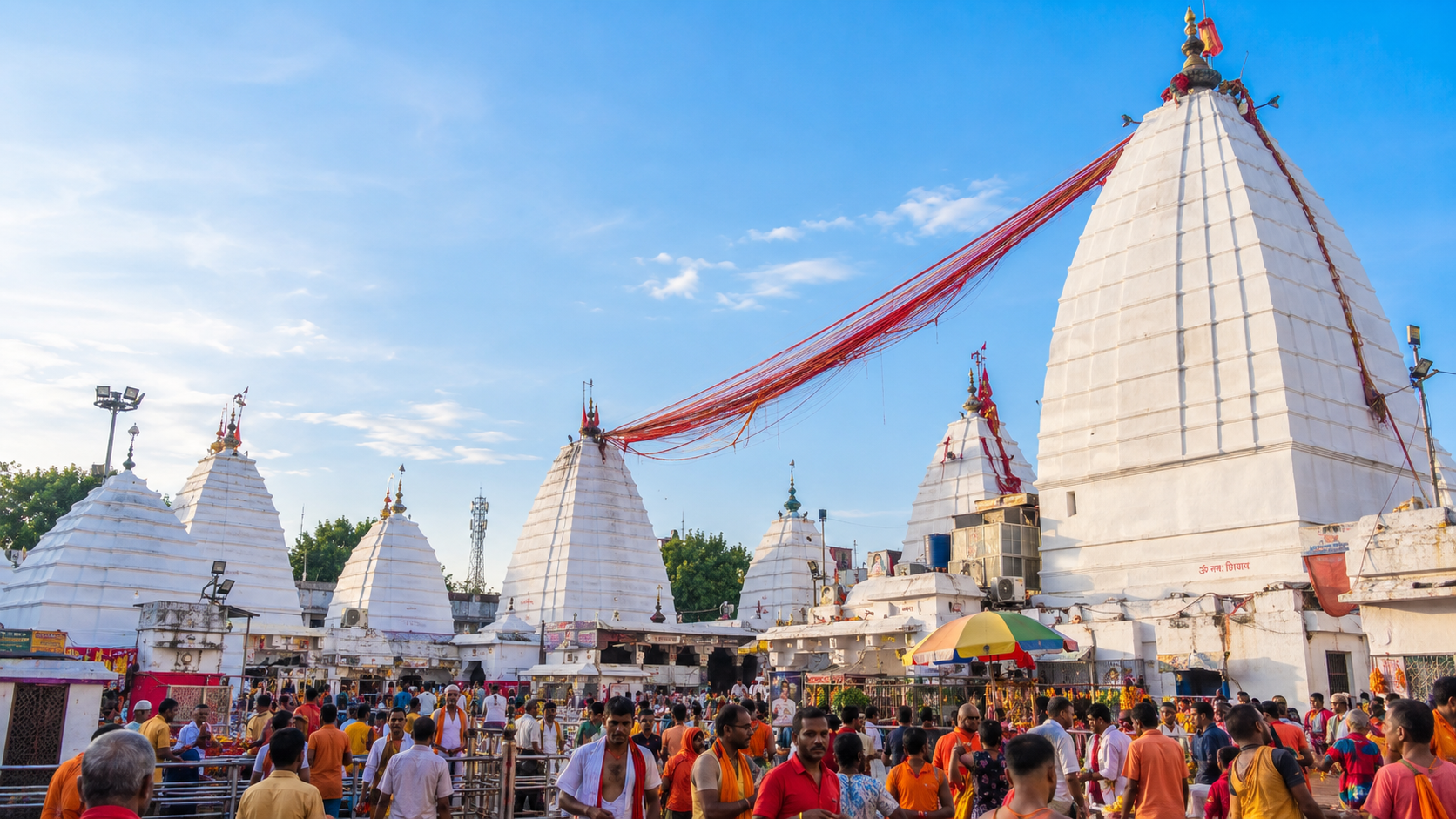
Deoghar Baba Dham Tour from Deoghar. Package details, itinerary and pricing can be completed in the CRM.
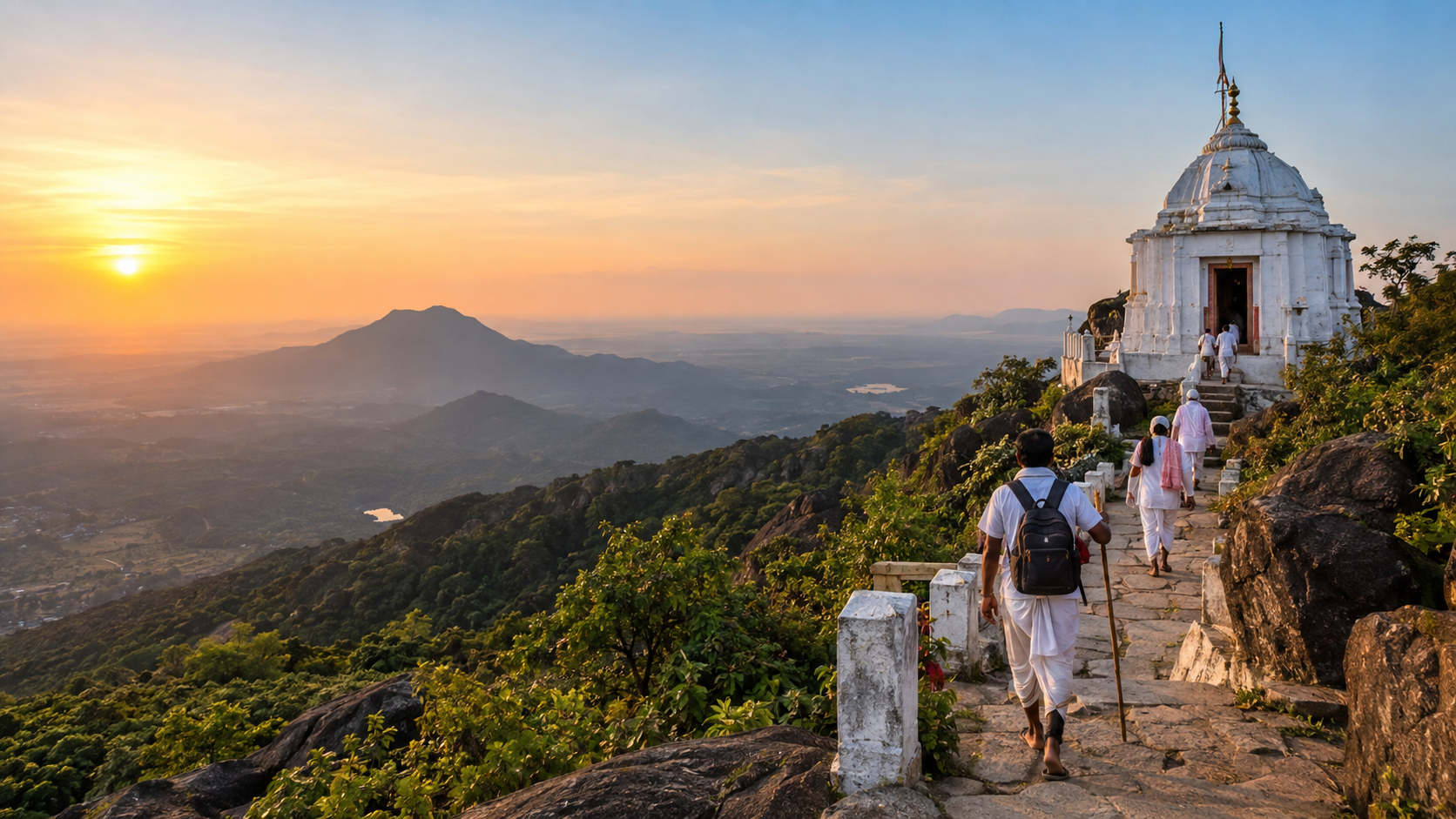
Shikharji Tour from Ranchi. Package details, itinerary and pricing can be completed in the CRM.
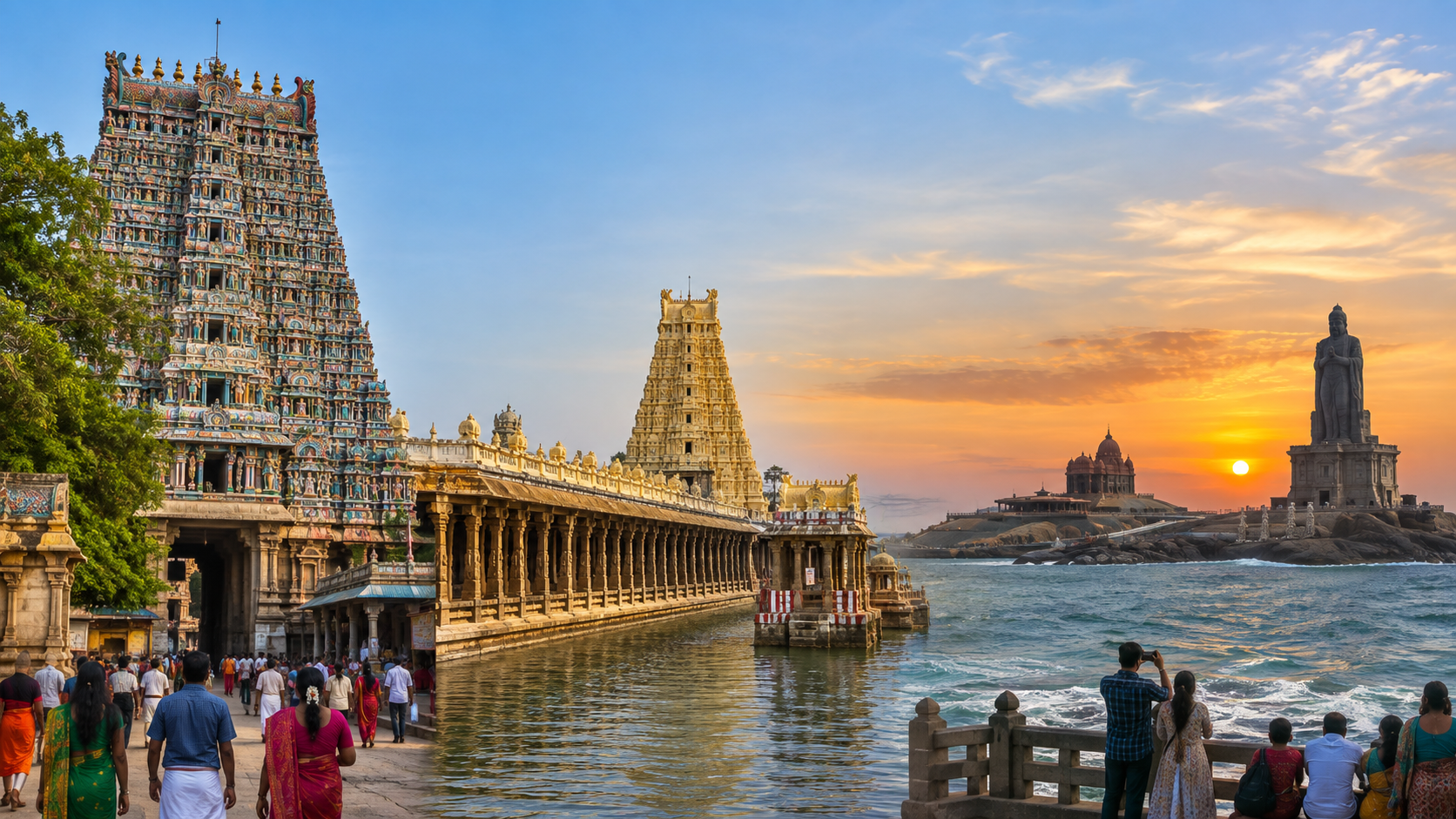
Madurai Rameswaram Kanyakumari Tour from Madurai. Package details, itinerary and pricing can be completed in the CRM.
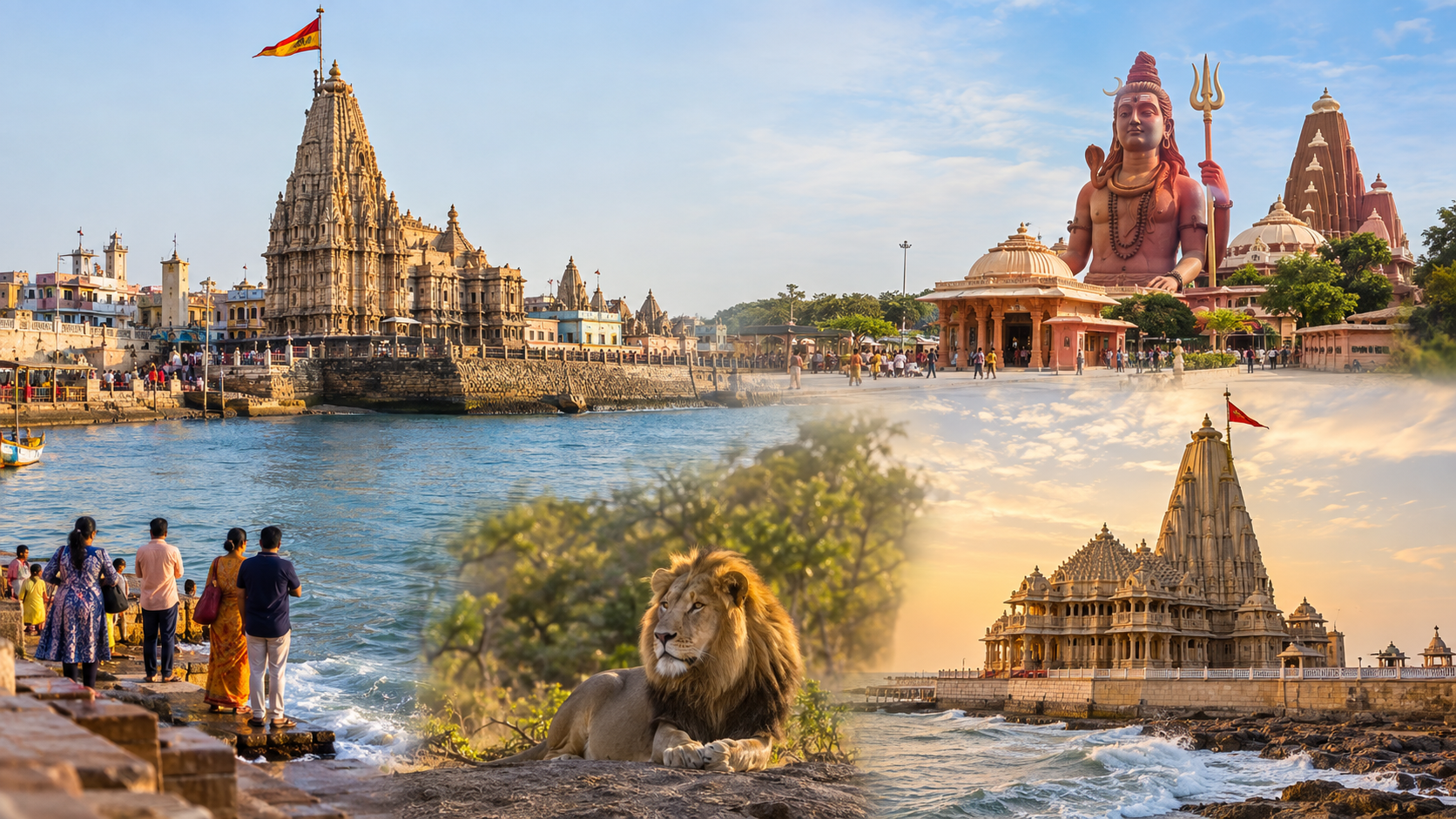
Dwarka Somnath Nageshwar Gir Tour from Rajkot. Package details, itinerary and pricing can be completed in the CRM.
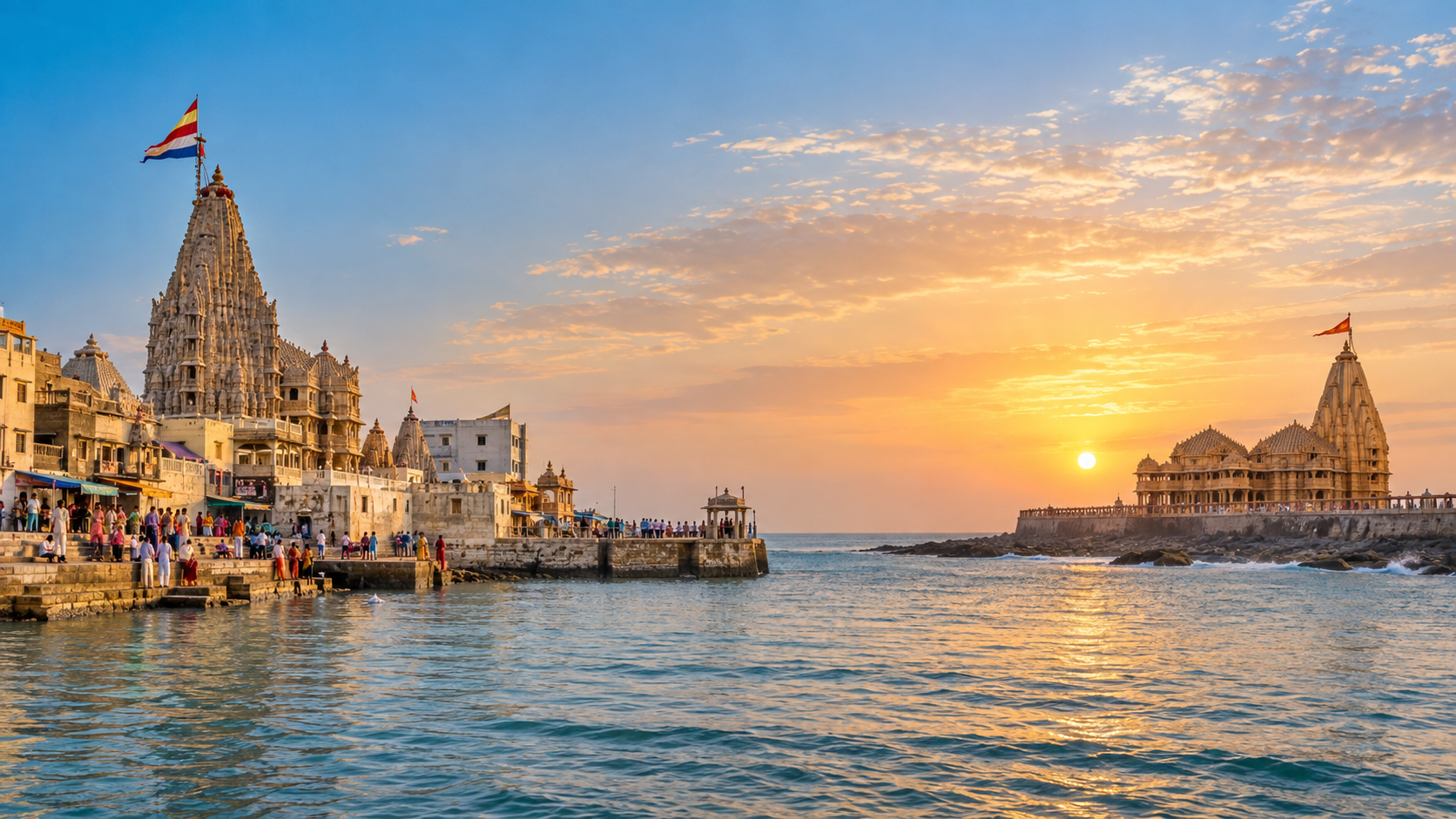
Dwarka Somnath Tour from Rajkot. Package details, itinerary and pricing can be completed in the CRM.
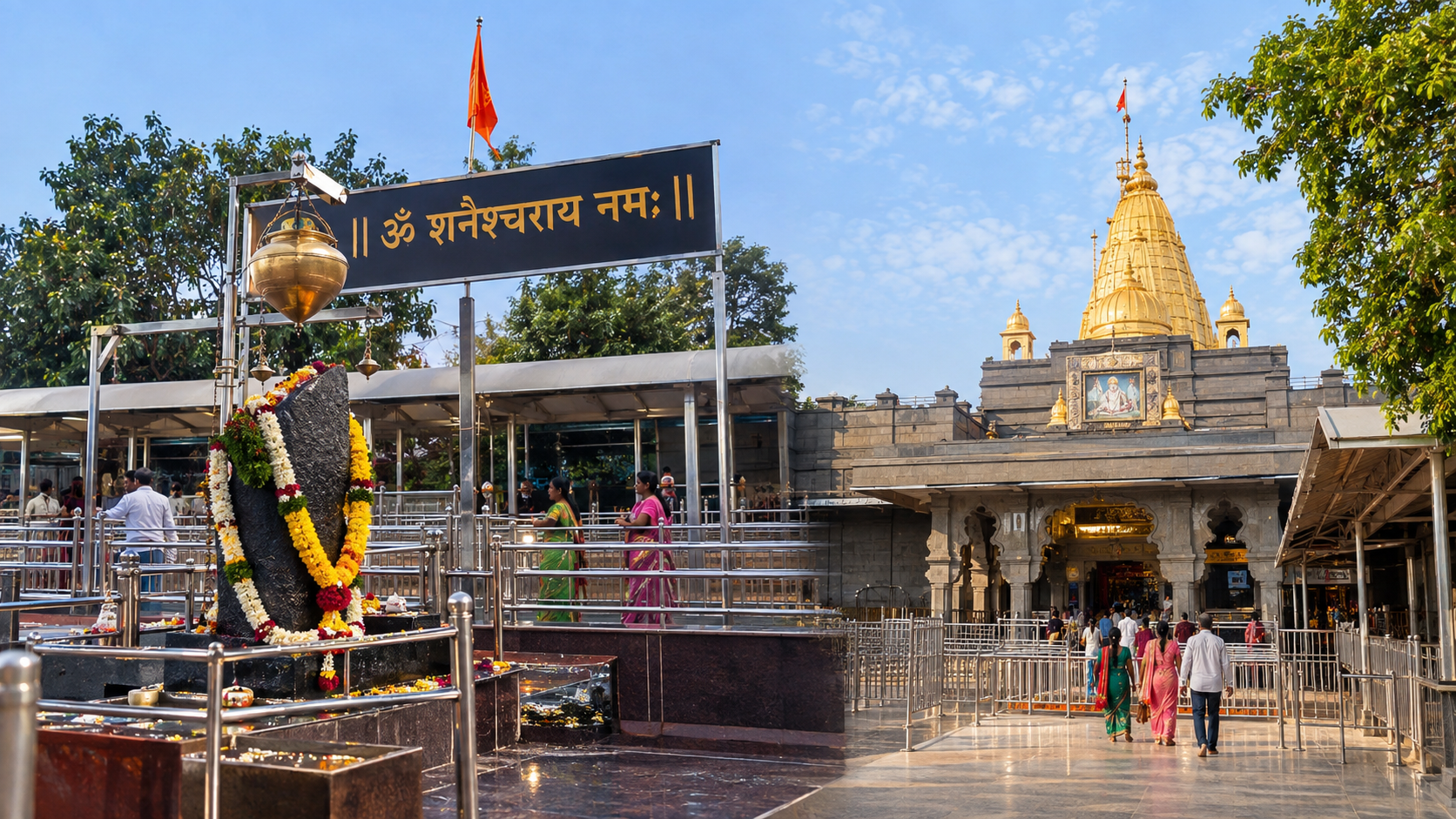
Shirdi Shani Shingnapur Tour from Shirdi. Package details, itinerary and pricing can be completed in the CRM.
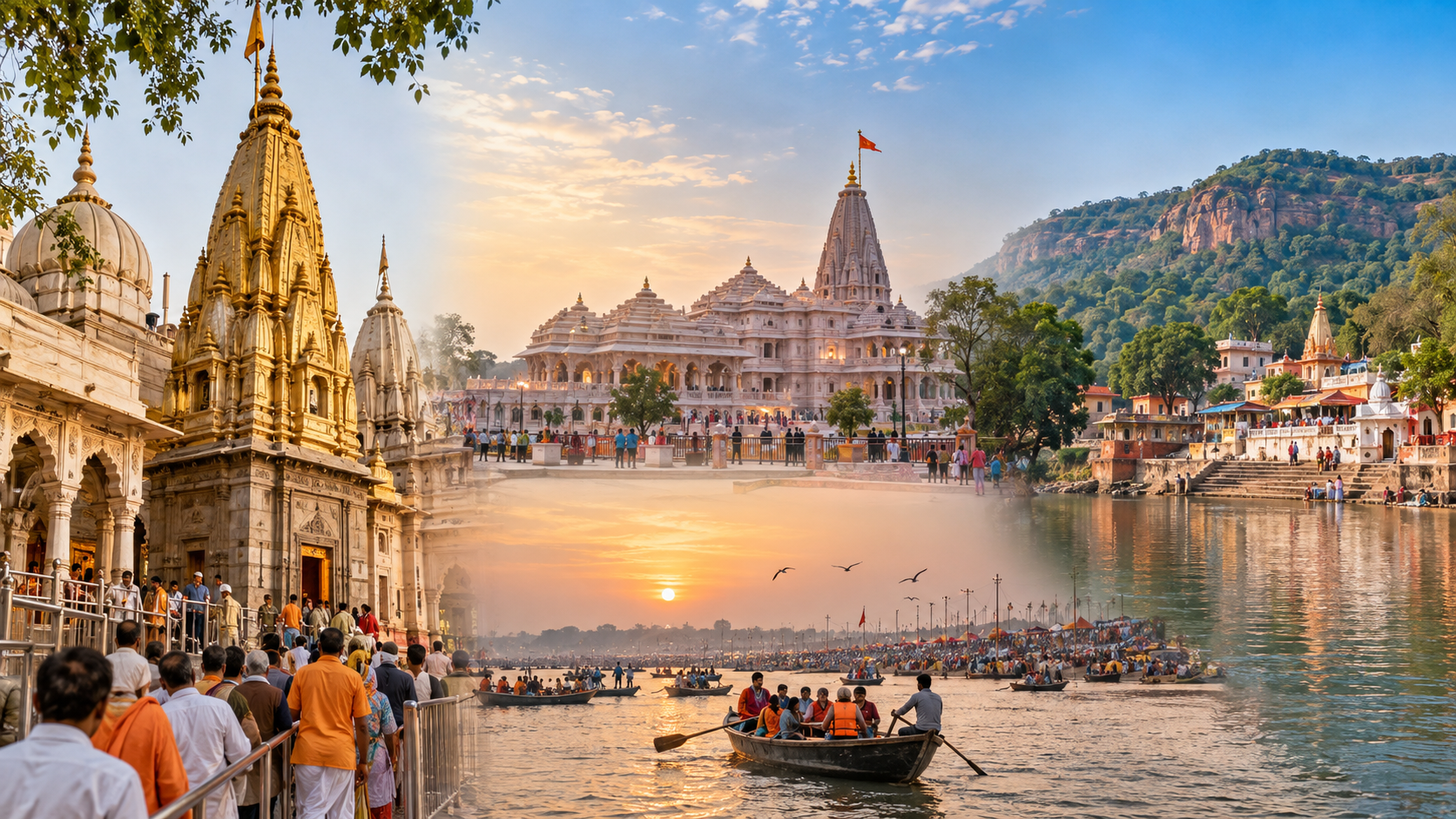
Varanasi Ayodhya Prayagraj Chitrakoot Tour from Varanasi. Package details, itinerary and pricing can be completed in the CRM.
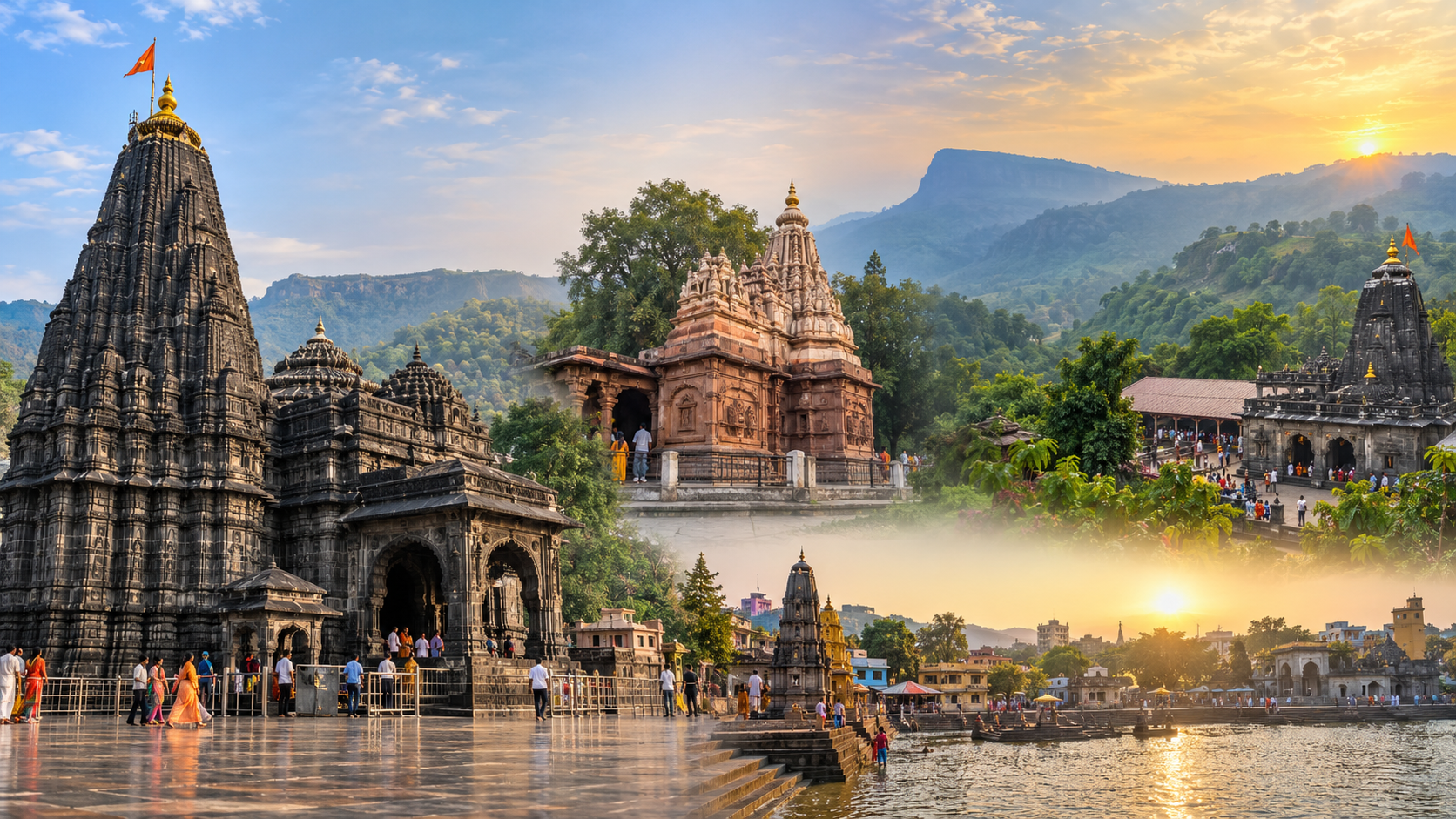
Maharashtra Jyotirlinga Tour from Nashik. Package details, itinerary and pricing can be completed in the CRM.
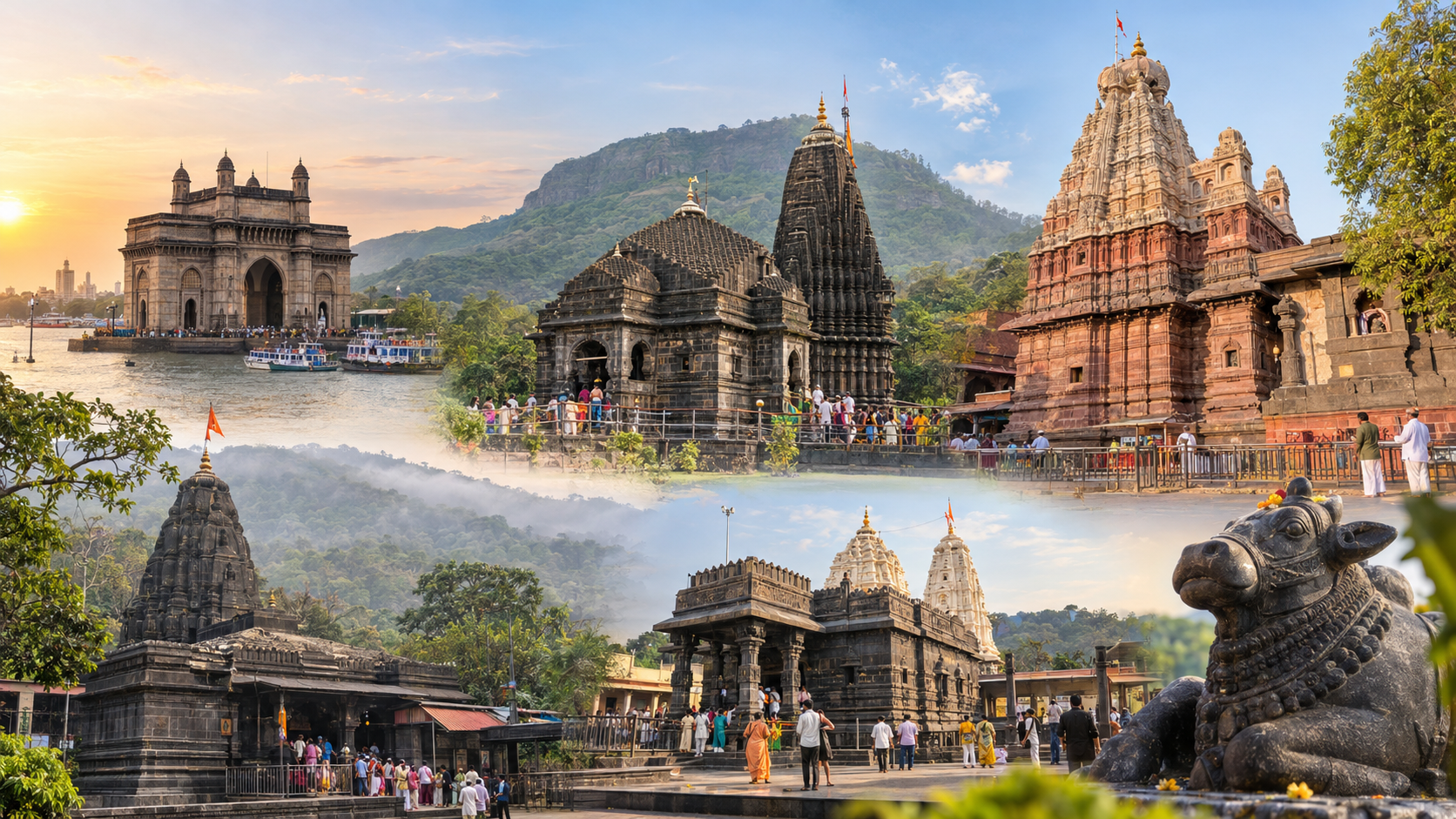
Maharashtra Jyotirlinga Tour from Mumbai. Package details, itinerary and pricing can be completed in the CRM.
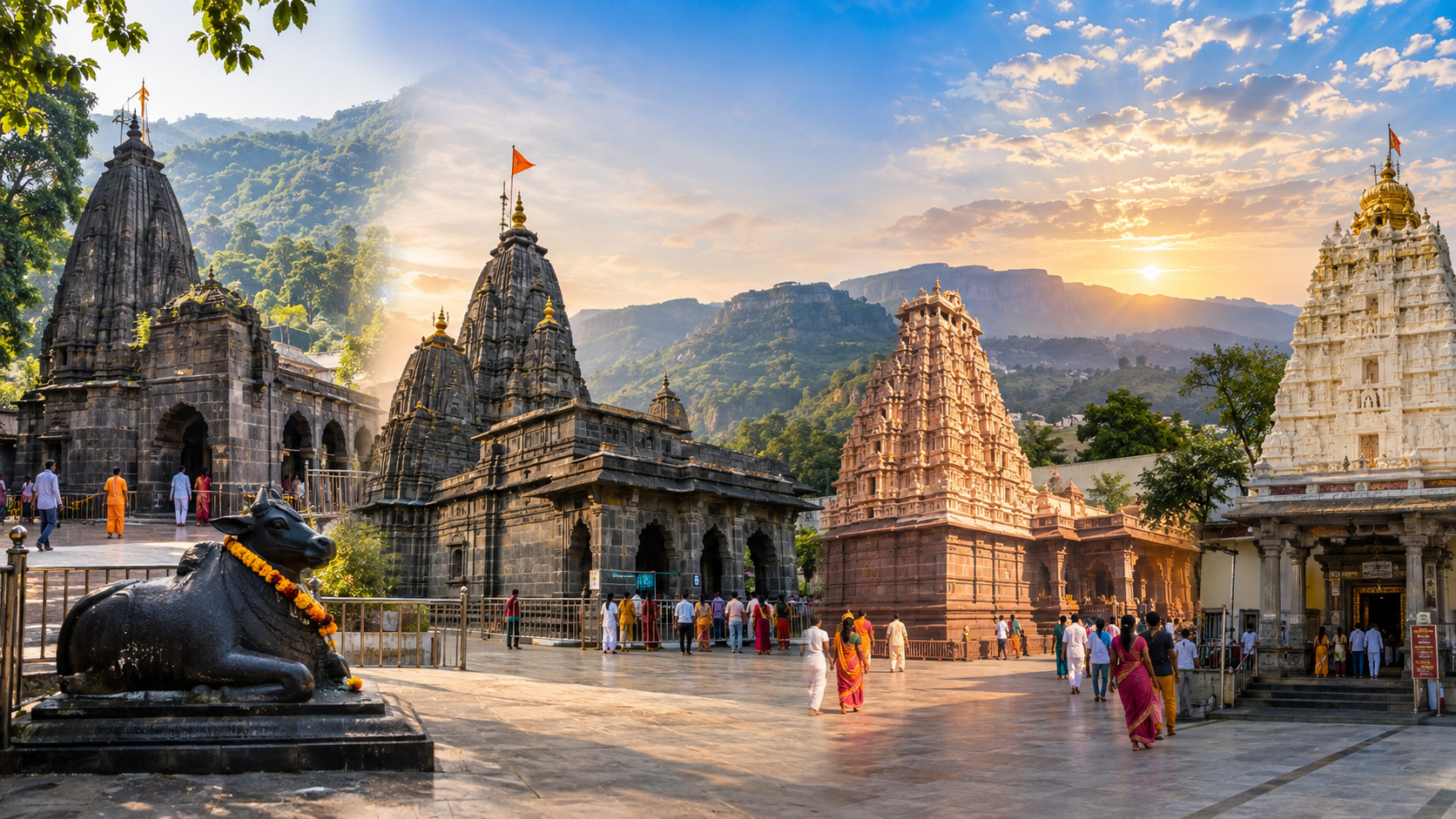
Maharashtra Jyotirlinga Tour from Pune. Package details, itinerary and pricing can be completed in the CRM.
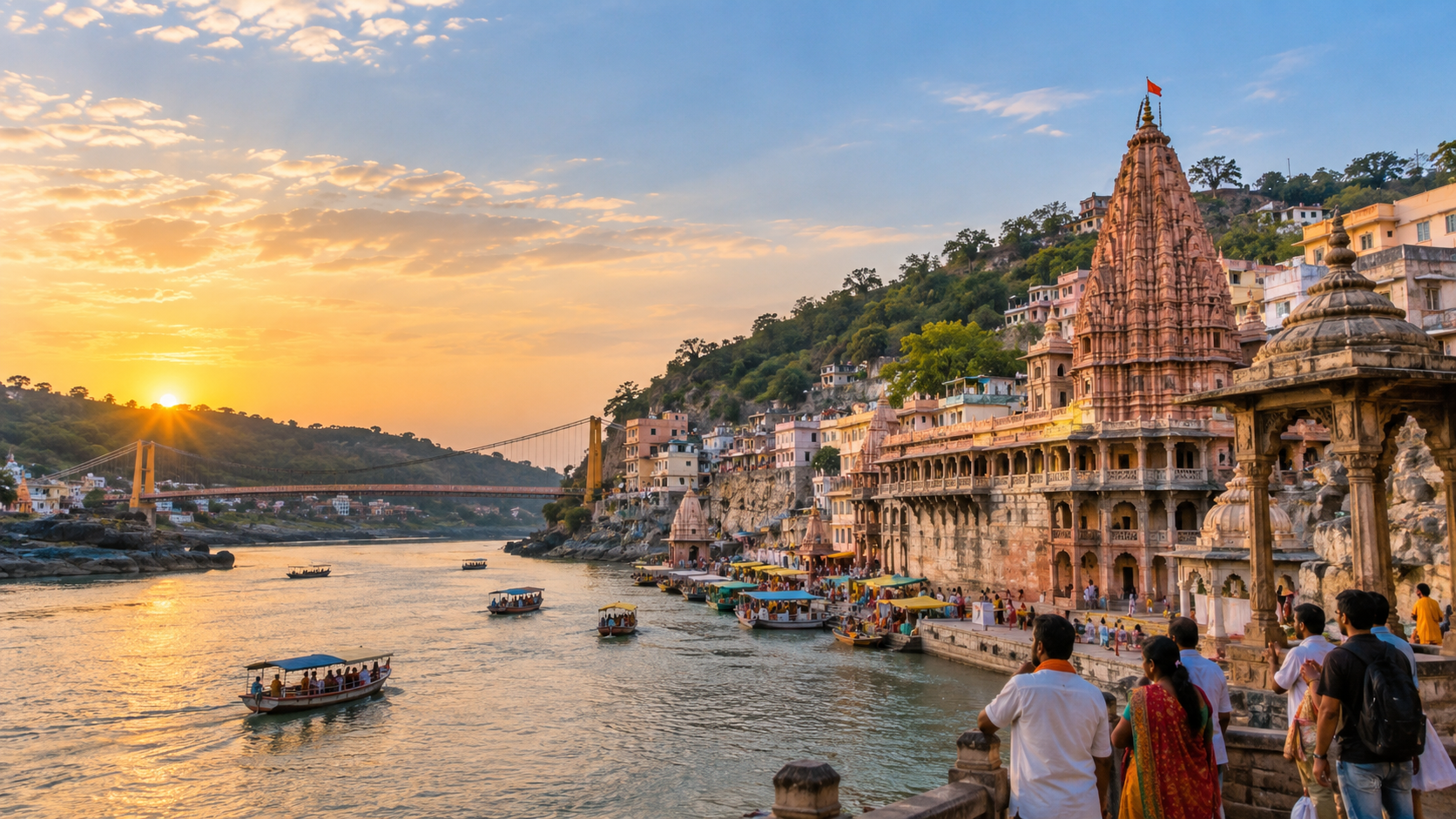
Ujjain Mahakal Omkareshwar Tour from Ujjain. Package details, itinerary and pricing can be completed in the CRM.
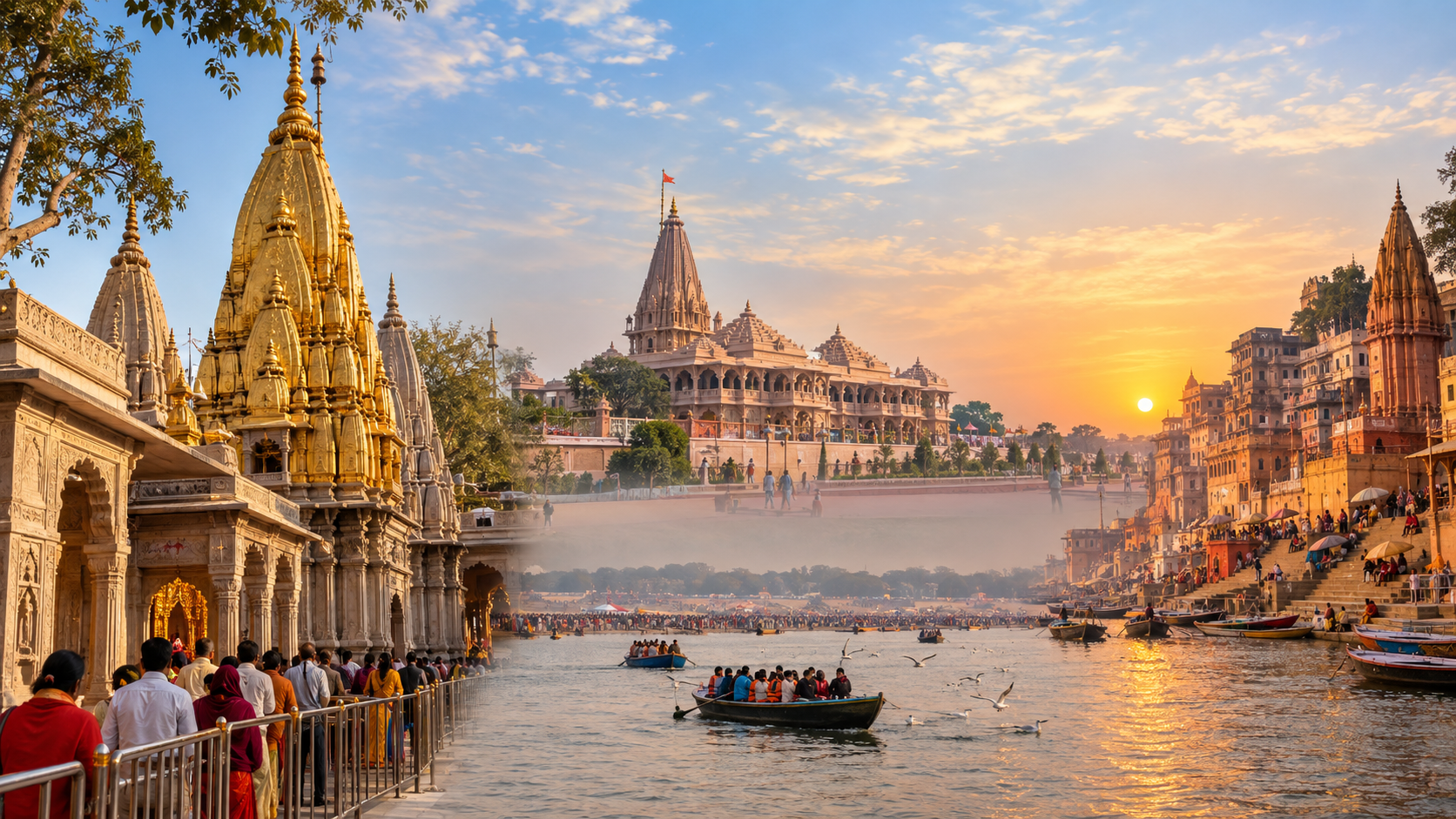
Varanasi Ayodhya Prayagraj Tour from Varanasi. Package details, itinerary and pricing can be completed in the CRM.
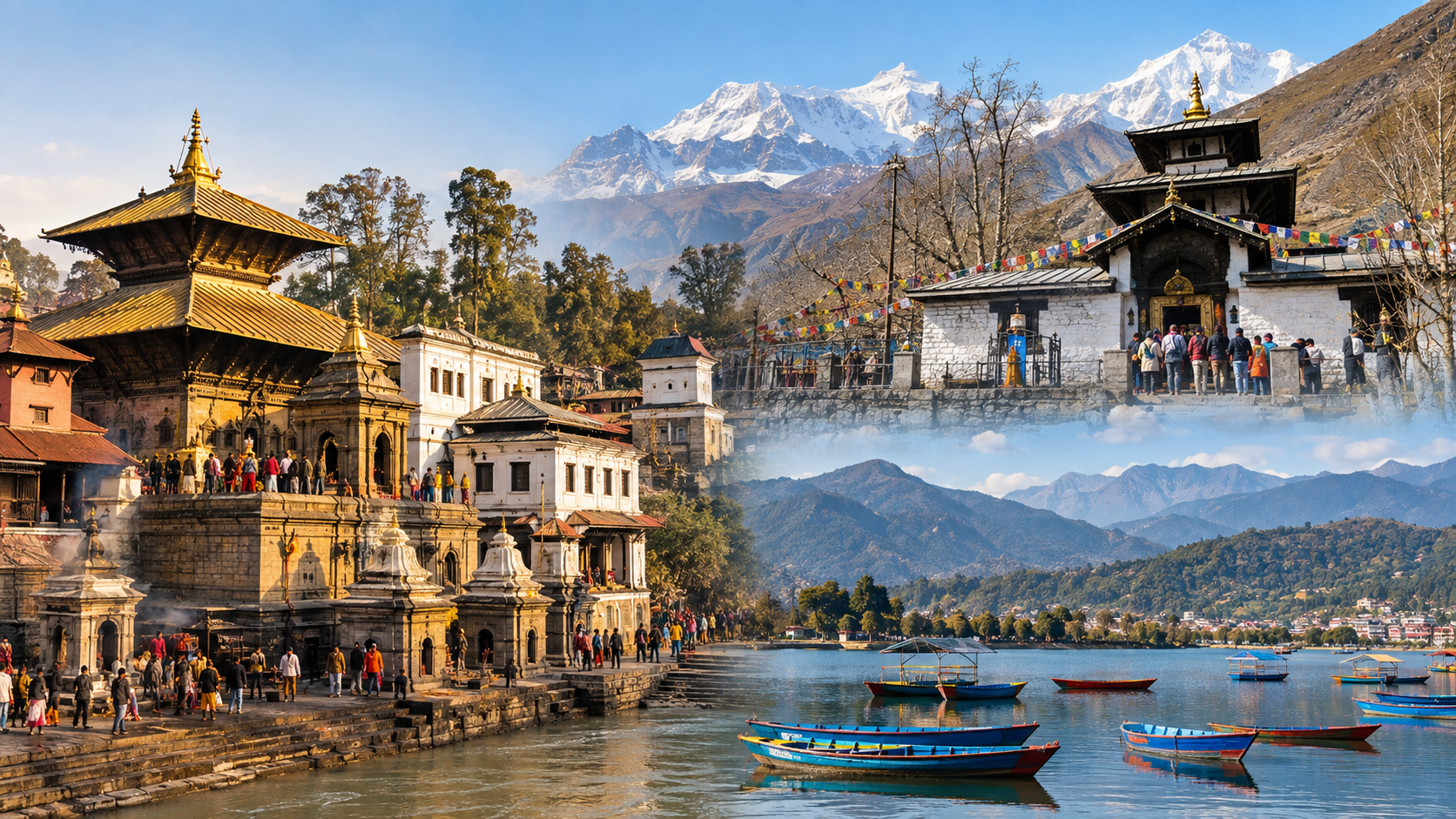
Kathmandu Pashupatinath Muktinath Pokhara Tour from Kathmandu. Package details, itinerary and pricing can be completed in the CRM.
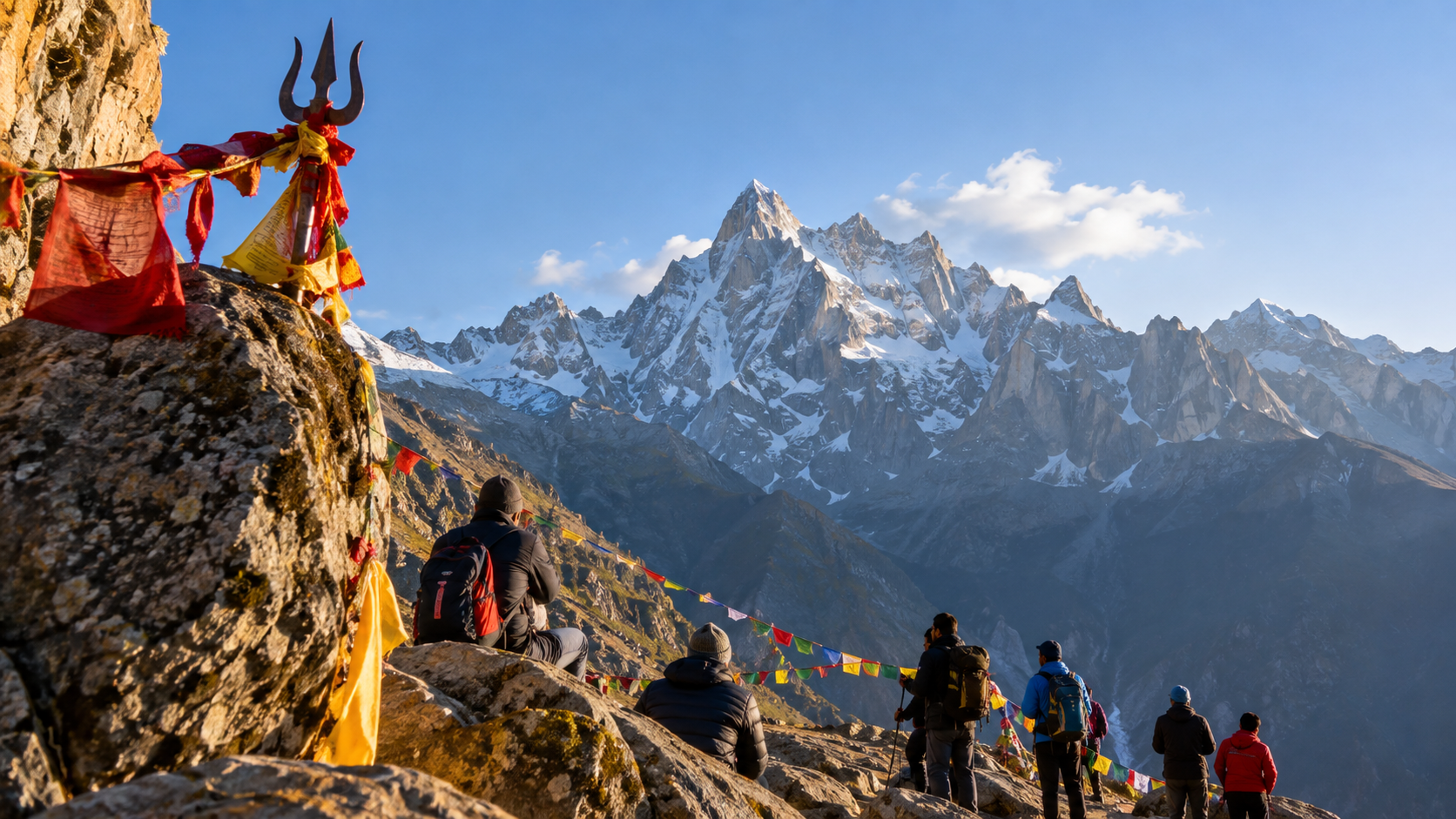
Kinner Kailash Yatra from Chandigarh. Package details, itinerary and pricing can be completed in the CRM.
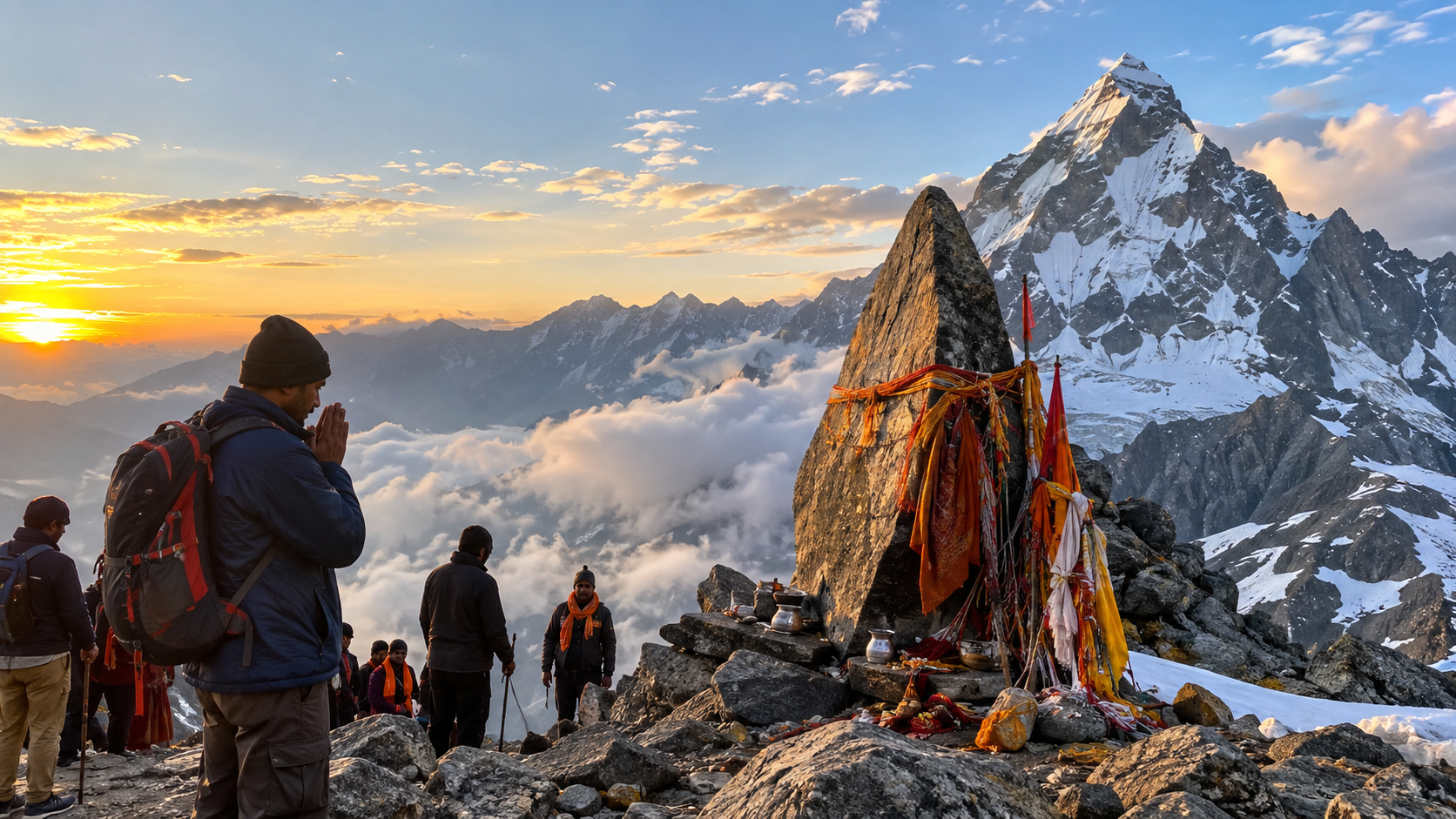
Shrikhand Mahadev Yatra from Chandigarh. Package details, itinerary and pricing can be completed in the CRM.
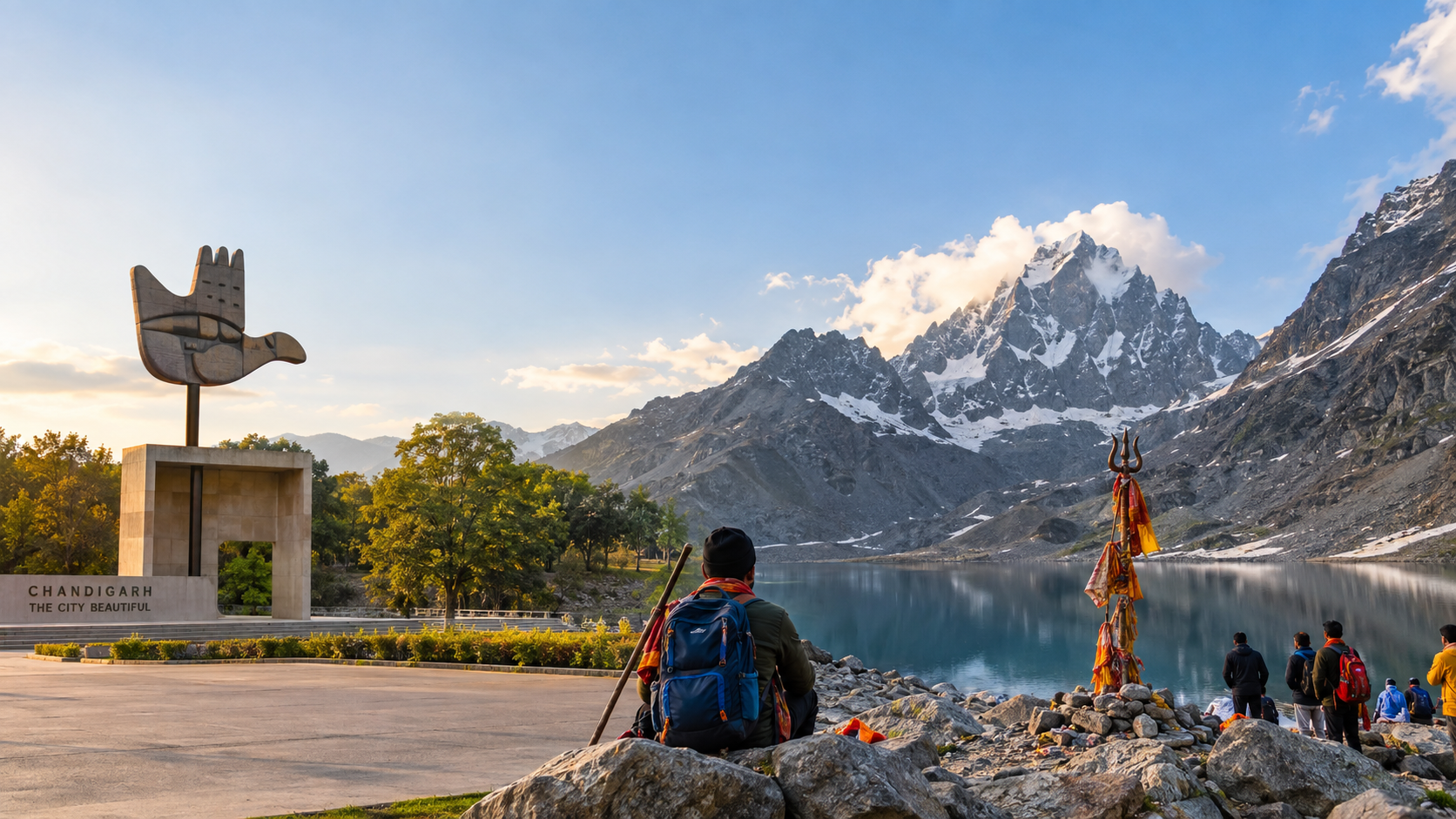
Manimahesh Yatra from Chandigarh. Package details, itinerary and pricing can be completed in the CRM.
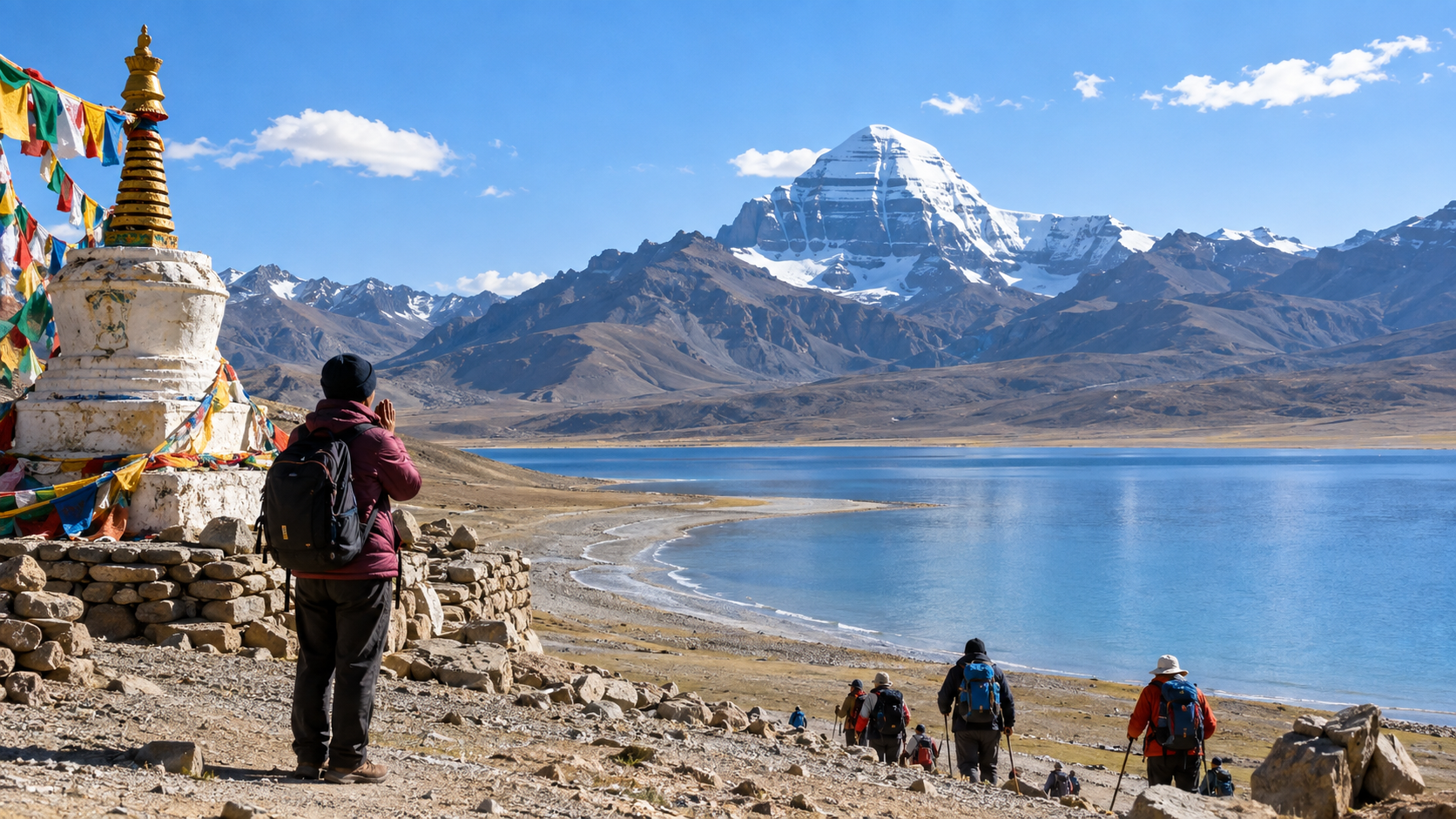
Kailash Mansarovar Yatra by Road from Kathmandu. Package details, itinerary and pricing can be completed in the CRM.
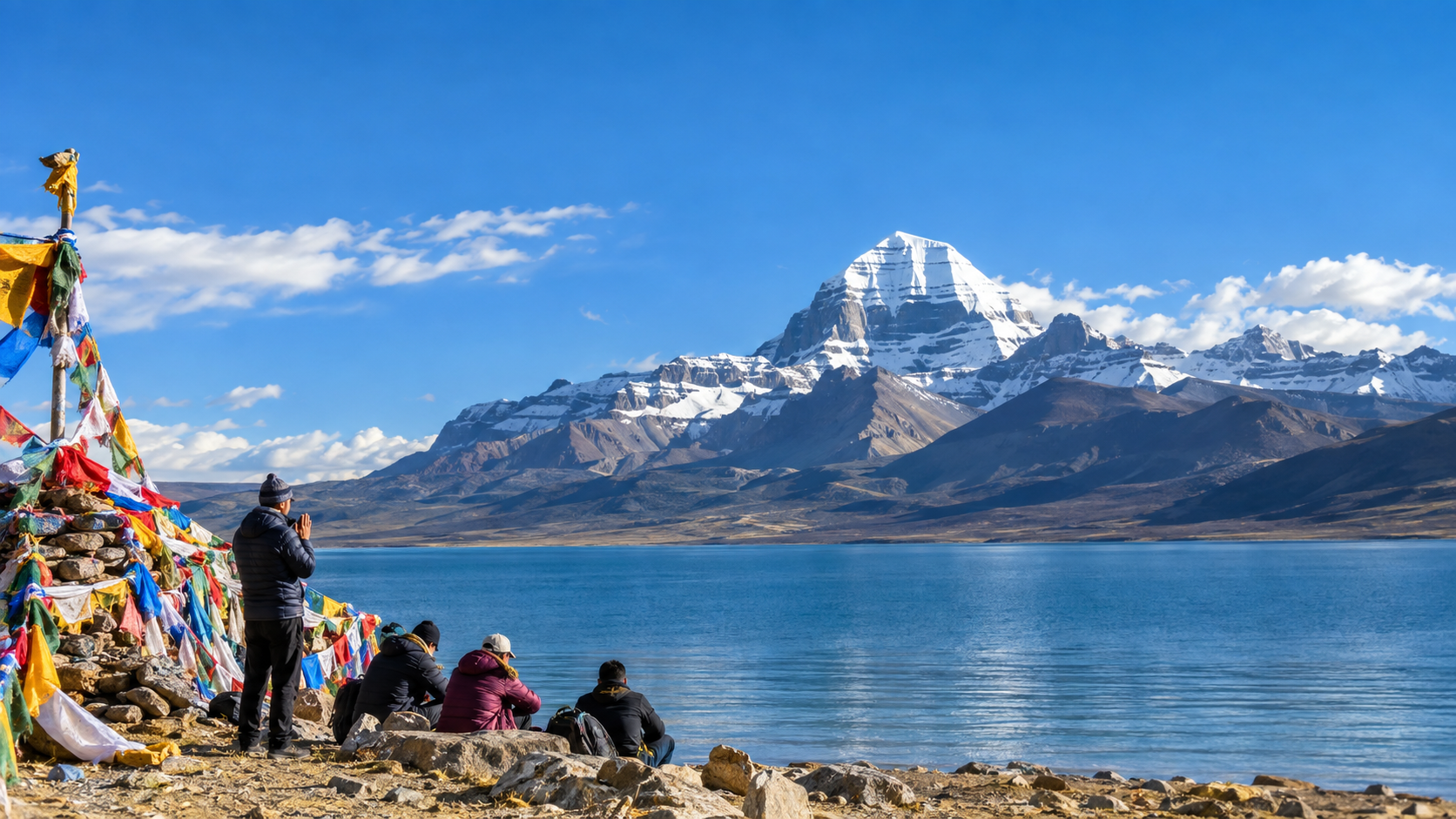
Kailash Mansarovar Yatra by Helicopter from Kathmandu. Package details, itinerary and pricing can be completed in the CRM.
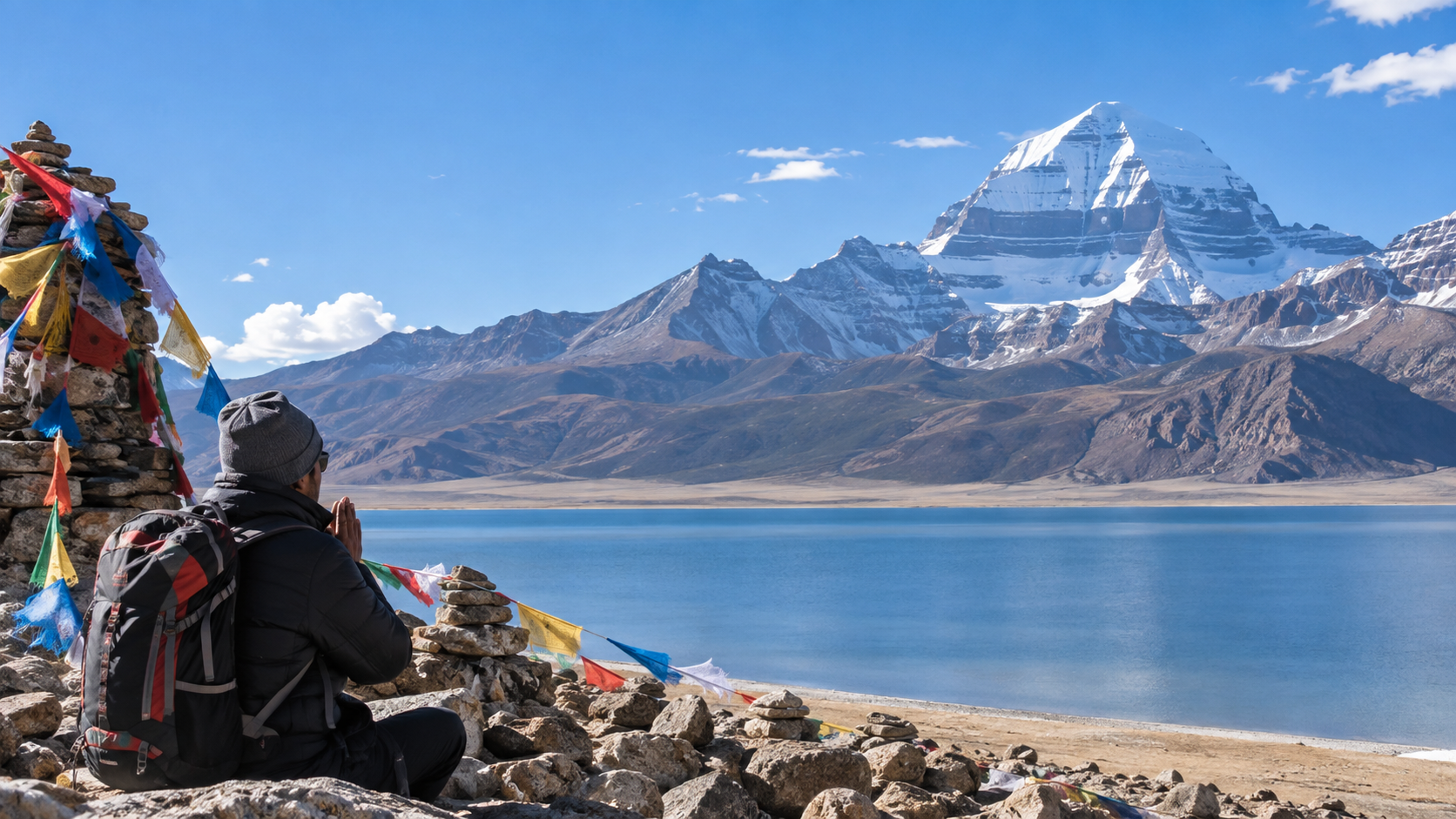
Kailash Mansarovar Yatra by Helicopter from Lucknow. Package details, itinerary and pricing can be completed in the CRM.
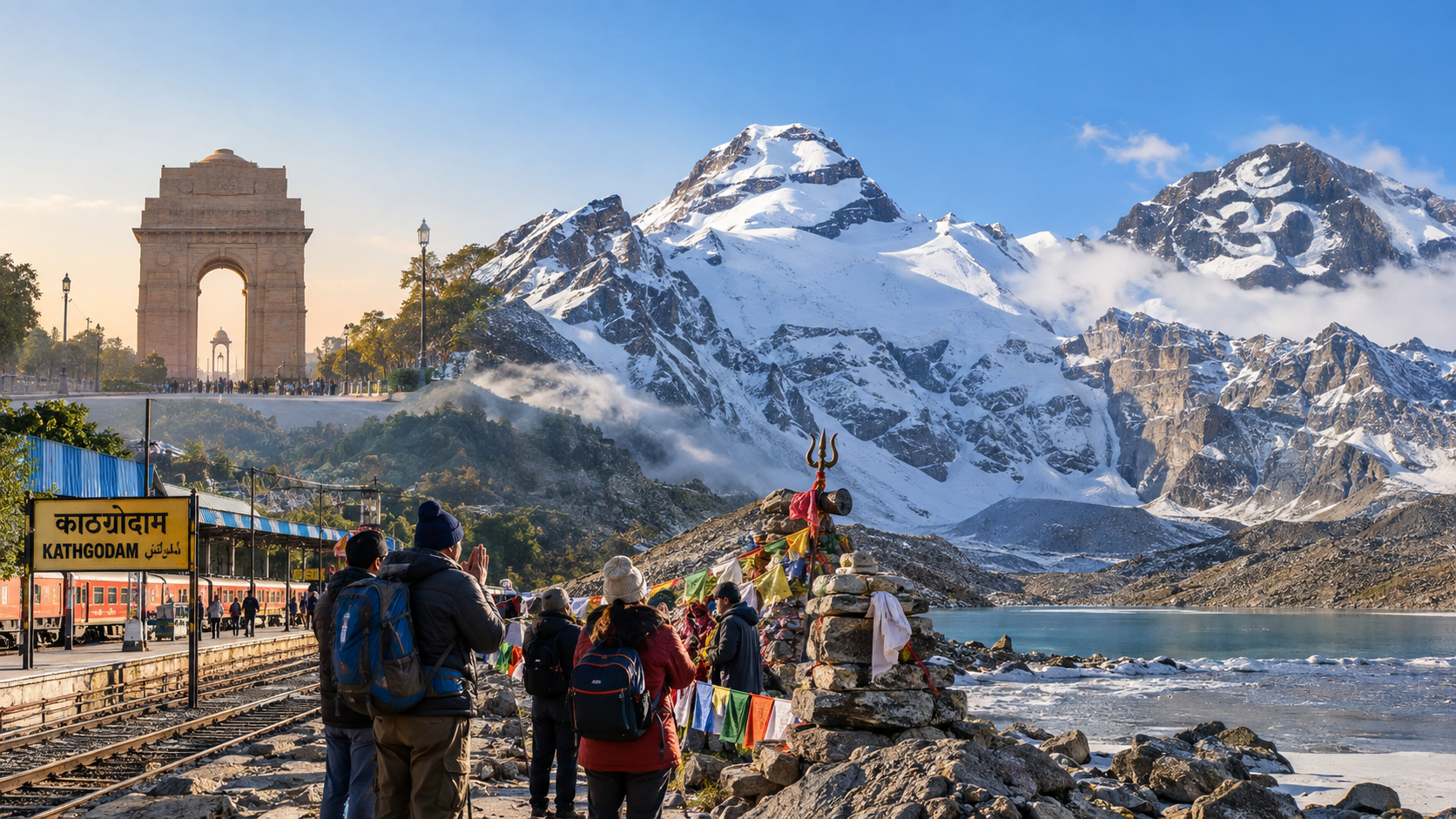
Adi Kailash Om Parvat Yatra from Delhi. Package details, itinerary and pricing can be completed in the CRM.
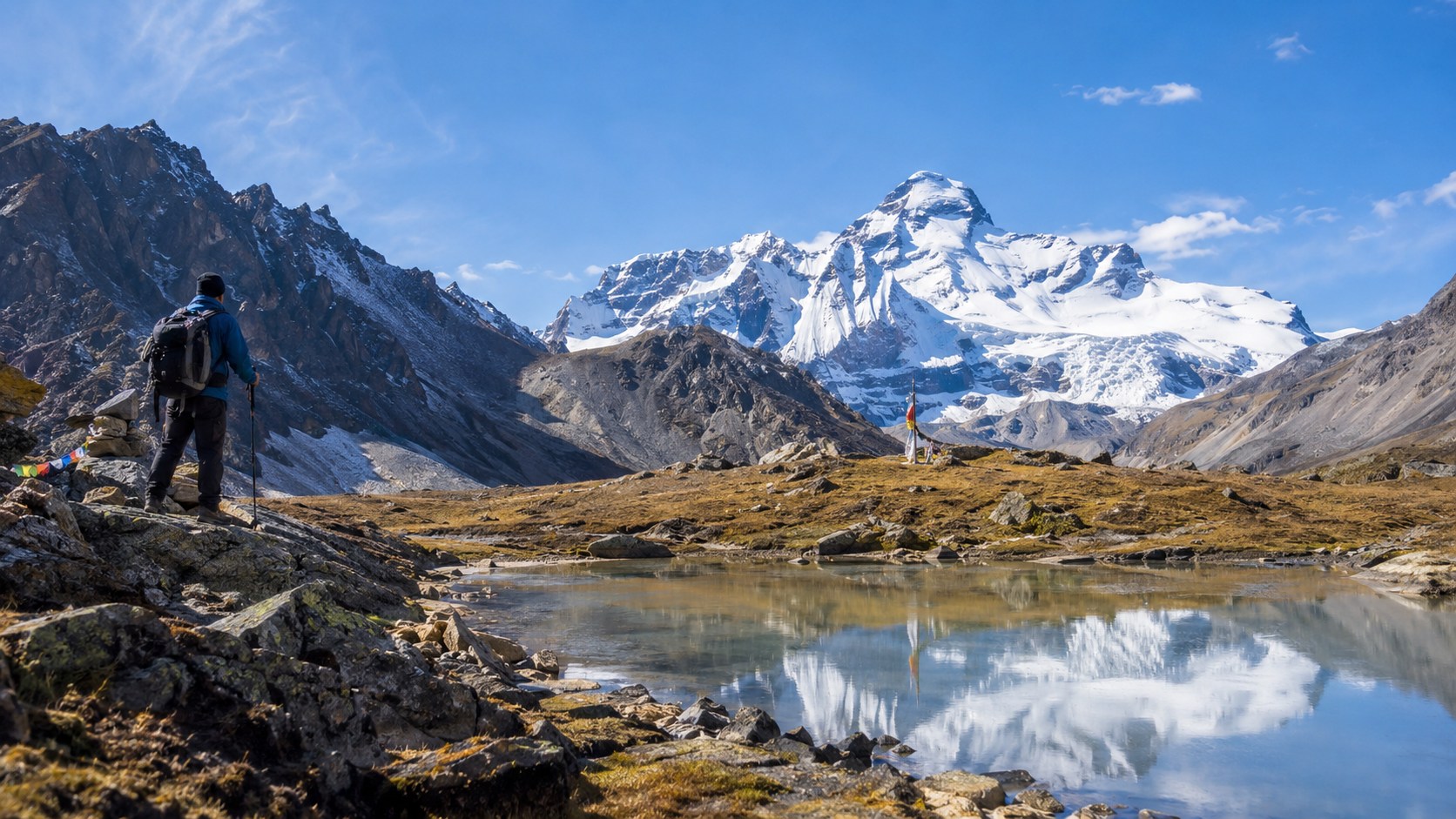
Adi Kailash Om Parvat Yatra from Kathgodam. Package details, itinerary and pricing can be completed in the CRM.
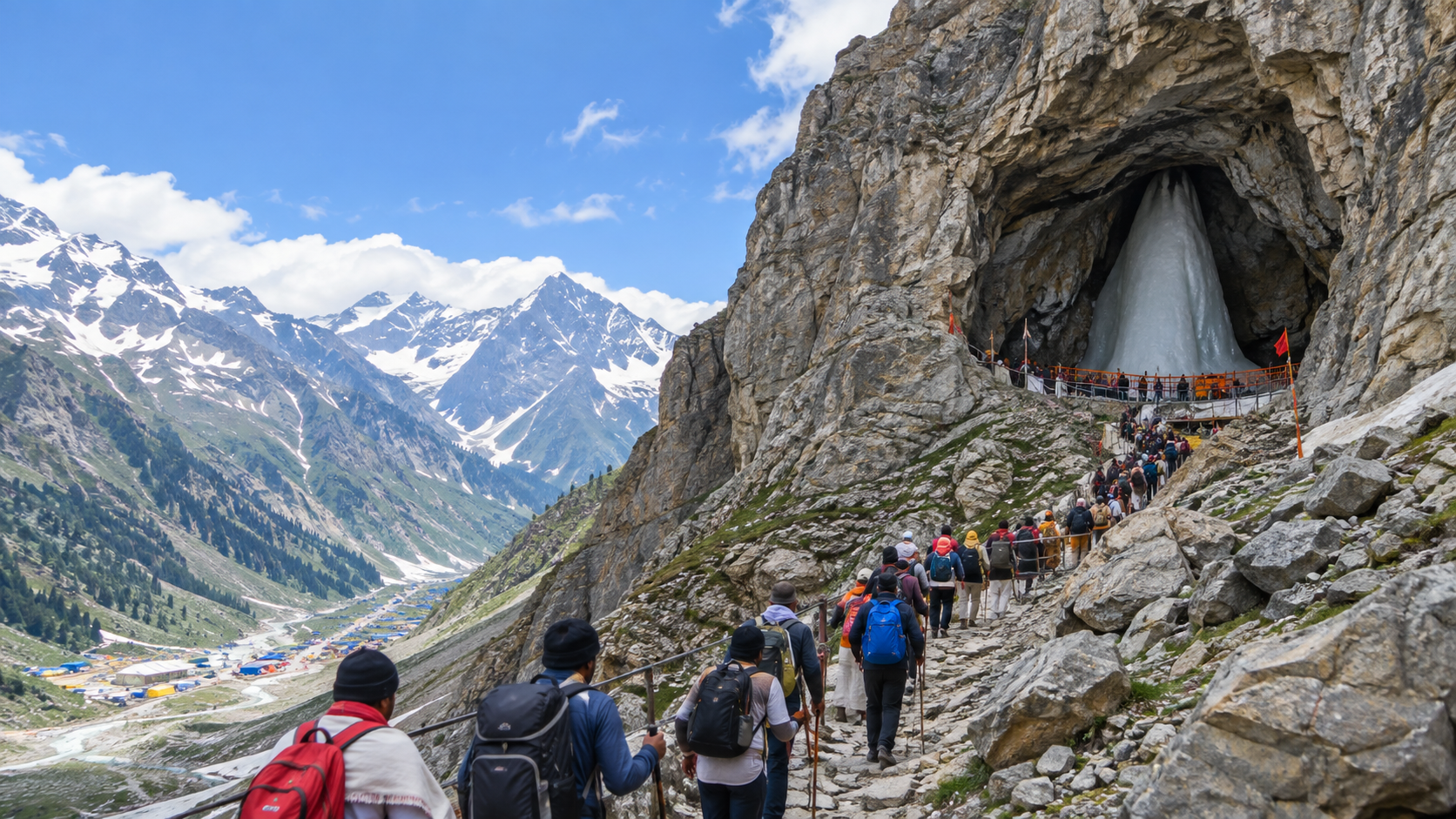
Amarnath Yatra from Srinagar. Package details, itinerary and pricing can be completed in the CRM.
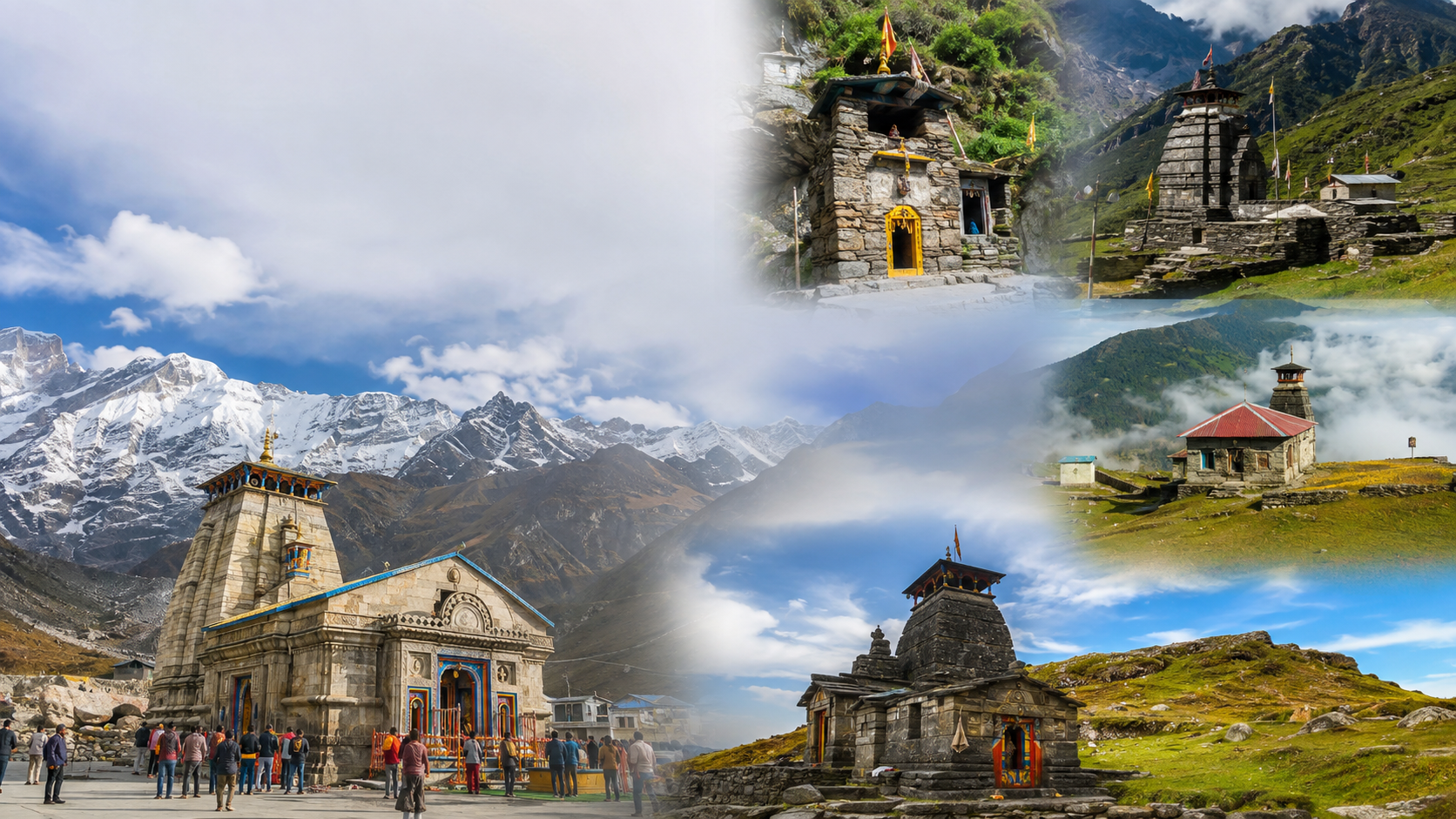
Panch Kedar Yatra from Delhi is a demanding and deeply rewarding pilgrimage through five revered Shiva temples in the Garhwal Himalayas: Kedarnath, Tungnath, Rudranath, Madhyamaheshwar and Kalpeshwar. This 12 Days / 11 Nights pilgrimage is designed for devotees who want to experience the complete Panch Kedar circuit rather than visit only one or two shrines. The journey combines mountain roads, high-altitude walking and time for darshan at some of Uttarakhand’s most significant Shiva temples. Because several shrines involve substantial trekking and seasonal access, careful planning is essential. Trip to Yatra helps travellers plan the pilgrimage around the temple season, travel conditions an
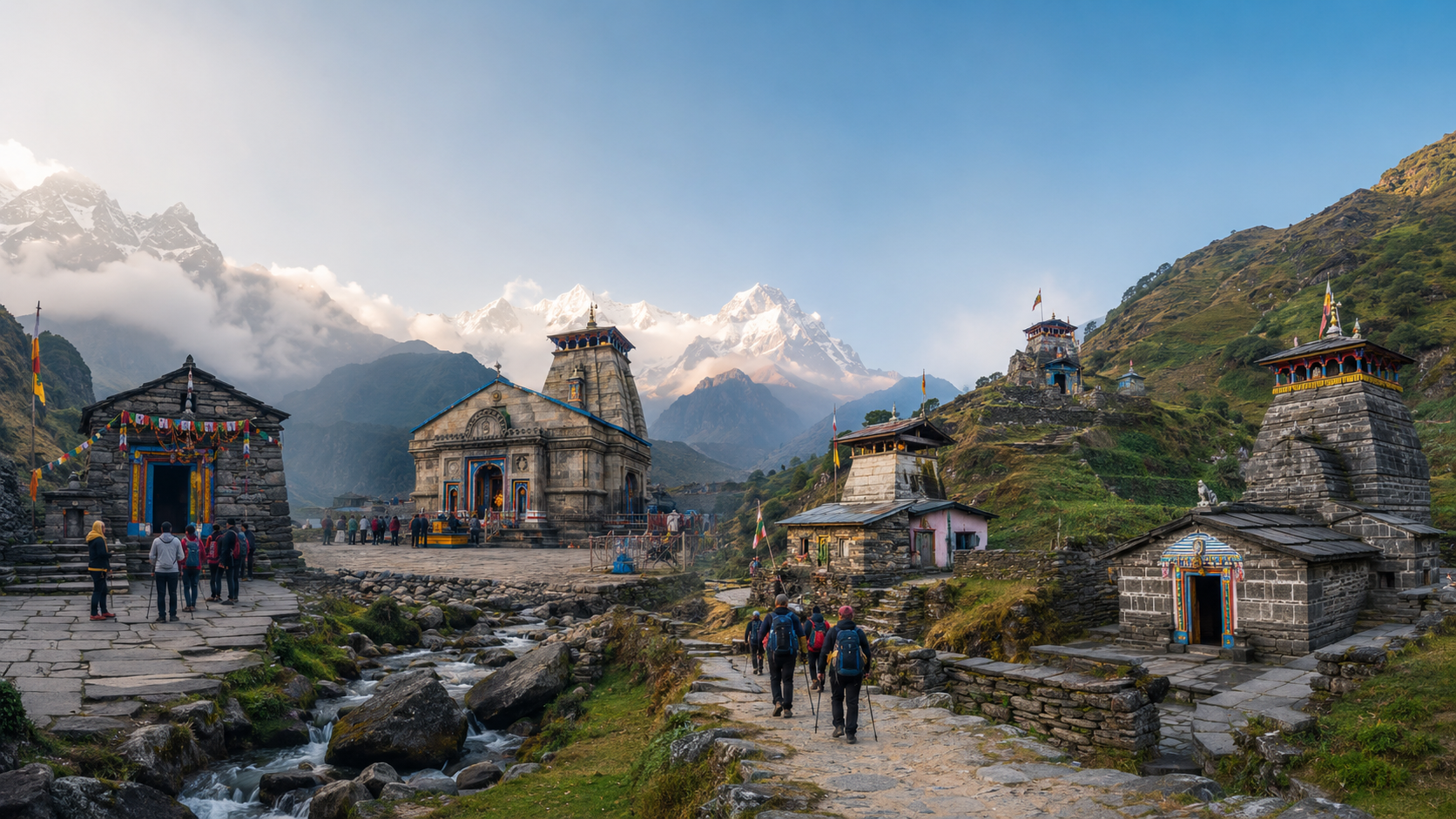
Panch Kedar Yatra from Dehradun is an immersive Shiva pilgrimage covering all five revered Panch Kedar shrines of Uttarakhand: Kedarnath, Tungnath, Rudranath, Madhyamaheshwar and Kalpeshwar. Designed as an 11 Days / 10 Nights pilgrimage experience, the journey combines temple visits with demanding Himalayan treks, mountain landscapes and quiet village settings. Unlike a conventional temple tour, Panch Kedar requires preparation for high-altitude walking, changing weather and seasonal temple access. Trip to Yatra helps travellers plan the pilgrimage around practical travel requirements, accommodation preferences and the operating season, with a focus on a comfortable and well-organised journe
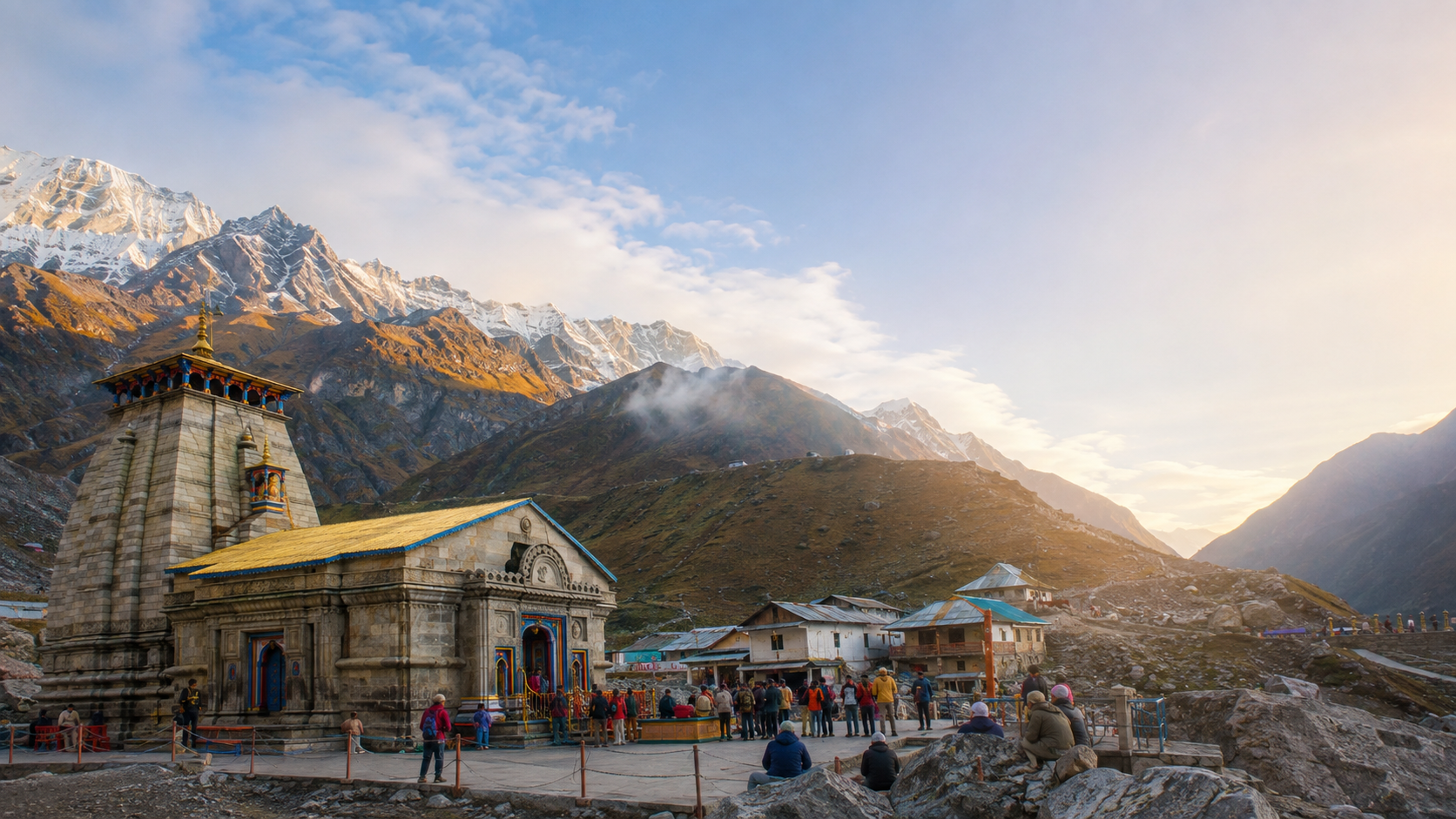
The Kedarnath Tungnath Package from Delhi is a 7-day / 6-night pilgrimage journey covering two of Uttarakhand’s most revered Shiva temples. Starting and ending in Delhi, the tour combines the spiritual significance of Kedarnath with the high-altitude mountain setting of Tungnath near Chopta. Kedarnath Temple is one of the prominent Panch Kedar shrines, while Tungnath is recognised by Uttarakhand Tourism as one of the highest Shiva temples in the world. The journey involves mountain travel and trekking, so it is best suited to travellers who are comfortable with an active Himalayan pilgrimage. Enquire with Trip to Yatra for current travel planning and availability.
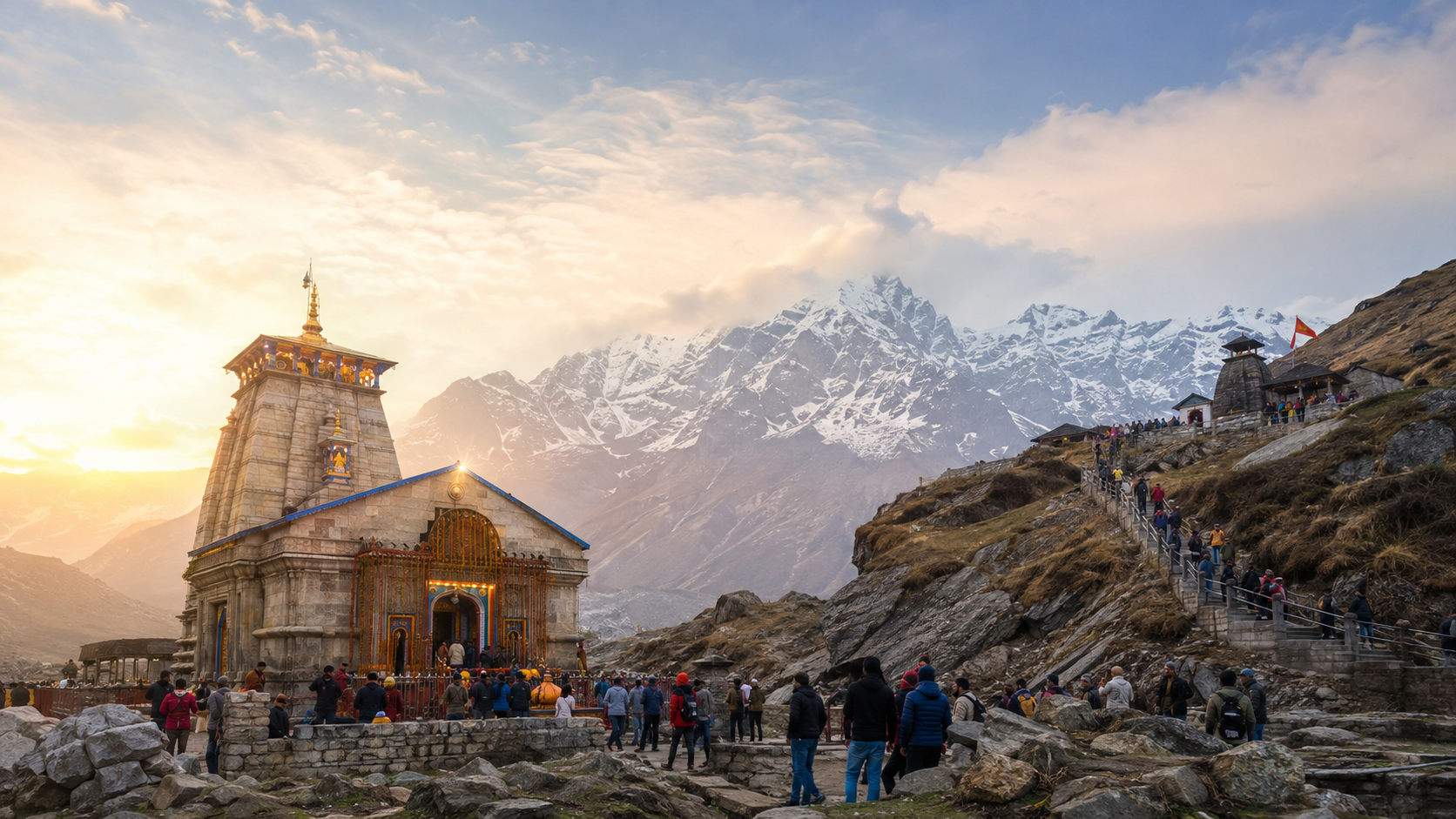
Plan a focused Himalayan pilgrimage with the Kedarnath Tungnath package from Haridwar, combining two revered Shiva temples in Uttarakhand. This 5-day / 4-night journey is designed for travellers who want to visit Kedarnath Temple and Tungnath Temple without committing to a longer Char Dham circuit. Kedarnath, one of the most important Shiva pilgrimage sites in India, lies high in the Garhwal Himalayas and requires a trek from Gaurikund. Tungnath, one of the Panch Kedar shrines, is reached by trekking from Chopta. With Haridwar as both the starting and ending point, the package offers a practical pilgrimage-focused travel plan with time for mountain travel, temple visits and rest.
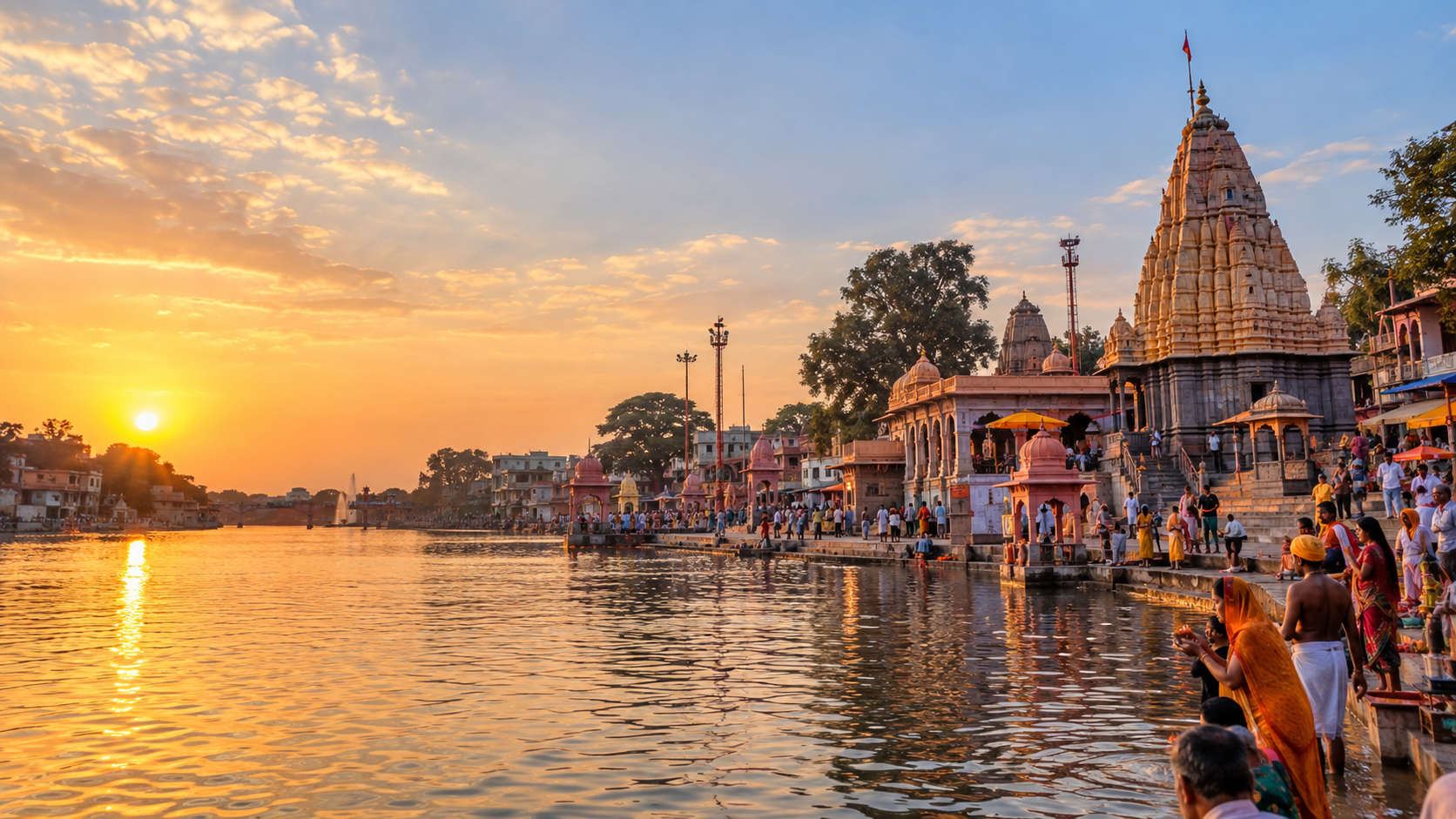
Ujjain Kumbh Mela from Ujjain. Package details, itinerary and pricing can be completed in the CRM.
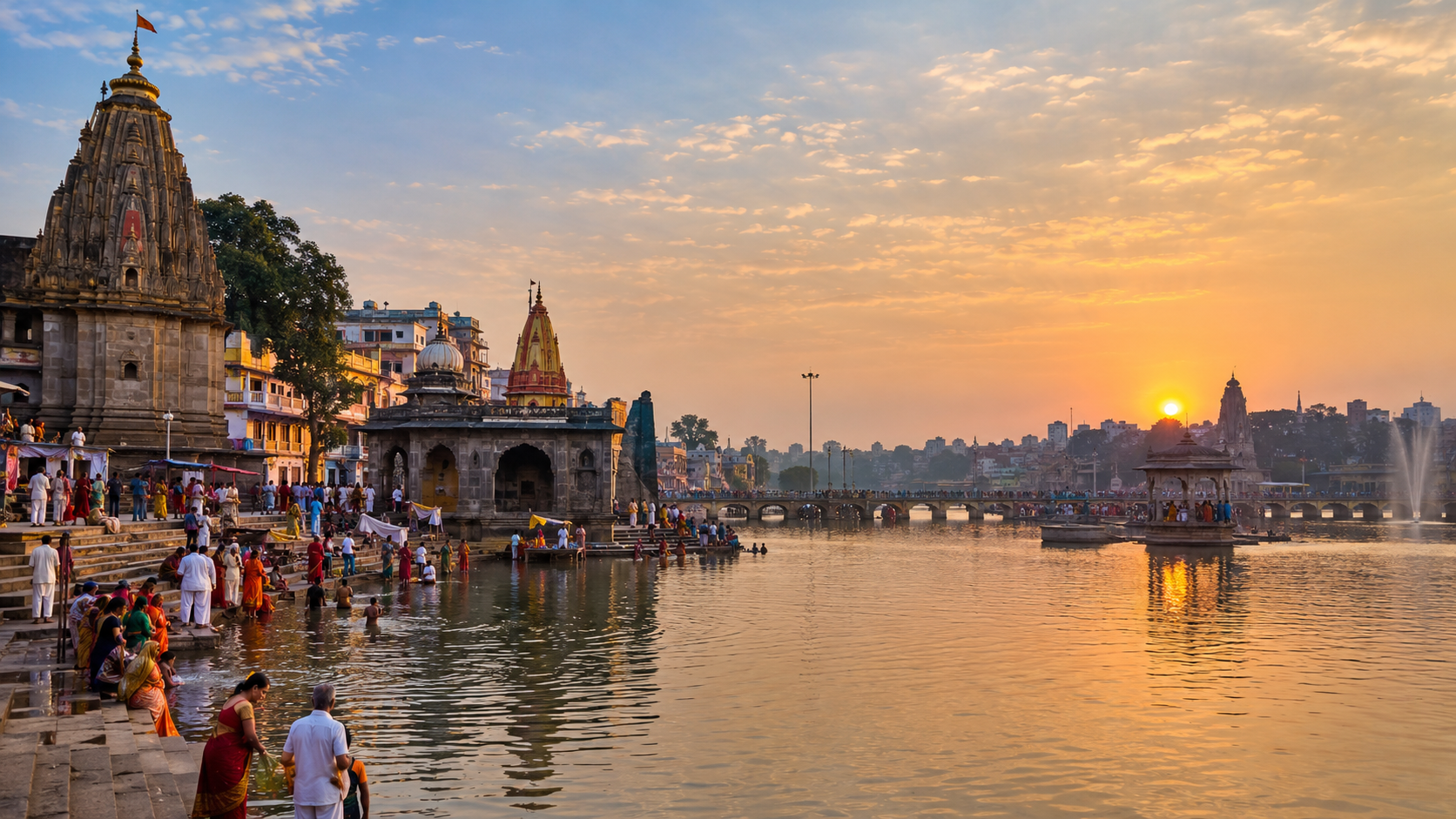
Nashik Kumbh Mela from Nashik. Package details, itinerary and pricing can be completed in the CRM.
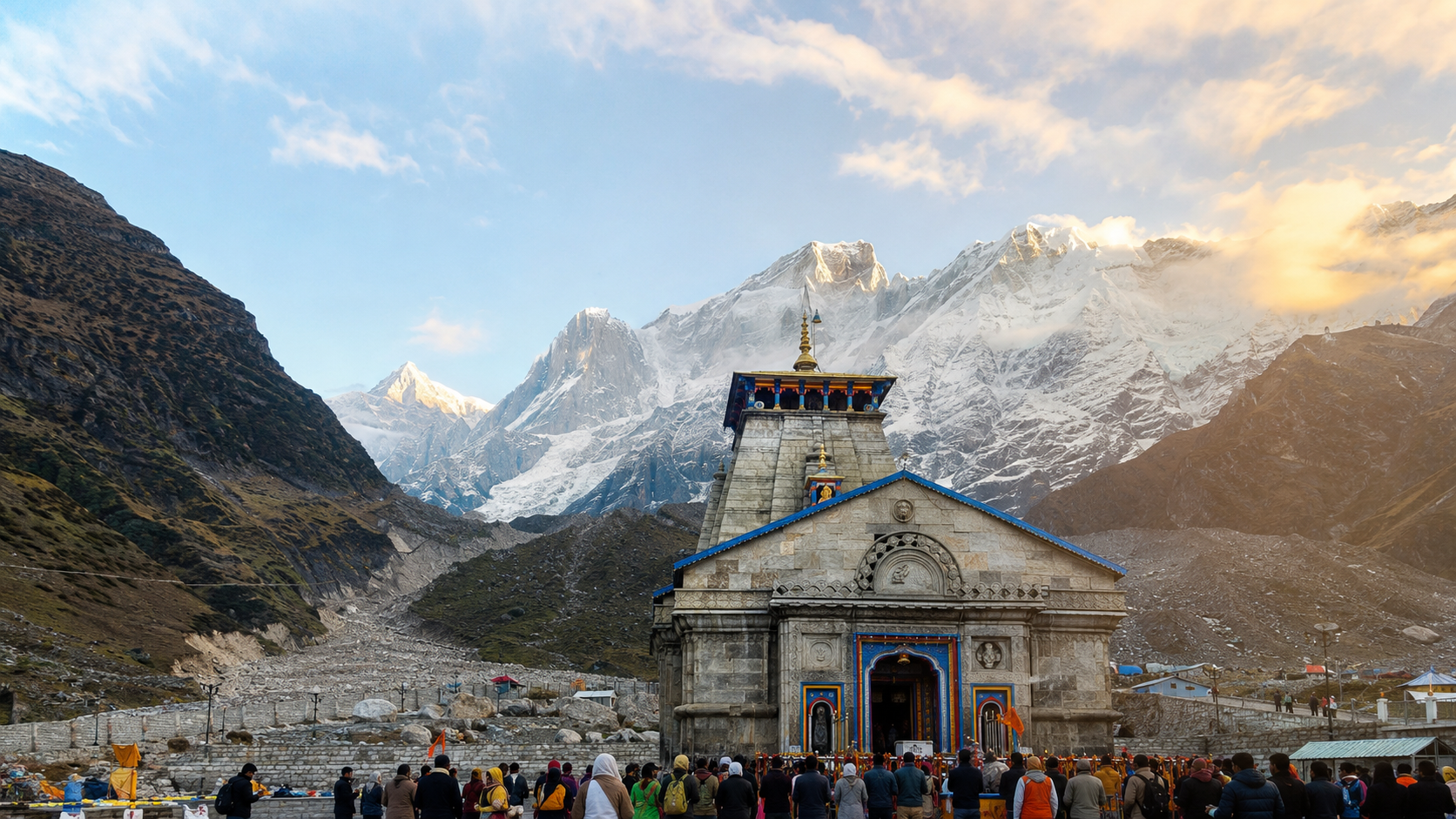
Plan a spiritually meaningful journey to Kedarnath with a 6 Days / 5 Nights Kedarnath Yatra package from Delhi by Trip to Yatra. This pilgrimage package is designed around the Delhi–Haridwar–Kedarnath travel corridor, with Kedarnath Temple as the principal spiritual destination. The journey combines Himalayan travel with time for darshan and a more organised pilgrimage experience. Since Kedarnath is a high-altitude destination with seasonal access and mandatory Yatra formalities, planning matters. Trip to Yatra can help you understand the practical arrangements, registration requirements and travel considerations before you set out. Enquire with our team to plan your 2027 Kedarnath Yatra fro
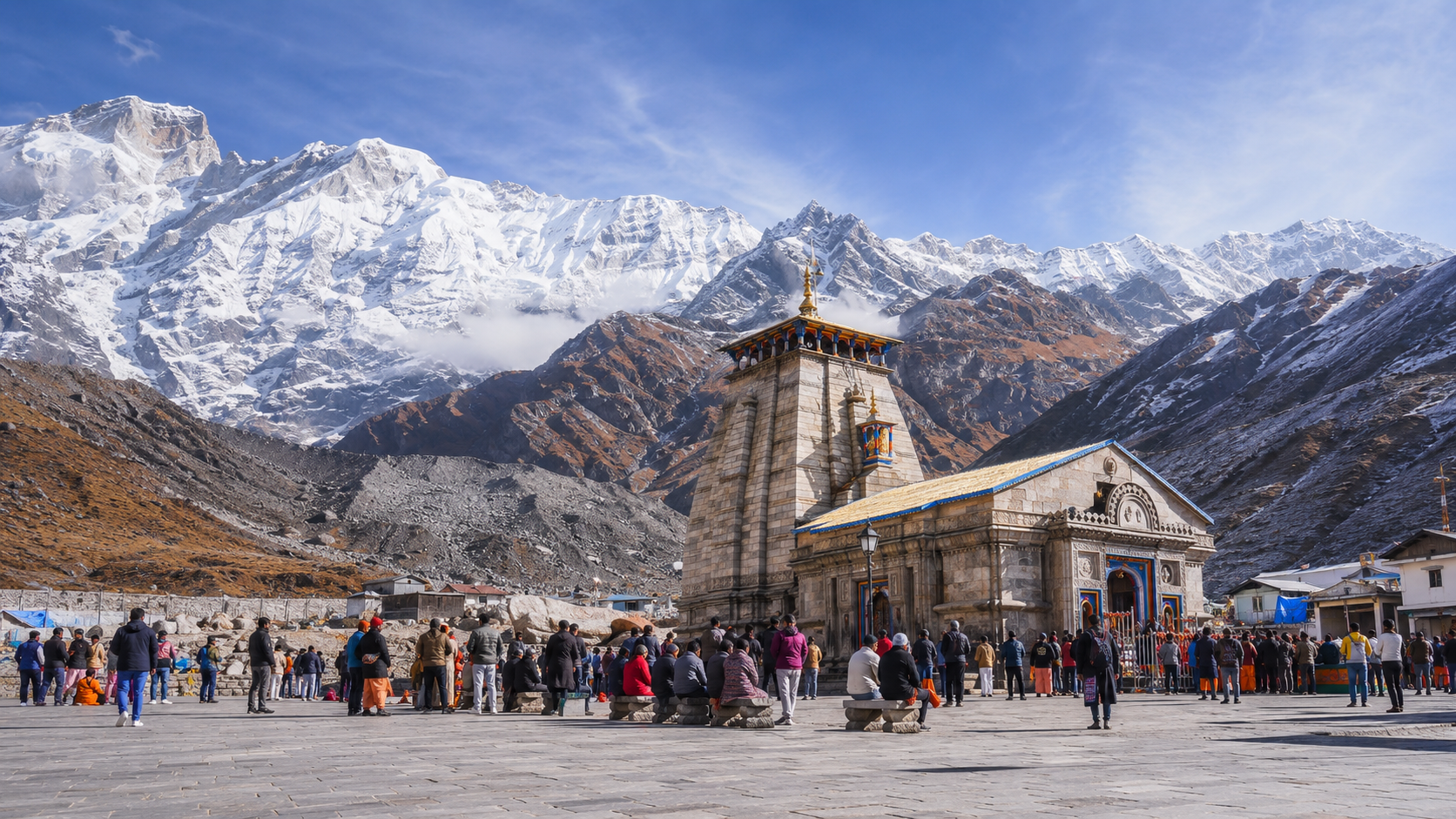
A thoughtfully planned Kedarnath Yatra package from Haridwar for pilgrims looking to visit the sacred Kedarnath Temple in Uttarakhand. This 4 Days / 3 Nights pilgrimage connects Haridwar with one of Lord Shiva’s most revered Himalayan shrines, with arrangements planned around the practical requirements of a high-altitude yatra. Kedarnath is situated in the Garhwal Himalayas at around 3,580 metres, so preparation, suitable clothing and sensible travel planning are important.
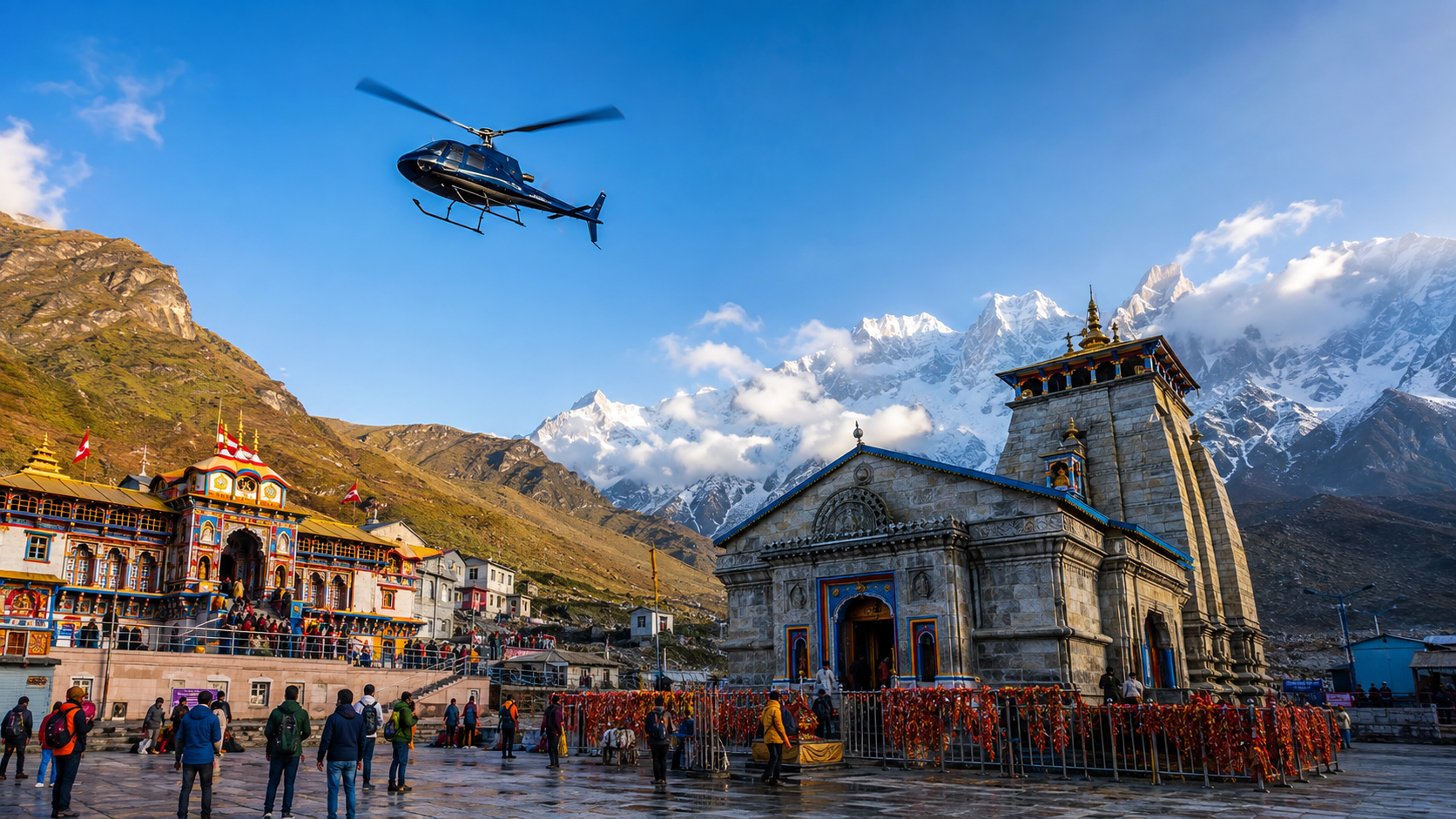
Experience the sacred Do Dham Yatra by helicopter from Dehradun, covering the revered Kedarnath Temple and Badrinath Temple in a compact 3-day, 2-night pilgrimage. This Dehradun-to-Dehradun package is designed for devotees who want to visit both Himalayan shrines while reducing the long road travel involved in a conventional yatra. Kedarnath, dedicated to Lord Shiva, stands high in the Garhwal Himalayas, while Badrinath is one of the four Char Dham pilgrimage sites and is dedicated to Lord Vishnu. With helicopter travel, the journey can be more convenient, subject to weather, operational conditions and applicable pilgrimage regulations.
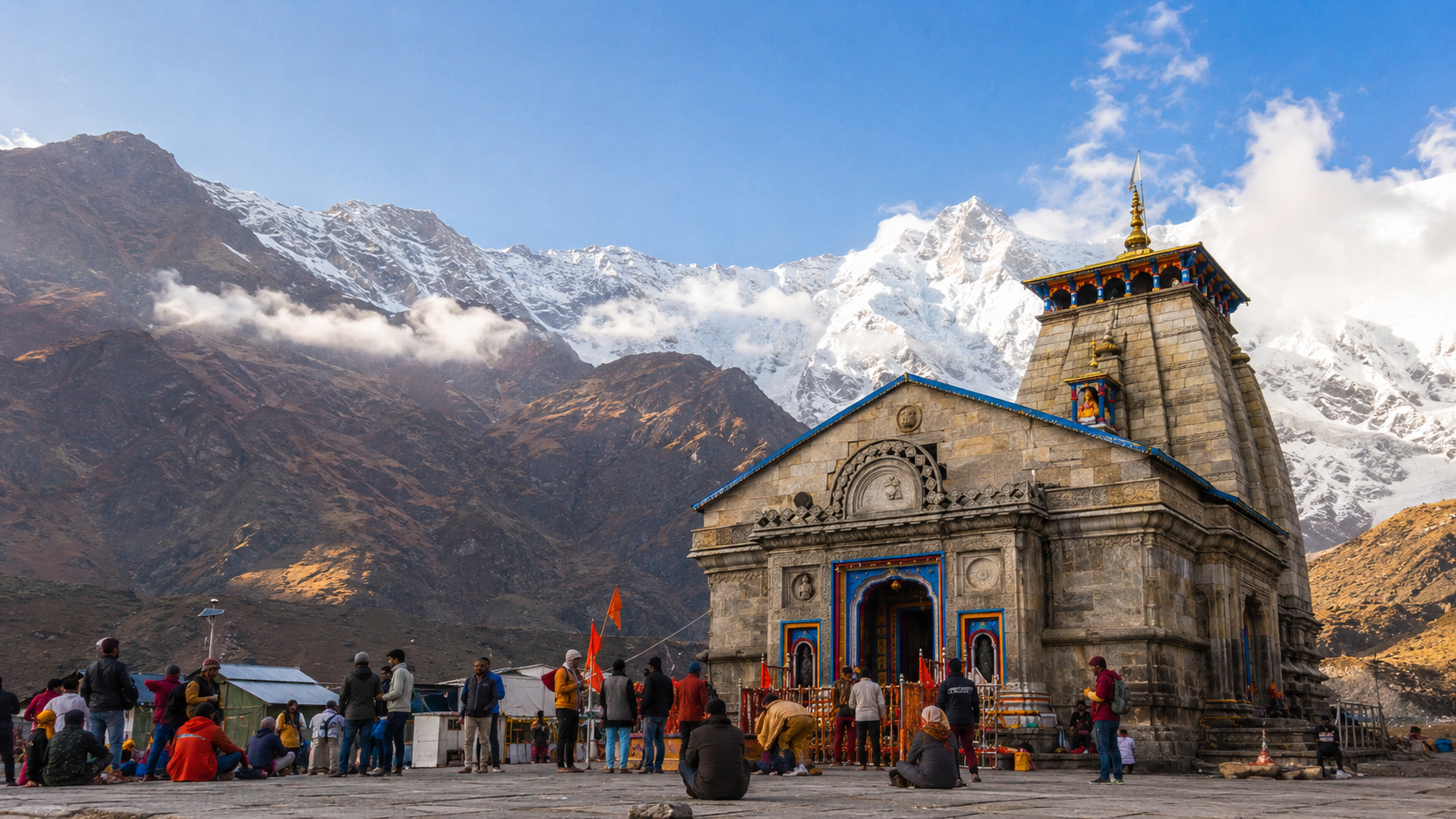
The Do Dham Yatra from Delhi is an 8-day pilgrimage covering the two revered Himalayan shrines of Kedarnath and Badrinath. Starting and ending in Delhi, this thoughtfully planned journey brings together the spiritual atmosphere of Kedarnath, dedicated to Lord Shiva, and Badrinath, dedicated to Lord Vishnu, along with time around Haridwar and Rishikesh. The route combines road travel through Uttarakhand with the required approach to Kedarnath on foot from the roadhead. With high-altitude travel, changing mountain weather and seasonal temple access to consider, Trip to Yatra helps pilgrims plan the journey around practical travel requirements rather than rushing through the experience.
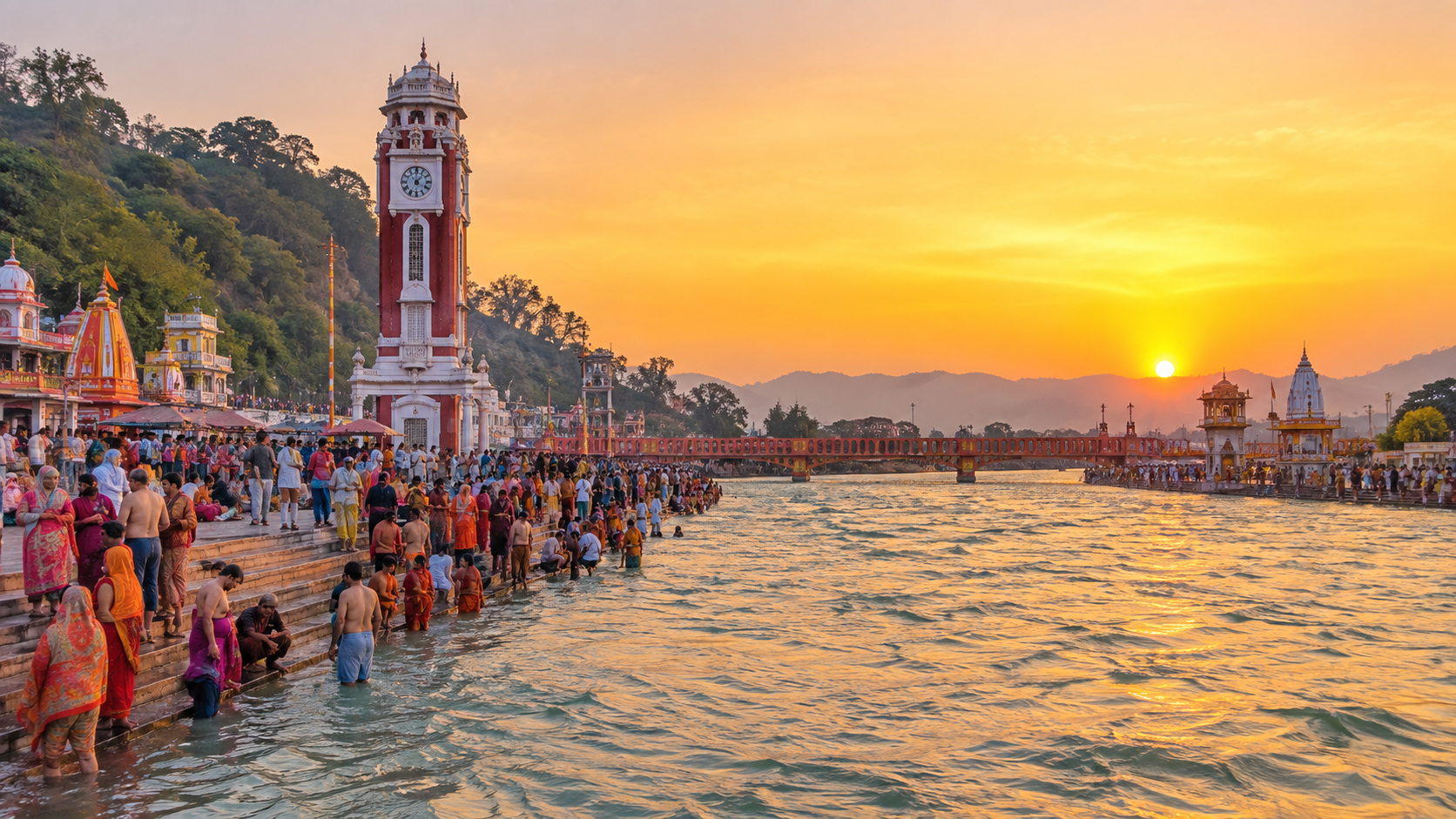
Haridwar Kumbh Mela from Haridwar. Package details, itinerary and pricing can be completed in the CRM.
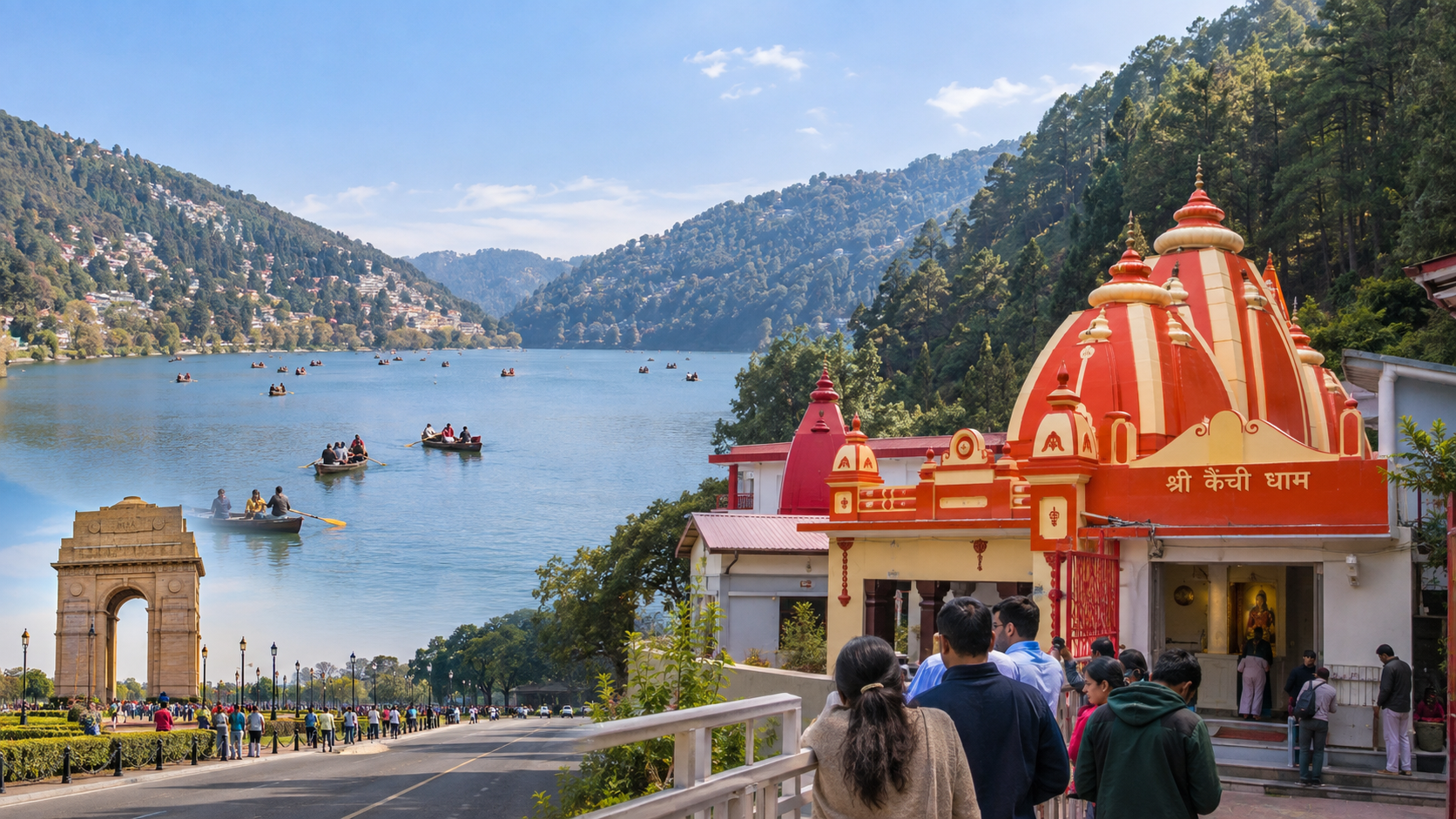
Nainital Kainchi Dham Tour from Delhi. Package details, itinerary and pricing can be completed in the CRM.
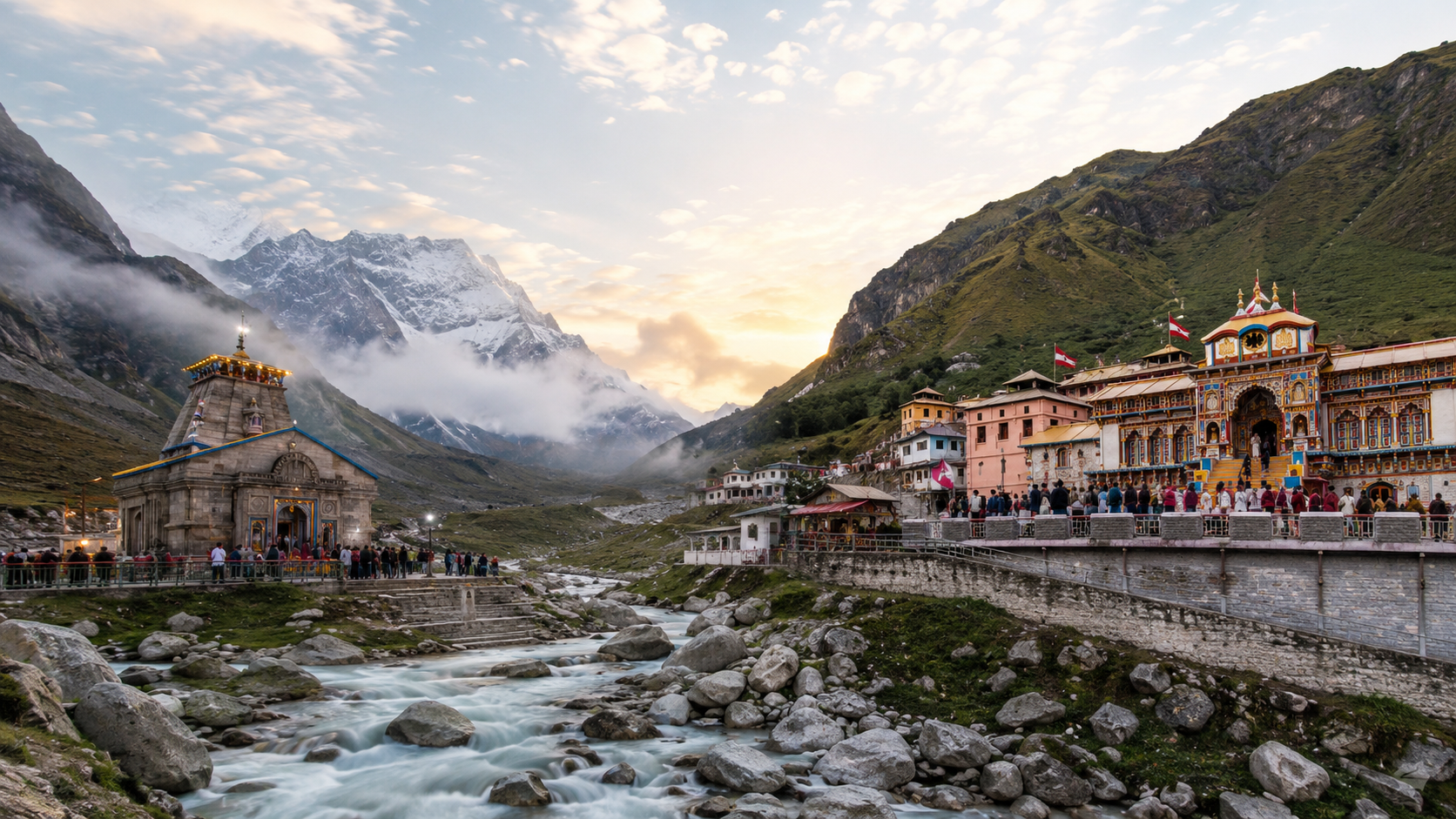
The 6 Days / 5 Nights Do Dham Yatra from Haridwar is designed for pilgrims who wish to visit the sacred Kedarnath Temple and Badrinath Temple in one focused Uttarakhand pilgrimage. Starting and ending in Haridwar, the journey combines the spiritual atmosphere of the Himalayan temples with the changing landscapes of Garhwal. Kedarnath, one of Lord Shiva’s most revered pilgrimage sites and a Jyotirlinga, requires a mountain approach and a trek from Gaurikund. Badrinath, dedicated to Lord Vishnu, is one of Uttarakhand’s four Char Dham temples. Trip to Yatra helps travellers plan this pilgrimage with practical guidance and clear enquiry support.
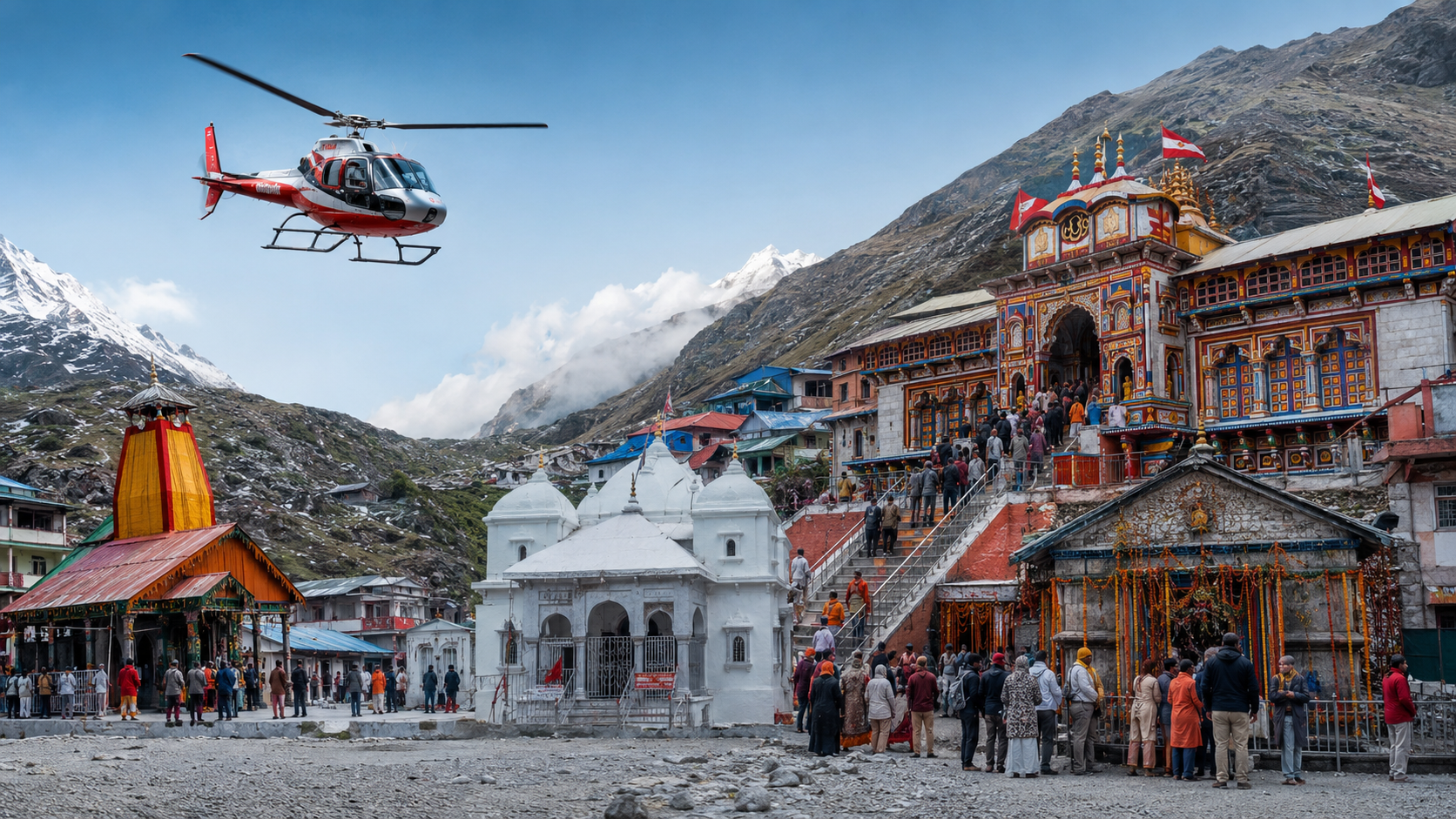
Chardham Yatra by Helicopter from Dehradun offers a more time-efficient way to undertake the sacred Uttarakhand Char Dham pilgrimage, covering Yamunotri, Gangotri, Kedarnath and Badrinath in a 5-day / 4-night package. Starting and ending in Dehradun, the journey combines helicopter travel with the necessary ground and temple-access arrangements at the Dhams. The helicopter element can significantly reduce long road journeys, but it does not mean every temple is reached directly by helicopter; Yamunotri and Kedarnath involve access arrangements beyond the helipad. Char Dham operates seasonally, and 2027 opening dates, operating conditions and applicable requirements should be confirmed before
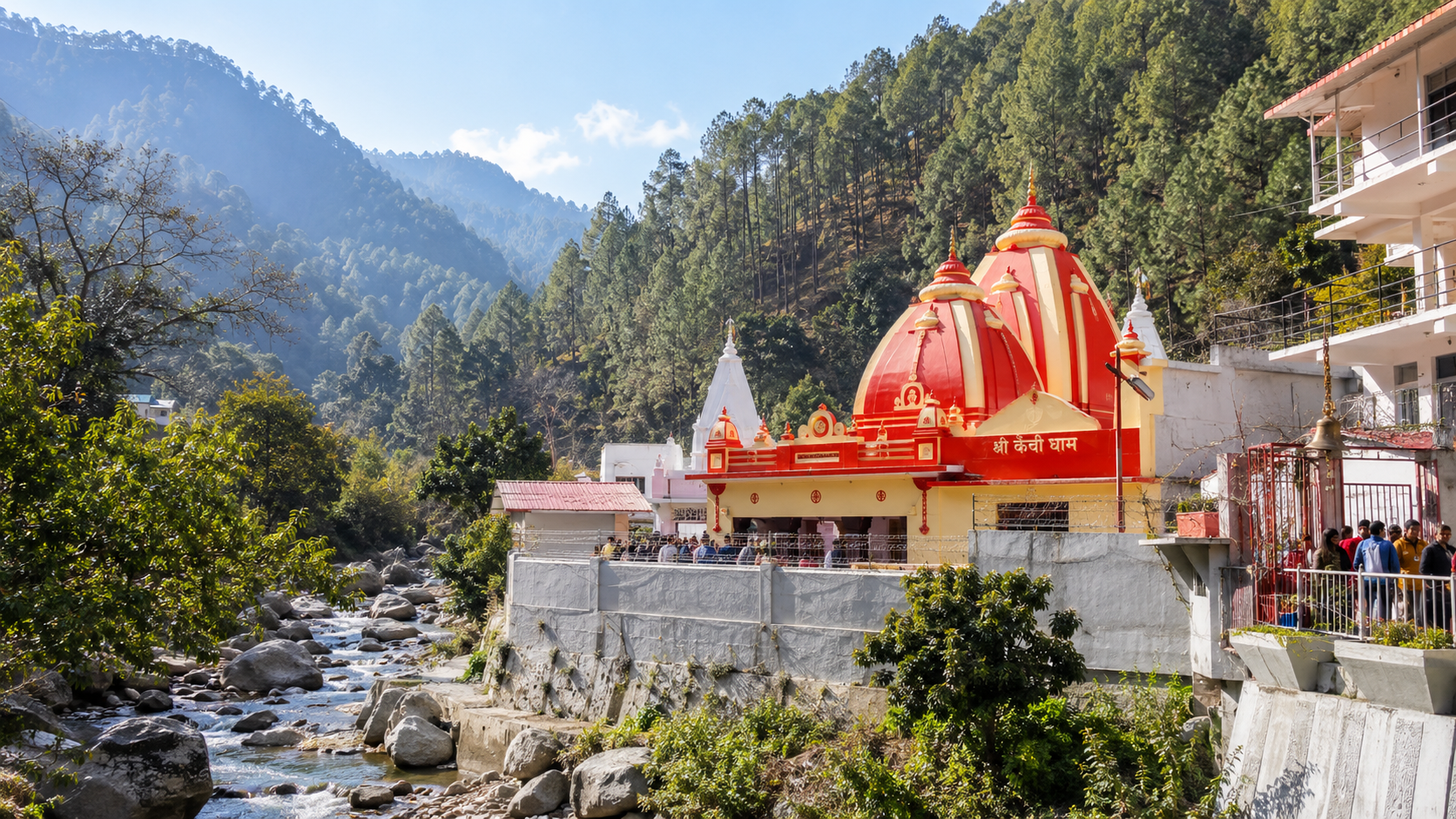
Kainchi Dham Tour from Delhi. Package details, itinerary and pricing can be completed in the CRM.
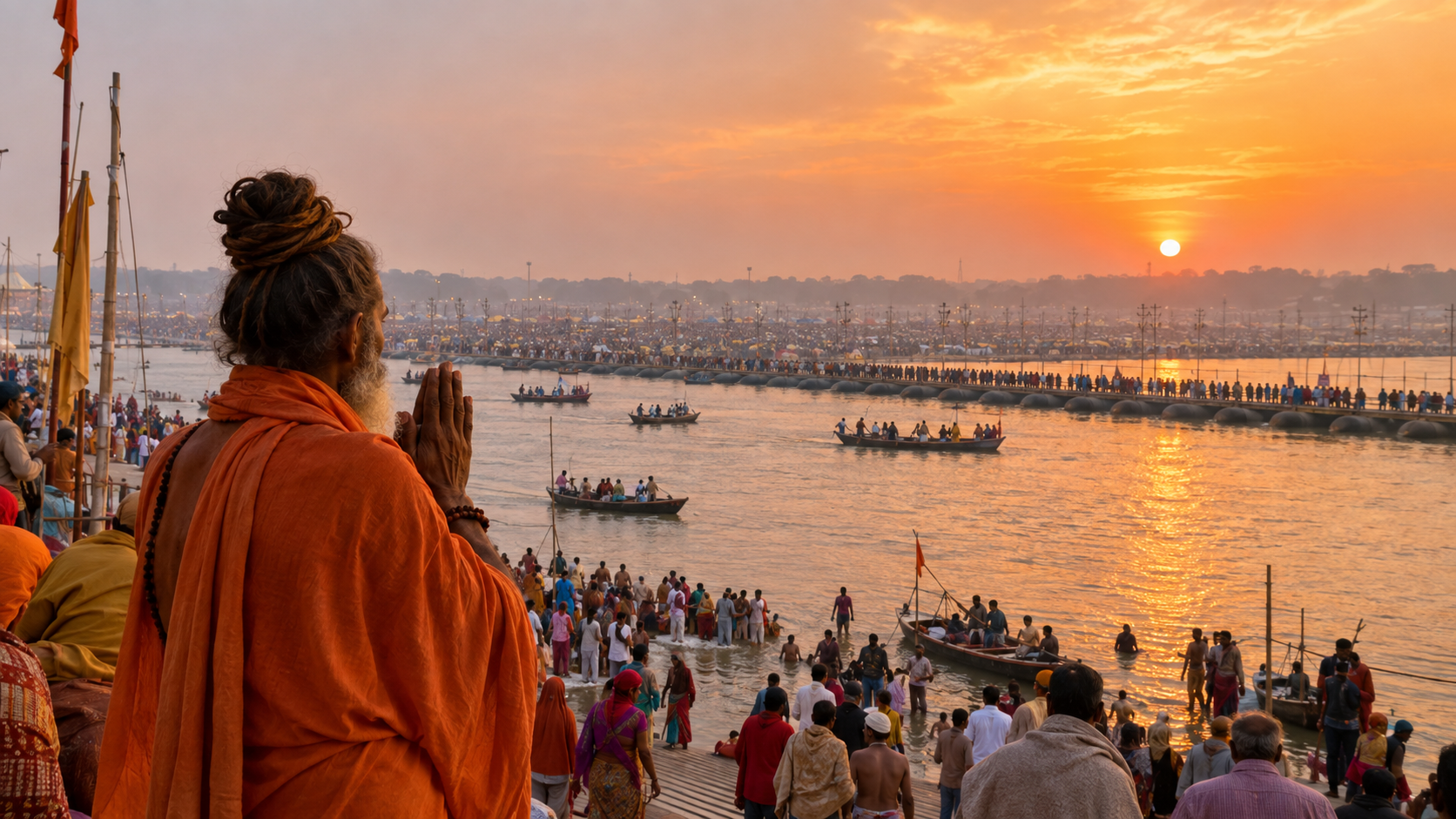
Prayagraj Kumbh Mela from Prayagraj. Package details, itinerary and pricing can be completed in the CRM.
Book a Nashik Kumbh Mela package 2027 from Nashik with 2 to 5-day options covering Ramkund, Panchavati, Trimbakeshwar Jyotirlinga and Kushavart.
Share your details and get a suitable package from our travel expert.
Nashik Kumbh Mela from Nashik. Package details, itinerary and pricing can be completed in the CRM.
The Nashik Kumbh Mela package 2027 is designed for pilgrims who want to experience the spiritual atmosphere of the Nashik–Trimbakeshwar Simhastha Kumbh Mela while keeping Nashik as both the starting and ending point of the journey. The 2027 gathering is officially being planned by the Government of Maharashtra through the Nashik–Trimbakeshwar Kumbh Mela Authority, commonly referred to as NTKMA. The authority has been established specifically to coordinate preparation, infrastructure, sanitation, pilgrim facilities, mobility, safety, security and inter-departmental management for the Simhastha Kumbh Mela in Nashik and Trimbakeshwar.
Nashik is one of India's major pilgrimage centres and its spiritual identity is closely connected with the sacred Godavari River, Panchavati, Ramkund and the nearby town of Trimbakeshwar. The Nashik District administration states that Kumbh Mela is celebrated here during Simhastha, when large numbers of ascetics and devotees gather for sacred bathing and worship. For the 2027 event, government records confirm preparations for the Nashik–Trimbakeshwar Simhastha Kumbh Mela, including works connected with roads, transport, civic infrastructure, policing, volunteer training and pilgrim facilities.
The spiritual geography of the Nashik Kumbh is spread mainly between Nashik city and Trimbakeshwar. Within Nashik, the Godavari riverfront and the Panchavati area form an important part of the pilgrimage experience. Ramkund, situated on the bank of the Godavari, is regarded as one of Nashik's holiest locations. The Nashik District administration records the traditional belief that Lord Rama bathed at this place during his stay in the region. Ramkund therefore remains an important point for religious bathing, prayers and traditional rites.
Panchavati lies on the left bank of the Godavari and contains a concentration of historic temples and sacred places. Official district tourism information identifies Kalaram Temple, Kapaleshwar Temple, Ganga Godavari Temple, Sita Gumpha, Naroshankar Temple and several other shrines in and around the Panchavati area. Because many places are situated within the old pilgrimage quarter, visitors can explore important religious sites while respecting local crowd-control measures and pedestrian diversions that may apply during the Kumbh period.
The second major component of this journey is Trimbakeshwar, approximately 28 to 30 kilometres from Nashik according to Government of Maharashtra tourism and Nashik District sources. Trimbakeshwar Temple is one of the twelve Jyotirlingas of Lord Shiva and stands near Brahmagiri hill, an area closely associated with the Godavari River. The temple and the town have a central place in the religious traditions connected with the Nashik–Trimbakeshwar Kumbh.
During the longer package variants, sufficient time is kept for a separate pilgrimage excursion from Nashik to Trimbakeshwar. This is more practical than combining every important Kumbh location into a single rushed day, especially when large pilgrim gatherings, security checks, temporary traffic arrangements or walking zones are in force.
The Trimbakeshwar Temple is maintained by the Trimbakeshwar Temple Trust and is recognised by both Maharashtra Tourism and Nashik District authorities as one of the twelve Jyotirlingas. Pilgrims normally visit the temple for darshan according to the queue system and regulations applicable on their date of travel. During the Kumbh period, travellers should expect arrangements to change according to crowd conditions and instructions issued by the administration, police, temple authorities and Kumbh Mela Authority.
Kushavart Tirtha is another significant place in Trimbakeshwar. Nashik District administration identifies Kushavart Tirtha as being in the heart of Trimbakeshwar town, around 400 metres from the Jyotirlinga temple. It is traditionally associated with the Godavari and is an important sacred-water site. A visit to Kushavart can therefore be combined naturally with Trimbakeshwar Temple, subject to local access and crowd-management arrangements.
This package is available in 2 Days / 1 Night, 3 Days / 2 Nights, 4 Days / 3 Nights and 5 Days / 4 Nights formats. The shorter version is intended for pilgrims with limited time and concentrates mainly on Nashik's principal Kumbh pilgrimage zone together with a Trimbakeshwar excursion. The three-day programme provides a more comfortable division between Nashik city pilgrimage and Trimbakeshwar. The four and five-day programmes create additional time for Panchavati temples, Godavari ghats, personal worship, rest and movement during periods when road access or crowd conditions may require slower travel.
All variants begin and end in Nashik. This arrangement is convenient for travellers arriving through Nashik Road railway station, Nashik Airport or by road. The package itinerary does not promise fixed transfer durations because journey times during a major religious gathering can change significantly owing to diversions, restricted vehicle zones, temporary parking arrangements, security procedures and pedestrian movement.
The religious bathing experience is an important reason pilgrims travel to the Simhastha Kumbh. However, a responsible Kumbh package should not publish or guarantee a particular bathing date, procession, Akhada activity or access arrangement unless that information has been formally notified by the competent authorities for the relevant travel date. Government records currently confirm official preparation for the Nashik–Trimbakeshwar Simhastha Kumbh Mela 2027, including planning connected with the event in 2027 and administrative work referring to the Kumbh at Nashik and Trimbakeshwar.
Accordingly, this itinerary refers to visits to the Godavari ghats, Ramkund and the Trimbakeshwar pilgrimage area but does not guarantee participation in a specific Shahi Snan, Amrit Snan, procession or ceremonial event. Travellers should check the latest notifications of the Nashik–Trimbakeshwar Kumbh Mela Authority, Nashik District administration, Maharashtra Government, local police and temple authorities before departure. The operating itinerary may also need to be adjusted on the spot if an area is temporarily closed or a particular route is designated for one-way pilgrim movement.
The core spiritual circuit includes Nashik's Godavari riverfront, Ramkund and Panchavati, followed by Trimbakeshwar Jyotirlinga and Kushavart Tirtha. Depending on the selected duration and actual local conditions, pilgrims may also have time to visit important temples in Panchavati such as Kalaram Temple and Kapaleshwar Temple. These locations have been selected because they are documented by official Nashik District or Maharashtra Tourism sources and form a geographically practical pilgrimage circuit.
The itinerary intentionally avoids adding distant sightseeing simply to fill days. Kumbh travel is different from an ordinary leisure tour: walking distances may increase, vehicles can be stopped outside controlled zones and pilgrims may need considerable time to reach ghats or temples. Keeping the programme centred on Nashik and Trimbakeshwar provides flexibility for religious activities without making unrealistic promises.
Accommodation is planned in Nashik for the required number of nights. No specific hotel is named in this package data because the property should be confirmed according to availability, package category and the final Kumbh traffic plan. During major pilgrimage dates, accommodation inventory, access roads and vehicle parking arrangements may differ from ordinary periods. The final booking confirmation should therefore clearly state the allotted property, room category, meal plan and pickup arrangements.
Similarly, the package does not promise a particular vehicle model or unrestricted vehicle access to every ghat or temple. Transport can operate between permitted pickup, parking and pilgrimage zones, after which walking or officially organised local movement may be necessary. Any government shuttle, parking or traffic system announced for the Kumbh should take priority over the normal sightseeing route.
Pilgrims should carry valid government-issued photo identification and their confirmed travel documents. If the authorities introduce any visitor registration, digital pass, vehicle pass, medical declaration or other Kumbh-specific requirement, it should be completed only through the officially notified system. This package does not claim that a particular registration or permit is currently mandatory because such requirements can change as the event approaches.
Comfortable walking footwear, modest clothing, personal medicines, reusable water bottles where permitted, a light rain layer and minimal luggage are practical choices for a crowded pilgrimage. Maharashtra receives monsoon rainfall during part of the Kumbh planning period, so travellers should monitor the weather and official advisories near their actual journey date. Elderly pilgrims and travellers with limited mobility should choose a relaxed itinerary and discuss accessibility requirements before booking.
A Kumbh Mela involves exceptionally large gatherings, and pilgrims should cooperate with police, volunteers, civic authorities and temple staff. Barricades, queue systems, bathing-zone controls and temporary road restrictions are intended to manage the movement of very large crowds. Travellers should keep their group together, identify a meeting point, avoid carrying unnecessary valuables and follow official announcements rather than unverified social-media information.
Visitors should also help preserve the sanctity of the Godavari and pilgrimage areas. Waste should be placed only in designated facilities, religious offerings should be handled according to local instructions and pilgrims should avoid obstructing ghats, temple entrances or emergency routes. The Nashik–Trimbakeshwar Kumbh Mela Authority has an official mandate covering sanitation, waste management, safety, mobility and pilgrim facilitation, making adherence to official directions particularly important during the event.
The displayed itinerary is a planning framework for the Nashik Kumbh Mela package 2027 from Nashik. Final sequencing can change because Kumbh authorities may introduce date-specific traffic plans, restricted zones, procession routes, bathing arrangements, crowd-control measures or security closures. Such operational changes should be treated as part of travelling during a major religious event rather than as a guaranteed conventional sightseeing schedule.
Package prices have intentionally been left unpublished in this structured data because no verified operating rate was supplied. The final quotation should be issued only after confirming travel dates, number of passengers, accommodation category, meal plan, transport requirement and any Kumbh-period operational costs. Likewise, no hotel, bathing time, VIP darshan, priority entry or ceremonial participation should be promised unless separately confirmed by the competent authority.
For pilgrims seeking a compact spiritual visit, the two-day package covers the essential Nashik and Trimbakeshwar circuit. Travellers who prefer additional time for worship and crowd-related flexibility can select the three, four or five-day programme. In every case, the journey remains centred on the sacred Godavari, Ramkund, Panchavati and Trimbakeshwar, providing a meaningful way to experience the religious heritage associated with the Nashik–Trimbakeshwar Simhastha Kumbh Mela 2027.
A quick overview of the experiences, important stops and thoughtful planning included in this yatra.
Nashik–Trimbakeshwar Simhastha Kumbh Mela 2027 pilgrimage circuit
Visit to sacred Ramkund on the Godavari River
Panchavati pilgrimage area and important temples
Darshan at Trimbakeshwar, one of the twelve Jyotirlingas
Visit to Kushavart Tirtha in Trimbakeshwar
Choice of 2, 3, 4 or 5-day Nashik round-trip itineraries
Flexible programme designed around Kumbh-period crowd and traffic controls
Follow the journey step by step through the important halts, stays and darshan points.
Arrive in Nashik and proceed to the hotel as per confirmed check-in arrangements. Visit the Panchavati pilgrimage area and Ramkund on the bank of the Godavari River. Subject to local access and crowd-control arrangements, spend time at the Godavari ghats and visit nearby sacred places such as Kalaram Temple and Kapaleshwar Temple. Follow all Kumbh traffic, walking-zone, queue and bathing instructions issued by the authorities. Overnight stay in Nashik.
Proceed from Nashik towards Trimbakeshwar. Visit Trimbakeshwar Jyotirlinga for darshan according to the access and queue system operating on the day of travel. Also visit Kushavart Tirtha, located in Trimbakeshwar town near the temple. Return to Nashik and conclude the pilgrimage at the agreed drop point. Actual movement may be modified according to Kumbh-period road restrictions and crowd-management instructions.
Arrive in Nashik and transfer to the confirmed accommodation. Begin the pilgrimage in Panchavati, the sacred area on the left bank of the Godavari. Visit important religious places according to available time and local access, including Kalaram Temple, Kapaleshwar Temple and the surrounding temple quarter. Overnight stay in Nashik.
Visit Ramkund and the Godavari riverfront for pilgrimage activities. If religious bathing is permitted at the time of the visit, follow the bathing-zone, safety and crowd instructions issued by the competent authorities. No specific Shahi Snan, procession or ceremonial participation is guaranteed. Keep additional time available for pedestrian movement, security checks and temporary diversions. Overnight stay in Nashik.
Travel to Trimbakeshwar for darshan at the Jyotirlinga temple and visit Kushavart Tirtha subject to local access arrangements. Return to Nashik after the pilgrimage. Drop at the agreed Nashik location and conclude the tour.
Arrive in Nashik, transfer to the confirmed accommodation and settle in. Visit the Godavari riverfront and become familiar with the designated pilgrimage movement arrangements applicable during the Kumbh. Depending on arrival time and official access, visit nearby sacred areas without rushing the programme. Overnight stay in Nashik.
Spend the day in the Panchavati and Ramkund pilgrimage zone. Visit Ramkund and selected officially documented religious places in Panchavati such as Kalaram Temple and Kapaleshwar Temple, subject to queue conditions and access controls. Allow sufficient time for walking because vehicles may not be permitted close to some locations during major gathering dates. Overnight stay in Nashik.
Travel from Nashik to Trimbakeshwar, located approximately 28 to 30 kilometres from Nashik according to official tourism sources. Visit Trimbakeshwar Jyotirlinga and Kushavart Tirtha according to the operating queue and crowd-management system. Return to Nashik after completing the pilgrimage. Overnight stay in Nashik.
Keep the final day flexible for personal prayers, a return visit to the permitted Godavari or Panchavati pilgrimage zone, or rest depending on crowd conditions and departure plans. Complete hotel check-out and transfer to the agreed Nashik departure point. Tour concludes in Nashik.
Arrive in Nashik and transfer to the confirmed accommodation. Begin with a relaxed visit to the Godavari riverfront or nearby pilgrimage zone according to arrival time, local traffic arrangements and crowd conditions. Overnight stay in Nashik.
Visit Panchavati, Ramkund and selected nearby temples. The Panchavati area contains several important religious sites documented by Nashik District authorities, including Kalaram Temple and Kapaleshwar Temple. Walking and waiting time should remain flexible during the Kumbh period. Overnight stay in Nashik.
Keep this day focused on the Nashik Kumbh pilgrimage area and personal religious activities. Visit permitted Godavari ghats and participate in worship or bathing only according to official arrangements in force on the travel date. A specific ceremonial bath, Akhada procession or special entry is not guaranteed. Overnight stay in Nashik.
Proceed to Trimbakeshwar for darshan at one of the twelve Jyotirlingas of Lord Shiva. Visit Kushavart Tirtha in Trimbakeshwar town, subject to access and pilgrim-management rules. Return to Nashik after completing the pilgrimage. Overnight stay in Nashik.
Use the final morning for personal worship, rest or a short return visit to an accessible Nashik pilgrimage location depending on departure schedule and official restrictions. Check out from the accommodation and transfer to the agreed Nashik drop point. Tour concludes in Nashik.
Review what is included in your plan and the important information required before confirming your journey.
Important answers to help you prepare for this journey.
Government of Maharashtra sources confirm preparations for the Nashik–Trimbakeshwar Simhastha Kumbh Mela 2027, with official records referring to Kumbh-related activity in 2027, including August 2027 planning. Travellers should verify the exact ceremonial and bathing schedule from the Nashik–Trimbakeshwar Kumbh Mela Authority and district administration before finalising travel dates.
No. The package provides a pilgrimage itinerary around Nashik and Trimbakeshwar but does not guarantee participation in any particular ceremonial bath, Akhada procession or special event. Access will depend on the officially notified programme and crowd-management arrangements for the selected date.
All listed variants start in Nashik and end in Nashik. The exact pickup and drop point should be specified in the final booking confirmation.
Yes. All four itinerary variants include an excursion to Trimbakeshwar for Jyotirlinga darshan and a visit to Kushavart Tirtha, subject to access and crowd-management conditions.
Official Nashik District and Maharashtra Tourism sources place Trimbakeshwar approximately 28 to 30 kilometres from Nashik. Travel time is not fixed because Kumbh-period diversions, controlled parking and pedestrian zones may affect movement.
Any registration, visitor pass, vehicle pass or other requirement should be followed only if officially notified by the competent authorities for Kumbh Mela 2027. Travellers should check official government channels near their journey date rather than relying on unofficial registration websites.
The core itinerary includes Ramkund, the Godavari pilgrimage area and Panchavati. Depending on the selected duration, access and available time, visits may include important Panchavati temples such as Kalaram Temple and Kapaleshwar Temple.
Vehicle access cannot be guaranteed. During large gatherings, authorities may create restricted-vehicle areas, remote parking, walking routes, one-way systems or local transport arrangements. The itinerary will follow the official traffic plan in force on the travel date.
No specific hotel is published in this package data. The final hotel, room category, meal plan and location should be confirmed according to availability and the selected quotation.
No VIP, priority or special darshan is promised. Darshan is subject to the temple's applicable rules, queue system and any special arrangements implemented during the Kumbh period.
A longer 4-day or 5-day programme can provide more flexibility for rest and crowd-related delays. Travellers with mobility or medical requirements should discuss their needs before booking and should follow medical advice appropriate to their circumstances.
Pilgrims should carry a valid government-issued photo identity document, booking confirmations and relevant travel documents. They should also carry any additional document or pass that may later be officially required for the 2027 Kumbh.