Journey Start
ChandigarhStart
Email Anytime
contact@triptoyatra.in
Call Anytime
Email Anytime
Call Anytime
46 packages available
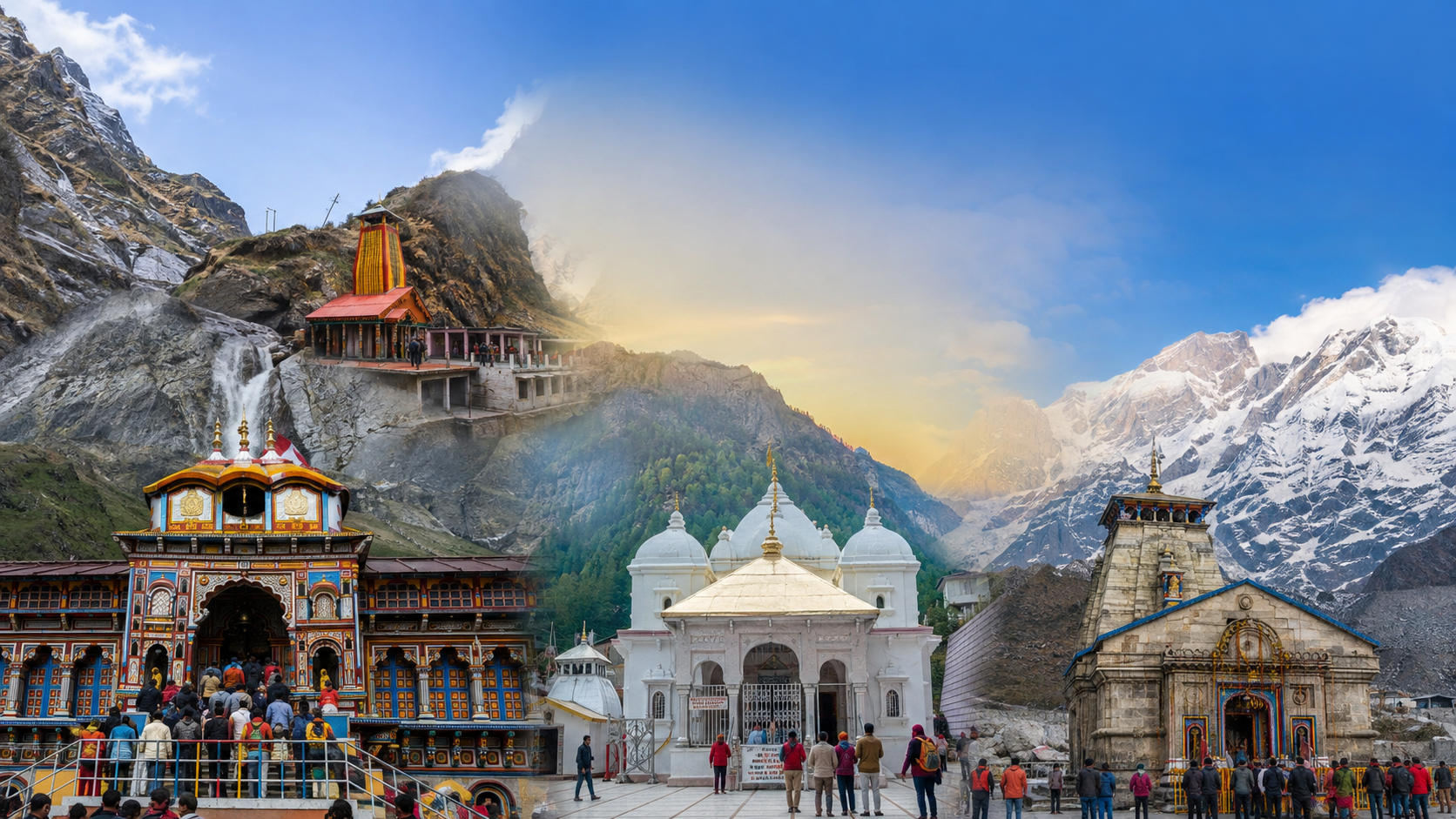
Plan a meaningful pilgrimage to Uttarakhand’s four sacred Himalayan shrines with this 12 Days / 11 Nights Chardham Yatra package from Delhi. The Delhi-to-Delhi journey brings together Yamunotri, Gangotri, Kedarnath and Badrinath, with time in important gateway destinations such as Haridwar and Rishikesh. Designed for travellers who want a structured Char Dham pilgrimage without having to coordinate every travel detail themselves, the package combines spiritual visits with the distinctive mountain landscapes of Uttarakhand. As the shrines are seasonal and high-altitude destinations, travel dates, registration requirements and access conditions should be checked before booking. Enquire with Tr
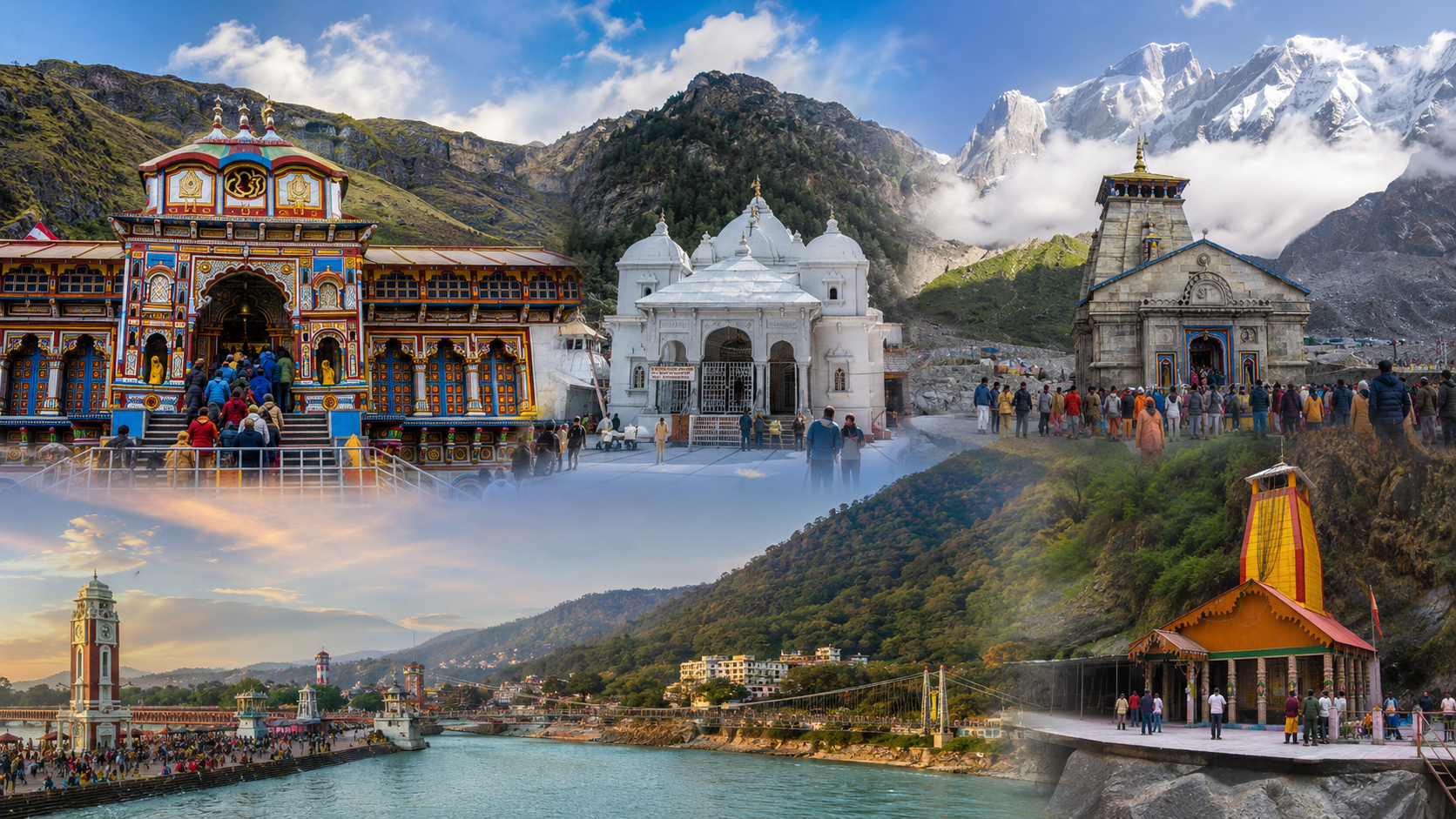
Plan your sacred Himalayan journey with our Chardham Yatra package from Haridwar, designed for travellers wishing to visit Yamunotri, Gangotri, Kedarnath and Badrinath in one organised pilgrimage. This 10 Days / 9 Nights journey starts and concludes in Haridwar and follows the traditional Char Dham sequence through Uttarakhand. Along with the four principal shrines, the journey brings you through the spiritual landscape of the Garhwal Himalayas, with Rishikesh associated with the overall travel region. As mountain conditions, temple opening dates, registrations and access arrangements can change, final 2027 operational details should be verified before departure.
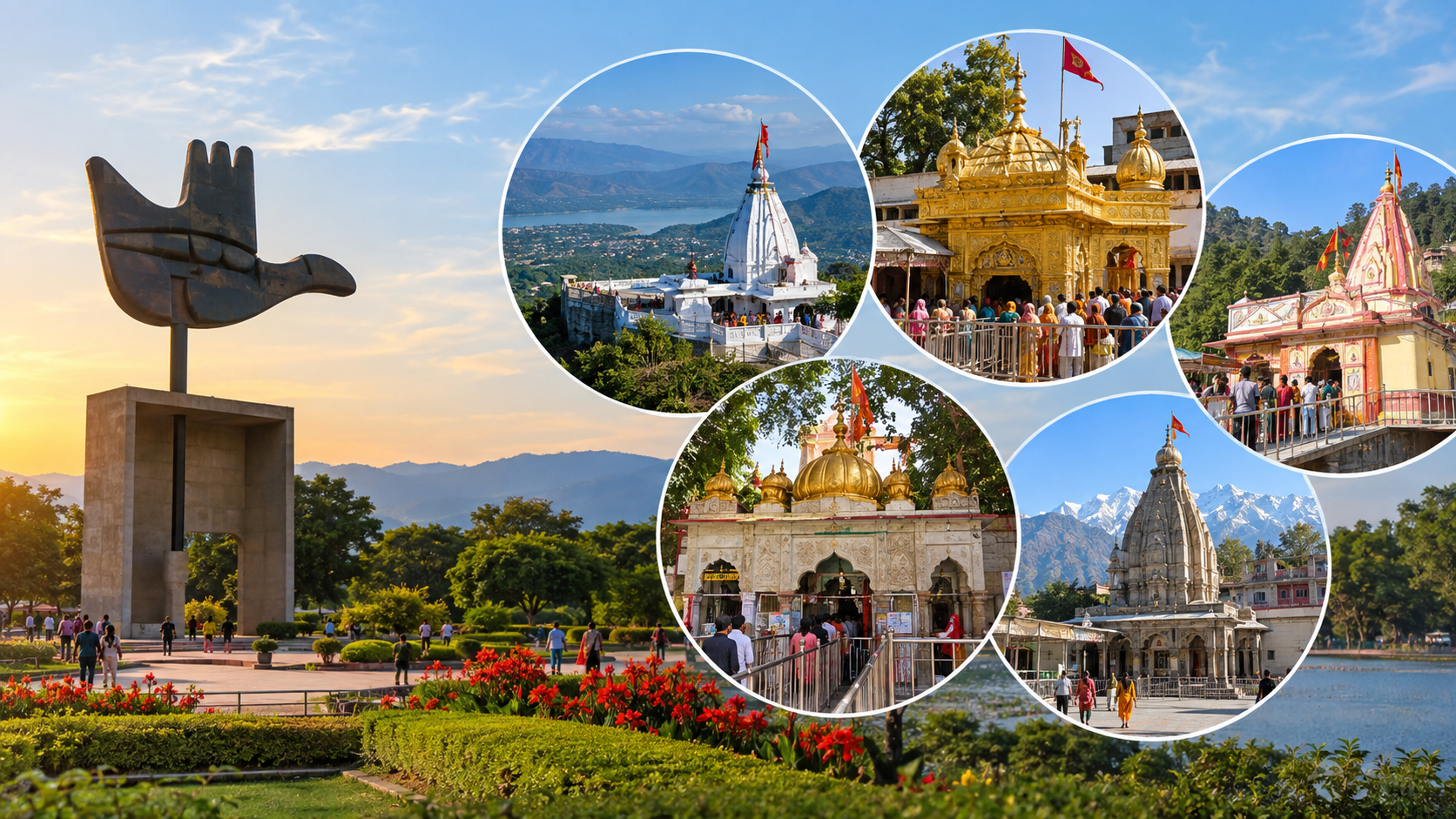
Himachal 5 Devi Darshan from Chandigarh. Package details, itinerary and pricing can be completed in the CRM.
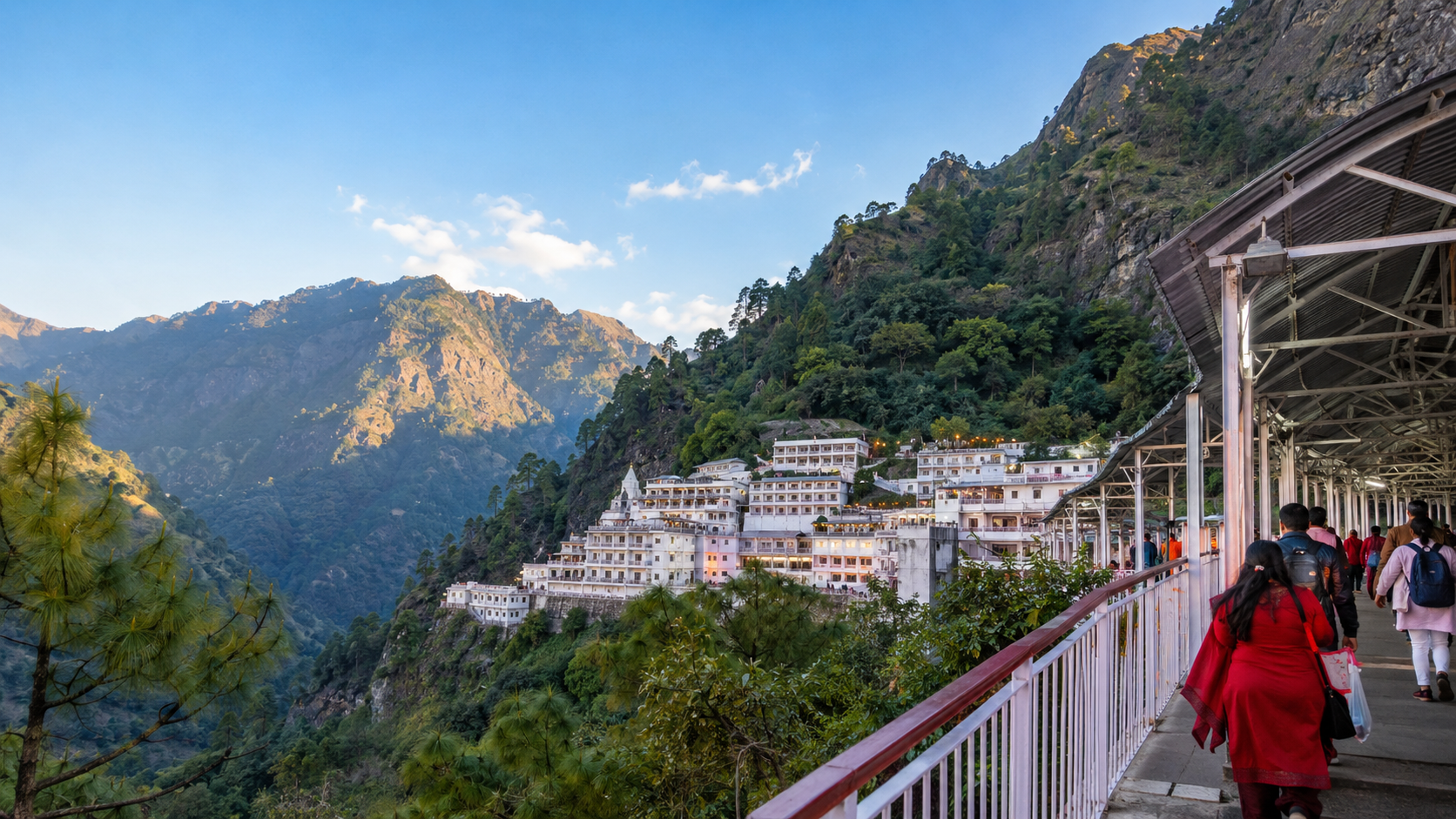
Vaishno Devi Yatra from Katra. Package details, itinerary and pricing can be completed in the CRM.
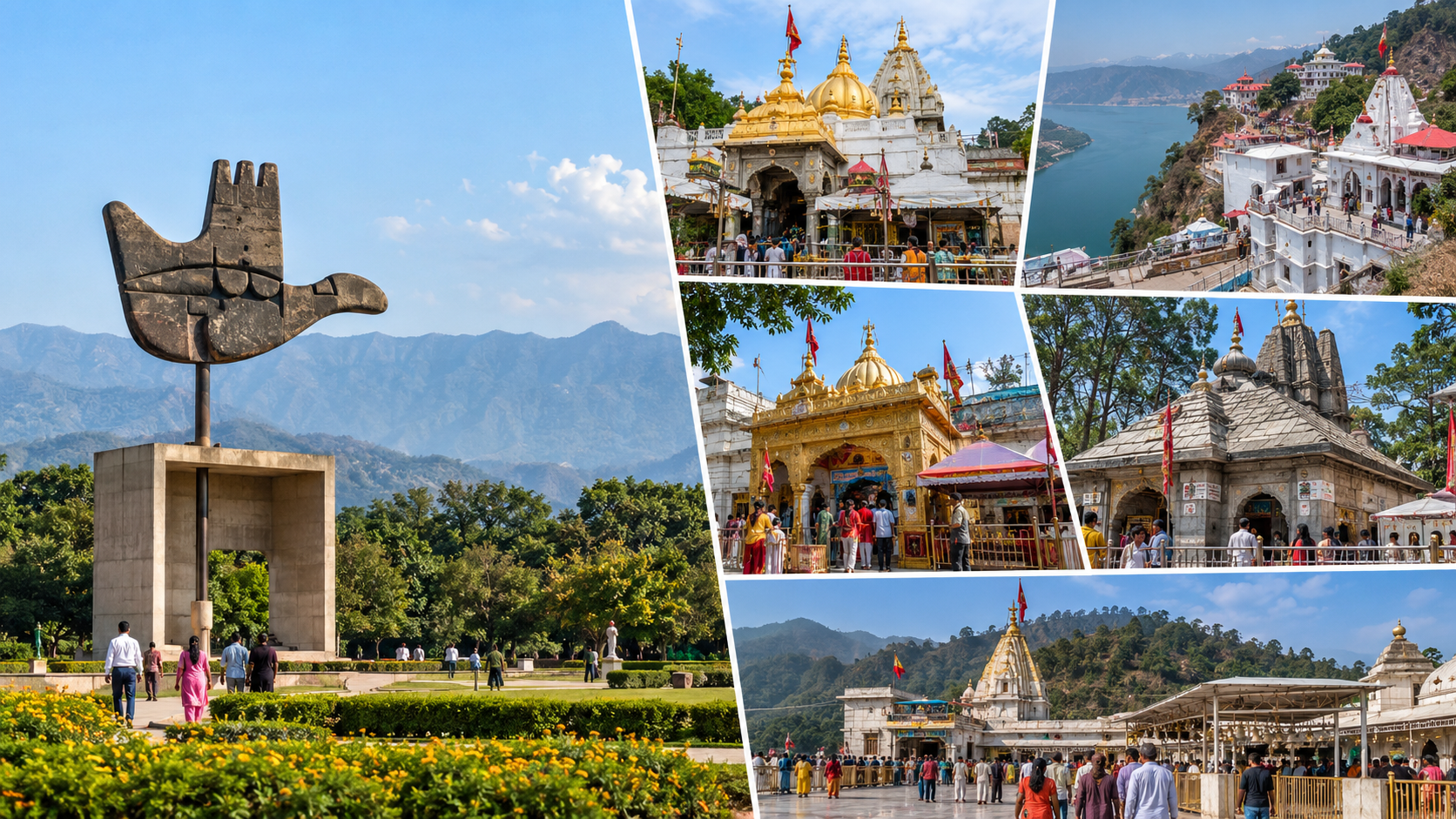
9 Devi Yatra from Chandigarh. Package details, itinerary and pricing can be completed in the CRM.
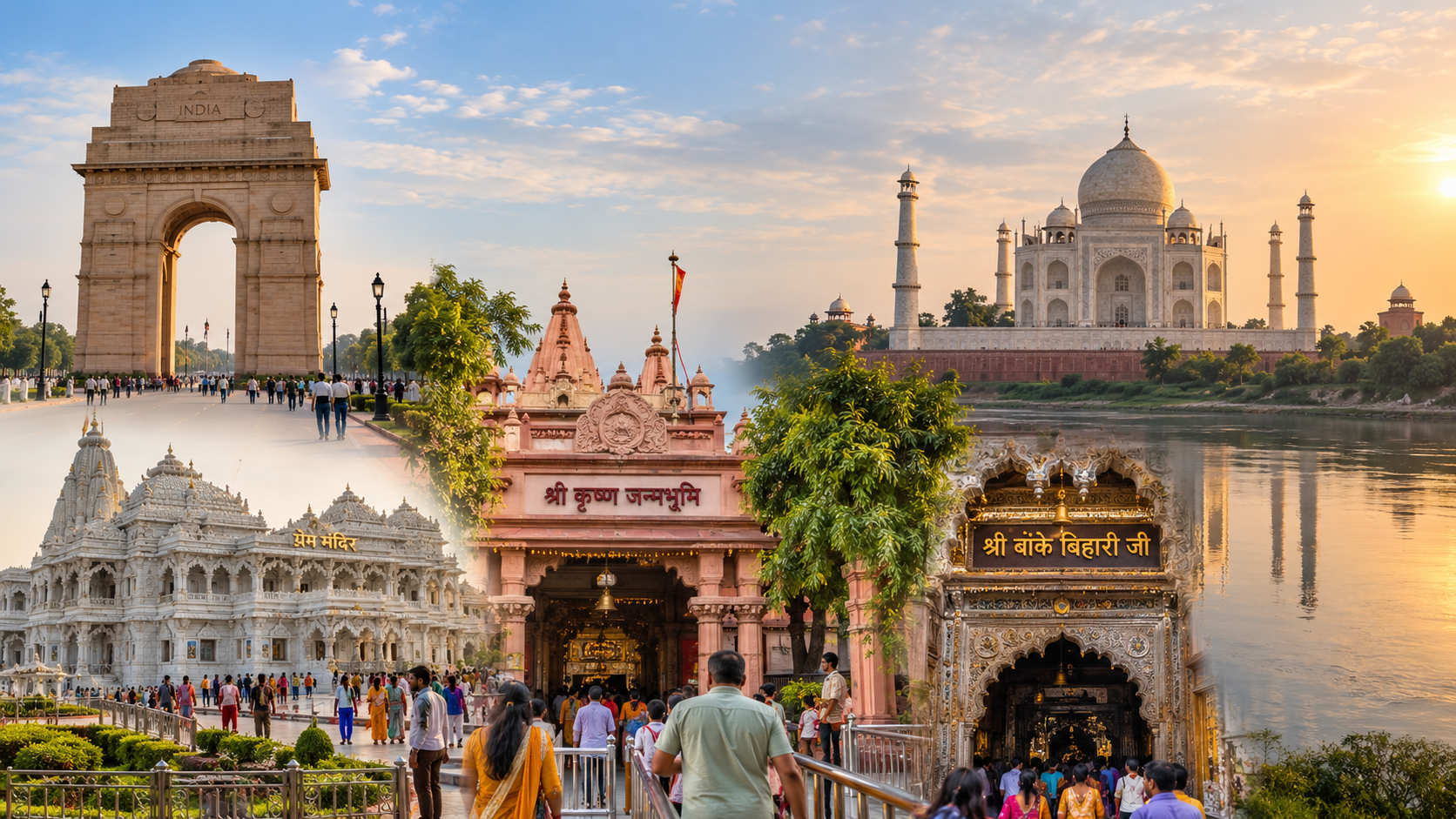
Agra Mathura Vrindavan Tour from Delhi. Package details, itinerary and pricing can be completed in the CRM.
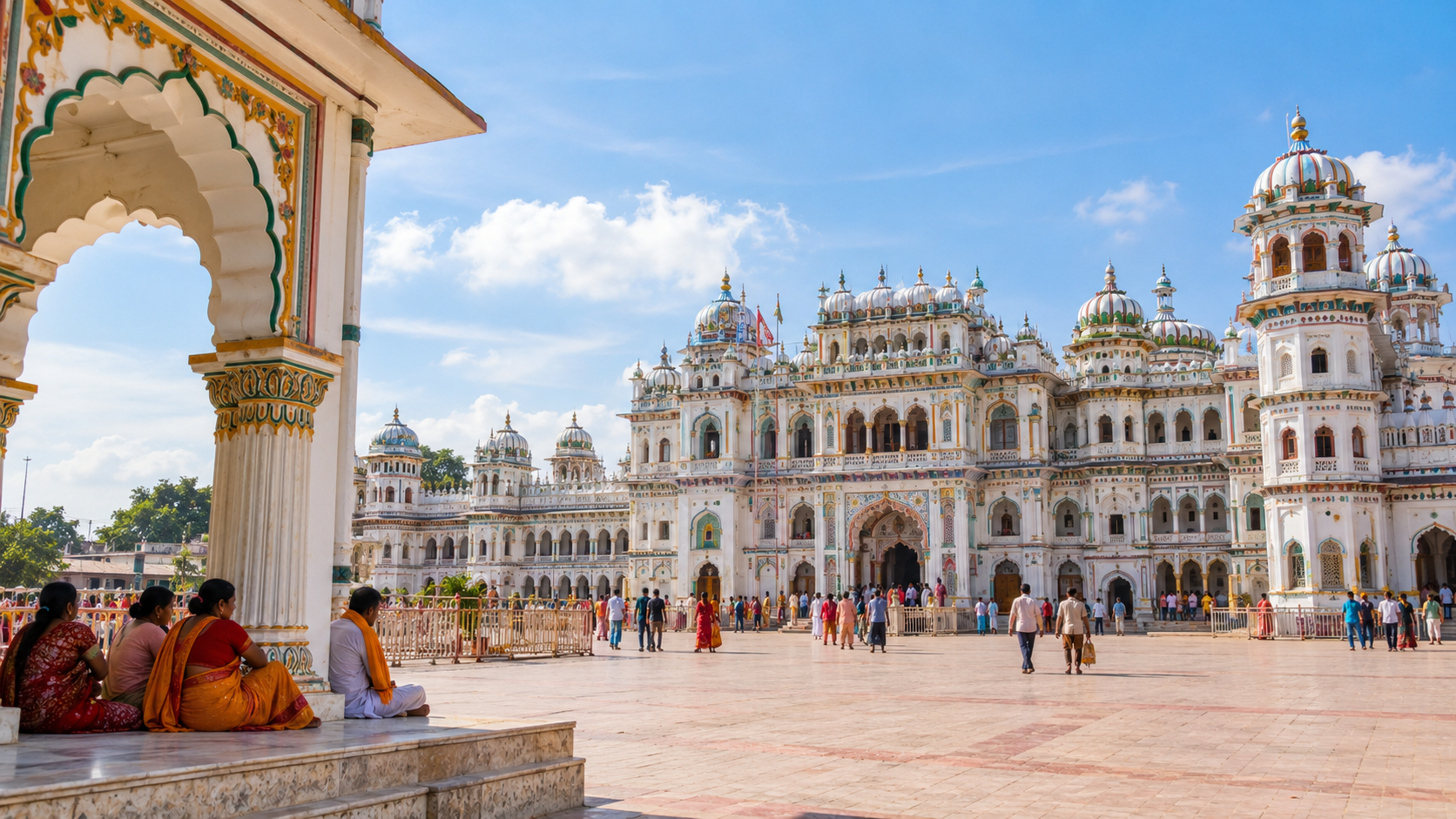
Sitamarhi Janakpur Tour from Darbhanga. Package details, itinerary and pricing can be completed in the CRM.
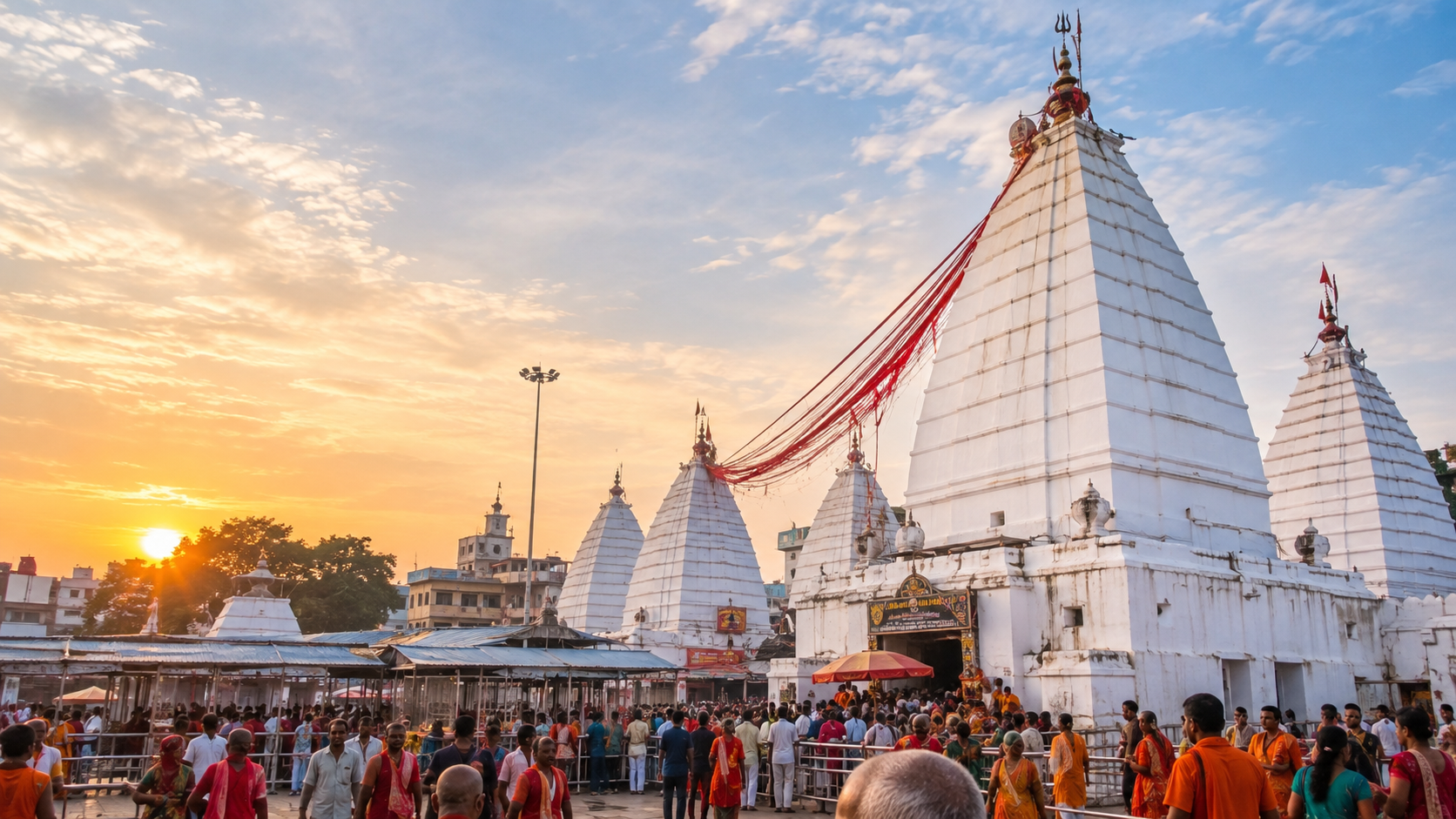
Deoghar Basukinath Tour from Deoghar. Package details, itinerary and pricing can be completed in the CRM.
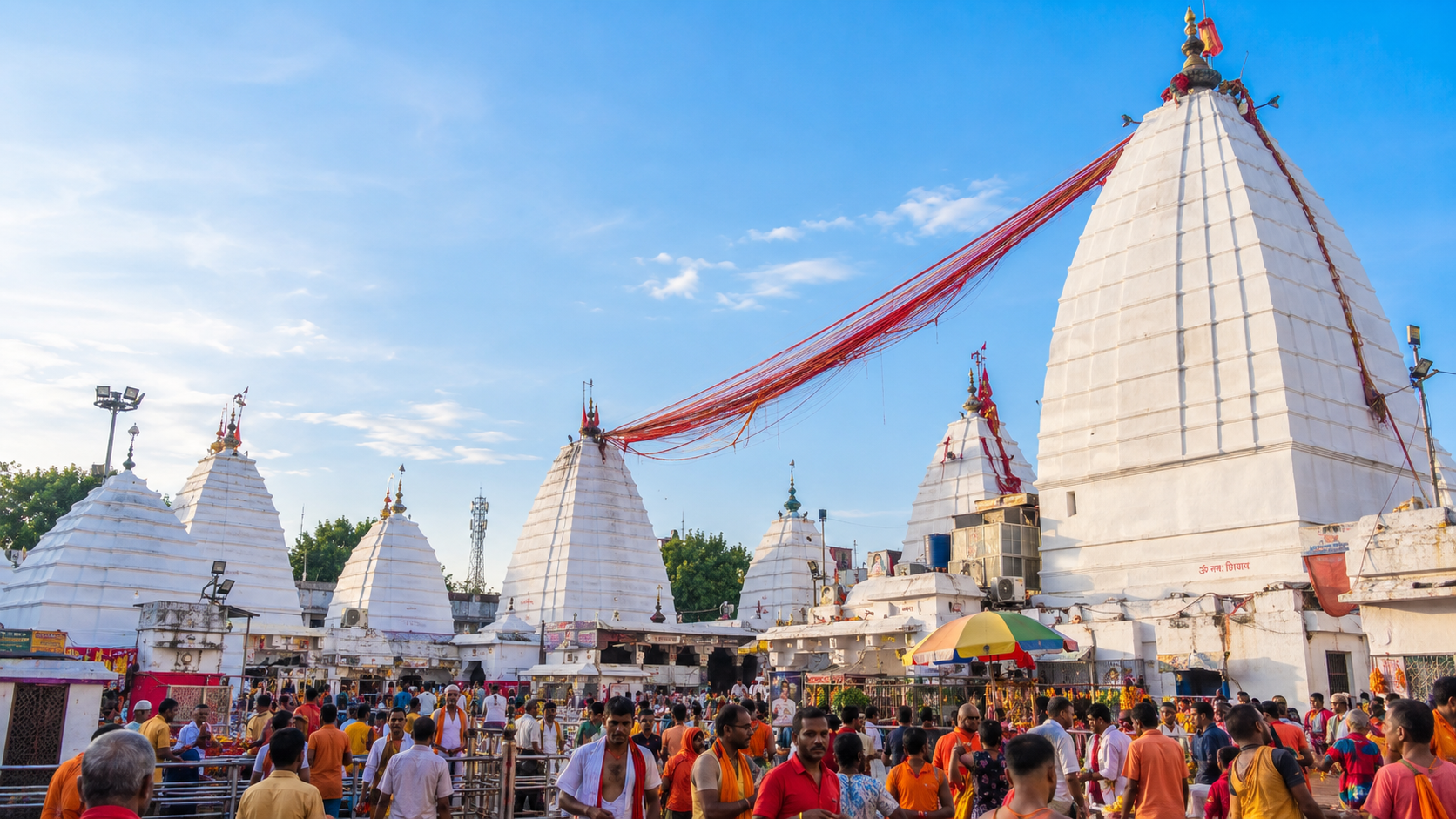
Deoghar Baba Dham Tour from Deoghar. Package details, itinerary and pricing can be completed in the CRM.
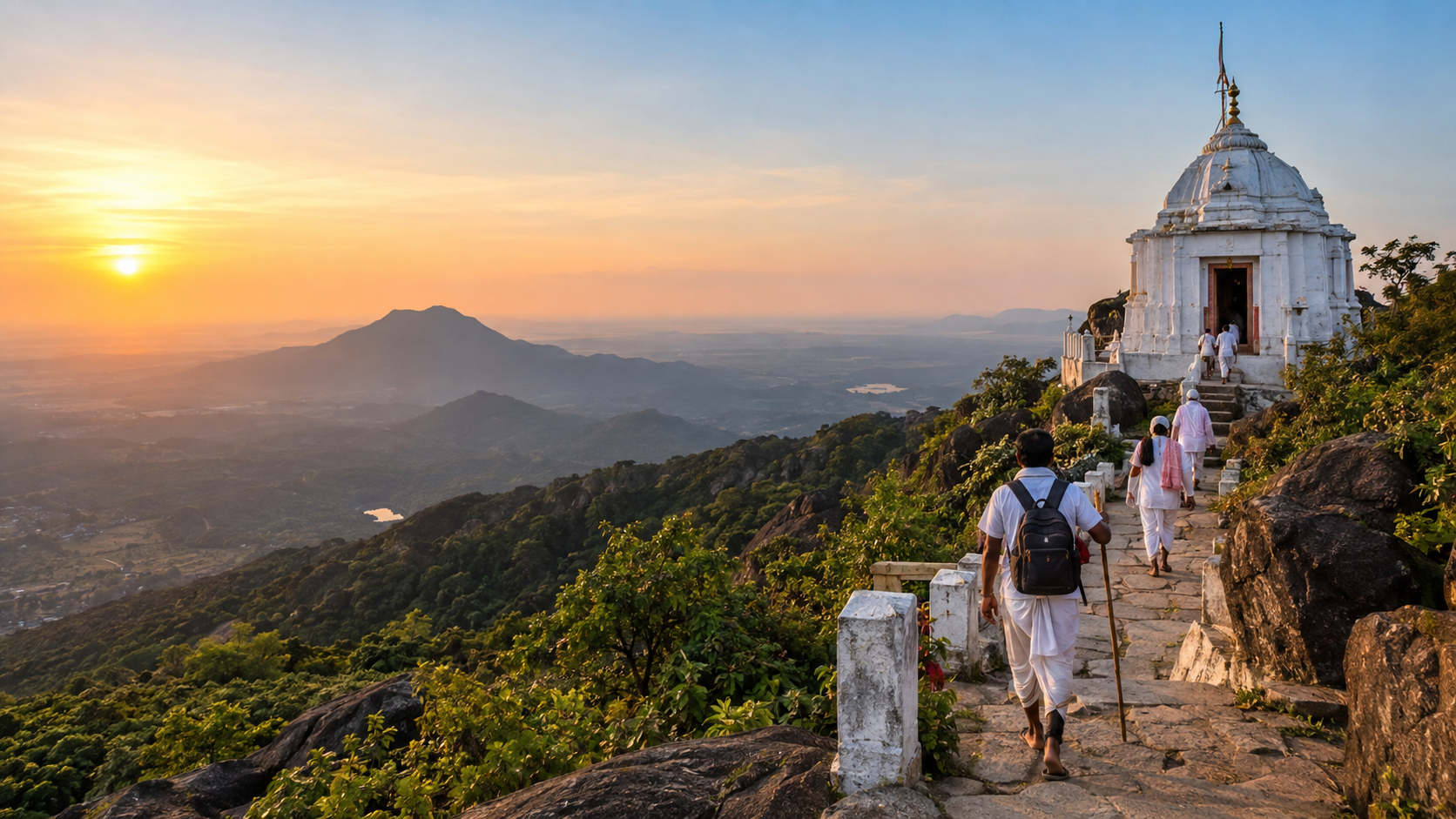
Shikharji Tour from Ranchi. Package details, itinerary and pricing can be completed in the CRM.
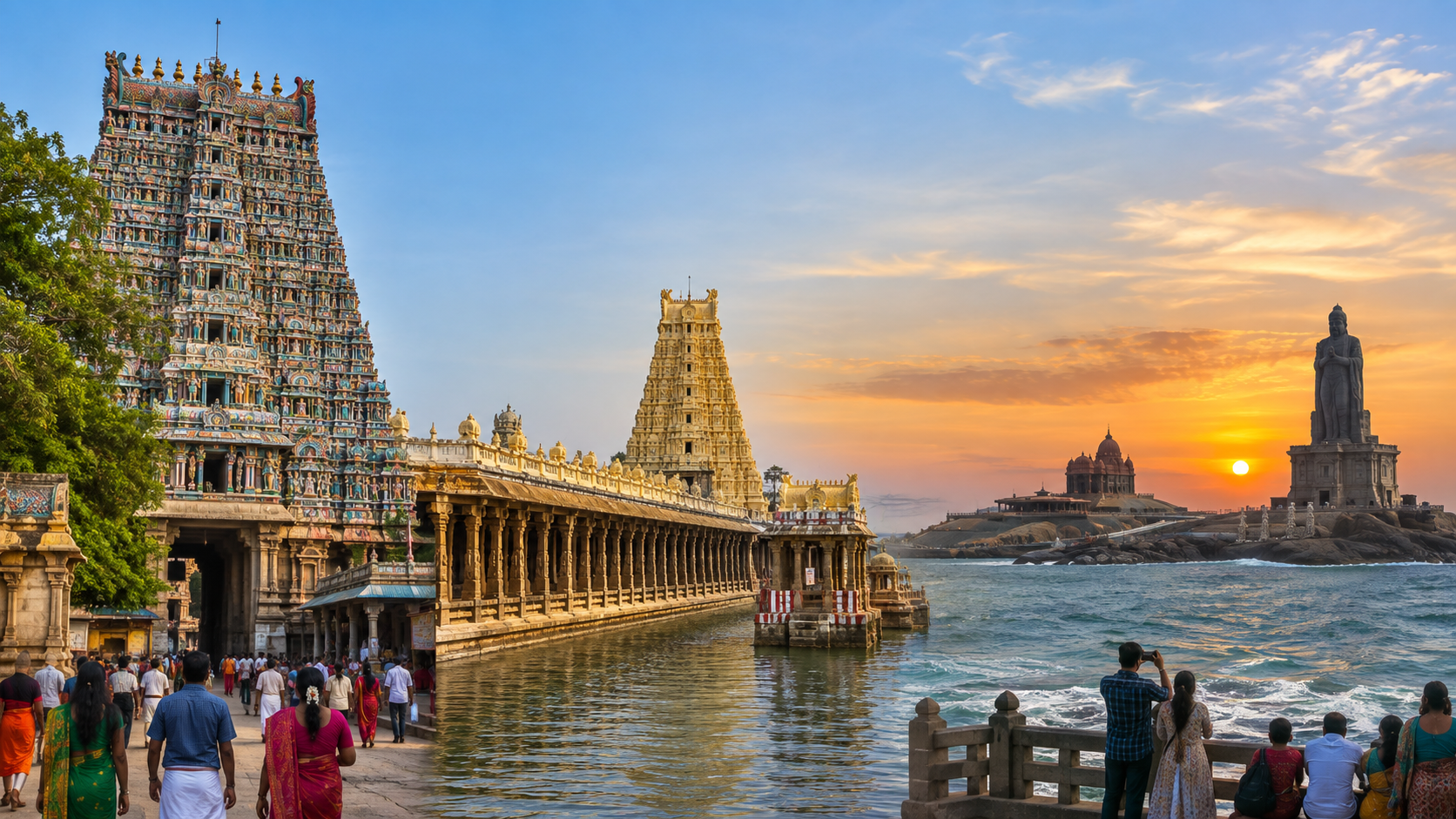
Madurai Rameswaram Kanyakumari Tour from Madurai. Package details, itinerary and pricing can be completed in the CRM.
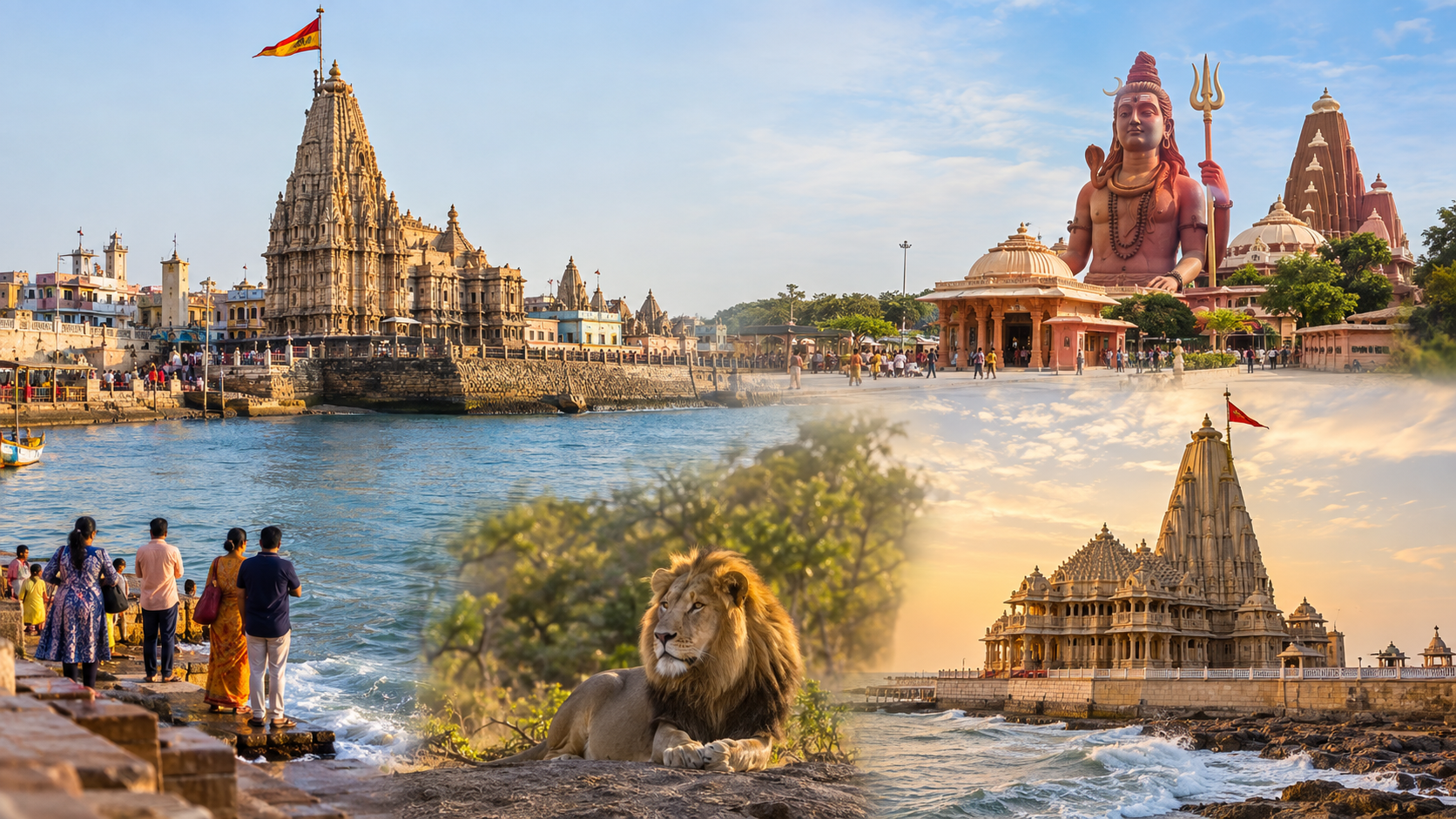
Dwarka Somnath Nageshwar Gir Tour from Rajkot. Package details, itinerary and pricing can be completed in the CRM.
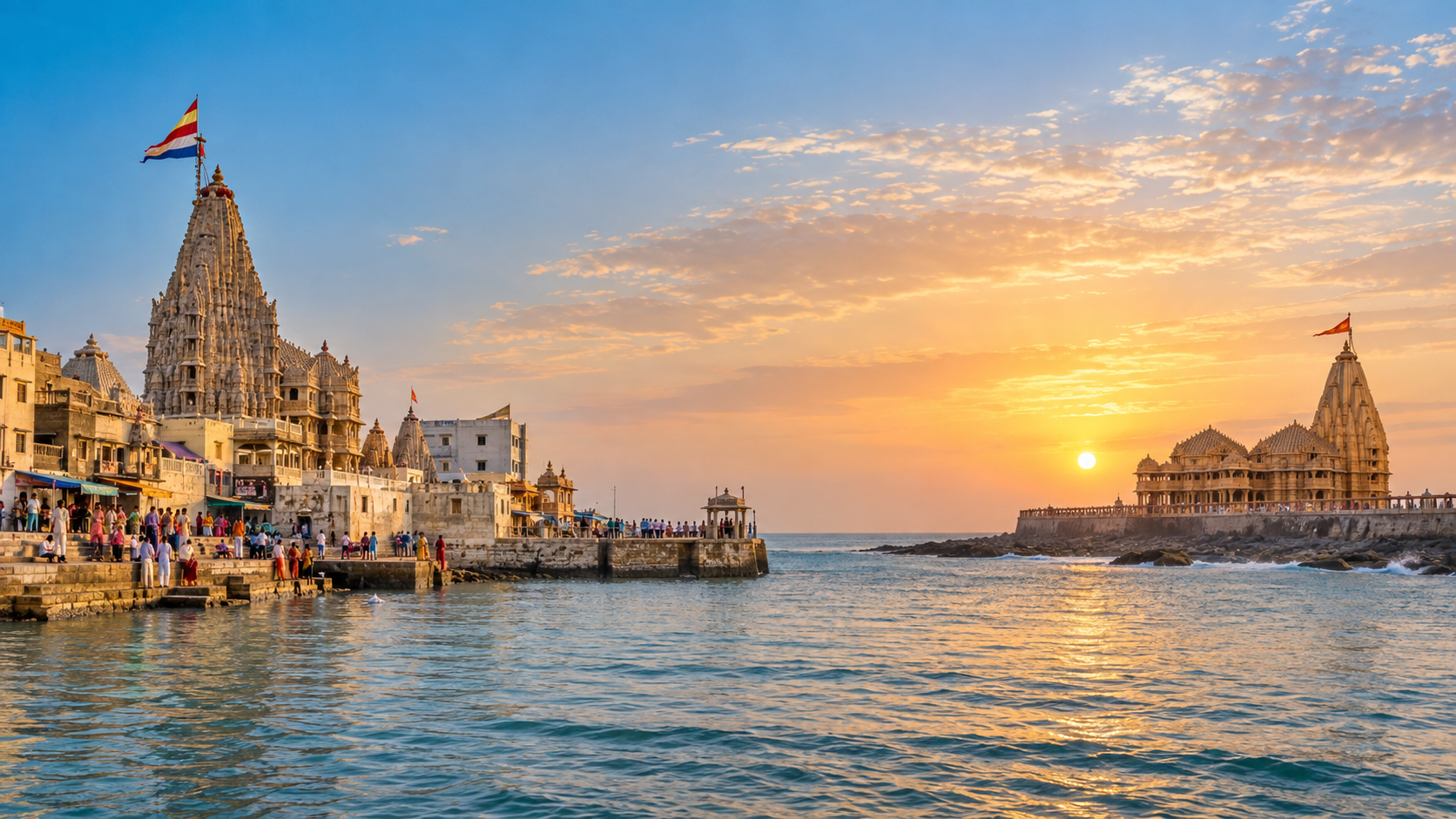
Dwarka Somnath Tour from Rajkot. Package details, itinerary and pricing can be completed in the CRM.
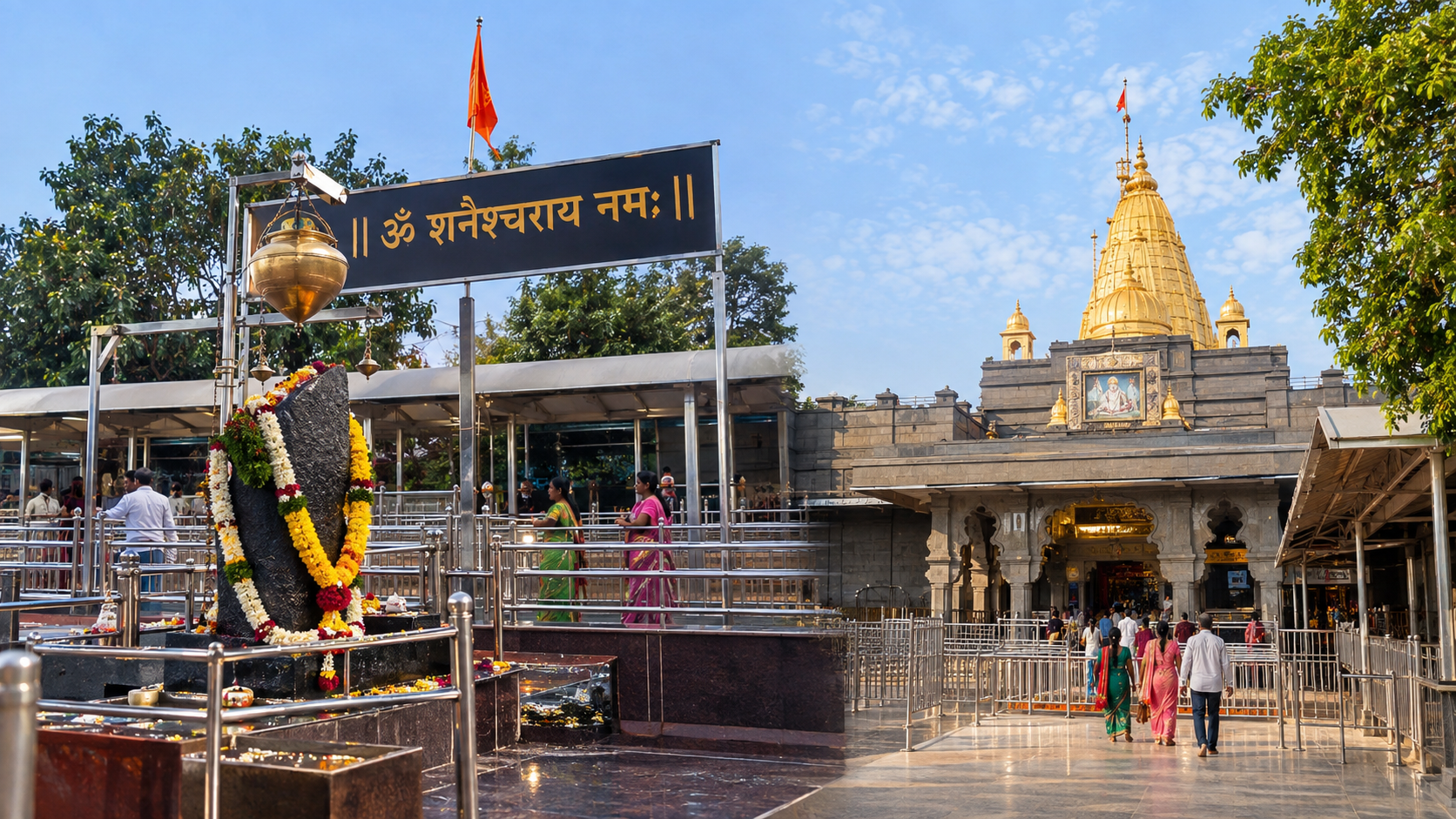
Shirdi Shani Shingnapur Tour from Shirdi. Package details, itinerary and pricing can be completed in the CRM.
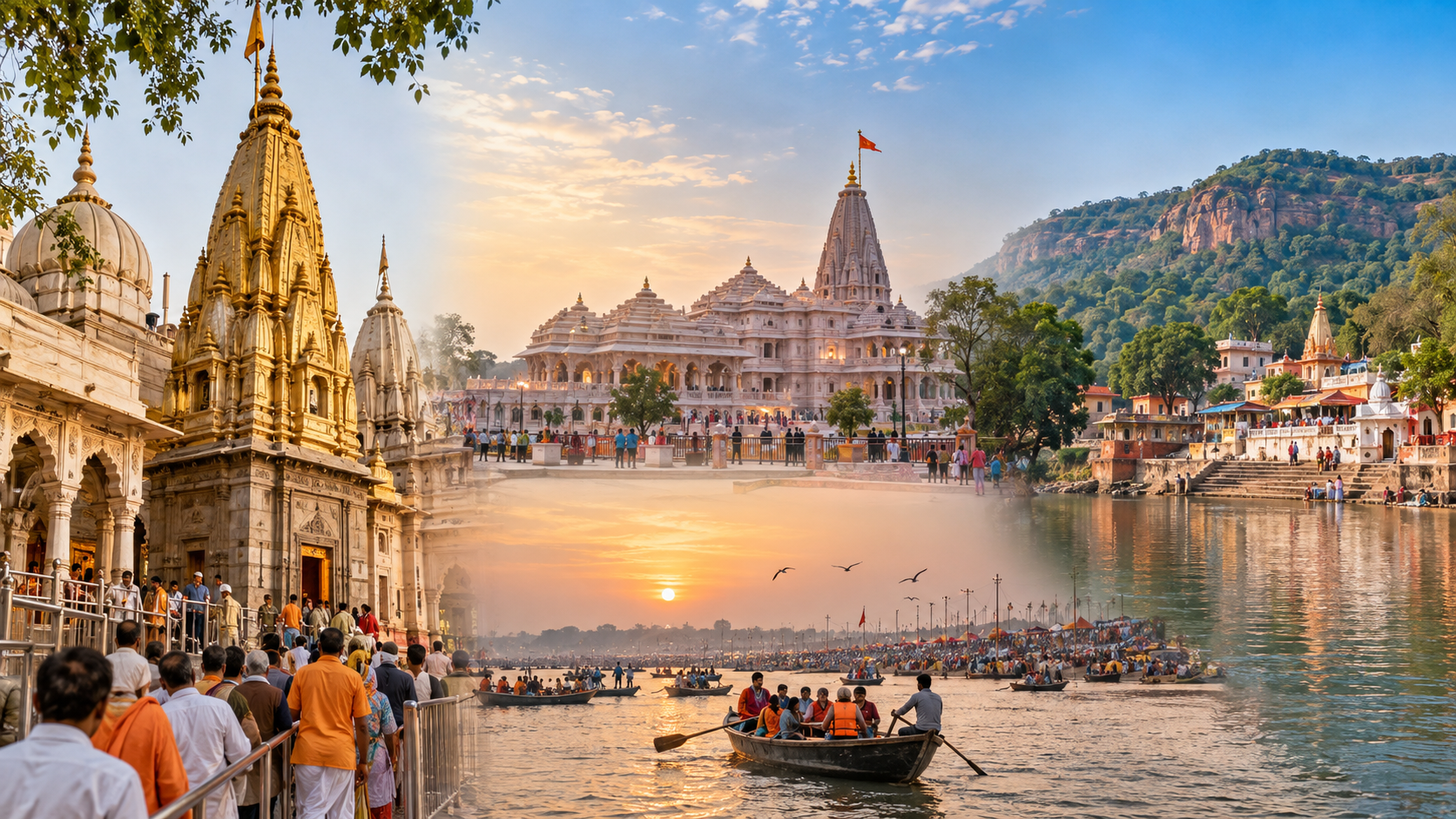
Varanasi Ayodhya Prayagraj Chitrakoot Tour from Varanasi. Package details, itinerary and pricing can be completed in the CRM.
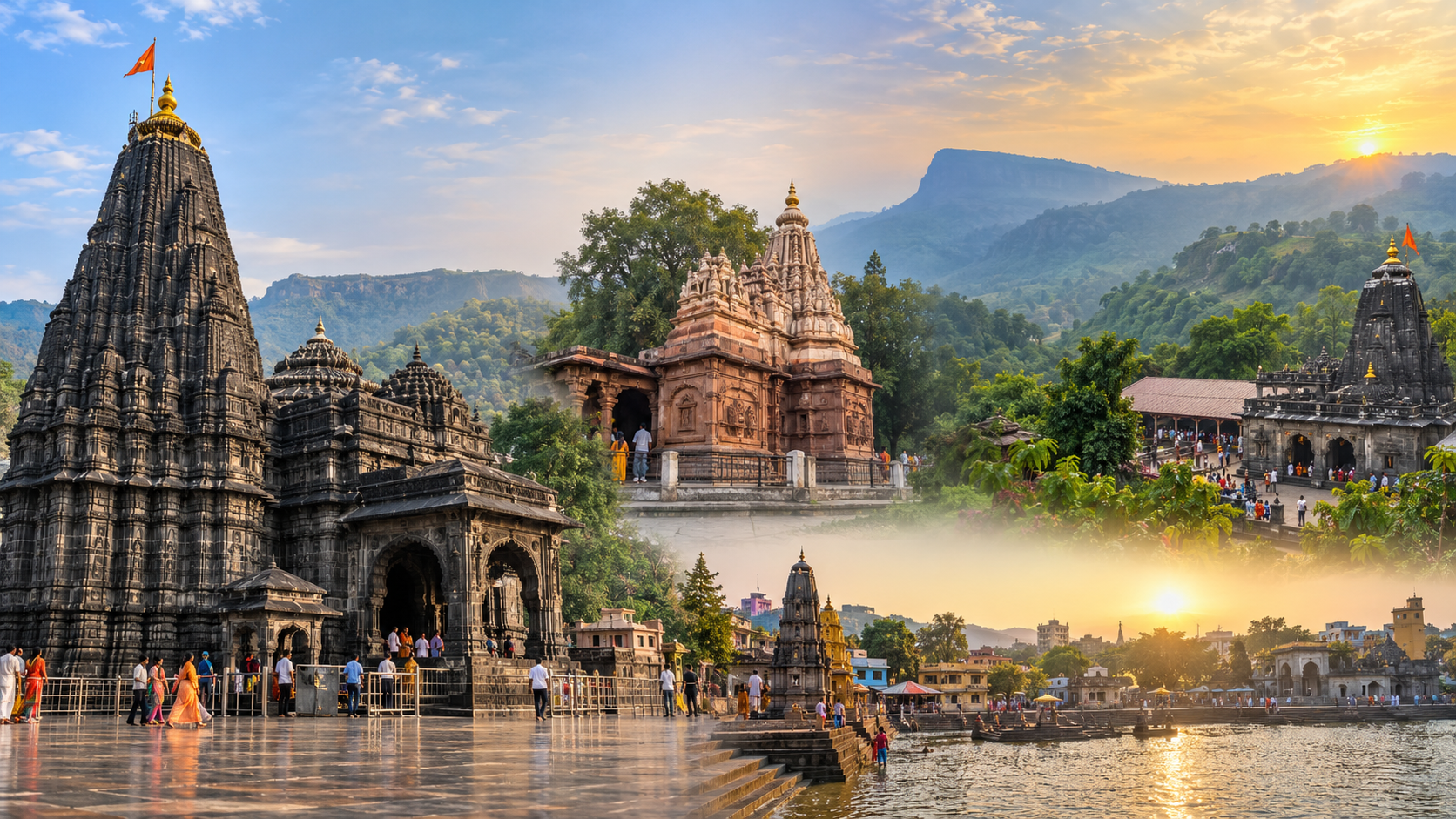
Maharashtra Jyotirlinga Tour from Nashik. Package details, itinerary and pricing can be completed in the CRM.
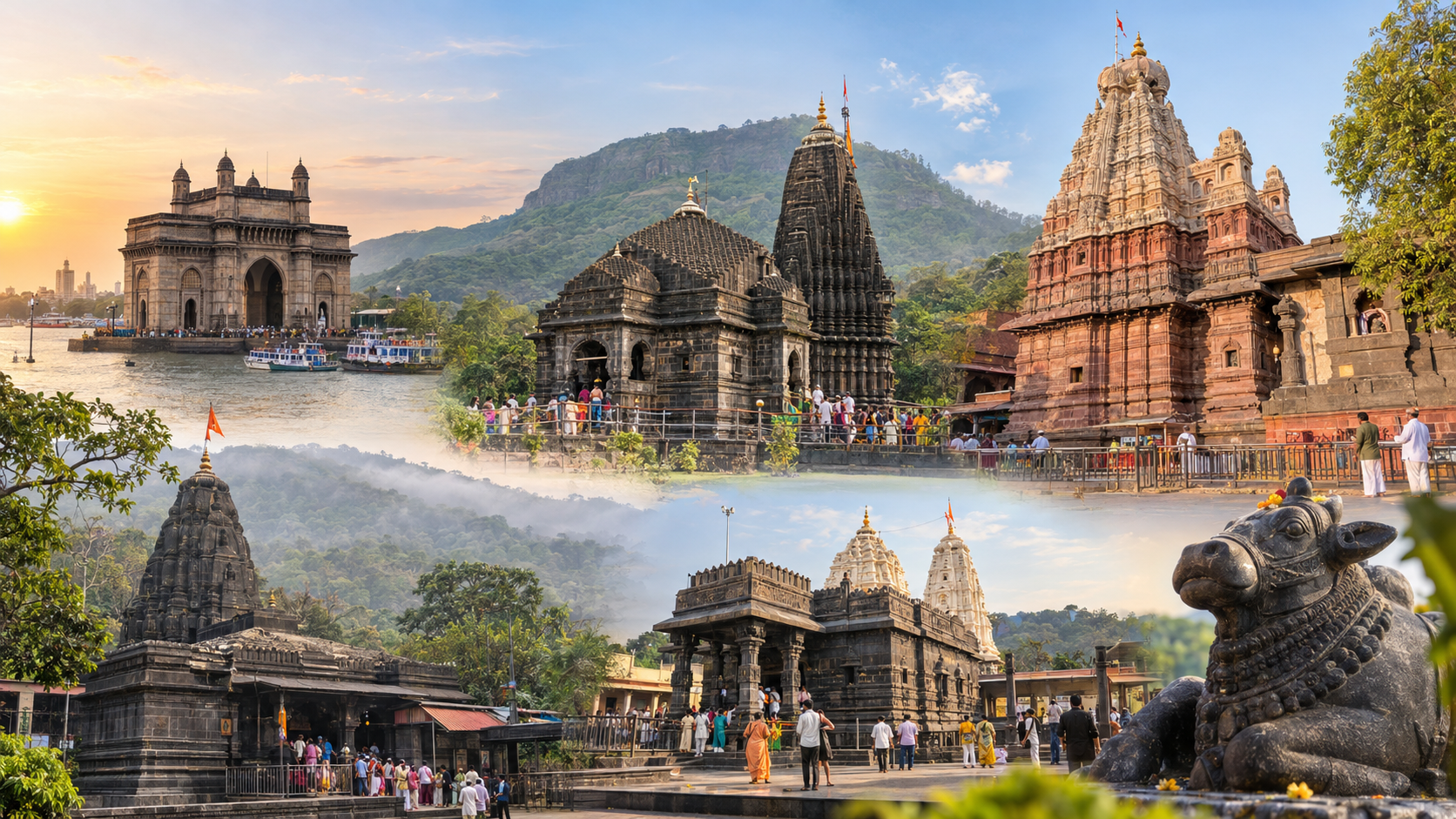
Maharashtra Jyotirlinga Tour from Mumbai. Package details, itinerary and pricing can be completed in the CRM.
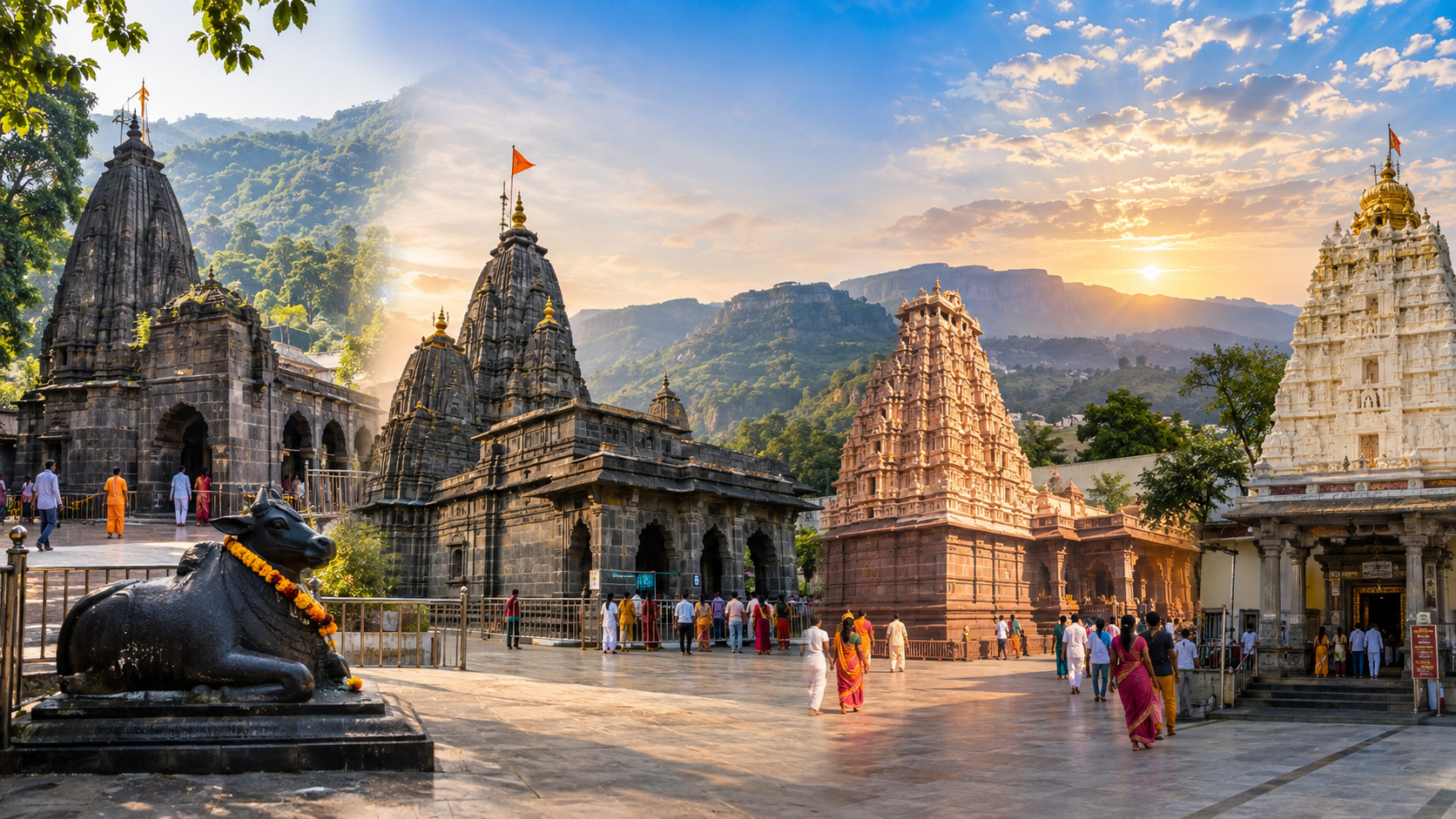
Maharashtra Jyotirlinga Tour from Pune. Package details, itinerary and pricing can be completed in the CRM.
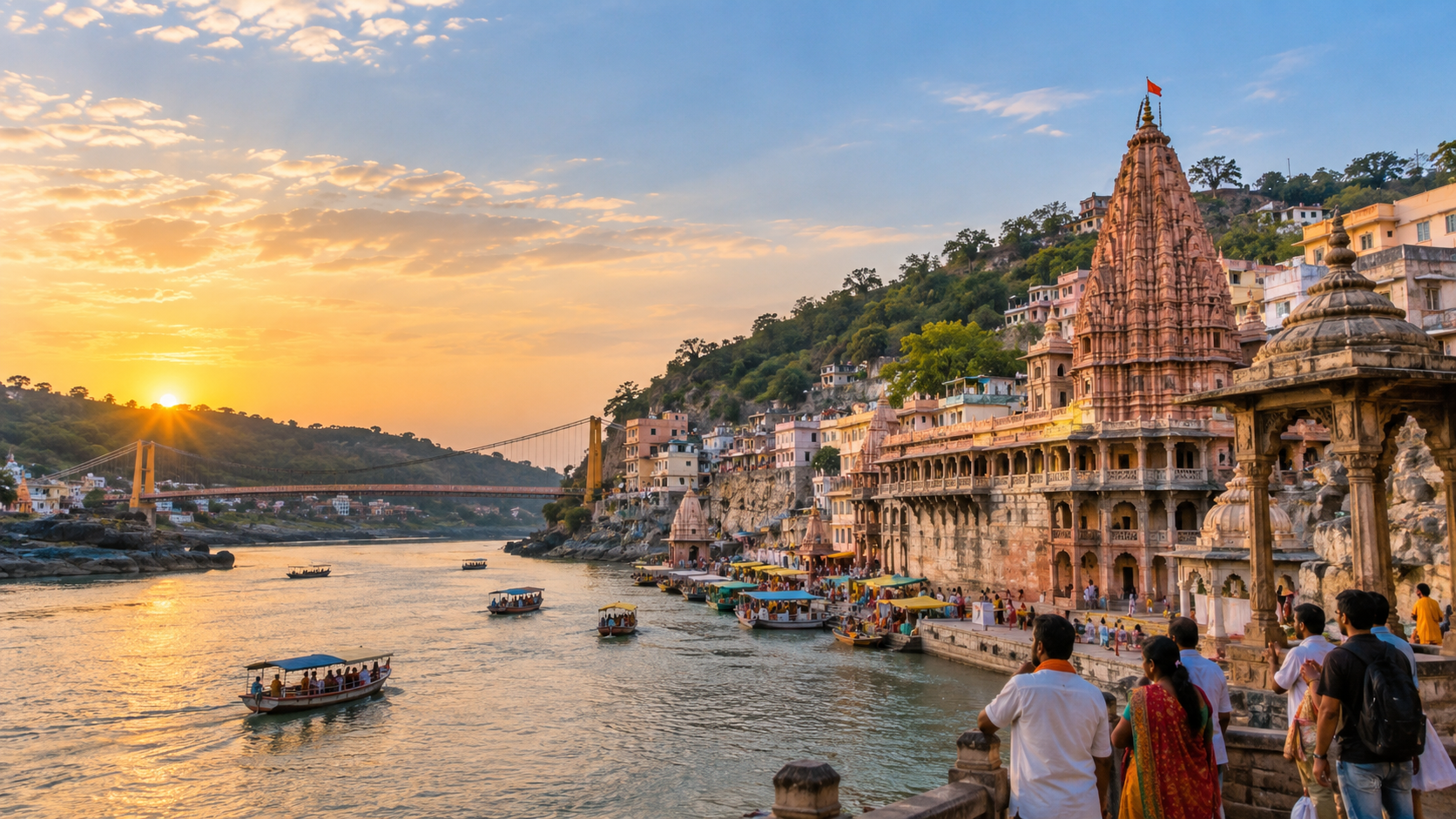
Ujjain Mahakal Omkareshwar Tour from Ujjain. Package details, itinerary and pricing can be completed in the CRM.
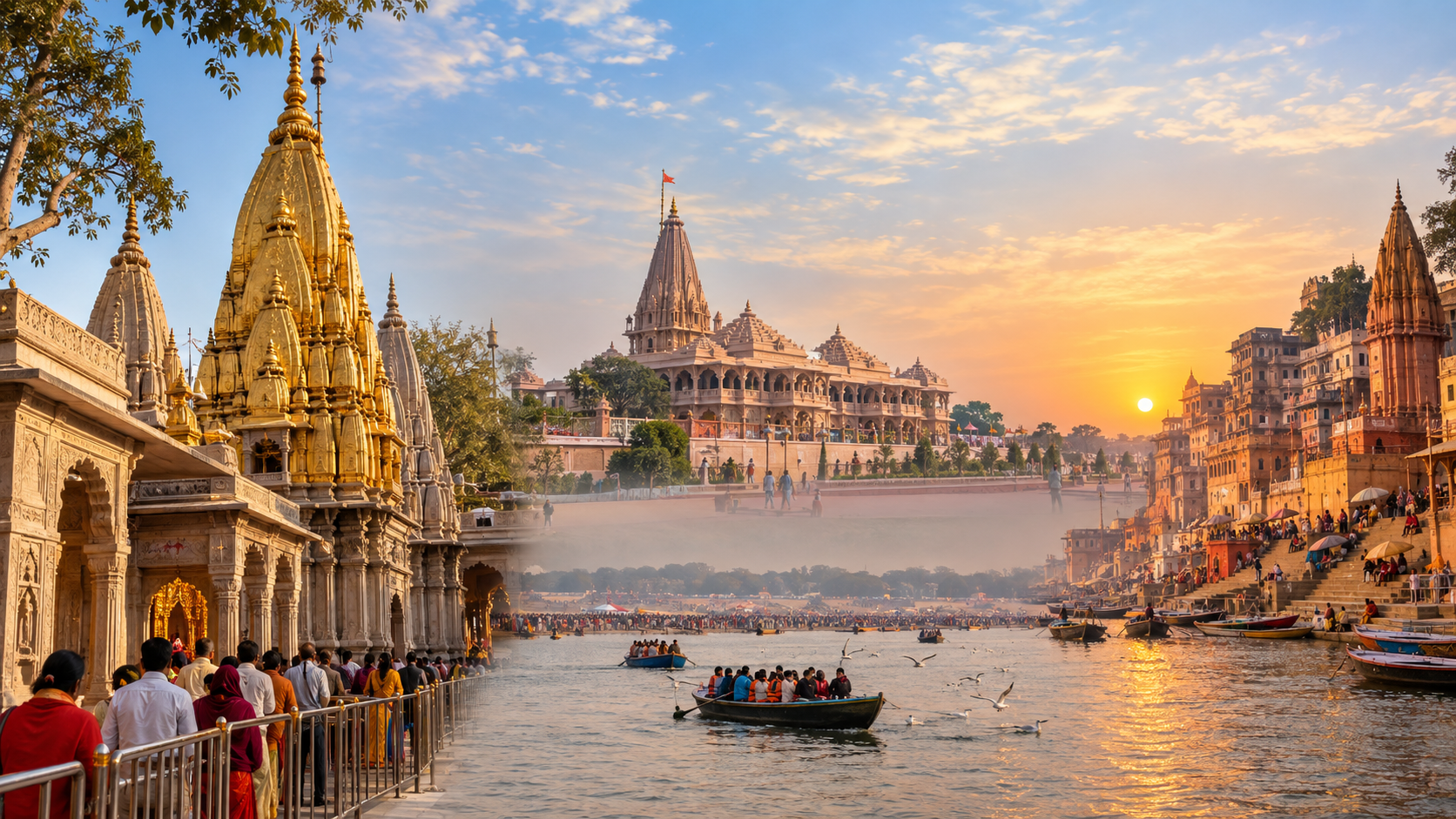
Varanasi Ayodhya Prayagraj Tour from Varanasi. Package details, itinerary and pricing can be completed in the CRM.
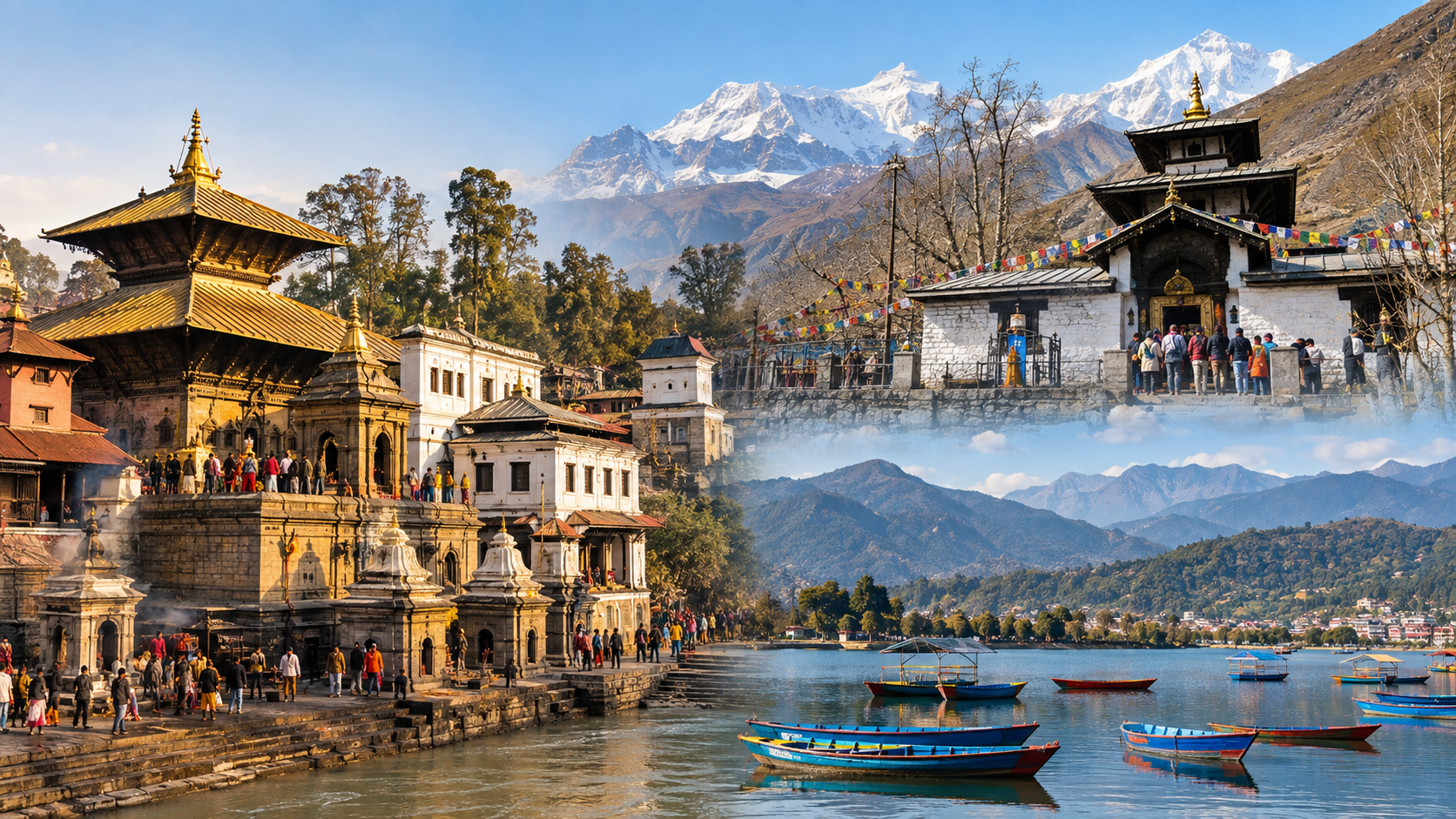
Kathmandu Pashupatinath Muktinath Pokhara Tour from Kathmandu. Package details, itinerary and pricing can be completed in the CRM.
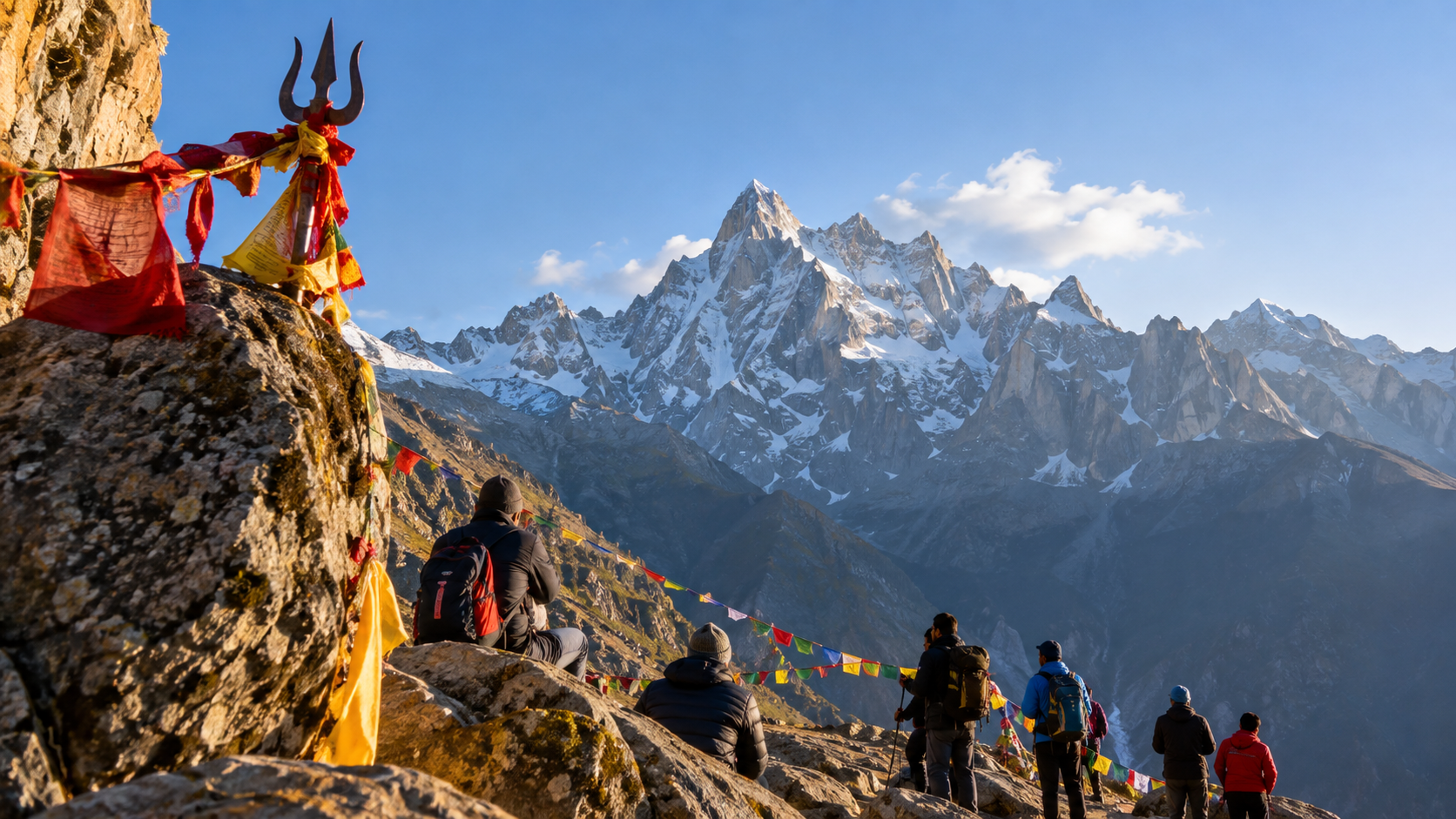
Kinner Kailash Yatra from Chandigarh. Package details, itinerary and pricing can be completed in the CRM.
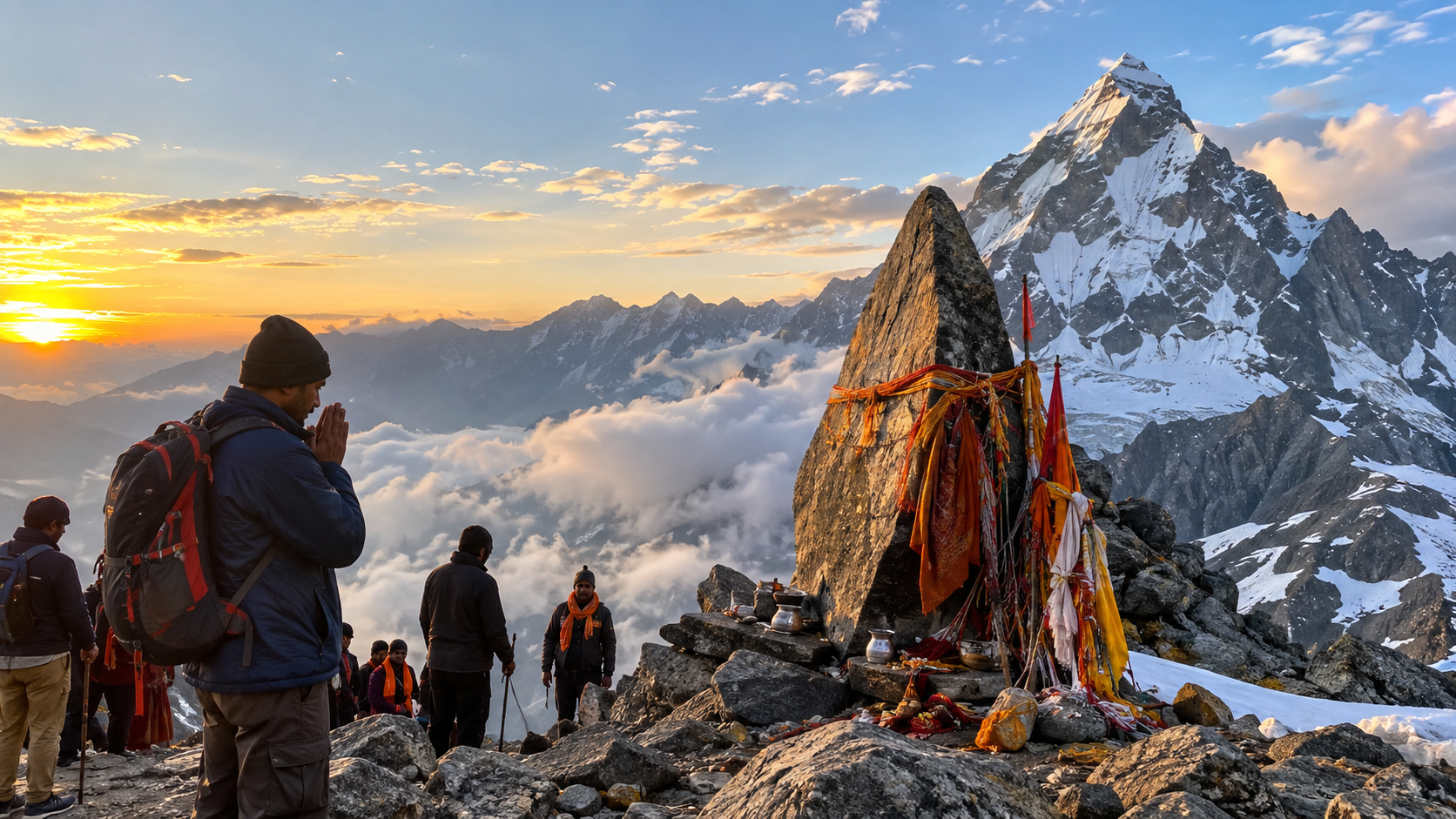
Shrikhand Mahadev Yatra from Chandigarh. Package details, itinerary and pricing can be completed in the CRM.
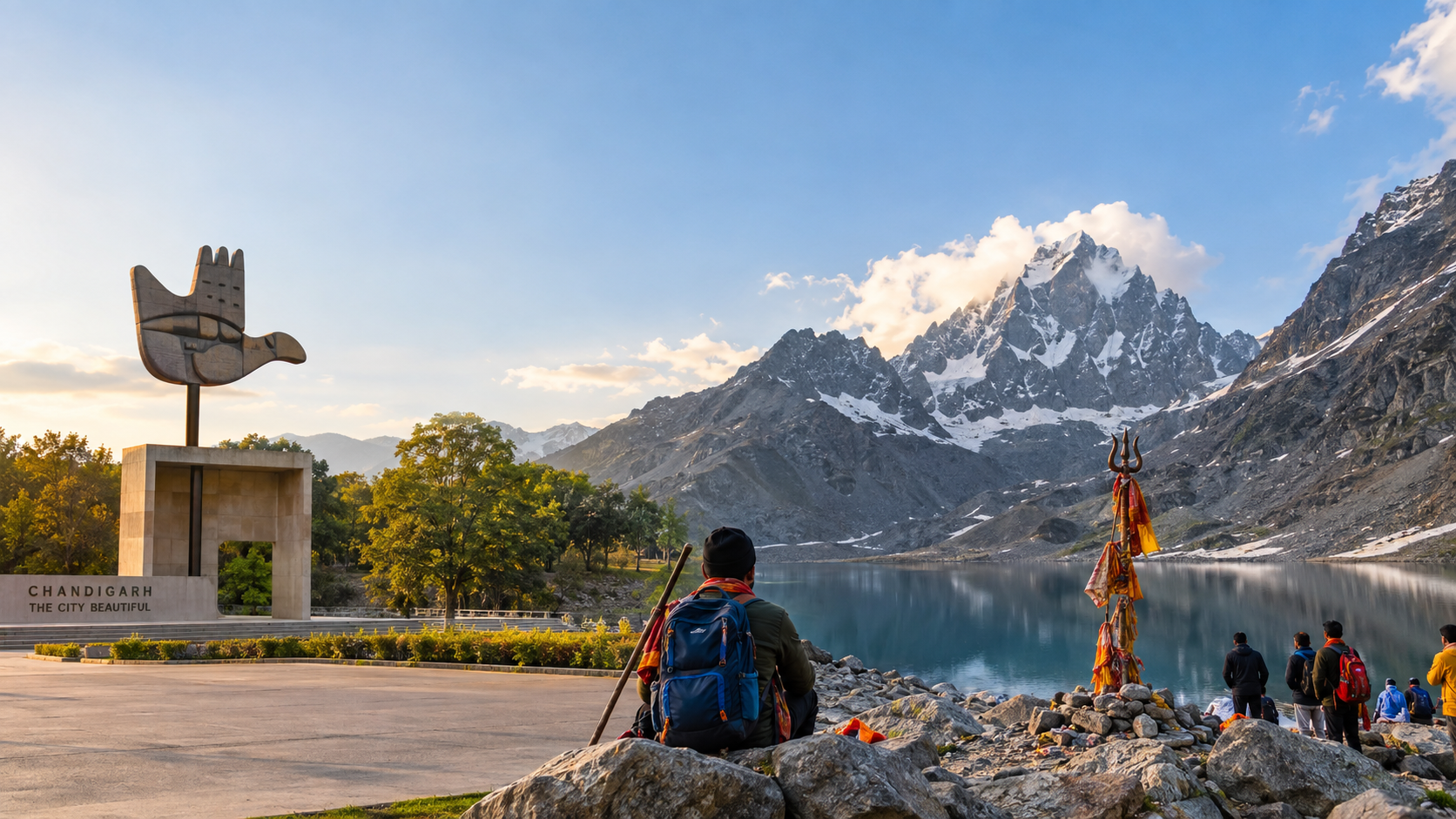
Manimahesh Yatra from Chandigarh. Package details, itinerary and pricing can be completed in the CRM.
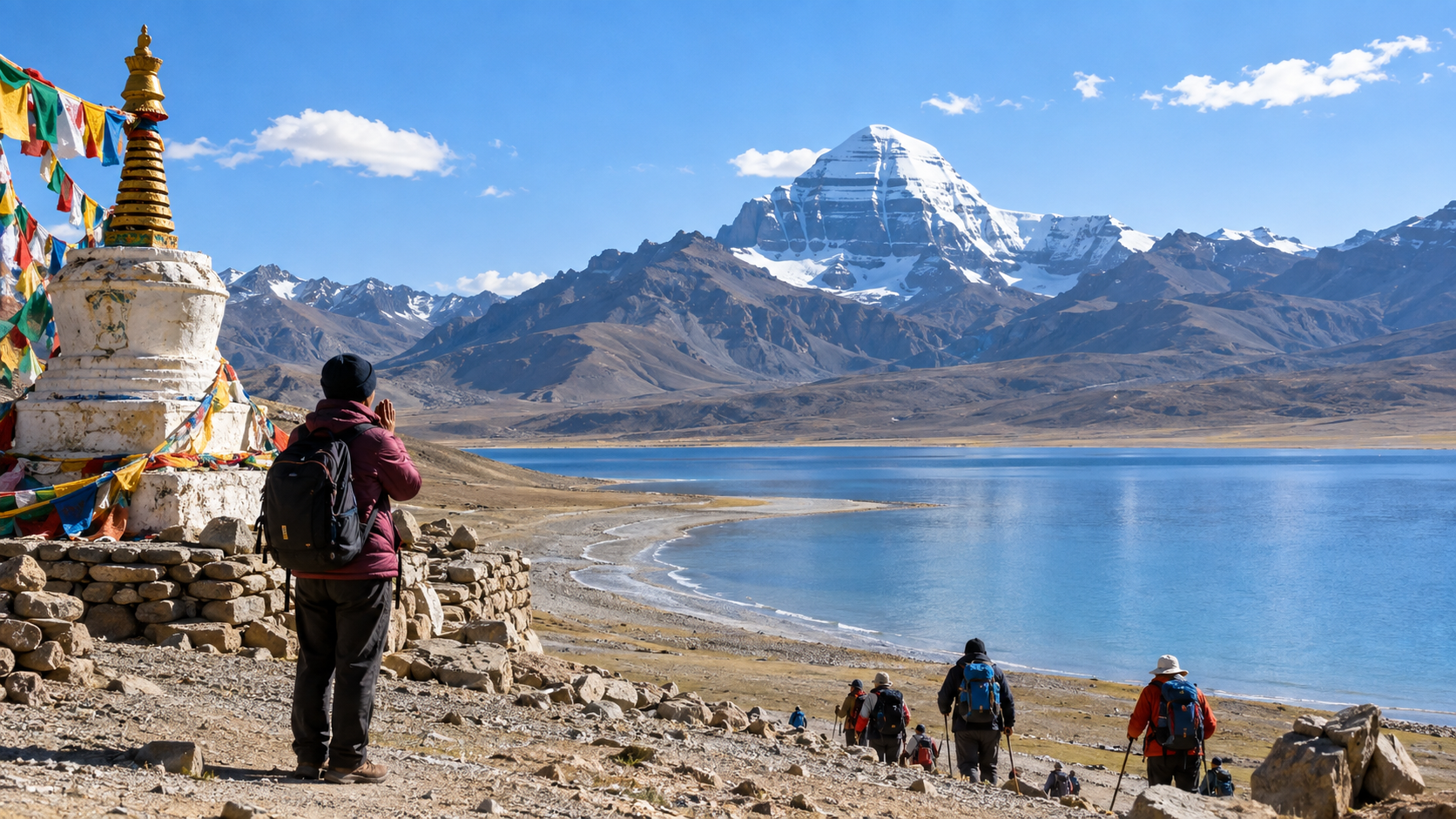
Kailash Mansarovar Yatra by Road from Kathmandu. Package details, itinerary and pricing can be completed in the CRM.
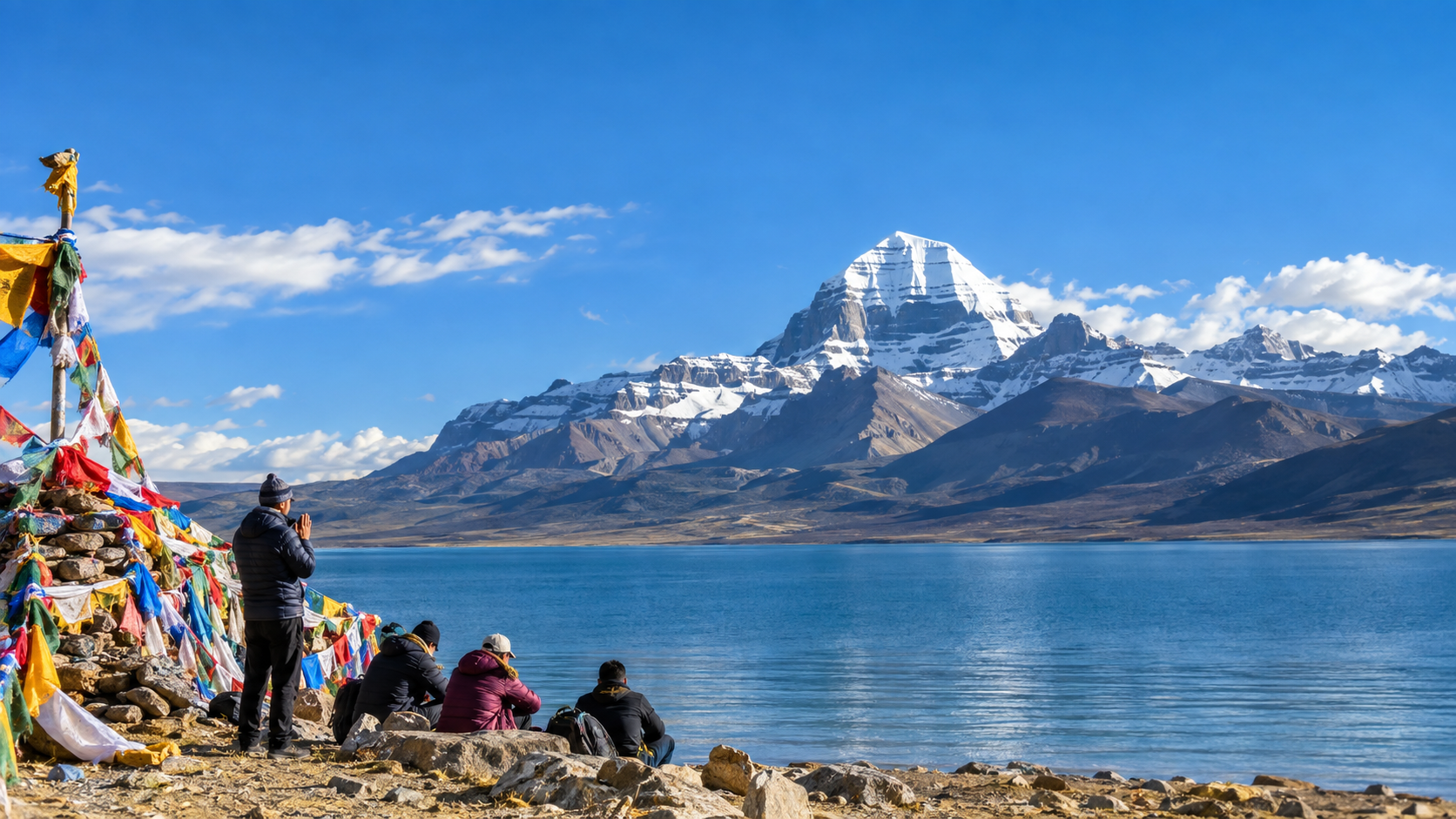
Kailash Mansarovar Yatra by Helicopter from Kathmandu. Package details, itinerary and pricing can be completed in the CRM.
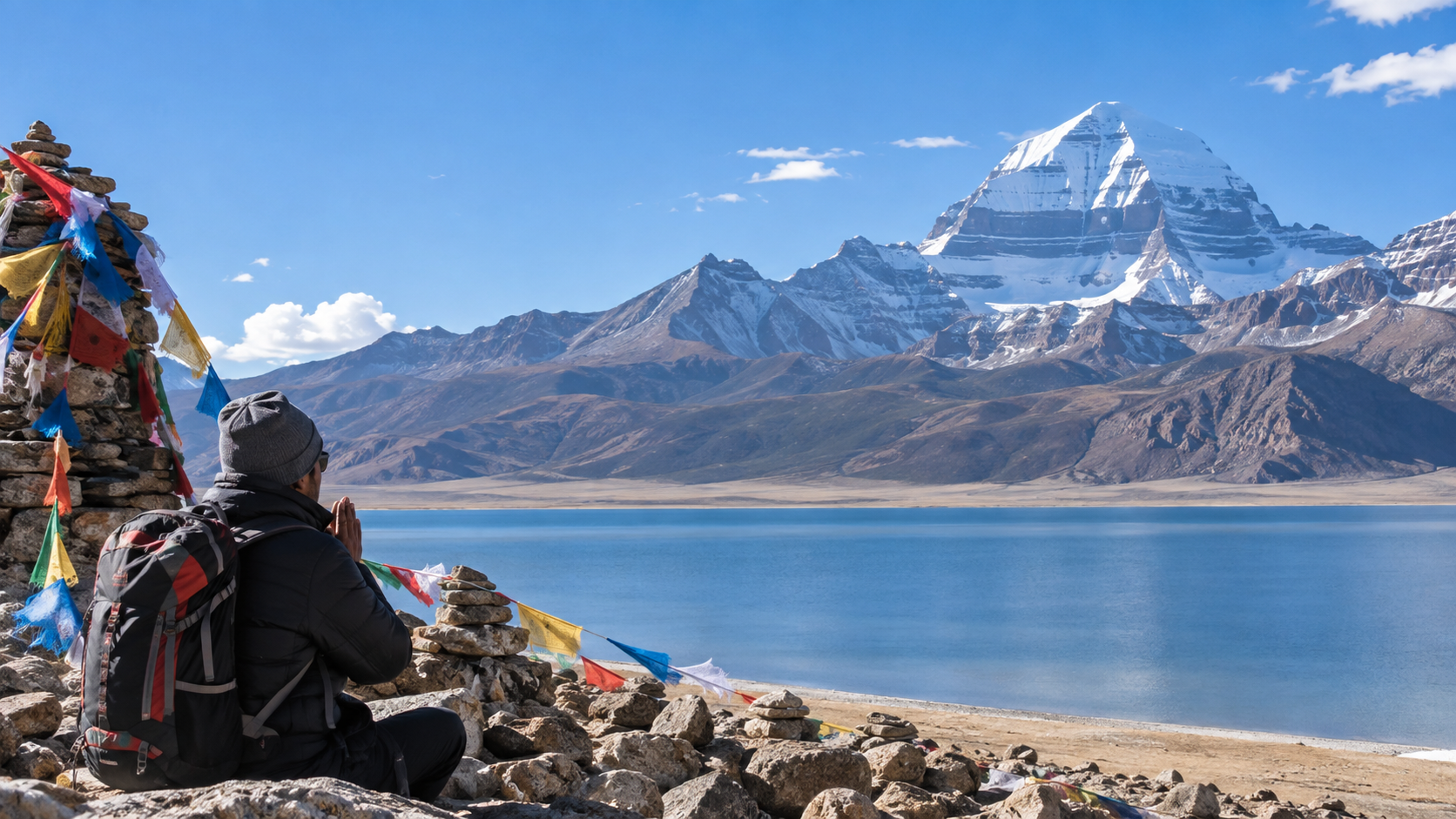
Kailash Mansarovar Yatra by Helicopter from Lucknow. Package details, itinerary and pricing can be completed in the CRM.
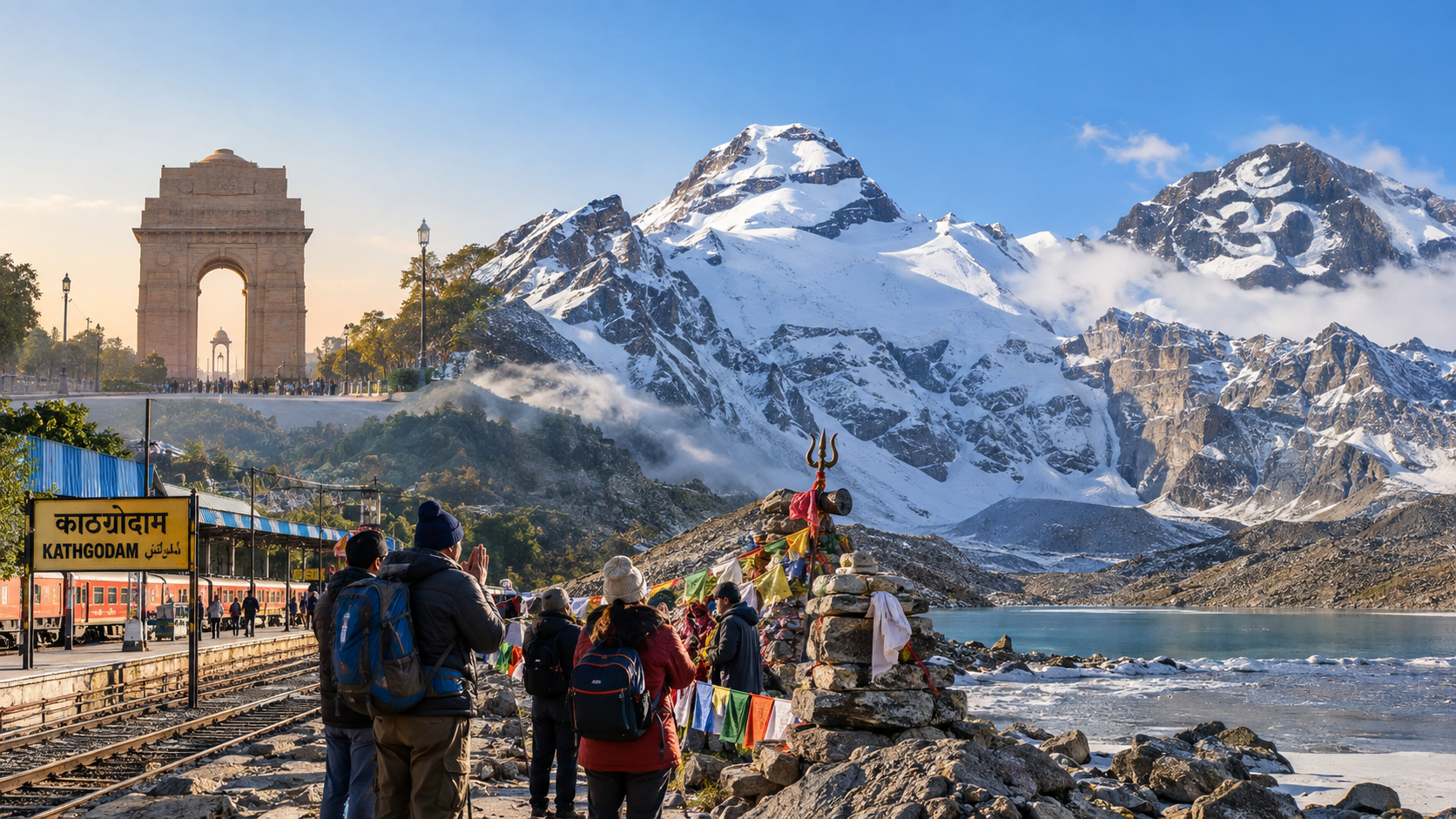
Adi Kailash Om Parvat Yatra from Delhi. Package details, itinerary and pricing can be completed in the CRM.
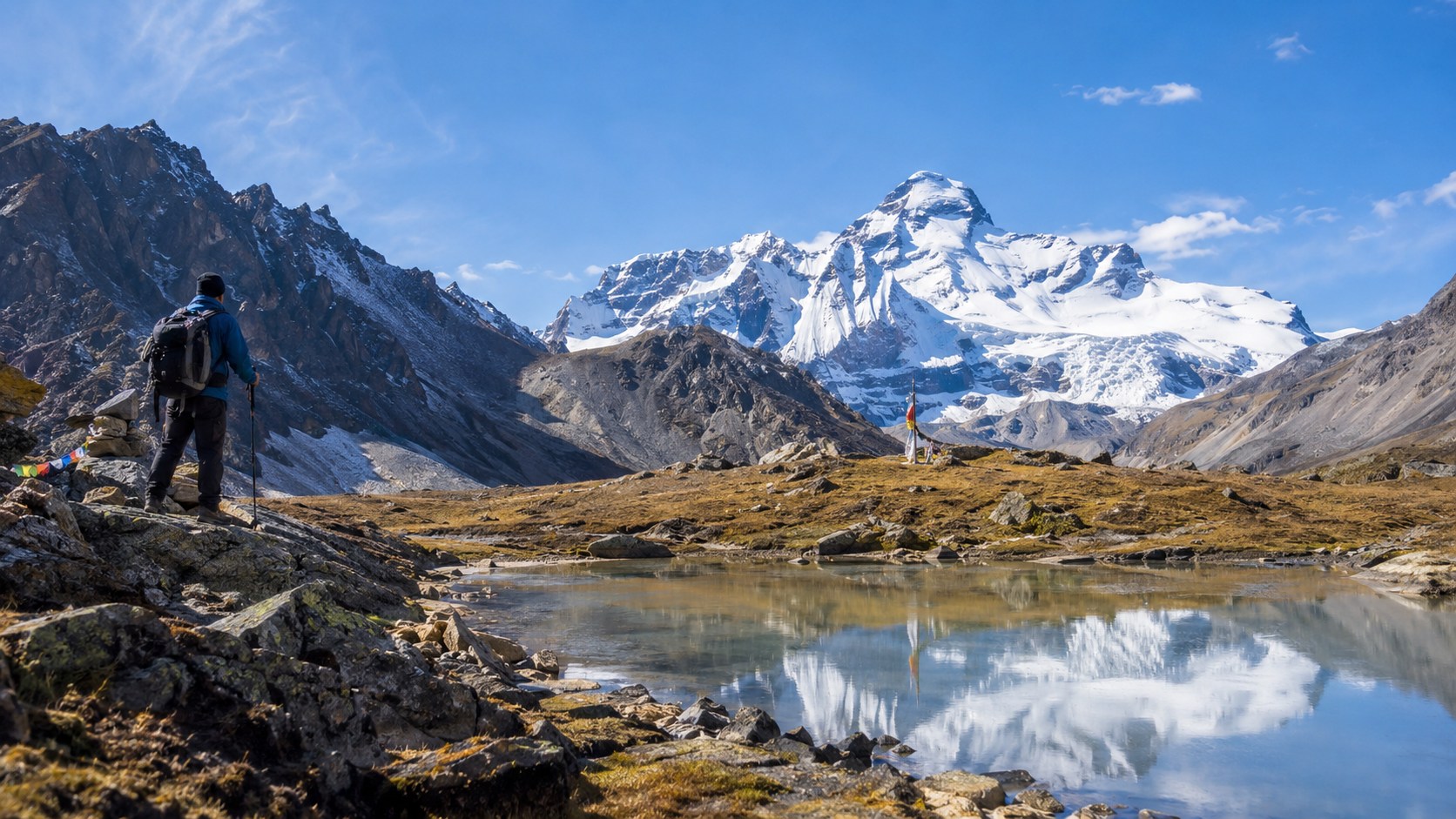
Adi Kailash Om Parvat Yatra from Kathgodam. Package details, itinerary and pricing can be completed in the CRM.
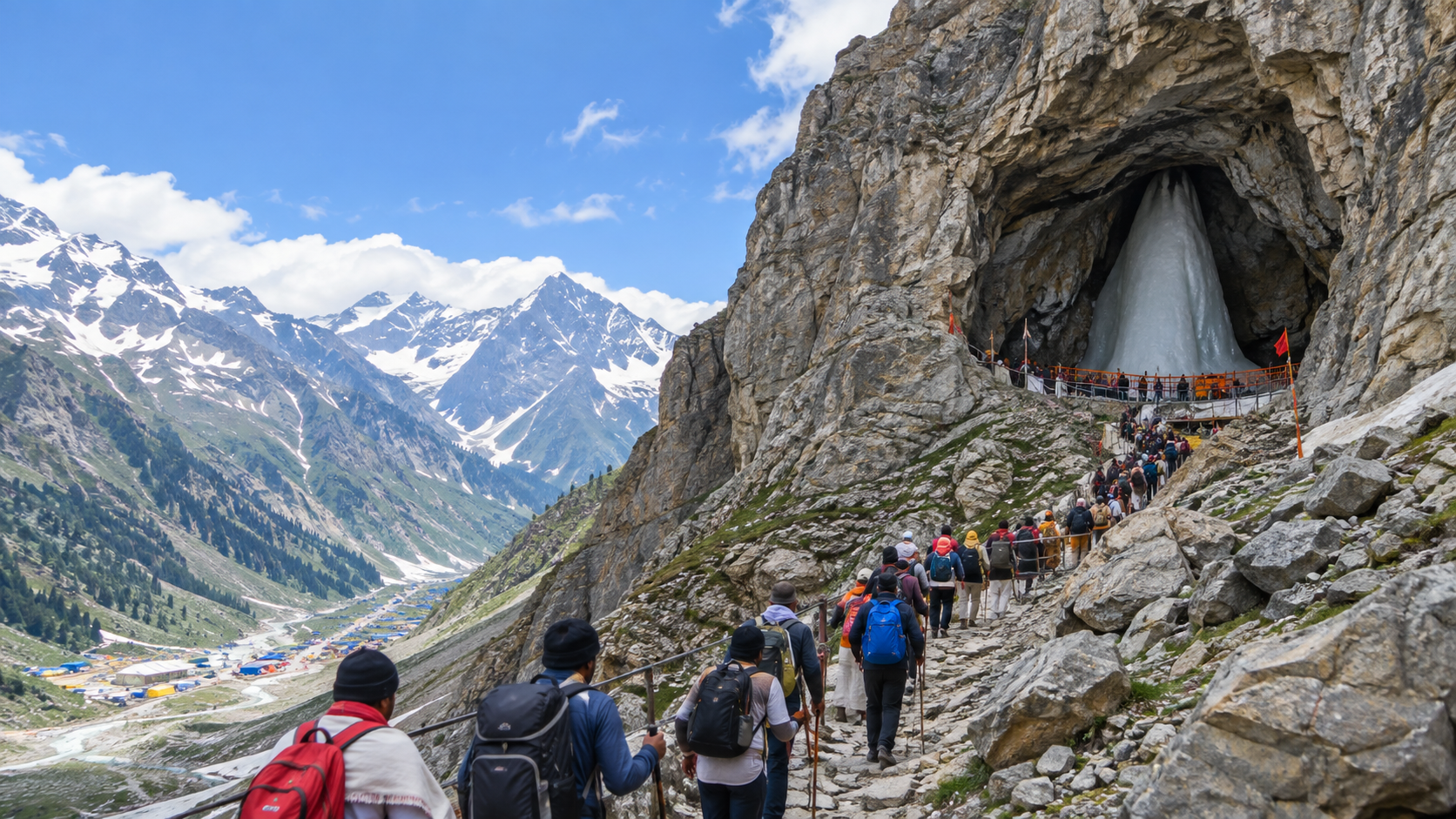
Amarnath Yatra from Srinagar. Package details, itinerary and pricing can be completed in the CRM.
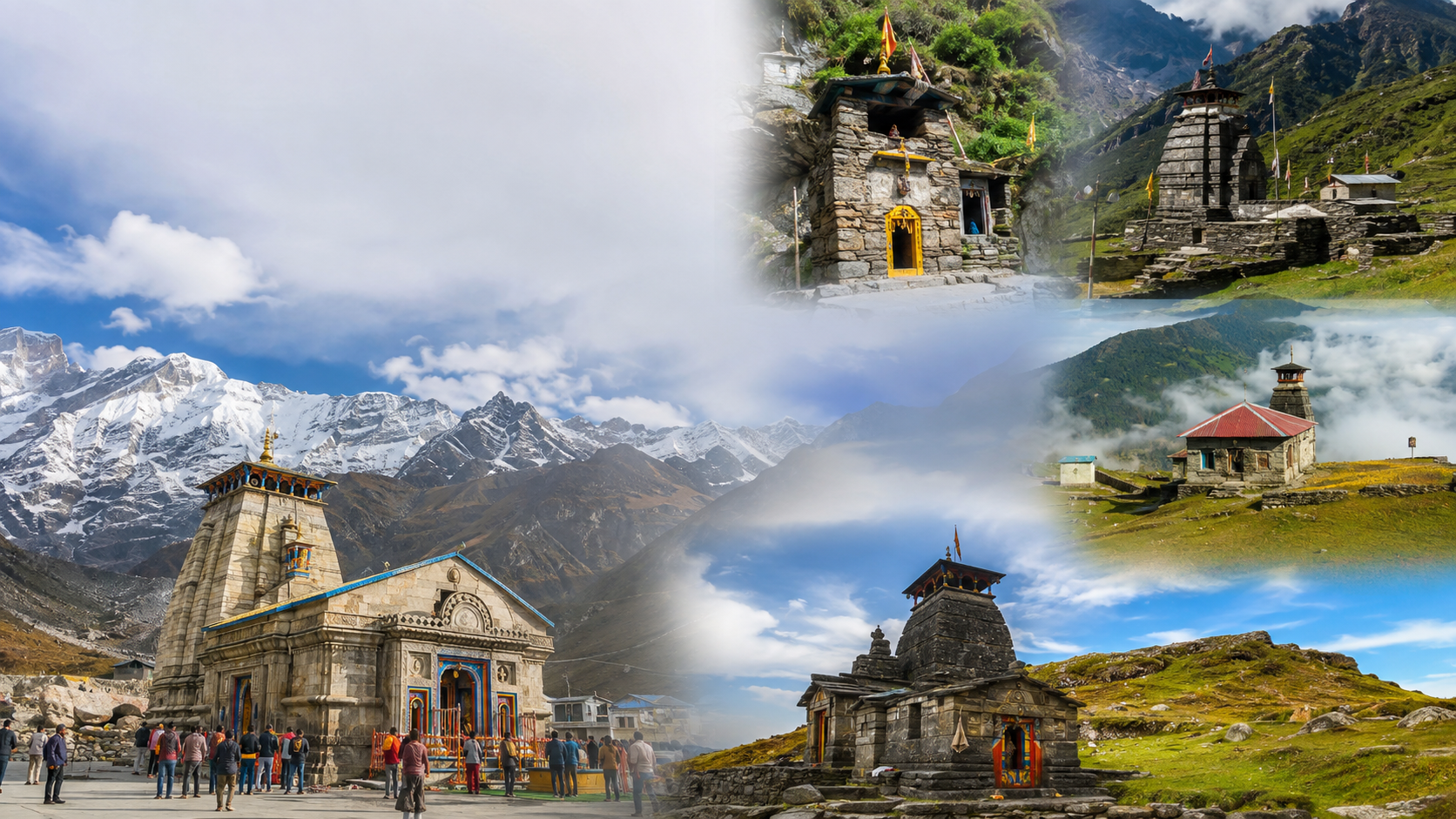
Panch Kedar Yatra from Delhi is a demanding and deeply rewarding pilgrimage through five revered Shiva temples in the Garhwal Himalayas: Kedarnath, Tungnath, Rudranath, Madhyamaheshwar and Kalpeshwar. This 12 Days / 11 Nights pilgrimage is designed for devotees who want to experience the complete Panch Kedar circuit rather than visit only one or two shrines. The journey combines mountain roads, high-altitude walking and time for darshan at some of Uttarakhand’s most significant Shiva temples. Because several shrines involve substantial trekking and seasonal access, careful planning is essential. Trip to Yatra helps travellers plan the pilgrimage around the temple season, travel conditions an
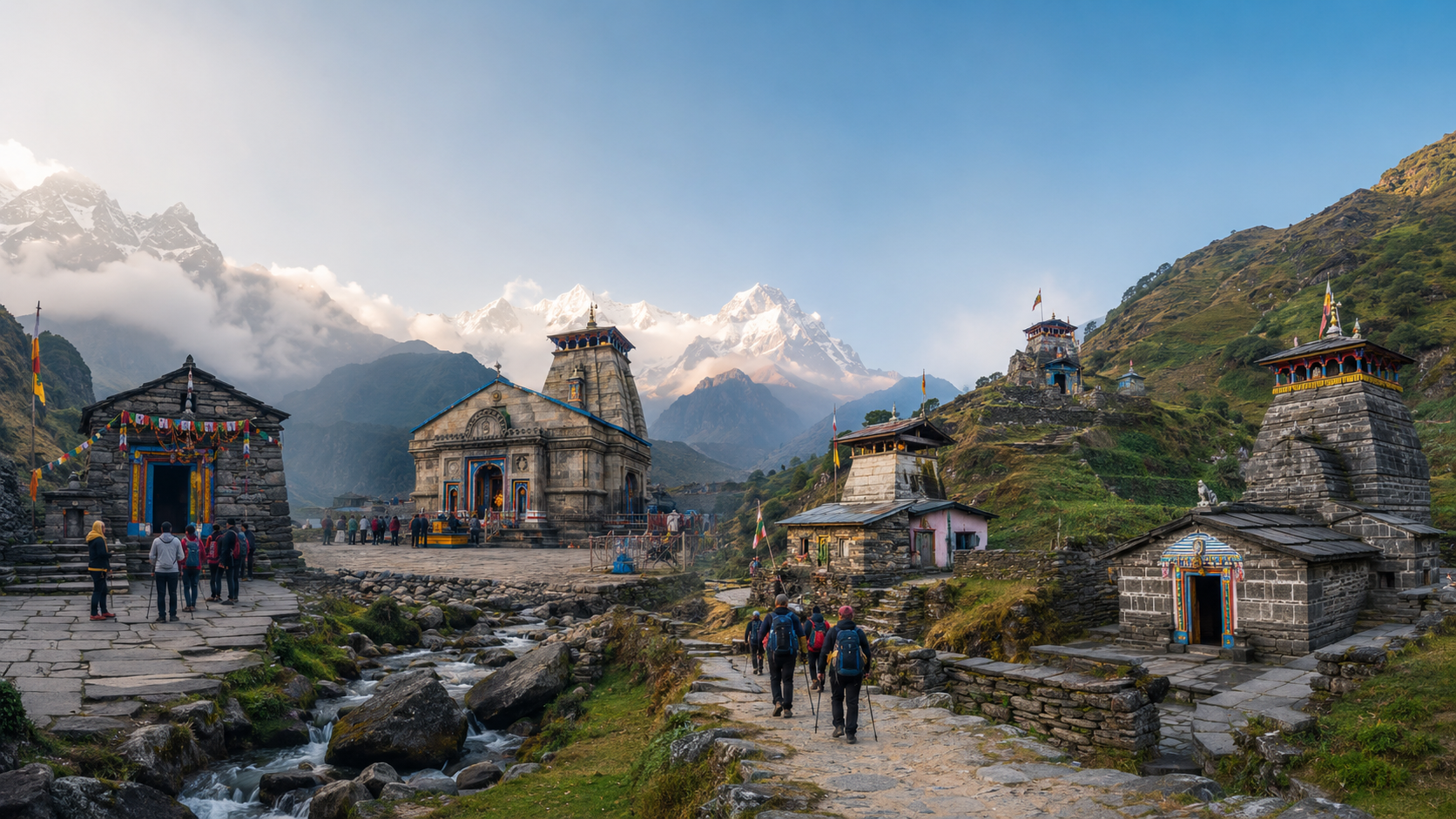
Panch Kedar Yatra from Dehradun is an immersive Shiva pilgrimage covering all five revered Panch Kedar shrines of Uttarakhand: Kedarnath, Tungnath, Rudranath, Madhyamaheshwar and Kalpeshwar. Designed as an 11 Days / 10 Nights pilgrimage experience, the journey combines temple visits with demanding Himalayan treks, mountain landscapes and quiet village settings. Unlike a conventional temple tour, Panch Kedar requires preparation for high-altitude walking, changing weather and seasonal temple access. Trip to Yatra helps travellers plan the pilgrimage around practical travel requirements, accommodation preferences and the operating season, with a focus on a comfortable and well-organised journe
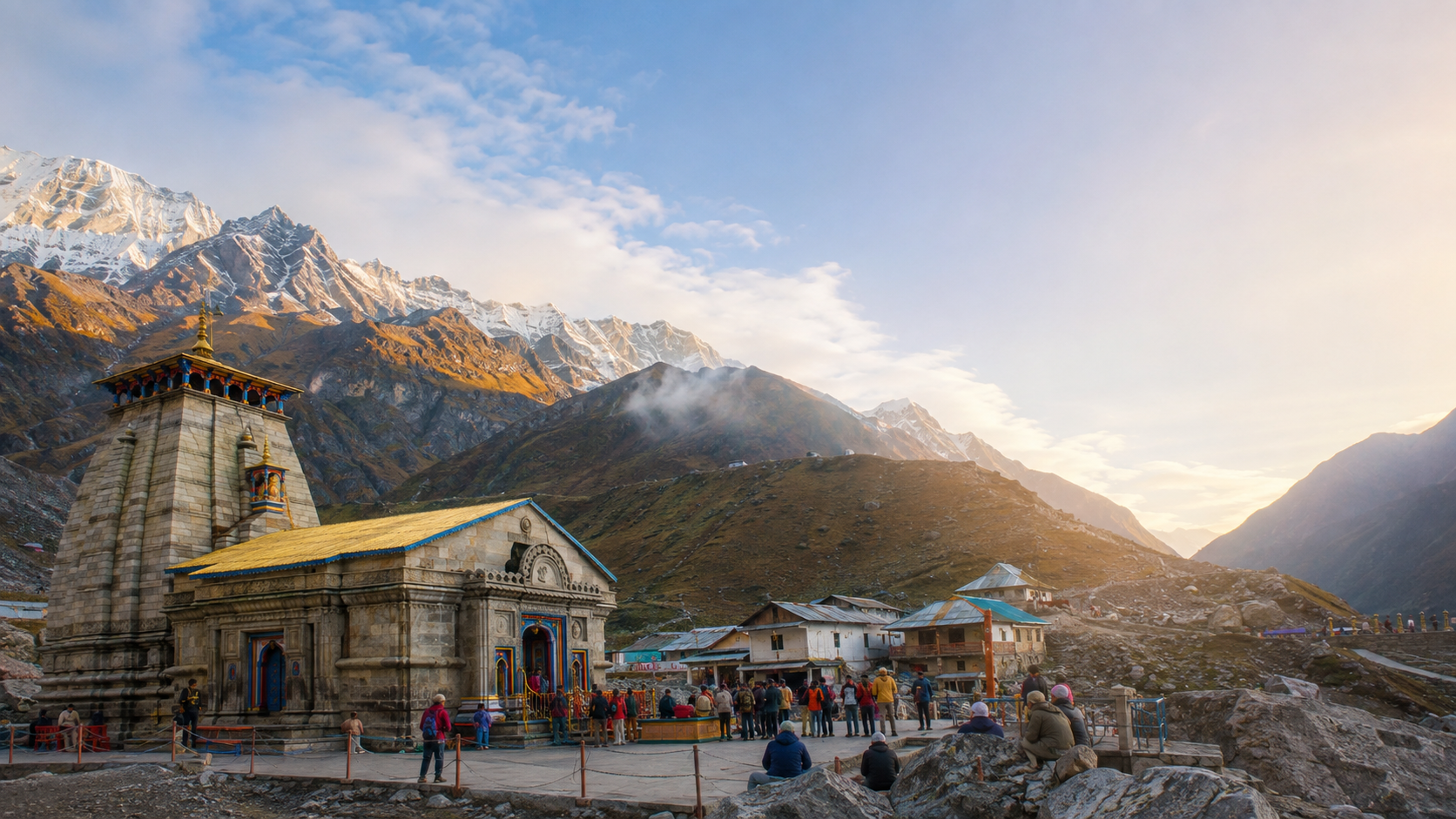
The Kedarnath Tungnath Package from Delhi is a 7-day / 6-night pilgrimage journey covering two of Uttarakhand’s most revered Shiva temples. Starting and ending in Delhi, the tour combines the spiritual significance of Kedarnath with the high-altitude mountain setting of Tungnath near Chopta. Kedarnath Temple is one of the prominent Panch Kedar shrines, while Tungnath is recognised by Uttarakhand Tourism as one of the highest Shiva temples in the world. The journey involves mountain travel and trekking, so it is best suited to travellers who are comfortable with an active Himalayan pilgrimage. Enquire with Trip to Yatra for current travel planning and availability.
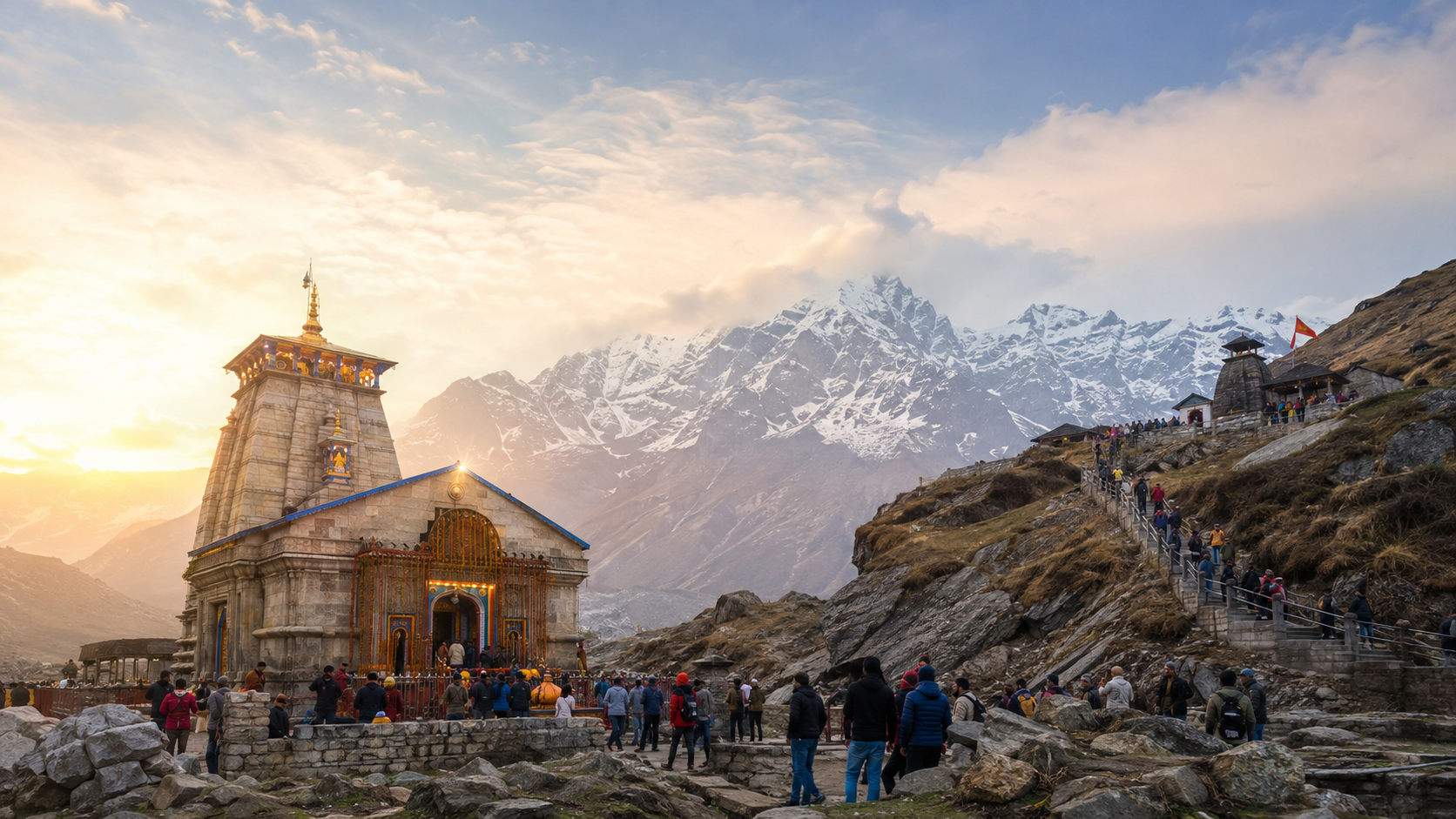
Plan a focused Himalayan pilgrimage with the Kedarnath Tungnath package from Haridwar, combining two revered Shiva temples in Uttarakhand. This 5-day / 4-night journey is designed for travellers who want to visit Kedarnath Temple and Tungnath Temple without committing to a longer Char Dham circuit. Kedarnath, one of the most important Shiva pilgrimage sites in India, lies high in the Garhwal Himalayas and requires a trek from Gaurikund. Tungnath, one of the Panch Kedar shrines, is reached by trekking from Chopta. With Haridwar as both the starting and ending point, the package offers a practical pilgrimage-focused travel plan with time for mountain travel, temple visits and rest.
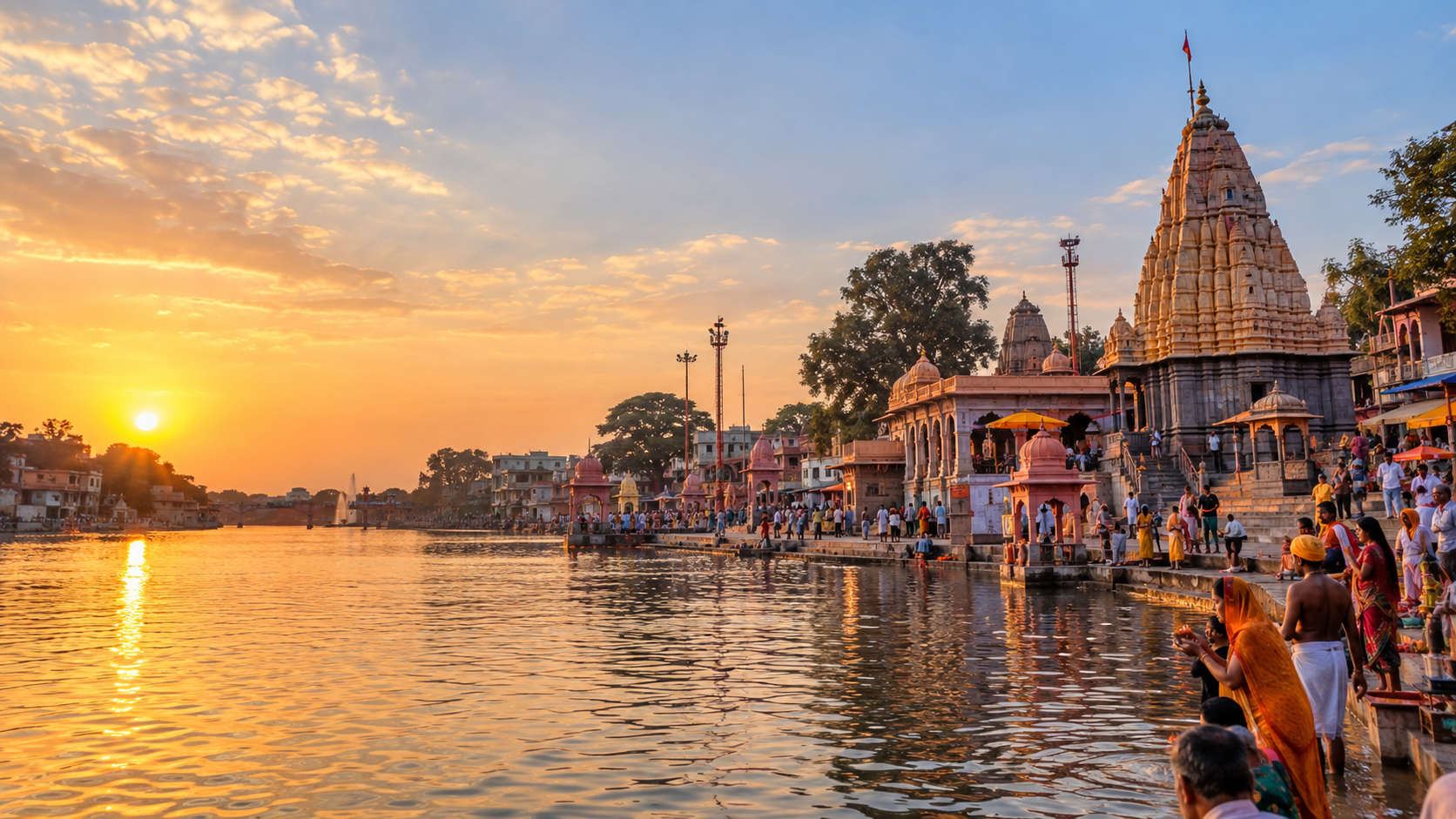
Ujjain Kumbh Mela from Ujjain. Package details, itinerary and pricing can be completed in the CRM.
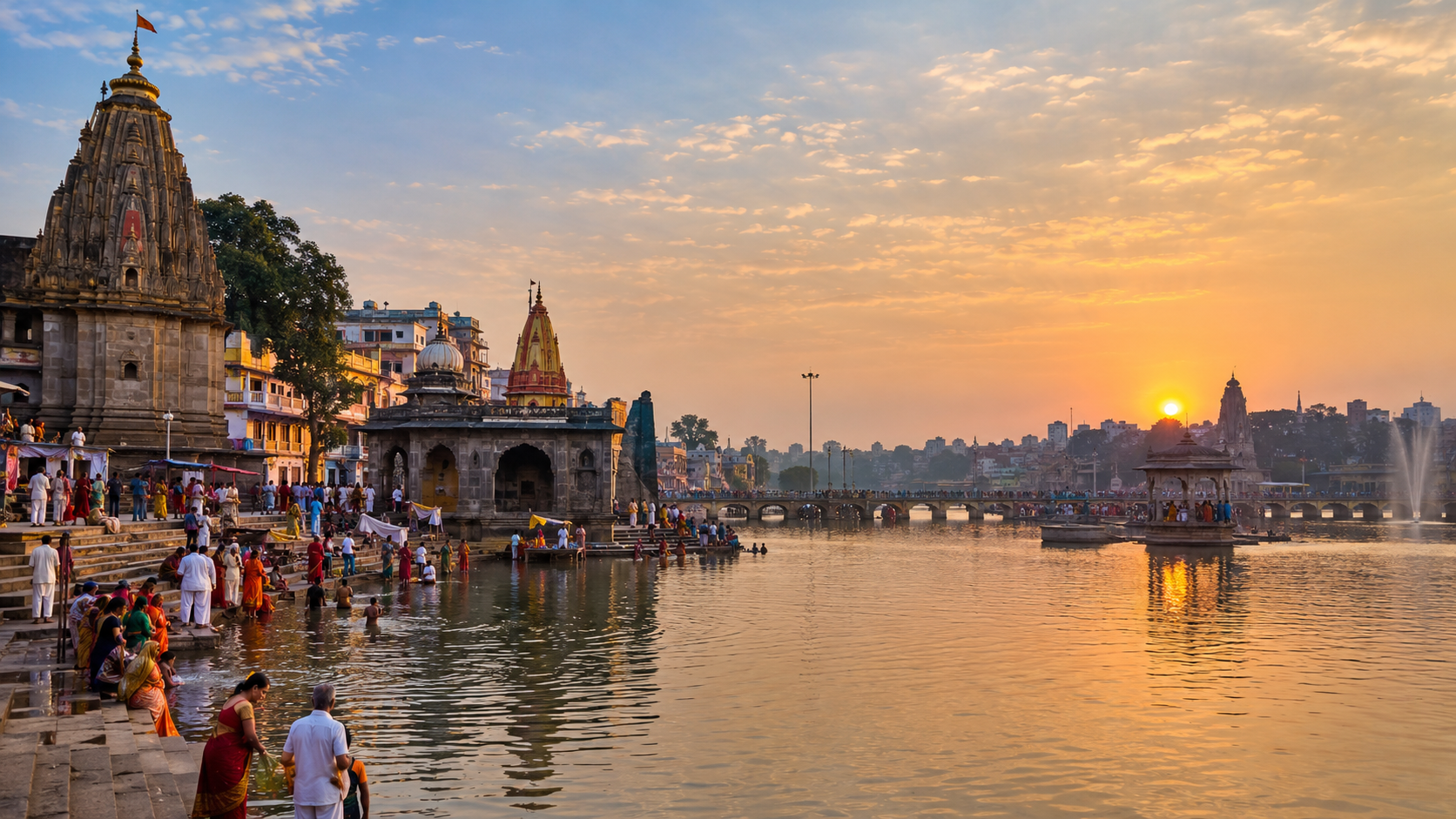
Nashik Kumbh Mela from Nashik. Package details, itinerary and pricing can be completed in the CRM.
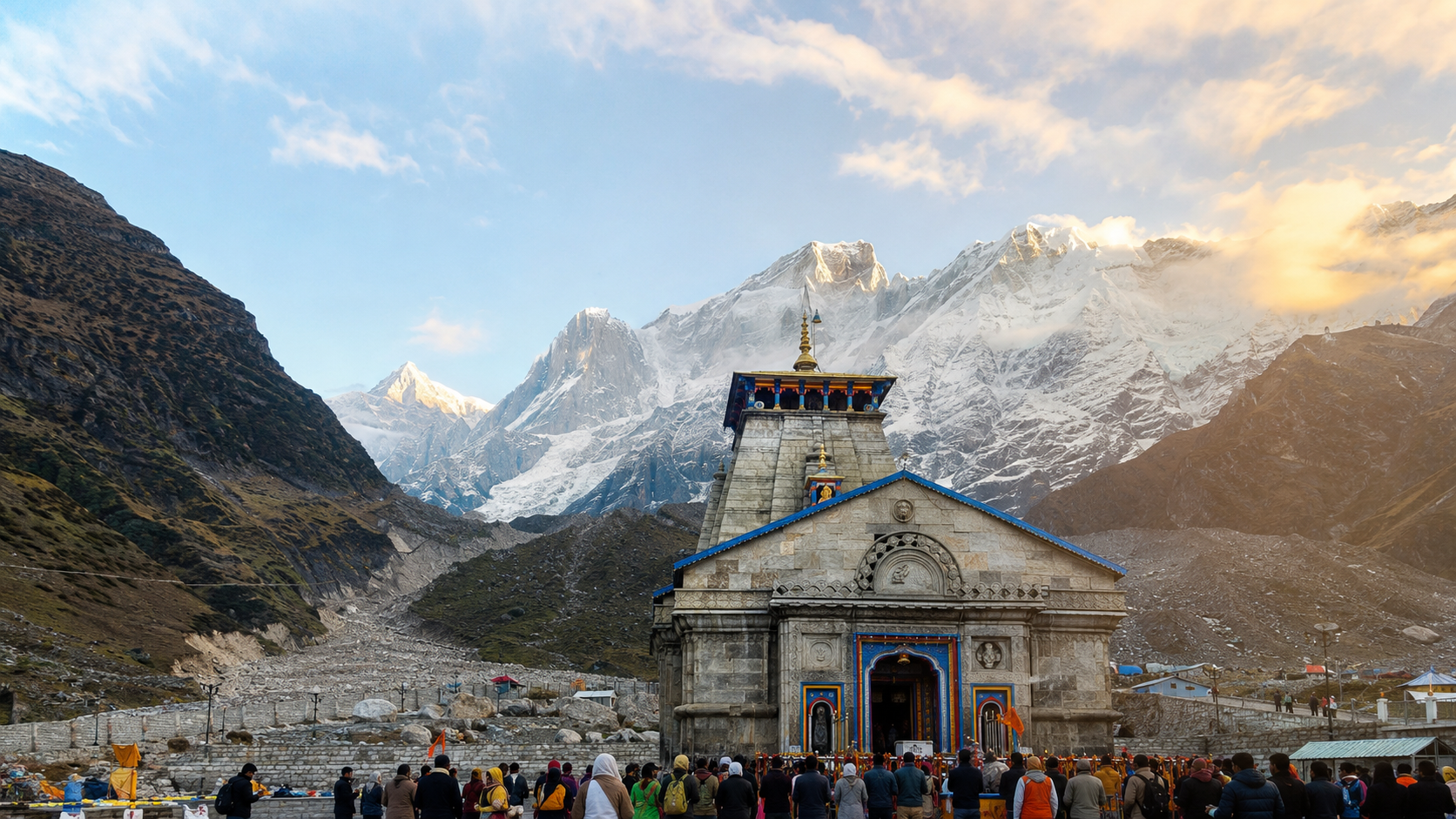
Plan a spiritually meaningful journey to Kedarnath with a 6 Days / 5 Nights Kedarnath Yatra package from Delhi by Trip to Yatra. This pilgrimage package is designed around the Delhi–Haridwar–Kedarnath travel corridor, with Kedarnath Temple as the principal spiritual destination. The journey combines Himalayan travel with time for darshan and a more organised pilgrimage experience. Since Kedarnath is a high-altitude destination with seasonal access and mandatory Yatra formalities, planning matters. Trip to Yatra can help you understand the practical arrangements, registration requirements and travel considerations before you set out. Enquire with our team to plan your 2027 Kedarnath Yatra fro
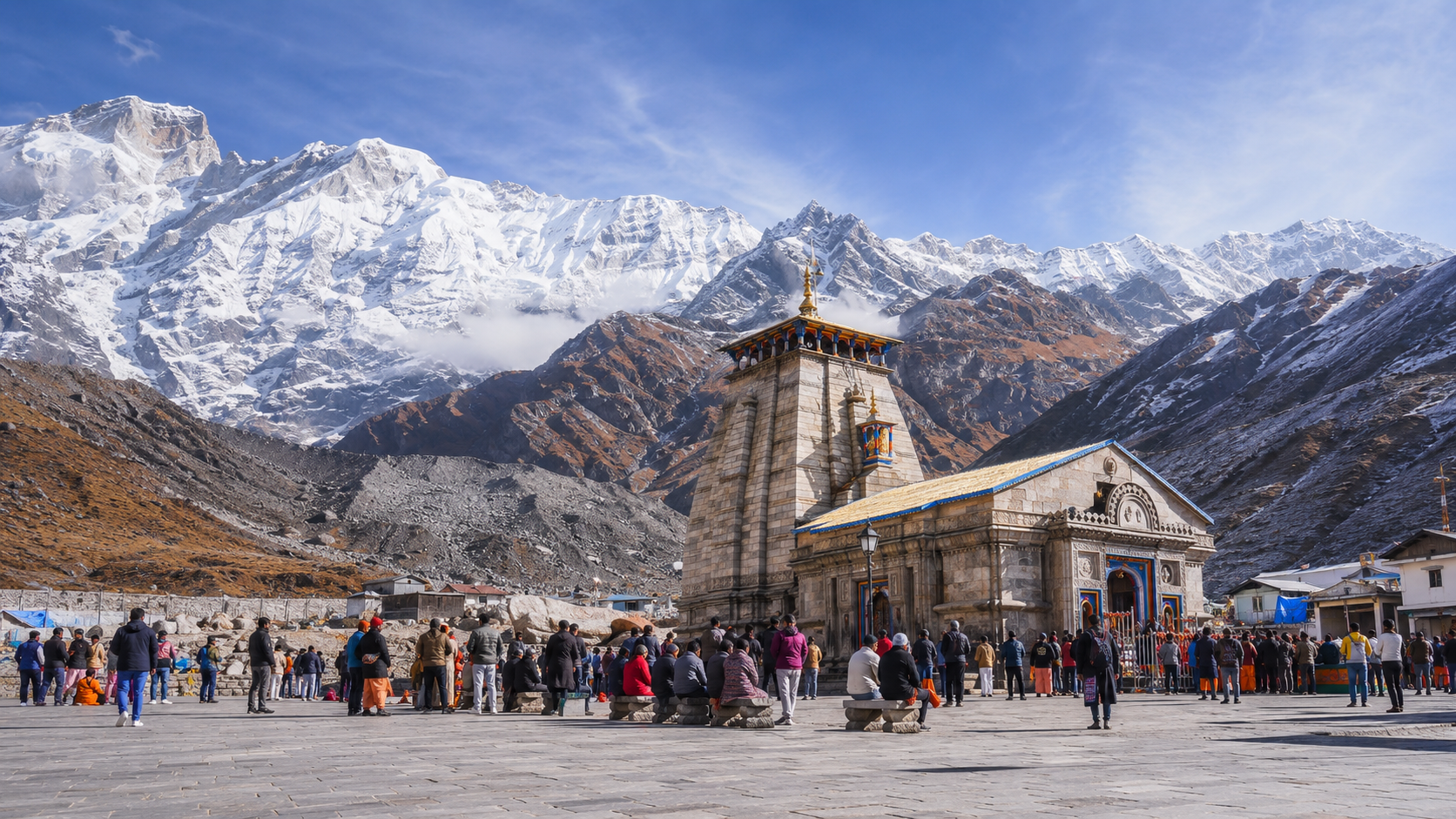
A thoughtfully planned Kedarnath Yatra package from Haridwar for pilgrims looking to visit the sacred Kedarnath Temple in Uttarakhand. This 4 Days / 3 Nights pilgrimage connects Haridwar with one of Lord Shiva’s most revered Himalayan shrines, with arrangements planned around the practical requirements of a high-altitude yatra. Kedarnath is situated in the Garhwal Himalayas at around 3,580 metres, so preparation, suitable clothing and sensible travel planning are important.
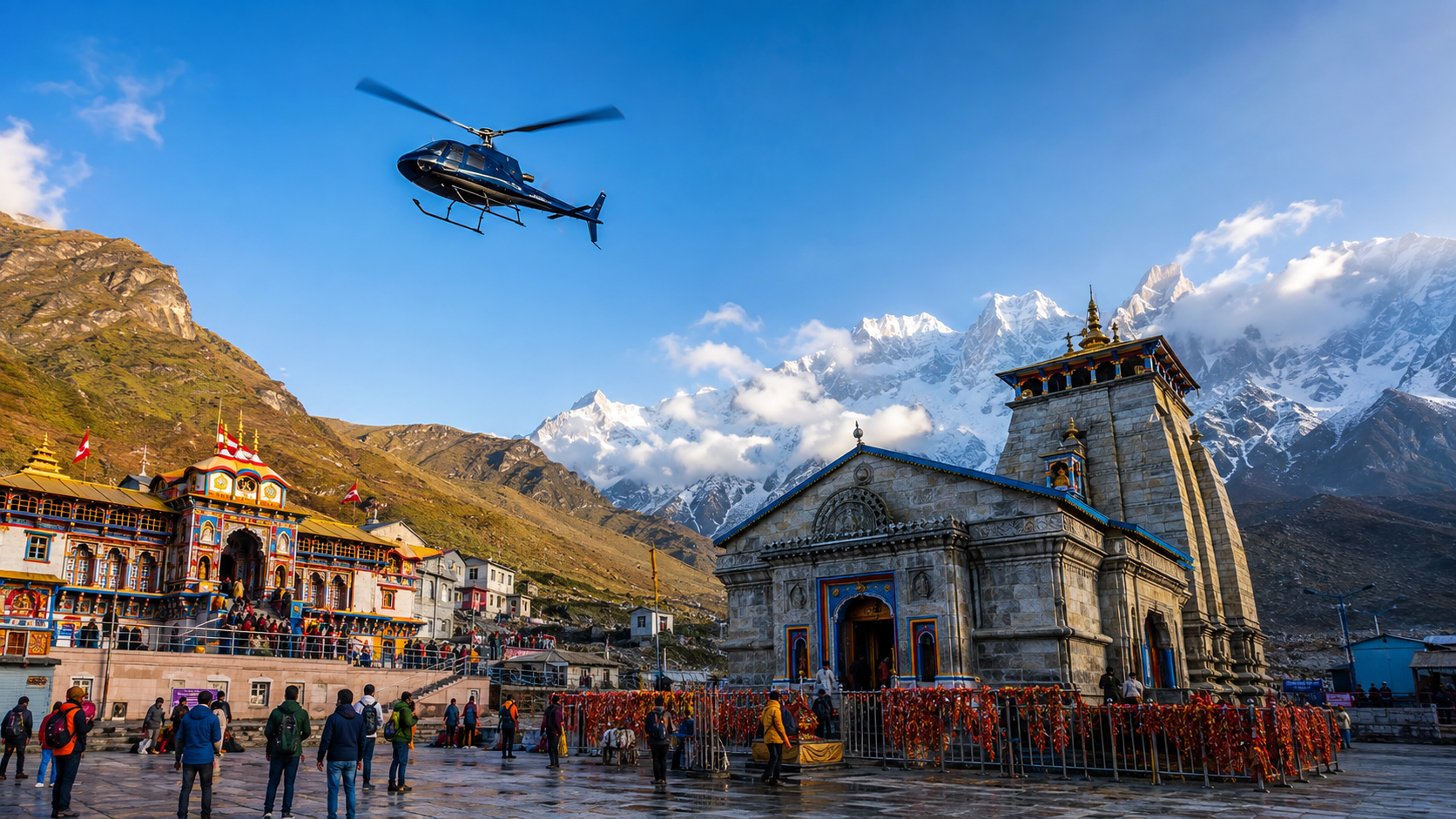
Experience the sacred Do Dham Yatra by helicopter from Dehradun, covering the revered Kedarnath Temple and Badrinath Temple in a compact 3-day, 2-night pilgrimage. This Dehradun-to-Dehradun package is designed for devotees who want to visit both Himalayan shrines while reducing the long road travel involved in a conventional yatra. Kedarnath, dedicated to Lord Shiva, stands high in the Garhwal Himalayas, while Badrinath is one of the four Char Dham pilgrimage sites and is dedicated to Lord Vishnu. With helicopter travel, the journey can be more convenient, subject to weather, operational conditions and applicable pilgrimage regulations.
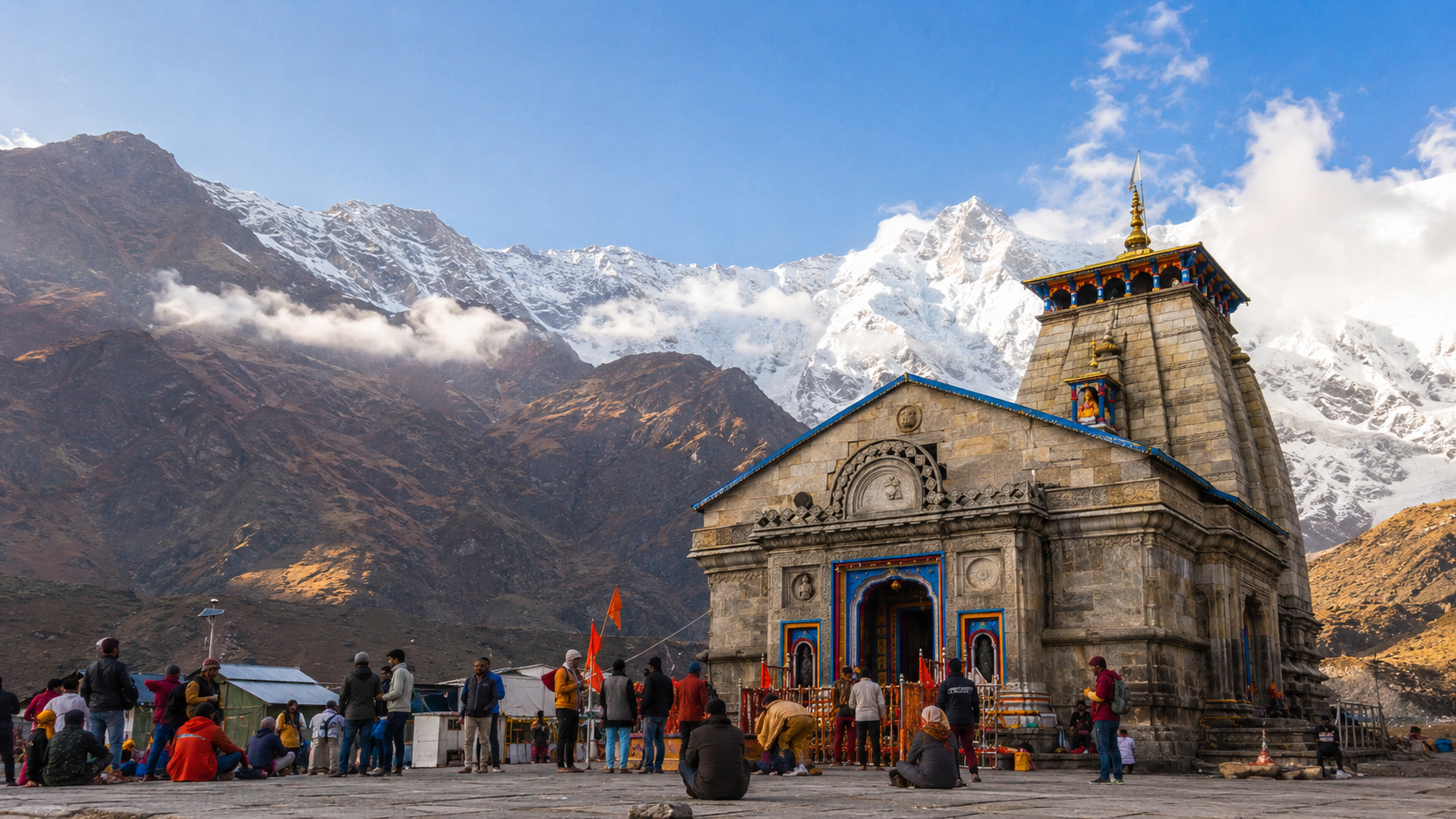
The Do Dham Yatra from Delhi is an 8-day pilgrimage covering the two revered Himalayan shrines of Kedarnath and Badrinath. Starting and ending in Delhi, this thoughtfully planned journey brings together the spiritual atmosphere of Kedarnath, dedicated to Lord Shiva, and Badrinath, dedicated to Lord Vishnu, along with time around Haridwar and Rishikesh. The route combines road travel through Uttarakhand with the required approach to Kedarnath on foot from the roadhead. With high-altitude travel, changing mountain weather and seasonal temple access to consider, Trip to Yatra helps pilgrims plan the journey around practical travel requirements rather than rushing through the experience.
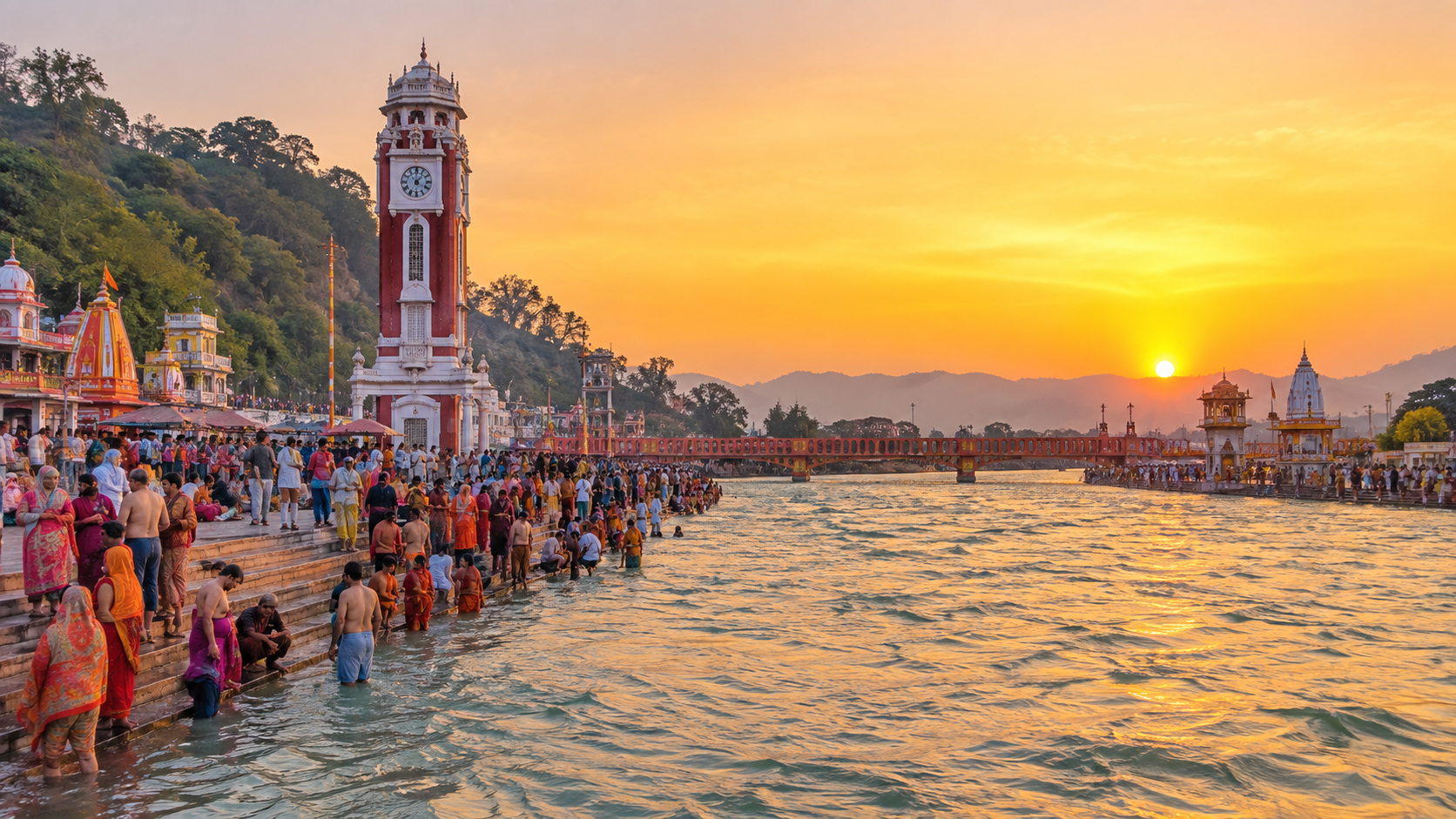
Haridwar Kumbh Mela from Haridwar. Package details, itinerary and pricing can be completed in the CRM.
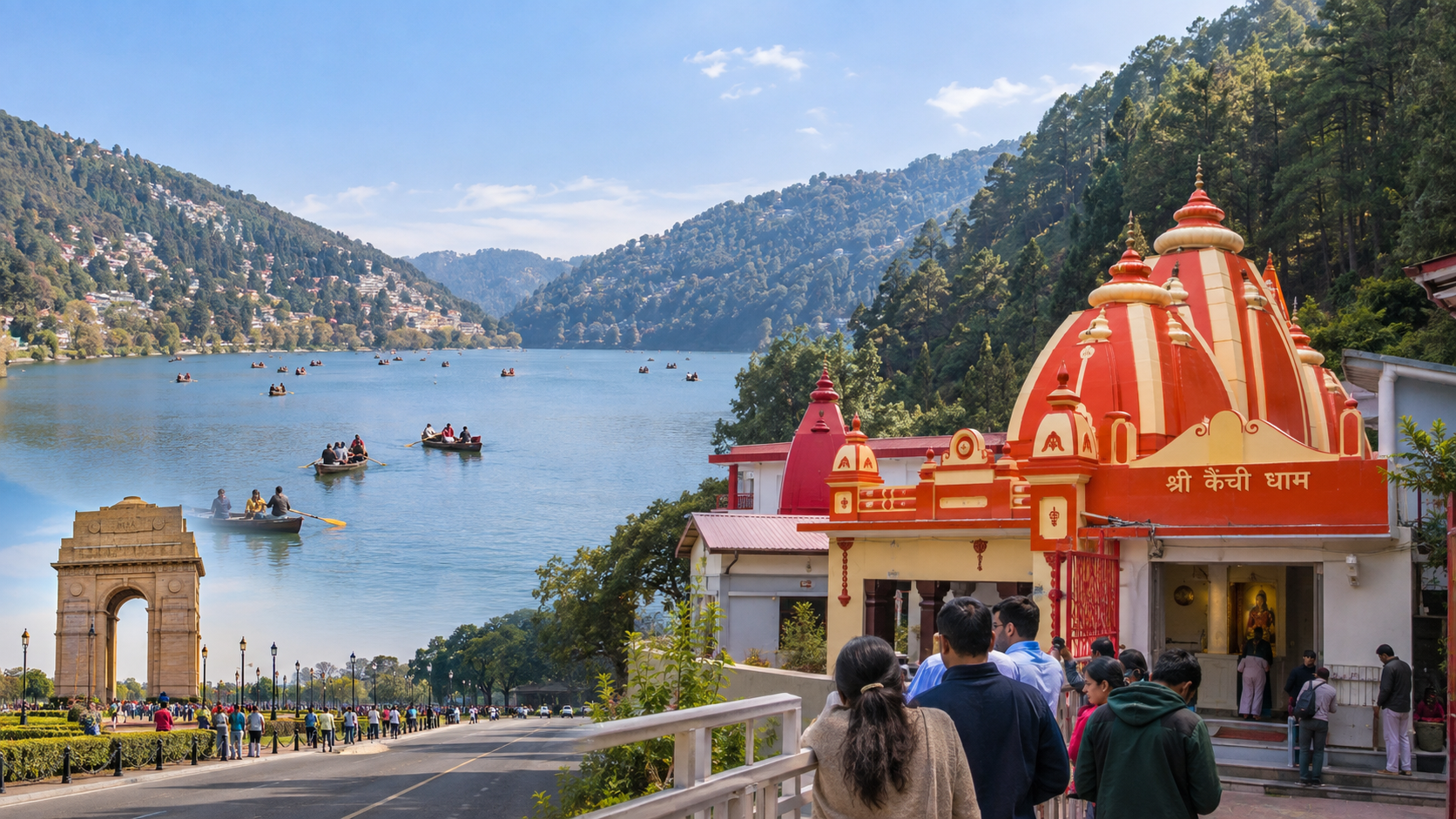
Nainital Kainchi Dham Tour from Delhi. Package details, itinerary and pricing can be completed in the CRM.
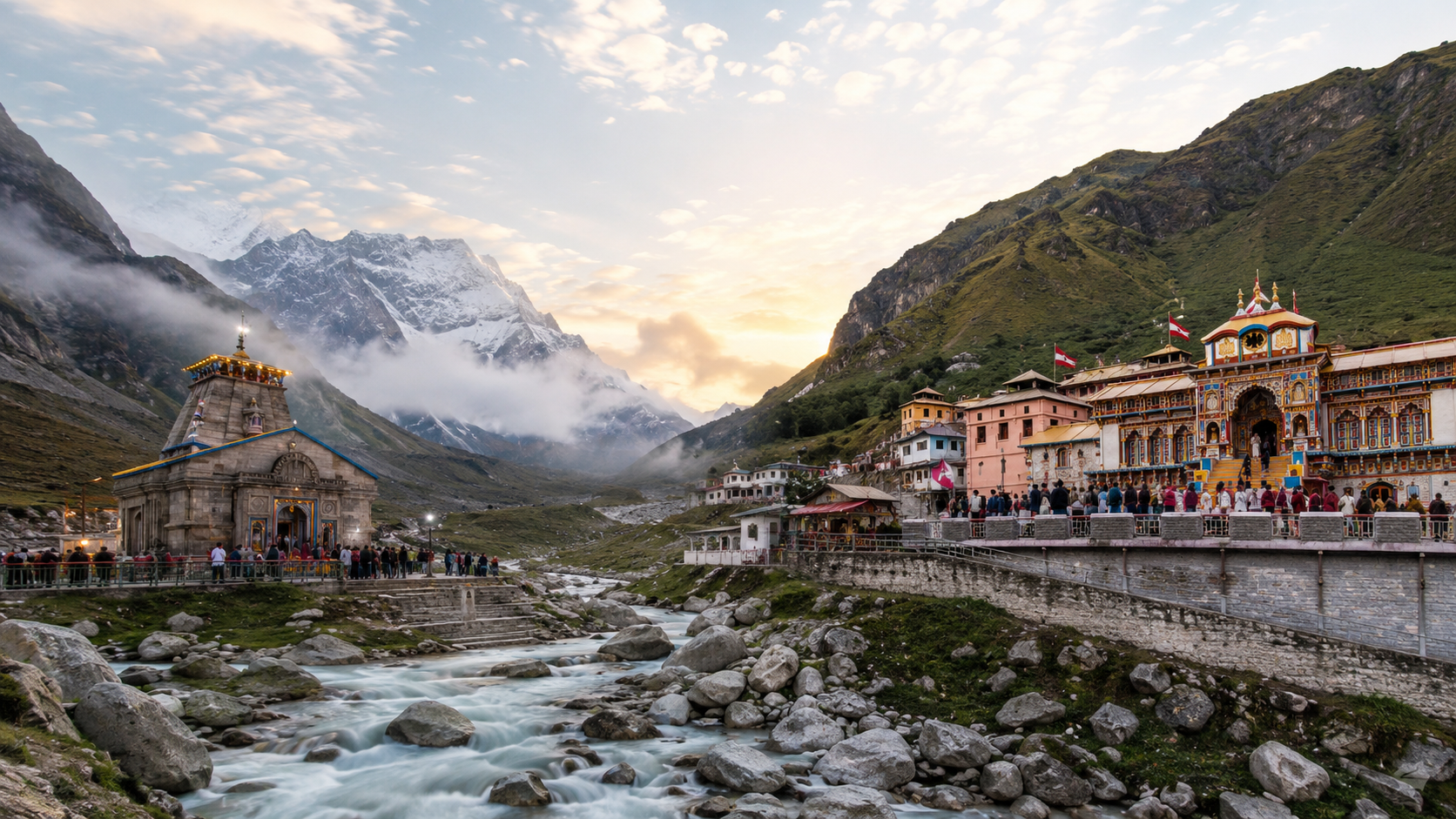
The 6 Days / 5 Nights Do Dham Yatra from Haridwar is designed for pilgrims who wish to visit the sacred Kedarnath Temple and Badrinath Temple in one focused Uttarakhand pilgrimage. Starting and ending in Haridwar, the journey combines the spiritual atmosphere of the Himalayan temples with the changing landscapes of Garhwal. Kedarnath, one of Lord Shiva’s most revered pilgrimage sites and a Jyotirlinga, requires a mountain approach and a trek from Gaurikund. Badrinath, dedicated to Lord Vishnu, is one of Uttarakhand’s four Char Dham temples. Trip to Yatra helps travellers plan this pilgrimage with practical guidance and clear enquiry support.
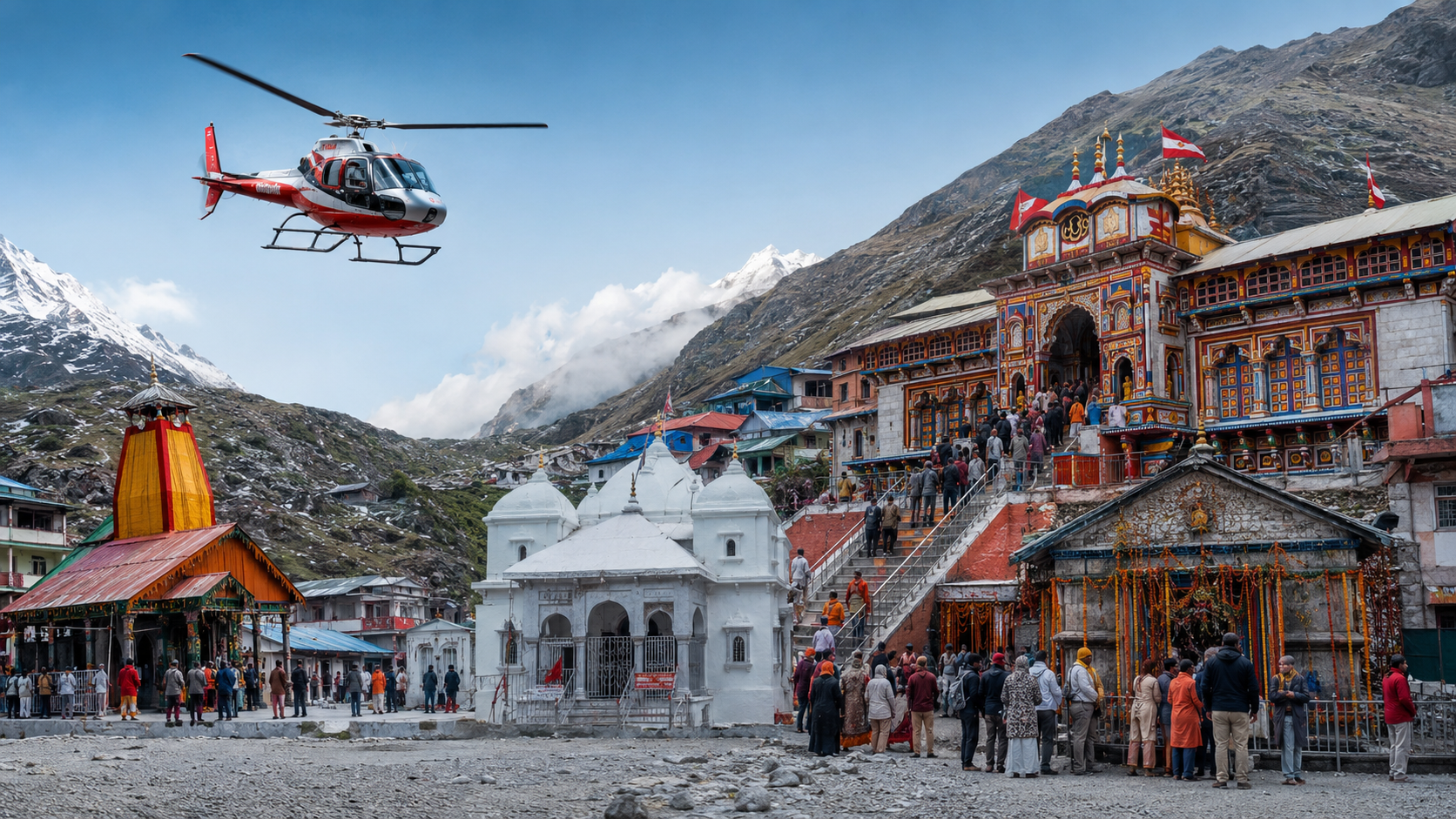
Chardham Yatra by Helicopter from Dehradun offers a more time-efficient way to undertake the sacred Uttarakhand Char Dham pilgrimage, covering Yamunotri, Gangotri, Kedarnath and Badrinath in a 5-day / 4-night package. Starting and ending in Dehradun, the journey combines helicopter travel with the necessary ground and temple-access arrangements at the Dhams. The helicopter element can significantly reduce long road journeys, but it does not mean every temple is reached directly by helicopter; Yamunotri and Kedarnath involve access arrangements beyond the helipad. Char Dham operates seasonally, and 2027 opening dates, operating conditions and applicable requirements should be confirmed before
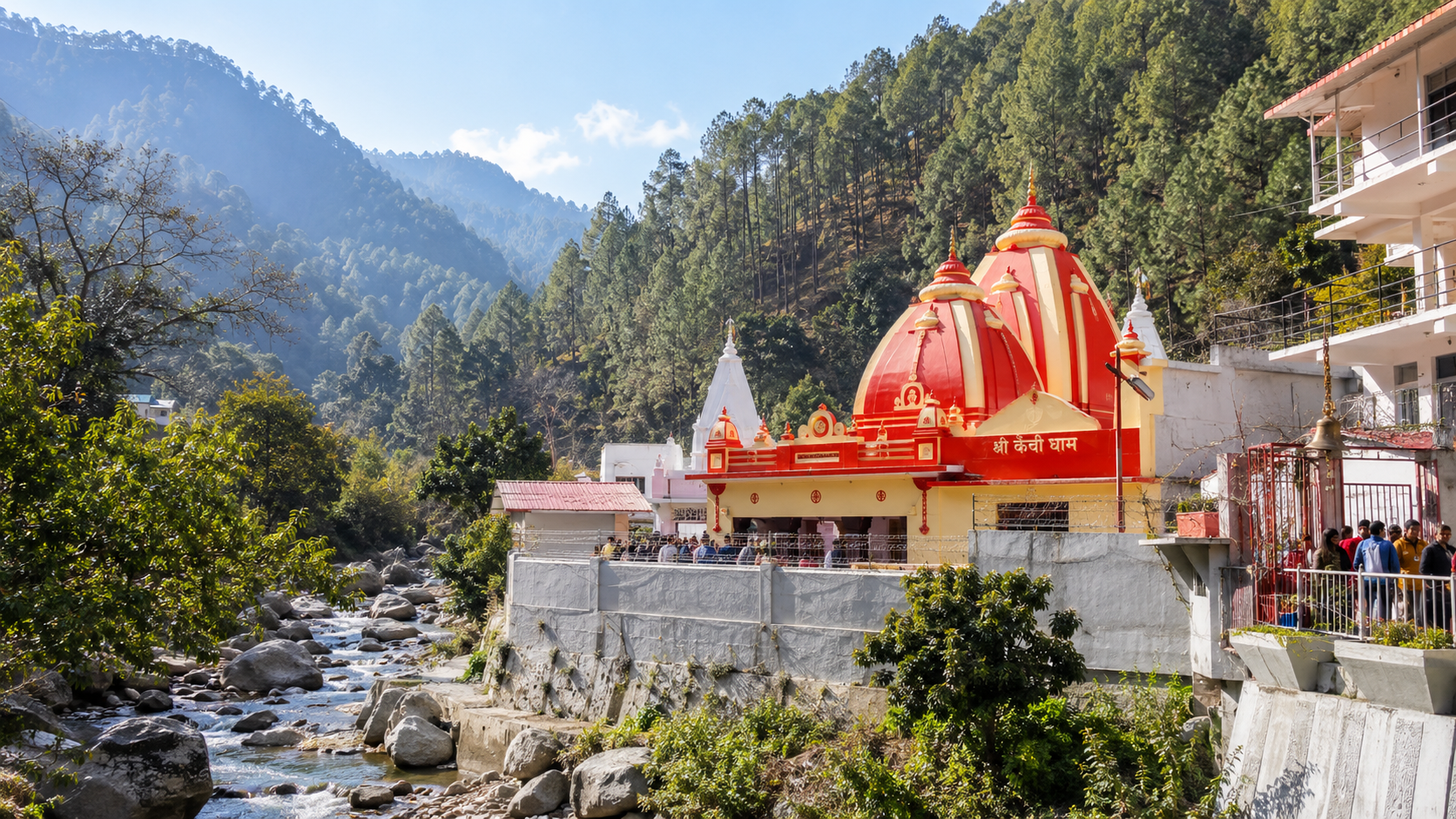
Kainchi Dham Tour from Delhi. Package details, itinerary and pricing can be completed in the CRM.
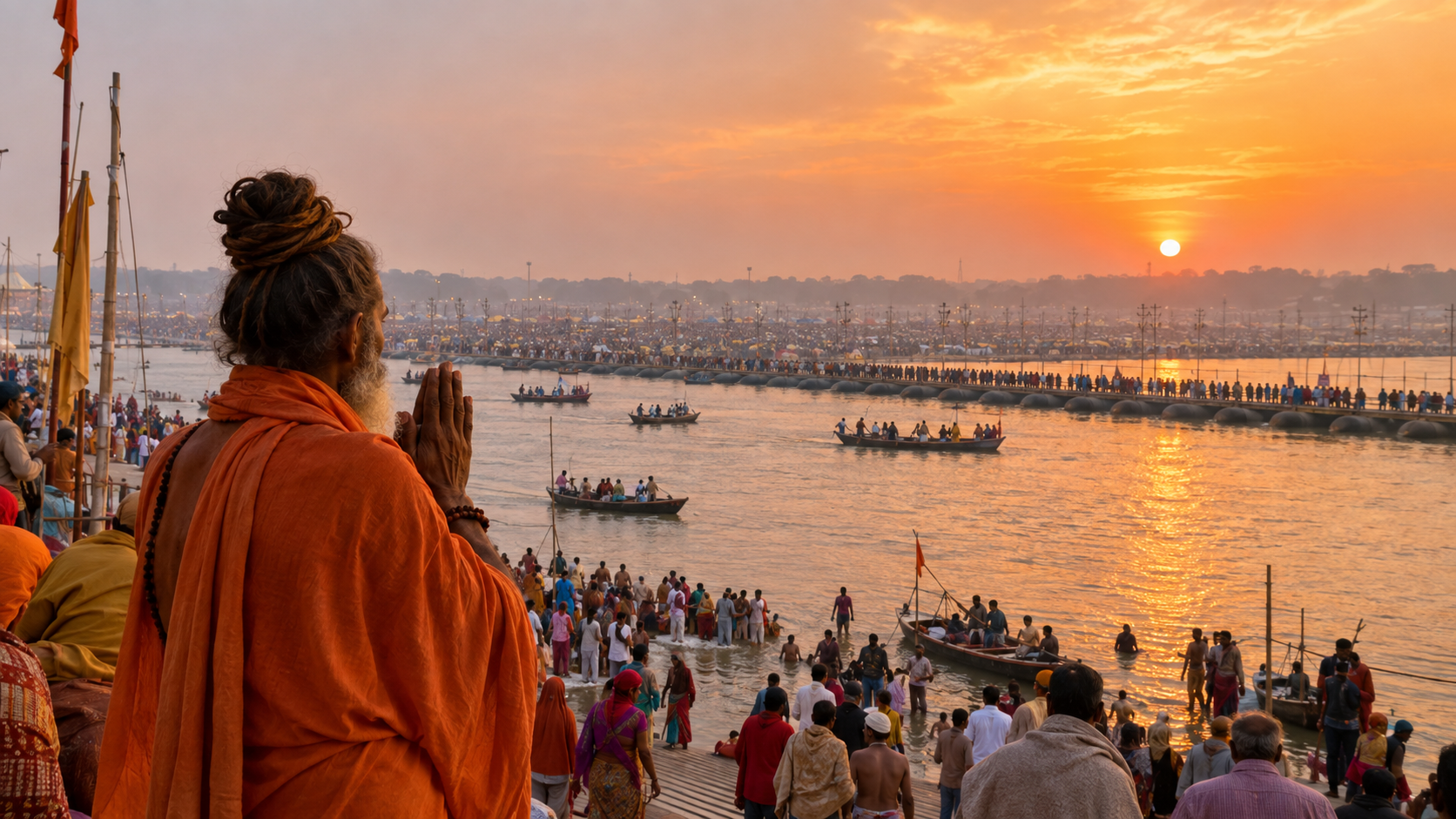
Prayagraj Kumbh Mela from Prayagraj. Package details, itinerary and pricing can be completed in the CRM.
Plan a 7-day Manimahesh Yatra package from Chandigarh via Chamba, Bharmour, Hadsar and Dhanchho, with trek guidance, registration notes and darshan.
Share your details and get a suitable package from our travel expert.
Manimahesh Yatra from Chandigarh. Package details, itinerary and pricing can be completed in the CRM.
The Manimahesh Yatra package from Chandigarh is designed for pilgrims who want to travel from Chandigarh to the sacred Manimahesh Lake in Chamba district of Himachal Pradesh using the established approach through Chamba, Bharmour and Hadsar. Manimahesh is one of the important Himalayan pilgrimage destinations associated with Lord Shiva. The holy lake lies below Manimahesh Kailash in the Budhil valley, and the final approach requires a demanding mountain trek from Hadsar. Because this is a high-altitude religious journey rather than an ordinary sightseeing tour, the itinerary gives importance to gradual road travel, a halt at Bharmour, an overnight stop at Dhanchho and adequate time for the ascent and return.
According to the District Administration Chamba, the easiest established approach to Manimahesh is through Chamba and Bharmour. Motorable access continues towards Hadsar, after which pilgrims proceed on foot. The district administration describes the Hadsar to Manimahesh section as approximately 13 kilometres and identifies Dhanchho as an important traditional halt between the base and the lake. The route also passes the Sundarasi area and the religiously important Gauri Kund and Shiva Krotri before reaching Manimahesh Lake.
This Standard Package follows the sequence Chandigarh – Chamba – Bharmour – Hadsar – Dhanchho – Manimahesh Lake – Dhanchho – Hadsar – Bharmour – Chamba – Chandigarh. The route has been arranged to avoid forcing pilgrims to combine a long Chandigarh road journey with the high-altitude trek on the same day. The first overnight halt is therefore planned at Chamba, followed by Bharmour on the second day. Bharmour is an important pilgrimage town connected with the Manimahesh tradition and is also the location of the historic Chaurasi Temple complex.
Himachal Pradesh Tourism describes the Chaurasi Temple complex in the heart of Bharmour as a group associated with 84 Siddhas, with its principal Shiva shrine connected with Mani Mahesh. Local pilgrimage tradition gives the Bharmour temple visit considerable importance before proceeding towards the lake. The second day therefore allows time for Chaurasi Temple darshan while also providing a useful intermediate halt before the trek.
After Bharmour, the journey continues by road towards Hadsar, which functions as the principal base for the conventional Manimahesh trek. Pilgrims should understand that operating arrangements around Hadsar can change during the official yatra period according to administration, traffic, weather and crowd-control requirements. The package therefore does not promise a fixed parking point, vehicle movement window, pony availability, porter service or other locally regulated facility unless specifically confirmed at the time of travel.
From Hadsar, the group begins the mountain trek towards Dhanchho. The route climbs through Himalayan terrain, and the district administration specifically advises pilgrims to use only the prescribed route and avoid shortcuts. Dhanchho is recognised by the district administration as a major halting point between Hadsar and Manimahesh. In this itinerary it is used as the overnight base before the main darshan day so that pilgrims are not required to complete the entire climb from Hadsar to the lake and the return journey in one continuous stretch.
The fourth day is reserved for the principal pilgrimage from Dhanchho towards Manimahesh Lake. The ascent continues through the designated trail and the higher sections of the valley. Before the lake are Gauri Kund and Shiva Krotri, which have religious significance in the traditional Manimahesh pilgrimage. The District Administration Chamba records the local belief associated with these sacred water bodies and their place on the approach to Manimahesh.
Manimahesh Lake lies in a dramatic high-Himalayan setting below Manimahesh Kailash. District sources describe the lake at around 13,000 feet, while Himachal Tourism gives an elevation of roughly 4,190 metres in its Manimahesh Yatra information. At this altitude, physical condition, weather and trail conditions matter more than a rigid sightseeing schedule. Pilgrims should walk at a sustainable pace, remain with their companions and stop if they experience unusual breathlessness or discomfort. Darshan and time near the lake must always remain subject to prevailing weather, administrative instructions and individual fitness.
After darshan, the itinerary returns to Dhanchho for the night rather than attempting to continue immediately towards Bharmour. This creates a more measured trekking day and retains flexibility if the ascent takes longer because of crowds, weather or individual walking speed. The following day is used for the descent from Dhanchho to Hadsar and the road transfer back to Bharmour.
Manimahesh Yatra rules can change from one season to another, so pilgrims should not rely on requirements from an earlier year. For the 2026 yatra, the District Administration Chamba states that the official yatra period is from 4 September 2026 to 19 September 2026. Registration is mandatory for the notified 2026 pilgrimage period, and pilgrims are instructed to complete registration before reaching Bharmour because mobile connectivity can be weak. The administration also asks pilgrims to carry a printed copy of the registration acknowledgement during the yatra.
The administration further states that pilgrims should carry identification and a medical certificate and undergo the required health check at the Hadsar base camp. A person found medically unfit at this check may not be permitted to start the pilgrimage. The currently published 2026 advisory also states that persons above 75 years who are found medically unwell will not be permitted to proceed. These are current-season administrative instructions and should be rechecked before every departure because future rules, registration systems, health criteria and pilgrimage dates may be different.
The official advisory also states that pilgrims should not begin travel from the Hadsar base camp before 4:00 AM or after 4:00 PM. This information is included as a current administration rule rather than as a package departure guarantee. Actual trekking movement must follow instructions issued locally by the administration, police, disaster-management personnel or medical teams.
The Manimahesh route is a mountain pilgrimage where rain, cold, slippery sections, poor visibility and sudden weather changes can affect movement. The District Administration Chamba advises pilgrims to carry an umbrella or rain protection, warm clothes, suitable shoes, a torch and a walking stick. It specifically advises using shoes instead of slippers, travelling with companions and avoiding shortcuts. If weather becomes unsafe, pilgrims are instructed to halt at a safe point such as Dhanchho, Sundarasi, Gaurikund or the Dal Lake area and resume movement only when conditions are favourable.
These conditions make suitable clothing and footwear essential. Pilgrims should keep warm layers and rain protection accessible instead of packing them at the bottom of luggage that is being transported separately. Personal medicines, identification, registration papers and essential valuables should remain in a small daypack carried by the pilgrim. Because mobile and internet connectivity may be limited in the Bharmour and trekking region, travellers should not depend entirely on digital copies of important documents.
This CRM package intentionally does not publish invented hotel names or guaranteed categories. Accommodation in Chandigarh is not required because the package begins with departure from Chandigarh and ends on arrival back in Chandigarh. Overnight stays are planned geographically at Chamba, Bharmour and Dhanchho. Exact hotels or authorised/basic pilgrimage accommodation should be assigned only after checking live availability for the selected travel dates.
Accommodation near the trekking route may be simpler than standard town hotels. Customers should be informed before booking that a Himalayan pilgrimage may involve basic facilities, shared or temporary arrangements in some locations, restricted hot water or electricity and limited connectivity. Any specific room type, meal plan, camp facility or private washroom should be promised only when the supplier has confirmed it.
Road transport under a confirmed package should cover only the motorable sectors stated in the final booking document, such as Chandigarh to Chamba, Chamba to Bharmour, Bharmour to the permitted road-access point near Hadsar and the corresponding return sectors. Vehicle movement is subject to mountain-road conditions, traffic restrictions and local administration instructions. No fixed driving time is published in this CRM content because travel duration can change substantially with road works, congestion, landslides and pilgrimage traffic.
The Hadsar–Manimahesh section is fundamentally a trekking route. Any pony, porter, palki, helicopter or other optional assistance should be treated as a separate locally controlled service unless specifically included and confirmed in writing. Availability can change, and weather or administrative decisions may suspend such facilities. Pilgrims should therefore assess whether they are physically prepared for the trek rather than assuming that an alternative mode will always be available.
This itinerary is suitable for pilgrims who understand that Manimahesh is a physically demanding Himalayan yatra and who prefer a paced Chandigarh round trip instead of a rushed journey. It is especially appropriate for travellers who want a Chamba and Bharmour approach, Chaurasi Temple darshan and a planned Dhanchho halt before visiting the lake. It is not designed as a luxury holiday or a guaranteed fixed-timing tour.
Anyone with a medical condition, recent illness, mobility limitation or concern about high-altitude exertion should seek appropriate medical advice before committing to the trek. The administration's medical screening requirements remain decisive during the notified yatra period. Travellers should never conceal a health problem simply to continue the pilgrimage.
The Chamba administration asks pilgrims to maintain cleanliness, avoid plastic, protect rare herbs and plants, avoid littering and respect the religious character of the route. Intoxicants, meat and alcohol are prohibited in the administration's published yatra guidance. Pilgrims should place waste only in designated collection points and should not leave clothing, bottles or wrappers near the sacred lake.
This Manimahesh Yatra tour package from Chandigarh should therefore be viewed as a structured travel framework around the official pilgrimage route rather than a promise that mountain conditions will remain unchanged. Final departure dates, registration status, accommodation, transport permissions, weather, medical requirements and local services must be revalidated shortly before travel. Following current instructions from the District Administration Chamba and other authorised agencies is more important than maintaining a pre-decided timetable when conditions in the Himalayas change.
A quick overview of the experiences, important stops and thoughtful planning included in this yatra.
Chandigarh to Chandigarh round-trip pilgrimage plan.
Traditional Manimahesh approach through Chamba, Bharmour and Hadsar.
Darshan at the historic Chaurasi Temple complex in Bharmour.
Planned overnight halt at Dhanchho before the main Manimahesh Lake darshan day.
Traditional trekking route towards Manimahesh Lake via the prescribed mountain trail.
Route context covering Sundarasi, Gauri Kund and Shiva Krotri.
Dedicated Manimahesh Lake darshan day with return to Dhanchho.
Paced return through Bharmour and Chamba instead of combining the entire descent with the Chandigarh journey.
Follow the journey step by step through the important halts, stays and darshan points.
Begin the pilgrimage from Chandigarh and travel by road towards Chamba in Himachal Pradesh. This first day is reserved for the long road approach so that the high-altitude pilgrimage is not combined with an exhausting trek on arrival. Reach Chamba and stay overnight. Actual travel time and arrival depend on road, traffic and weather conditions.
Travel from Chamba to Bharmour, the principal pilgrimage town on the conventional Manimahesh approach. Visit the historic Chaurasi Temple complex, where the main Shiva shrine is closely associated with the Manimahesh tradition. Complete current registration and document checks before proceeding further if these have not already been completed. Overnight in Bharmour.
Proceed from Bharmour towards Hadsar, the established base for the traditional Manimahesh trek. Complete the required health check and follow the current administration instructions before starting. Trek from Hadsar towards Dhanchho using only the prescribed route. Dhanchho is officially identified as an important halting point between Hadsar and Manimahesh. Overnight at Dhanchho in the accommodation arrangement confirmed for the departure.
Start the principal pilgrimage towards Manimahesh Lake according to the permitted trekking window and prevailing weather. Follow the designated route through the higher pilgrimage trail, passing the Sundarasi area and the sacred Gauri Kund and Shiva Krotri section before reaching Manimahesh Lake. Perform darshan according to available time and local instructions. Return carefully along the same authorised route to Dhanchho for the night. Trekking progress is subject to individual fitness, crowd movement, trail conditions and administration directions.
Descend from Dhanchho to Hadsar on the prescribed trekking route. After reaching the motorable point and completing any locally required checks, continue by road to Bharmour. The remainder of the day is kept relatively light after the high-altitude trekking section. Overnight in Bharmour.
Leave Bharmour and travel by road back to Chamba. This intermediate overnight halt avoids combining the mountain descent and the complete return journey to Chandigarh on the same day. Reach Chamba and stay overnight, subject to normal mountain-road conditions.
After departure from Chamba, travel by road towards Chandigarh. The Standard Package concludes on arrival in Chandigarh. Final arrival time remains dependent on traffic, road conditions, weather and any operational restrictions encountered en route.
Review what is included in your plan and the important information required before confirming your journey.
Important answers to help you prepare for this journey.
This Standard Package is planned for 7 days and 6 nights, including overnight halts at Chamba, Bharmour and Dhanchho and a dedicated day for Manimahesh Lake darshan.
The package follows Chandigarh – Chamba – Bharmour – Hadsar – Dhanchho – Manimahesh Lake and returns through the same established approach towards Bharmour, Chamba and Chandigarh.
The District Administration Chamba describes the conventional Hadsar to Manimahesh route as approximately 13 kilometres. Trekking difficulty is significant because of the mountain terrain and altitude.
For the officially notified 2026 yatra period, the District Administration Chamba states that registration is mandatory and pilgrims must carry a printed registration acknowledgement. Requirements should be checked again for future travel years because the rules can change.
The District Administration Chamba currently lists the official 2026 Manimahesh Yatra period from 4 September 2026 to 19 September 2026.
The current 2026 administration guidance requires a health check at the Hadsar base camp and advises pilgrims to carry a medical certificate. A pilgrim found medically unfit may not be permitted to begin the yatra.
Dhanchho is identified by the District Administration Chamba as an important traditional halting point between Hadsar and Manimahesh. Staying there divides the mountain journey into more manageable sections instead of forcing the complete ascent and descent into one day.
Yes. The itinerary includes time for Chaurasi Temple darshan at Bharmour before proceeding towards Hadsar. Himachal Tourism identifies the historic temple complex as an important part of Bharmour's Manimahesh pilgrimage tradition.
No such service is automatically included in this CRM plan. Pony, porter, palki, helicopter or similar assistance is subject to separate local availability, weather, administration rules and written confirmation.
No. The District Administration Chamba's current 2026 advisory states that pilgrims should not travel from the Hadsar base camp before 4:00 AM or after 4:00 PM. Local instructions issued during the journey must always be followed.
Pilgrims should stop at a safe point and follow official instructions rather than continue in unsafe conditions. The district administration specifically identifies places including Dhanchho, Sundarasi, Gaurikund and the Dal Lake area as locations where pilgrims may halt when conditions deteriorate.
The official guidance recommends warm clothing, rain protection, suitable shoes, a torch and a walking stick. Pilgrims should also carry identification, registration papers, medical documents and their personal medicines.