Journey Start
DelhiStart
Email Anytime
contact@triptoyatra.in
Call Anytime
Email Anytime
Call Anytime
46 packages available
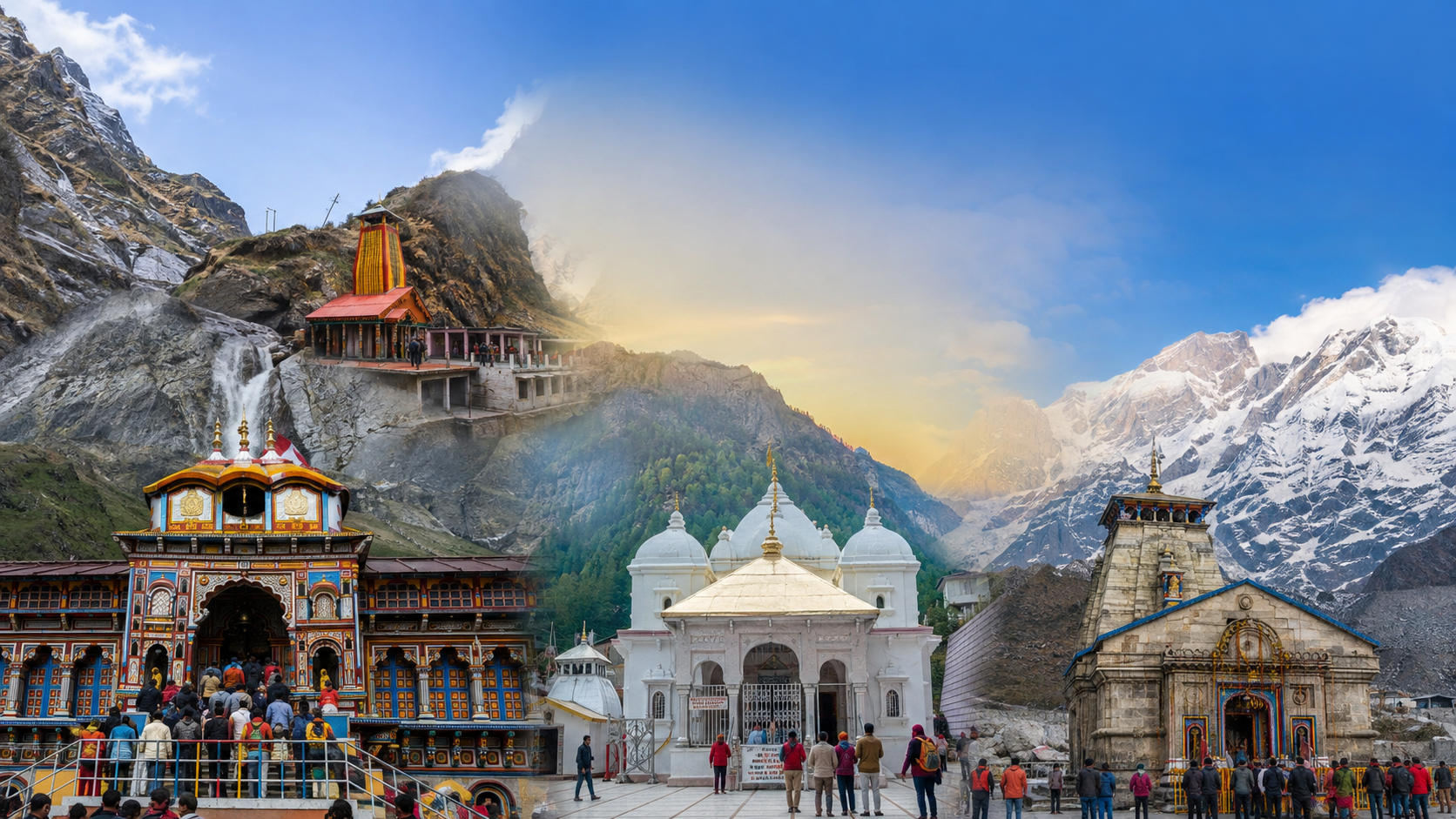
Plan a meaningful pilgrimage to Uttarakhand’s four sacred Himalayan shrines with this 12 Days / 11 Nights Chardham Yatra package from Delhi. The Delhi-to-Delhi journey brings together Yamunotri, Gangotri, Kedarnath and Badrinath, with time in important gateway destinations such as Haridwar and Rishikesh. Designed for travellers who want a structured Char Dham pilgrimage without having to coordinate every travel detail themselves, the package combines spiritual visits with the distinctive mountain landscapes of Uttarakhand. As the shrines are seasonal and high-altitude destinations, travel dates, registration requirements and access conditions should be checked before booking. Enquire with Tr
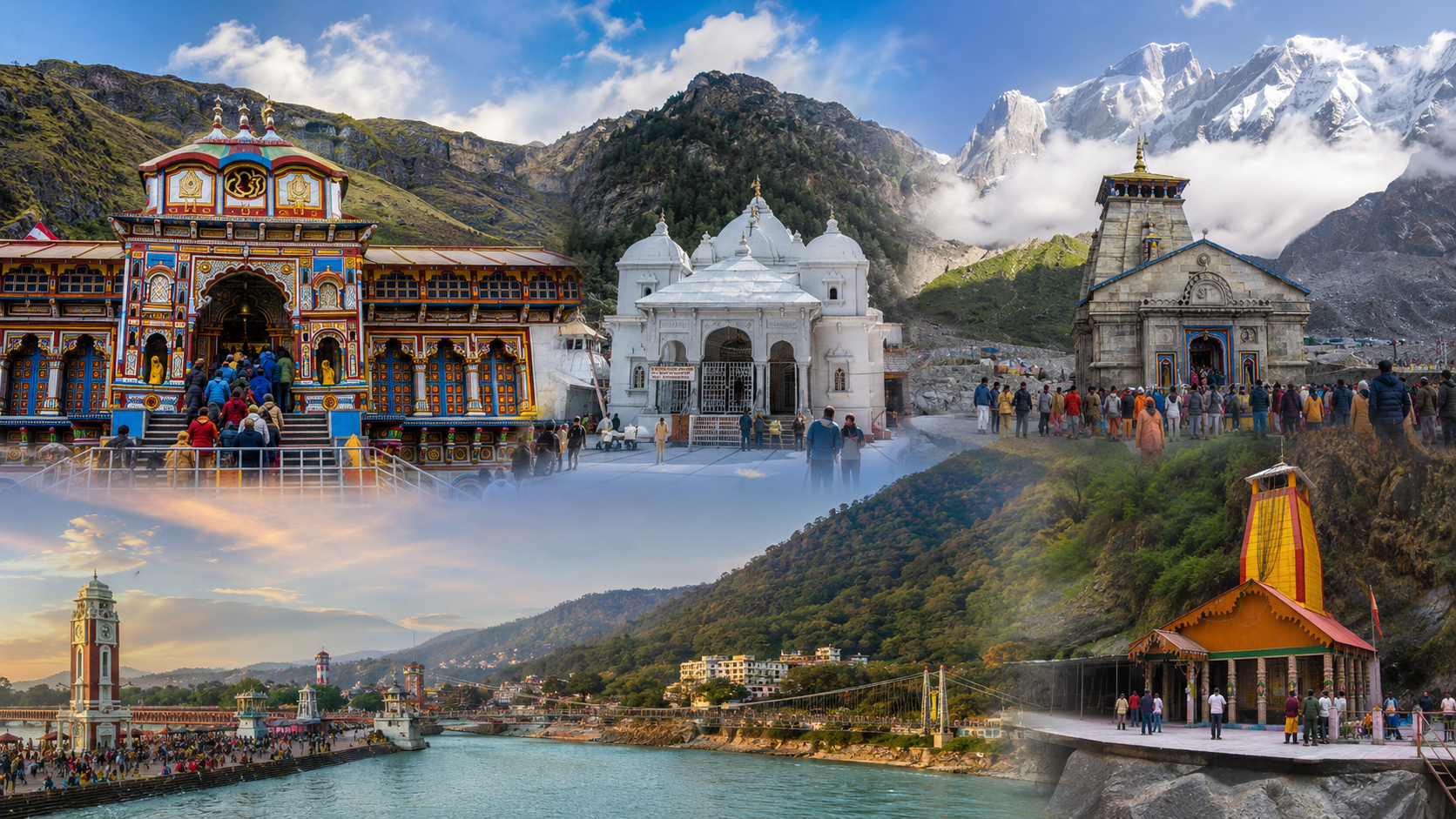
Plan your sacred Himalayan journey with our Chardham Yatra package from Haridwar, designed for travellers wishing to visit Yamunotri, Gangotri, Kedarnath and Badrinath in one organised pilgrimage. This 10 Days / 9 Nights journey starts and concludes in Haridwar and follows the traditional Char Dham sequence through Uttarakhand. Along with the four principal shrines, the journey brings you through the spiritual landscape of the Garhwal Himalayas, with Rishikesh associated with the overall travel region. As mountain conditions, temple opening dates, registrations and access arrangements can change, final 2027 operational details should be verified before departure.
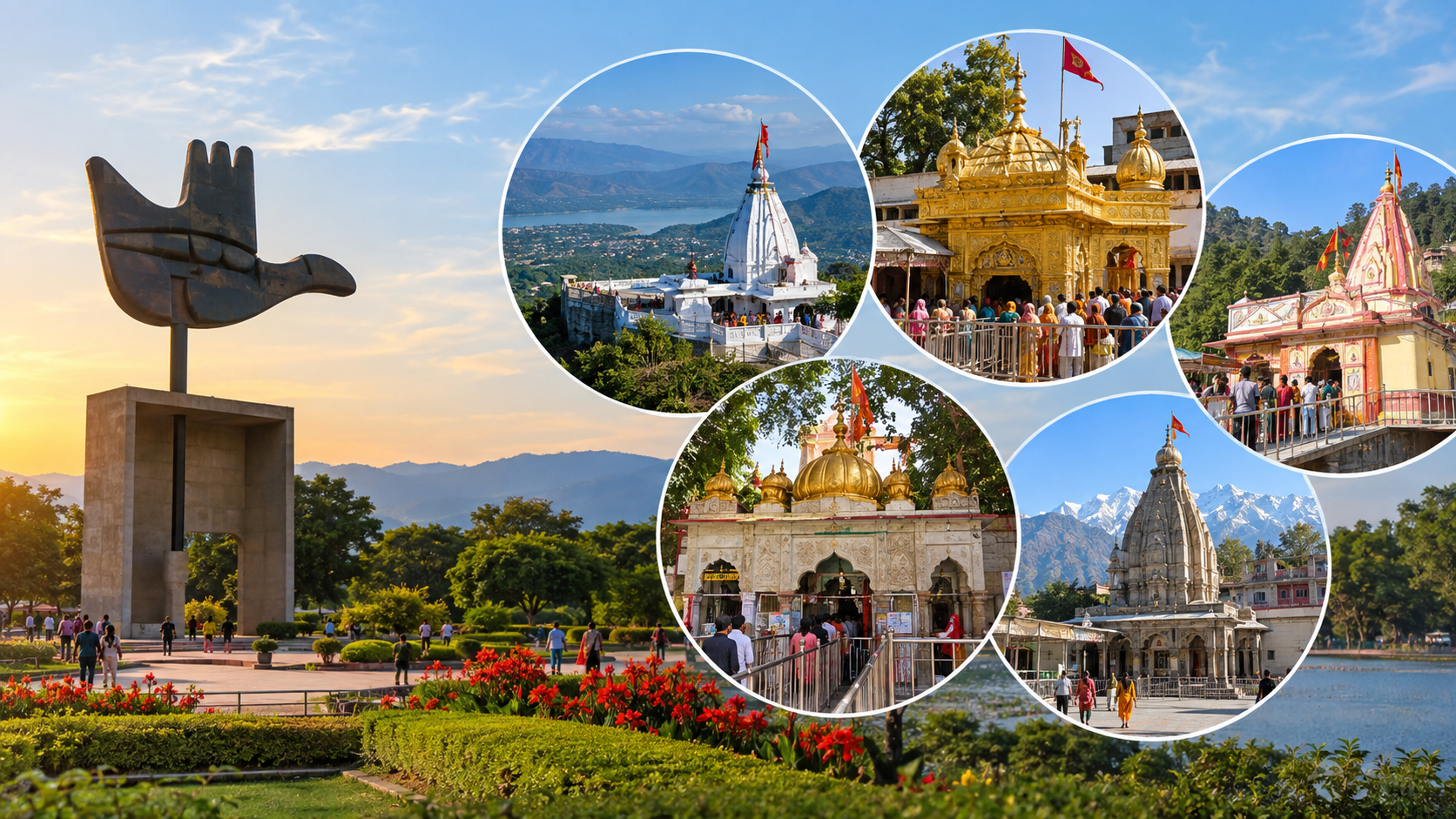
Himachal 5 Devi Darshan from Chandigarh. Package details, itinerary and pricing can be completed in the CRM.
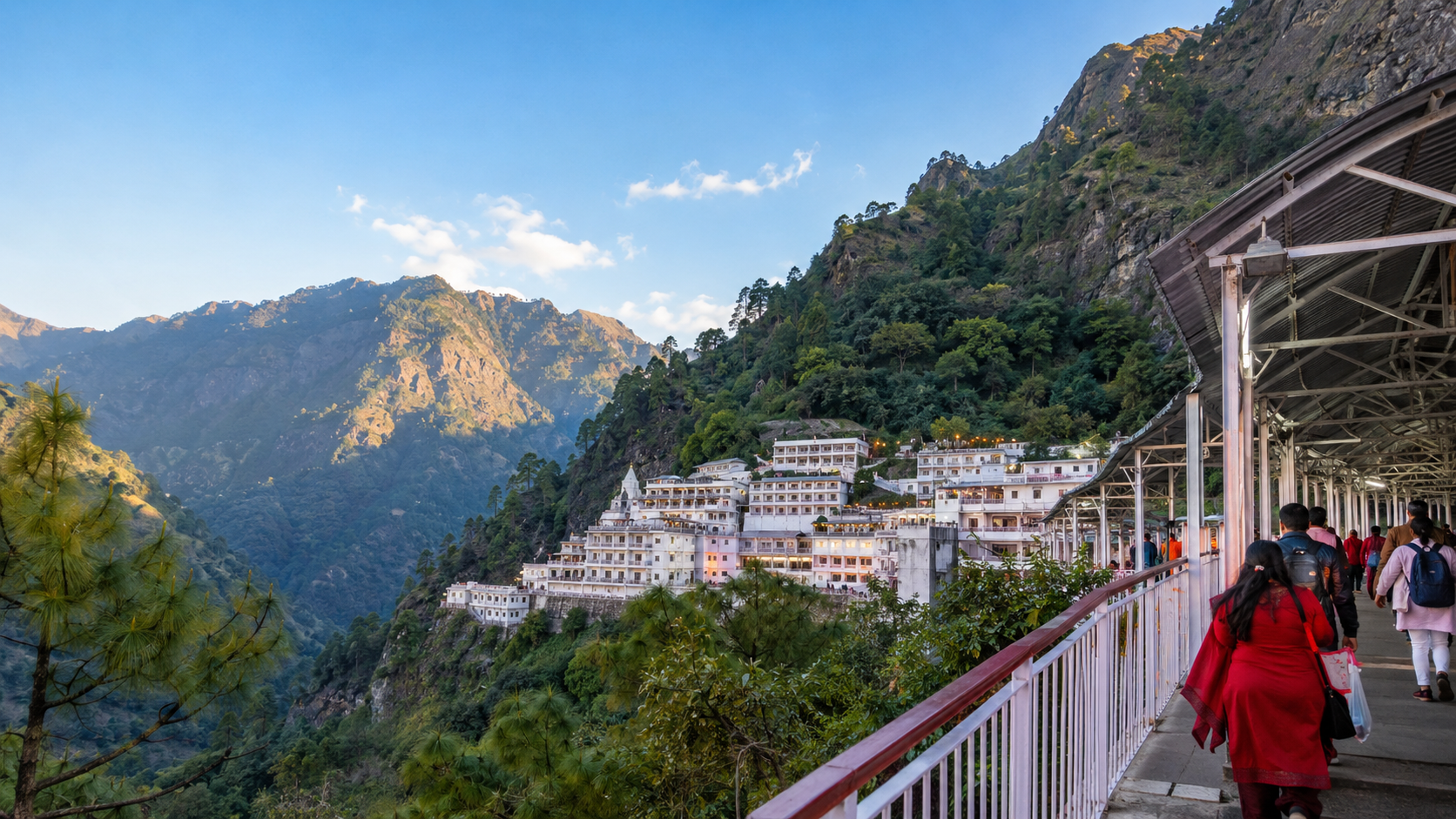
Vaishno Devi Yatra from Katra. Package details, itinerary and pricing can be completed in the CRM.
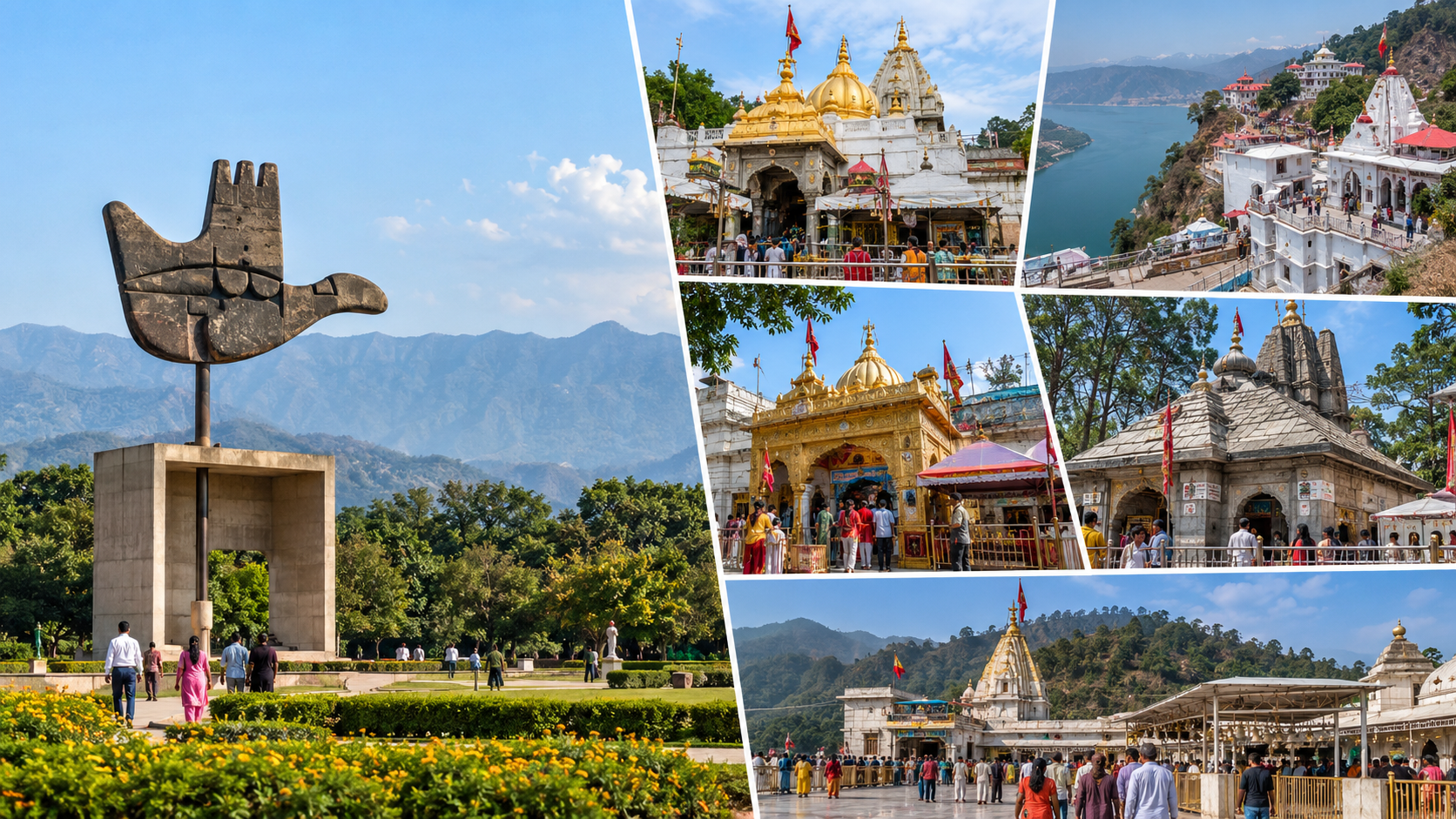
9 Devi Yatra from Chandigarh. Package details, itinerary and pricing can be completed in the CRM.
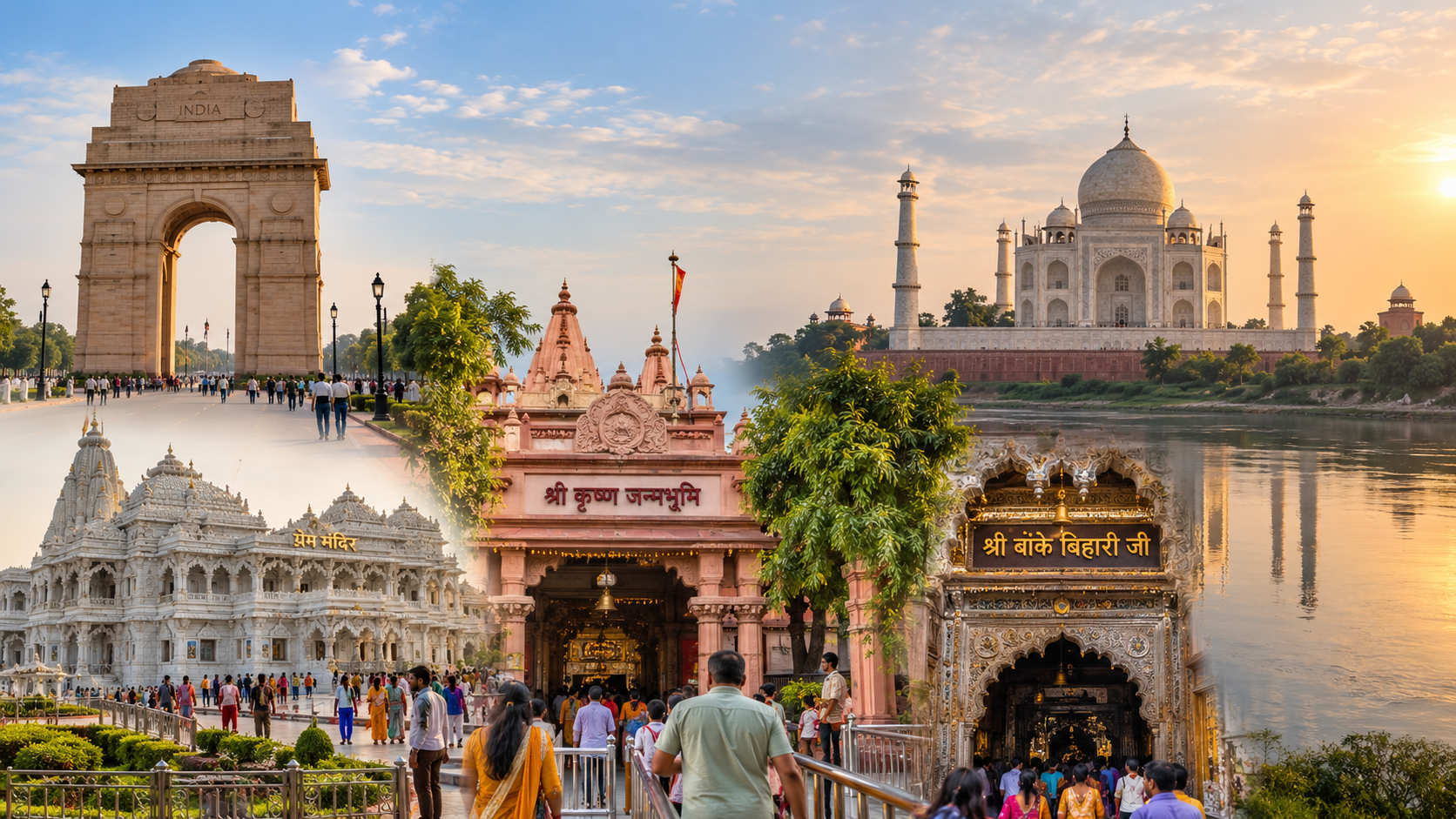
Agra Mathura Vrindavan Tour from Delhi. Package details, itinerary and pricing can be completed in the CRM.
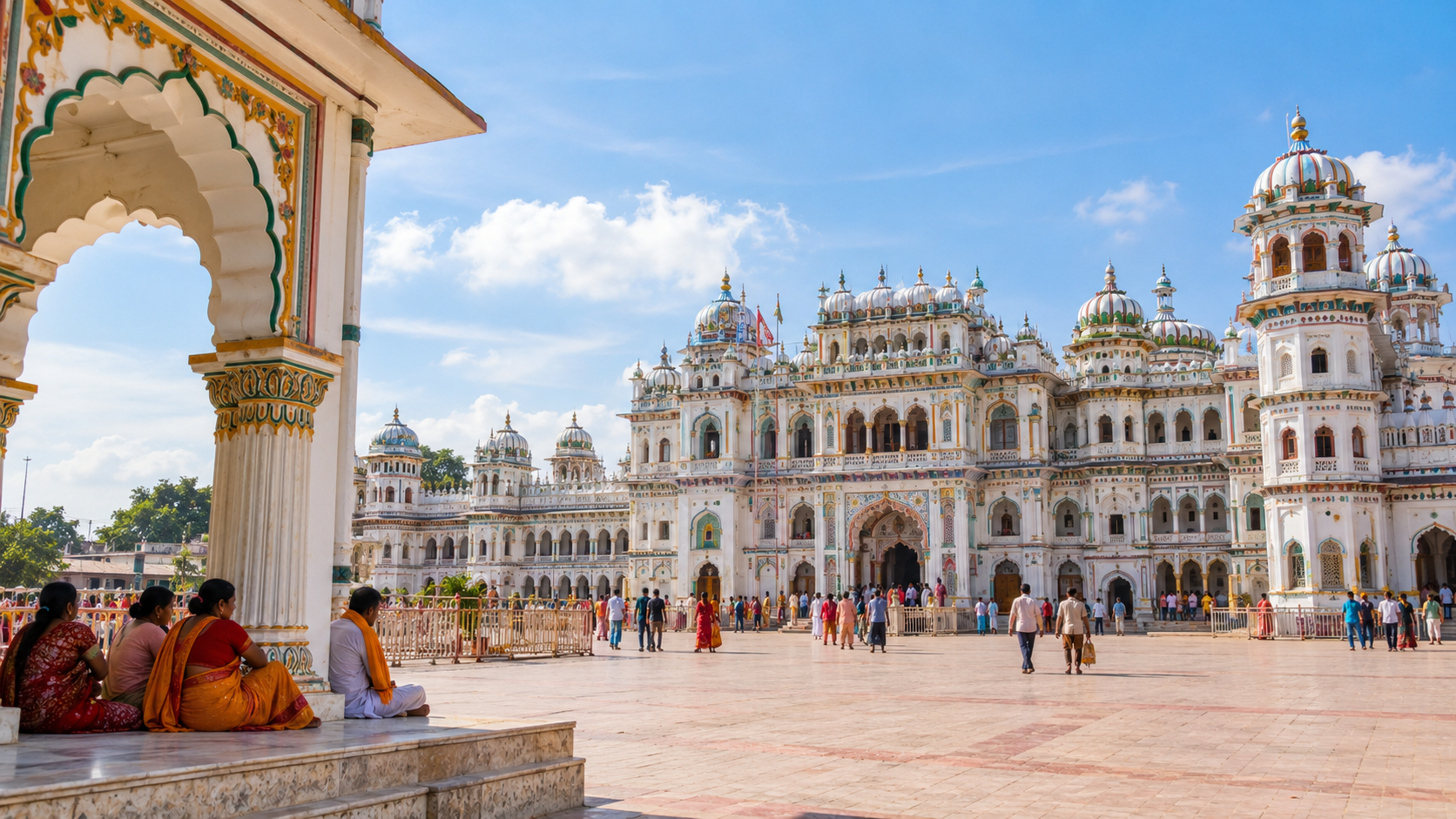
Sitamarhi Janakpur Tour from Darbhanga. Package details, itinerary and pricing can be completed in the CRM.
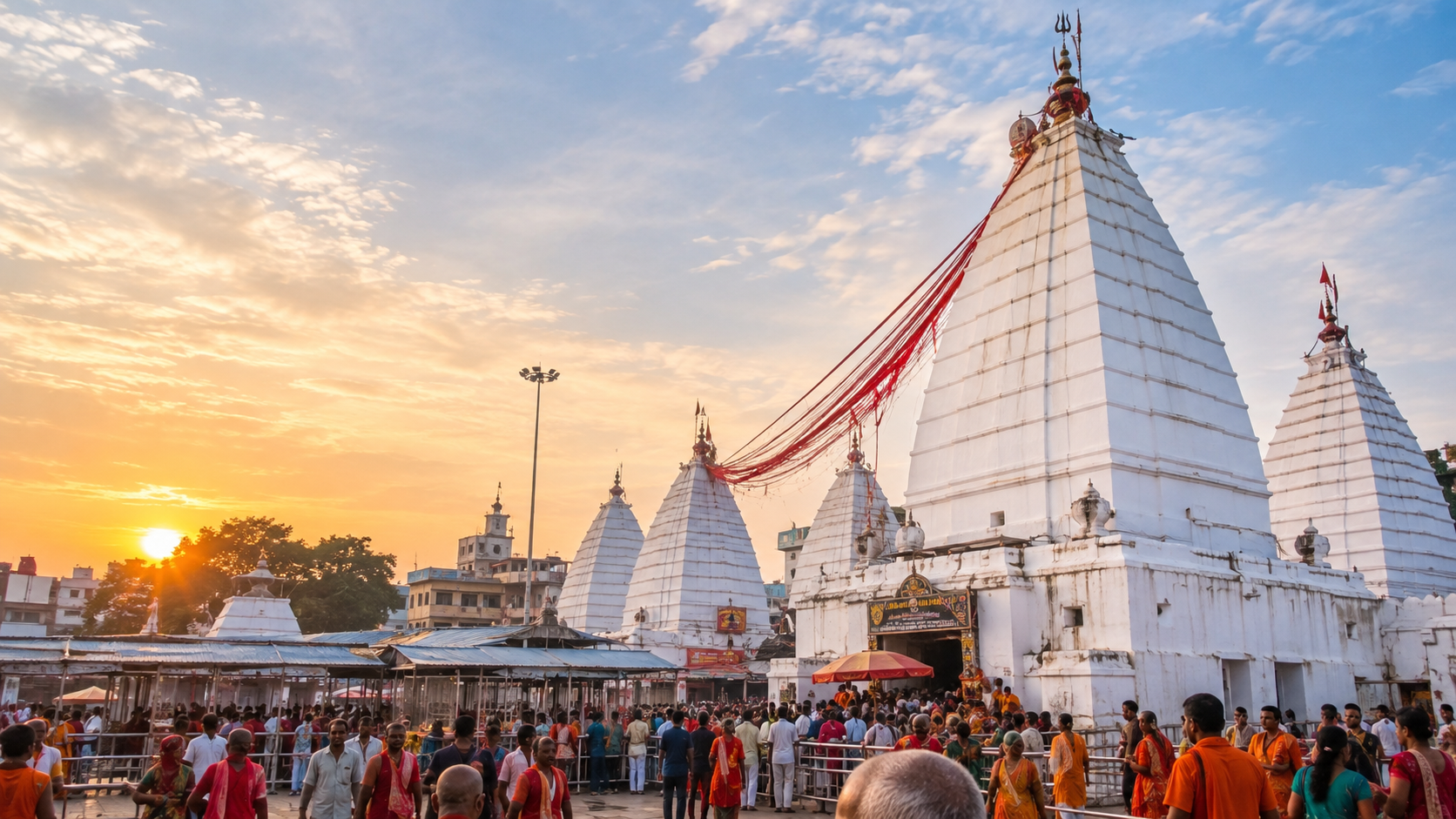
Deoghar Basukinath Tour from Deoghar. Package details, itinerary and pricing can be completed in the CRM.
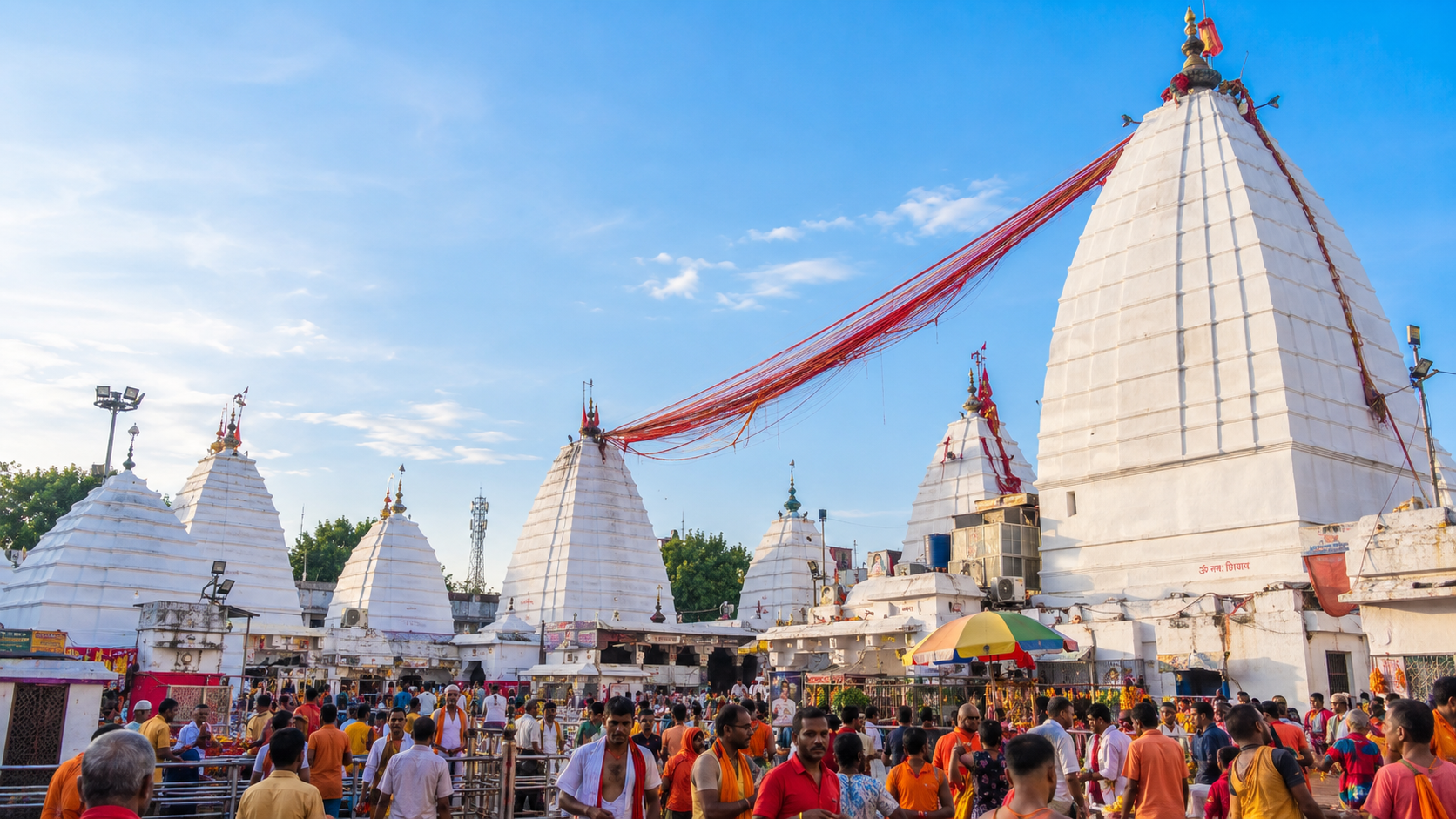
Deoghar Baba Dham Tour from Deoghar. Package details, itinerary and pricing can be completed in the CRM.
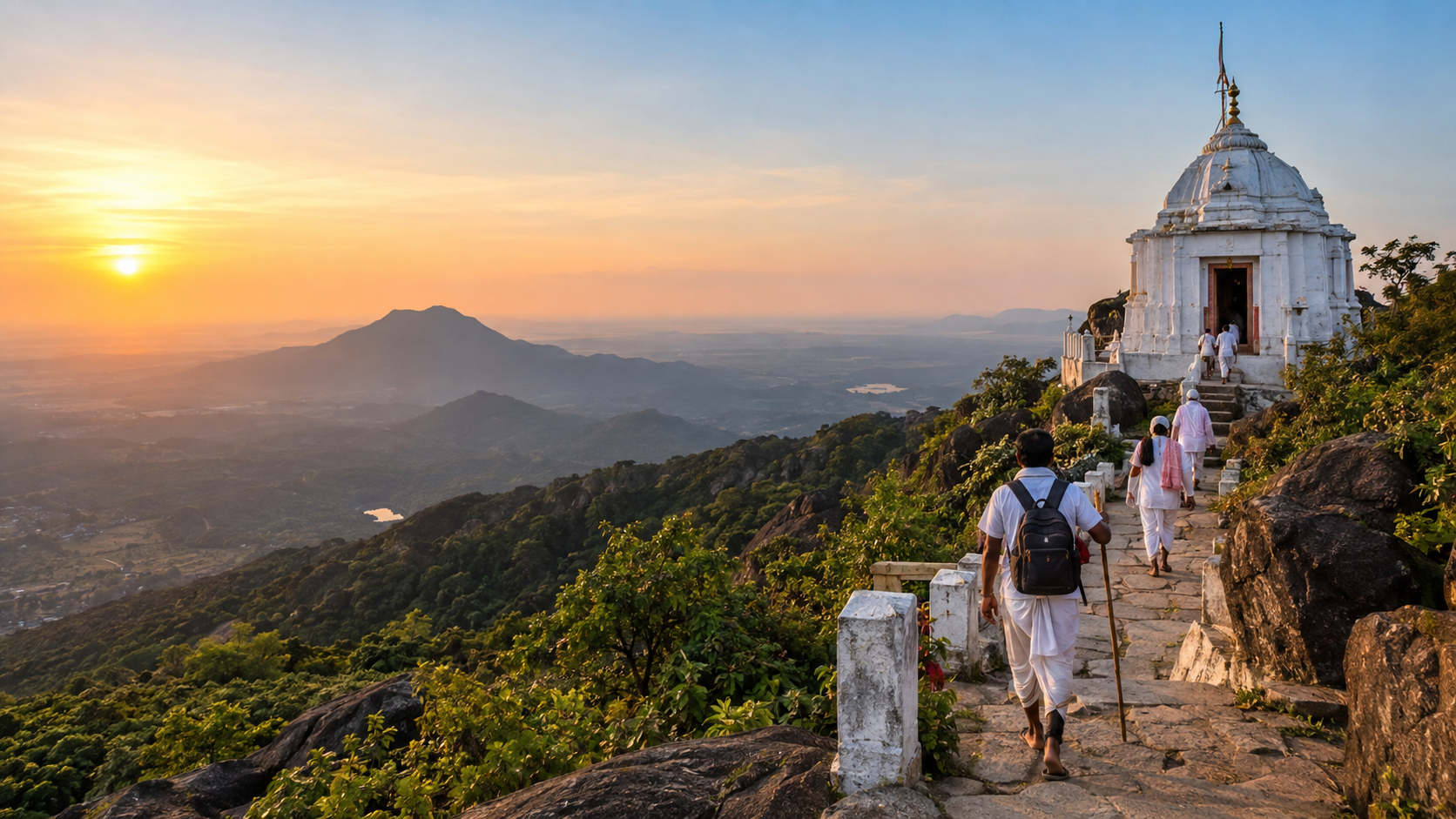
Shikharji Tour from Ranchi. Package details, itinerary and pricing can be completed in the CRM.
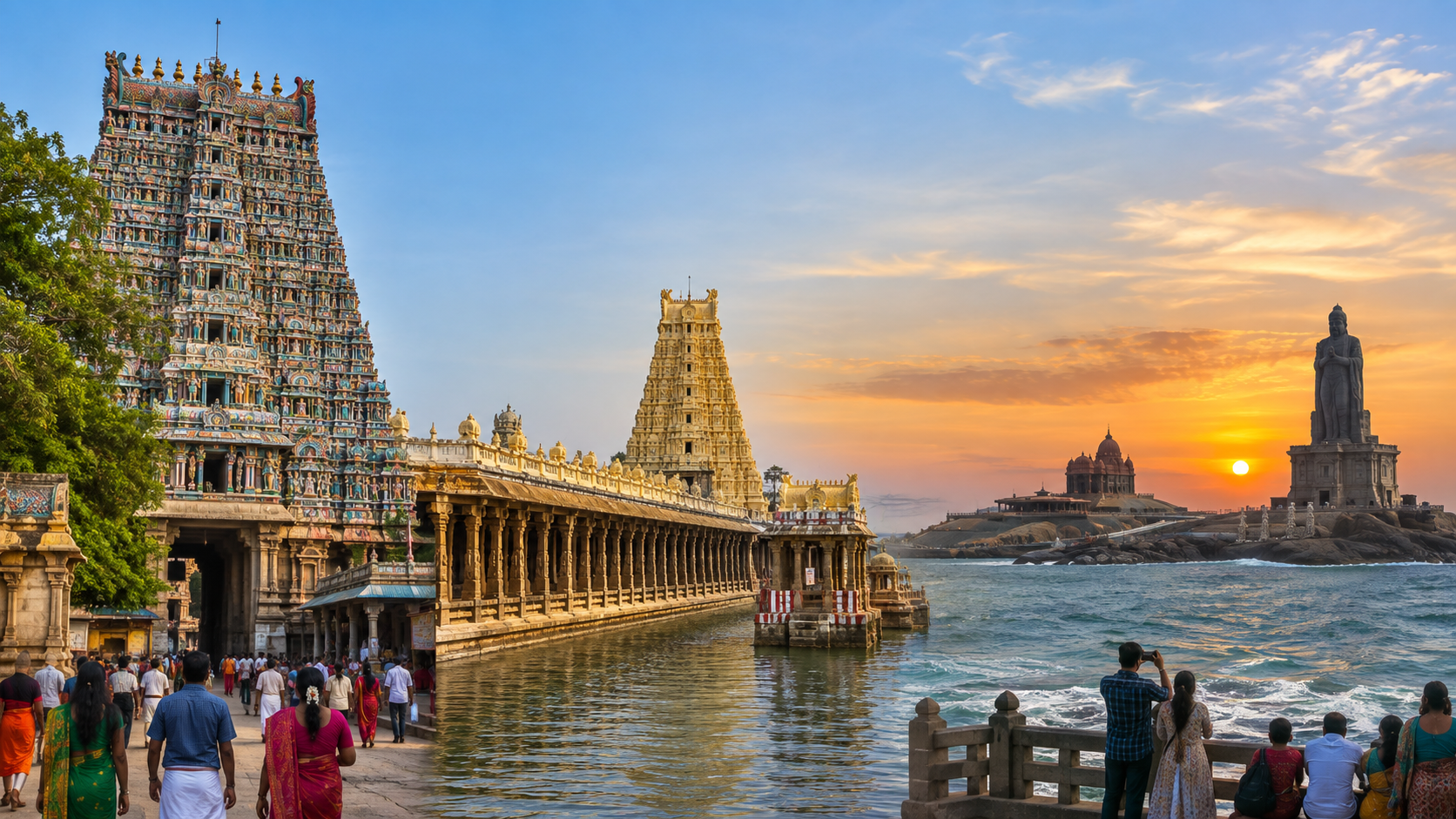
Madurai Rameswaram Kanyakumari Tour from Madurai. Package details, itinerary and pricing can be completed in the CRM.
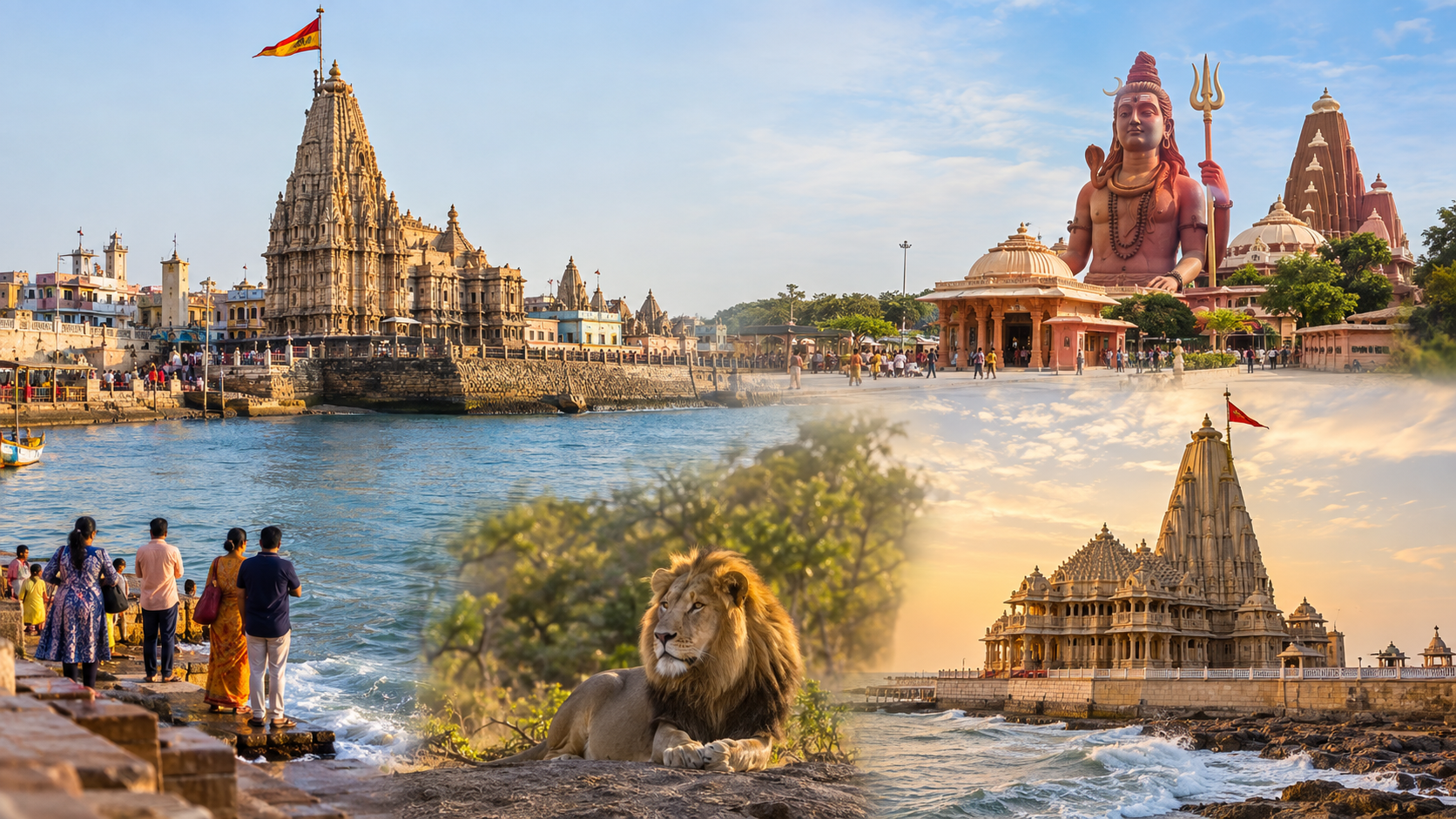
Dwarka Somnath Nageshwar Gir Tour from Rajkot. Package details, itinerary and pricing can be completed in the CRM.
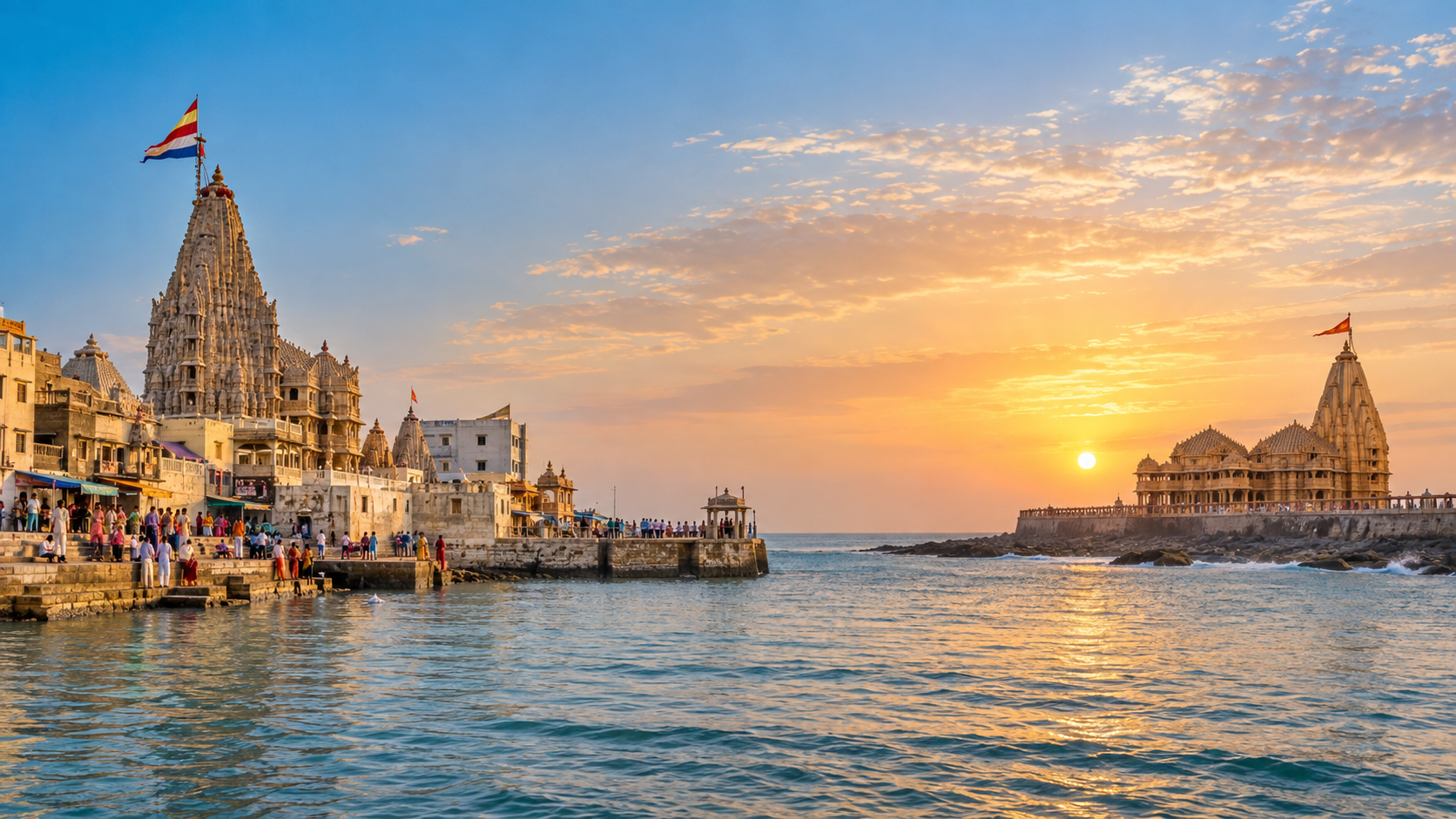
Dwarka Somnath Tour from Rajkot. Package details, itinerary and pricing can be completed in the CRM.
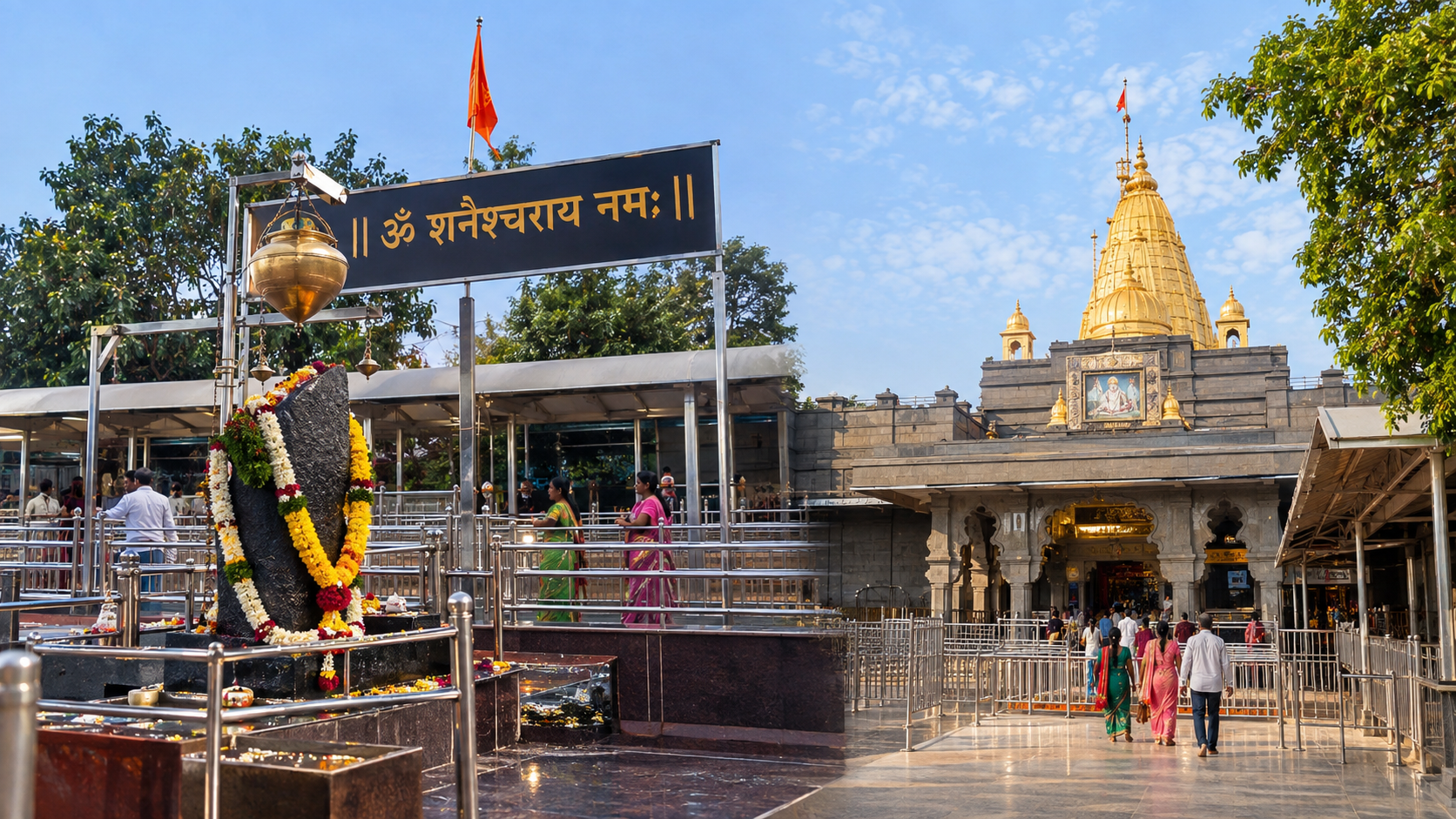
Shirdi Shani Shingnapur Tour from Shirdi. Package details, itinerary and pricing can be completed in the CRM.
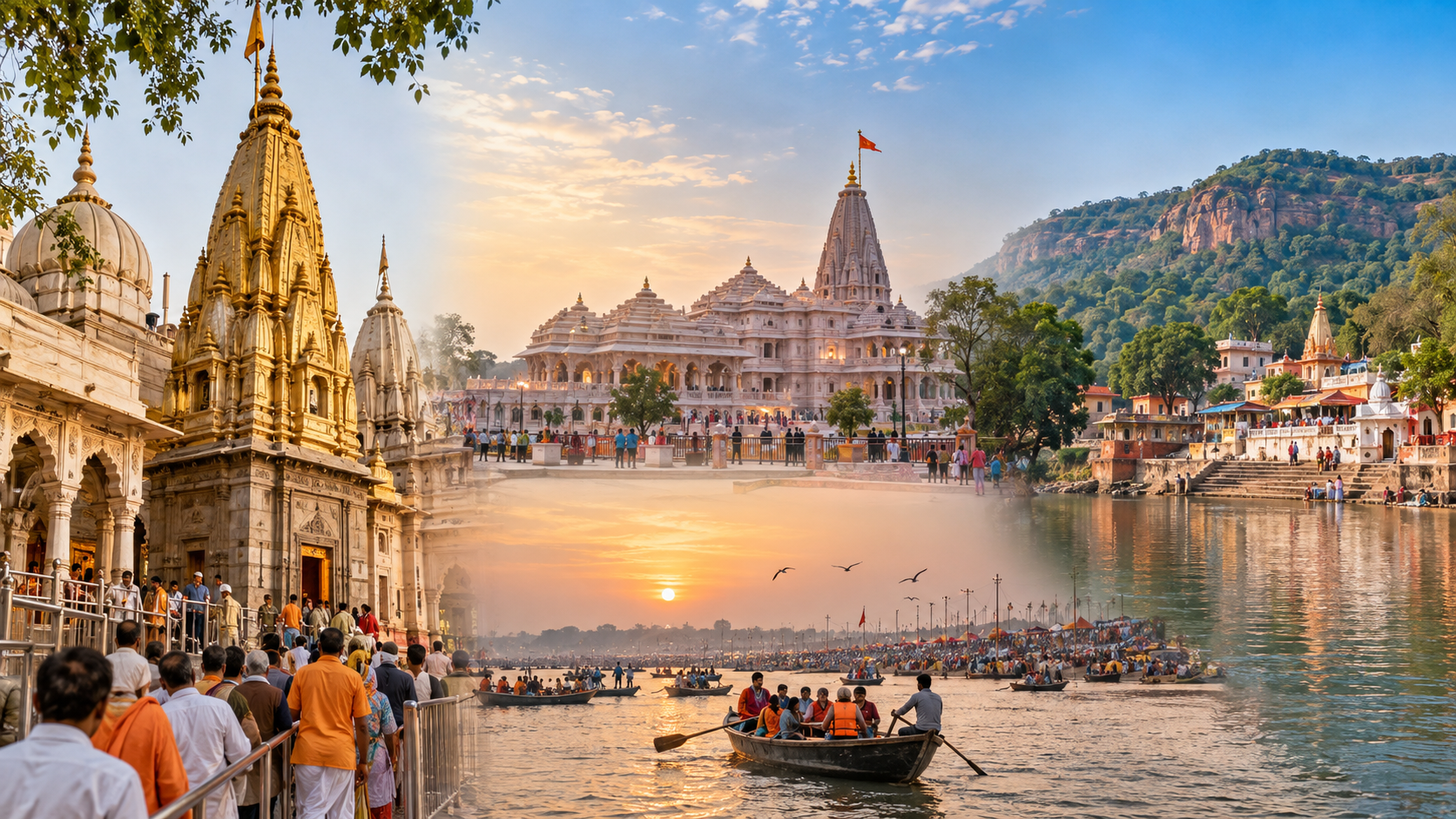
Varanasi Ayodhya Prayagraj Chitrakoot Tour from Varanasi. Package details, itinerary and pricing can be completed in the CRM.
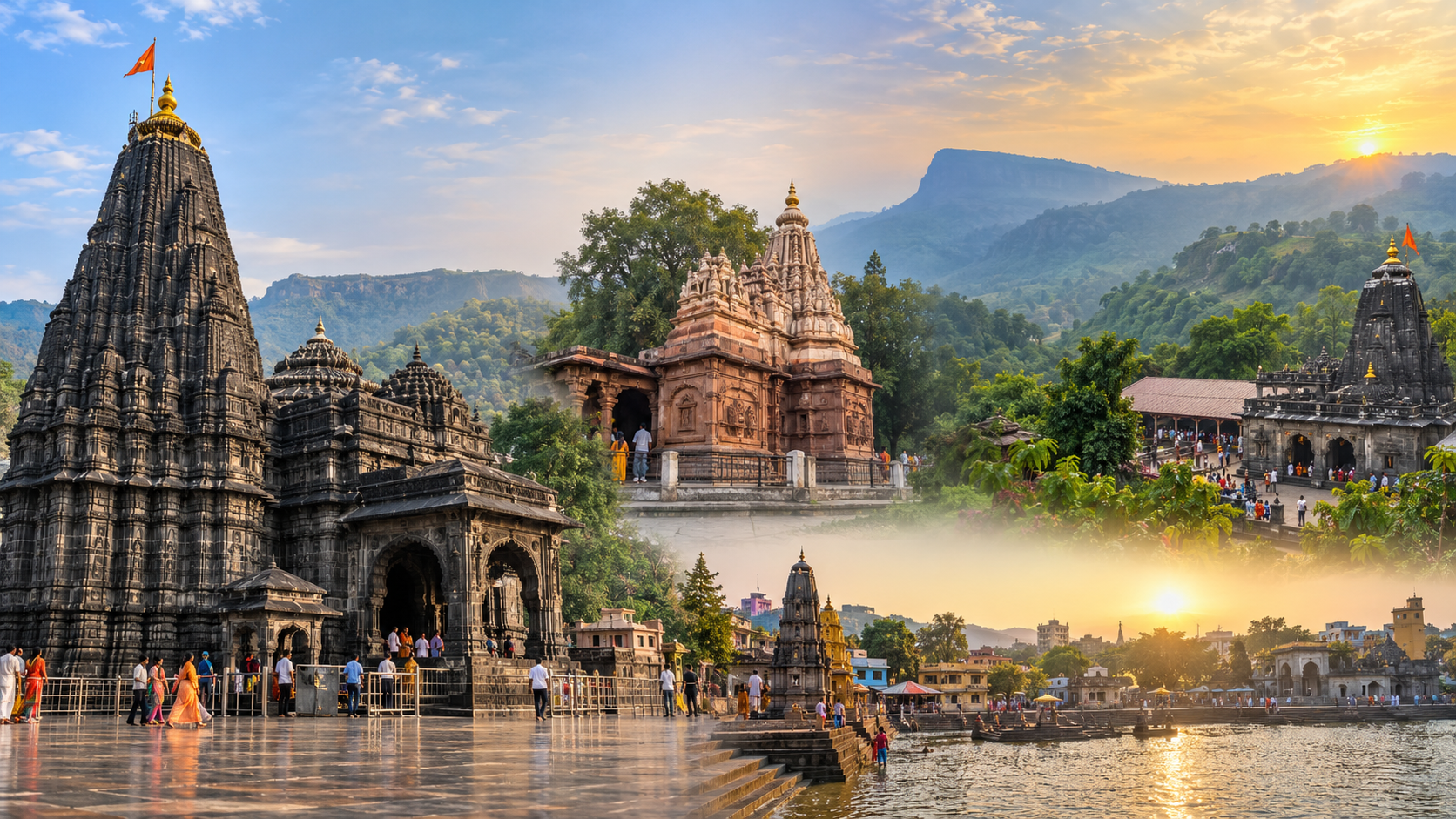
Maharashtra Jyotirlinga Tour from Nashik. Package details, itinerary and pricing can be completed in the CRM.
Maharashtra Jyotirlinga Tour from Mumbai. Package details, itinerary and pricing can be completed in the CRM.
Maharashtra Jyotirlinga Tour from Pune. Package details, itinerary and pricing can be completed in the CRM.
Ujjain Mahakal Omkareshwar Tour from Ujjain. Package details, itinerary and pricing can be completed in the CRM.
Varanasi Ayodhya Prayagraj Tour from Varanasi. Package details, itinerary and pricing can be completed in the CRM.
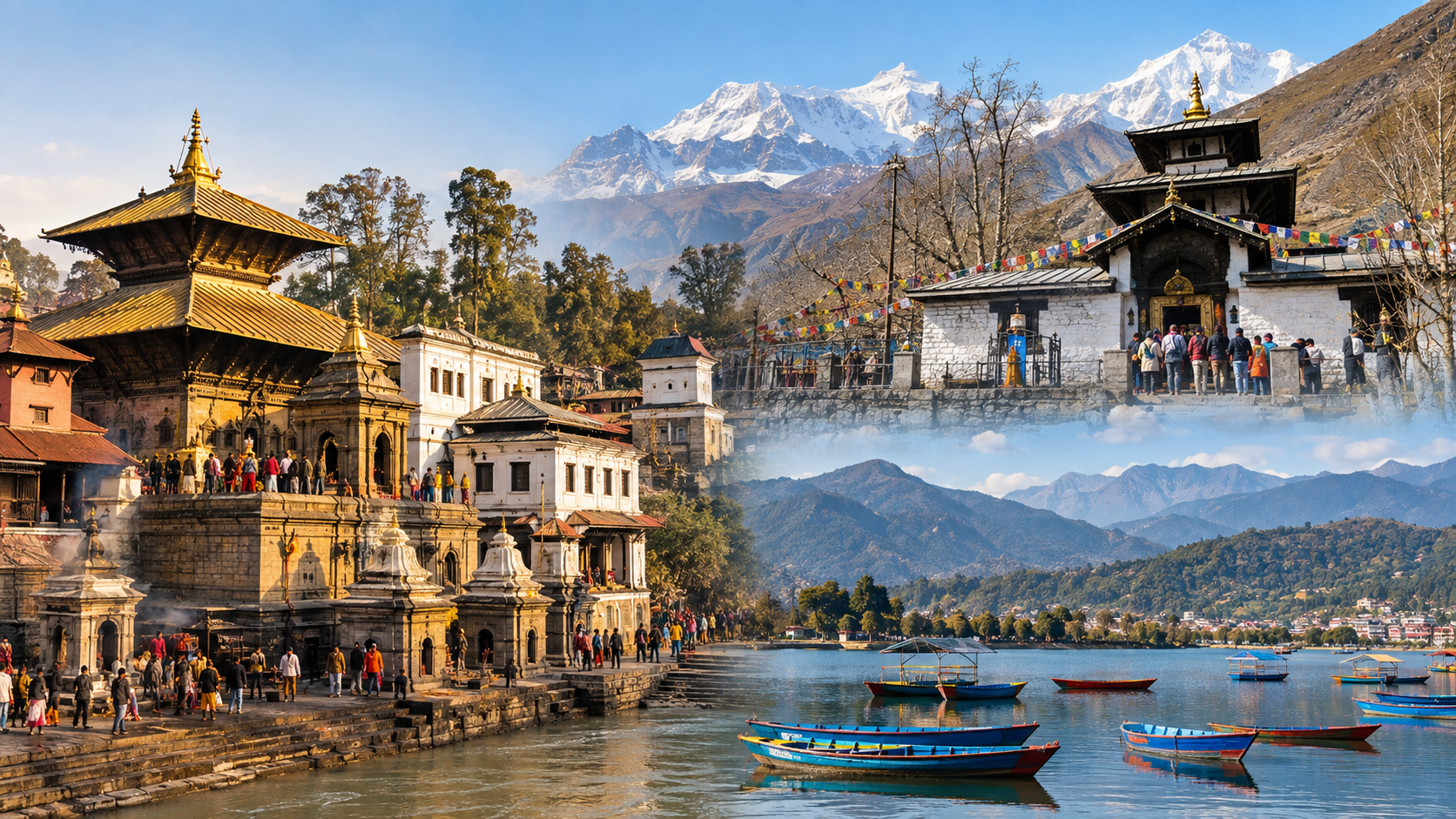
Kathmandu Pashupatinath Muktinath Pokhara Tour from Kathmandu. Package details, itinerary and pricing can be completed in the CRM.
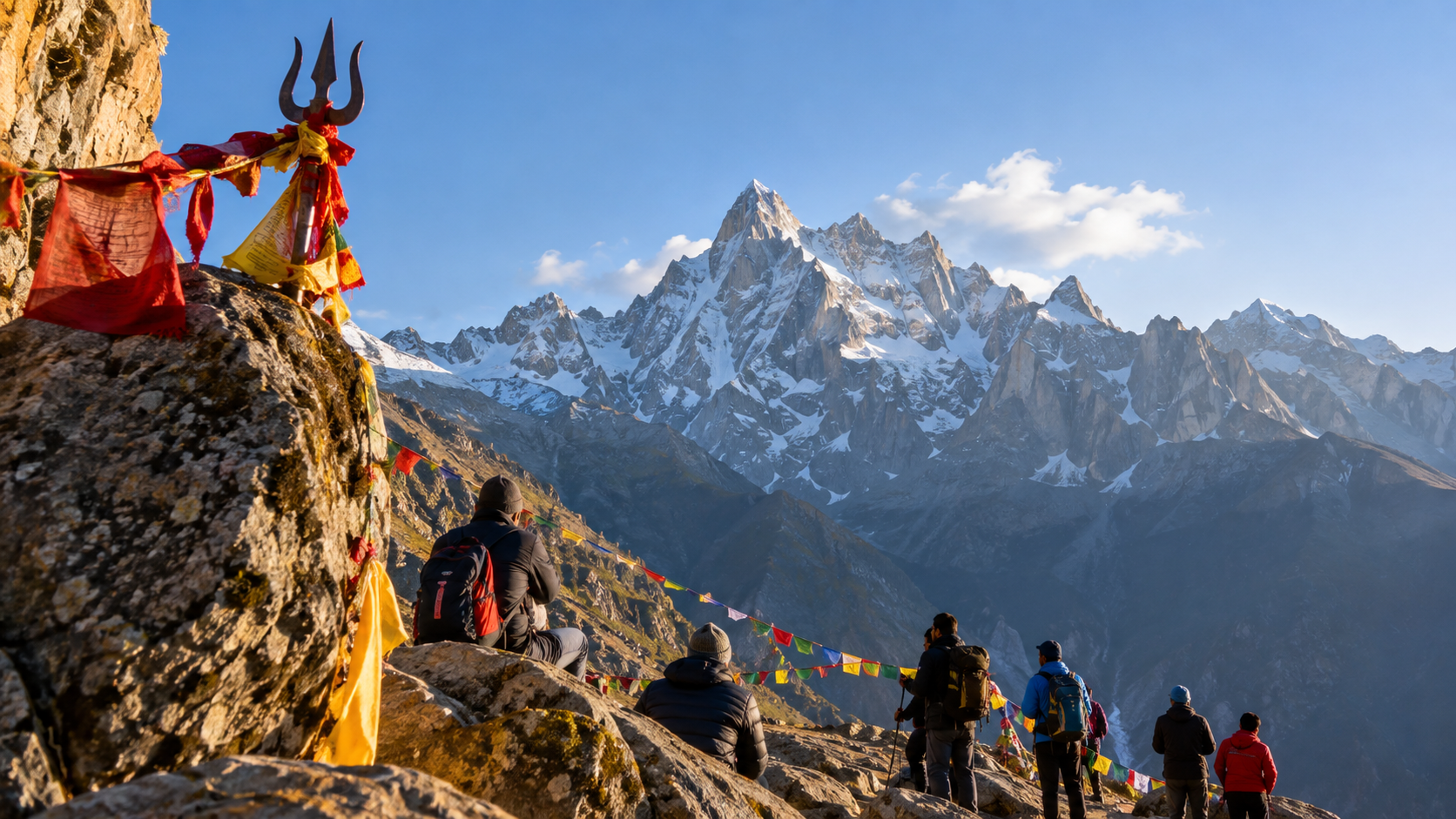
Kinner Kailash Yatra from Chandigarh. Package details, itinerary and pricing can be completed in the CRM.
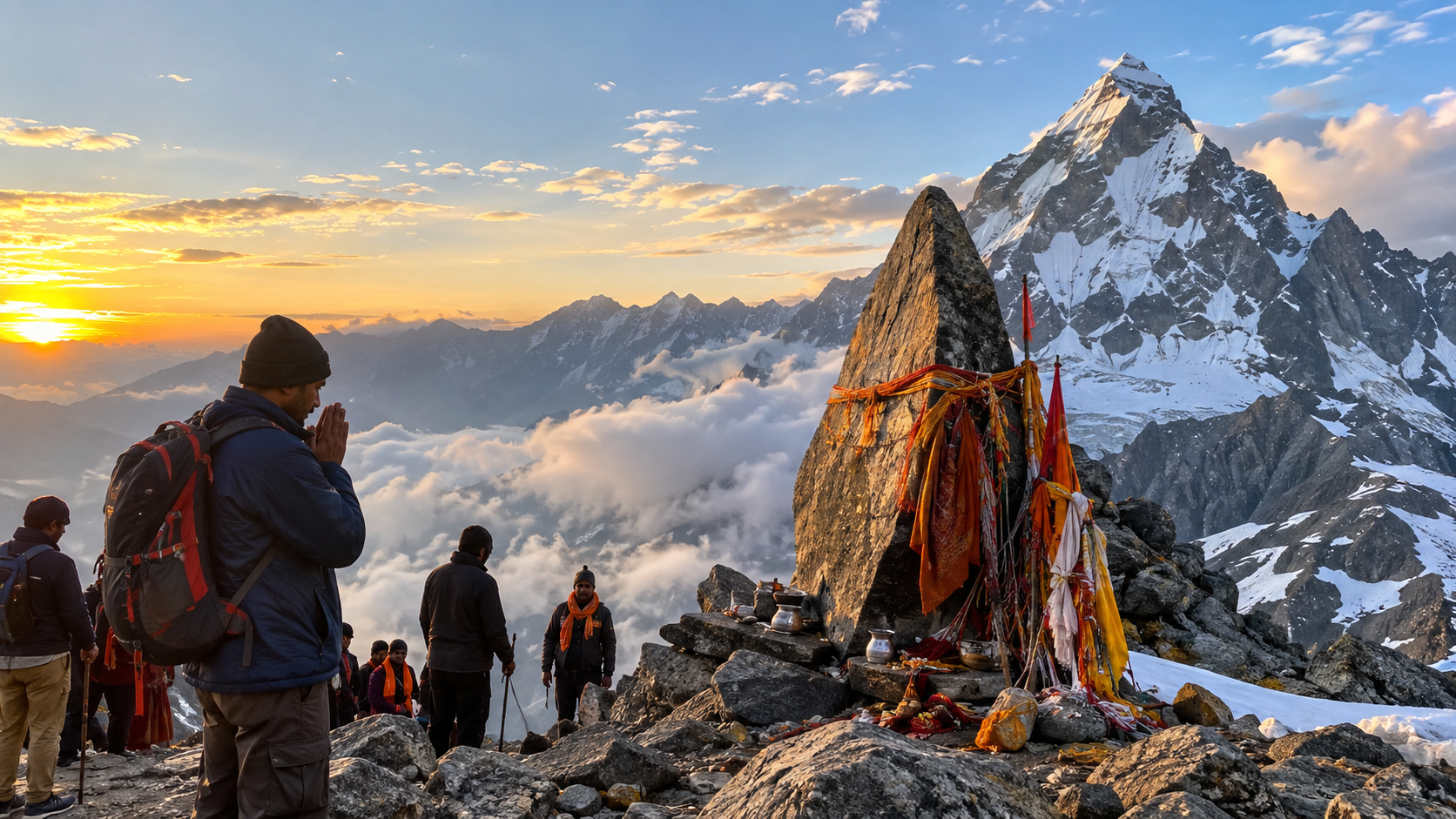
Shrikhand Mahadev Yatra from Chandigarh. Package details, itinerary and pricing can be completed in the CRM.
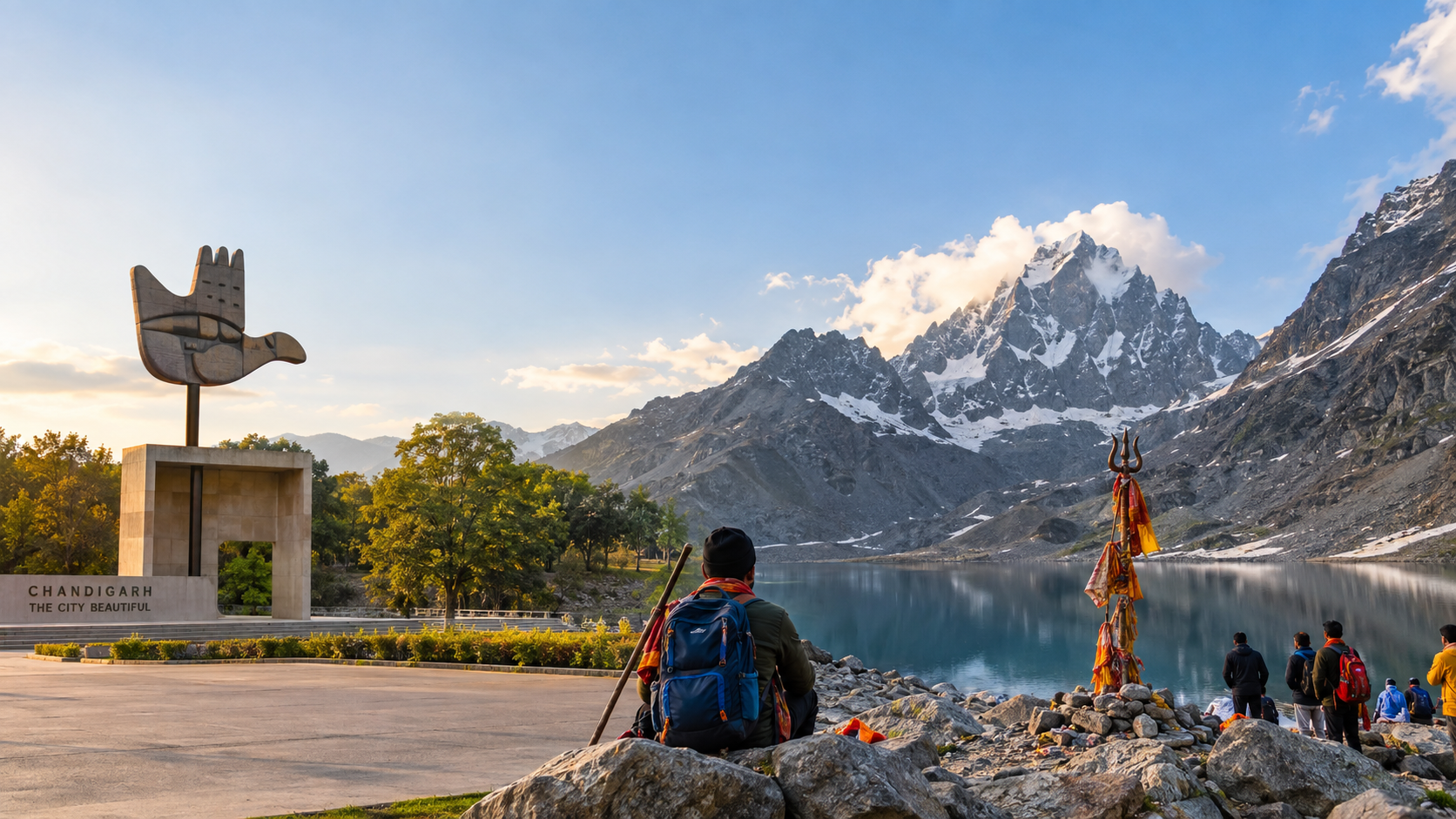
Manimahesh Yatra from Chandigarh. Package details, itinerary and pricing can be completed in the CRM.
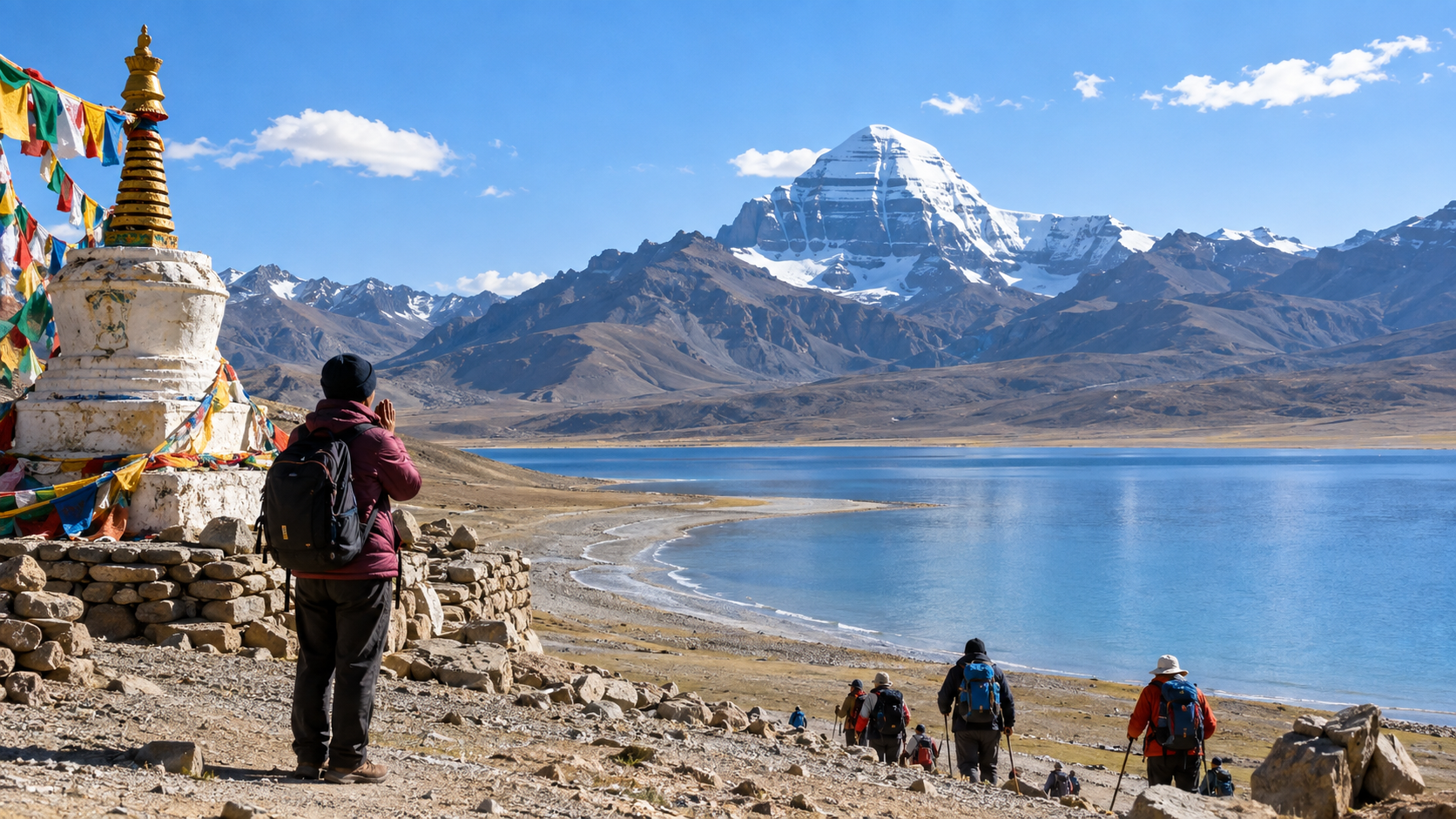
Kailash Mansarovar Yatra by Road from Kathmandu. Package details, itinerary and pricing can be completed in the CRM.
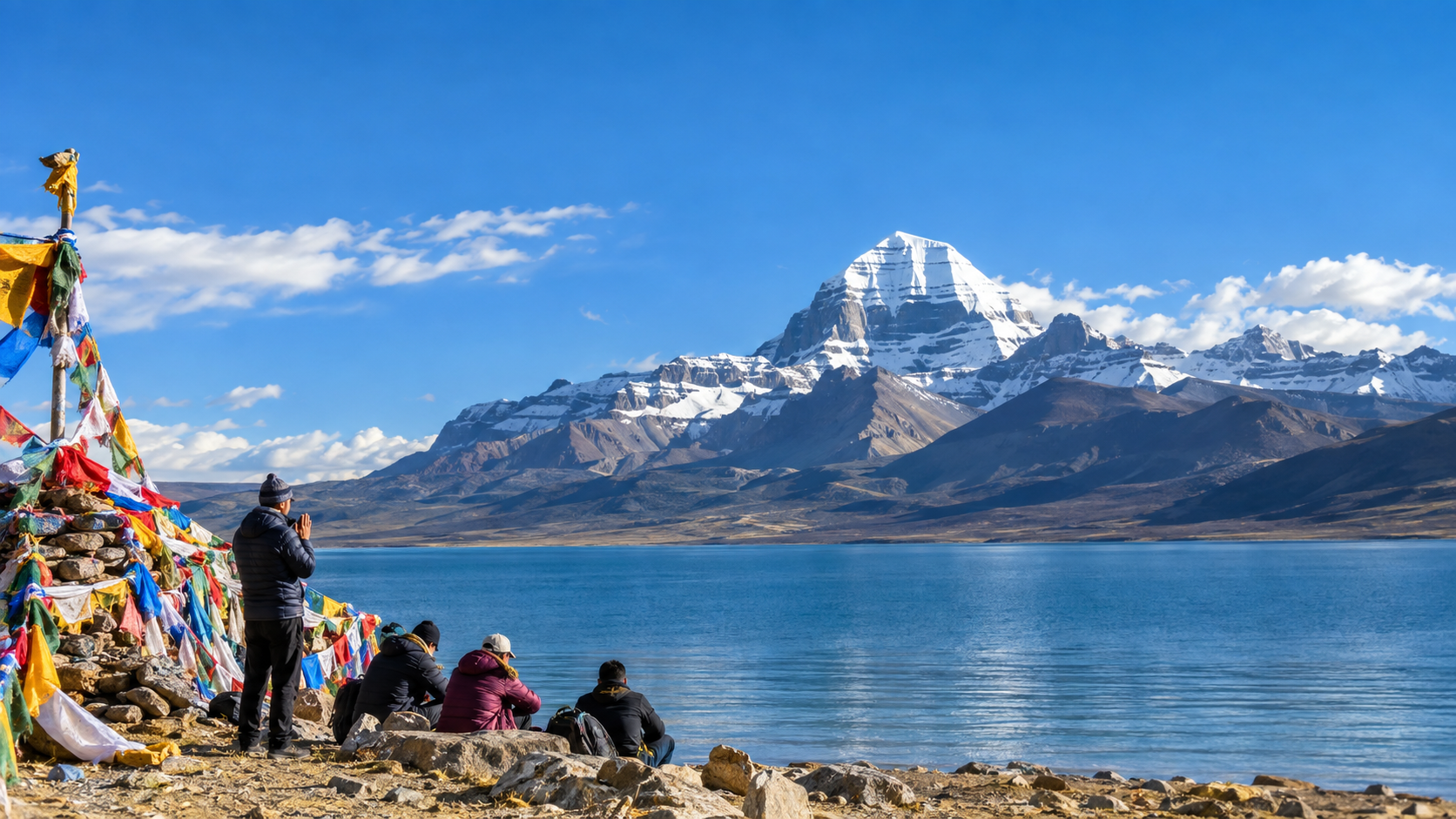
Kailash Mansarovar Yatra by Helicopter from Kathmandu. Package details, itinerary and pricing can be completed in the CRM.
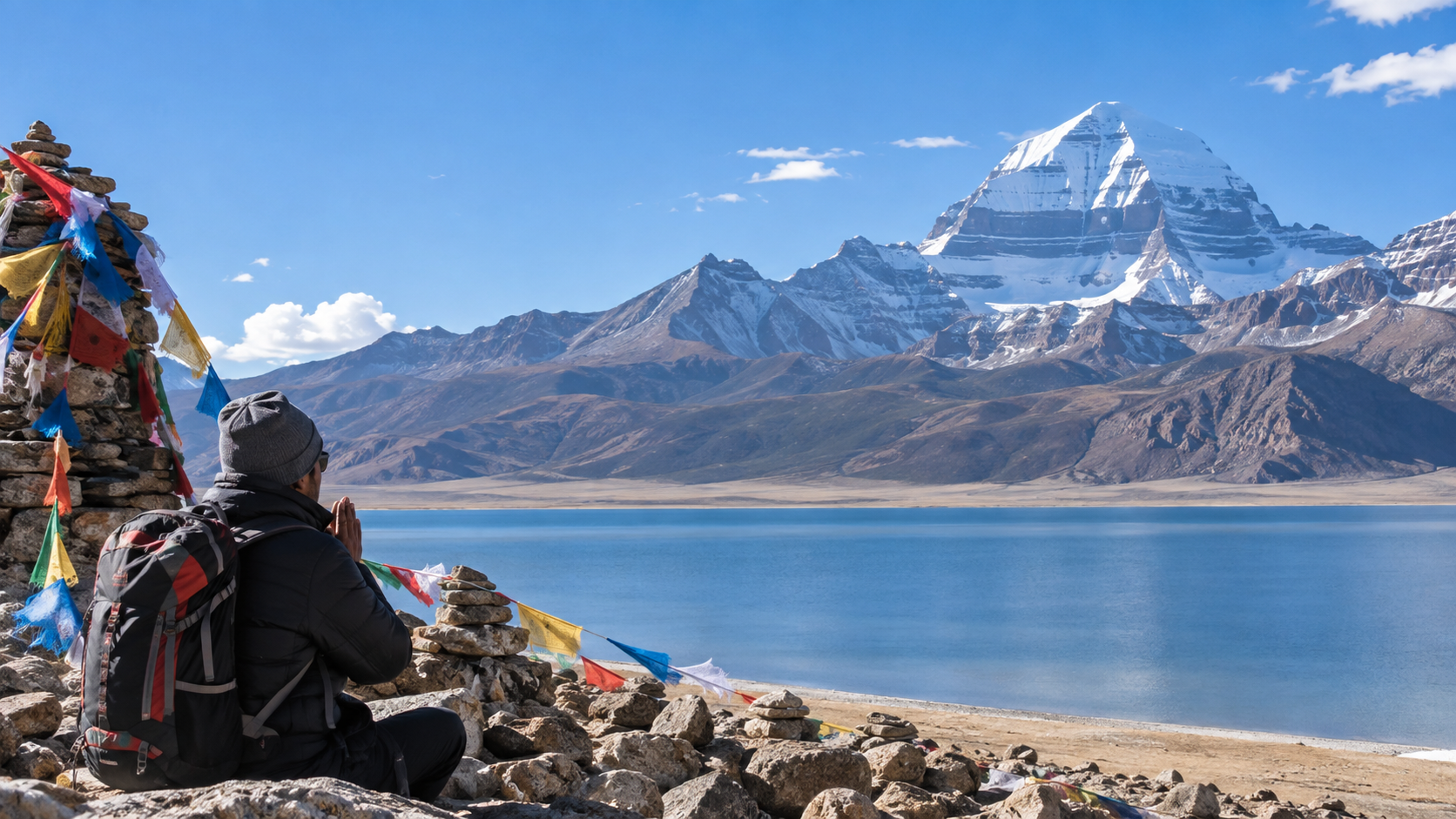
Kailash Mansarovar Yatra by Helicopter from Lucknow. Package details, itinerary and pricing can be completed in the CRM.
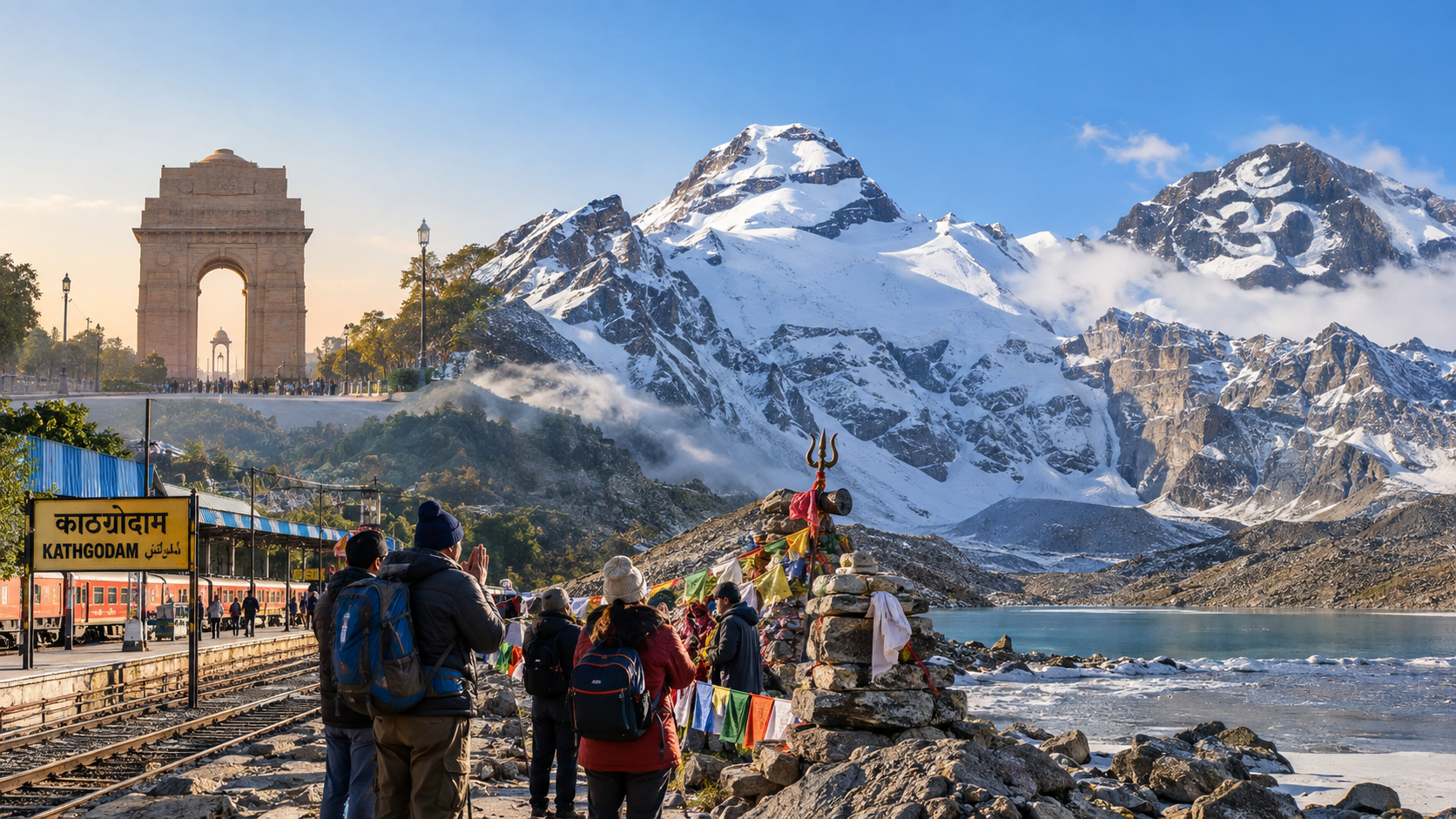
Adi Kailash Om Parvat Yatra from Delhi. Package details, itinerary and pricing can be completed in the CRM.
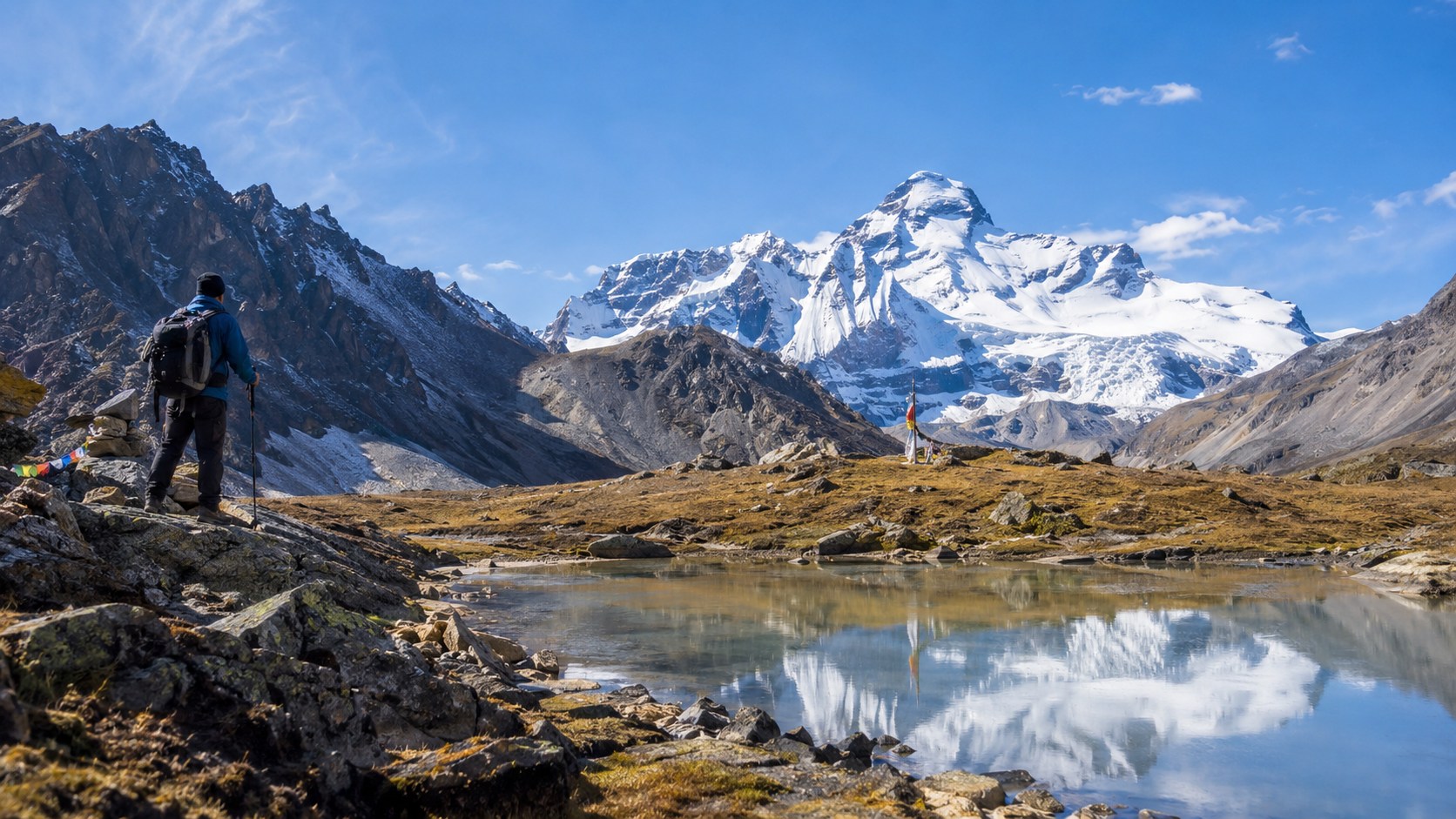
Adi Kailash Om Parvat Yatra from Kathgodam. Package details, itinerary and pricing can be completed in the CRM.
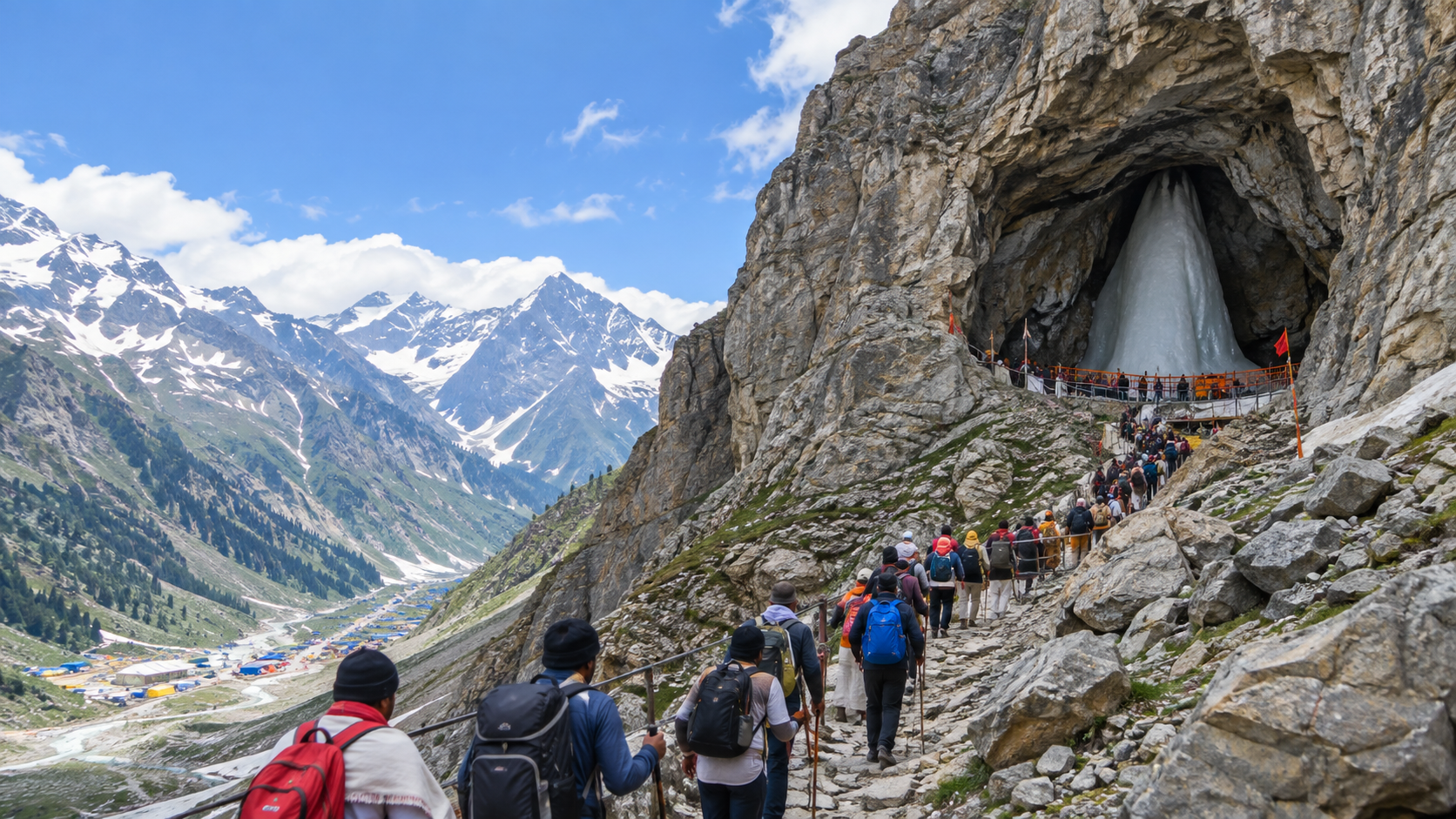
Amarnath Yatra from Srinagar. Package details, itinerary and pricing can be completed in the CRM.
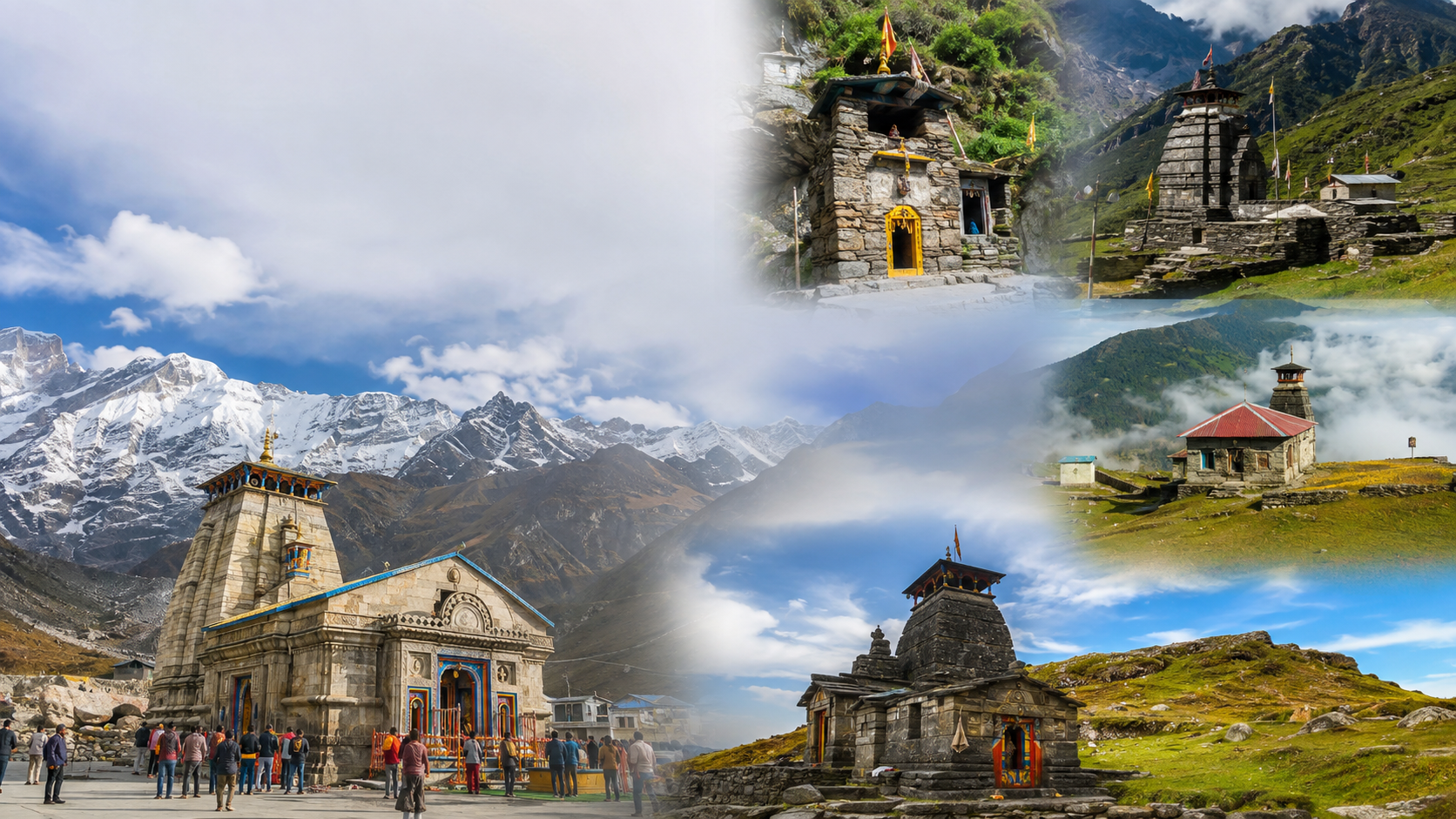
Panch Kedar Yatra from Delhi is a demanding and deeply rewarding pilgrimage through five revered Shiva temples in the Garhwal Himalayas: Kedarnath, Tungnath, Rudranath, Madhyamaheshwar and Kalpeshwar. This 12 Days / 11 Nights pilgrimage is designed for devotees who want to experience the complete Panch Kedar circuit rather than visit only one or two shrines. The journey combines mountain roads, high-altitude walking and time for darshan at some of Uttarakhand’s most significant Shiva temples. Because several shrines involve substantial trekking and seasonal access, careful planning is essential. Trip to Yatra helps travellers plan the pilgrimage around the temple season, travel conditions an
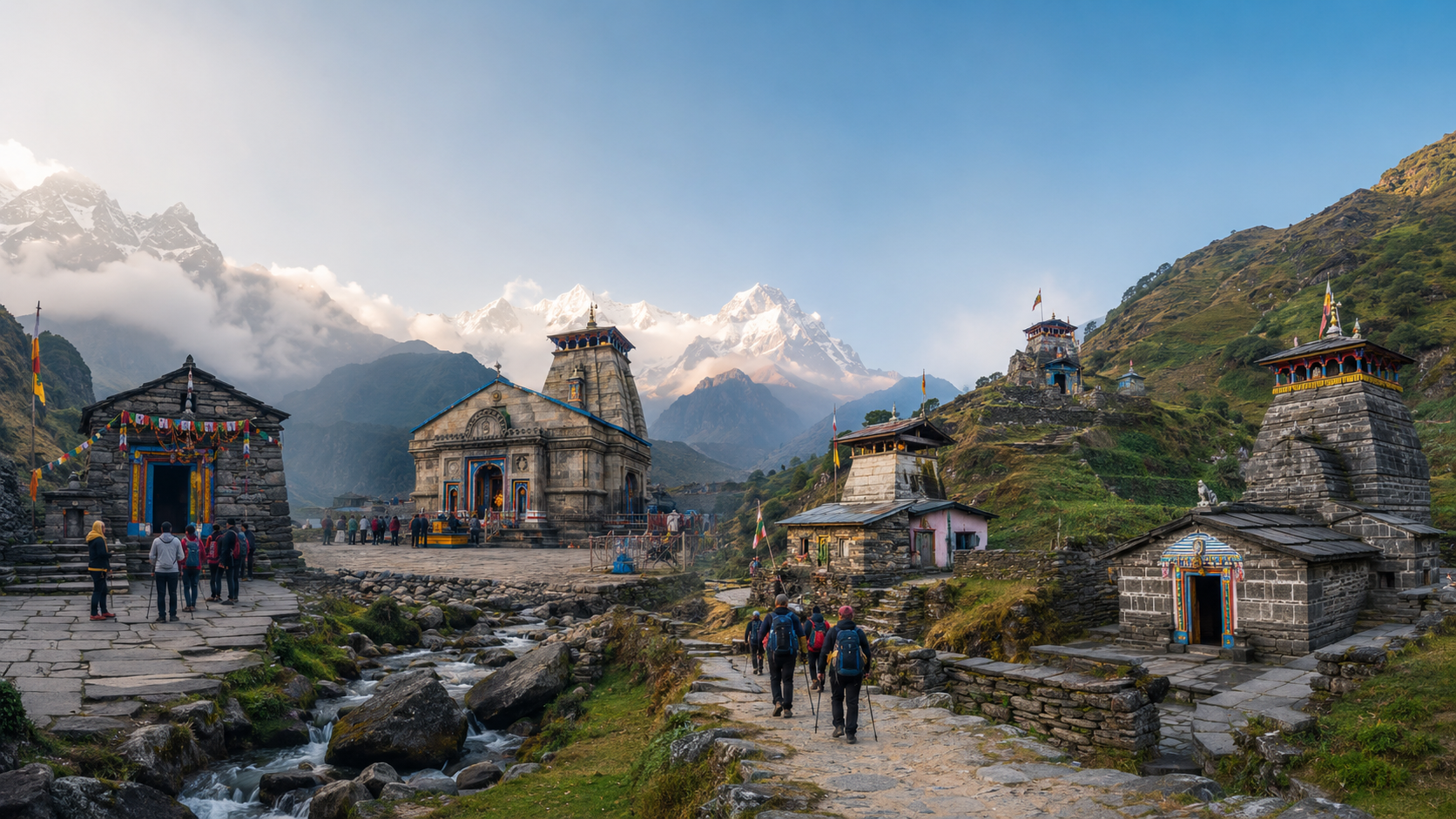
Panch Kedar Yatra from Dehradun is an immersive Shiva pilgrimage covering all five revered Panch Kedar shrines of Uttarakhand: Kedarnath, Tungnath, Rudranath, Madhyamaheshwar and Kalpeshwar. Designed as an 11 Days / 10 Nights pilgrimage experience, the journey combines temple visits with demanding Himalayan treks, mountain landscapes and quiet village settings. Unlike a conventional temple tour, Panch Kedar requires preparation for high-altitude walking, changing weather and seasonal temple access. Trip to Yatra helps travellers plan the pilgrimage around practical travel requirements, accommodation preferences and the operating season, with a focus on a comfortable and well-organised journe
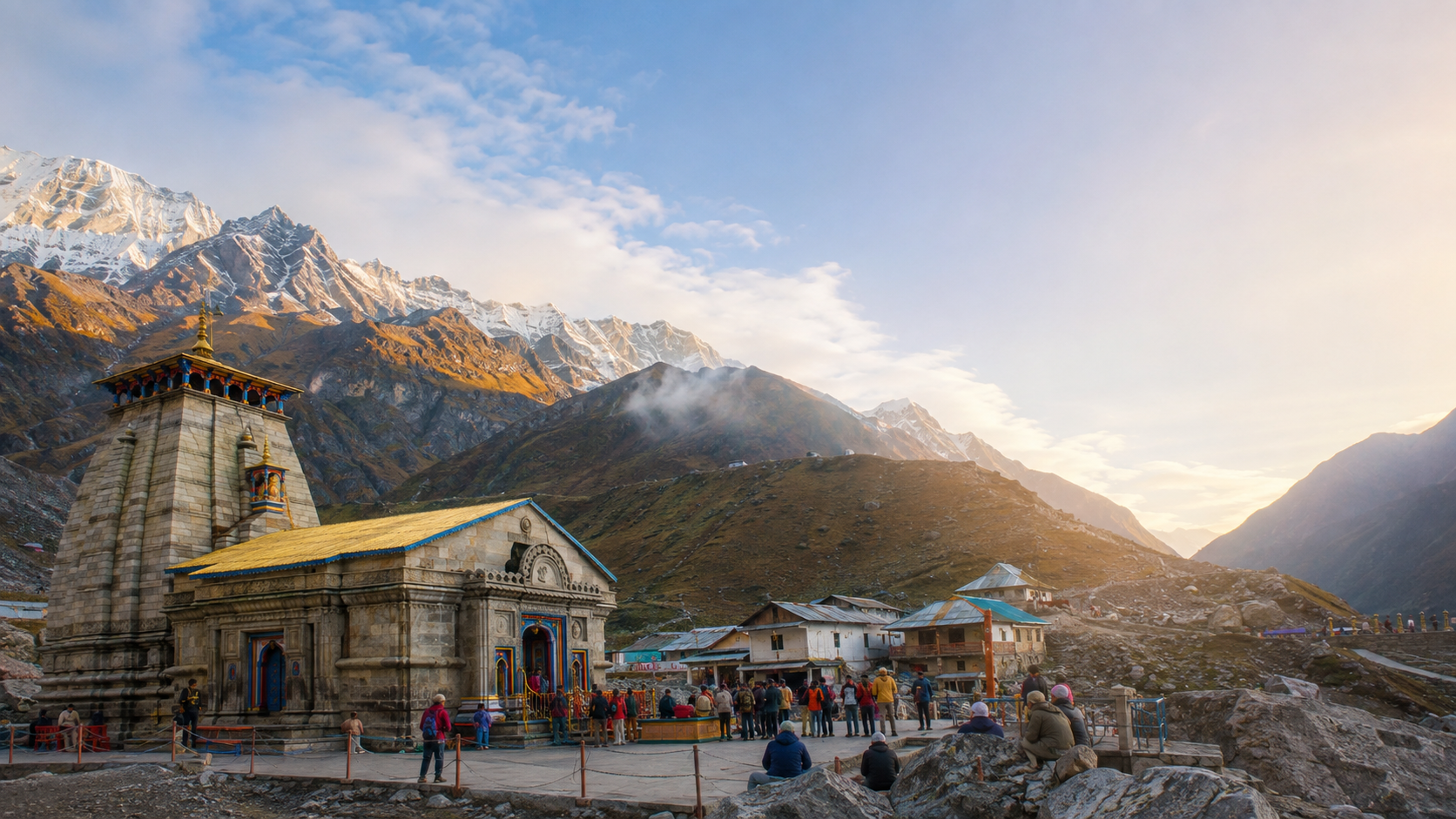
The Kedarnath Tungnath Package from Delhi is a 7-day / 6-night pilgrimage journey covering two of Uttarakhand’s most revered Shiva temples. Starting and ending in Delhi, the tour combines the spiritual significance of Kedarnath with the high-altitude mountain setting of Tungnath near Chopta. Kedarnath Temple is one of the prominent Panch Kedar shrines, while Tungnath is recognised by Uttarakhand Tourism as one of the highest Shiva temples in the world. The journey involves mountain travel and trekking, so it is best suited to travellers who are comfortable with an active Himalayan pilgrimage. Enquire with Trip to Yatra for current travel planning and availability.
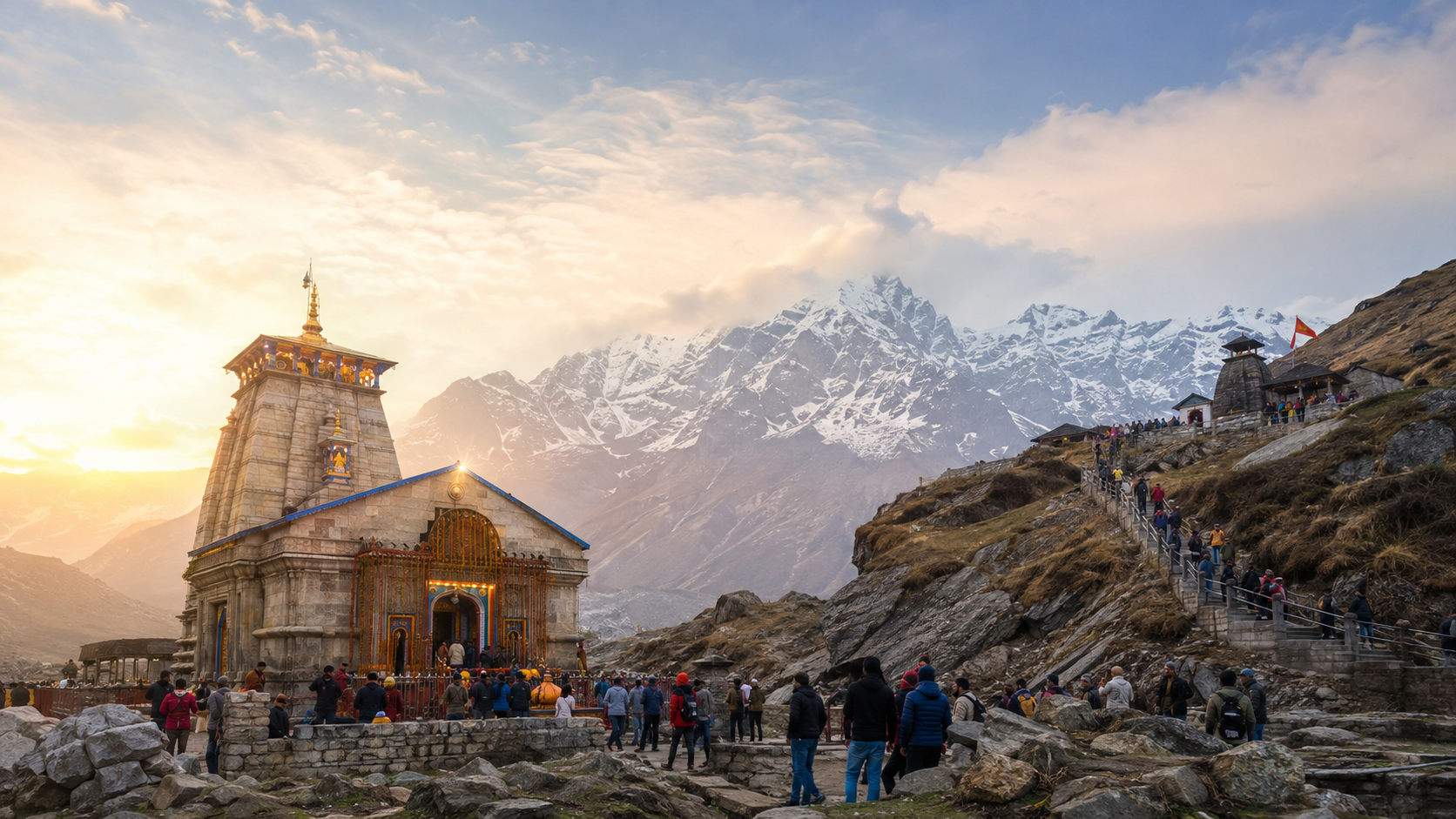
Plan a focused Himalayan pilgrimage with the Kedarnath Tungnath package from Haridwar, combining two revered Shiva temples in Uttarakhand. This 5-day / 4-night journey is designed for travellers who want to visit Kedarnath Temple and Tungnath Temple without committing to a longer Char Dham circuit. Kedarnath, one of the most important Shiva pilgrimage sites in India, lies high in the Garhwal Himalayas and requires a trek from Gaurikund. Tungnath, one of the Panch Kedar shrines, is reached by trekking from Chopta. With Haridwar as both the starting and ending point, the package offers a practical pilgrimage-focused travel plan with time for mountain travel, temple visits and rest.
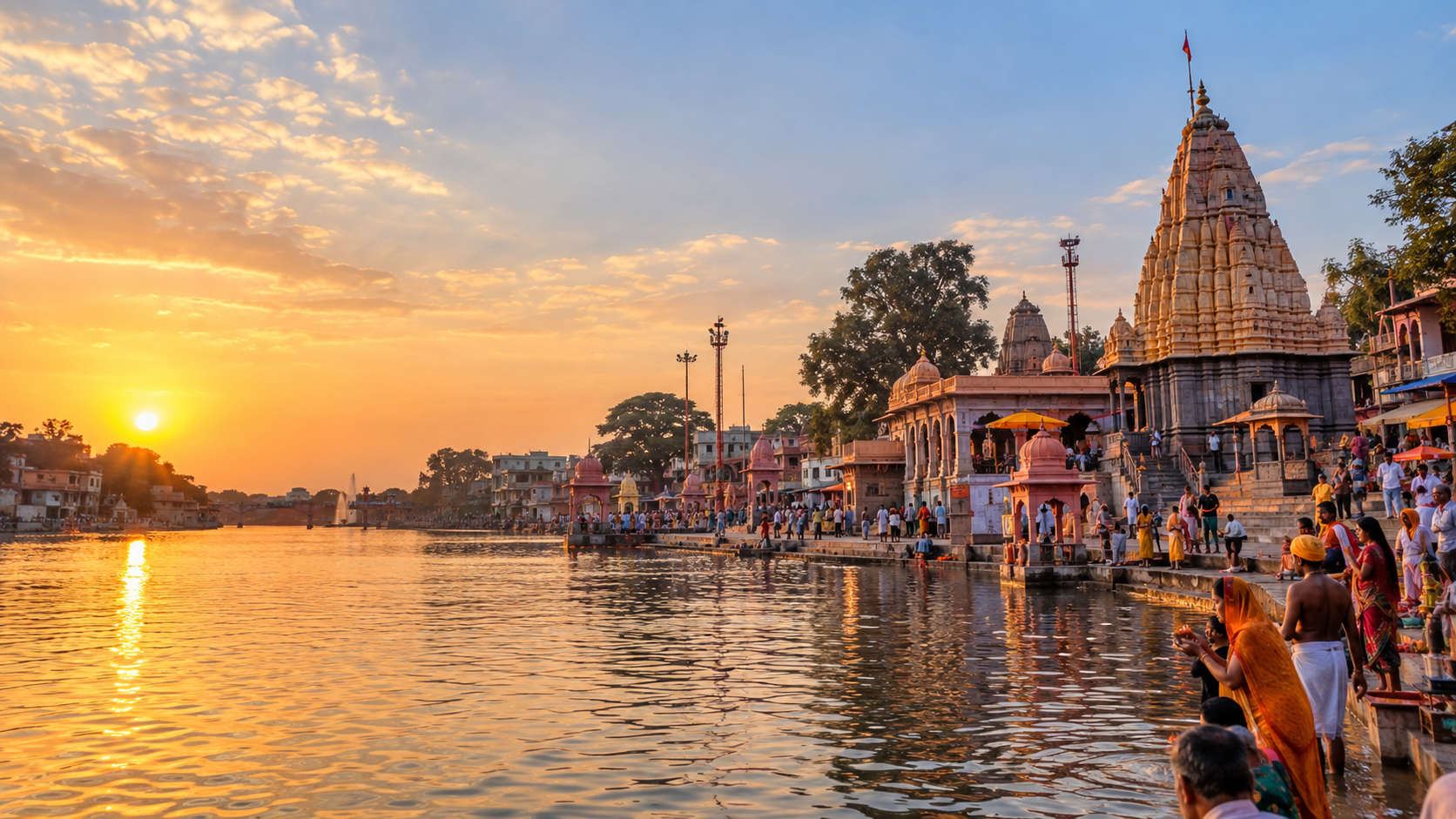
Ujjain Kumbh Mela from Ujjain. Package details, itinerary and pricing can be completed in the CRM.
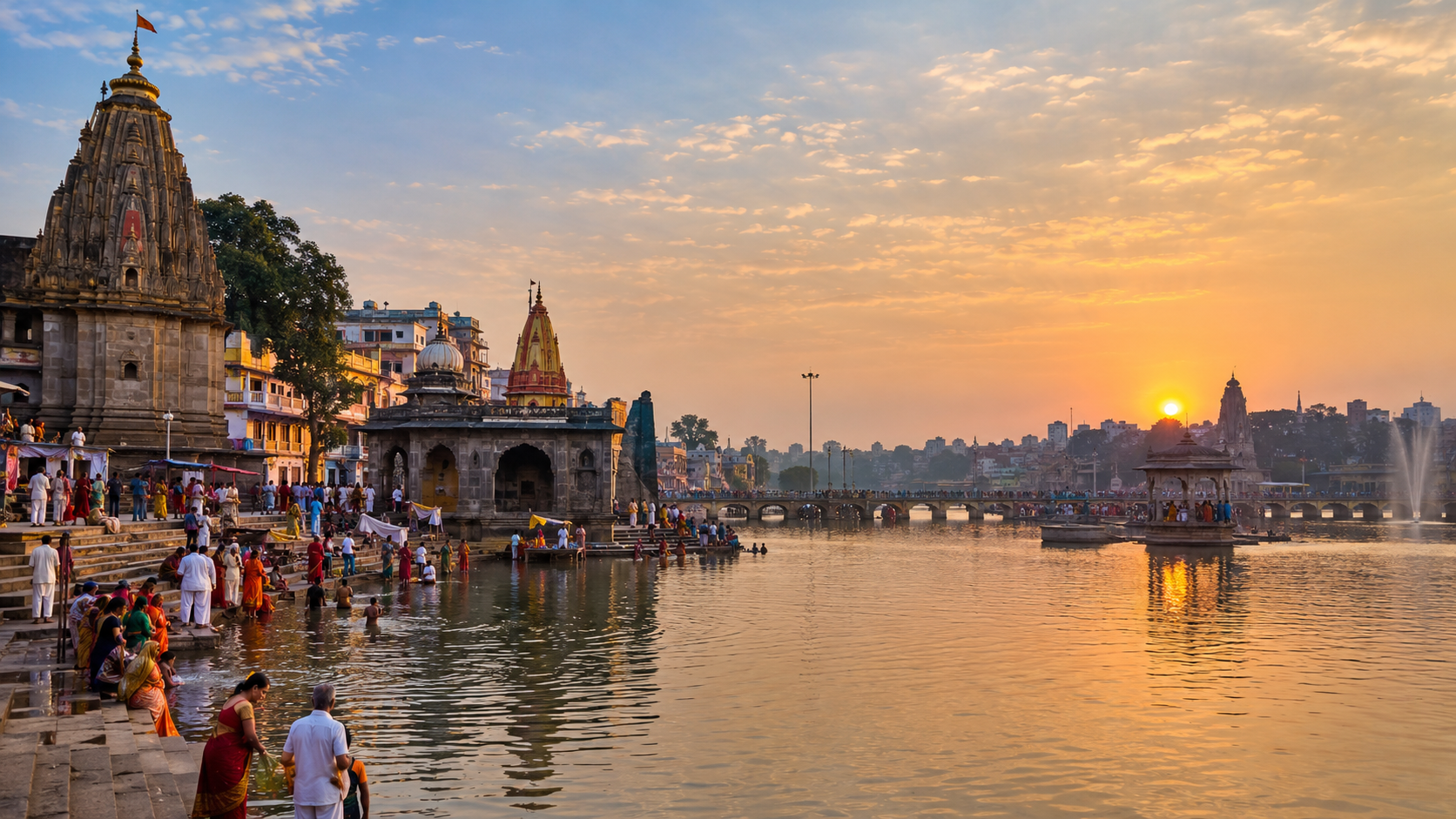
Nashik Kumbh Mela from Nashik. Package details, itinerary and pricing can be completed in the CRM.
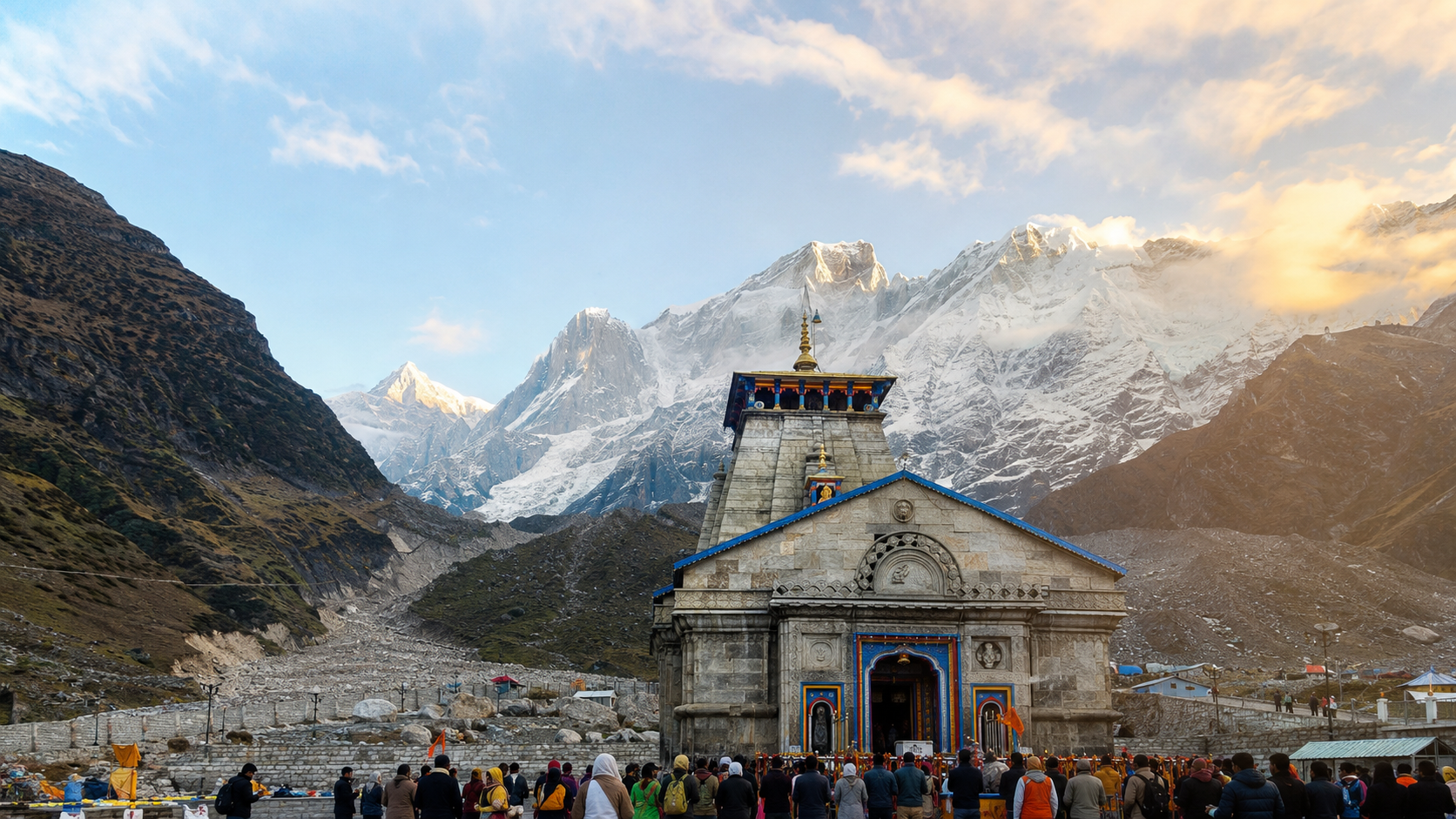
Plan a spiritually meaningful journey to Kedarnath with a 6 Days / 5 Nights Kedarnath Yatra package from Delhi by Trip to Yatra. This pilgrimage package is designed around the Delhi–Haridwar–Kedarnath travel corridor, with Kedarnath Temple as the principal spiritual destination. The journey combines Himalayan travel with time for darshan and a more organised pilgrimage experience. Since Kedarnath is a high-altitude destination with seasonal access and mandatory Yatra formalities, planning matters. Trip to Yatra can help you understand the practical arrangements, registration requirements and travel considerations before you set out. Enquire with our team to plan your 2027 Kedarnath Yatra fro
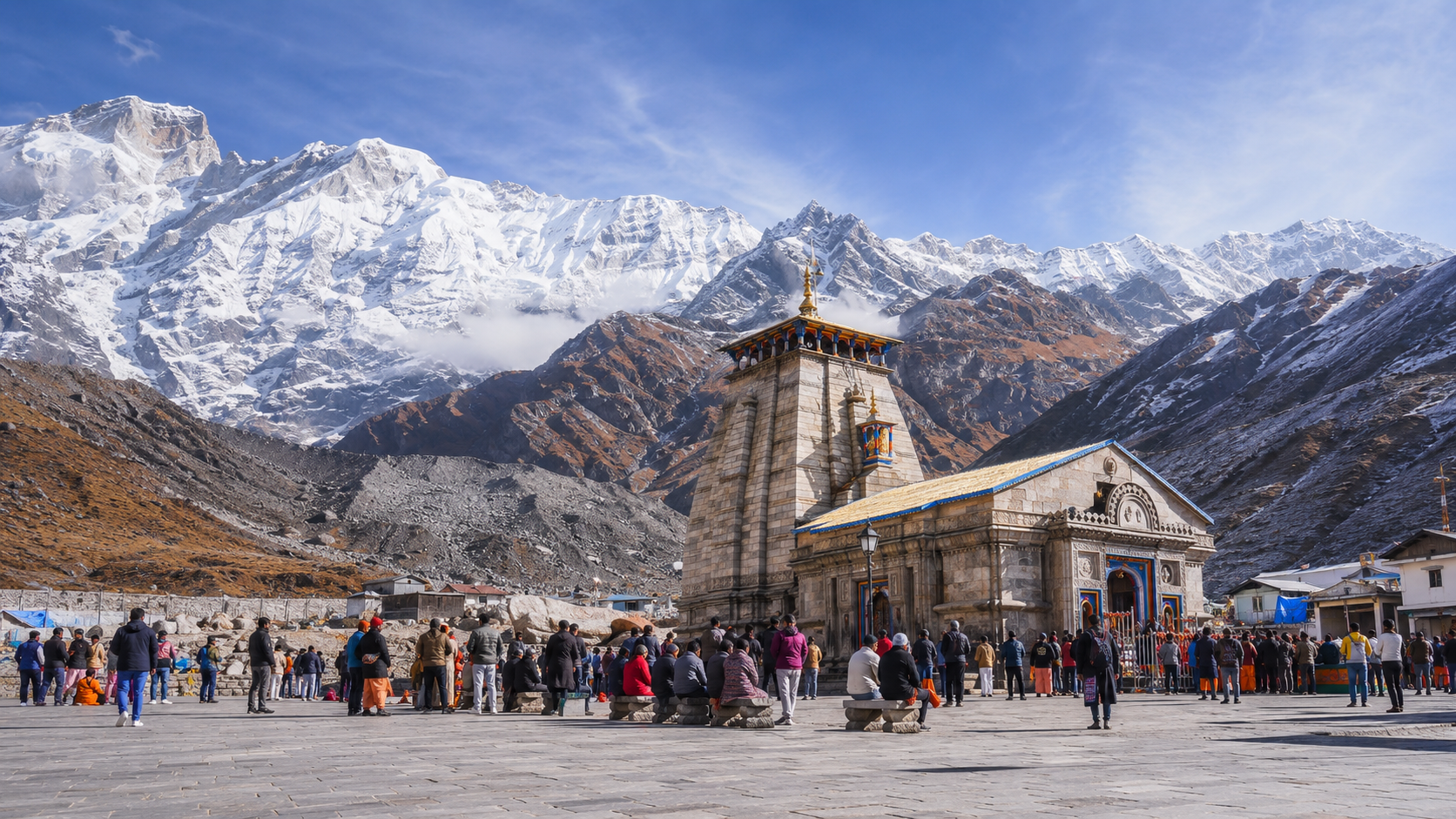
A thoughtfully planned Kedarnath Yatra package from Haridwar for pilgrims looking to visit the sacred Kedarnath Temple in Uttarakhand. This 4 Days / 3 Nights pilgrimage connects Haridwar with one of Lord Shiva’s most revered Himalayan shrines, with arrangements planned around the practical requirements of a high-altitude yatra. Kedarnath is situated in the Garhwal Himalayas at around 3,580 metres, so preparation, suitable clothing and sensible travel planning are important.
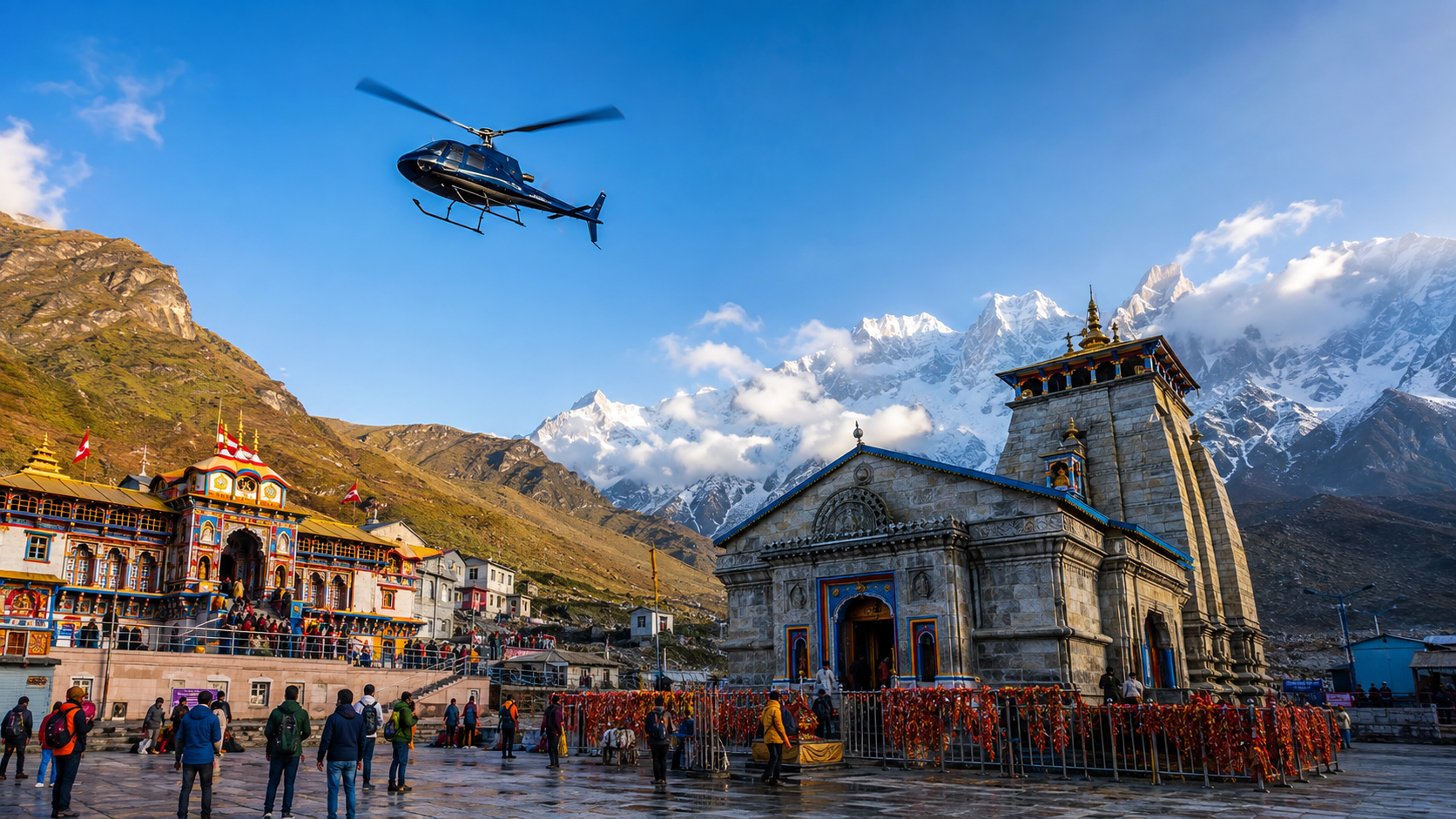
Experience the sacred Do Dham Yatra by helicopter from Dehradun, covering the revered Kedarnath Temple and Badrinath Temple in a compact 3-day, 2-night pilgrimage. This Dehradun-to-Dehradun package is designed for devotees who want to visit both Himalayan shrines while reducing the long road travel involved in a conventional yatra. Kedarnath, dedicated to Lord Shiva, stands high in the Garhwal Himalayas, while Badrinath is one of the four Char Dham pilgrimage sites and is dedicated to Lord Vishnu. With helicopter travel, the journey can be more convenient, subject to weather, operational conditions and applicable pilgrimage regulations.
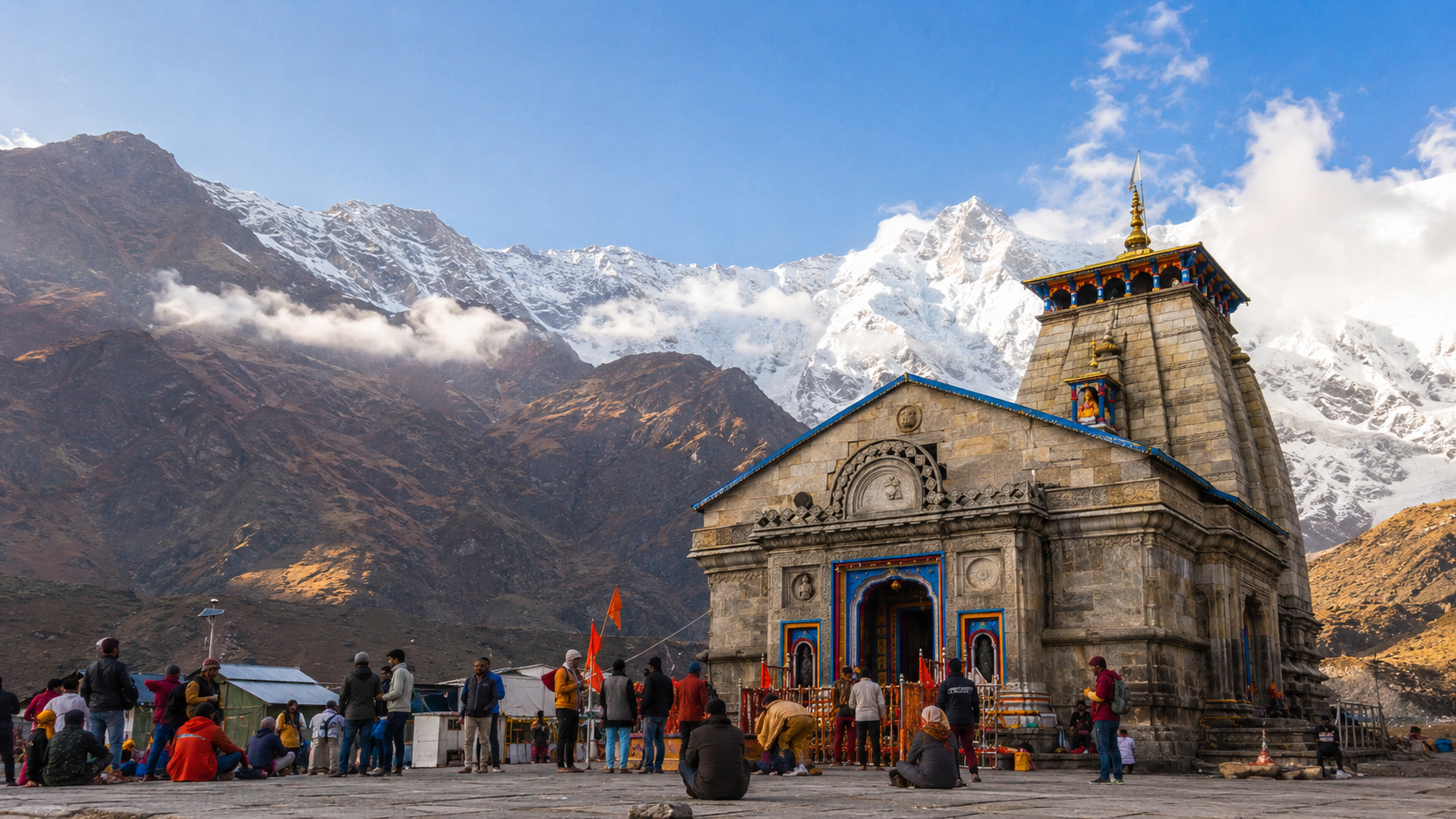
The Do Dham Yatra from Delhi is an 8-day pilgrimage covering the two revered Himalayan shrines of Kedarnath and Badrinath. Starting and ending in Delhi, this thoughtfully planned journey brings together the spiritual atmosphere of Kedarnath, dedicated to Lord Shiva, and Badrinath, dedicated to Lord Vishnu, along with time around Haridwar and Rishikesh. The route combines road travel through Uttarakhand with the required approach to Kedarnath on foot from the roadhead. With high-altitude travel, changing mountain weather and seasonal temple access to consider, Trip to Yatra helps pilgrims plan the journey around practical travel requirements rather than rushing through the experience.
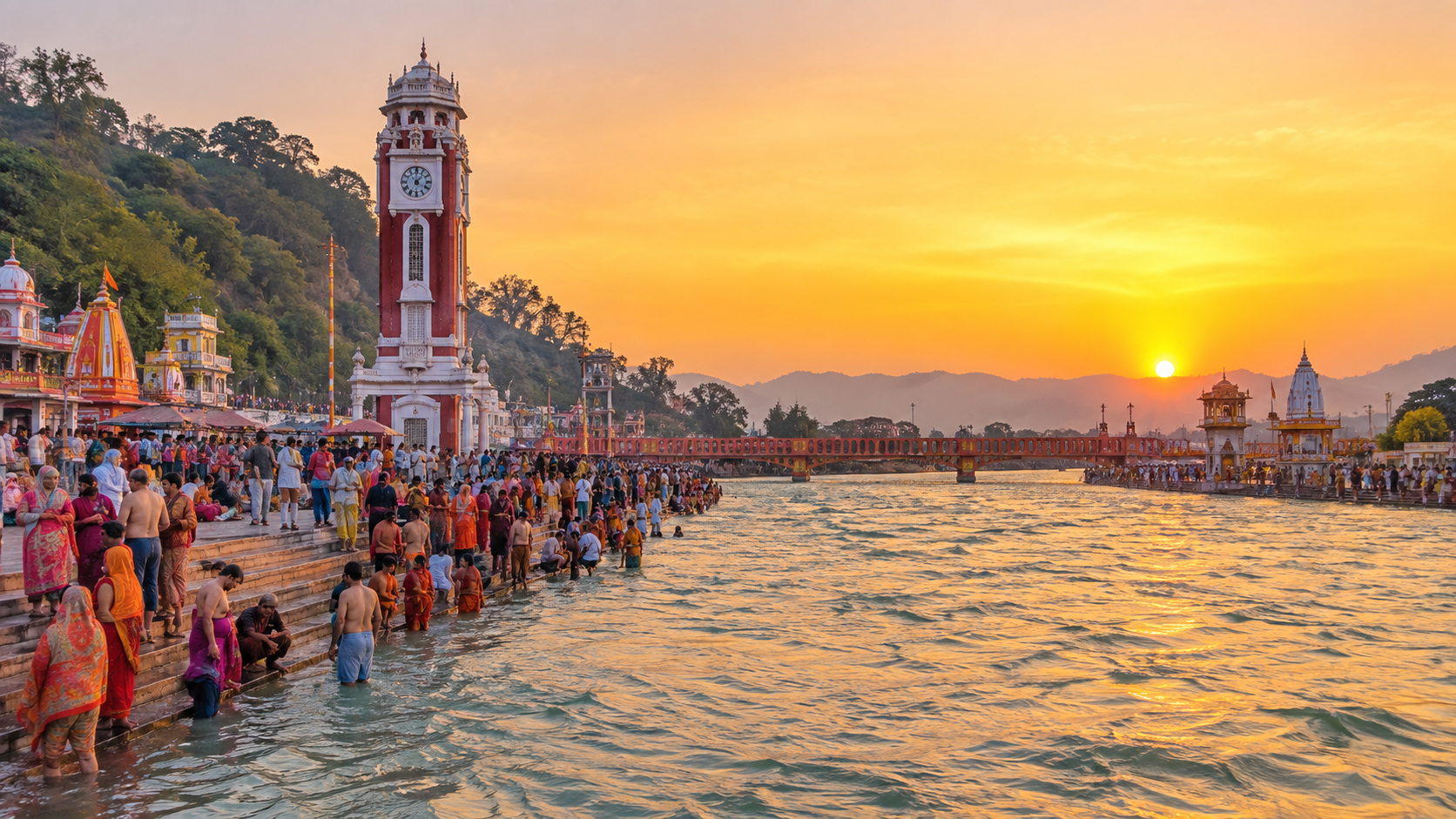
Haridwar Kumbh Mela from Haridwar. Package details, itinerary and pricing can be completed in the CRM.
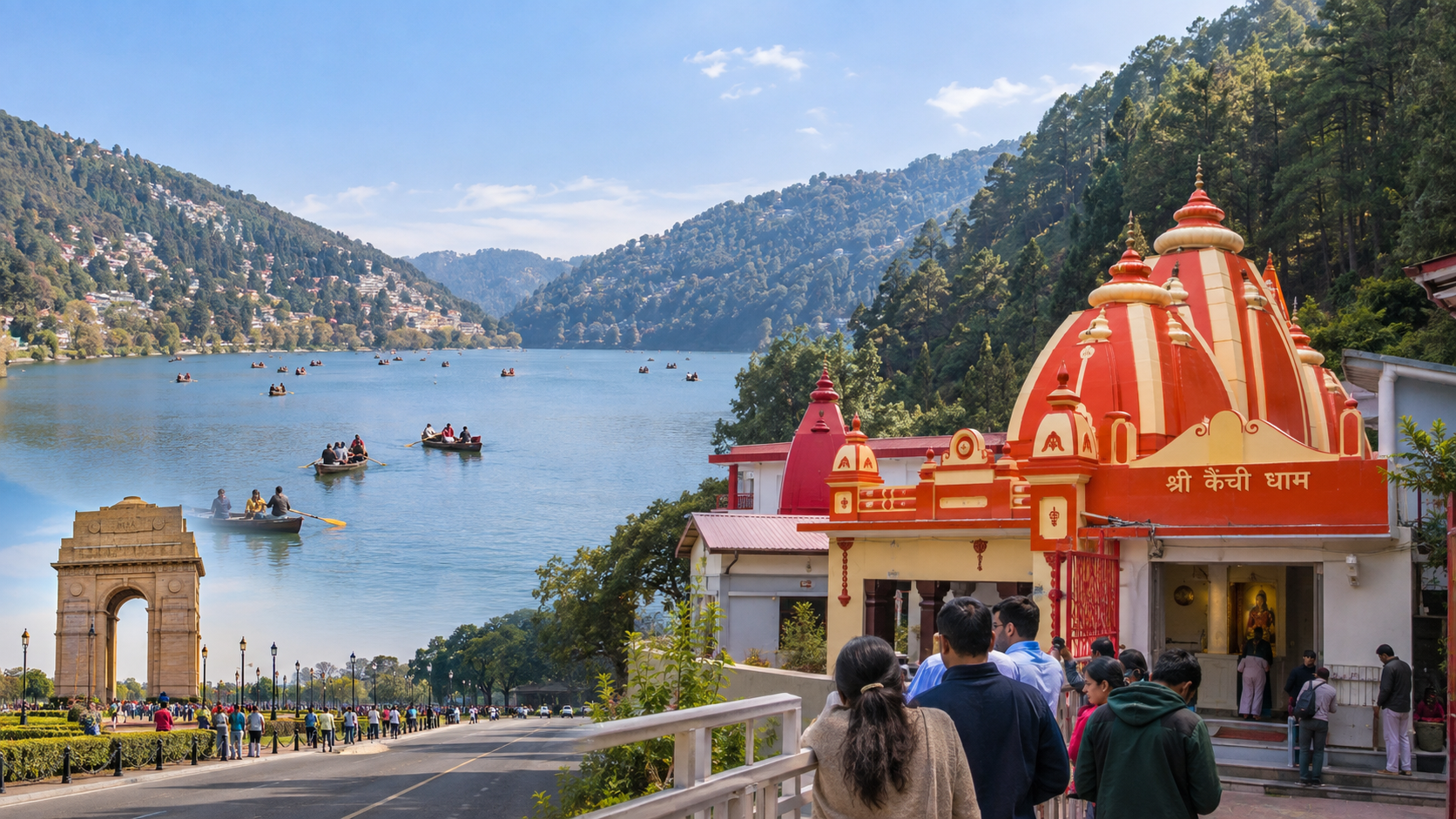
Nainital Kainchi Dham Tour from Delhi. Package details, itinerary and pricing can be completed in the CRM.
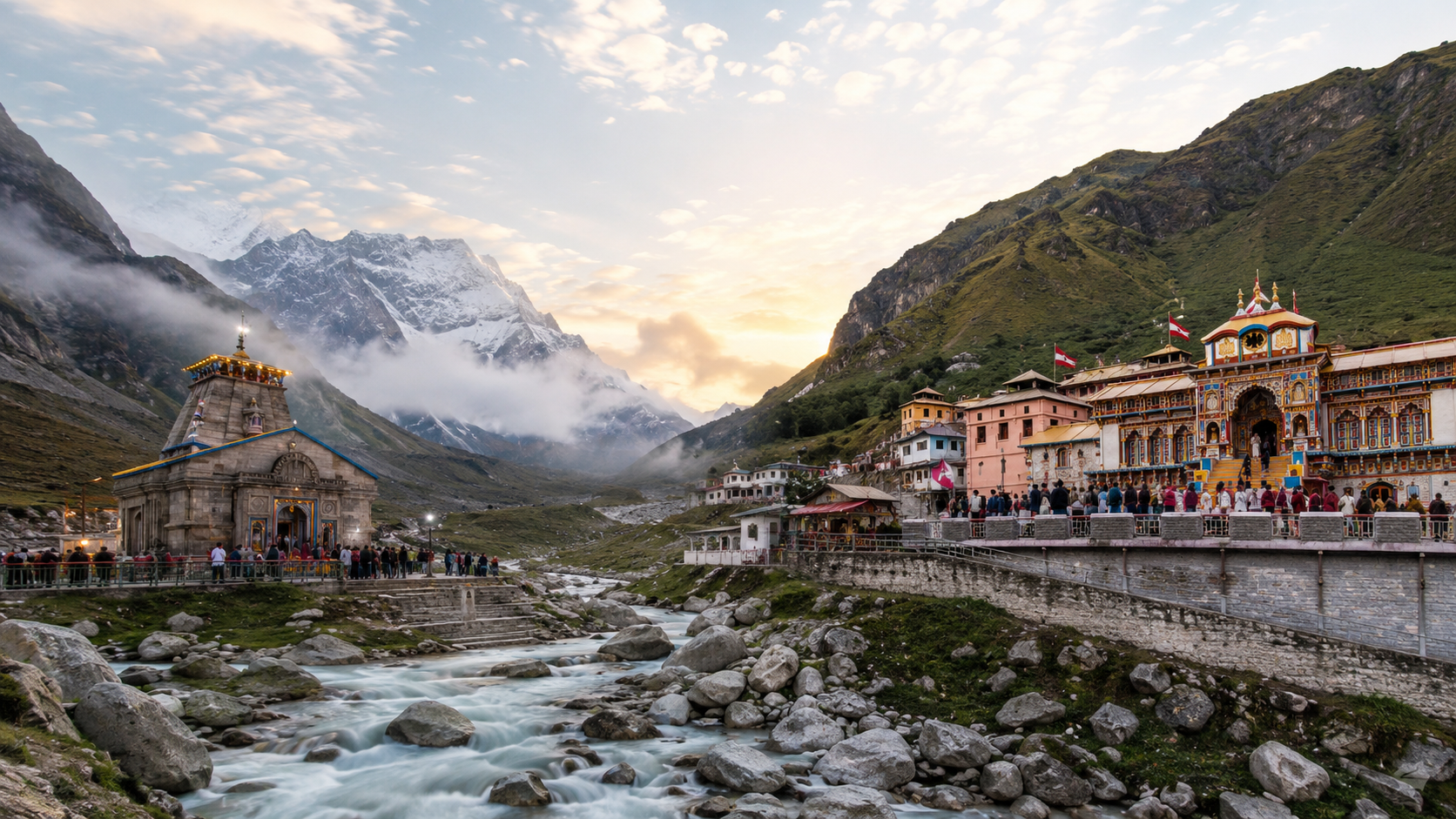
The 6 Days / 5 Nights Do Dham Yatra from Haridwar is designed for pilgrims who wish to visit the sacred Kedarnath Temple and Badrinath Temple in one focused Uttarakhand pilgrimage. Starting and ending in Haridwar, the journey combines the spiritual atmosphere of the Himalayan temples with the changing landscapes of Garhwal. Kedarnath, one of Lord Shiva’s most revered pilgrimage sites and a Jyotirlinga, requires a mountain approach and a trek from Gaurikund. Badrinath, dedicated to Lord Vishnu, is one of Uttarakhand’s four Char Dham temples. Trip to Yatra helps travellers plan this pilgrimage with practical guidance and clear enquiry support.
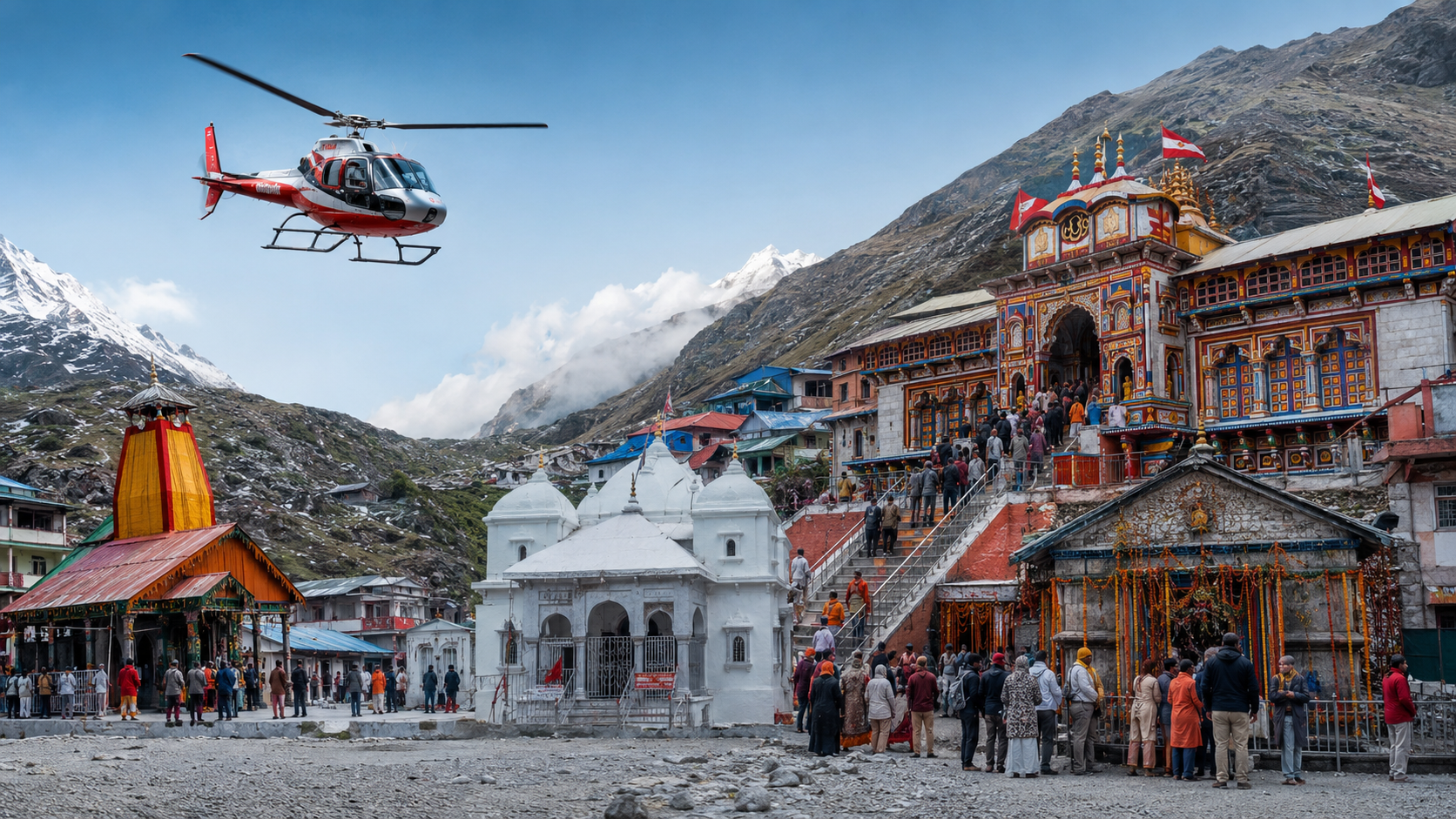
Chardham Yatra by Helicopter from Dehradun offers a more time-efficient way to undertake the sacred Uttarakhand Char Dham pilgrimage, covering Yamunotri, Gangotri, Kedarnath and Badrinath in a 5-day / 4-night package. Starting and ending in Dehradun, the journey combines helicopter travel with the necessary ground and temple-access arrangements at the Dhams. The helicopter element can significantly reduce long road journeys, but it does not mean every temple is reached directly by helicopter; Yamunotri and Kedarnath involve access arrangements beyond the helipad. Char Dham operates seasonally, and 2027 opening dates, operating conditions and applicable requirements should be confirmed before
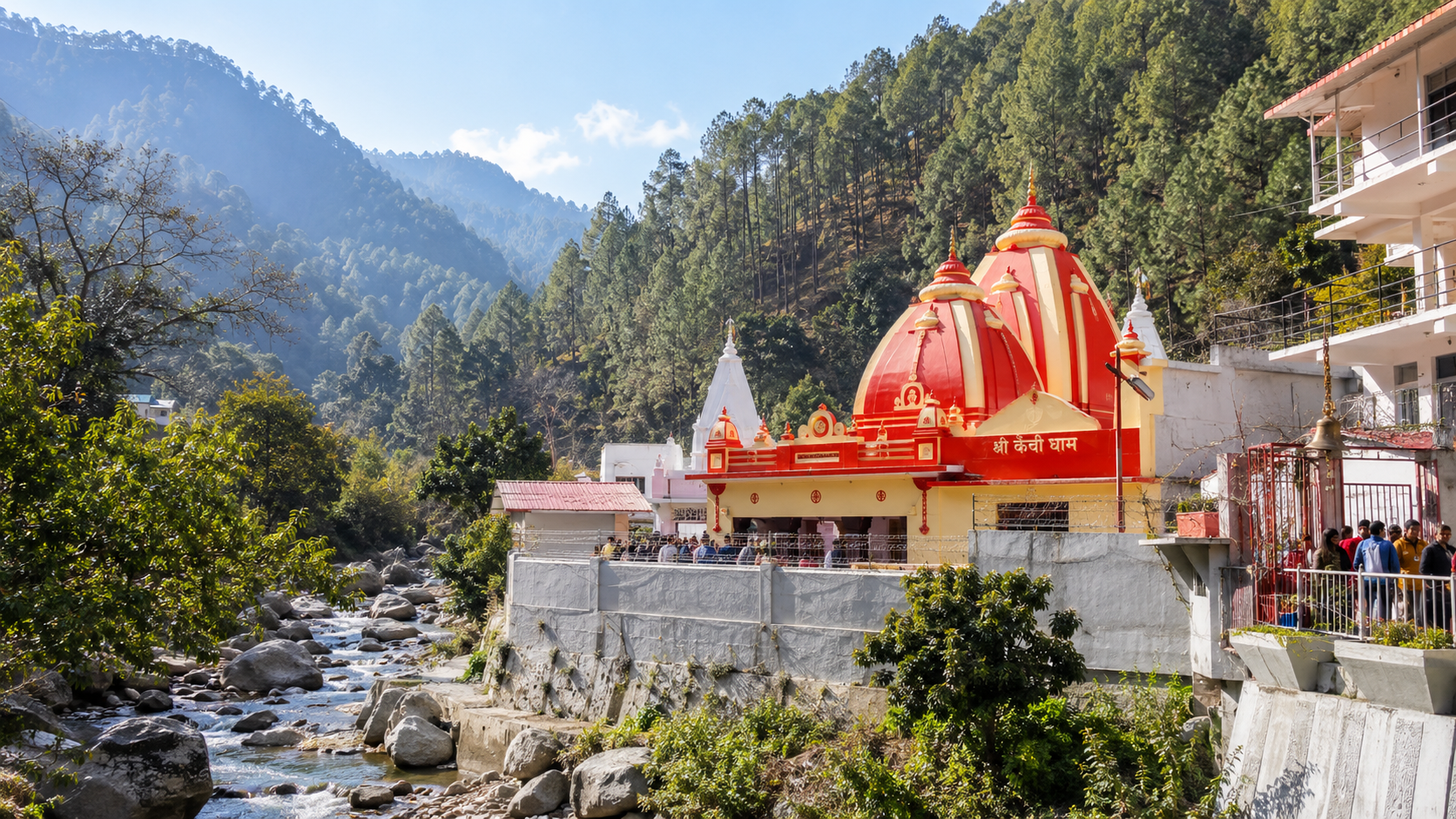
Kainchi Dham Tour from Delhi. Package details, itinerary and pricing can be completed in the CRM.
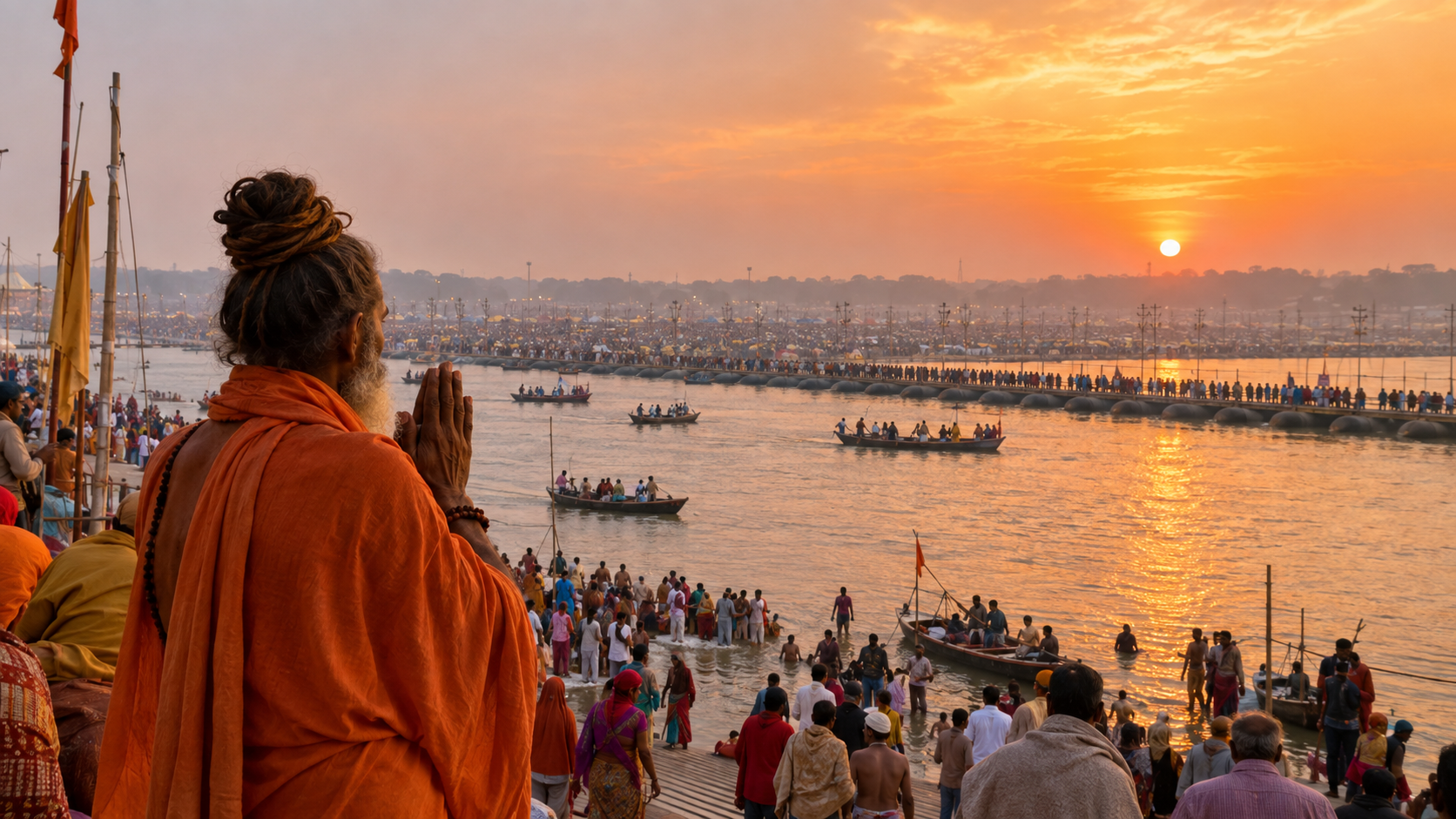
Prayagraj Kumbh Mela from Prayagraj. Package details, itinerary and pricing can be completed in the CRM.
Plan an 8-day Adi Kailash Om Parvat Yatra from Delhi via Dharchula, Gunji, Nabidhang and Jolingkong with route, documents and travel guidance.
Share your details and get a suitable package from our travel expert.
Adi Kailash Om Parvat Yatra from Delhi. Package details, itinerary and pricing can be completed in the CRM.
The Adi Kailash Om Parvat Yatra from Delhi is a spiritually important Himalayan journey into the remote border region of Pithoragarh district in Uttarakhand. Adi Kailash, also known as Chhota Kailash, is associated with Lord Shiva and is visited by devotees for the sacred landscape around Jolingkong, Parvati Sarovar and the Adi Kailash mountain. Om Parvat is another extraordinary Himalayan pilgrimage attraction, known for the naturally appearing Om-shaped snow formation visible from the Nabidhang side when weather and snow conditions permit.
This 8 days / 7 nights itinerary is designed as a Delhi-to-Delhi road journey through the Kumaon Himalaya. The route gradually moves from the plains towards Tanakpur and Dharchula before entering the upper Kali Valley and the strategically important border region around Gunji. From Gunji, separate excursions are planned towards Nabidhang for Om Parvat darshan and towards Kuti-Jolingkong for Adi Kailash and Parvati Sarovar. The return journey descends through Budhi, Chaukori and Almora before reaching Delhi.
Adi Kailash lies in the Himalayan region of Pithoragarh district close to the India-Tibet border. The District Administration of Pithoragarh describes Adi Kailash as an ancient holy place associated with Lord Shiva. The pilgrimage area includes the beautiful Parvati Sarovar and the sacred landscape near Jolingkong. The region has traditionally been reached through the Kuti Valley, and improvements in border-road connectivity have made vehicular access considerably more practical than the historic all-trekking route.
Jolingkong is one of the principal locations for Adi Kailash darshan. Government information also records Kuti as the last major village on this side of the route before Jolingkong. The landscape is characterised by high mountains, rocky valleys, alpine terrain and rapidly changing Himalayan weather. At this altitude, the purpose of the journey is not simply sightseeing. Devotees usually approach the area as a pilgrimage, spending time near Parvati Sarovar and viewing Adi Kailash with reverence whenever visibility allows.
Road development on the Gunji-Kuti-Jolingkong axis has been specifically highlighted by the Border Roads Organisation and the Government of India. Even with improved connectivity, however, this remains a remote Himalayan border journey. Road movement can be influenced by rain, snowfall, landslides, maintenance work, security instructions and local administrative restrictions. Travellers should therefore keep the itinerary flexible and follow the instructions of the district administration, security agencies and local operating team.
Om Parvat is located in the northern part of Pithoragarh district and is recognised for a natural snow pattern resembling the sacred Om symbol. The District Administration identifies Nabidhang as the traditional viewpoint for Om Parvat. The route from the Gunji side proceeds towards Kalapani and Nabidhang through a high-altitude border landscape.
Seeing the Om formation is dependent entirely on nature. Clouds, snowfall, melting snow or poor visibility may prevent a clear view even after reaching the recognised viewpoint. For this reason, no package should promise guaranteed Om Parvat darshan. The journey itself, through the upper Himalayan valleys around Gunji, Kalapani and Nabidhang, remains spiritually and scenically significant regardless of visibility on a particular day.
The pilgrimage begins from Delhi and enters Uttarakhand through the Kumaon side. The first halt is planned at Tanakpur, an important gateway for journeys towards Champawat and the eastern Kumaon hills. The next stage proceeds through the hill region towards Dharchula. This is a comparatively demanding road-transfer day and actual progress depends upon mountain-road conditions.
Dharchula is an important administrative and logistical base for journeys towards Adi Kailash and the upper border valleys. The Pithoragarh district administration also identifies Dharchula as a base for Adi Kailash journeys. Travellers should use the halt here to complete or reconfirm any permit, identity, medical or administrative formalities applicable to their departure batch.
The rules followed during the 2027 season should be checked afresh before travel. Existing official Adi Kailash arrangements have involved fitness documentation, identification records, police verification or passport-related documentation and an indemnity undertaking under applicable operator procedures. Formats and requirements may change. Travellers should never rely solely on an old checklist and should carry the documents specified by the authorised operator and competent authorities for their actual travel date.
From Dharchula the journey enters the spectacular upper Kali Valley and proceeds towards Gunji. Modern road connectivity has transformed this section from the older multi-day trekking approach into a route that can be covered substantially by authorised vehicles, subject to prevailing road and administrative conditions. The terrain remains narrow, rugged and sensitive, and movement can be regulated for safety or security reasons.
Gunji is a major junction for the pilgrimage because the routes towards Om Parvat and Adi Kailash branch through different valleys from this region. It is also considerably higher than Dharchula, so travellers should avoid unnecessary exertion after arrival. Hydration, warm clothing, adequate rest and honest reporting of symptoms are particularly important.
This journey reaches very high Himalayan terrain. It should not be treated like an ordinary hill-station holiday. Reduced oxygen availability can affect travellers even if they are otherwise active and healthy. Headache, unusual fatigue, nausea, dizziness, breathlessness or disturbed sleep should not be ignored. Anyone developing concerning symptoms must inform the accompanying team and follow medical advice. Continuing towards a higher altitude despite worsening symptoms can be dangerous.
People with existing medical conditions should discuss the proposed high-altitude journey with their doctor before confirming travel. A fitness certificate or other health documentation may also be required under the operating rules applicable to the pilgrimage. Travellers should carry their regular prescribed medicines in sufficient quantity and should not depend upon finding specialised medicines in remote settlements.
One day of this itinerary is dedicated to the route from Gunji towards Kalapani and Nabidhang. Kalapani is part of the traditional pilgrimage corridor towards the high Himalayan border. Nabidhang is recognised as the viewing area for Om Parvat. After the visit, the itinerary returns to Gunji for the night, avoiding an unnecessary additional overnight stop at a still higher location.
The excursion is always subject to local permission, weather, road condition and security instructions. Photography restrictions may apply at sensitive installations or border locations, so travellers must follow instructions given by authorities and should never photograph restricted military or security infrastructure.
The next major pilgrimage day proceeds from Gunji through the Kuti Valley towards Jolingkong. Kuti is historically associated with the upper Himalayan trade and pilgrimage route. Jolingkong lies in the Adi Kailash landscape and provides access to Parvati Sarovar and views towards the sacred mountain.
The Government of India and Border Roads Organisation have documented the Gunji-Kuti-Jolingkong road connection, which has significantly improved access to Adi Kailash. Nevertheless, this remains a difficult high-altitude road. The final approach, walking requirement and accessible points can vary according to road condition, parking arrangements and instructions issued locally. Pilgrims should therefore be prepared for some walking on uneven terrain rather than assuming that every point can always be reached directly by vehicle.
After darshan, the itinerary descends and continues towards Budhi for the overnight halt. Descending after the highest section reduces prolonged exposure to very high altitude and positions the group for the return journey through Kumaon.
From Budhi, the journey leaves the upper border region and continues towards Chaukori. The change from stark high-altitude terrain to the greener Kumaon hills is one of the most noticeable transitions of the pilgrimage. Chaukori is used as a practical overnight halt on the return sector before continuing towards Almora.
The following day proceeds to Almora, one of Kumaon's principal hill towns. The final day connects Almora with Delhi, completing the circular pilgrimage. The exact road used on any particular departure may be adjusted by the operating team when diversions, closures or local traffic restrictions make an alternative safer or more practical.
Travellers should keep realistic expectations about accommodation during an Adi Kailash journey. While larger towns may offer conventional hotels, facilities in remote Himalayan locations can be basic and availability can be limited. The exact hotel, tourist rest house, homestay, camp or room category should be confirmed in the final booking voucher instead of being assumed from a generic itinerary. Electricity, hot water, mobile connectivity and other services can be intermittent in remote areas.
Similarly, the exact vehicle type should be confirmed for each departure. Mountain and border roads may require vehicles considered suitable by the local operating authority. Vehicle changes can also be necessary between the plains, regular hill roads and restricted upper-valley sectors.
Preparation should begin well before departure. Comfortable layered clothing is more useful than relying on one very heavy garment. Travellers should carry a waterproof outer layer, gloves, warm head covering, sturdy walking shoes, sunglasses, sunscreen, reusable water bottle, personal toiletries and prescribed medicines. Luggage should remain compact because space in mountain vehicles can be limited.
Physical preparation is equally important. Regular walking and basic cardiovascular exercise before the journey can make long travel days and short high-altitude walks easier to manage. Fitness training, however, does not provide immunity against altitude illness, so even experienced travellers must ascend responsibly and report symptoms.
Adi Kailash and Om Parvat are situated in a sensitive Himalayan border region. Entry and movement are therefore governed by administrative, security and local operating requirements. Current KMVN pilgrimage procedures demonstrate that documentation can include fitness-related paperwork, identification, police verification or passport documentation and an indemnity undertaking. These requirements should be treated as an indication of the documentation framework, not as a permanent guarantee of what will apply during 2027.
The final 2027 procedure, operating season, batch availability, permissible routes and document formats must be checked against official notifications or authorised operating instructions before departure. The same applies to road access. Heavy rain, snowfall, landslides or security considerations can cause temporary closures or itinerary changes.
The Adi Kailash Om Parvat Yatra from Delhi combines devotion, remote Himalayan landscapes and a demanding journey through one of Uttarakhand's most sensitive border regions. Adi Kailash, Parvati Sarovar, Gunji, the Kuti Valley, Kalapani, Nabidhang and Om Parvat form the spiritual core of the route. Improved roads have made the region more accessible, but its remoteness has not disappeared.
Pilgrims should travel with patience and respect for local communities, the environment and government instructions. No mountain view, darshan or exact road movement can be guaranteed because conditions are controlled by nature and competent authorities. Travellers who approach the journey with adequate fitness, sensible expectations and flexibility are better prepared to experience the spiritual importance and extraordinary Himalayan setting of Adi Kailash and Om Parvat.
A quick overview of the experiences, important stops and thoughtful planning included in this yatra.
Delhi-to-Delhi pilgrimage covering both Adi Kailash and Om Parvat.
Journey through the remote Kumaon Himalaya and Dharchula border region.
Stay in Gunji, an important junction for the Adi Kailash and Om Parvat routes.
Visit towards Nabidhang for Om Parvat darshan, subject to visibility and permission.
Visit the Jolingkong and Parvati Sarovar area for Adi Kailash darshan.
Travel through the traditional Kuti Valley.
Return through Chaukori and Almora in the Kumaon hills.
Road access on the Gunji-Kuti-Jolingkong axis documented by the Government of India and Border Roads Organisation.
Follow the journey step by step through the important halts, stays and darshan points.
Begin the Adi Kailash Om Parvat Yatra from Delhi and travel towards the Kumaon region of Uttarakhand. Reach Tanakpur and check in for the overnight halt. Keep the evening relaxed because the following days involve long mountain transfers and progressively higher terrain.
Continue from Tanakpur towards Dharchula through the Kumaon hill region, passing through the Lohaghat-Pithoragarh side according to prevailing road conditions. Dharchula is an established base for Adi Kailash journeys. On arrival, complete or reconfirm the documentation, fitness and administrative formalities applicable to the departure.
Proceed from Dharchula into the upper Kali Valley towards Gunji using the authorised mountain route. This sector enters sensitive border terrain and all movement remains subject to permission, road condition and security instructions. After reaching Gunji, rest and avoid unnecessary exertion while adjusting to the higher altitude.
Travel from Gunji towards Kalapani and Nabidhang, the recognised viewing side for Om Parvat. Spend time at the permitted viewpoint and return to Gunji. A clear view of the natural Om-shaped snow formation depends upon weather, cloud and snow conditions and cannot be guaranteed.
Travel through the Kuti Valley towards Jolingkong for the Adi Kailash pilgrimage area and Parvati Sarovar, subject to road access and local permission. Spend time for darshan and then descend from the high-altitude sector, continuing towards Budhi for the overnight halt. Walking requirements near the pilgrimage area depend on the access arrangements prevailing on the travel date.
Leave the upper border valley and descend through the Kumaon region towards Chaukori. This is primarily a return-transfer day through mountain terrain. The exact road and stopping points may be adjusted if local road conditions or administrative directions require a diversion.
Continue through the Kumaon hills from Chaukori to Almora. After several days in the remote high Himalaya, this stage returns to more established hill-town infrastructure. Check in at Almora and rest before the final journey to Delhi.
Depart Almora and travel towards Delhi, completing the 8 days / 7 nights Adi Kailash Om Parvat Yatra. Arrival depends on road and traffic conditions. The pilgrimage concludes on reaching Delhi.
Review what is included in your plan and the important information required before confirming your journey.
Important answers to help you prepare for this journey.
This itinerary is planned for 8 days and 7 nights, starting and ending in Delhi.
Both pilgrimage areas are in Pithoragarh district of Uttarakhand, in the high Himalayan border region approached through Dharchula and Gunji.
Road connectivity has been developed on the Gunji-Kuti-Jolingkong axis and the Border Roads Organisation has documented improved vehicular connectivity for the Adi Kailash route. Actual access remains subject to road condition, permission and local instructions.
The Pithoragarh District Administration identifies Nabidhang as the traditional viewing side for Om Parvat. Visibility of the natural Om-shaped snow formation depends on weather and snow conditions.
No. Cloud, snowfall, melting snow and other natural conditions can obstruct the view, so a clear Om Parvat darshan cannot be guaranteed.
Movement in the upper Dharchula border region is controlled by administrative and security requirements. Travellers must follow the permit or permission process applicable to their departure. The final 2027 procedure should be reconfirmed before travel.
Current official operator procedures have included government identification, fitness documentation, an indemnity undertaking and police verification or passport-related documentation. Exact formats and requirements for 2027 may change and should be obtained from the authorised operator or competent authority.
Current Adi Kailash operating procedures include fitness documentation. Because the journey reaches high altitude, travellers should also obtain appropriate medical advice before booking. The prescribed 2027 fitness format, if applicable, should be confirmed before departure.
Yes. Even with improved road connectivity, it involves long mountain journeys, remote accommodation, cold weather and very high altitude. Travellers should be physically prepared and should not treat it as a normal leisure road trip.
Movement may be delayed, shortened, rerouted or cancelled for the affected sector if weather, landslides, snowfall, maintenance, security restrictions or government instructions make travel unsafe or prohibited.
Facilities vary substantially between major towns and remote Himalayan settlements. The exact hotel, tourist rest house, homestay or other accommodation for a departure should be confirmed in the final booking voucher rather than assumed from the itinerary.
Age alone does not determine suitability for a high-altitude pilgrimage. Travellers should satisfy the medical and fitness requirements applicable to the operating season and obtain individual medical advice, particularly when they have existing health conditions.